
Ghumoopedia — Explore, Discover, Experience
Sign in
Bhima Devi Temple Site Museum, near Pinjore

City guide · Haryana

Pinjore

Pinjore is a town in Haryana’s Panchkula district, set in a valley below the Sivalik foothills and close to Panchkula, Chandigarh and Kalka. Its location makes it both a residential centre in the Chandigarh region and a convenient stop on the route towards the hills.

Famous for

  • Yadavindra Gardens
  • Bhima Devi Temple
  • Panchpura Baoli
  • HMT factory
  • Mango Festival
  • Kaushalya Dam
In the city
2
Nearby
1
District
Panchkula

Why Pinjore matters

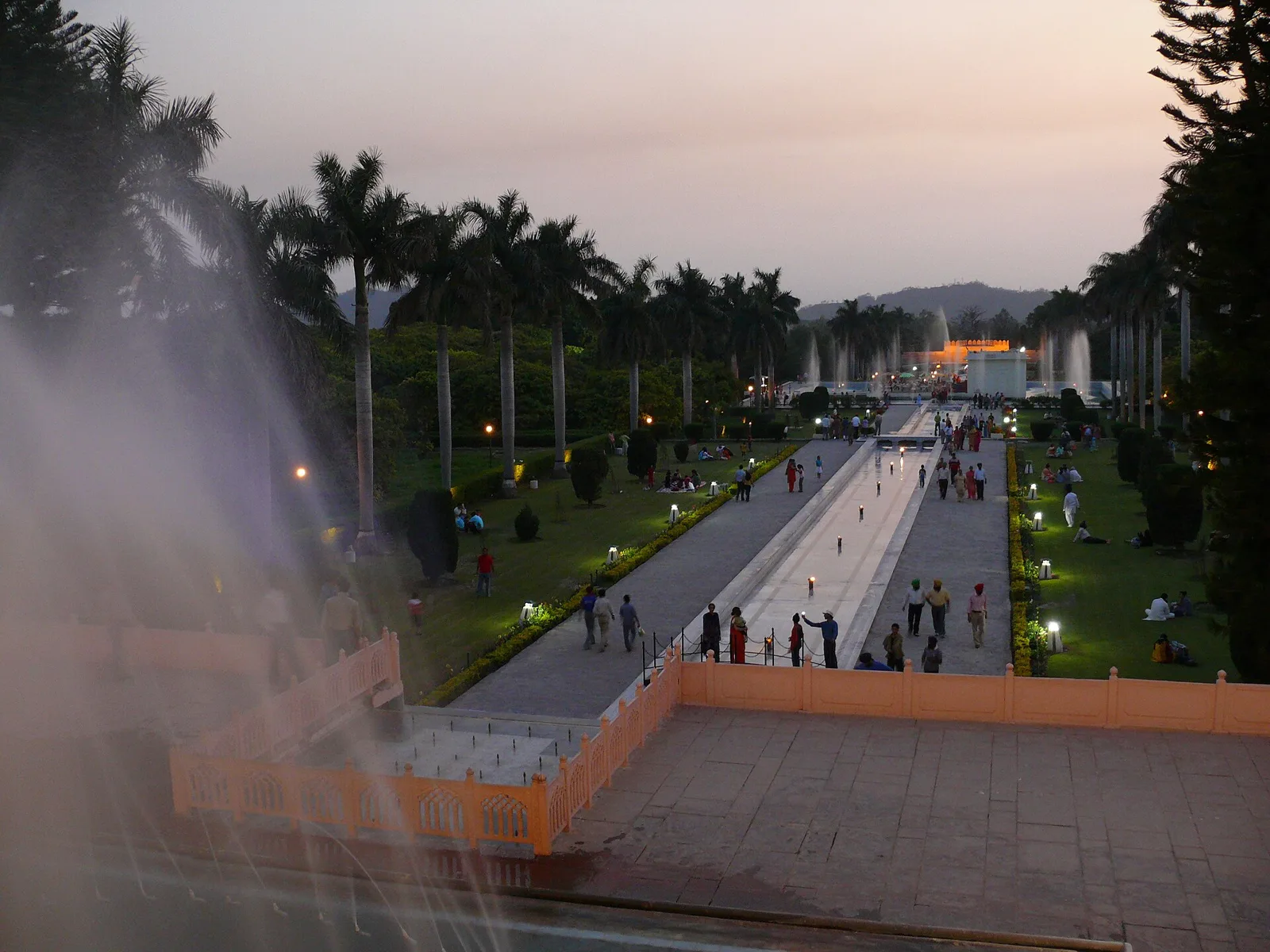
Pinjore is a town in Haryana’s Panchkula district, set in a valley below the Sivalik foothills and close to Panchkula, Chandigarh and Kalka. Its location makes it both a residential centre in the Chandigarh region and a convenient stop on the route towards the hills. The town’s best-known attraction is Yadavindra Gardens, a Mughal-style complex of descending terraces, fountains and pavilions that draws day-trippers, especially from Chandigarh.

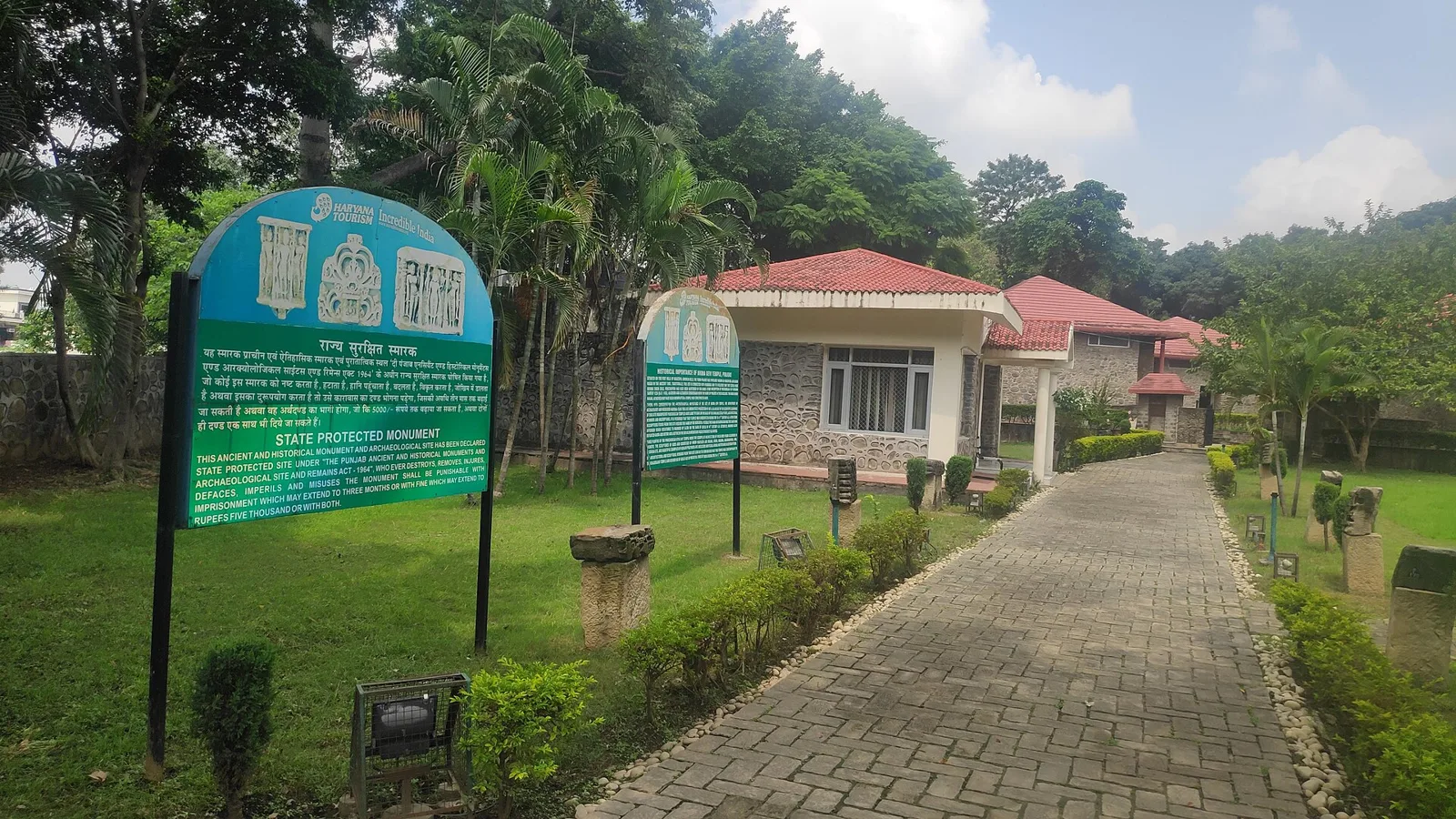
Pinjore also offers a glimpse of older regional history. The Bhima Devi Temple Site Museum displays sculptures and architectural remains from an early medieval temple complex, while Panchpura Baoli preserves an inscription associated with the town’s older name. HMT’s machine-tools factory is another defining part of Pinjore’s modern identity and industrial heritage. Nearby, Kaushalya Dam and its wetland add a quieter natural attraction. Gardens, archaeological sites and a setting between the plains and the hills give Pinjore a distinctive role among the smaller towns around Chandigarh.
Famous for: crafts, trade & products

Pinjore is better known for its historic garden and industrial legacy than for a signature textile, handicraft or GI-tagged product. Yadavindra Gardens is its most recognised attraction: visitors come for the terraced Mughal-style layout, water features, pavilions and seasonal events, including the Mango Festival. A nursery within the garden complex reflects the area’s horticultural character. The garden is the best place to look for seasonal local produce or event stalls, though availability varies.

The HMT factory is a prominent reminder of Pinjore’s association with machine-tools manufacturing. It is best understood as an industrial landmark and part of the town’s working history, rather than a retail destination. For locally made goods and a broader choice of shops, visitors can explore Pinjore’s town centre or the larger markets in nearby Panchkula and Chandigarh. The Bhima Devi Temple Site Museum is the place to see sculptures and architectural fragments recovered from the ancient temple site; Panchpura Baoli offers a separate glimpse of local heritage. Pinjore’s main draws are therefore its gardens, archaeological remains and industrial story, not a specialised craft market.

History

Finds from the Pinjore region, including stone tools and archaeological remains, point to a long history of human settlement. The name is popularly linked to the Pandava brothers, who are said to have stayed here during their exile. An inscription at Panchpura Baoli records the older place-name Panchpura, from which Pinjore is thought to have developed. Nearby temple remains and sculptures belong broadly to the 8th–12th centuries and reflect the religious and artistic life of the early medieval period.

The area was attacked and plundered during campaigns in the 13th and 14th centuries. In the 17th century, Mughal official Fidai Khan laid out the garden that is now Yadavindra Gardens. Control later passed through the rulers of Sirmaur and, in 1775, to Maharaja Amar Singh of Patiala. During the colonial era, Pinjore formed part of the Patiala princely state, under British paramountcy. After Haryana became a separate state in 1966, the garden came under state administration. The town’s later identity also grew around HMT’s machine-tools works and its links with the expanding Chandigarh region.

Food, festivals & culture

Pinjore shares the food traditions of Haryana and the wider Chandigarh foothills, with Punjabi influences. Everyday meals may include roti, lentils, seasonal vegetables and dairy; bajra roti and sarson ka saag are familiar regional choices, especially in colder months. Lassi, kadhi and churma are also common across the region, though none is unique to Pinjore. Visitors will find the widest choice of eateries in the town and neighbouring Panchkula.

Hindi and Haryanvi are widely used, with Punjabi also heard in the area. Festivals bring together local and regional traditions: Baisakhi is celebrated in spring, Teej during the monsoon season, and Diwali in autumn. The Mango Festival at Yadavindra Gardens is a seasonal event centred on the fruit and garden visits. Folk singing, including the Haryanvi ragini tradition, and community celebrations form part of the cultural landscape. The Bhima Devi Temple site connects visitors with the area’s older Hindu traditions, while the garden’s pavilions and historic structures provide a prominent setting for public events.

Visiting the city

October to March is generally the most comfortable time to explore Pinjore, with cooler weather for walking through the gardens and visiting outdoor heritage sites. The monsoon months bring greener surroundings, though showers can affect plans. Chandigarh International Airport is the nearest major airport, and Kalka railway station is the principal nearby railhead. From either, visitors can continue by taxi or road transport; buses and local taxis connect Pinjore with Panchkula, Chandigarh and Kalka. Auto-rickshaws are useful for shorter trips within town.

Start at Yadavindra Gardens, then visit the Bhima Devi Temple Site Museum and Panchpura Baoli for a sense of Pinjore’s history. The Kaushalya Dam area offers a nature-focused outing nearby. The town centre is useful for everyday shops and food, while Panchkula and Chandigarh provide more extensive shopping and dining options. Pinjore works well as a day trip or as a stop on the way to Kalka and the hill routes beyond.

Attractions

Places to visit in Pinjore

Sights within about 12 km of each other, even when they fall in different districts.

Short trips

Around Pinjore

Within about 40 km — easy half-day or day trips from the city.

Map

Pinjore on the map

  1. 1Bhima Devi Temple Site Museum
  2. 2Yadavindra Gardens
  3. 3Morni

Haryana

Other cities to explore