Ghumoopedia — Explore, Discover, Experience
Sign in
Jind, near Assandh

City guide · Haryana

Assandh

Assandh is a town in Karnal district, southern Haryana, serving as a local centre for nearby villages and a meeting point for routes and communities linked with Karnal, Kaithal, Jind and Panipat. Its setting makes it useful as a base for exploring this part of the state, while its markets and everyday services serve a largely agricultural hinterland.

Famous for

  • Assandh Buddhist stupa
  • Jarasandh ka Teela
  • Painted Grey Ware archaeology
  • Ancient Kuru associations
  • Regional agricultural markets

Why Assandh matters

Assandh is a town in Karnal district, southern Haryana, serving as a local centre for nearby villages and a meeting point for routes and communities linked with Karnal, Kaithal, Jind and Panipat. Its setting makes it useful as a base for exploring this part of the state, while its markets and everyday services serve a largely agricultural hinterland.

The town’s strongest draw is its archaeological heritage. A large brick Buddhist stupa, locally called Jarasandh ka Teela, rises from the landscape and is associated by the Archaeological Survey of India with the Kushan period. Archaeological finds, including Painted Grey Ware, also connect the area with early Iron Age life. Assandh is often identified with ancient Āsandīvat, a place associated with the Kuru kingdom, though the details of that identification remain a matter of historical interpretation. Visitors come for the mound and its layered stories, as well as for a glimpse of a working Haryana market town with Hindu, Sikh and Muslim places of worship.
Famous for: crafts, trade & products

Assandh is best known for its archaeological mound rather than for a distinctive textile, handicraft or branded food tradition. The town has no widely recognised GI-tagged product or signature craft associated with it. Its historic stupa and the area’s archaeological associations are the most notable features for visitors interested in heritage.

For everyday shopping, the central market area is the practical place to look for groceries, clothing, household goods and locally used farm supplies. Assandh also serves an agricultural hinterland, so seasonal crops and related trade are part of the town’s commercial life; local mandis and agricultural outlets are more relevant for these than specialist souvenir shops. Visitors should not expect a dedicated crafts bazaar or a large selection of heritage merchandise. For locally made goods or regional produce, ask in the market about what is in season, and treat any item presented as a town-specific speciality with care unless its origin is clear.

History

Assandh is commonly identified with ancient Āsandīvat, a place linked in historical accounts with the Kuru kingdom. Archaeological discoveries of Painted Grey Ware point to settlement in the area during the Iron Age, though the precise relationship between the modern town and ancient references is not certain. The prominent brick stupa, known locally as Jarasandh ka Teela or Jarasandh ka Qila, is identified by the Archaeological Survey of India as a Kushan-period monument. Its popular name reflects a later association with the Mahabharata figure Jarasandh, rather than establishing the mound’s original purpose.

Before Partition, Assandh had a substantial Muslim community. The upheaval of 1947 brought migration and demographic change, including the arrival of Sikh and Punjabi Hindu refugees from what became Pakistan. District boundaries shifted around Assandh during the late twentieth century as Panipat was separated from and later reorganised alongside Karnal; Assandh ultimately remained in Karnal district. Today it functions as a town and municipal committee serving nearby rural communities.

Food, festivals & culture

Everyday food reflects the wider Haryana and Punjabi-influenced region: roti, seasonal vegetables, dal, kadhi, lassi and, in suitable seasons, saag with makki or bajra roti. Sweets such as jalebi and pinni are familiar across the area, but Assandh is not especially known for a unique local dish. Small eateries and market food stalls are the easiest places to sample everyday fare.

Hindi and Haryanvi are widely used, with Punjabi also heard in the area. The calendar brings celebrations such as Holi in spring, Teej during the monsoon season, and Diwali in autumn; Baisakhi is observed by Sikh communities in spring. Folk singing, ragini and dhol-accompanied music belong to the broader regional culture, though performances are more likely around community events than as regular visitor attractions. Hindu temples, a Sanatan Dharm Mandir, a gurdwara and a mosque reflect the town’s range of places of worship. Visitors should dress respectfully and observe local customs at religious sites.

Visiting the city

The cooler months, roughly October to March, are generally the most comfortable for exploring Assandh and its stupa; summer afternoons can be very hot, while monsoon weather may affect road journeys. The nearest major airport with regular passenger connections is Chandigarh International Airport; Indira Gandhi International Airport in Delhi is another option. Assandh railway station serves the town, while Karnal railway station is a larger nearby rail hub.

Auto-rickshaws and local taxis are useful for short trips, and buses and road transport connect Assandh with surrounding towns. Begin around the central market to get a feel for daily life, then visit Jarasandh ka Teela and nearby places of worship. The stupa is an archaeological site, so access and facilities may be limited; check locally before planning a longer visit.

Trips from the city

Nearest places to visit from Assandh

Our closest destination guides, by straight-line distance.

Jind

36 km away · Jind district

Jind

Jind is among the largest and oldest cities in Haryana’s Jind district and serves as its administrative centre. Visitors go to Rani Talab, while Pandu Pindara and Ramrai draw devotees for Amavasya bathing.

Panipat

38 km away · Panipat district

Panipat

Panipat is an industrial city in Haryana, noted for its textile trade and pivotal battlefield history. Visitors come to explore its association with three clashes that reshaped power in India.

Karnal

41 km away · Karnal district

Karnal

Karnal is a city in Haryana and the centre of its district. Its traditional link with Karna and its history, including the 1739 Battle of Karnal, give it cultural and historical interest.

Jyotisar

51 km away · Kurukshetra district

Jyotisar

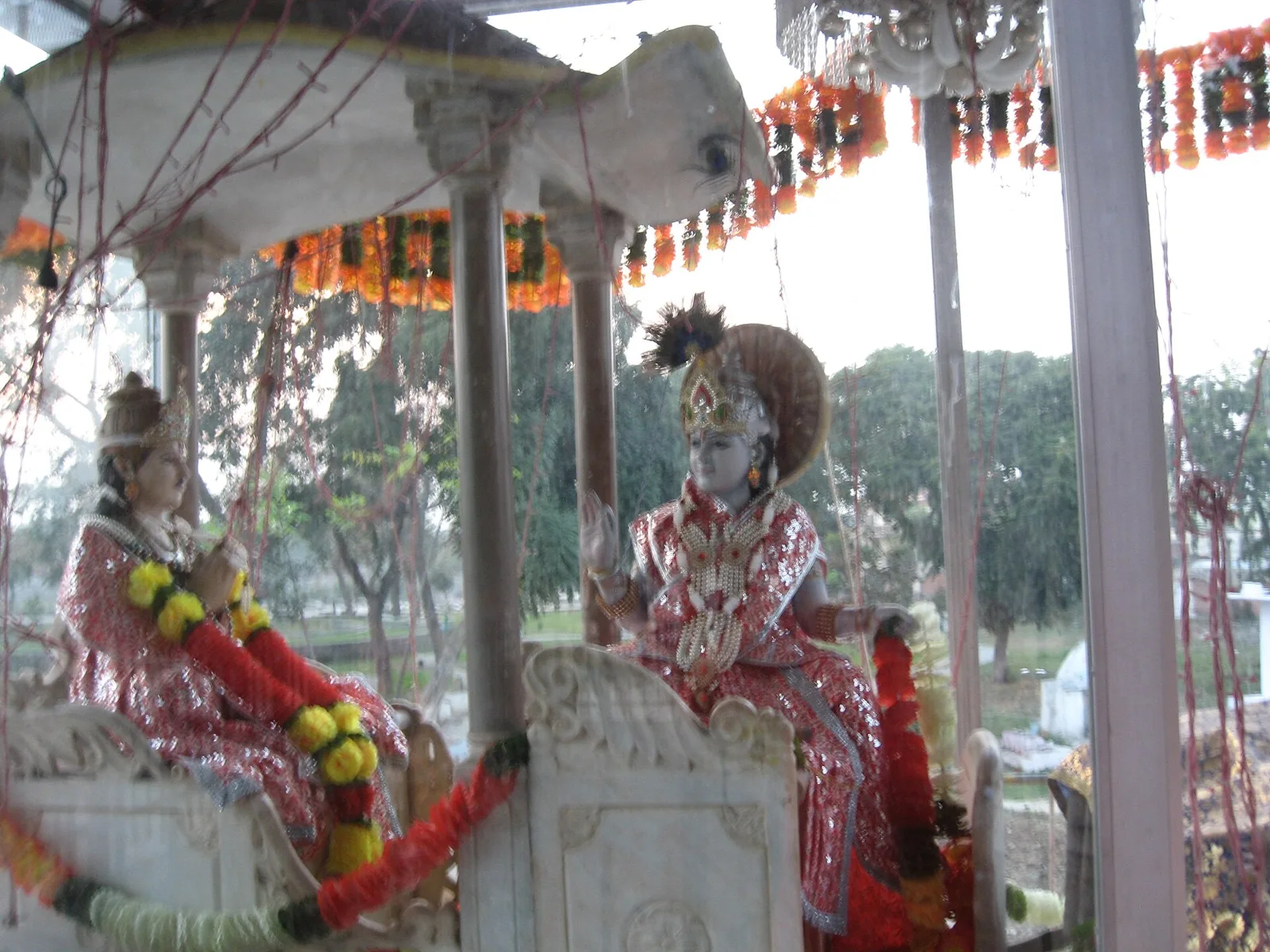
Jyotisar is a Hindu pilgrimage destination in Kurukshetra, Haryana, linked to Krishna’s teaching of the Bhagavad Gita to Arjuna. People visit to honour this sacred tradition.

Brahma Sarovar

53 km away · Kurukshetra district

Brahma Sarovar

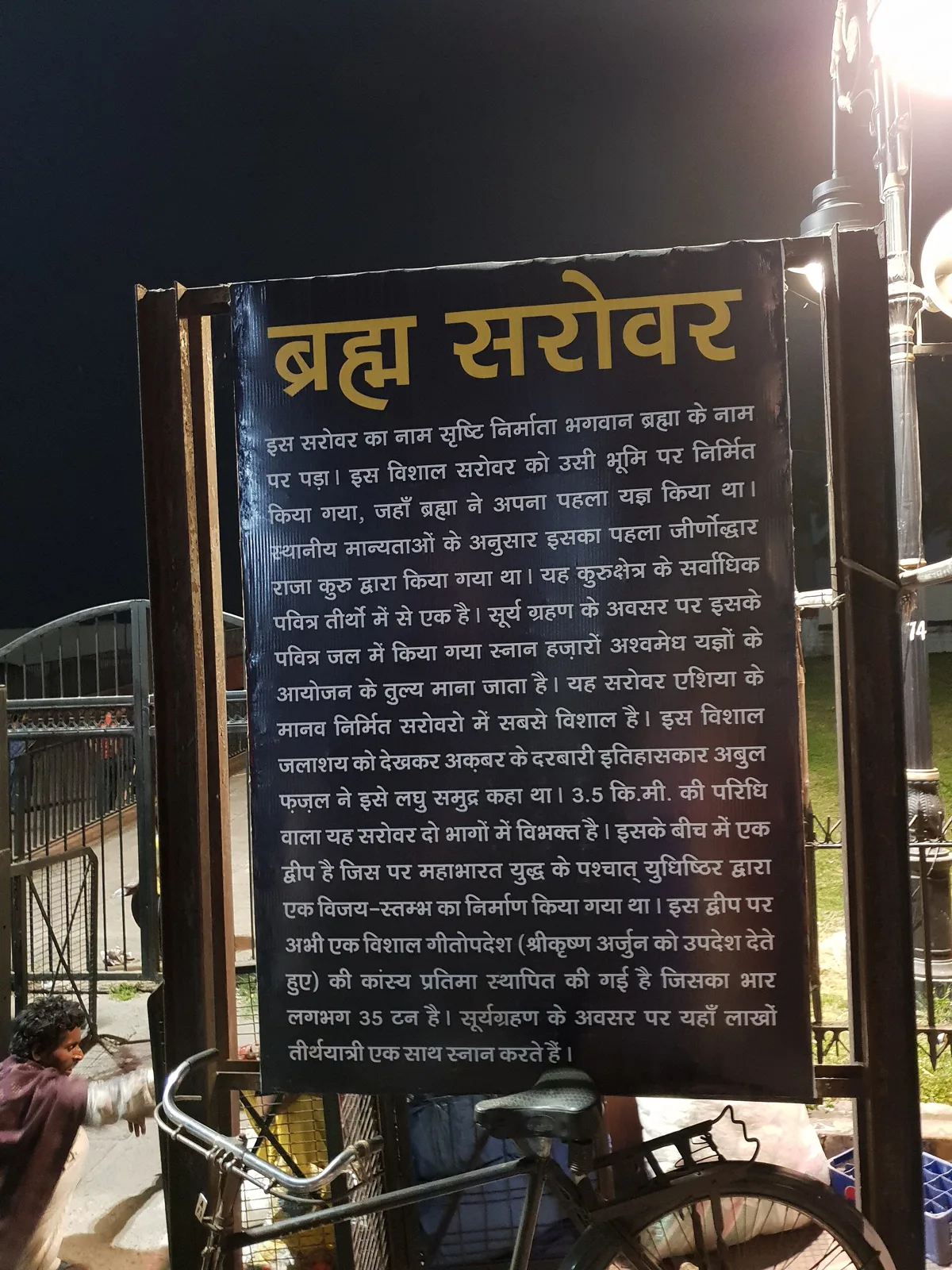
Brahma Sarovar is a natural sacred tank in Haryana’s Kurukshetra district, associated with Brahma. People visit to bathe as an act of inner and outer purification, and Hindu genealogy registers are kept at the site.

Kurukshetra

54 km away · Kurukshetra district

Kurukshetra

Kurukshetra is a historic region and city in Haryana, associated with the Bhagavad Gita and the name Dharmakshetra. People visit for its religious and historical significance.

Sheikh Chilli's Tomb

55 km away · Kurukshetra district

Sheikh Chilli's Tomb

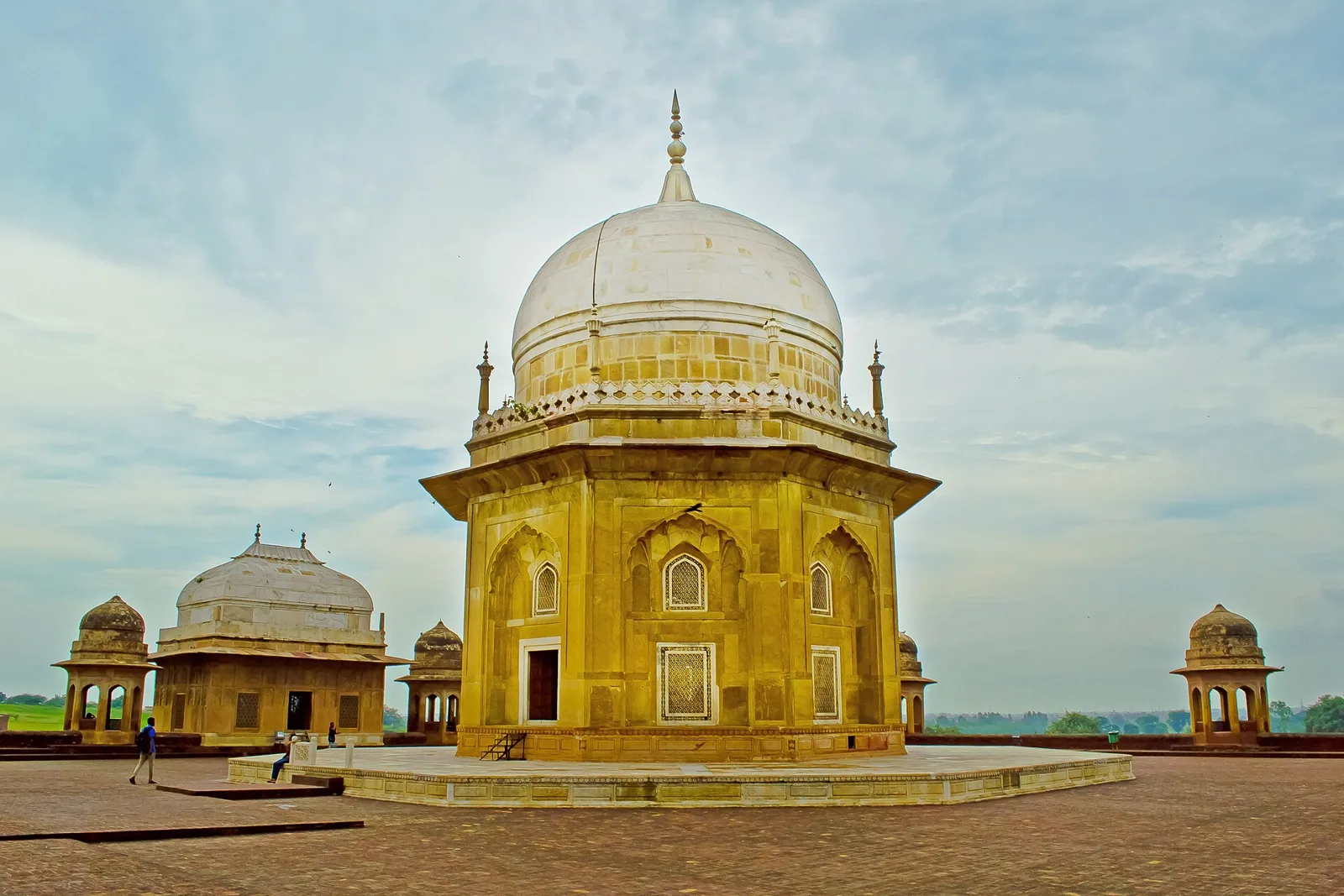
Sheikh Chilli's Tomb is an ensemble of buildings in Thanesar, Haryana. Visitors come to see its two tombs, madrasa, Mughal gardens and later features.

Khwaja Khizr Tomb

70 km away · Sonipat district

Khwaja Khizr Tomb

This historic tomb in Sonipat commemorates the Muslim saint Khwaja Khizr. Visitors come to see its Lodi-era structure and learn about its links to Ibrahim Lodi’s court.

Map

Assandh on the map

  1. 1Jind
  2. 2Panipat
  3. 3Karnal
  4. 4Jyotisar
  5. 5Brahma Sarovar
  6. 6Kurukshetra
  7. 7Sheikh Chilli's Tomb
  8. 8Khwaja Khizr Tomb

Haryana

Other cities to explore