
Jind
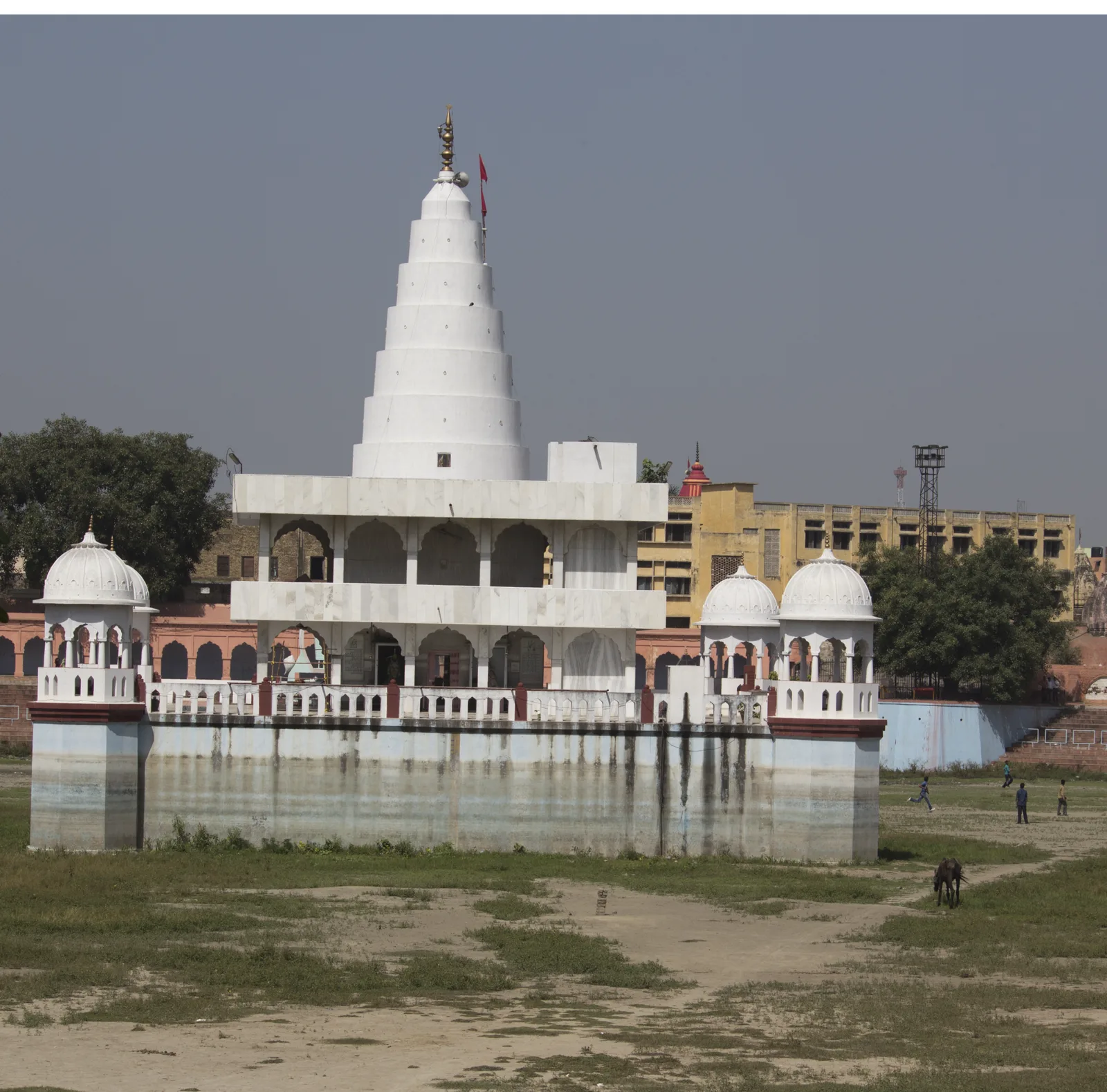
Jind is among the largest and oldest cities in Haryana’s Jind district and serves as its administrative centre. Visitors go to Rani Talab, while Pandu Pindara and Ramrai draw devotees for Amavasya bathing.
Key facts · verified by Ghumoopedia editors
- Type of place
- Destination
- Best time to visit
- October to March; November to February for birdwatching at Sultanpur
- Nearest railway station
- Jind Junction · about 5 km (straight line)
- Nearest airport
- Hisar Airport (Maharaja Agrasen) · about 55 km (straight line)
- Verified
- 21 Nov 2026
Plan a trip from Jind — a day-by-day route through places nearby.
Located in Haryana, Jind is a city within the district that shares its name. It serves as the district’s administrative headquarters and ranks among its largest and oldest cities. Rani Talab is Jind’s main destination for visitors. Pandu Pindara and Ramrai are religious sites that attract devotees. People visit Pandu Pindara and Ramrai to take a holy bath on Amavasya. The bathing observance is the reason devotees gather at these two places. Haryana carries the legends of Kurukshetra and the Mahabharata, a strong wrestling (akhara) and folk tradition, and fast-growing modern cities around Gurugram and Faridabad. Haryana is hot and dry from April to June, humid in the July–September monsoon, and cool with fog in December and January. The Aravalli outcrops in the south are rocky and dry. The usual best time to visit is October to March; November to February for birdwatching at Sultanpur. Timings, fees and access arrangements must be confirmed locally. For official information, see Haryana Tourism at https://haryanatourism.gov.in.
Why it matters
Jind is one of the largest and oldest cities in Jind district, Haryana, and serves as the district’s administrative headquarters. Its importance is both civic and religious: the city is a centre for local services and markets, while Rani Talab is a recognised local visitor destination. Nearby Pandu Pindara and Ramrai draw devotees, particularly for ritual bathing on Amavasya, the new-moon day. These sites connect the area with wider Hindu pilgrimage traditions and stories associated with the Mahabharata. Jind also reflects Haryana’s rural and urban life, with agricultural communities and a growing town centre. No UNESCO or Archaeological Survey of India designation is asserted here; check with the relevant authority for the status of any individual site.
Jind’s history includes both local religious traditions and the political history of the former princely state. The town’s name is traditionally associated with a temple to Jainti Devi, though the details of that connection should be treated as tradition rather than a fully documented account of the city’s origins. Jind State was established in the eighteenth century under Raja Gajpat Singh, a ruler of the Phulkian family. The state formed part of the network of Sikh-ruled princely states in the region and was governed separately from British-administered districts, although it operated within the political arrangements of British India. After independence, princely states were integrated into the Indian Union and Jind State became part of the Patiala and East Punjab States Union. Reorganisation of state boundaries later placed Jind in Haryana, formed in 1966. The city subsequently developed as the administrative centre of Jind district. Rani Talab and the pilgrimage places at Pandu Pindara and Ramrai remain important to local identity, but detailed construction and restoration histories for these sites should be confirmed locally rather than assumed.
Use Jind as a base to understand local life: walk through the market area, visit community-run attractions and ask your host about nearby viewpoints and short excursions. Always ask before photographing people, homes or ceremonies. A comfortable itinerary is one main visit in the morning, a local meal at midday and a short nearby stop before an afternoon return. Use the district list on this site to find other places in Jind, but check the actual road route and its condition before combining stops. If a festival or fair is on, local roads and stays can be busy — and the experience can be unforgettable. Leave no litter: many sites are protected by the communities around them.
Suggested itineraries
Half day: Begin at Rani Talab (about 1–2 hours), take a relaxed walk through a nearby market area (about 1 hour), then stop for a local meal. Full day: Visit Rani Talab in the morning (about 1–2 hours), travel to Pandu Pindara (allow 1–2 hours including the journey), pause for lunch, then visit Ramrai (about 1–2 hours) before returning to Jind; check road conditions and site access first. Gentler option: Choose Rani Talab and a nearby meal, keep walking to a minimum, and arrange a vehicle drop-off close to each stop where permitted.
Haryanvi is widely spoken in and around Jind, alongside Hindi; Punjabi may also be heard. Everyday life reflects the district’s agricultural connections as well as the routines of a busy administrative town. Local food commonly draws on North Indian and Haryanvi home cooking, including breads, lentils, seasonal vegetables and dairy products. Folk music, storytelling and regional dance traditions form part of Haryana’s cultural heritage, though performances are not necessarily scheduled for visitors in Jind. At religious sites, visitors may encounter worship, offerings and customary bathing practices. Dress is generally practical and contemporary; modest clothing is considerate at temples and during ceremonies. Ask permission before photographing residents or religious activity.
Festivals & events
Religious observances at Pandu Pindara and Ramrai are especially associated with Amavasya, the new-moon day, when devotees come for a holy bath. The number of visitors can rise around these observances, so local roads, parking and nearby services may be busier than usual. Hindu festivals such as Navratri, Diwali and Holi are observed in the town and district, though the scale and programme vary by neighbourhood and year. Haryana’s seasonal fairs and community gatherings may also take place locally, but dates and arrangements change. Ask residents or site managers about current events before travelling, and allow extra time if a fair or pilgrimage gathering is underway.
Local food in Haryana includes bajra khichdi, singri ki sabzi, kachri chutney, bathua raita, fresh milk, curd and ghee, and sweets such as ghevar and rewri. Ask what is fresh that day; many small eateries cook a limited daily menu. Vegetarian travellers eat very well across this region, and most towns also have simple non-vegetarian dhabas. Remote sites may have no restaurant at all. Carry water and snacks, eat a proper breakfast before long drives, and ask your accommodation for a packed lunch if you are heading out early. Try a home-cooked or dhaba meal when you can — it is often the best food on the route. Choose busy, clean places and carry your packaging back to town.
Shopping & local experiences
Jind’s market areas are the most practical places to browse for everyday goods, clothing, sweets and household items. Visitors can look for locally made or regionally sourced products, but specialist craft outlets and consistent availability are not assured. Haryana food traditions are an easy way to experience local flavours: try a meal featuring fresh breads, lentils, seasonal vegetables or dairy-based dishes at a local eatery. Ask shopkeepers about the origin of products rather than assuming an item is locally made. Be considerate when shopping near religious sites, and avoid buying anything presented as an artefact without clear information about its source.
October to March; November to February for birdwatching at Sultanpur
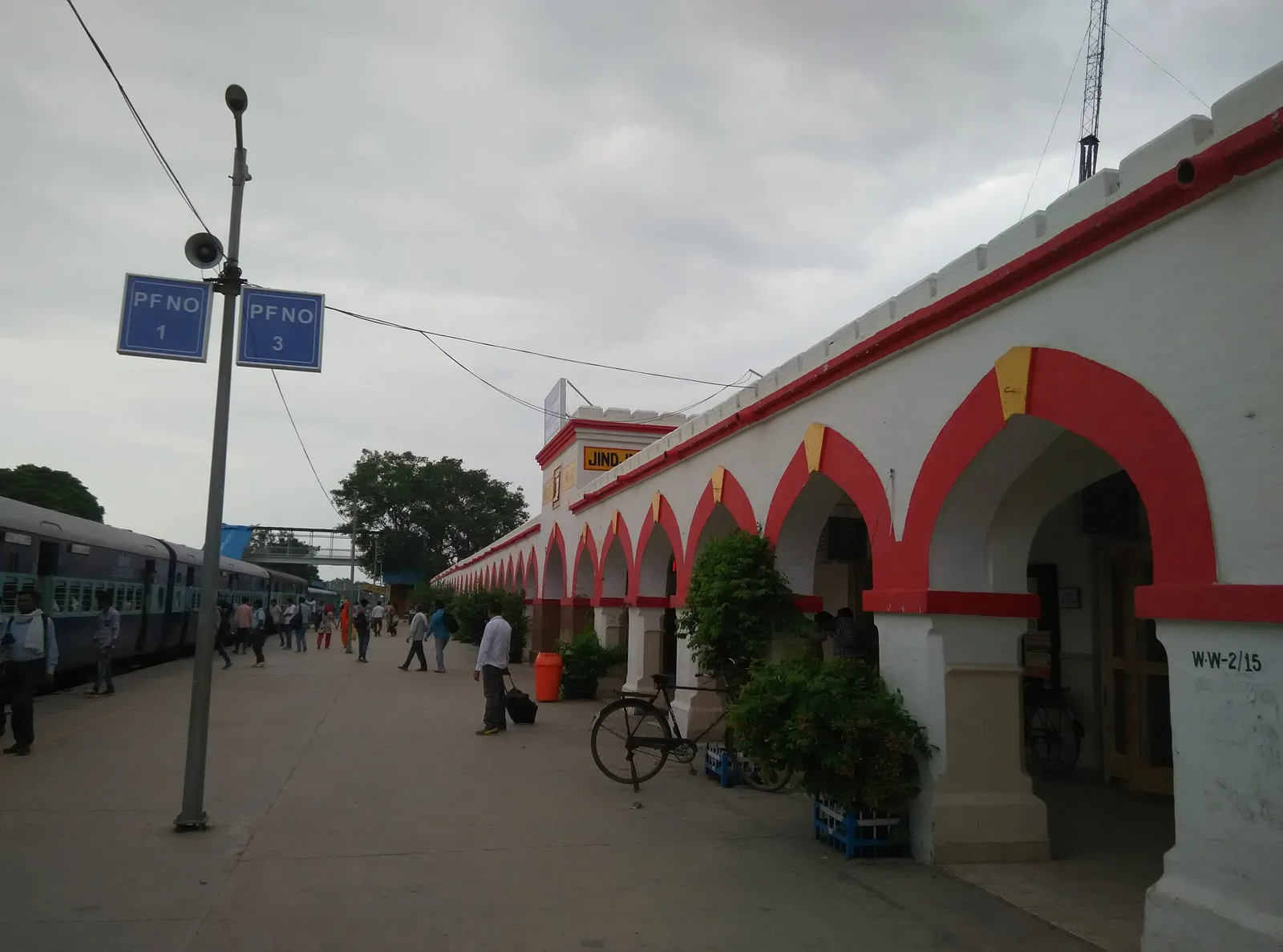
The nearest principal railway station by straight-line distance is Jind Junction, roughly 5 km away. The nearest operating airport by straight-line distance is Hisar Airport (Maharaja Agrasen), roughly 55 km away. These figures are calculated from map coordinates — actual road distance may differ. Delhi, Chandigarh and Amritsar are the main rail and air hubs, and most long-distance journeys connect through them. For the final leg, Haryana Roadways buses and private coaches on the main national highways link district towns; shared taxis usually leave early in the morning. A private taxi gives more flexibility for remote sites. When comparing train, bus and flight, count the complete door-to-door time: a flight saves the most time only if the onward road transfer is short, while an overnight train plus a road journey can save a hotel night. Book your return before you leave, because seats fill quickly on weekends and holidays. Current train numbers, timings, return services and fares are not listed here; check IRCTC and NTES for trains and the airline's own schedule for flights. No permit is needed to visit Haryana. Bird sanctuaries and heritage sites charge entry tickets, and some protected monuments close on one weekday.
Confirm onward and return timings on IRCTC / NTES, the state bus operator or your airline before travel. A dash means current timings or fares have not been verified.
Getting around
Jind Junction is the principal rail station for reaching the city, and local onward travel can generally be arranged by auto-rickshaw, taxi or other locally available transport. Autos are useful for short trips within town; agree the destination clearly before starting. Taxis or a hired vehicle offer more flexibility for Pandu Pindara, Ramrai and other outlying stops. Local buses may serve routes in the district, but check their current route and availability locally. Walking can work around compact market streets, though traffic and uneven pavements may make it slow. Ask about parking before driving into busy market or pilgrimage areas.
Hours, tickets & permissions
Entry arrangements differ between public areas, temples and managed attractions. Some places may have restricted access during worship, ceremonies or maintenance; photography, footwear, offerings and dress may also be subject to local rules. Do not assume that every area of Rani Talab or a religious site is open to visitors. Check current visiting hours, entry requirements and any fees with the managing authority or locally before setting out. Follow notices and instructions from caretakers, and be prepared for temporary closures during religious observances.
Facilities
Facilities vary between the city and individual religious or visitor sites. In Jind town, visitors can usually find food shops, restaurants, drinking water, pharmacies and ATMs, though availability and opening arrangements vary. Toilets and seating may be available at larger public or religious sites, but should not be relied on without checking locally. Smaller pilgrimage stops may have limited services, especially outside busy observance days. Ask locally about parking, drinking-water points and any guide or caretaker arrangements. Carry water and essential medicines, and take litter away if bins are not available.
Accessibility
Conditions differ from one stop to another. Market streets can be crowded, with uneven pavements, traffic and occasional kerbs that make walking difficult. At Rani Talab and religious sites, surfaces may be uneven or wet, and steps or changes in level may be present; confirm the specific route before visiting. Shade and places to sit are not guaranteed throughout a site. Older visitors or anyone with limited mobility may find a vehicle-assisted visit and a short, unhurried stop more manageable. Avoid bathing areas unless access and safety are clear.
No permit is needed to visit Haryana. Bird sanctuaries and heritage sites charge entry tickets, and some protected monuments close on one weekday. Carry a photo ID at all times and save the emergency number 112 and your accommodation's contact offline. Heat in summer and dense fog in winter are the main weather risks; carry water and allow extra travel time on foggy December–January mornings. Respect community rules, private property and posted instructions. Check official advisories for the region before travel, and follow local guidance if access changes.
Photography
Soft morning or late-afternoon light can suit views around Rani Talab and the town, but the best accessible viewpoint depends on current site conditions. Photography rules can differ between public areas and religious precincts; look for notices and ask caretakers before taking pictures inside temples or near ceremonies. Always seek consent before photographing people, homes, worshippers or children. Do not interrupt rituals or bathing, and keep a respectful distance. Drone use may be restricted by aviation rules, site management or local authorities; check permissions before flying and do not assume it is allowed.
Choose a stay by the full journey to Jind, not just the district name. Main towns in Jind usually offer hotels, state tourism lodges and guesthouses with better transport, meals and medical access, while village homestays offer a closer connection to local life. In the plains, check fans or air-conditioning in summer and heating in the December–January cold wave. Book in advance for weekends, festival dates and the peak season (October to March; November to February for birdwatching at Sultanpur). Confirm the exact location, meals included, check-in time and cancellation terms in writing. Many homestays accept payment on arrival; avoid sending money to unverified contacts. Mobile network and digital payments can be unreliable in remote areas, so carry some cash.
Within Jind district, Pandu Pindara and Ramrai are the principal religious stops highlighted for visitors and can be considered alongside a visit to the city, especially around Amavasya observances. Rani Talab is the main destination within Jind itself. Safidon and Narwana are other district towns that may suit travellers exploring the wider area, but check what is open and the practical road route before adding them to a day plan. Distances and journey times depend on the route and conditions. Avoid combining several stops without confirming access, transport and any local event-related traffic.
For couples, Jind rewards a slow pace: arrive early for soft light and fewer crowds, share a local meal and keep the evening free. Public displays of affection can be frowned upon in conservative communities and at religious sites, so be discreet. A homestay or a small heritage hotel can make the trip memorable — confirm privacy, hot water and transport back. Keep a buffer in your itinerary, because weather and traffic can delay plans in Haryana.
Q: How much time should I allow for Jind? A: A half day can cover Rani Talab and a market visit. Allow a full day if you plan to include Pandu Pindara or Ramrai, with travel time between stops. Q: What is the best season to visit? A: October to March is generally the most comfortable period in Haryana. Summers can be very hot, and monsoon weather may affect travel. Q: Is there an entry fee, and do I need to book? A: Entry arrangements vary by site. Confirm current rules, fees and any booking requirements with the site manager or locally before visiting. Q: Are the sites suitable for children and elderly visitors? A: They can be visited as a family, but surfaces, steps, crowds and facilities vary. Choose short stops, supervise children near water, and check access conditions in advance. Q: Where can I stay nearby? A: Jind town is the practical base for the district. Check current accommodation options and availability locally, especially during festivals or pilgrimage gatherings.
Be the first to share photos, stories, advice or a helpful contact for Jind.
Loading…