
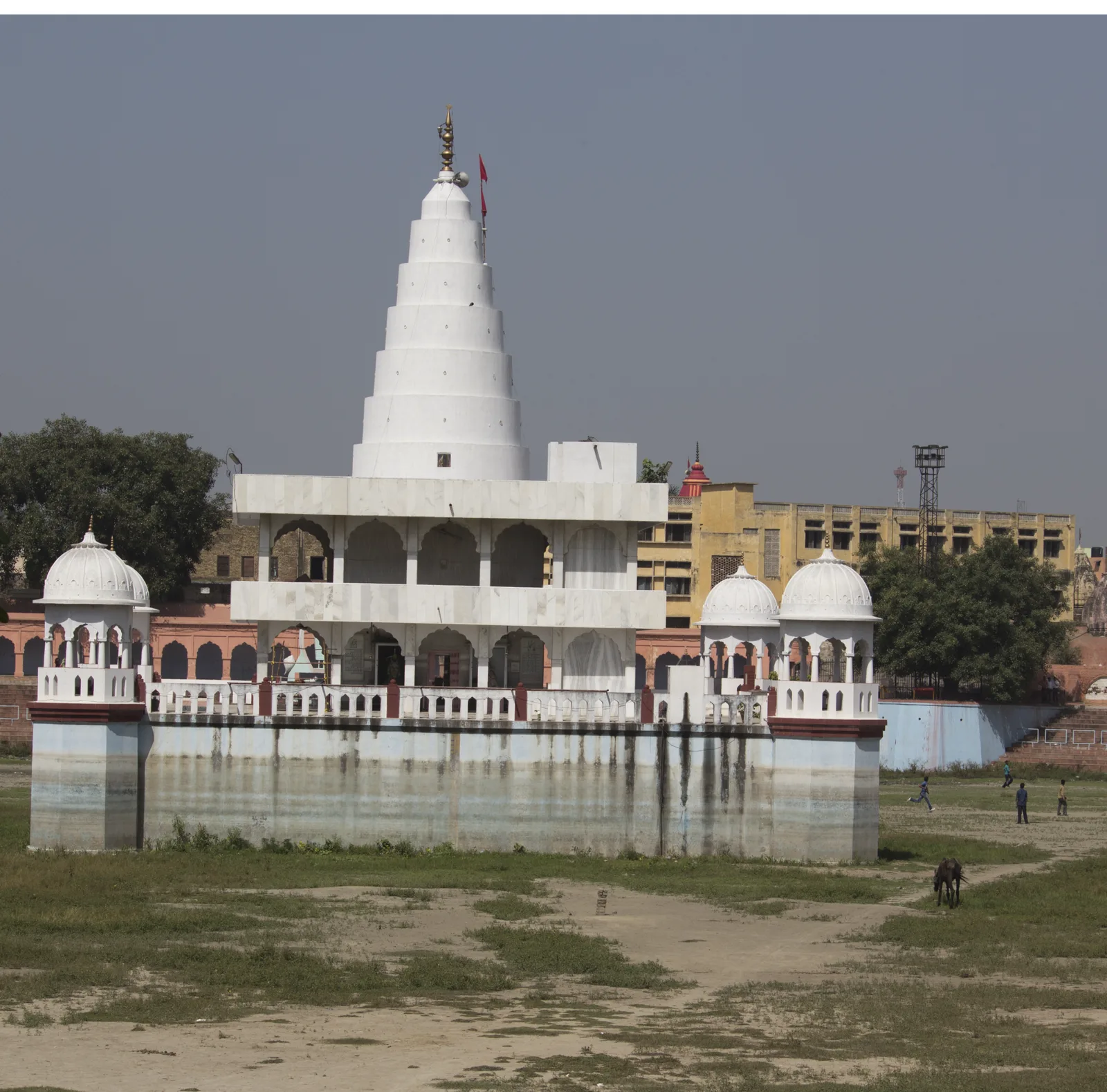
District · Haryana
Jind
Jind district offers a view of central Haryana’s largely rural, agricultural landscape, with Jind city serving as a historic urban centre and a market hub for surrounding villages.
Jind district lies in Haryana’s broad, mostly level north Indian plains, where cultivated fields and village settlements shape much of the landscape. Agriculture remains central to local life, and the towns serve as market and service centres for the surrounding countryside. Jind city is one of the district’s oldest and largest urban centres. The area has a long regional history and was once part of the princely State of Jind, founded in the eighteenth century and associated with the Phulkian states. Today the district’s character is practical and largely rural, with historic places, temples and local markets set within an actively farmed landscape.
Jind district offers a view of central Haryana’s largely rural, agricultural landscape, with Jind city serving as a historic urban centre and a market hub for surrounding villages. Its regional identity is connected with the former princely State of Jind and the Phulkian states. Visitors can explore the city’s historic places, temples and local markets, then experience the working countryside that defines much of the district. It is best suited to travellers interested in Haryana’s regional history and everyday town and village life rather than a concentrated circuit of major tourist attractions.
The Jind region has been part of the changing political landscape of north India, governed at different times by larger regional powers. In the eighteenth century, Jind emerged as a princely state associated with the Phulkian ruling houses; its rulers established a political centre around Jind and nearby territories. Under British rule, the state retained its princely status under British paramountcy rather than becoming a directly administered British district. Following independence, Jind joined the post-partition political arrangements that led to its inclusion in the Patiala and East Punjab States Union (PEPSU). It later became part of Punjab, and, when Haryana was formed in 1966, Jind became one of its districts. Agriculture, village communities and the growth of Jind city as a local service and trading centre have continued to shape the district’s modern character.
The district shares the hearty, grain- and dairy-rich food traditions of Haryana. Bajra khichdi, singri ki sabzi, kachri chutney and bathua raita are regional dishes to look for, alongside fresh milk, curd and ghee. Ghevar and rewri are familiar sweets across the wider region, though what is available varies by season and shop. Many small eateries prepare a limited menu each day, so it is useful to ask what is fresh. Vegetarian food is widely available, and simple non-vegetarian dhabas can also be found in towns.
Jind is not especially known as a major visitor centre for a single signature craft. Across Haryana, household and village traditions have included handloom weaving, embroidery, pottery and the making of everyday textiles and furnishings. Durries and other woven items may be encountered in the wider region, while embroidered work reflects influences shared with neighbouring Punjab. Availability varies, and work sold locally may come from elsewhere in Haryana or nearby states. Ask sellers about the maker and place of production rather than assuming an item is specific to Jind.
Holi and Diwali are widely observed, while Teej and Baisakhi are celebrated in Haryana and the surrounding region, with customs varying between communities and villages. Religious observances and local temple gatherings may bring people together at different times of the year; the scale and schedule of such events can vary. These are generally local occasions rather than district-wide tourist festivals. Visitors may notice busier markets and transport around major celebrations, and rooms in town can be more sought after during popular local events. Check locally if planning around a particular fair or observance.
Jind lies in the broad, mostly level plains of Haryana. Cultivated fields, villages, roads and market towns form the main landscape; there are no notable hills or coastline in the district. Irrigation infrastructure and drainage channels cross parts of the agricultural plain, while seasonal rainfall can affect rural roads and fields. The open terrain makes travel between towns straightforward in principle, but visits to villages or outlying places may require advance transport planning. Shade and services can be limited away from settled areas.
Jind has hot summers, a monsoon season and cooler winters. Summer conditions can make midday outdoor travel uncomfortable, while monsoon rain may affect rural roads and cause temporary waterlogging. Winter is generally the most comfortable season for exploring towns and countryside. October to March is usually a suitable period to visit, with the cooler months especially pleasant for walking and local sightseeing. Pack light, breathable clothing for warm weather, a sun hat and sunscreen; in winter bring layers for cool mornings and evenings. During the monsoon, carry rain protection and check local road conditions.
Jind Junction is the district’s main railway station and a useful arrival point for the city and nearby towns. The nearest named airport is Hisar Airport (Maharaja Agrasen); check whether suitable passenger services are available, as Delhi is a major alternative air hub. Road connections link Jind with Rohtak, Hisar, Kaithal and other Haryana towns. Haryana Roadways buses and private coaches serve the main routes, while local buses, shared vehicles, auto-rickshaws and taxis can help with shorter journeys. Remote sites may have limited transport and food options, so plan ahead and check current services locally.
Jind city is the most practical transport hub for reaching other parts of the district. Roads connect it with surrounding towns and villages, and Haryana Roadways buses and private services operate on principal routes. Local buses, shared vehicles and auto-rickshaws can help with shorter journeys, while taxis offer more flexibility for rural stops. Service frequency and availability may be limited outside the main routes, particularly later in the day. Confirm return transport before travelling to an outlying place, and allow extra time for rural roads.
2 days: Jind; sleep in Jind both nights. 3 days: Jind on each day; sleep in Jind each night.
Jind city is the most practical base for a short visit, with local transport and services for exploring the district. Accommodation is generally more readily found in town than in smaller settlements; options may include hotels, guesthouses and dharamshalas. Homestays and government lodging should not be assumed to be available without checking in advance. For a longer rural-focused visit, arrange transport and accommodation before leaving Jind, and confirm current availability directly with local providers.
Take precautions against summer heat: carry drinking water, use sun protection and avoid strenuous outdoor activity during the hottest part of the day. Choose sealed or treated water if unsure about local supplies. Rural roads may be narrow, uneven or affected by rain, so travel cautiously and confirm conditions before setting out. Mobile coverage and access to food or medical services may be less reliable away from towns. Expect busier roads and markets during festivals. No special permit is generally associated with ordinary district travel; confirm officially if a restricted site is included in your plans.
- Rohtakabout 56 km
- Hisarabout 62 km
- Bhiwaniabout 62 km
- Panipatabout 64 km
- Sonipatabout 77 km
- Karnalabout 77 km
- Kurukshetraabout 87 km
- North Delhi · Delhiabout 110 km
Straight-line distance between the centres of each district's destinations; road distance is longer.
Q: How many days should I spend in Jind district? A: Two days can suit a short visit focused on Jind city; allow an additional day if you want a slower pace or rural excursions. Q: When is the best time to visit? A: October to March is generally the most comfortable season, especially for outdoor sightseeing. Q: What is the best base for exploring? A: Jind city is the most practical base for local services and onward transport. Q: How do I get to the district? A: Jind Junction is the main rail arrival point; road services connect Jind with other Haryana towns. For flights, check current services to Hisar or consider Delhi as a major alternative hub. Q: Is Jind suitable for families or elderly travellers? A: Yes, particularly for a relaxed town-based visit. Plan transport in advance for rural stops, and take account of summer heat, walking distances and the availability of services.
This page draws on our 1 destination guides for Jind and is updated as our team checks it.
Be the first to share photos, stories, advice or a helpful contact for Jind.
Loading…