
District · Haryana
Kurukshetra
Kurukshetra lies in northern Haryana, between the Delhi region and the state’s northern districts.
Kurukshetra is a largely level district in Haryana’s fertile northern plains, with farmland and towns linked by busy road and rail routes. Its name carries a long religious and historical association: the region is revered as Dharmakshetra, or the “field of duty,” and is closely connected in Hindu tradition with the Mahabharata and the setting of the Bhagavad Gita. The sacred landscape includes pilgrimage tanks such as Brahma Sarovar and Jyotisar Sarovar, while Thanesar preserves layers of historic religious and architectural heritage, including Sheikh Chilli’s Tomb. Today, Kurukshetra balances pilgrimage and education with everyday town and rural life. Visitors will find active shrines and seasonal gatherings alongside markets, farms and practical services.
Kurukshetra lies in northern Haryana, between the Delhi region and the state’s northern districts. It is best known as a major centre of Hindu pilgrimage and as the region traditionally associated with the Bhagavad Gita and the Mahabharata. Brahma Sarovar and Jyotisar draw visitors for their religious and historical associations, while Sheikh Chilli's Tomb offers a different perspective on the area's built heritage. The district’s principal sights are concentrated around Kurukshetra city and Thanesar, making it practical to combine pilgrimage, history and local cultural visits. It is a useful stop for travellers exploring Haryana or travelling along the north Indian road and rail corridors.
Kurukshetra is an ancient cultural region associated in Hindu texts and tradition with the Kuru people, the Mahabharata and the teaching of the Bhagavad Gita. These associations remain central to its religious identity, though accounts of epic events belong to tradition rather than securely dated district history. Thanesar became an important political and religious centre in early medieval northern India. It was the seat of the Pushyabhuti, or Vardhana, dynasty; Harsha, who ruled in the seventh century, is its best-known ruler. The region later came under successive north Indian powers, including the Delhi Sultanate and the Mughal Empire, and was incorporated into the territories governed by the British in the colonial period. Under British rule it formed part of Punjab. After the partition of India, it remained in Indian Punjab until Haryana was created in 1966. Kurukshetra district was established in 1973, with Thanesar and the surrounding area forming its historic core.
4 destination guides
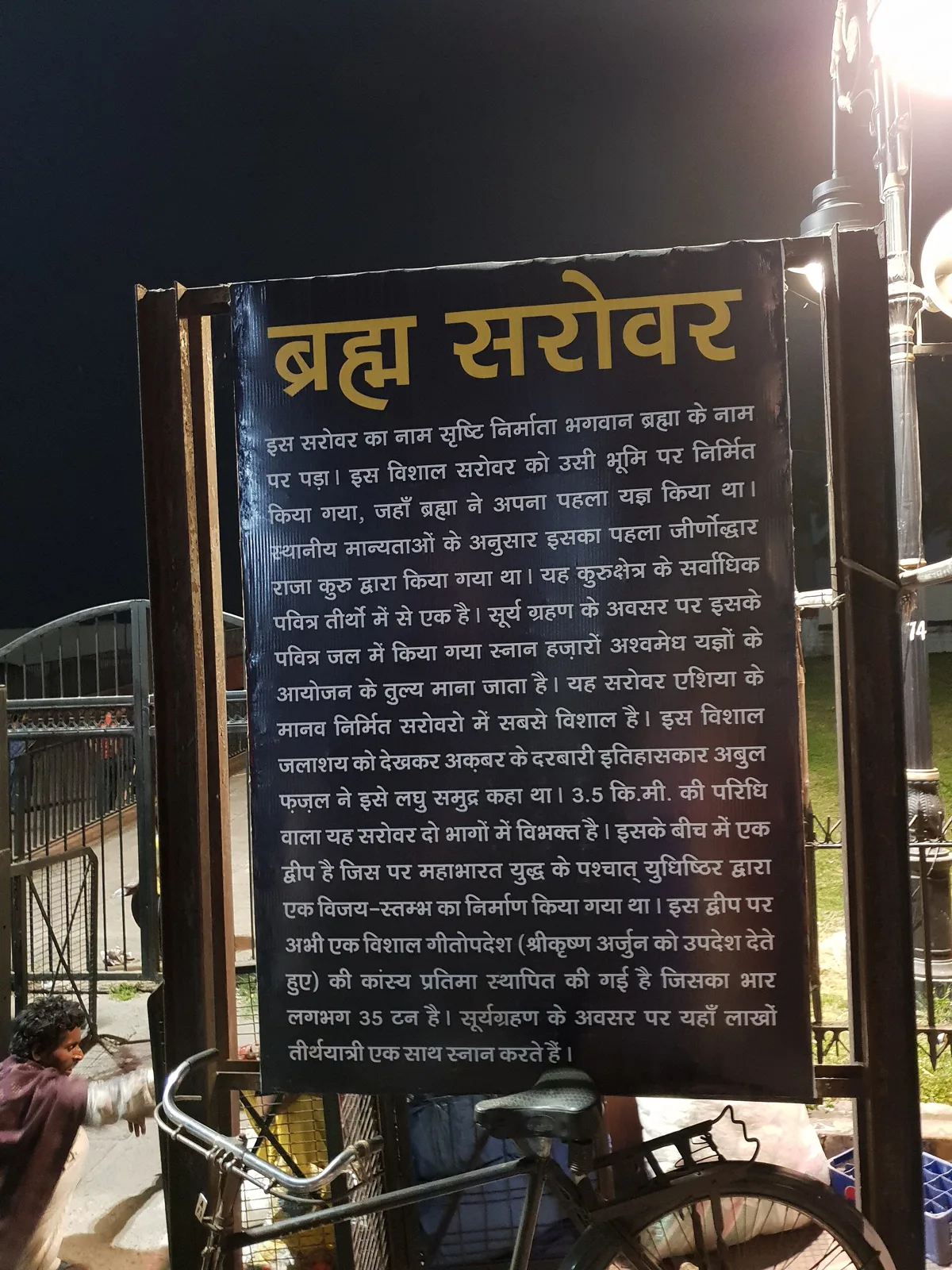
Brahma Sarovar
Brahma Sarovar is a natural sacred tank in Haryana’s Kurukshetra district, associated with Brahma. People visit to bathe as an act of inner and outer purification, and Hindu genealogy registers are kept at the site.
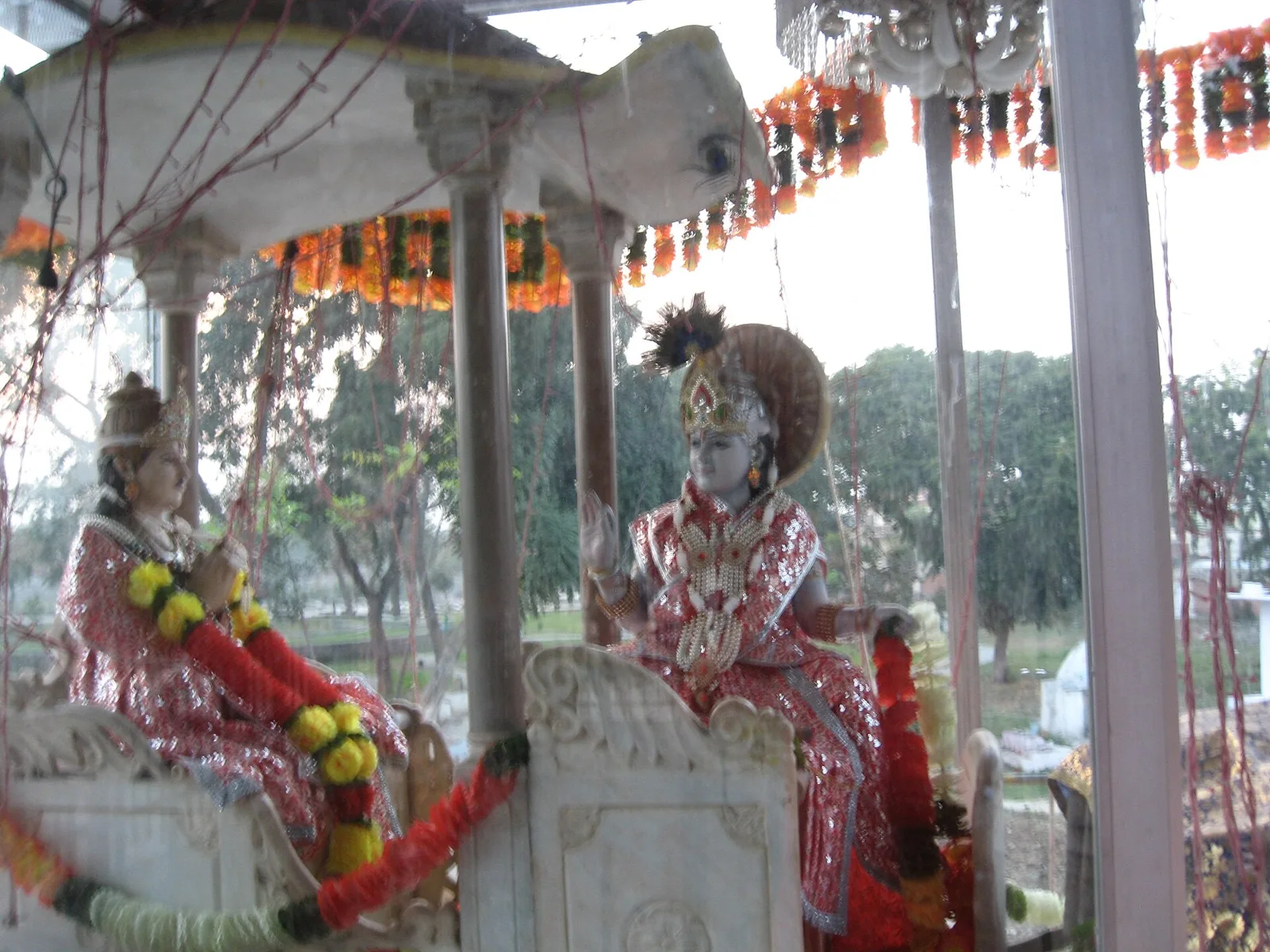
Jyotisar
Jyotisar is a Hindu pilgrimage destination in Kurukshetra, Haryana, linked to Krishna’s teaching of the Bhagavad Gita to Arjuna. People visit to honour this sacred tradition.
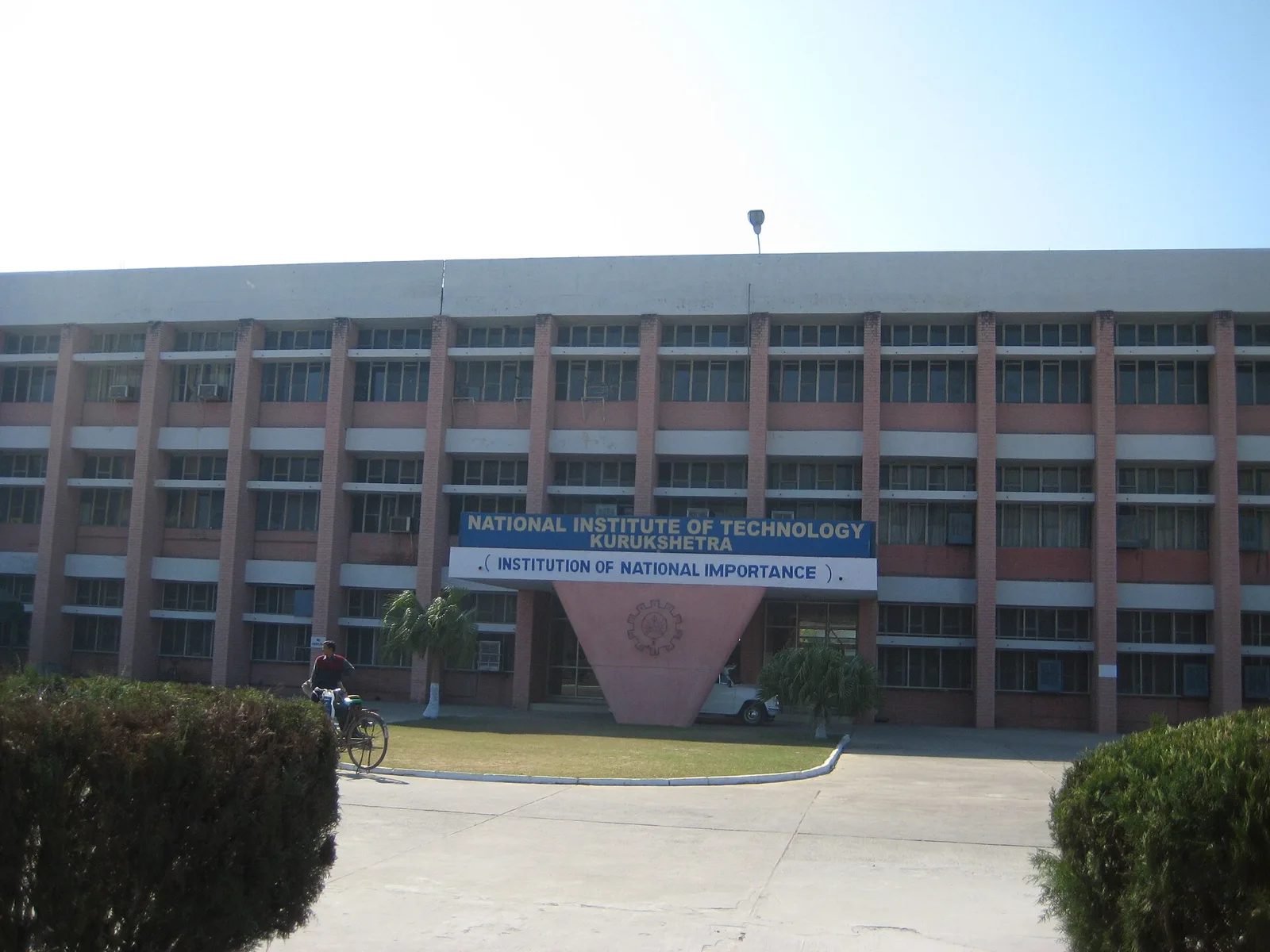
Kurukshetra
Kurukshetra is a historic region and city in Haryana, associated with the Bhagavad Gita and the name Dharmakshetra. People visit for its religious and historical significance.
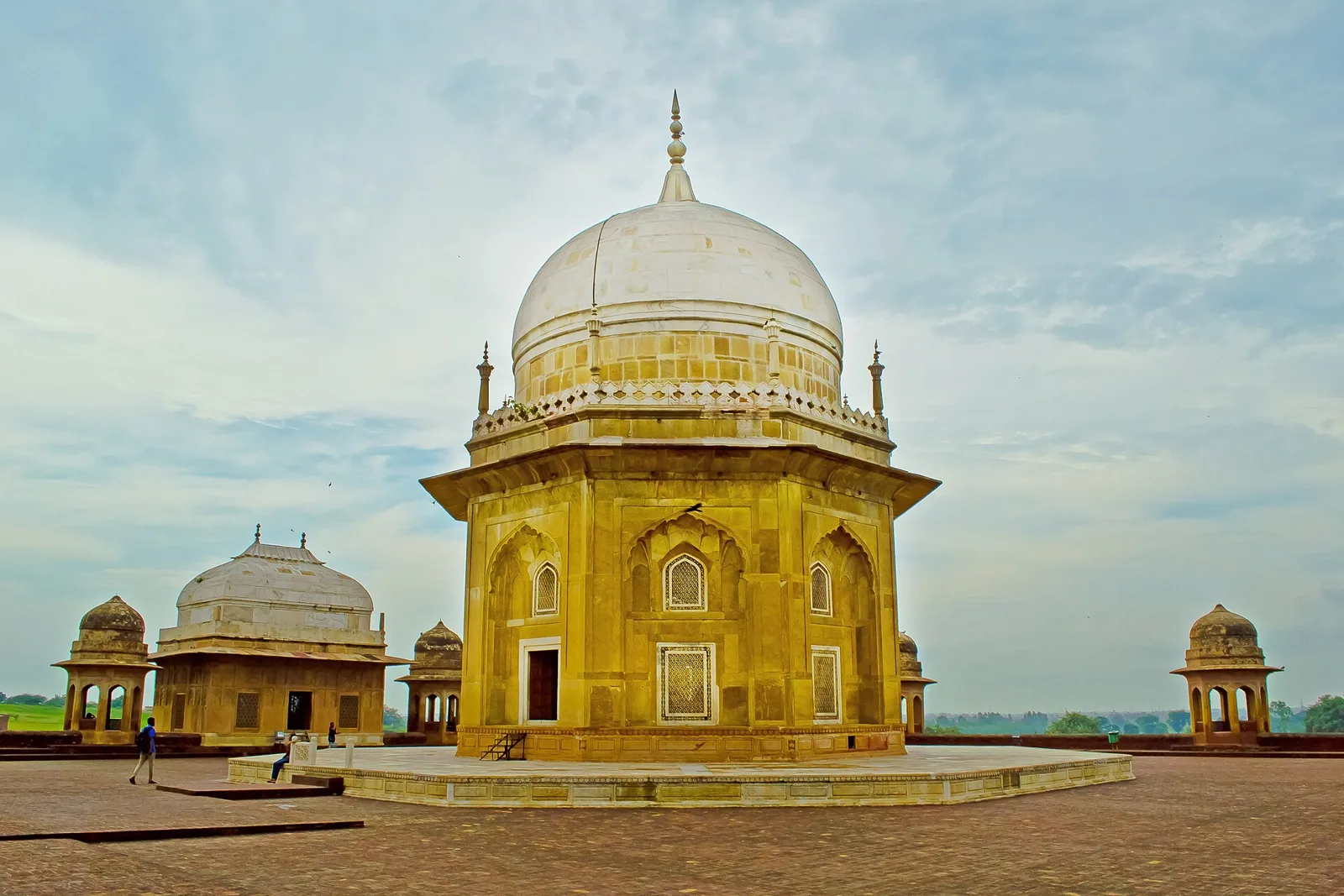
Sheikh Chilli's Tomb
Sheikh Chilli's Tomb is an ensemble of buildings in Thanesar, Haryana. Visitors come to see its two tombs, madrasa, Mughal gardens and later features.
Haryanvi food is generally hearty and shaped by local grain, dairy and seasonal produce. Bajra khichdi, singri ki sabzi, kachri chutney and bathua raita are regional dishes to look for, while fresh milk, curd and ghee are common. Ghevar and rewri are among the sweets found in the wider region, though availability varies by season and shop. Vegetarian travellers will find plenty of options; simple non-vegetarian dhabas also serve many towns. Small eateries may cook a limited menu each day, so ask what is fresh. Carry water and snacks when visiting sites with few food facilities.
Kurukshetra is better known as a pilgrimage and historic centre than as a major specialist craft destination. Across Haryana, traditional skills include handloom weaving, embroidery, pottery and the making of everyday household goods. Woven durries and cotton coverings are examples of regional textile work, though designs and availability vary and are not exclusive to this district. Local markets may offer textiles, devotional items and practical crafts, but visitors should ask sellers about the maker and place of production rather than assume an item was made locally.
The district’s best-known religious gathering is the Gita Jayanti Utsav, usually held around November or December, with activities centred on Kurukshetra’s pilgrimage sites, including Brahma Sarovar and Jyotisar. The programme can include devotional events, cultural performances and fairs. On occasions when a solar or lunar eclipse is visible, pilgrims may gather for ritual bathing at sacred water bodies; crowd levels depend on the event. These periods can make local roads and pilgrimage areas busier and reduce room availability, so visitors should arrange accommodation early. Smaller Hindu festivals are also observed locally and across the wider Haryana region.
Kurukshetra is mostly level, fertile plain within the north Indian alluvial belt. Farmland, settlements, roads and irrigation channels shape much of the view; there are no significant hills or coastal areas in the district. The area’s sacred tanks and water bodies, including Brahma Sarovar and Jyotisar Sarovar, are important features of the cultural landscape. Seasonal watercourses and drainage channels are part of the wider plain, but the district is not a wilderness destination. The generally flat terrain makes travel between the main sights straightforward, while urban traffic and busy pilgrimage areas can slow local journeys.
Summers are generally hot, with strong sun making outdoor sightseeing less comfortable during the middle of the day. The monsoon season brings humidity and periods of rain, which can affect road conditions and outdoor plans. Winters are cooler and are often the most comfortable time to explore; fog can sometimes reduce visibility on roads. October to March is generally a good period to visit, with winter layers useful in the mornings and evenings. Pack light, breathable clothing and sun protection for warmer months, and carry rain protection during the monsoon. Check the forecast before travelling, especially if planning to spend time outdoors.
Kurukshetra Junction is the district’s principal railway station, with rail connections serving journeys from larger north Indian hubs. The nearest major operating airport is Shaheed Bhagat Singh International Airport in Chandigarh; onward travel is by road. National Highway 44 links the area with Delhi and the north, and buses and private vehicles provide access to Kurukshetra and nearby towns. Within the district, local buses, auto-rickshaws and hired cars can help reach sites such as Thanesar, Jyotisar and Brahma Sarovar; availability may vary outside town centres. Check current services locally before setting out.
Kurukshetra city and Thanesar are the main bases for visiting the district’s sights. Roads connect the urban area with Jyotisar and other nearby places; local buses serve principal routes, though coverage and convenience can vary. Auto-rickshaws and e-rickshaws are useful for shorter trips within town, while taxis or hired cars offer more flexibility for visiting several sites in a day. Kurukshetra Junction provides rail access to the area, with onward travel by road. There is no need to plan around boat transport for the listed destinations. During festivals or pilgrimage gatherings, allow extra time for traffic and crowds.
2 days: Kurukshetra → Brahma Sarovar → Sheikh Chilli's Tomb; sleep in Kurukshetra/Thanesar (night 1); Jyotisar; sleep in Kurukshetra/Thanesar (night 2). 3 days: Sheikh Chilli's Tomb → Brahma Sarovar; sleep in Kurukshetra/Thanesar (night 1); Jyotisar; sleep in Kurukshetra/Thanesar (night 2); Kurukshetra; sleep in Kurukshetra/Thanesar (night 3).
Kurukshetra city and Thanesar are the most practical bases for the listed sights, with hotels, guesthouses and dharamshalas serving visitors and pilgrims. They suit both short visits and circuits that include Jyotisar. Accommodation can be busier around Gita Jayanti and major pilgrimage gatherings, so booking ahead is sensible during those periods. A range of lodging types is usually available, but facilities and accessibility vary; confirm arrangements directly before travelling. Staying near the town centre can make it easier to reach local transport and services.
The district is mostly flat and the listed sights are accessible by road, but expect traffic around town and take care when crossing busy streets. Summer heat calls for sun protection, water and breaks; monsoon rain can make roads slippery, while winter fog may reduce visibility. Pilgrimage sites can become crowded, so agree on a meeting point if travelling in a group and take care near water edges. Use bottled or properly treated drinking water. Mobile connectivity is generally available in populated areas, though coverage can vary. No special permit is generally required for these listed sights; confirm any event-related access arrangements with official local sources.
- Karnalabout 35 km
- Ambalaabout 47 km
- Patiala · Punjababout 59 km
- Panipatabout 65 km
- Yamunanagarabout 82 km
- Mohali · Punjababout 84 km
- Chandigarh · Chandigarhabout 87 km
- Jindabout 87 km
Straight-line distance between the centres of each district's destinations; road distance is longer.
Q: How many days should I spend in Kurukshetra district? A: Two days covers the principal listed sights at a relaxed pace; allow a third day for more time at the pilgrimage sites. Q: When is the best time to visit? A: October to March is generally the most comfortable season. Festival periods can be lively but busier. Q: Where is the best base? A: Kurukshetra city or Thanesar is convenient for the listed destinations and local services. Q: How do I get to the district? A: Kurukshetra is accessible by rail and road; continue from the station or bus connections by local transport, taxi or hired car. Q: Is Kurukshetra suitable for families or elderly travellers? A: Generally, yes: the terrain is mostly flat and the main sights are reachable by road. Walking surfaces, crowds and accessibility vary, so plan rests and check individual site conditions.
This page draws on our 4 destination guides for Kurukshetra and is updated as our team checks it.
Be the first to share photos, stories, advice or a helpful contact for Kurukshetra.
Loading…