
District · Punjab
Mohali
Mohali, officially Sahibzada Ajit Singh Nagar, occupies Punjab’s southeastern edge beside Chandigarh and Panchkula.
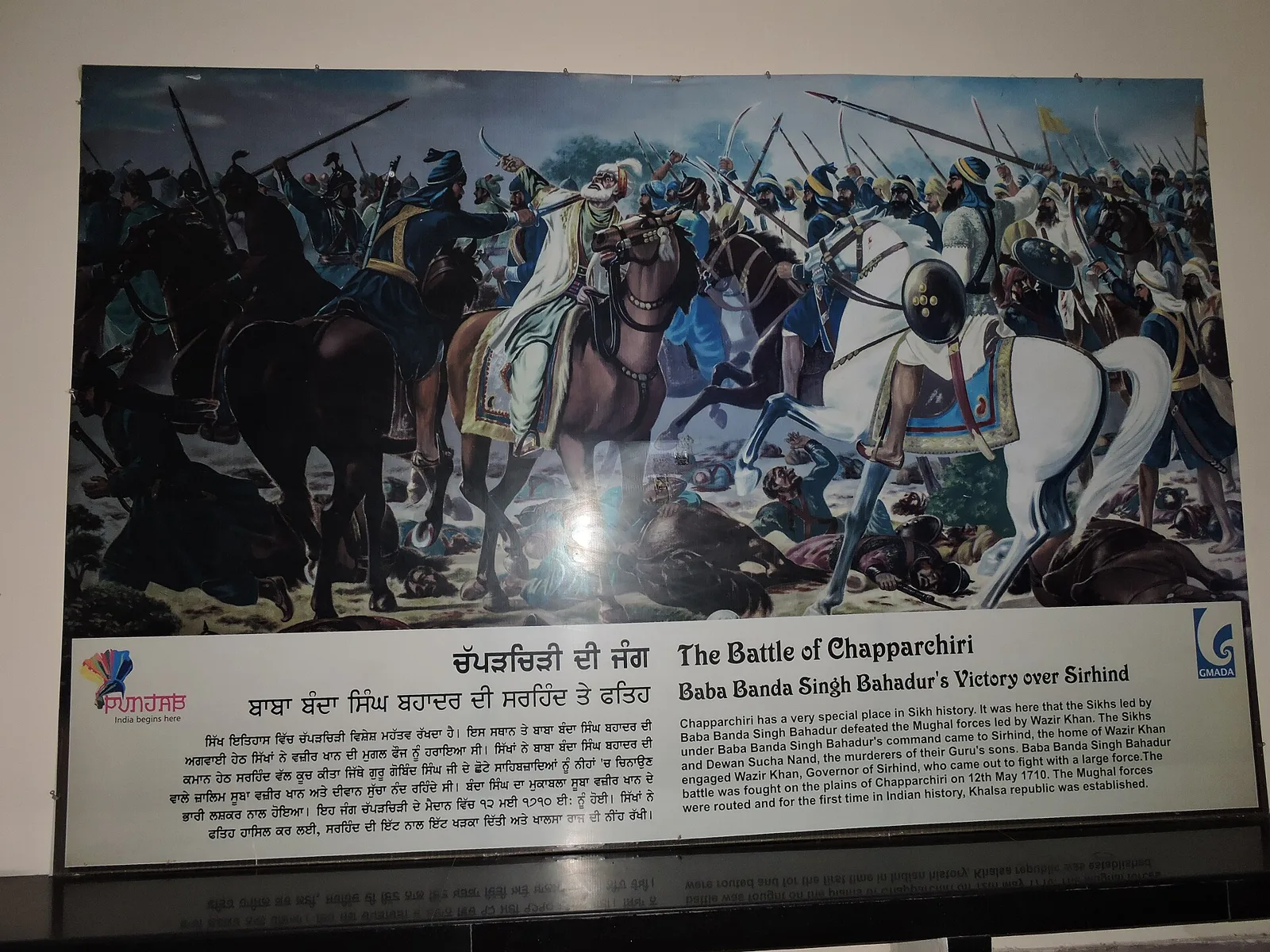
Mohali, officially Sahibzada Ajit Singh Nagar district, lies on Punjab’s southeastern edge beside Chandigarh and Panchkula. Its landscape ranges from planned urban neighbourhoods and expanding suburbs to cultivated plains and the Shivalik foothills. The district brings together modern workplaces, educational institutions and sports venues with older villages and religious sites. Chappar Chiri is remembered for the 1710 battle in which Banda Singh Bahadur defeated Mughal forces; the Fateh Burj there commemorates the victory. Mohali developed as a planned urban centre alongside Chandigarh, while the wider district retains a rural character beyond its built-up areas. This contrast between contemporary city life, agricultural surroundings and significant Sikh history shapes the district’s identity.
Mohali, officially Sahibzada Ajit Singh Nagar, occupies Punjab’s southeastern edge beside Chandigarh and Panchkula. It is a useful base for exploring the region’s planned urban districts as well as villages and sites beyond the city. The district is best known for its modern workplaces, educational institutions and sports venues, and for the Sikh history associated with Chappar Chiri. There, Banda Singh Bahadur defeated Mughal forces in 1710, an event commemorated by the Fateh Burj. Travellers will find a changing mix of urban neighbourhoods, cultivated land and Shivalik foothills, with Chandigarh’s transport connections close at hand.
The area around Chappar Chiri is associated with a major episode in Sikh history. In 1710, Banda Singh Bahadur’s forces defeated the Mughal army led by Wazir Khan, the governor of Sirhind; the Fateh Burj commemorates the victory. In the following decades, the wider Punjab region was shaped by Sikh misls and, in the nineteenth century, the Sikh kingdom of Maharaja Ranjit Singh. After the Anglo-Sikh wars, the British annexed Punjab in 1849, and the area remained part of colonial Punjab until independence and Partition in 1947. Chandigarh was planned as the capital of the reorganised Punjab after Partition. Mohali grew alongside it as a planned urban centre, while surrounding settlements retained agricultural and village life. The creation of Haryana in 1966 left Chandigarh as the shared capital of Punjab and Haryana. Sahibzada Ajit Singh Nagar district was formed in 2006 from areas that had been part of Ropar district; Mohali is the commonly used name for the district headquarters and urban centre.
Food in Mohali reflects the wider Punjabi table. Seasonal sarson da saag with makki di roti, tandoori breads and dishes, chole bhature, and Amritsari kulcha are familiar choices; lassi, pinni and jalebi are popular accompaniments or sweets. Recipes and menus vary between neighbourhood restaurants, roadside dhabas and village eateries, so ask what is fresh that day. Vegetarian travellers will find plenty of options, including langar, the free vegetarian meal served at gurdwaras. Non-vegetarian dhabas and restaurants are also found across the region.
Craft traditions associated with Punjab include phulkari, the region’s well-known embroidered textile tradition, as well as woven fabrics, durries and leather Punjabi juttis. These are regional traditions rather than crafts exclusive to Mohali district, and availability varies between shops and markets. Embroidered cloth may be made for clothing, household use or ceremonial occasions, while juttis are worn across the region. Ask sellers about where an item was made and whether it is handmade; a Punjabi design does not necessarily mean the piece was produced locally.
Baisakhi, usually celebrated in April, and Sikh Gurpurabs are observed in the district and across Punjab. Lohri, in January, is marked with community gatherings, while Diwali is also widely celebrated. Hola Mohalla, usually held around March at Anandpur Sahib, is a major regional Sikh festival rather than a Mohali district event. Festival periods can bring larger crowds on roads and at religious sites, and accommodation may be busier, particularly when major events coincide with travel seasons. Dates for Sikh festivals vary from year to year, so check local calendars when planning.
Elsewhere in Punjab
- Hola Mohalla23 Mar 2027 – 25 Mar 2027 · Provisional
- Lohri & Maghi MelaDates to be announced · Seasonal
- BaisakhiDates to be announced · Seasonal
- Gurpurabs at the Golden Temple24 Nov 2026 · Provisional
- Shaheedi Jor MelaDates to be announced · Seasonal
- TeeyanDates to be announced · Seasonal
- Kila Raipur Sports FestivalDates to be announced · Seasonal
The district extends from built-up neighbourhoods and suburbs around Mohali into cultivated plains, villages and the lower Shivalik foothills. Seasonal streams and drainage channels cross parts of the area, but there is no major navigable river or coastal landscape to shape ordinary sightseeing. Urban roads make travel within developed areas relatively straightforward; reaching rural sites such as Chappar Chiri involves road journeys through settlements and open agricultural land. The foothill edge can bring more varied terrain and greenery, so allow extra time for local roads beyond the city.
Mohali has hot summers, a monsoon season and cool winters. Summer heat can make midday outdoor visits uncomfortable, while monsoon showers may affect visibility and slow road travel. Winter is generally more comfortable for walking and visiting outdoor sites, though mornings and evenings can be chilly and fog may occasionally disrupt journeys. October to March is usually the most practical period for sightseeing. Pack light, breathable clothing and sun protection in warmer months, and carry a light rain layer during the monsoon. In winter, bring warm layers, especially for early starts or evenings.
Mohali is served by Shaheed Bhagat Singh International Airport, Chandigarh, and the nearest principal railway station is Chandigarh Junction. Both provide connections for journeys from other parts of India; onward travel is by road. Punjab Roadways and PEPSU Road Transport Corporation buses serve routes in the wider region, though the best connection depends on the starting point. Taxis, auto-rickshaws and app-based cabs can help with local trips, while city buses serve some areas. For Chappar Chiri and other outlying sites, arrange a road journey and carry water and snacks. Check current services locally before travelling.
Mohali’s urban areas are connected by roads to Chandigarh, Panchkula and other towns in the region. City buses serve some routes, while auto-rickshaws and app-based cabs are useful for shorter trips; taxis can be arranged for a day’s travel. Punjab Roadways and PEPSU Road Transport Corporation buses serve the wider region, but local coverage varies. Reaching Chappar Chiri and other outlying places is easiest by taxi or a pre-arranged road journey. Confirm current bus services locally, and allow extra time for traffic or travel beyond the built-up area.
2 days: Mohali → Fateh Burj → Mohali; sleep in Mohali both nights. 3 days: Chandigarh → Mohali → Fateh Burj → Mohali; sleep in Mohali on the first two nights and Chandigarh on the final night.
Mohali is the most convenient base for visiting Fateh Burj and for access to the airport and Chandigarh Junction. Its urban areas offer hotels and other conventional accommodation, while Chandigarh provides a wider choice for travellers combining the district with the neighbouring city. Smaller towns and villages have fewer options, so confirm availability before relying on them as an overnight base. Homestays and dharamshalas may be available in the wider region, but facilities and booking arrangements vary. Government accommodation is limited and should be checked directly.
In summer, carry drinking water, sun protection and suitable clothing; during monsoon showers, watch for slippery surfaces and slower road journeys. Use reputable drinking water and take ordinary food and hygiene precautions. Traffic can be busy around urban junctions, and rural roads may be less well lit, so avoid rushing after dark. Mobile connectivity is generally available in developed areas but may be less consistent in outlying locations. Crowds can increase during festivals and major events. No special permit is ordinarily required for a routine visit to Fateh Burj, but confirm any current access restrictions with official local sources before travelling.
- Chandigarh · Chandigarhabout 13 km
- Panchkula · Haryanaabout 26 km
- Fatehgarh Sahibabout 27 km
- Ambala · Haryanaabout 38 km
- Solan · Himachal Pradeshabout 41 km
- Patialaabout 48 km
- Rupnagarabout 61 km
- Shimla · Himachal Pradeshabout 66 km
Straight-line distance between the centres of each district's destinations; road distance is longer.
Q: How many days should I spend in Mohali district? A: One or two days can cover Fateh Burj and a relaxed visit to the urban area; allow longer if combining the trip with Chandigarh or nearby destinations. Q: When is the best time to visit? A: October to March is generally most comfortable for sightseeing, while summer can be very hot and monsoon weather may affect road travel. Q: Where is the best base? A: Mohali is convenient for the district and transport links; Chandigarh is another practical base with more accommodation choice. Q: How do I get to Mohali? A: Fly to Shaheed Bhagat Singh International Airport, Chandigarh, or travel by rail to Chandigarh Junction, then continue by road. Q: Is Mohali suitable for families or elderly travellers? A: Yes, particularly in the urban areas, though visits to outlying sites require road travel. Plan for heat, walking surfaces and individual mobility needs.
This page draws on our 1 destination guides for Mohali and is updated as our team checks it.
Be the first to share photos, stories, advice or a helpful contact for Mohali.
Loading…