
Ghumoopedia — Explore, Discover, Experience
Sign in

Harvest · Punjab

Lohri & Maghi Mela

Across Punjab; Maghi Mela at Sri Muktsar Sahib

Dates

Last verified 17 November 2026. Confirmed: announced by organisers or government. Provisional: from a published almanac, not yet announced. Seasonal: no date announced.

The complete guide

Lohri & Maghi Mela: everything to know before you go

Also known as
Lohri (Lohri di raat); Maghi; Maghi Mela, Muktsar Sahib
State and district
Punjab, statewide (Lohri); Sri Muktsar Sahib district (Maghi Mela)
When
Lohri: 13 January. Maghi: 14 January
Duration
Lohri: one evening and night. Maghi: one main day, with the fair at Muktsar running for about three days
Faith and community
Punjabi Hindu, Sikh and other communities (Lohri); Sikh (Maghi)
Type
Winter harvest bonfire festival and Sikh religious fair
Entry
Free
Best for
Bonfire evenings, folk song and dance, Sikh history, winter food

Overview

Mid-January is the coldest stretch of Punjab's winter, and two festivals mark it. Lohri, on the evening of 13 January, is a bonfire festival that celebrates the winter crops growing in the fields and the turning of the year towards longer days. Families, neighbours and friends gather around a fire in courtyards, streets and farm fields, throw sesame seeds, jaggery, peanuts and popcorn into the flames, sing folk songs and dance the bhangra and giddha. The next day, Maghi, marks the first day of the month of Magh. It is a day of ritual bathing and, in Muktsar in the south-west of the state, the occasion for a major Sikh fair that remembers forty Sikhs who died fighting for Guru Gobind Singh in 1705–06. Together the two days show how Punjab joins the agricultural calendar with its religious history: one night is about warmth, food and community, and the next about sacrifice, forgiveness and remembrance. Many families celebrate both.
Origins and legend

Lohri's roots lie in an ancient midwinter celebration, when people gave thanks to the sun and to fire at the turning of the solstice and prayed for the ripening of wheat and mustard. Folk etymologies of the name vary. One links it to til (sesame) and rorhi (jaggery), two staples of the festival. The best-loved legend is that of Dulla Bhatti, a Punjabi outlaw said to have lived in the time of the Mughal emperor Akbar. Tradition says he rescued girls who were about to be sold into slavery and arranged their marriages with dowries from his own pocket. He is remembered as a kind of Robin Hood, and Lohri songs honour him.

Maghi is a Sikh occasion with a very different story. During the siege of Anandpur Sahib, forty Sikhs, tired and starving, signed a statement telling Guru Gobind Singh that they were no longer his followers and left. They were shamed back by a woman, Mai Bhago, who led them to rejoin the Guru. At Khidrana, near present-day Muktsar, they faced a large pursuing Mughal force, and the forty fought and died. Guru Gobind Singh found the dying leader of the group, Mahan Singh, and, tradition says, tore up the statement and blessed them all. They are remembered as the Chali Mukte, the forty liberated ones, and the place was renamed Muktsar, the pool of liberation. Mai Bhago survived and is honoured as a symbol of courage. Accounts differ in minor details, but the story is at the centre of Sikh memory.

How it is celebrated

On Lohri evening, families build a bonfire in the courtyard or at a street corner, often with dried cow-dung cakes and wood. People gather, walk around the fire and offer sesame, jaggery, peanuts, popcorn and rewri to the flames while praying for prosperity. Songs, drum beats and dancing follow, and the sweets are shared. Houses with a newborn baby or a newly married couple celebrate the first Lohri especially grandly, with gifts and a larger fire. Children go door to door singing for sweets and small coins. On Maghi, people bathe in rivers or sacred pools before dawn, visit gurdwaras and give food and clothing to the poor. In Muktsar, thousands gather at the gurdwaras around the sacred pool, hold processions and attend recitals of the Guru Granth Sahib.

The cultural days

Lohri is, above all, a cultural event. In villages and towns, young men dance the bhangra around the fire, with loud drums and bold steps, while women perform giddha with clapping, rhythmic couplets called boliyan and humorous teasing. Schools, clubs and housing societies organise Lohri evenings, and cultural organisations stage folk performances in cities. Farmers, who have spent the early winter sowing and tending crops, enjoy a break and the company of relatives. The first Lohri of a newborn is a happy family occasion, and neighbours join in with gifts. At the Maghi Mela, there are also exhibitions, cattle trade, stalls with household goods and toys, and entertainment for children, so the day has a fairground feel alongside the religious mood. These cultural days show Punjab's warmth and hospitality at their best.

The pilgrimage days

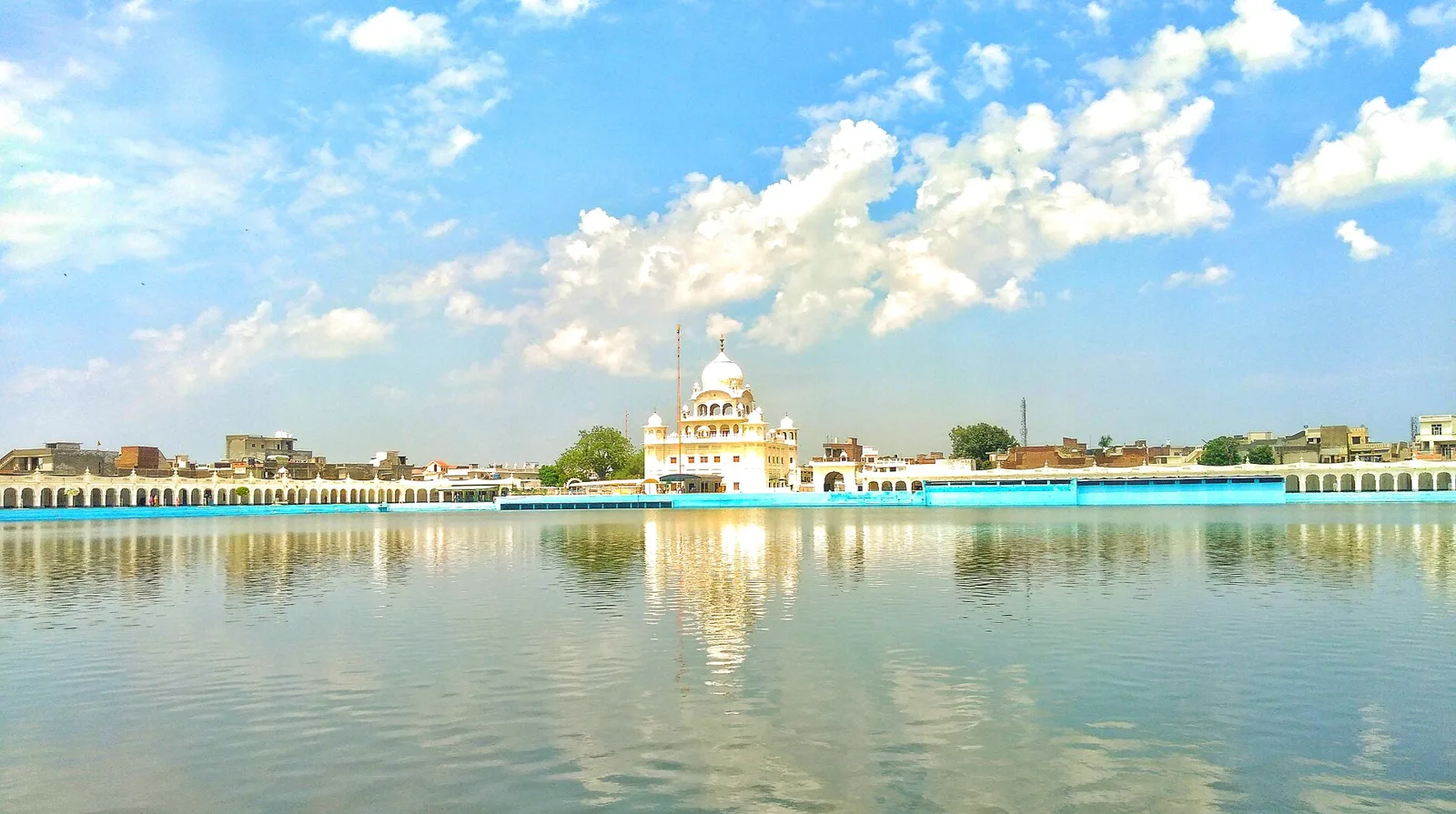
Maghi is the religious focus. Devotees travel to Sri Muktsar Sahib to bathe in the holy sarovar, which commemorates the place where the forty are remembered, and to pay respects at Gurdwara Tibbi Sahib, Gurdwara Tuti Gandhi Sahib, Gurdwara Shaheed Ganj and Gurdwara Darbar Sahib. Akhand Path, the continuous reading of the Guru Granth Sahib, and kirtan, the singing of hymns, are held in the gurdwaras. A Mahalla procession, in which Nihang Sikhs on horseback and groups on foot parade through the town, is a highlight, with devotees carrying flags and singing. Many pilgrims also visit the places connected to Mai Bhago and the Chali Mukte. Langar, the free community meal, is served day and night, and volunteers (sevadars) work with great devotion. Pilgrims bathe in the sarovar as a way to remember the sacrifice made there.

Food and flavours

The food of Lohri and Maghi is about warmth and energy. On Lohri, the classic offerings are til (sesame), gur (jaggery), peanuts, popcorn and rewri, a sesame and jaggery sweet. Gajak, a crisp sesame brittle, and til laddoo are also traditional. Many families cook sarson da saag with makki di roti (mustard greens with cornmeal flatbread), served with white butter and jaggery, and gajar da halwa made from winter carrots. Sweetened rice with sugarcane juice, called rah di kheer, is a traditional Lohri dish. On Maghi, the signature meal is khichdi, made of rice and black lentils, eaten with ghee, yoghurt and sometimes kheer, and many families give it as charity. At the Muktsar fair, langar offers dal, roti, vegetables and kheer, and stalls sell jalebi, pakoras, samosas, lassi and tea. Everyone is welcome at langar, and it is polite to take only what you can eat.

Music, dance, art and dress

The sound of Lohri is the dhol, a double-headed drum played with two sticks, with a rhythm that makes dancing irresistible. Folk songs of the season, especially those that mention Dulla Bhatti, are sung in groups, and children sing for treats. The dances are bhangra for men, with leaps, shoulder movements and raised arms, and giddha for women, with clapping, short verses and playful humour. Maghi has a different soundscape: the Gurbani kirtan by ragis (hymn singers) with harmonium and tabla, and the martial music of Nihang Sikh bands.

Dress for Lohri is cheerful and warm. Men wear kurta pyjamas or kurta with lungi and bright turbans, often with a woollen jacket, while women wear colourful salwar kameez with phulkari embroidery shawls, bangles and parandi hair ornaments. For Maghi at the gurdwara, most people wear modest clothes, and head coverings are required. Nihang Sikhs wear their traditional blue robes, tall turbans and carry weapons.

Where to experience it

For Lohri, the best experience is in a Punjabi village or neighbourhood, where families invite friends and neighbours to their bonfire, so staying with a host family is ideal. Cities such as Amritsar, Ludhiana, Jalandhar and Chandigarh hold public Lohri events in parks and clubs. For Maghi, the place to be is Sri Muktsar Sahib, where Gurdwara Tibbi Sahib, Gurdwara Tuti Gandhi Sahib, Gurdwara Shaheed Ganj and the sacred sarovar form the core of the fair. The Mahalla procession winds through the town, and the fairground lies close to the gurdwaras. Nearby Faridkot and Bathinda are easy day trips. If you plan to stay, arrive a day early, as local hotels and dharamshalas fill up, and the roads around the gurdwaras are crowded during the fair.

Visitor guide

  • Getting there. Muktsar is about 55 km from Bathinda and 45 km from Faridkot, on the Bathinda–Fazilka road network, and about 250 km from Chandigarh and 200 km from Amritsar. The nearest main railheads are Bathinda and Kotkapura, and the nearest large airports are Chandigarh and Amritsar.
  • Where to stay. Muktsar has hotels, guest houses and gurdwara sarais (pilgrim lodgings), which fill up during the fair. Bathinda and Faridkot are alternatives.
  • What to wear and pack. January is cold, with fog common in the mornings and nights, so bring warm layers, socks and a scarf. Carry a head covering and a spare pair of socks for gurdwaras.
  • Etiquette. Cover your head, remove shoes and wash your feet before entering a gurdwara. Do not bring tobacco, alcohol or meat. Sit on the floor, and do not turn your back to the Guru Granth Sahib. Ask before photographing people at the bonfires.
  • Safety and comfort. Winter fog makes road travel risky, so avoid late-night driving. Crowds at the fair can be large, so keep valuables secure. Keep a safe distance from bonfires and fireworks.

Today and tomorrow

Lohri has become a popular festival across India and among Punjabi communities abroad, and it is often celebrated in apartment complexes and clubs rather than in village courtyards. Many families also now mark Lohri for baby daughters, a welcome change from older customs. Maghi remains a deeply felt Sikh occasion, but crowd management, traffic and waste are ongoing issues. Concerns about fog, pollution and the safe use of bonfires and fireworks are also growing, and communities are encouraging cleaner, safer celebrations.

Nearby

Places to see around the festival