
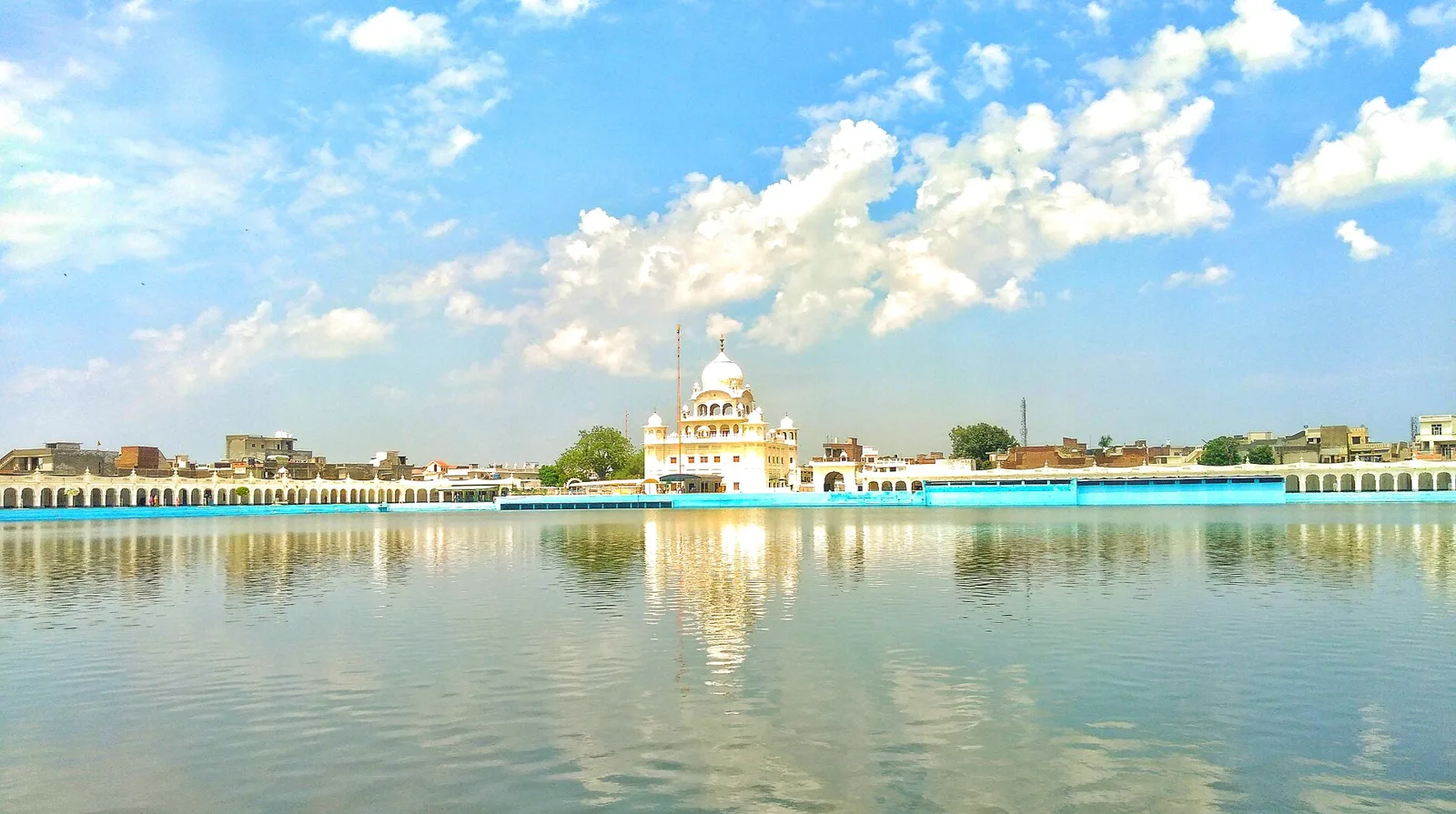
Sri Muktsar Sahib
Sri Muktsar Sahib, a city in Punjab, draws interest for its Sikh history and connection to the 1705 Battle of Muktsar; it also serves as a district centre.
Key facts · verified by Ghumoopedia editors
- Type of place
- Temple / pilgrimage site
- Best time to visit
- October to March
- Nearest railway station
- Muktsar (Sri Muktsar Sahib) · about 5 km (straight line)
- Nearest airport
- Bathinda Airport · about 35 km (straight line)
- Verified
- 21 Nov 2026
Plan a trip from Sri Muktsar Sahib — a day-by-day route through places nearby.
Located in the district that shares its name, Sri Muktsar Sahib is a city in Punjab. The 2011 Indian census recorded 117,085 residents in its municipality; among Punjab’s cities, it ranked fourteenth by population. The district is also the birthplace of Guru Angad, the second Sikh Guru, at Matte-di-Sarai, now known as Sarainaga. The settlement was once called Khidrana, or Khidrane di dhab. Its later name commemorates the Battle of Muktsar, fought in 1705. Muktsar became a district headquarters in 1995. In 2012, the government formally changed the city’s name to Sri Muktsar Sahib. Muktsar, however, remains the name most often used. The formal title thus coexists with the shorter name in ordinary use. Punjab's identity is shaped by Sikh heritage, gurdwara traditions of seva and langar, Bhangra and Giddha, and a strong farming culture. Punjab has hot summers from April to June, a monsoon from July to September, and cold, foggy winters from December to February. Winter fog can delay trains and flights. The usual best time to visit is October to March. Timings, fees and access arrangements must be confirmed locally. For official information, see Punjab Tourism at https://punjabtourism.gov.in.
Why it matters
Sri Muktsar Sahib is an important Sikh pilgrimage city associated with the Battle of Muktsar in 1705 and the memory of the Chali Mukte, or Forty Liberated Ones. Sikh tradition connects their sacrifice and Guru Gobind Singh’s forgiveness of them with the name Muktsar, commonly interpreted as “pool of liberation.” Gurdwaras in the city commemorate the battle and related events, making it a place of worship, remembrance and community gathering. The annual Maghi observance draws pilgrims from Punjab and beyond. The city is also the headquarters of Sri Muktsar Sahib district; the Indian government officially changed its name to Sri Muktsar Sahib in 2012. No UNESCO World Heritage or ASI-protected status is established for the principal gurdwara sites here.
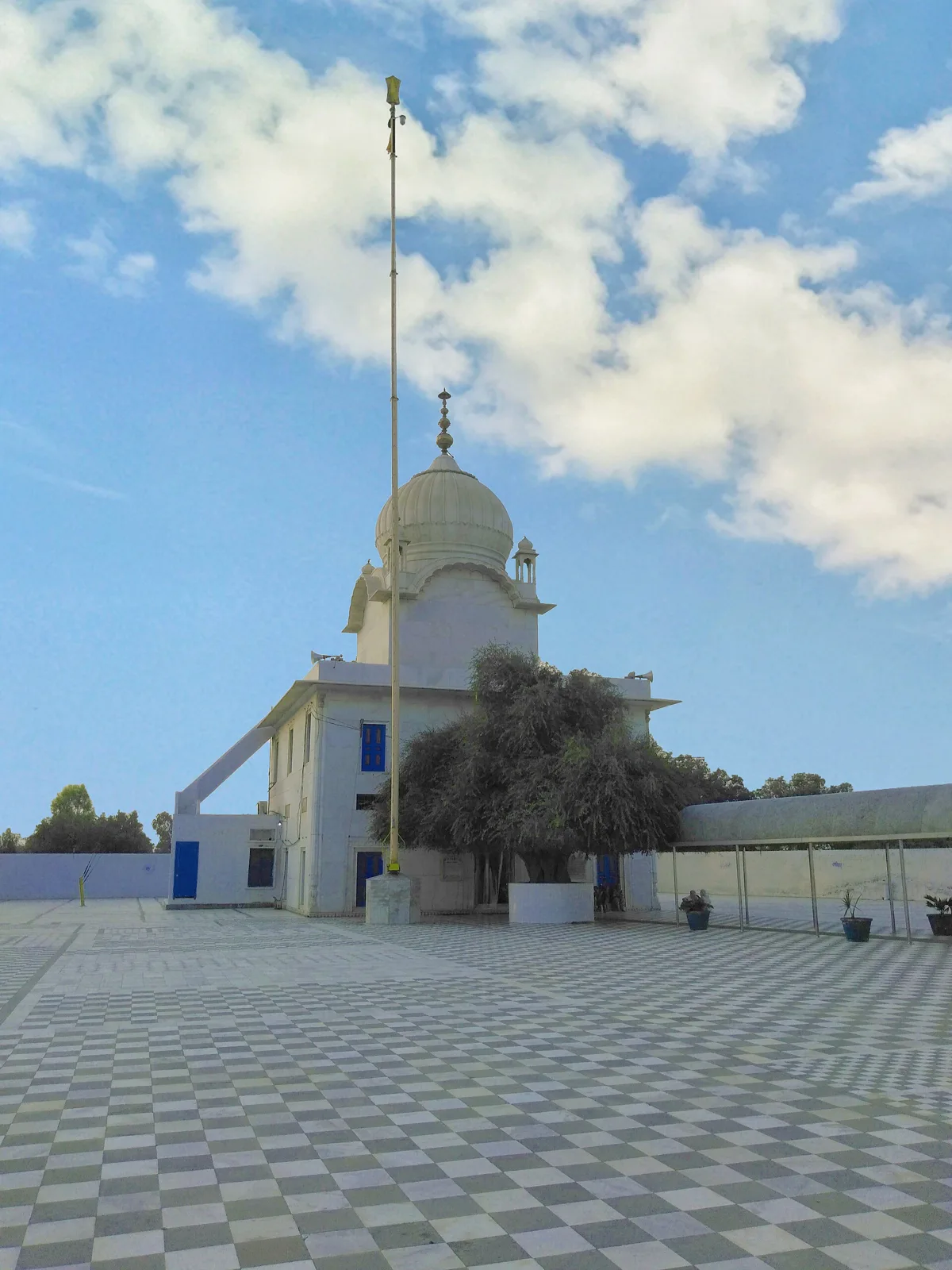
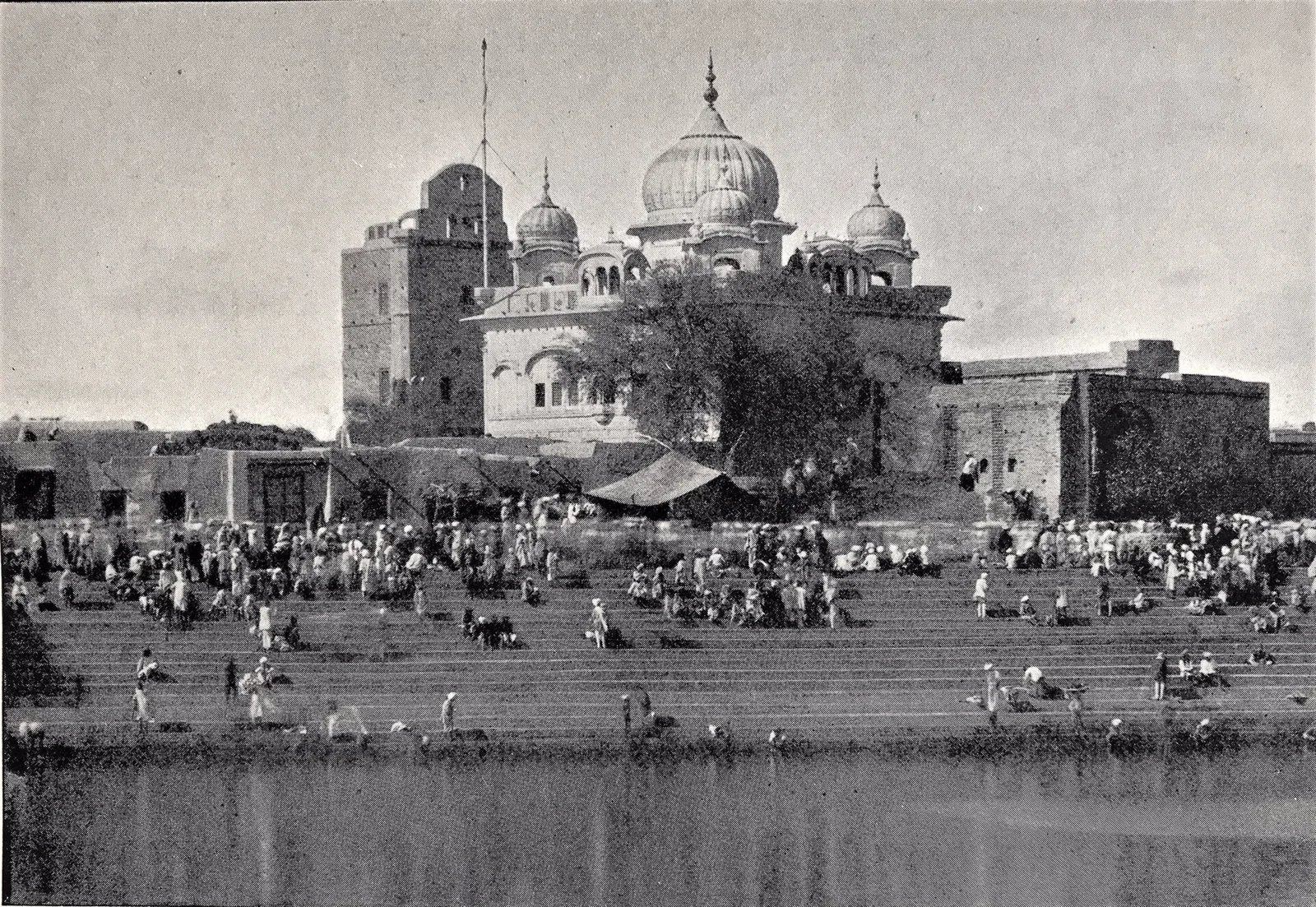
Before the battle, the place was known as Khidrana or Khidrane di Dhab, referring to a water body in the dry landscape. In 1705, during the conflict between Mughal forces and the Sikhs led by Guru Gobind Singh, a group of forty Sikhs returned to support the Guru at Khidrana. Sikh accounts remember their stand as decisive and preserve the story of their leader, Mai Bhago, who survived and later served the Guru. The forty had earlier disavowed the Guru under pressure; tradition says he accepted their repentance and blessed them as the Chali Mukte. The battle and this episode gave the place its enduring religious significance and the name Muktsar. Gurdwaras established and developed over time at sites associated with the events preserve that memory; their present buildings reflect later construction and upkeep rather than a single original structure. The town grew as a regional settlement and became the district headquarters in 1995. Its official name was changed to Sri Muktsar Sahib in 2012, although Muktsar remains widely used in everyday speech. Sikh historical narratives are the principal source for the religious account of the battle and its meaning.
Origin stories & folklore
According to Sikh tradition, the Forty Sikhs who had left Guru Gobind Singh later returned to fight for him at Khidrana. Their leader is remembered as Mai Bhago, who is said to have rallied the group and survived the battle. Sikh accounts say that, as the wounded Mahan Singh was dying, the Guru tore up the written declaration by which the men had disavowed him, accepting their repentance. The forty were thereafter honoured as the Chali Mukte, the Forty Liberated Ones, and the battlefield came to be called Muktsar. The story is central to the city’s sacred identity and is retold in gurdwaras and at Maghi gatherings. Details belong to religious tradition and should be understood as such, rather than treated as independently verified eyewitness history.
Architecture & design
Sri Muktsar Sahib is a town-wide pilgrimage destination rather than a single monument. Its principal Sikh shrines include Gurdwara Darbar Sahib and other gurdwaras associated with the Battle of Muktsar and the Chali Mukte. As with many active gurdwaras in Punjab, visitors encounter prayer halls, spaces for congregation and worship, and areas for the community kitchen and pilgrim services. Darbar Sahib is associated with a sacred pool, or sarovar, around which worshippers gather; confirm locally which areas are open during a visit. Buildings have been maintained and altered over time, so present-day finishes and details need not represent the structures of the eighteenth century. The complex is used for daily religious life as well as large gatherings, and its layout serves worship, circumambulation and community activity. Remove footwear and follow posted directions in prayer spaces.
Important objects & sculptures
The most meaningful things to notice are the gurdwaras, sacred spaces and memorial associations rather than a museum collection. At the principal shrines, visitors may see the Guru Granth Sahib installed in the prayer hall, respectfully approached and attended according to Sikh practice. The sarovar associated with Darbar Sahib is also a focus for devotion. Gurdwara names and local explanations connect particular places with the battle, the Forty Liberated Ones and Guru Gobind Singh. Displays, inscriptions or historical panels, if present, can change as buildings are renovated; ask the managing gurdwara committee or a local sevadar for context. Do not touch sacred objects, enter restricted areas, or treat religious furnishings as exhibits.
Religious significance
Sri Muktsar Sahib is a centre of Sikh worship and remembrance. Its shrines commemorate Guru Gobind Singh, the Battle of Muktsar and the Chali Mukte, whose story is associated with repentance, courage and liberation. Worshippers may listen to hymns from the Guru Granth Sahib, offer prayers, bow in the prayer hall and take part in seva, or voluntary service. Langar, the community meal, reflects the Sikh principle of sharing food without distinction; availability and arrangements vary, so ask respectfully. The sarovar at Darbar Sahib is regarded as sacred by devotees. Visitors of any faith are generally welcome in gurdwaras, provided they observe the rules of modest dress, head covering, footwear removal and respectful conduct.
Use Sri Muktsar Sahib as a base to understand local life: walk through the market area, visit community-run attractions and ask your host about nearby viewpoints and short excursions. Always ask before photographing people, homes or ceremonies. A comfortable itinerary is one main visit in the morning, a local meal at midday and a short nearby stop before an afternoon return. Use the district list on this site to find other places in Sri Muktsar Sahib, but check the actual road route and its condition before combining stops. If a festival or fair is on, local roads and stays can be busy — and the experience can be unforgettable. Leave no litter: many sites are protected by the communities around them.
Suggested itineraries
Half day: Visit Gurdwara Darbar Sahib, allow time for prayer and the sarovar area, then visit nearby gurdwaras associated with the Battle of Muktsar; finish with langar if available (about 3–4 hours). Full day: Begin at Darbar Sahib, continue to Tuti Gandi Sahib and other locally identified battle-associated shrines, take a meal break, then visit a local market or travel to Sarai Naga if transport and time permit (about 6–8 hours, excluding longer road transfers). Gentler option: Visit one main gurdwara, sit quietly for prayer or kirtan, and take a short, unhurried walk within the complex; arrange a vehicle close to the entrance if needed.
Punjabi is widely spoken in everyday life, and Sikh religious services commonly include Gurbani and kirtan. The town’s living culture is closely linked to gurdwara seva, langar and pilgrimage, alongside the farming traditions that shape much of the surrounding district. Visitors may encounter Punjabi hospitality, traditional foods and local markets. Bhangra and Giddha are important Punjabi dance traditions, though they are not necessarily part of routine worship at the shrines. Modest clothing and a covered head are customary inside gurdwaras; visitors should follow local guidance and avoid interrupting prayer. Ask before photographing people, homes or ceremonies, and be especially considerate during services and community meals.
Festivals & events
Maghi, observed in January, is the major annual pilgrimage gathering associated with Sri Muktsar Sahib. It commemorates the Chali Mukte and the Battle of Muktsar, and often brings large crowds to the city’s gurdwaras and religious fair areas. The scale of attendance can affect road access, parking, accommodation and the time needed to move between sites; confirm local arrangements before travelling. Sikh festivals and commemorations may also be marked at the gurdwaras through prayers, kirtan and community service. Dates on the calendar can vary, so check the current schedule with the gurdwara committee or local authorities.
Local food in Punjab includes sarson da saag with makki di roti, Amritsari kulcha, chole bhature, lassi, tandoori dishes, pinni and jalebi; langar at gurdwaras serves a free vegetarian meal to all. Ask what is fresh that day; many small eateries cook a limited daily menu. Vegetarian travellers eat very well across this region, and most towns also have simple non-vegetarian dhabas. Remote sites may have no restaurant at all. Carry water and snacks, eat a proper breakfast before long drives, and ask your accommodation for a packed lunch if you are heading out early. Try a home-cooked or dhaba meal when you can — it is often the best food on the route. Choose busy, clean places and carry your packaging back to town.
Shopping & local experiences
The town’s markets are useful for everyday Punjabi goods, snacks and devotional items. Visitors may find head coverings, prayer-related items, simple textiles and packaged Punjabi foods, but stock varies and items should not be assumed to be locally made. Look for familiar regional food experiences such as Punjabi breads, seasonal sweets and savoury snacks at local eateries. Ask before buying anything presented as a religious relic or historical object, and avoid removing offerings or materials from shrine grounds. Carry reusable bags and dispose of packaging responsibly.
October to March
The nearest principal railway station by straight-line distance is Muktsar (Sri Muktsar Sahib), roughly 5 km away. The nearest operating airport by straight-line distance is Bathinda Airport, roughly 35 km away. These figures are calculated from map coordinates — actual road distance may differ. Delhi, Chandigarh and Amritsar are the main rail and air hubs, and most long-distance journeys connect through them. For the final leg, Punjab Roadways, PEPSU Road Transport (PRTC) and private Volvo coaches link district towns; shared taxis usually leave early in the morning. A private taxi gives more flexibility for remote sites. When comparing train, bus and flight, count the complete door-to-door time: a flight saves the most time only if the onward road transfer is short, while an overnight train plus a road journey can save a hotel night. Book your return before you leave, because seats fill quickly on weekends and holidays. Current train numbers, timings, return services and fares are not listed here; check IRCTC and NTES for trains and the airline's own schedule for flights. No permit is needed to visit Punjab. The Wagah–Attari border ceremony needs a same-day security check, and the Kartarpur Corridor to Pakistan requires advance online registration and a passport.
Confirm onward and return timings on IRCTC / NTES, the state bus operator or your airline before travel. A dash means current timings or fares have not been verified.
Getting around
The city is served by Muktsar railway station and road connections to other Punjab towns. Within Sri Muktsar Sahib, auto-rickshaws and local taxis are practical for reaching gurdwaras; ask locally about availability and drop-off points, especially during Maghi. Some central sites may be manageable on foot, but allow for walking between separate shrines and busy streets. Local buses can be useful for travel beyond the centre, though routes and frequency should be checked on arrival. Parking may be constrained around major gurdwaras during gatherings, so follow signs and directions from local staff rather than blocking access roads.
Hours, tickets & permissions
Entry arrangements differ between gurdwaras and may change during services, festivals or maintenance. There may be no general sightseeing ticket at an active place of worship, but do not assume that every area is open to visitors. Head covering, footwear removal and respectful clothing are commonly required; special rules may apply to photography, sarovar access or particular prayer spaces. Confirm current hours, fees if any, and access arrangements with the managing gurdwara authority before setting out.
Facilities
Major gurdwaras usually provide shoe-storage arrangements and drinking water, and langar may be available; confirm locally rather than relying on a set schedule. Toilets and basic pilgrim facilities are generally easier to find at larger complexes, but standards and access can vary. Food shops, pharmacies, banks and ATMs are available in the town, though services may be busy during Maghi. Parking is sometimes available near shrine complexes but can fill quickly during gatherings. Formal guide services are not guaranteed; gurdwara staff or sevadars may be able to explain visitor etiquette and the significance of nearby sites.
Accessibility
Conditions vary between gurdwara complexes. Approaches may include uneven paving, steps, thresholds or crowded passages, and visitors may need to walk between separate shrines. Larger complexes can offer places to sit, but shade and step-free routes should not be assumed. Wheelchair and stroller access may be limited inside prayer spaces, particularly where footwear must be removed or floor seating is customary. Elderly visitors may find it helpful to travel by taxi between sites, avoid peak crowd periods and ask staff about the easiest entrance and available seating. Check current access conditions with the individual gurdwara before visiting.
No permit is needed to visit Punjab. The Wagah–Attari border ceremony needs a same-day security check, and the Kartarpur Corridor to Pakistan requires advance online registration and a passport. Carry a photo ID at all times and save the emergency number 112 and your accommodation's contact offline. Heat in summer and dense fog in winter are the main weather risks; carry water and allow extra travel time on foggy December–January mornings. Respect community rules, private property and posted instructions. Check official advisories for the region before travel, and follow local guidance if access changes.
Visitor rules
Wear modest clothing and cover your head inside gurdwara premises; remove shoes where directed and follow local instructions about socks or footwear storage. Keep voices low in prayer areas, do not interrupt services, and respect restrictions around the Guru Granth Sahib, sarovar and other sacred spaces. Ask before taking photographs, especially of worshippers or ceremonies. Avoid littering and follow any rules on plastic, food or smoking. Do not enter areas marked for staff or worshippers only. During crowded gatherings, follow directions from sevadars and local authorities.
Photography
Outdoor views are often easiest to photograph in soft morning or late-afternoon light, but remain mindful of worshippers and active services. Photography may be restricted inside prayer halls or near sacred objects; check signs and ask a sevadar before taking pictures. Never photograph people, children or ceremonies without permission. Keep equipment unobtrusive and do not obstruct movement or prayer. Drone use can be restricted around religious sites and public gatherings, and may require permissions; do not fly one unless current rules clearly allow it.
Choose a stay by the full journey to Sri Muktsar Sahib, not just the district name. Main towns in Sri Muktsar Sahib usually offer hotels, state tourism lodges and guesthouses with better transport, meals and medical access, while village homestays offer a closer connection to local life. In the plains, check fans or air-conditioning in summer and heating in the December–January cold wave. Book in advance for weekends, festival dates and the peak season (October to March). Confirm the exact location, meals included, check-in time and cancellation terms in writing. Many homestays accept payment on arrival; avoid sending money to unverified contacts. Mobile network and digital payments can be unreliable in remote areas, so carry some cash.
Within the city, visitors can ask locally about Gurdwara Tuti Gandi Sahib, Gurdwara Tibbi Sahib and other shrines associated with the Battle of Muktsar; names and routes are best confirmed on arrival. Sarai Naga, in the district, is traditionally identified as the birthplace village of Guru Angad Dev, the second Sikh Guru. It can be a separate road excursion, so check the route and local access before combining it with a city visit. The local market offers an easy additional stop. These are religious and community places, not necessarily formal tourist attractions with visitor services.
For couples, Sri Muktsar Sahib rewards a slow pace: arrive early for soft light and fewer crowds, share a local meal and keep the evening free. Public displays of affection can be frowned upon in conservative communities and at religious sites, so be discreet. A homestay or a small heritage hotel can make the trip memorable — confirm privacy, hot water and transport back. Keep a buffer in your itinerary, because weather and traffic can delay plans in Punjab.
Q: How much time should I allow for a visit? A: A focused visit to one main gurdwara can take a few hours; allow longer to see several shrines or travel beyond the city. Q: When is a good season to visit? A: October to March is generally comfortable in Punjab. January is important for Maghi, but crowds can be substantial. Q: Is there an entry ticket? A: Gurdwaras are places of worship, but rules and access can differ. Confirm current arrangements with the managing authority. Q: Can children and elderly visitors come? A: Yes, with respectful supervision. Crowds, walking distances and possible steps may make a quieter visit more comfortable. Q: Is accommodation available nearby? A: The town has local accommodation options, but availability and standards vary. Check locally and book ahead during Maghi.
Be the first to share photos, stories, advice or a helpful contact for Sri Muktsar Sahib.
Loading…