Ghumoopedia — Explore, Discover, Experience
Sign in
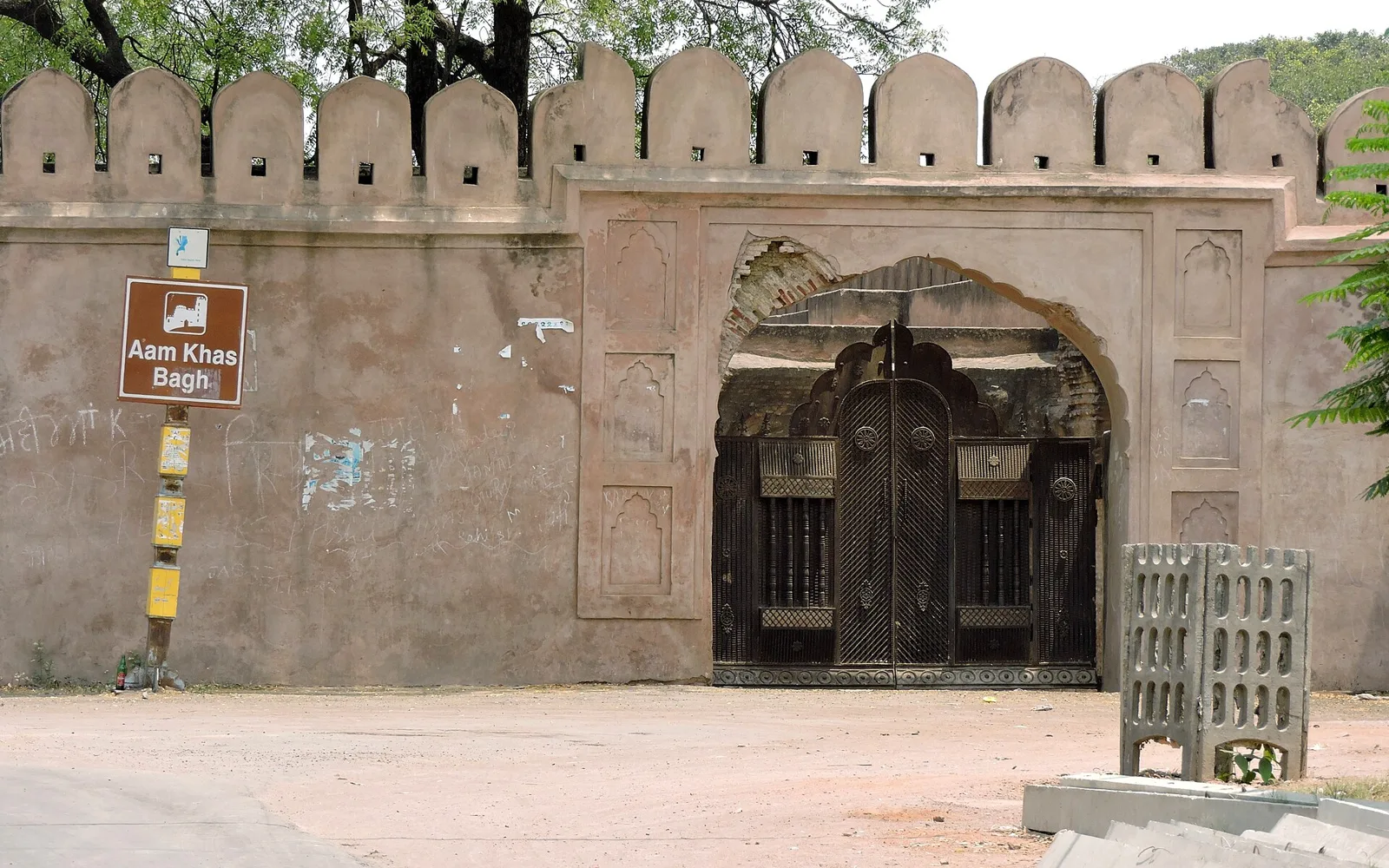
Aam Khas Bagh, Punjab

State · North India

Punjab

The Golden Temple, Sikh heritage and the fertile land of five rivers.

Capital
Chandigarh
Districts
14
Destinations
36
Plan a trip in Punjab

Overview

Understanding Punjab

Culture

Bhangra, Giddha and Phulkari embroidery.

Food

  • Sarson da saag
  • Amritsari kulcha

Festivals

  • Baisakhi
  • Hola Mohalla
  • Lohri

Experiences here

  • Spiritual
  • Heritage
  • Festivals

Verified by the Ghumoopedia editorial team on 21 Nov 2026. Written and reviewed by Ghumoopedia's editors. Timings, fees and permits can change, so check them with the managing authority shortly before you travel.

The complete guide

Punjab: a traveller's guide

Why visit

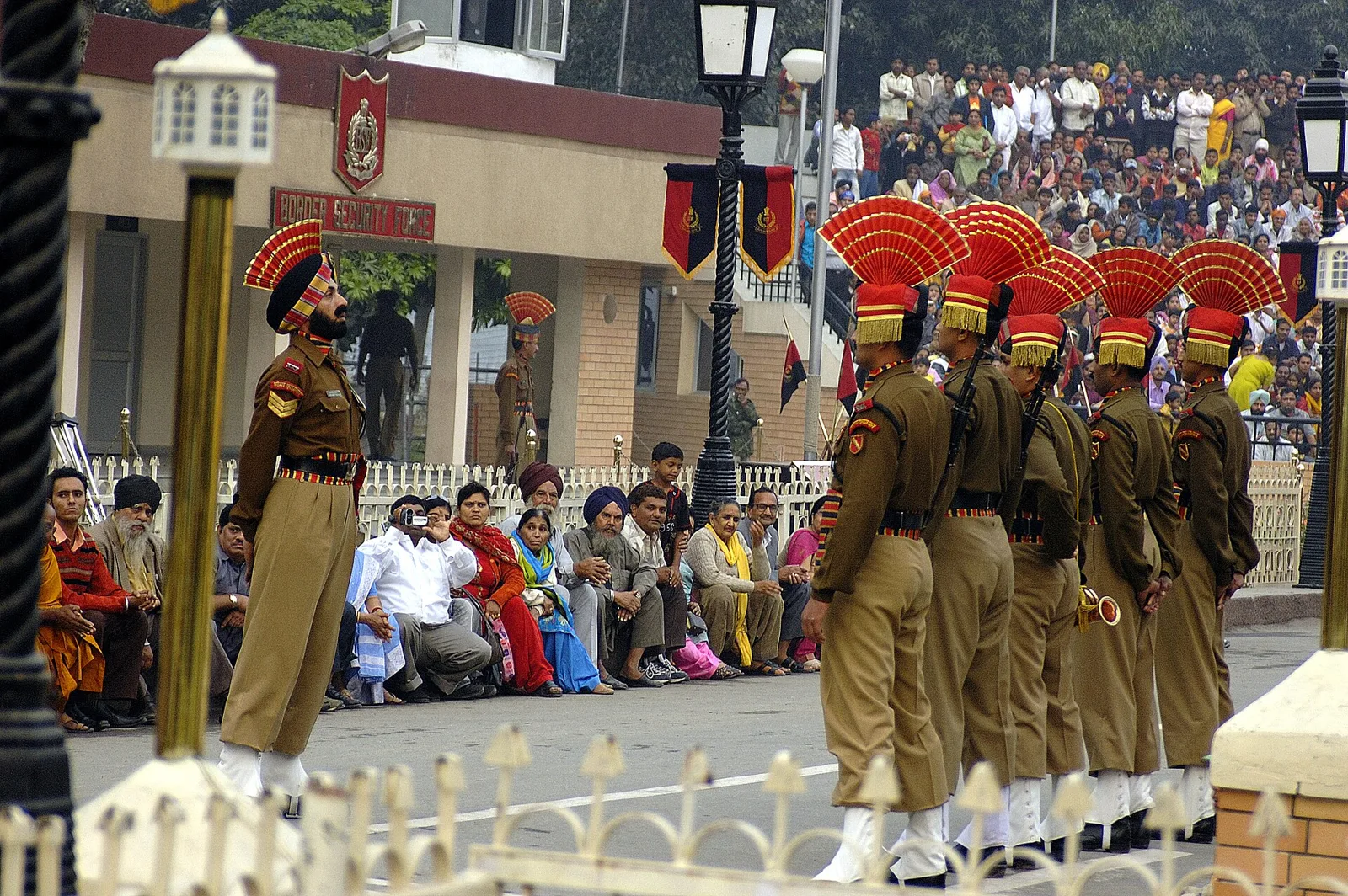
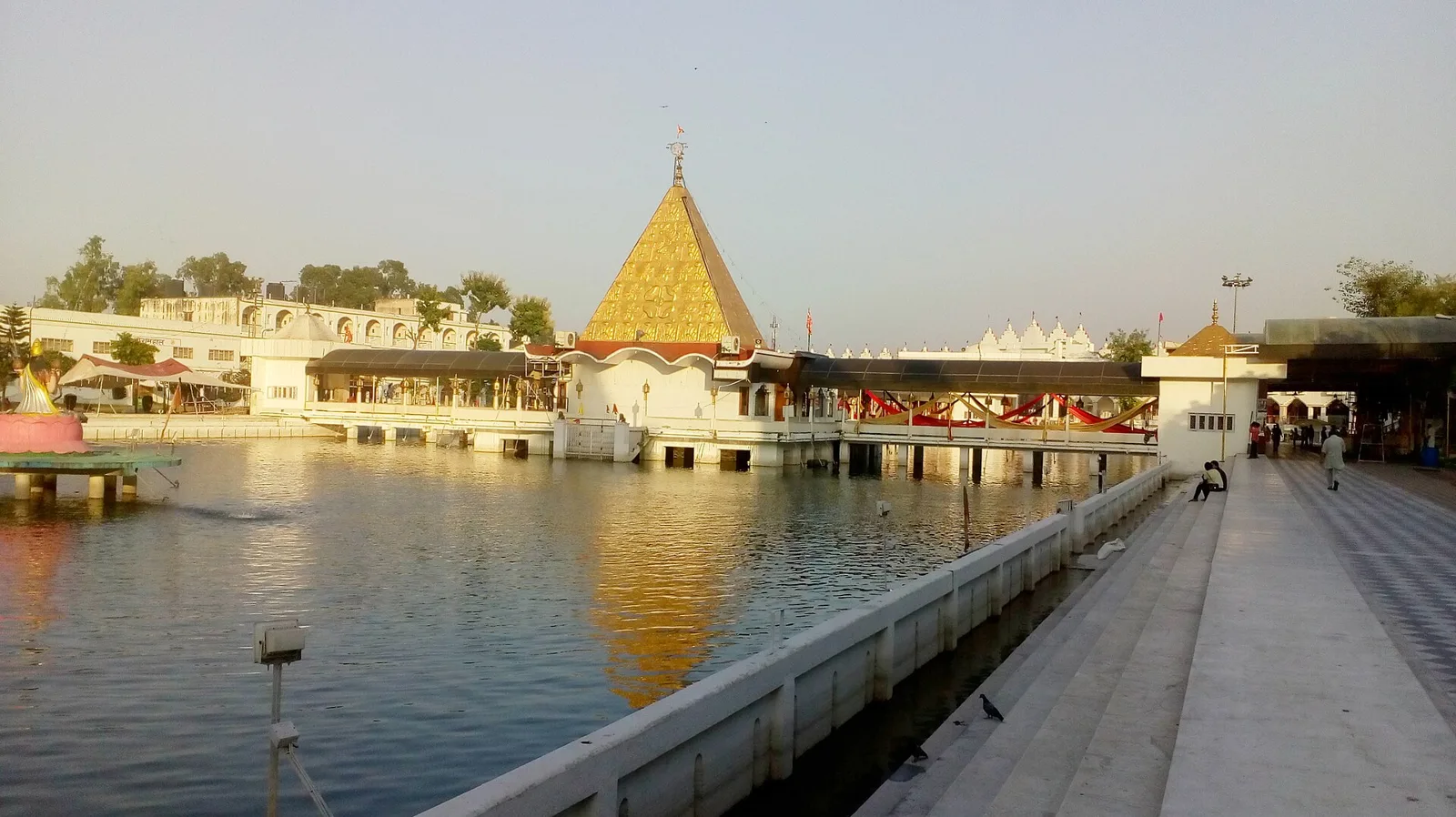
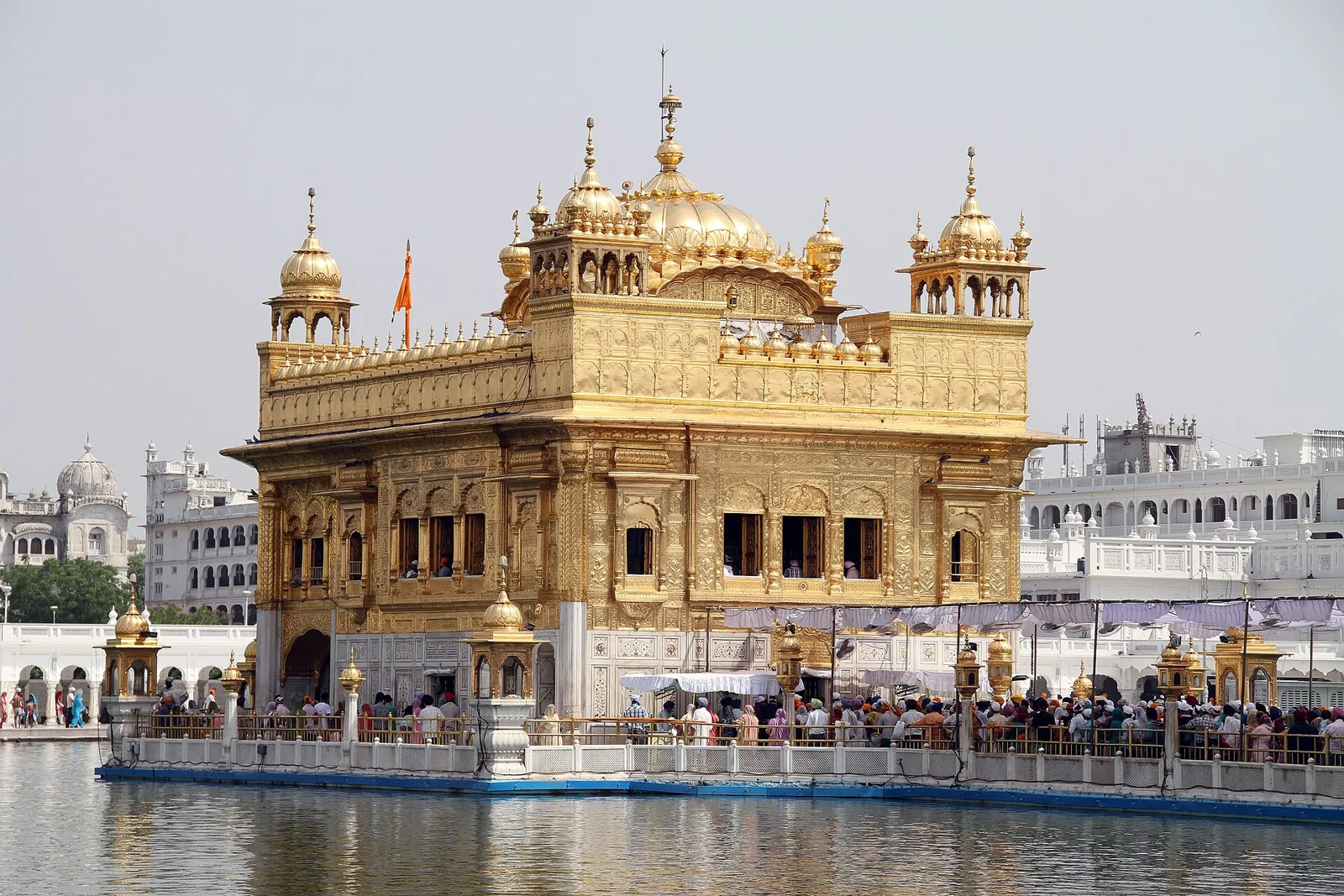
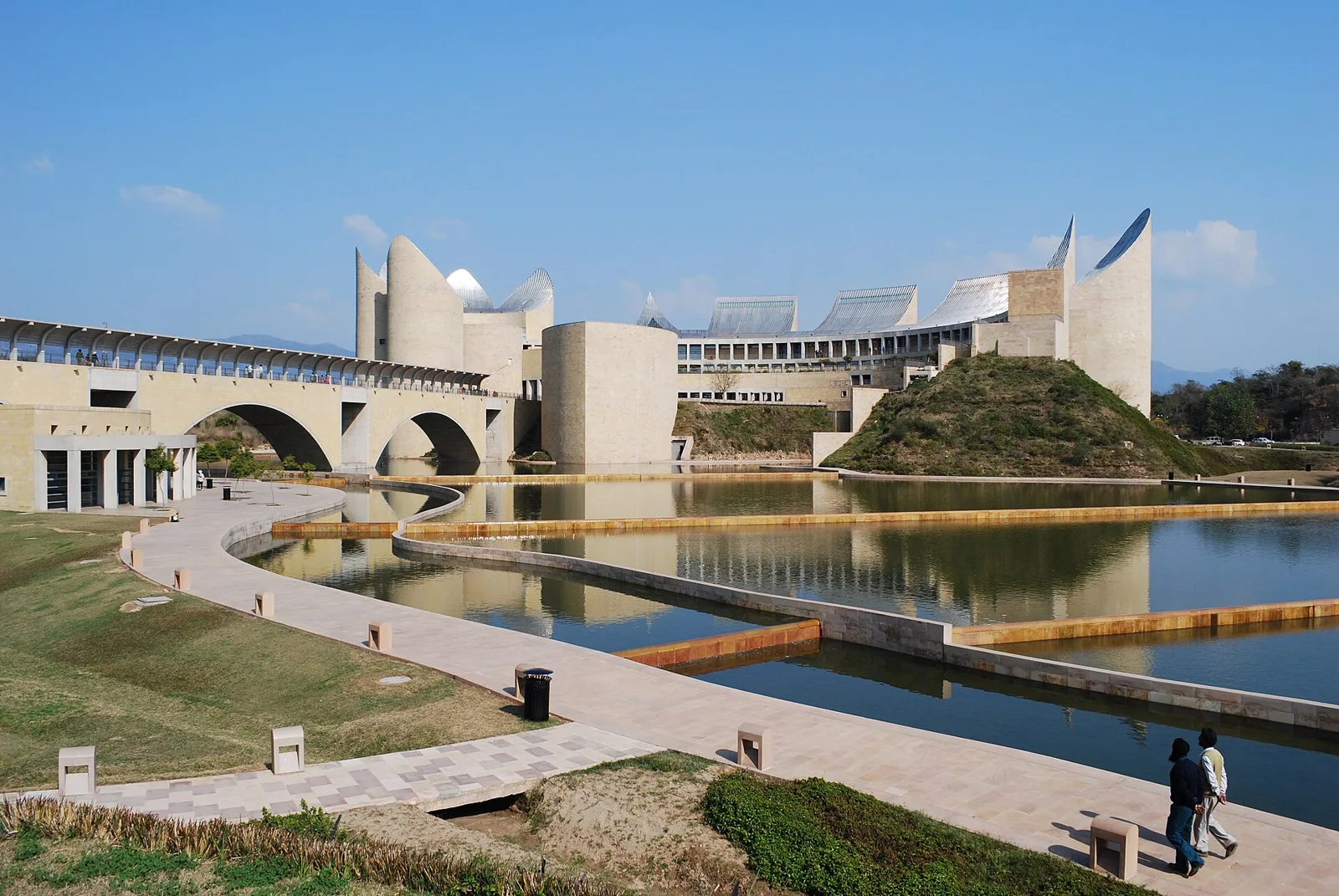
Punjab is a rewarding destination for travellers drawn to living heritage, memorable food and the rhythms of a fertile North Indian landscape. In Amritsar, the Golden Temple welcomes visitors into one of Sikhism’s most important sacred spaces, while nearby Jallianwala Bagh and the Partition Museum offer different perspectives on the region’s past. Historic forts, gardens and pilgrimage towns add variety: explore Gobindgarh Fort, the old city of Patiala, or Anandpur Sahib and its Virasat-e-Khalsa museum complex. At Attari–Wagah, the border ceremony is a distinctive, often stirring experience, though visitors should check current arrangements before setting out.

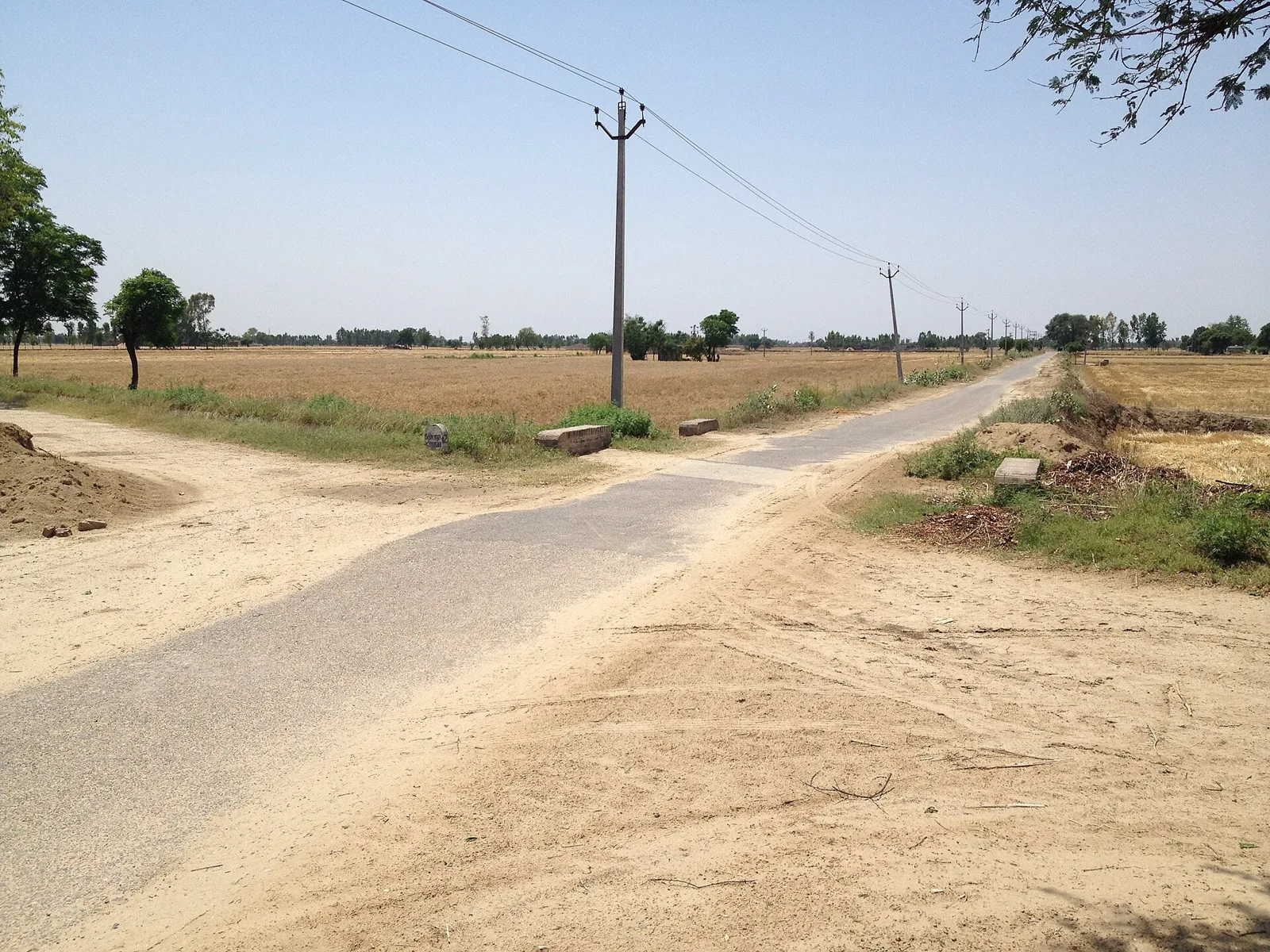
The state suits a range of trips, from a short heritage-focused visit to a longer journey through sacred sites, market towns and wetlands. Food lovers can seek out Amritsari kulcha and local dhabas; culture-minded visitors may encounter Bhangra, Giddha and Phulkari embroidery. Rural drives reveal fields, canals and village life, while Harike and Ropar offer a change of pace for birdwatching and nature. Chandigarh, the shared capital and a Union Territory rather than part of Punjab, makes a useful gateway for some itineraries.
Landscape & climate

Punjab occupies a broad, mostly level plain in north-western India, shaped by river systems, alluvial soils and extensive irrigation. The name means “land of five waters,” recalling the rivers of the wider historic Punjab region; within today’s Indian state, the Sutlej, Beas and Ravi are the principal rivers. Canals and seasonal streams further define the agricultural landscape. The south and south-west are generally drier, with sandy or semi-arid stretches, while central districts are intensively cultivated. The north-east rises toward the Shivalik foothills, where the terrain becomes more varied around Rupnagar and Pathankot. Punjab has no coastline and relatively limited forest cover, but wetlands, riverbanks and protected areas support rich birdlife.

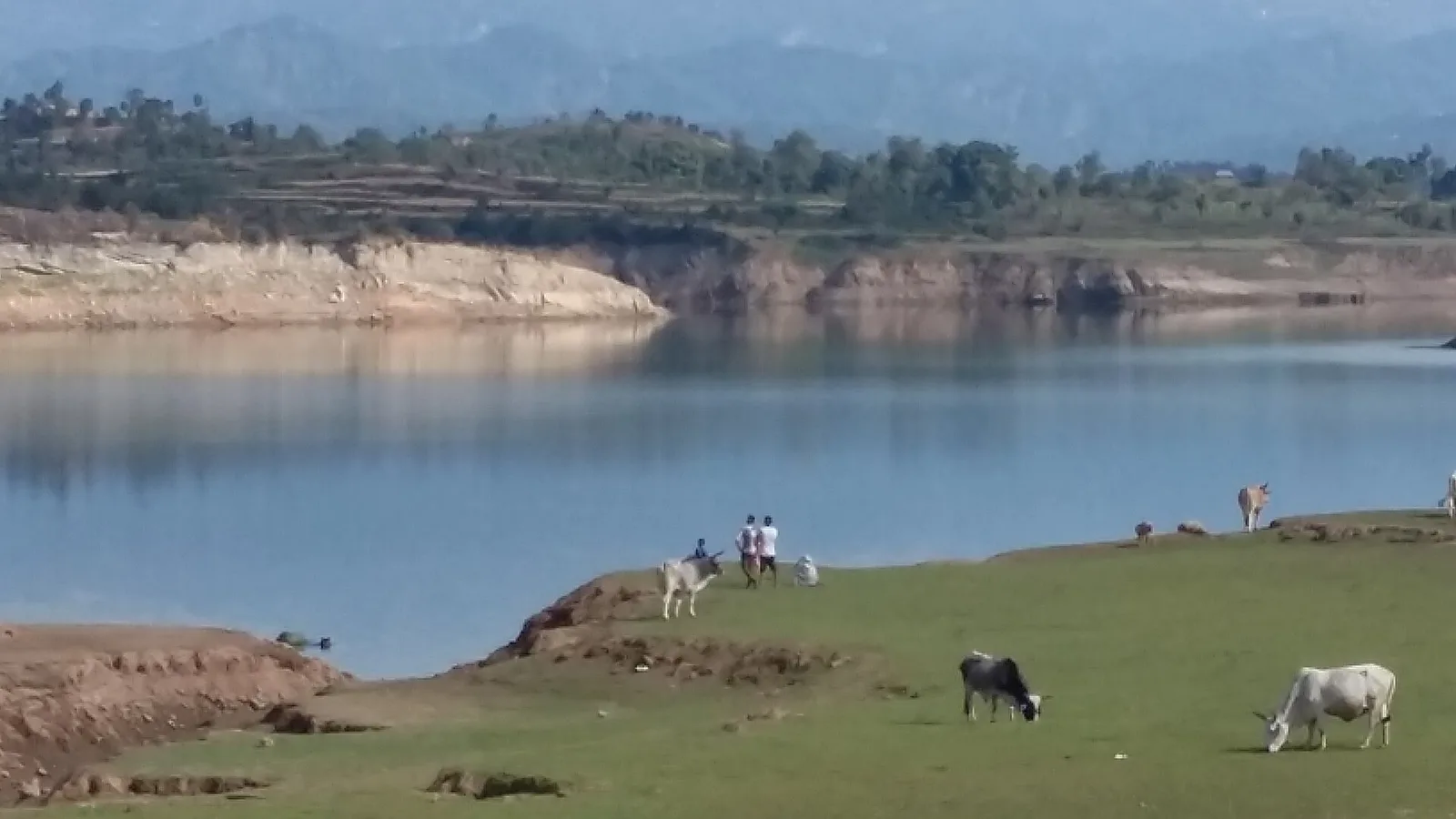
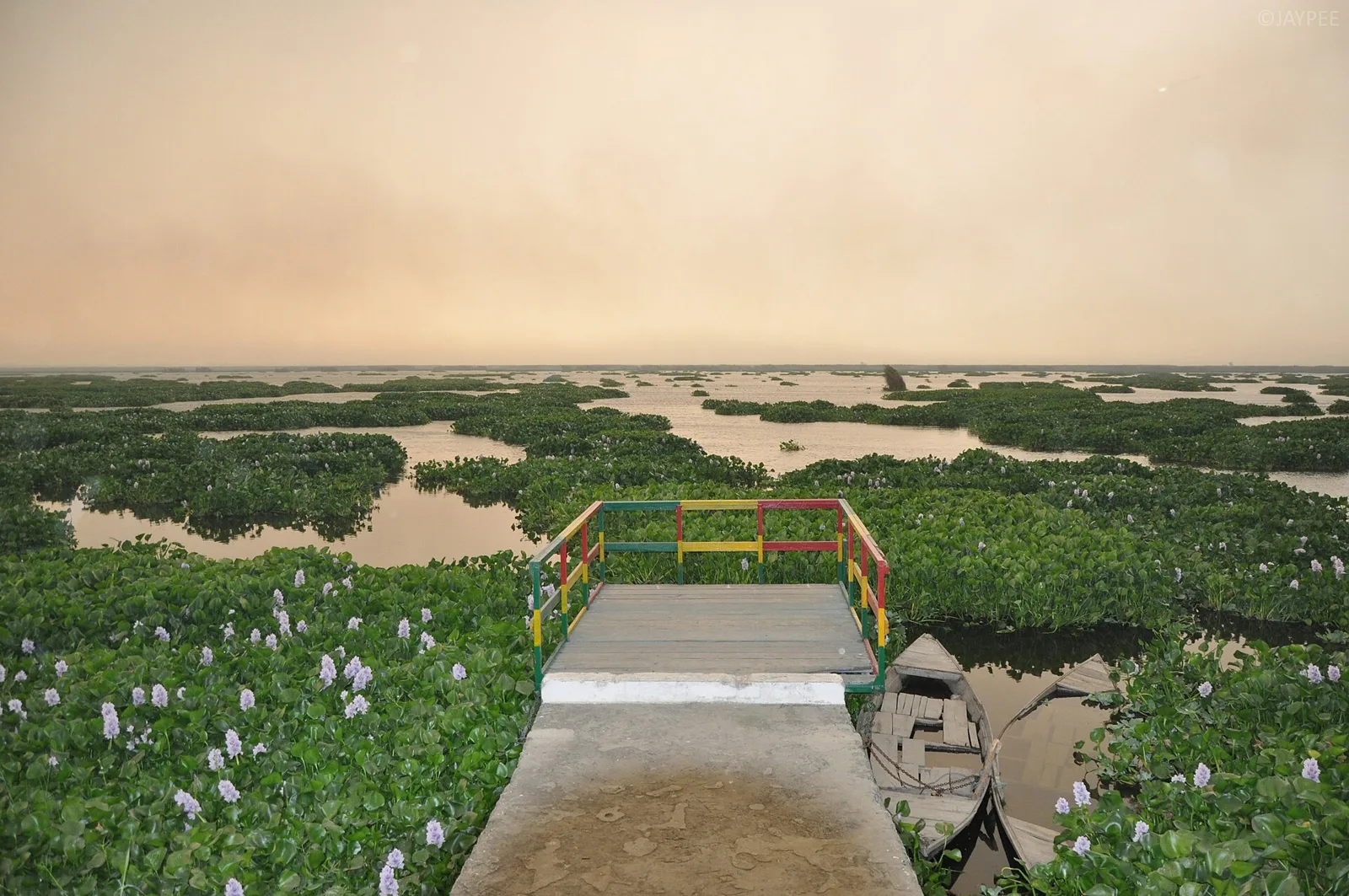
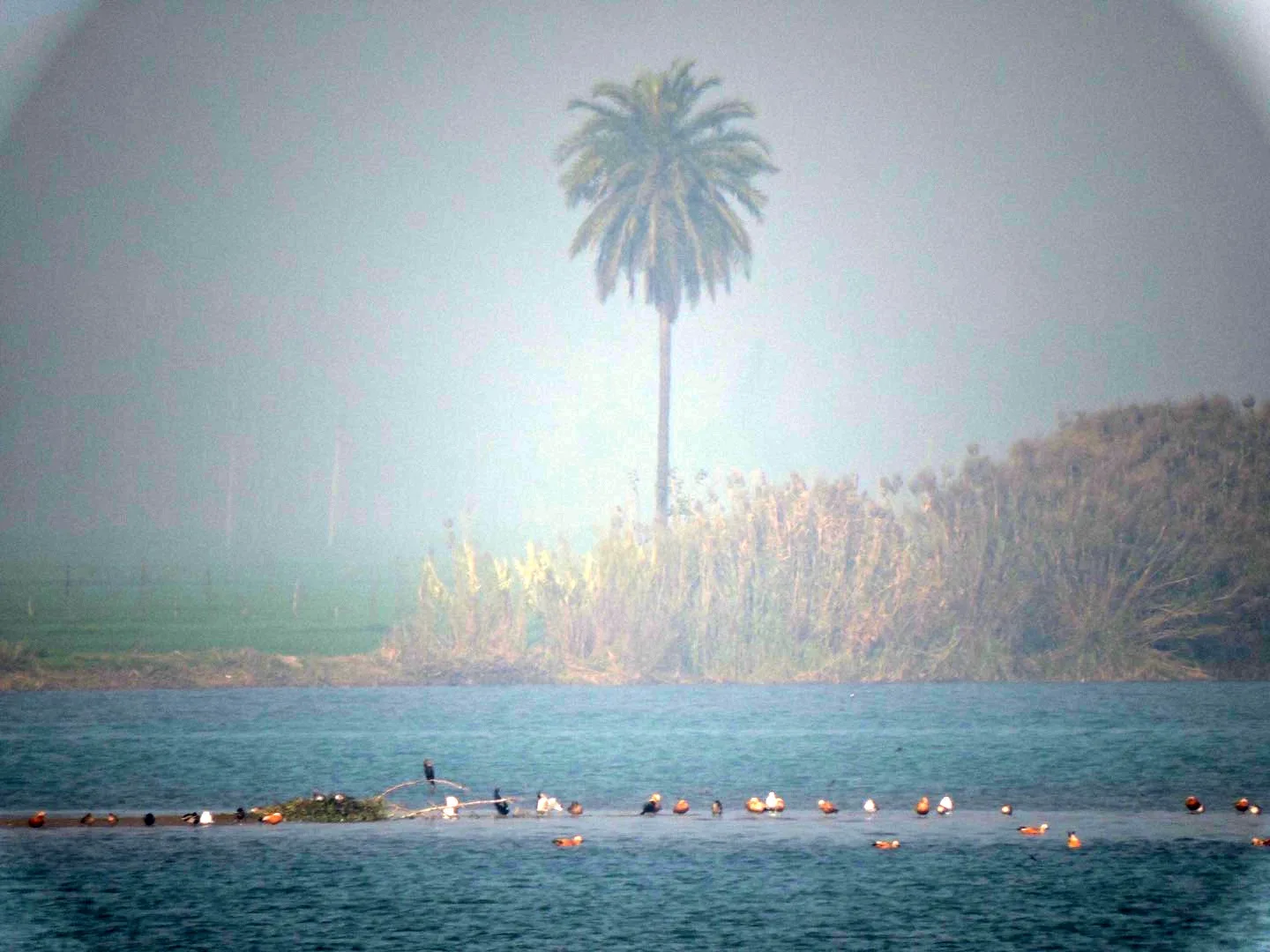
The climate is continental, with pronounced seasonal shifts. Summers, especially from May into June, can be very hot; the monsoon usually brings rain from around July into September, though its timing and strength vary. Winter, from roughly December to February, can be cool, foggy and occasionally cold, particularly at night. Spring and autumn are usually milder and make outdoor sightseeing comfortable. Harike Wetland, where the Beas meets the Sutlej, is an important habitat and a rewarding natural counterpoint to the fields. Ropar Wetland and Kanjli Wetland are other notable waterside destinations. In the north, the foothill setting near Anandpur Sahib and Pathankot brings greener views, but these are low hills rather than high Himalayan terrain.

History & heritage

Punjab’s recorded and archaeological past reaches back to the Indus Valley Civilisation. Ropar, now Rupnagar, is among the region’s important archaeological sites, and Sanghol has yielded evidence of ancient settlement and later Buddhist remains. Over centuries, the north-western plains connected the subcontinent with routes across Central and South Asia. They came under the influence of successive powers, including the Mauryas, Indo-Greeks, Kushans, Guptas and later regional and imperial states. This history is layered rather than belonging to one continuous kingdom, and its traces appear in archaeological sites, shrines and old towns.

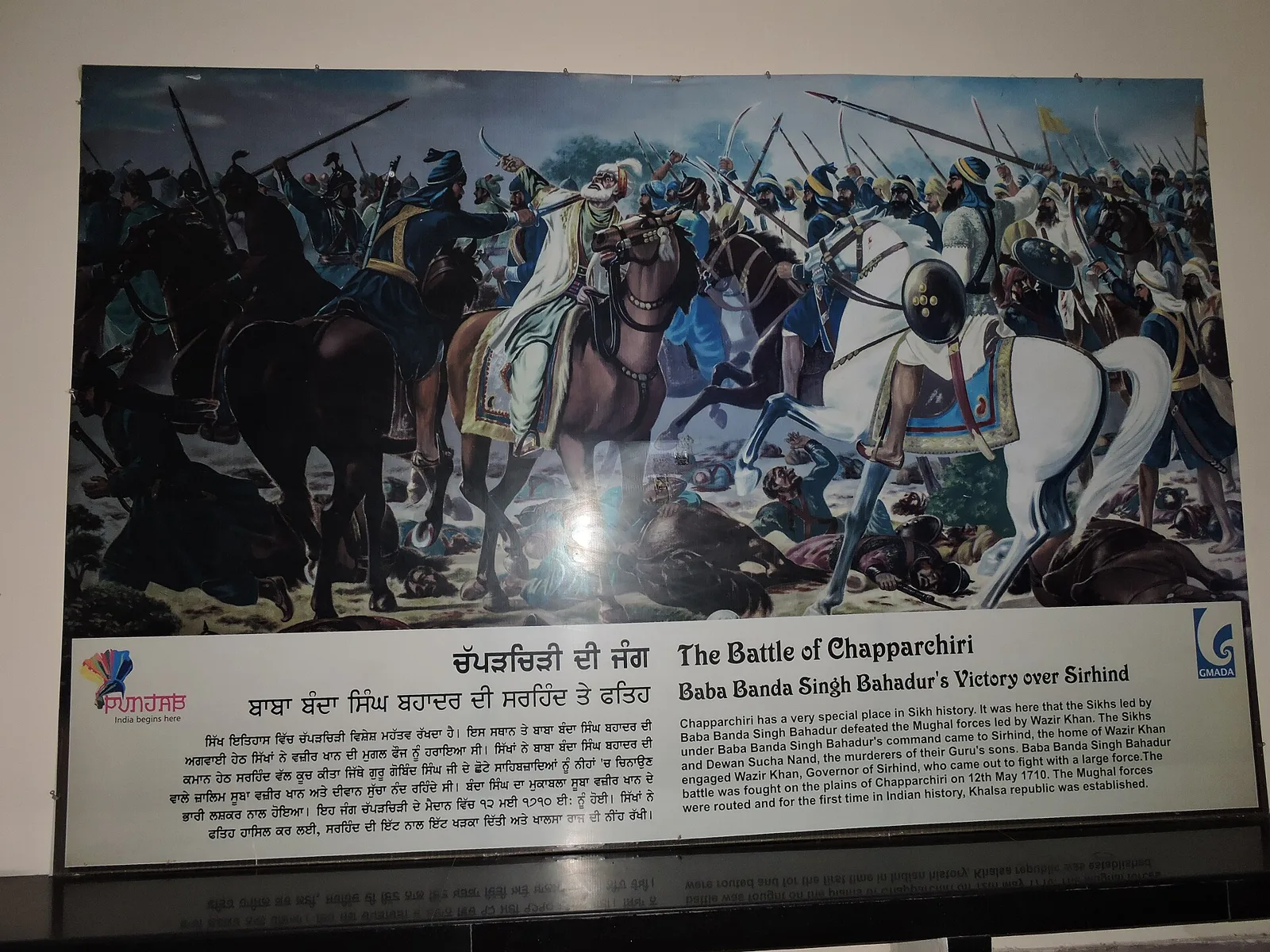
Sikhism took root in the Punjab region from the late fifteenth century, shaped by the teachings of Guru Nanak and the succeeding Sikh Gurus. Amritsar grew around the sacred pool and shrine now known as the Golden Temple, while Anandpur Sahib became a major centre in Sikh history. The Sikh misls and, later, Maharaja Ranjit Singh’s kingdom established a powerful state in the late eighteenth and early nineteenth centuries. Ranjit Singh made Lahore his capital; monuments and gardens in present-day Punjab, including Ram Bagh in Amritsar, recall this period. The British annexed the Sikh kingdom in 1849. Under colonial rule, railways, canal colonies and new agricultural systems transformed the region, while political and social movements gathered force. The 1919 Jallianwala Bagh massacre and the upheaval of Partition in 1947 remain defining episodes. Partition divided Punjab between India and Pakistan and brought displacement on a vast scale; the Partition Museum in Amritsar preserves personal accounts of that experience.

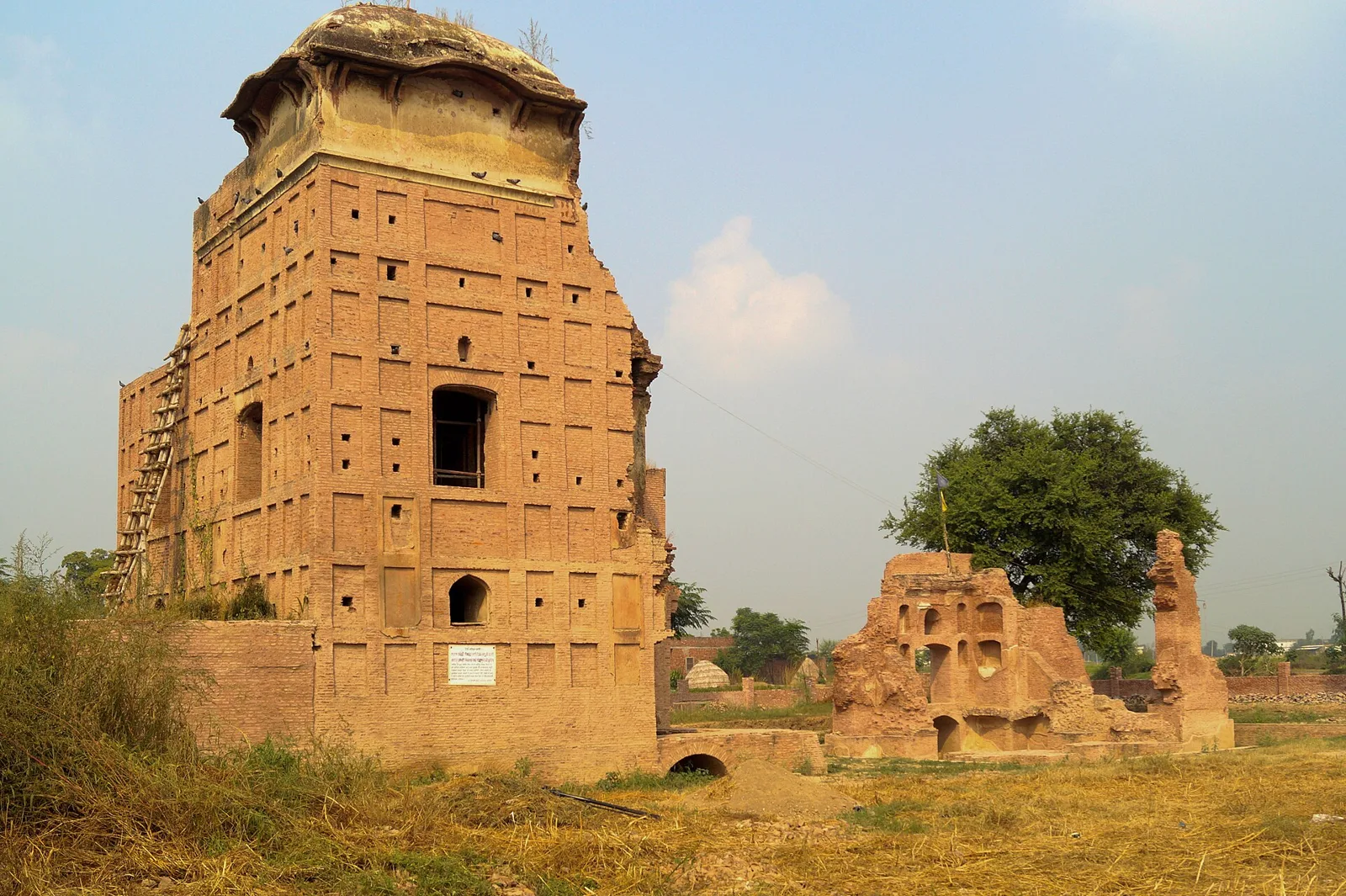
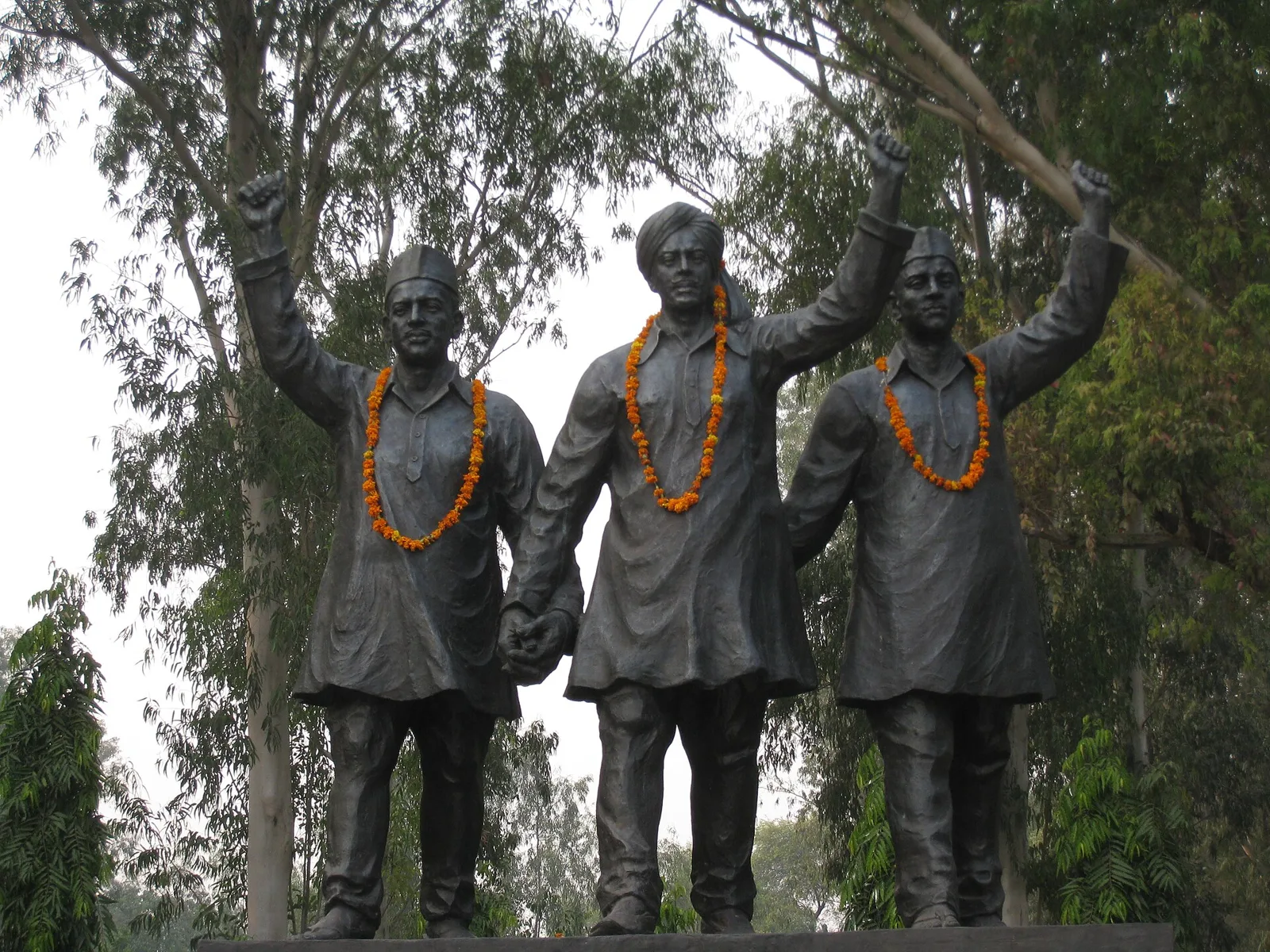
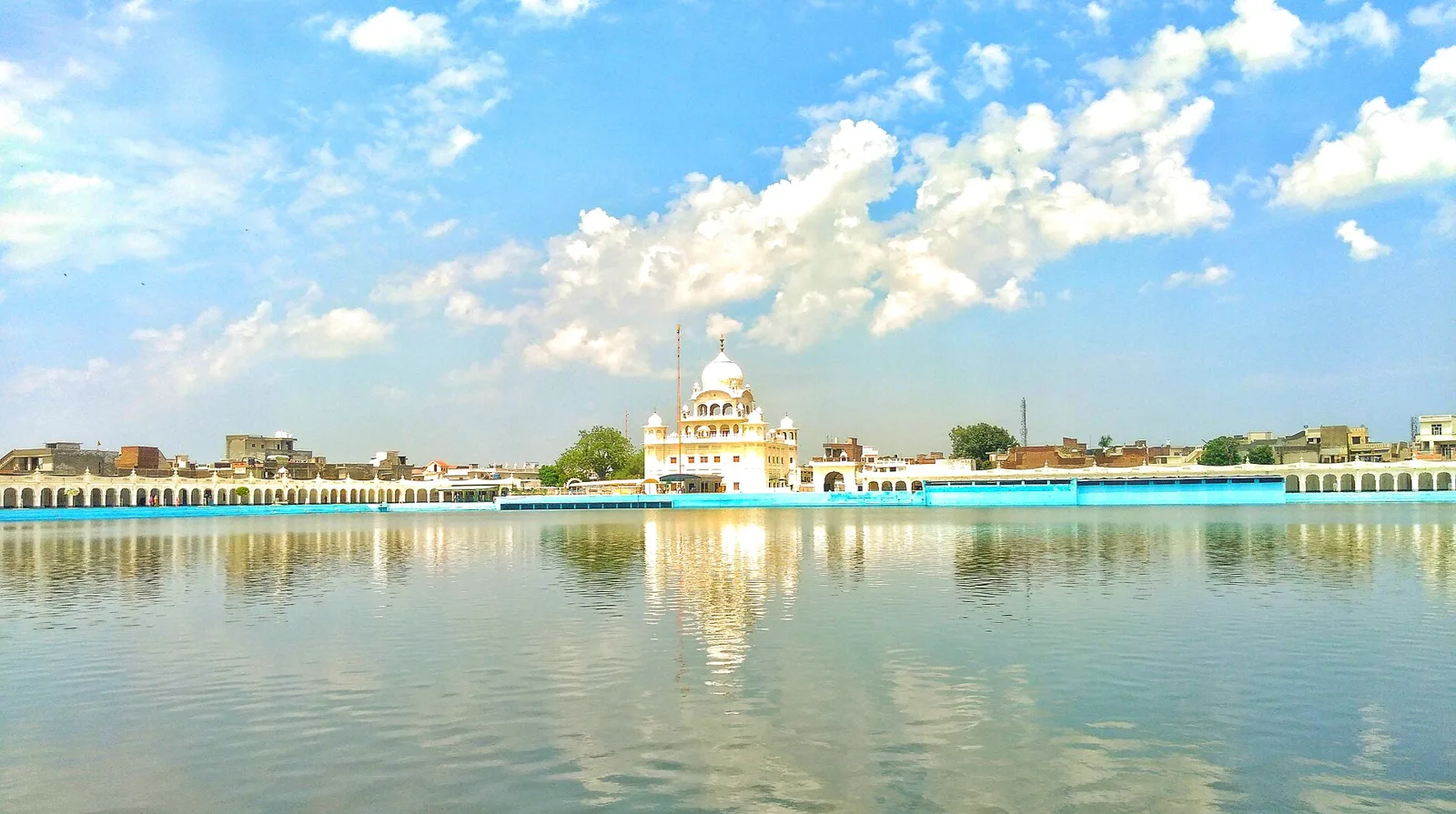
After independence, the Indian state of Punjab was reorganised in 1966 along linguistic lines. Haryana was created as a separate state, while Chandigarh became a Union Territory and the shared capital of Punjab and Haryana. Modern Punjab is known for its agricultural productivity and a strong Sikh heritage, but its history also encompasses diverse communities and faiths. Sites such as Fatehgarh Sahib, Sultanpur Lodhi, Takht Sri Damdama Sahib near Bathinda and Hussainiwala help visitors encounter distinct chapters of that past.

Culture, people & festivals

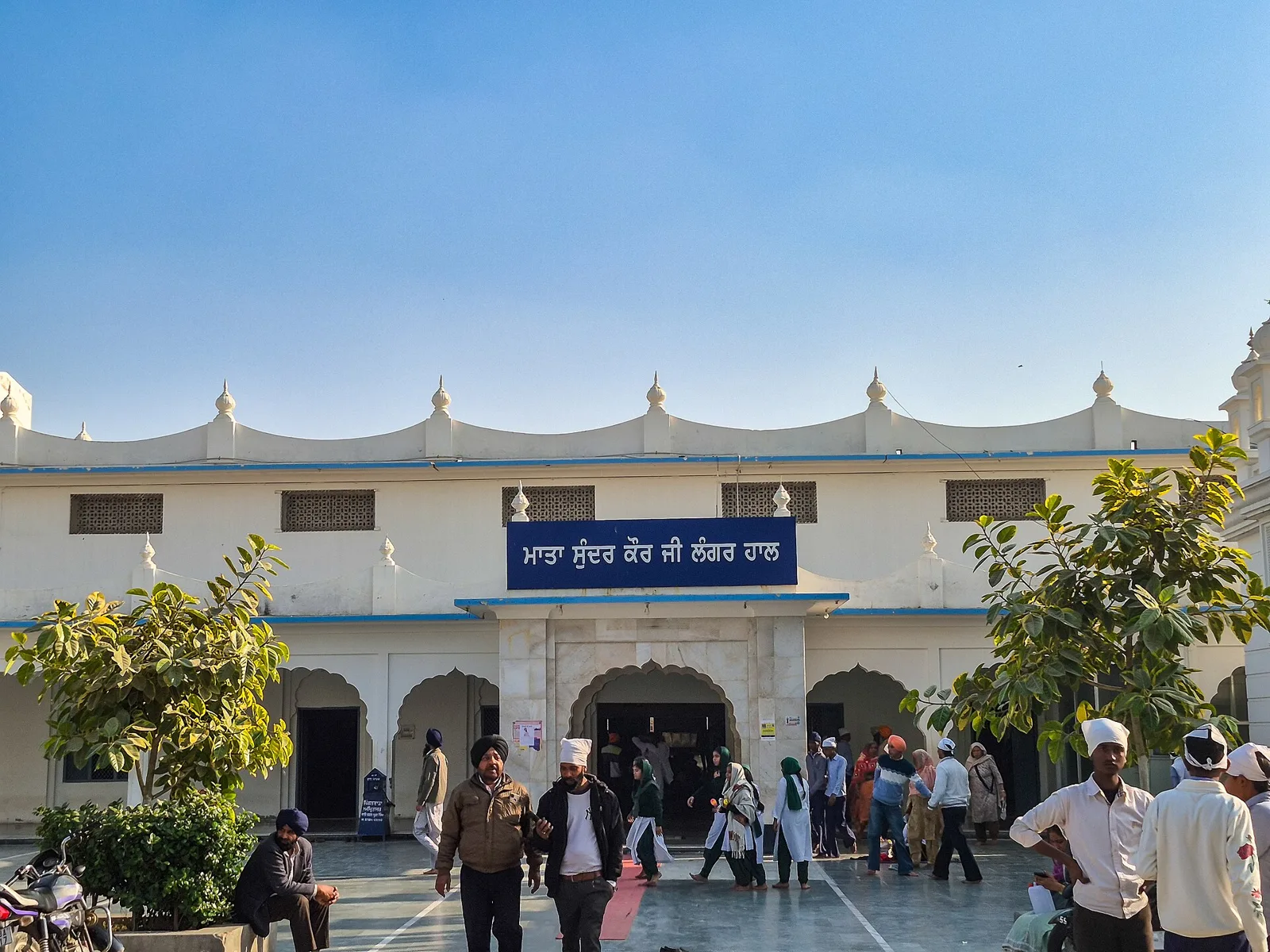
Punjabi is the principal language of everyday life in the state, written in the Gurmukhi script; Hindi and English are also widely used, especially in cities and public settings. Punjab is home to Sikh, Hindu, Muslim, Christian and other communities, with Sikh institutions and traditions especially visible in its sacred landscape. The gurdwara is a place of worship and community service, and visitors may encounter langar, a shared meal offered to all. Customs vary between families and localities, so a respectful, curious approach is welcome. Punjabi hospitality is often expressed through generous conversation, food and music.

Bhangra, rooted in harvest celebrations, is now performed at festivals and gatherings, while Giddha is a lively women’s dance accompanied by boliyan, short folk verses. Dhol rhythms, folk singing and contemporary Punjabi music animate celebrations across the state. Baisakhi, usually in April, marks the spring harvest and has particular importance in Sikh tradition. Lohri, observed in January, centres on seasonal celebration and community gatherings. Hola Mohalla, usually held around March at Anandpur Sahib, brings processions, martial arts displays and devotional observances. Gurpurabs honouring Sikh Gurus follow the Sikh calendar, so their Gregorian dates vary each year. Diwali and other Hindu festivals are also widely observed. Dates, public events and crowd levels can differ from year to year; check local information when planning a visit.

Food & flavours

Punjab’s food reflects its farming traditions, with wheat, dairy, pulses and seasonal produce at the centre of many meals. Makki di roti with sarson da saag is a well-known winter pairing: maize flatbread served with mustard greens, often finished with butter or ghee. Everyday tables may feature dal, vegetables, curd, pickles and chapati, while tandoor cooking gives breads and some dishes a smoky character. Amritsar is especially associated with Amritsari kulcha, a crisp, stuffed bread commonly eaten with chickpeas and chutney. Tandoori dishes, kebabs and rich gravies are also popular, with recipes and levels of spice varying by kitchen.

Regional specialities and street foods make eating part of the journey. In Amritsar, visitors seek out chole, lassi and hot breads; towns across the state have their own dhabas, sweet shops and seasonal favourites. Paneer, lentils and chickpeas provide substantial vegetarian options, while meat dishes are also part of Punjabi cooking. Common sweets include pinnis, jalebi, ladoo and kheer, with ingredients and preparations varying across families and festivals. Winter brings greens and warming dishes, while summer favours cooling drinks and lighter accompaniments. Ask about ingredients if you have dietary restrictions, and remember that “Punjabi food” is not one fixed menu: home cooking, restaurant fare and local specialities can differ considerably.

Crafts, textiles & what to buy

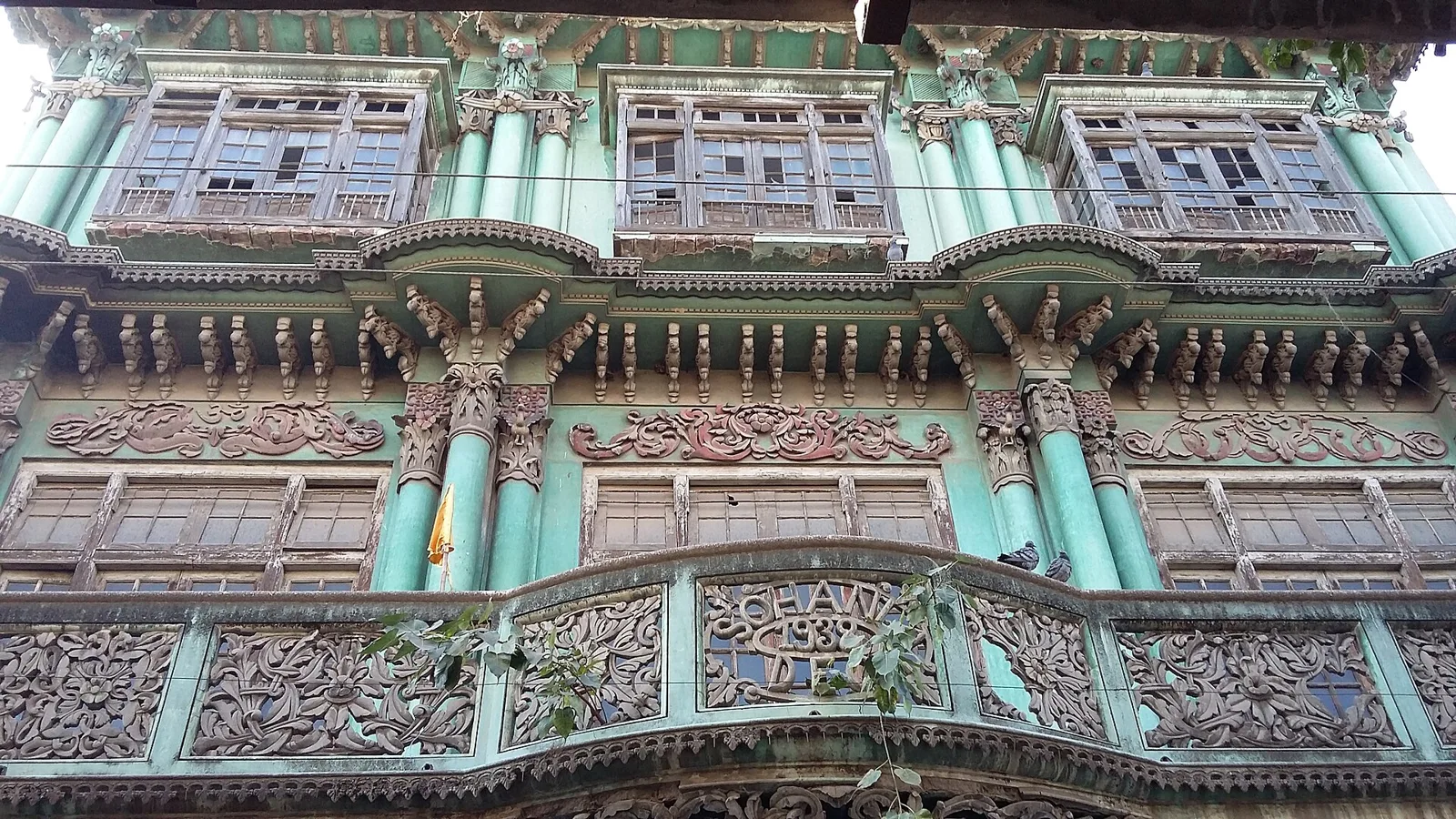
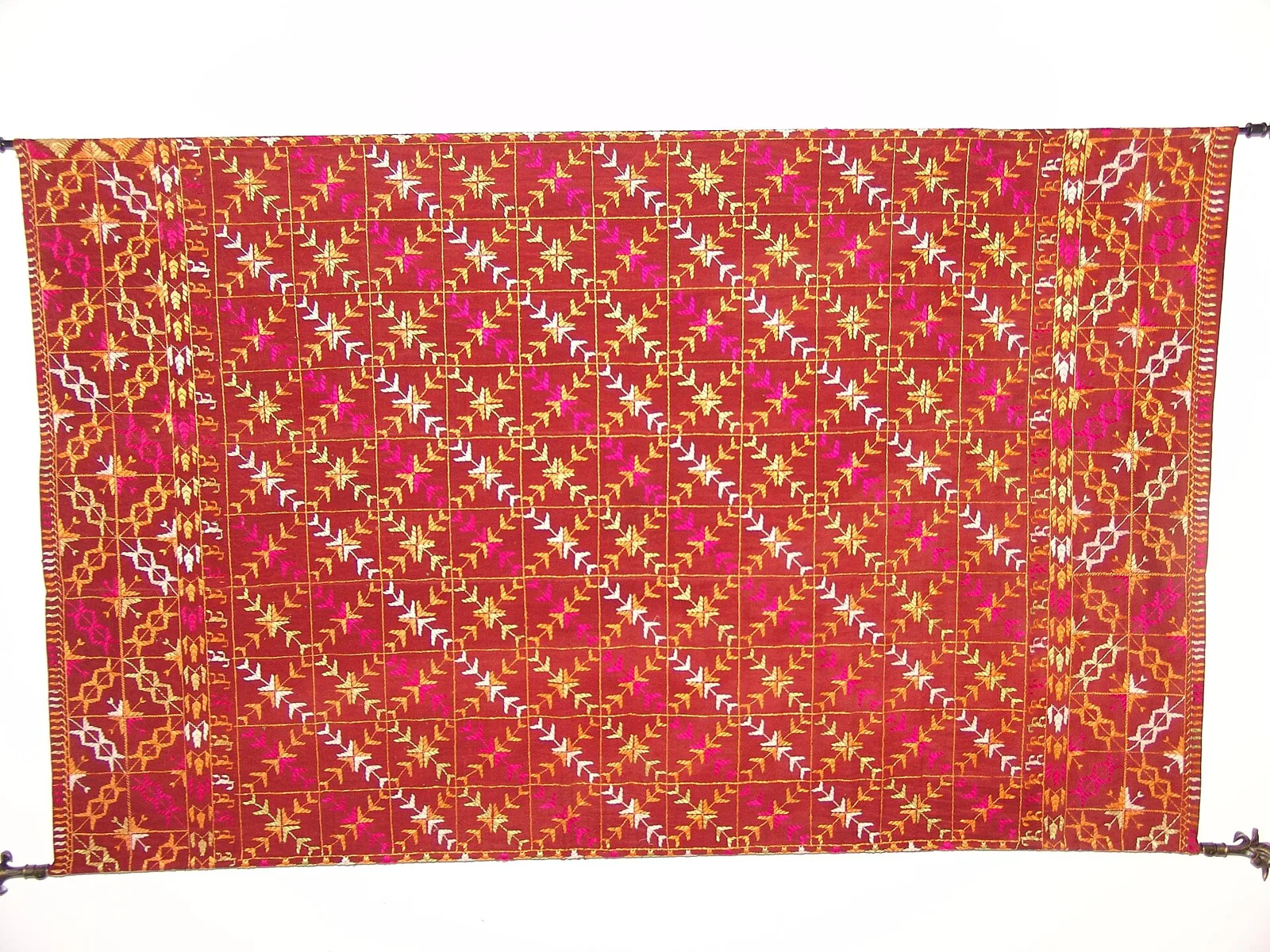
Phulkari, meaning “flower work,” is Punjab’s best-known embroidery tradition. Artisans use brightly coloured thread to create geometric and floral patterns on shawls, dupattas and other textiles; the work has long been associated with family life, celebrations and gifting. Styles and techniques vary, and a carefully made piece can take considerable skill. Phulkari from Punjab has a Geographical Indication registration, so shoppers interested in authentic regional work can ask sellers about its maker, materials and provenance rather than relying on appearance alone. Amritsar, Patiala and other towns have shops and craft outlets, though availability and production practices differ.

Other useful or decorative purchases include Punjabi juttis, woven goods, woodwork, metal objects and locally made textiles. Amritsar is associated with food products as well as craft shopping: Amritsari papad and wadiyan have GI registrations and are familiar pantry staples. These dried foods make practical gifts, but check packaging and any rules that apply to carrying food across borders or on international journeys. Choose cooperatives, artisan outlets or sellers who can explain how an item is made when possible. Bargaining may be part of the experience in some markets, but do so courteously, and avoid treating machine-made souvenirs as handmade work.

Getting there & getting around

Sri Guru Ram Dass Jee International Airport in Amritsar is the state’s principal international gateway, with domestic connections as well. Chandigarh Airport, located in the Mohali area, serves Chandigarh and nearby parts of Punjab; check current routes before building an itinerary around a particular flight. Ludhiana has an airport, but services can be limited or change, so it is not a dependable substitute without advance confirmation. Rail travel is extensive: Amritsar, Ludhiana, Jalandhar City, Jalandhar Cantt, Pathankot, Bathinda, Firozpur and Patiala are useful stations for different regions. Chandigarh is also a practical rail gateway for destinations in eastern Punjab.

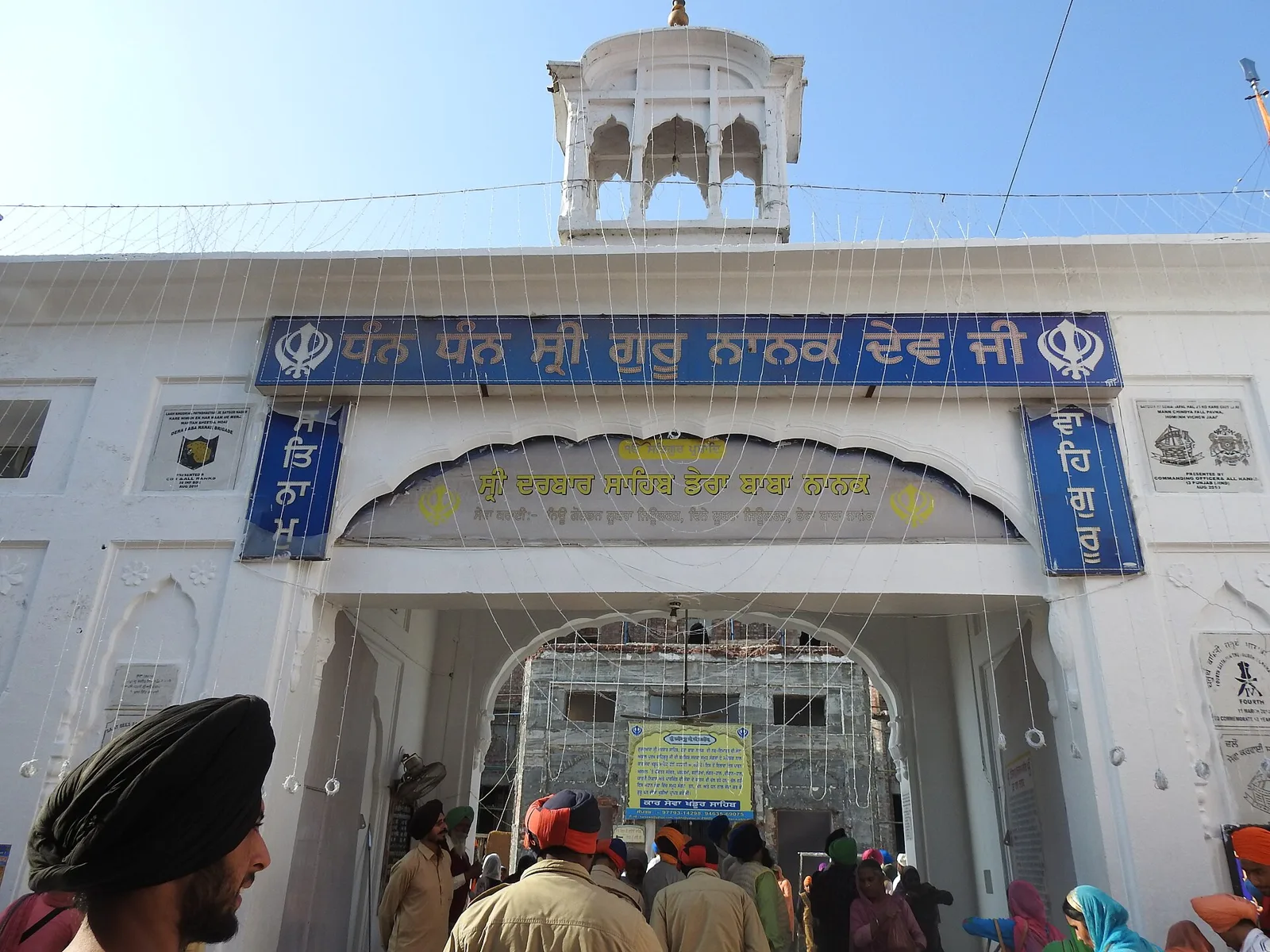
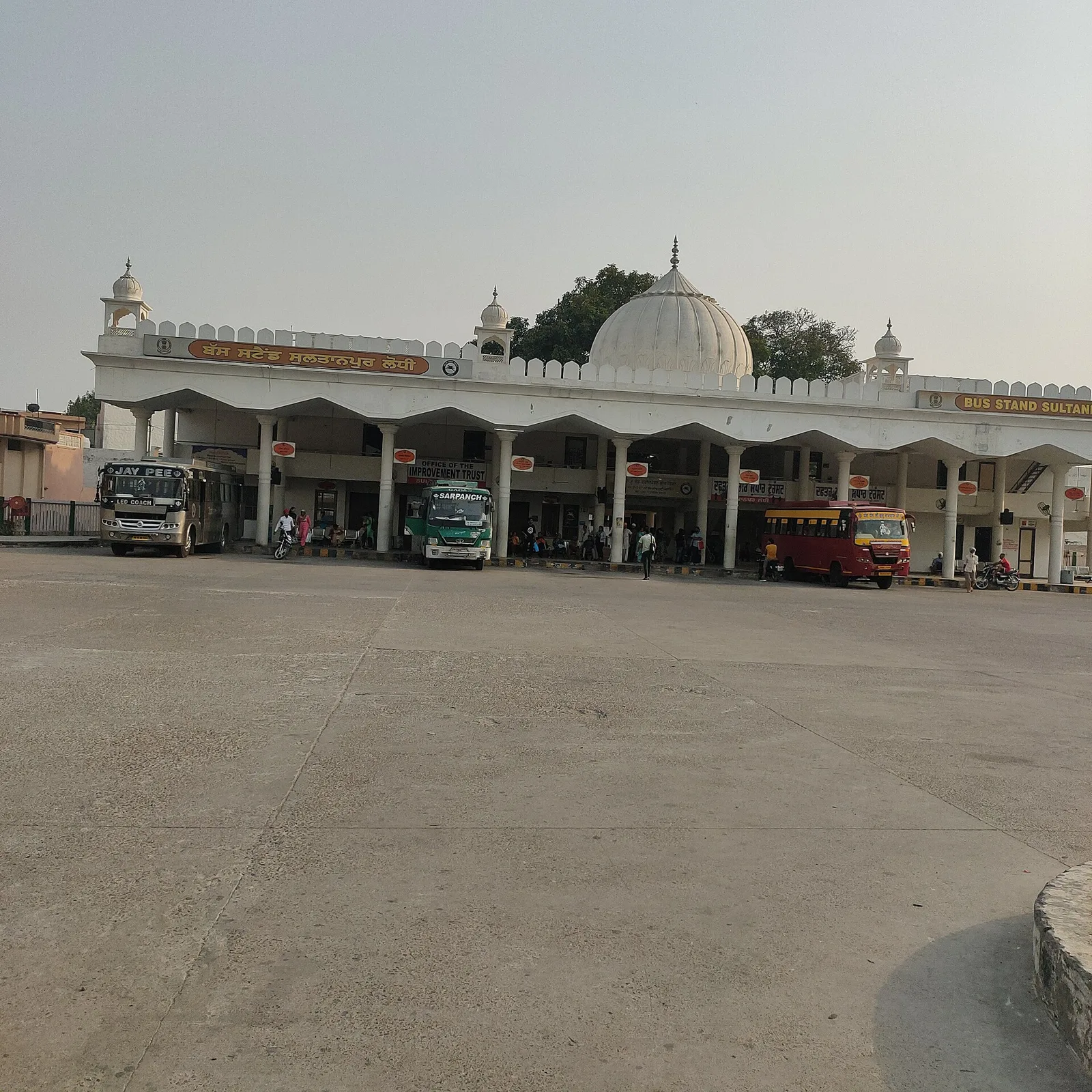
National highways link the state’s cities and border districts with Delhi, Jammu and other northern regions. NH 44 is a major north–south corridor; NH 3, NH 7 and NH 54 serve parts of the wider state network. Road conditions, diversions and traffic can vary, especially around cities and during busy travel periods. Buses connect major towns, and taxis or hired cars are convenient for linking sites such as Amritsar, Dera Baba Nanak and Attari–Wagah, or for reaching smaller heritage locations. Within cities, auto-rickshaws, cycle-rickshaws and app-based cabs may be available. For rural wetlands, forts and villages, plan local transport in advance and allow extra time rather than assuming frequent public connections.

When to go & travel tips

For comfortable sightseeing, consider October to March, when days are generally milder; winter mornings can be foggy and cold, so leave flexibility in road and rail plans. April can be rewarding for Baisakhi events and spring visits, but temperatures rise quickly. Summer heat is strongest in May and June. The monsoon months can bring rain and humid conditions, while wetlands may be especially interesting for nature, depending on water levels and bird movements. The north-east and Shivalik foothills can feel greener than the drier south-west, but weather varies from year to year.

Pack light, breathable clothing for warm months and layers, a warm jacket and perhaps a scarf for winter evenings. Carry sun protection and water in hot weather, and comfortable footwear for gurdwara visits and walking around historic sites. At a gurdwara, cover your head, remove your shoes and follow posted guidance; modest clothing is appreciated. Ask before photographing people, ceremonies or restricted areas. Check current official advice for border access and event arrangements at Attari–Wagah, and confirm any site-specific rules with local authorities; do not assume a permit is needed unless officials say so. Keep valuables secure in crowded places, use reputable transport, and follow local guidance around rivers, wetlands and busy roads.

Highlights

Where to begin

City by city

Cities & hubs of Punjab

Every sight is grouped under its city — places within about 12 km together, day trips within 40 km alongside — even across district lines. Open a city to see its attractions.

See every city, town and village of Punjab

Away from the cities — 5 more places by district

District discovery

Punjab: 14 districts covered

Open a district to see its destinations and neighbours. More districts are added as our team writes them.

14 of 14 districts have destination guides

Destinations

Every guide in this state

Open a district to see its cities and towns, villages and places to see.

Amritsar9 places
Bathinda3 places
Fatehgarh Sahib3 places

Cities & towns

Firozpur2 places
Gurdaspur1 place

Cities & towns

Jalandhar2 places

Cities & towns

Places to see

Kapurthala4 places
Ludhiana2 places

Cities & towns

Places to see

Mohali1 place

Places to see

Pathankot2 places

Cities & towns

Places to see

Patiala2 places

Cities & towns

Places to see

Rupnagar3 places
Sri Muktsar Sahib1 place

Cities & towns

Tarn Taran1 place

Places to see

Festivals & fairs

The calendar here

Full calendar

23 Mar 2027 – 25 Mar 2027

Hola Mohalla

Anandpur Sahib · Religious

Sikh martial displays the day after Holi.

ProvisionalPunjab

January

Lohri & Maghi Mela

Across Punjab; Maghi Mela at Sri Muktsar Sahib · Harvest

Lohri's bonfire night on 13 January, then Maghi and the Muktsar fair remembering the Chali Mukte.

SeasonalPunjab

April

Baisakhi

Anandpur Sahib, Talwandi Sabo and Amritsar · Harvest

The wheat-harvest festival and the founding day of the Khalsa, with nagar kirtans, fairs and bhangra.

SeasonalPunjab

24 Nov 2026

Gurpurabs at the Golden Temple

Sri Harmandir Sahib, Amritsar · Religious

The Gurus' anniversaries: akhand path, nagar kirtan, langar and the lit-up Golden Temple at night.

ProvisionalPunjab

December

Shaheedi Jor Mela

Fatehgarh Sahib · Religious

Three days of remembrance for the younger Sahibzadas and Mata Gujri at Fatehgarh Sahib.

SeasonalPunjab

Jul – Aug

Teeyan

Villages and towns across Punjab · Cultural

The monsoon festival of Punjabi women: swings on village trees, giddha, boliyan and sandhara gifts from home.

SeasonalPunjab

February

Kila Raipur Sports Festival

Kila Raipur, near Ludhiana · Cultural

The 'Rural Olympics': cart races, tug of war, kabaddi and feats of strength on a village ground.

SeasonalPunjab

Festivals of Punjab through the year

Usual season and where each is best known. Exact dates follow local calendars — linked festivals have dated guides.

From travellers and locals

Be the first to share photos, stories, advice or a helpful contact for Punjab.

Loading…