Ghumoopedia — Explore, Discover, Experience
Sign in
Ludhiana, near Malerkotla

City guide · Punjab

Malerkotla

Malerkotla is a historic city in Punjab’s Malwa region and the administrative headquarters of Malerkotla district. Its location between Ludhiana and Sangrur makes it a local centre for trade and public services, while its old-town streets and religious landmarks draw visitors interested in the region’s history and living traditions.

Famous for

  • Baba Haider Sheikh shrine
  • Haa da Naara Gurdwara
  • Badge-making industry
  • Princely tombs
  • Sufi heritage

Why Malerkotla matters

Malerkotla is a historic city in Punjab’s Malwa region and the administrative headquarters of Malerkotla district. Its location between Ludhiana and Sangrur makes it a local centre for trade and public services, while its old-town streets and religious landmarks draw visitors interested in the region’s history and living traditions.

The city is especially known for its Sufi heritage and for a story of interfaith respect remembered in Sikh history. In 1705, Nawab Sher Mohammad Khan of Malerkotla protested the execution of Guru Gobind Singh’s younger sons. The Gurdwara Sahib Haa da Naara commemorates that stand, and the city’s shrine of Baba Haider Sheikh remains an important place of devotion. Visitors also seek out the mosques, the ornate tombs of the former ruling family and the city’s distinctive food. Malerkotla became a separate district in 2021, giving it a renewed administrative role as well as a long-standing cultural one.
Famous for: crafts, trade & products

Malerkotla is better known for its badge-making industry than for a signature saree or textile. The city has a local tradition of producing badges, including custom and institutional pieces. Visitors interested in the craft can ask in the central bazaars about local makers and workshops; availability and designs vary. Its markets also serve residents from surrounding towns and villages, with everyday clothing, household goods and Punjabi food items among the usual finds.

The city is not widely identified with a particular GI-tagged product. Its most distinctive draws are instead its craft, food and historic sites. Local eateries are a good place to explore the city’s Punjabi and Mughlai-influenced cooking, while market lanes offer a glimpse of ordinary commercial life. Malerkotla is also associated with poets and a strong Urdu literary tradition. For a visit focused on its heritage, combine time in the old bazaar with the Baba Haider Sheikh shrine, the Haa da Naara Gurdwara and the tombs of the former rulers. Ask locally before seeking out a specific workshop or product.

History

Local tradition traces Malerkotla’s beginnings to Sheikh Sadruddin, also known as Baba Haider Sheikh, who came from Afghanistan and settled here in the fifteenth century. His descendants, the Sherwanis, later ruled the princely state. A fortified town called Kotla was established in 1657 under Bayazid Khan, and neighbouring settlements gradually formed the city.

Malerkotla is remembered in Sikh history for Nawab Sher Mohammad Khan’s protest in 1705 against the execution of Guru Gobind Singh’s younger sons. Under British rule, the princely state retained its own ruler. In 1872, colonial authorities executed Namdhari rebels and people suspected of involvement in the uprising, including by firing them from cannons. The state acceded to India in 1947 and became part of PEPSU before joining Punjab. In 2021, Malerkotla and adjoining areas were separated from Sangrur district to create Malerkotla district, with the city as its headquarters.

Food, festivals & culture

Malerkotla’s food reflects Punjabi cooking alongside Mughlai influences. Local eateries serve hearty meals, including meat dishes, breads and sweets; food stalls and bakeries are good places to sample everyday favourites. During Eid, families share festive meals and sweets, including vermicelli-based treats. Punjabi and Urdu are widely spoken, with Hindi also understood. The city’s Urdu poets and literary tradition are part of its cultural character.

Eid al-Fitr and Eid al-Adha are major occasions, usually falling according to the Islamic lunar calendar. Sikh festivals such as Gurpurab and the spring harvest celebration of Baisakhi are also observed, alongside Hindu festivals including Diwali and Holi. Sufi devotion is closely associated with the shrine of Baba Haider Sheikh, while mosques serve the city’s Muslim communities. The Haa da Naara Gurdwara honours Nawab Sher Mohammad Khan’s protest, and the city’s Sikh places of worship are part of its shared heritage. Punjabi folk music and dance are heard at seasonal celebrations and family gatherings.

Visiting the city

The cooler months, from October to March, are generally the most comfortable for exploring; summers can be very hot, and monsoon weather brings rain. The nearest major airport with broad commercial connections is Chandigarh International Airport. Malerkotla railway station is the city’s main rail stop, and road links connect it with Ludhiana, Sangrur and other Malwa towns.

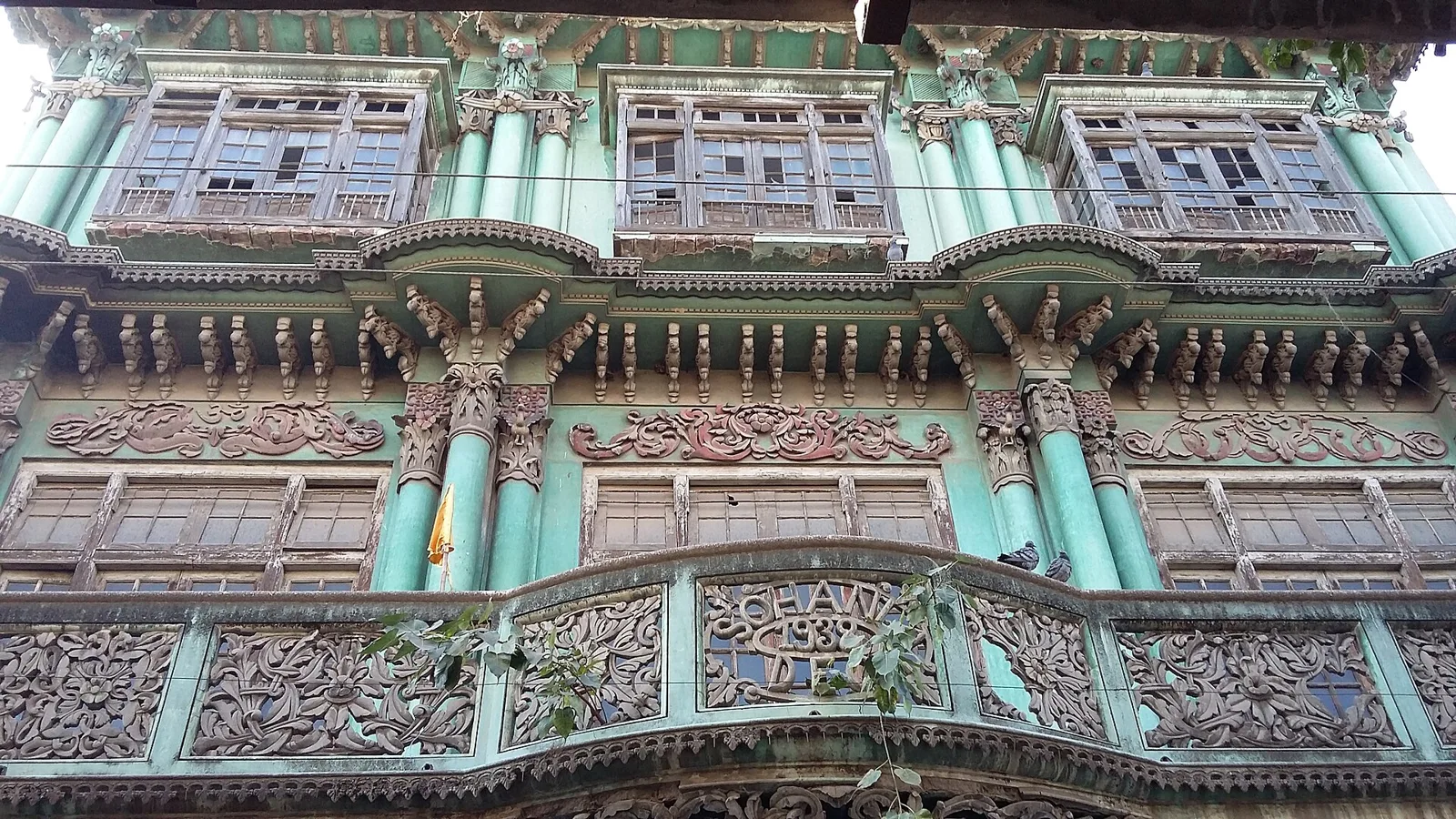
Auto-rickshaws and local taxis are useful for getting around. Explore the old town and its bazaar lanes, then visit the Baba Haider Sheikh shrine, the Haa da Naara Gurdwara and the Shahi graveyard near Sirhindi Gate, known for the tombs of the former rulers. A walk through the central markets offers a feel for daily life and a chance to ask about local badge-makers. Dress respectfully at places of worship and check locally for access guidance.

Trips from the city

Nearest places to visit from Malerkotla

Our closest destination guides, by straight-line distance.

Ludhiana

42 km away · Ludhiana district

Ludhiana

Ludhiana is Punjab’s most populous city and a major manufacturing and trading centre in northern India; visitors come for its industrial and commercial activity.

Aam Khas Bagh

51 km away · Fatehgarh Sahib district

Aam Khas Bagh

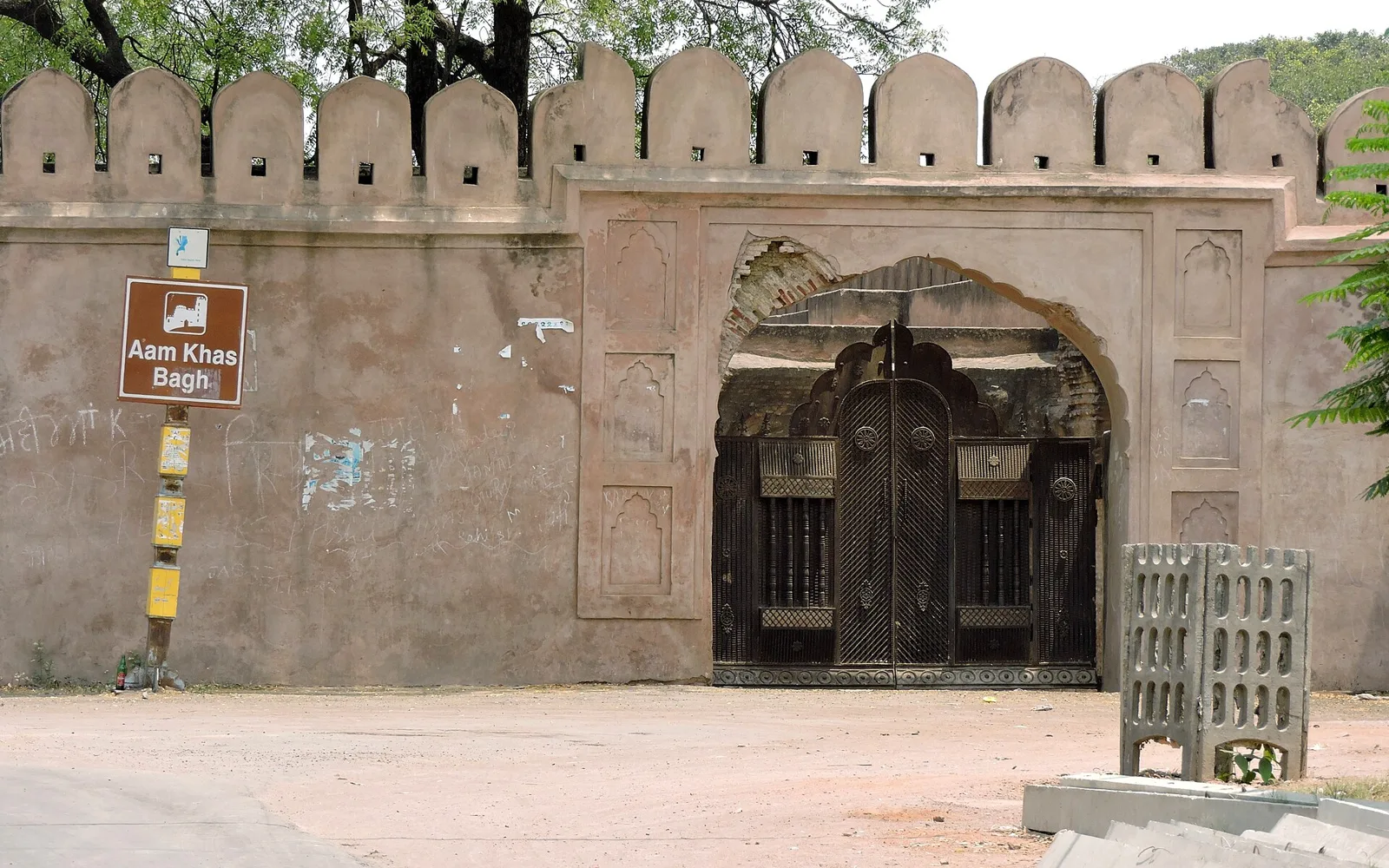
Aam Khas Bagh is a surviving Mughal-era roadside inn complex in Punjab’s Fatehgarh Sahib district, visited for its history as accommodation on the Delhi–Lahore route.

Fatehgarh Sahib

51 km away · Fatehgarh Sahib district

Fatehgarh Sahib

Fatehgarh Sahib is a city in Punjab and a Sikh pilgrimage centre, visited for its historic gurdwaras and its connection with the martyrdom of Guru Gobind Singh’s young sons.

Patiala

54 km away · Patiala district

Patiala

Patiala is a city in southeastern Punjab and the administrative centre of its district. People visit for its royal history, Qila Mubarak and distinctive clothing, footwear and cultural traditions.

Phillaur Fort

54 km away · Ludhiana district

Phillaur Fort

Known also as Maharaja Ranjit Singh Fort, Phillaur Fort is a fort in Punjab that visitors can see on the Grand Trunk Road at Phillaur.

Sanghol

56 km away · Fatehgarh Sahib district

Sanghol

Sanghol, also called Uchha Pind Sanghol, is a village in Punjab’s Fatehgarh Sahib district with roots in the Harappan civilisation. Visitors come to see its excavated Buddhist and Kushan remains and the museum collections.

Fateh Burj

78 km away · Mohali district

Fateh Burj

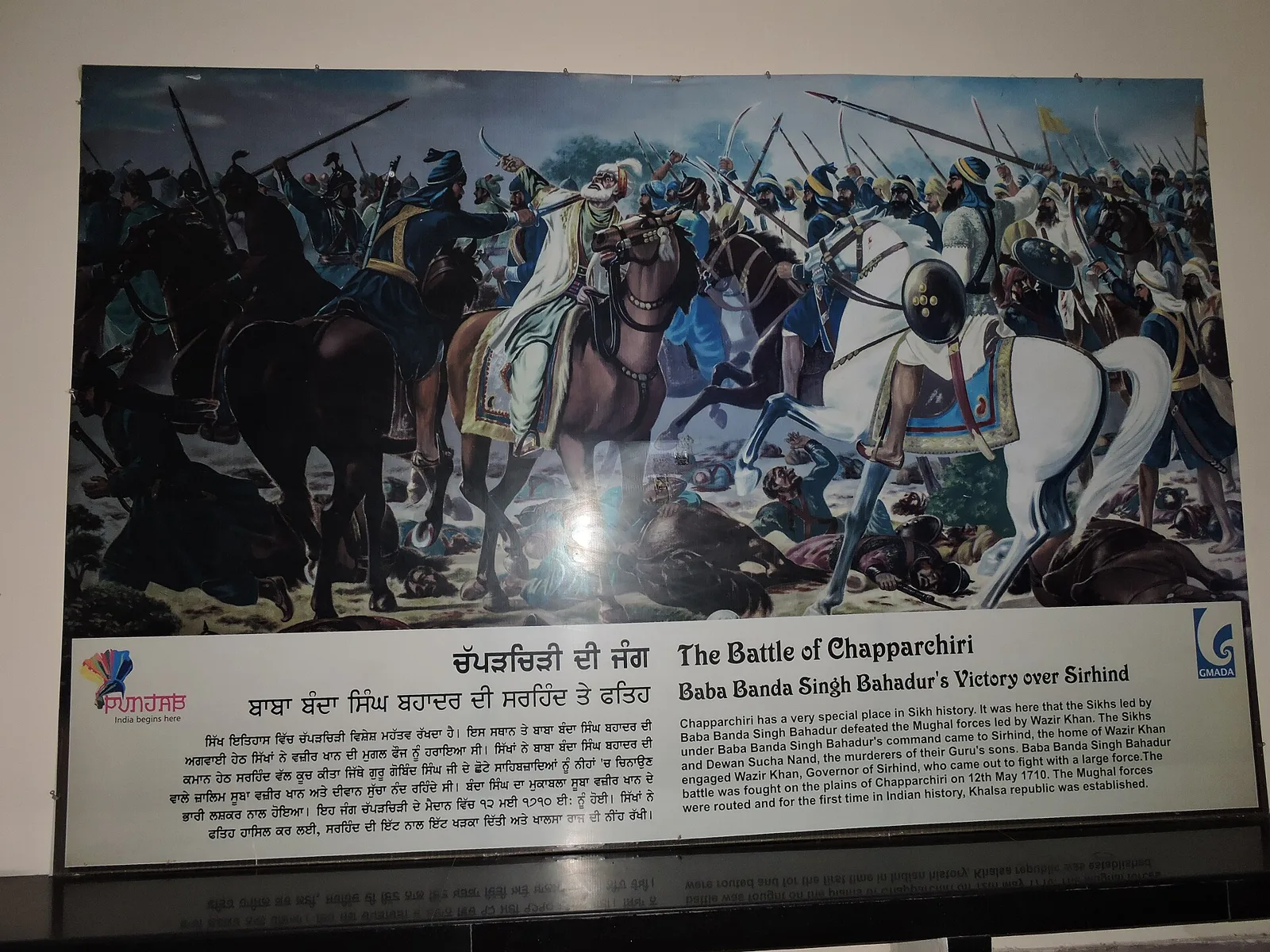
Fateh Burj is a 100-metre victory monument at Chappar Chiri in Punjab’s Mohali district. People visit to see a tower commemorating the Sikh Misls and Banda Singh Bahadur’s decisive battle.

Ropar Wetland

80 km away · Rupnagar district

Ropar Wetland

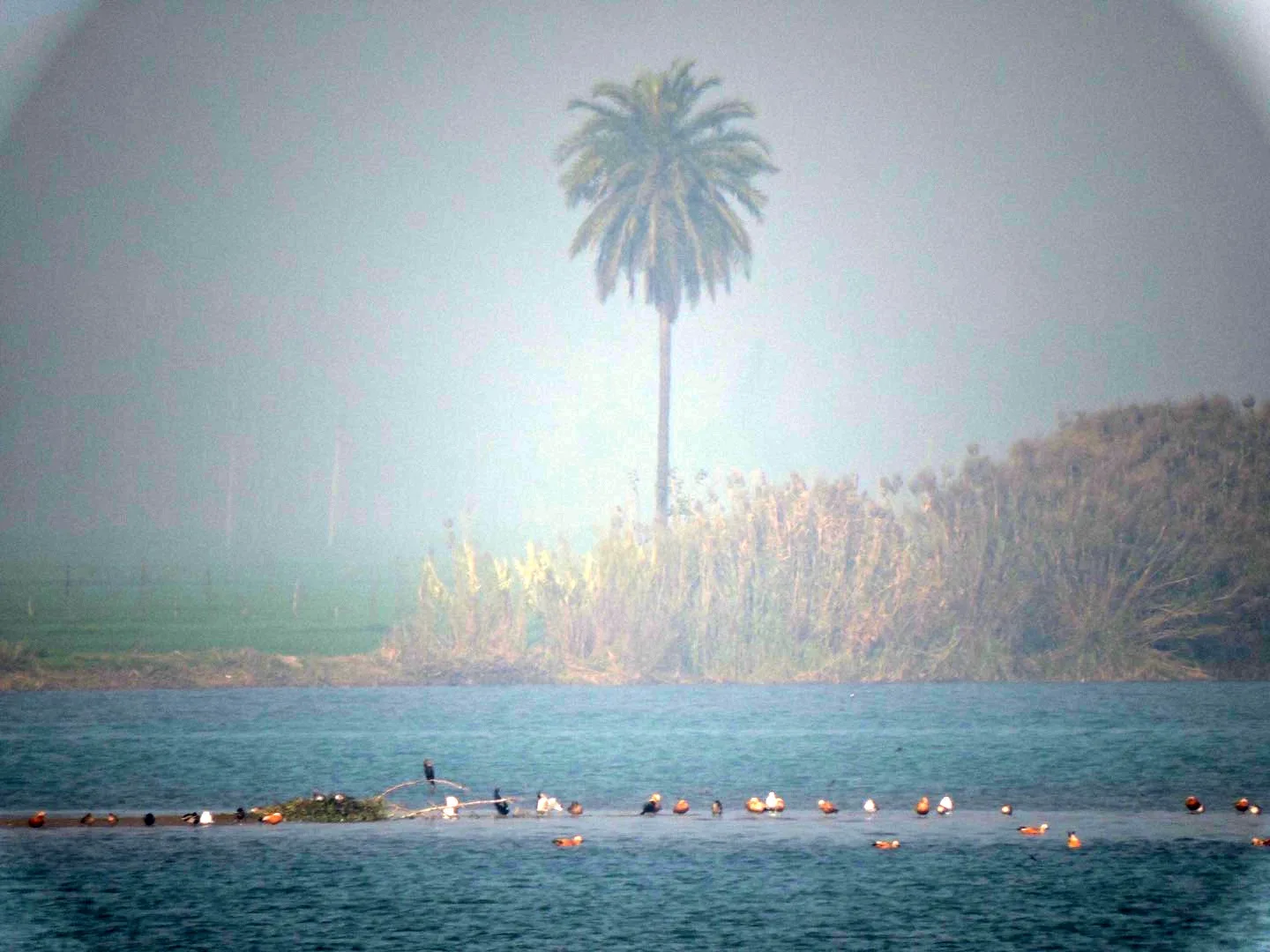
Ropar Wetland, in Punjab’s Rupnagar district, is a freshwater habitat formed by a river and lake. Visitors have come for birdwatching and boating, while its wildlife and Ramsar status are also notable.

Map

Malerkotla on the map

  1. 1Ludhiana
  2. 2Aam Khas Bagh
  3. 3Fatehgarh Sahib
  4. 4Patiala
  5. 5Phillaur Fort
  6. 6Sanghol
  7. 7Fateh Burj
  8. 8Ropar Wetland

Punjab

Other cities to explore