
Ghumoopedia — Explore, Discover, Experience
Sign in
Sri Muktsar Sahib, near Sri Muktsar Sahib

City guide · Punjab

Sri Muktsar Sahib

Sri Muktsar Sahib, a city in Punjab, draws interest for its Sikh history and connection to the 1705 Battle of Muktsar; it also serves as a district centre.

Famous for

  • Battle of Muktsar
  • Maghi Mela
  • Sikh pilgrimage shrines
  • Mai Bhago and Chali Mukte
  • Khidrana reservoir
In the city
1
District
Sri Muktsar Sahib

Why Sri Muktsar Sahib matters

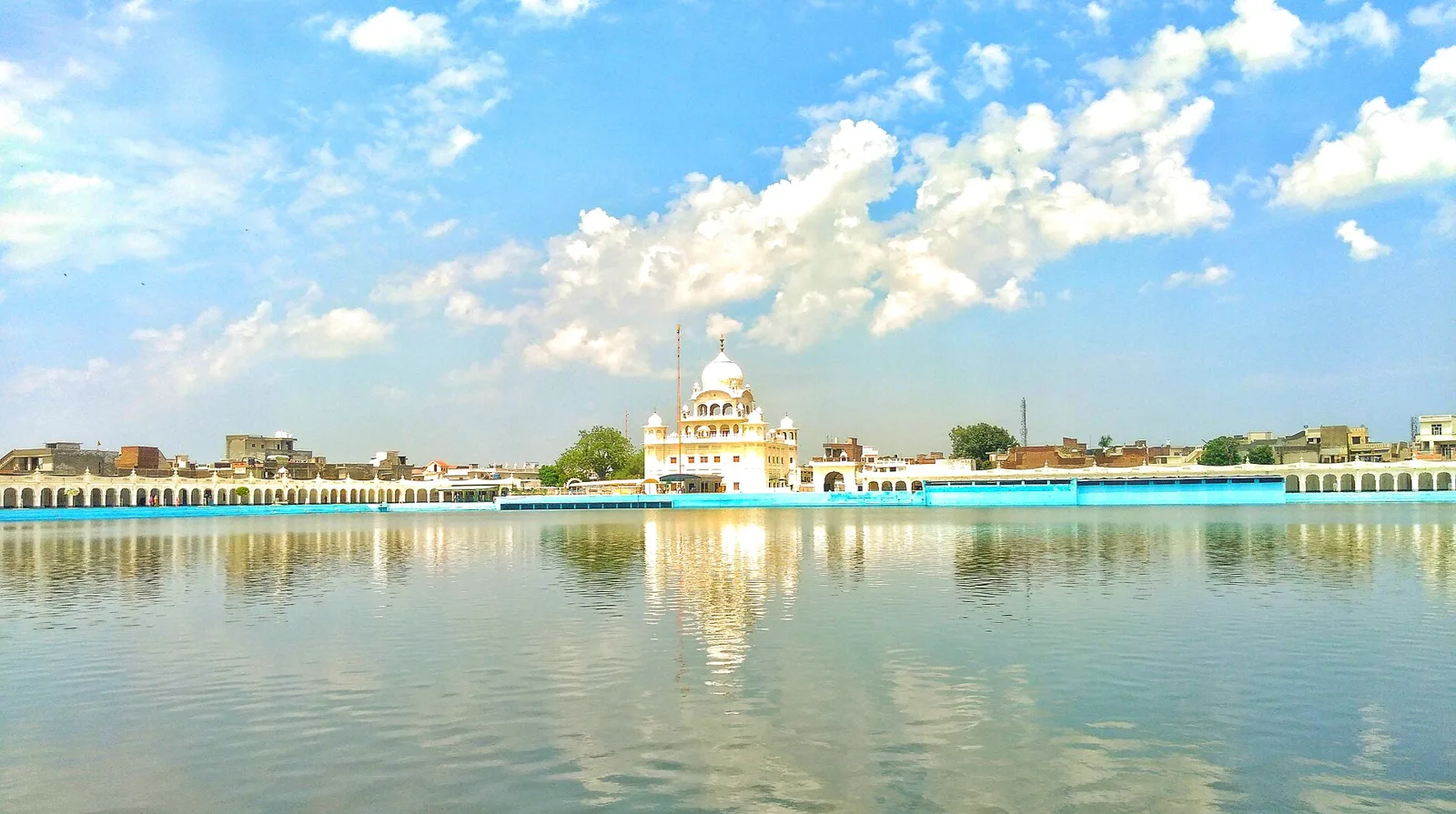
Sri Muktsar Sahib is a district headquarters in southwestern Punjab, best known as the site of the 1705 Battle of Muktsar and an important destination for Sikh pilgrims. The city’s historic identity is closely tied to the Chali Mukte, the forty Sikhs remembered for returning to fight alongside Guru Gobind Singh. Sikh tradition says their sacrifice earned them liberation, giving Muktsar its name. Historic gurdwaras and the sacred sarovar draw visitors throughout the year, with especially large gatherings for Maghi in January.

Beyond its religious significance, Sri Muktsar Sahib serves as an administrative and commercial centre for surrounding farming communities. The district’s rural economy produces crops including cotton, wheat, paddy and oilseeds, and the city’s shops and services cater to residents and visitors from nearby towns and villages. Travellers often combine a visit to its shrines and battlefield heritage with time in the central bazaar. It is a quieter stop than Punjab’s largest pilgrimage centres, but its history and annual fair give it a distinct place in the region.

Famous for: crafts, trade & products

Sri Muktsar Sahib is not chiefly known for a signature textile, handicraft or GI-tagged product. Its commercial life is more closely connected to its role as a service centre for an agricultural district. The surrounding villages grow cotton, wheat, paddy and oilseeds, while city businesses supply everyday goods and services to local residents and farmers.

Visitors can browse the central bazaar streets for clothing, household necessities, Punjabi snacks and routine shopping. Shops near the older town and shrine precincts also serve pilgrims, particularly during the Maghi gathering, when the city becomes much busier. Rather than a specialist craft market, the main draw is the contrast between the bustling local shopping streets and the quieter historic gurdwara precincts. District offices and local education, health and transport services add to the city’s role as a regional hub. For visitors, the most distinctive purchases are likely to be everyday Punjabi foods or items associated with a pilgrimage visit, rather than a locally exclusive craft or branded product.

History

The city developed at Khidrana, also called Khidrane di Dhab, a settlement by a water reservoir in a semi-arid landscape. Its defining event came in 1705, when Guru Gobind Singh’s forces fought the Mughal army there. Sikh tradition recounts that the forty Sikhs who had earlier left the Guru returned to battle, inspired by Mai Bhago. The place came to be known as Muktsar, linked to the idea of liberation and to the reservoir, or sarovar.

The surrounding territory was associated with Brar chiefs and later came under the Lahore kingdom; in 1807, Dewan Mokham Chand brought it into Lahore’s holdings. Under British rule and after independence, the town was administered as part of Firozpur district. Partition brought refugees from areas that became part of Pakistan into the wider district. Muktsar became part of Faridkot district in 1972 and a district headquarters in 1995. The official name Sri Muktsar Sahib was adopted in 2012.

Food, festivals & culture

Sikh heritage shapes the city’s public life, especially around its historic gurdwaras and sacred sarovar. Gurdwara Tuti Gandi Sahib and other shrines associated with the Battle of Muktsar are important places of worship and pilgrimage. The Maghi Mela, held in midwinter around January, is the city’s major annual gathering and commemorates the Chali Mukte. Vaisakhi in spring and the Gurpurabs, whose dates vary, are also observed. Hindu temples and other local places of worship serve the city’s diverse communities.

Punjabi is the principal language of daily life, with Hindi also widely understood. Food is rooted in the wider Punjabi tradition: visitors may find parathas, chole, lassi and seasonal makki di roti with sarson da saag, along with sweets such as jalebi, kheer and pinni. Folk music, dhol-led bhangra and women’s giddha are part of the region’s cultural repertoire, heard particularly at festive and family gatherings. During Maghi, devotional singing and the movement of pilgrims give the shrine precincts a distinctive atmosphere.

Visiting the city

The most comfortable time to visit is from October to March, when days are generally cooler. Summers can be intensely hot, while the monsoon brings rain and humidity. Bathinda Airport is the nearest airport serving the area, though commercial flight options may be limited; travellers can also consider Chandigarh International Airport or Sri Guru Ram Dass Jee International Airport in Amritsar. The city’s main rail stop is Sri Muktsar Sahib railway station.

Auto-rickshaws, local taxis and buses are useful for getting around. The historic gurdwaras, sarovar and old shrine quarter are the central places to explore, with the main bazaar offering a look at everyday city life. Maghi is a rewarding time for the festival atmosphere, but visitors should expect larger crowds and busier streets.

Attractions

Places to visit in Sri Muktsar Sahib

Sights within about 12 km of each other, even when they fall in different districts.

Map

Sri Muktsar Sahib on the map

  1. 1Sri Muktsar Sahib

Punjab

Other cities to explore