
Ghumoopedia — Explore, Discover, Experience
Sign in
Jalandhar, near Jalandhar

City guide · Punjab

Jalandhar

Jalandhar is a major city in Punjab and the largest urban centre in Doaba. Visitors encounter it as a regional centre and a well-connected stop on rail and road routes.

Famous for

  • Punjabi sports goods
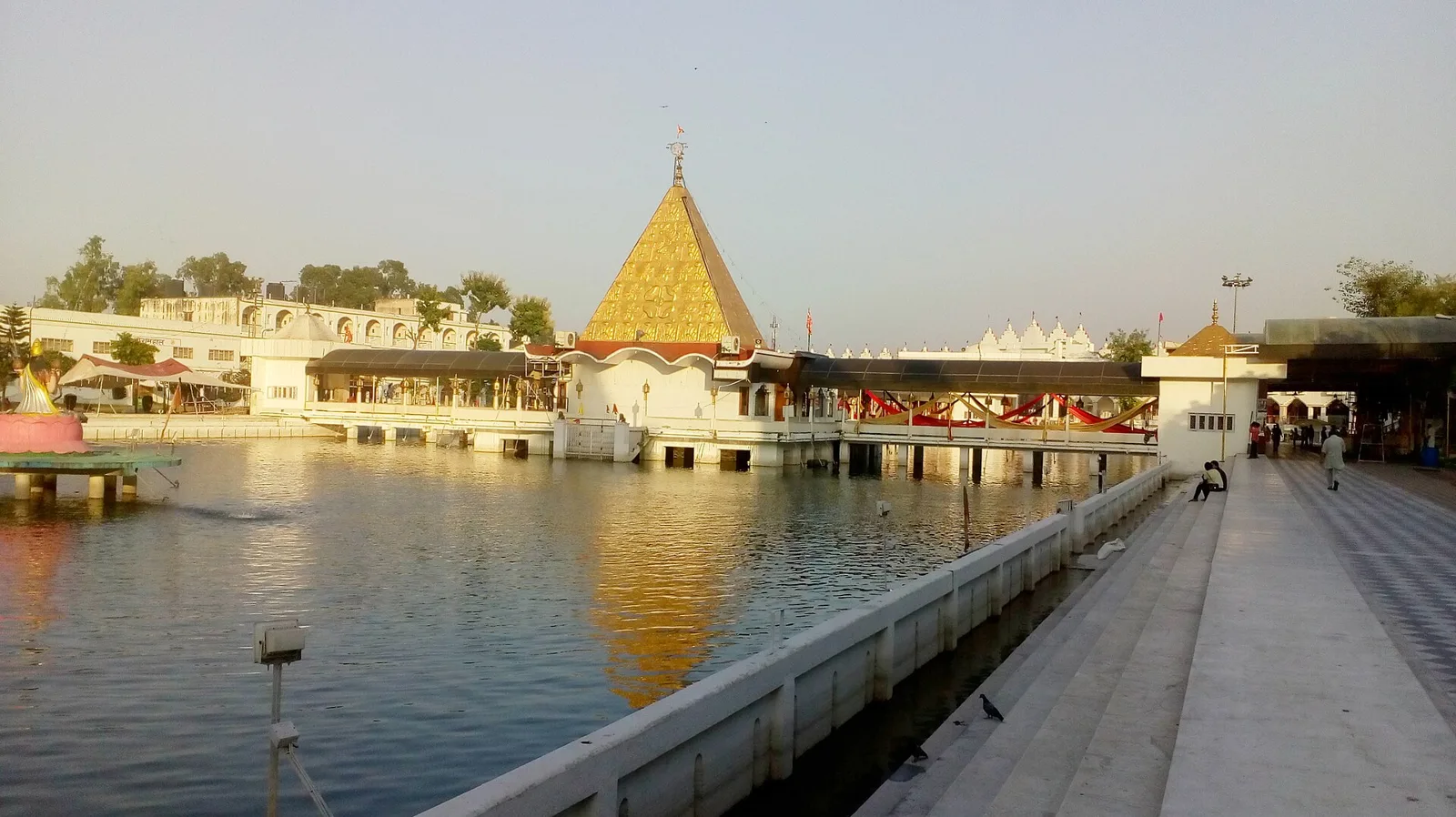
  • Devi Talab Mandir
  • Phulkari embroidery
  • Punjabi cuisine
  • Doaba trade hub
In the city
2
District
Jalandhar

Why Jalandhar matters

Jalandhar is a major commercial and transport centre in Punjab’s Doaba region, the fertile tract between the Beas and Sutlej rivers. Its position on the historic Grand Trunk Road and strong rail and road links make it an important gateway for travel and trade across the state. The city is especially associated with sports-goods manufacturing, alongside businesses in leather goods and hand tools, and has a lively mix of markets, schools and colleges, and medical institutions.

Visitors come for places of worship and heritage, including Devi Talab Mandir and the historic Imam Nasir mausoleum, as well as for the bustle of the old bazaars and the food and hospitality of urban Punjab. Jalandhar also offers a useful base for exploring nearby Doaba towns and villages. Its character blends Punjabi traditions with the energy of a working city: workshops and shops sit alongside neighbourhood temples, gurdwaras and churches, while the region’s music, festivals and cuisine remain part of everyday life.
Famous for: crafts, trade & products

Jalandhar is best known for its sports-goods industry. Local manufacturers produce equipment such as cricket goods, hockey sticks, balls and protective gear for domestic and export markets. Sporting-goods shops across the city are convenient places to browse; visitors interested in manufacturing can look for established workshops and businesses in the city’s industrial areas. Leather goods and hand tools are also part of the local trade. Ask shops about the origin and materials of individual products, as stock and production vary.

The city’s bazaars and clothing shops sell Punjabi garments, fabrics and embroidered items. Phulkari, the colourful embroidery associated with Punjab and recognised with a Geographical Indication, is a regional craft rather than a product unique to Jalandhar. Look for it in textile and dress shops around the central bazaars, including the areas near Jyoti Chowk and Rainak Bazaar; specialist boutiques in Model Town offer another option. For everyday shopping, the older commercial streets are lively and varied, while newer retail areas have modern stores. Jalandhar is more closely identified with sports goods and manufacturing than with a signature saree tradition.

History

Jalandhar’s origins are linked in local and historical traditions to ancient settlements in the Doaba. The wider region was part of the Indus Valley Civilisation, and Jalandhar is associated with the name Prasthala in accounts of the Vedic period. Several explanations for the city’s name survive, including connections to legendary figures and to the land between the rivers; these remain traditions rather than a single settled account.

The city passed through the Delhi Sultanate and Mughal periods and experienced conflict as Mughal power weakened. The Faizullahpuria Sikh misl took control in 1766, and Maharaja Ranjit Singh brought Jalandhar into the Sikh Empire in 1811. After the British annexed Punjab in 1849, Jalandhar—then often spelled Jullundur in English—became an administrative headquarters. Partition in 1947 profoundly changed the city and its communities. In the decades that followed, improved transport, manufacturing, education and healthcare helped Jalandhar grow into a regional centre.

Food, festivals & culture

Punjabi is the language most closely associated with daily life in Jalandhar; Hindi and English are also widely used. Food is hearty and Punjabi in style: look for makki di roti and sarson da saag in season, chole, parathas, tandoori dishes and lassi. Jalebi, gulab jamun and other familiar sweets are easy to find in sweet shops, while local eateries serve snacks and breads throughout the day.

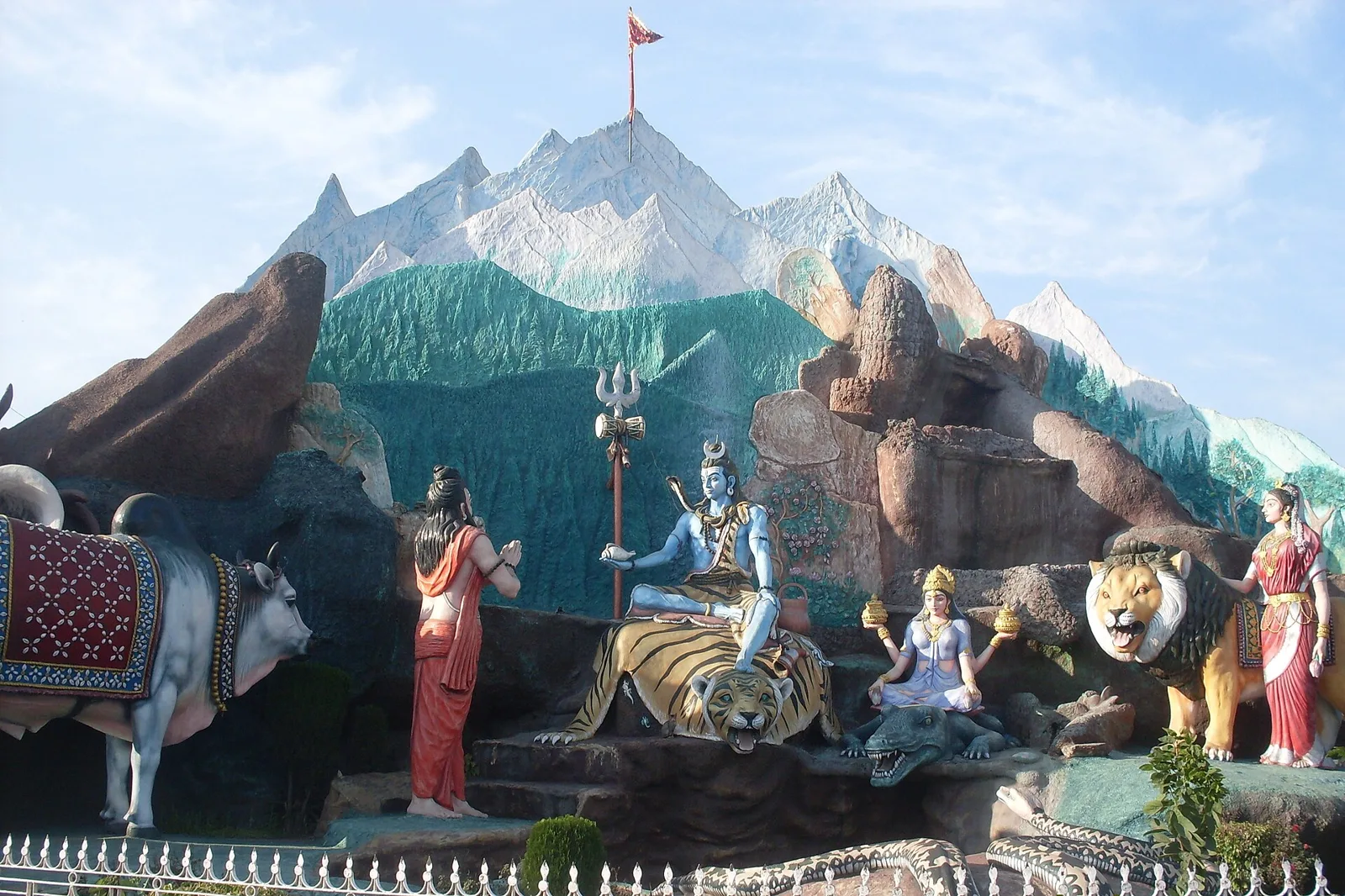
Lohri is celebrated in midwinter with bonfires, songs and seasonal treats. Baisakhi, in spring, brings harvest celebrations and visits to gurdwaras; Diwali and the Sikh Gurpurabs are also widely observed, with dates varying by calendar. Punjabi folk music, dhol rhythms, bhangra and giddha are part of festive gatherings, alongside contemporary Punjabi music. Devi Talab Mandir is a prominent Hindu place of worship, and the city also has historic gurdwaras, churches and the Imam Nasir mausoleum. These sites reflect Jalandhar’s varied religious and cultural heritage.

Visiting the city

October to March is generally the most comfortable time to visit, with cooler days than the long, very hot summer. Winters can feel chilly, while July and August bring monsoon rain. The nearest airport is Adampur Airport; travellers may also consider Sri Guru Ram Dass Jee International Airport in Amritsar for a wider choice of air connections. Jalandhar City railway station is the city’s main rail station, and road links connect it with other Punjab centres.

Auto-rickshaws, local buses and app-based cabs are useful for getting around. Explore the old city bazaars around Jyoti Chowk and Rainak Bazaar, the shopping and dining area of Model Town, and the religious landmarks around Devi Talab. Central Town and Civil Lines offer a sense of the city’s older urban fabric, while the industrial districts show its manufacturing side.

Attractions

Places to visit in Jalandhar

Sights within about 12 km of each other, even when they fall in different districts.

Map

Jalandhar on the map

  1. 1Jalandhar
  2. 2Devi Talab Mandir

Punjab

Other cities to explore