
Ghumoopedia — Explore, Discover, Experience
Sign in
Pathankot, near Pathankot

City guide · Punjab

Pathankot

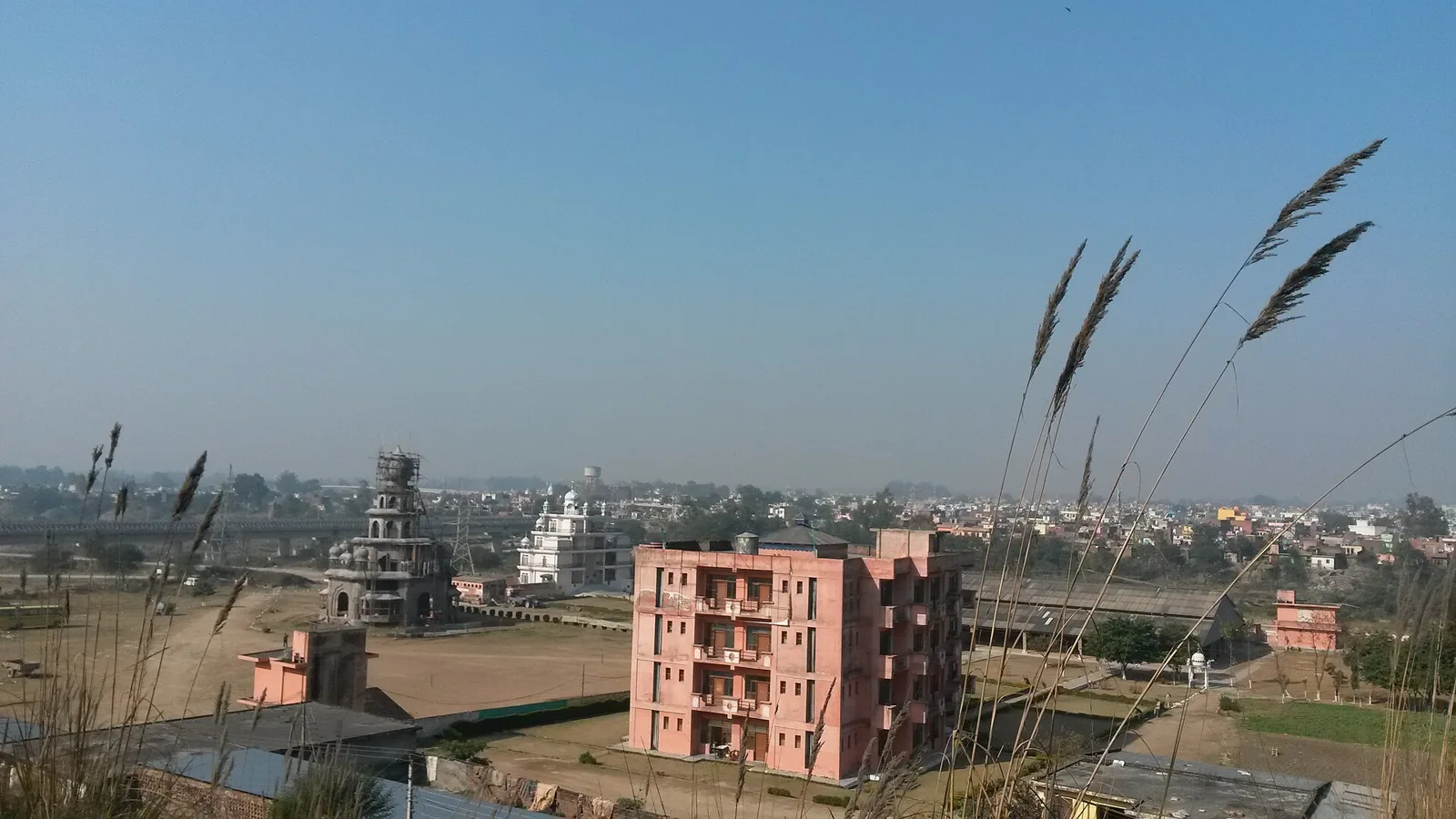
Pathankot is a city in Punjab and the administrative centre of Pathankot district. Its position close to Himachal Pradesh makes it a convenient point of access to the neighbouring state.

Famous for

  • Gateway to Himachal Pradesh
  • Historic Nurpur connections
  • Ravi–Chakki river setting
  • Regional rail and road hub
In the city
1
District
Pathankot

Why Pathankot matters

Pathankot is a city in northern Punjab and the headquarters of Pathankot district. Set close to the Himachal Pradesh border, it serves as a gateway between the Punjab plains and the Shiwalik foothills. Its rail and road links make it a practical starting point for journeys towards nearby hill areas, while its location also gives it an important role in regional travel and trade. Visitors use the city as a base for exploring the surrounding landscape and places of worship, as well as for onward travel into Himachal Pradesh.

The Ravi and Chakki rivers and the nearby foothills lend Pathankot a greener, more varied setting than many cities on the plains. Its historical associations add another layer: the area was connected with the ancient Audumbara community and later with the Pathania rulers and Nurpur State. Pathankot is best understood as a busy regional centre and transport hub rather than a destination defined by one landmark. Its mix of history, river country and access to the hills makes it a useful stop for travellers crossing this part of north India.

Famous for: crafts, trade & products

Pathankot is not especially associated with a signature textile, craft or GI-tagged product. Its role is primarily as a regional centre for transport, services and trade, with commercial activity serving residents and travellers from nearby parts of Punjab and Himachal Pradesh. The city’s rail and road connections, along with its proximity to defence establishments, are more prominent parts of its identity than a particular manufacturing tradition.

For everyday shopping, explore the central bazaar and the main commercial streets, where shops sell clothing, household goods, Punjabi provisions, snacks and sweets. These are convenient places to pick up routine supplies or local food gifts, rather than specialist craft markets. Local sweet shops offer familiar Punjabi treats, while general stores and produce sellers reflect the needs of a busy district centre. Visitors looking specifically for regional handicrafts or textiles may find a broader selection in larger cities or in the hill towns they visit onward. Pathankot’s markets are most useful for everyday shopping and a glimpse of local commerce, not for a single nationally recognised product.

History

The Pathankot region has ancient associations with Audumbara, a community mentioned in the Mahabharata tradition and in the work of the grammarian Panini. Coins attributed to the ancient Audumbara kingdom have been found in the area. In the medieval period, Pathankot was connected with Dhameri and Nurpur State, whose rulers were Pathania Rajputs; the town served as an early capital of the state. The name Pathankot is also associated with the Pathania chiefs.

The region came under Sikh power during the period of Maharaja Ranjit Singh. After the British annexed hill territories following the First Anglo-Sikh War, Pathankot was incorporated into Gurdaspur district in 1853. At Partition, it remained within India as part of Gurdaspur district. In modern Punjab, its importance grew through transport links, regional services and defence-related activity. Pathankot became the headquarters of its own district when the district was established in 2011.

Food, festivals & culture

Food in Pathankot reflects Punjabi home cooking and the tastes of the neighbouring hill region. Common choices include makki di roti with sarson da saag in season, chole, parathas and rajma chawal. Sweet shops sell familiar treats such as jalebi, pinni and barfi. In the cooler months, warming dishes and seasonal greens are especially welcome; visitors will also find tea stalls and casual eateries around busy commercial areas.

The annual calendar follows the wider Punjabi festival cycle. Lohri is celebrated in winter, while Baisakhi comes in spring; Diwali and major Sikh Gurpurabs are observed by local communities through family gatherings and worship. Punjabi is widely spoken, with Hindi also commonly understood and regional Dogri and Pahari influences present near the state border. Bhangra and giddha are part of the broader Punjabi cultural tradition, especially at festive gatherings. The city has local temples and gurdwaras, and the nearby Mukteshwar Mahadev Temple is a notable regional pilgrimage destination.

Visiting the city

Spring, from mid-February to mid-April, and autumn, from mid-September to mid-November, are generally the most comfortable seasons to visit. Summers can be very hot, while the monsoon may bring heavy rain; winter days are often mild but evenings can turn chilly. The nearest airport is Pathankot Airport, though travellers should check current flight availability. Pathankot Junction is the main railway station.

Auto-rickshaws, taxis and local buses are useful for getting around the city. The central bazaar and main commercial streets are good areas to explore on foot, while the city’s position makes it convenient for onward trips towards Himachal Pradesh. Allow extra time for road travel during heavy rain, and plan visits to nearby temples or river and foothill scenery as excursions beyond the busy centre.

Attractions

Places to visit in Pathankot

Sights within about 12 km of each other, even when they fall in different districts.

Map

Pathankot on the map

  1. 1Pathankot

Punjab

Other cities to explore