Ghumoopedia — Explore, Discover, Experience
Sign in
Dera Baba Nanak, near Batala

City guide · Punjab

Batala

Batala is an important city in Punjab’s Majha region and a major industrial and commercial centre in Gurdaspur district. Its factories and workshops have long made cast iron and mechanical and agricultural machinery, while its markets serve the surrounding farming area.

Famous for

  • Guru Nanak’s wedding sites
  • Babe Nanak Da Viah
  • Cast-iron manufacturing
  • Agricultural machinery
  • Historic city gates

Why Batala matters

Batala is an important city in Punjab’s Majha region and a major industrial and commercial centre in Gurdaspur district. Its factories and workshops have long made cast iron and mechanical and agricultural machinery, while its markets serve the surrounding farming area. The city is also a significant Sikh pilgrimage destination: Guru Nanak married Mata Sulakhni here, and gurdwaras associated with their wedding draw visitors throughout the year. The annual celebration known as Babe Nanak Da Viah is a particularly prominent occasion.

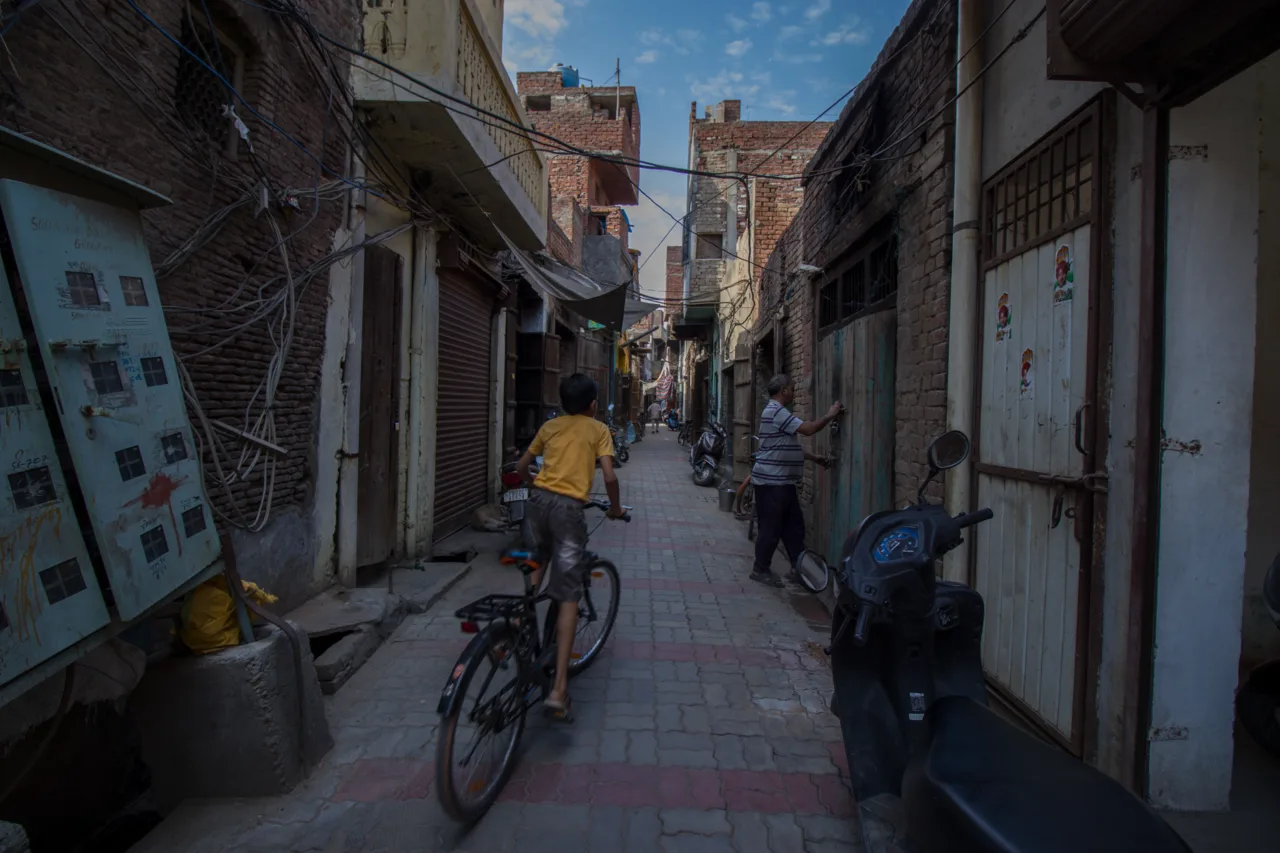
Batala’s older streets and surviving historic gates offer a glimpse of its past as a fortified town. Gurdwara Kandh Sahib and other sites connected with the wedding are central to many visits; Satkartarian Sahib is associated with Guru Hargobind. Today, Batala combines religious heritage with a working industrial economy. It is a useful stop for travellers exploring the Gurdaspur area and for visitors interested in Sikh history, local manufacturing and the character of an established Punjabi market town.
Famous for: crafts, trade & products

Batala’s best-known products are industrial rather than ornamental: cast-iron goods and mechanical equipment, especially machinery used in agriculture. The city remains a manufacturing centre, with workshops and businesses also involved in cotton ginning, weaving, sugar refining and rice milling. Buyers looking for equipment or metal products can enquire with local manufacturers and machinery dealers; availability and sales arrangements vary by business.

Weaving is part of the city’s industrial mix, but Batala is not especially known as a destination for a signature saree or handicraft tradition. Nor is a particular GI-tagged product widely associated with the city. For everyday shopping, the central bazaars and commercial streets are the practical places to look for clothing, household goods and general merchandise. Visitors interested in Batala’s industrial character may find more relevant leads through local traders than through souvenir shops. The city’s identity lies chiefly in its working foundries, machinery businesses and agricultural trade, rather than in a single branded craft or tourist product.

History

Batala was founded in 1465 by Abhay Pratap Bal, a Bhati Rajput, under the suzerainty of Sultan Bahlul Lodi. Under Mughal rule, Akbar granted the city as a jagir to his foster brother, Shamsher Khan. By the 16th century it was a prominent Punjab town. Its historic fortified core had twelve gates; several are still known by names such as Sheran Wala, Khajuri and Bhandari, though their condition varies.

During British rule, Batala was the headquarters of a tehsil in Gurdaspur district. The district’s division was disputed in 1947, and Batala ultimately became part of India. Partition brought major changes to the city’s population as many Muslims moved to Pakistan and Hindu and Sikh refugees arrived from areas that became Pakistani. In the decades that followed, Batala developed as a regional market and manufacturing centre, particularly for cast iron and machinery. It became a municipal corporation in 2019 and remains an important industrial city in the district.

Food, festivals & culture

Punjabi shapes everyday life in Batala, with Hindi also commonly used. Local meals draw on familiar Punjabi cooking: breads, lentils, seasonal vegetables and dairy foods are widely enjoyed. Sarson da saag with makki di roti is especially associated with the cooler months, while lassi is a popular traditional drink. Sweets and snacks are available in the city’s bakeries and bazaars, though Batala is better known for its industry and religious heritage than for one distinctive local dish.

Babe Nanak Da Viah, celebrating Guru Nanak’s marriage, brings devotees to Gurdwara Kandh Sahib; its observance follows the Sikh calendar and the date varies. Gurpurabs and Baisakhi are also important, with Baisakhi celebrated in spring and major Gurpurab dates changing from year to year. Diwali is observed in autumn. Sikh devotional singing is heard at gurdwaras, while Punjabi folk traditions such as bhangra and giddha are part of wider regional celebrations. Kandh Sahib and Satkartarian Sahib are among the city’s notable places of worship.

Visiting the city

Autumn through early spring is generally the most comfortable time to visit Batala, while summer can be very hot. The nearest major airport is Sri Guru Ram Dass Jee International Airport in Amritsar. Batala Junction is the city’s main railway station. Amritsar is about 39 km away and Gurdaspur, the district headquarters, about 32 km.

Auto-rickshaws and local taxis are useful for getting around; confirm that a driver can take you to the sites you plan to visit. The old city is worth exploring for its historic gates and traditional streets. Set aside time for Gurdwara Kandh Sahib and other Sikh heritage sites, including Satkartarian Sahib. The central bazaars offer a feel for Batala’s everyday commercial life, while local industrial businesses reflect its longstanding manufacturing role.

Trips from the city

Nearest places to visit from Batala

Our closest destination guides, by straight-line distance.

Dera Baba Nanak

30 km away · Gurdaspur district

Dera Baba Nanak

Dera Baba Nanak is a town and municipal council in Punjab’s Gurdaspur district. People visit its shrine, where a passage between India and Pakistan was established in November 2019.

Jandiala Guru (Thathera Village)

32 km away · Amritsar district

Jandiala Guru (Thathera Village)

Jandiala Guru is a village and town in Punjab’s Amritsar district. Visitors interested in Sikh history may be drawn to its past association with the Niranjanias, also known as Hindalis.

Amritsar

37 km away · Amritsar district

Amritsar

Amritsar is a major city in Punjab’s Majha region, known for the Golden Temple, its food and wooden chess-making. Visitors also come for its cultural, transport and commercial significance.

Durgiana Temple

37 km away · Amritsar district

Durgiana Temple

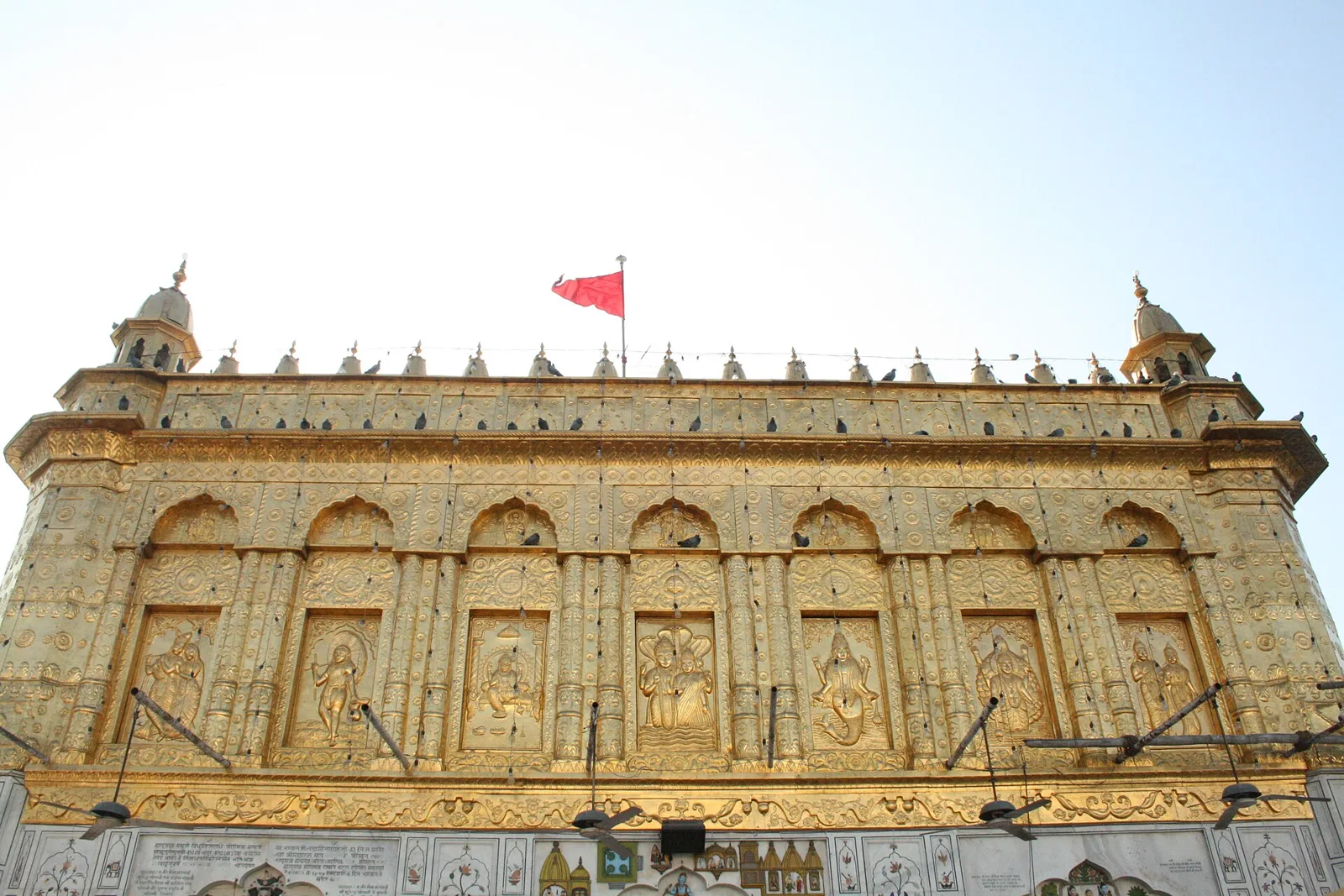
Durgiana Temple, also called Shri Durgiana Mandir, is a Hindu shrine in Amritsar, Punjab. Visitors come to worship Durga, with Lakshmi and Vishnu also honoured there.

Golden Temple

37 km away · Amritsar district

Golden Temple

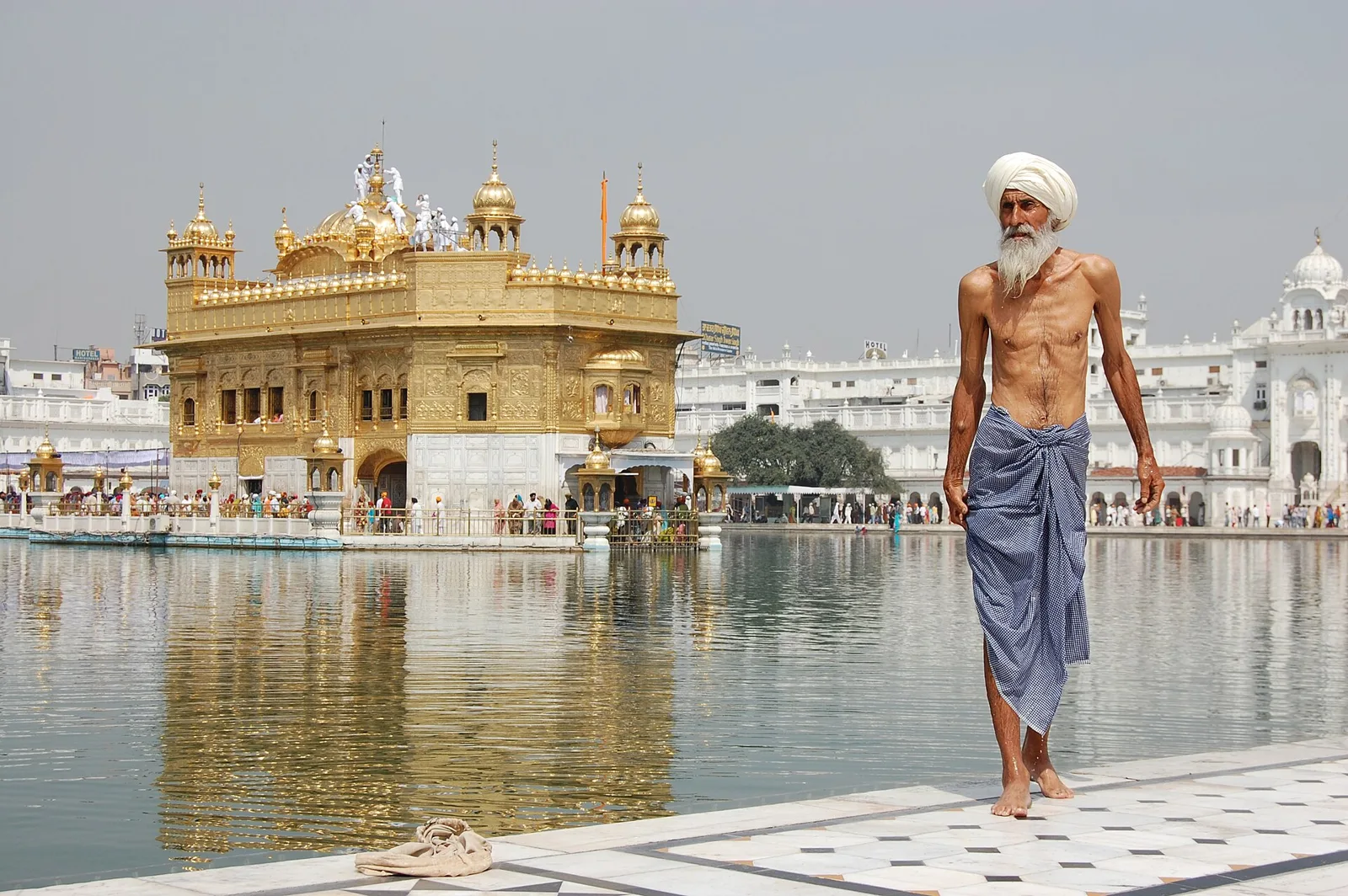
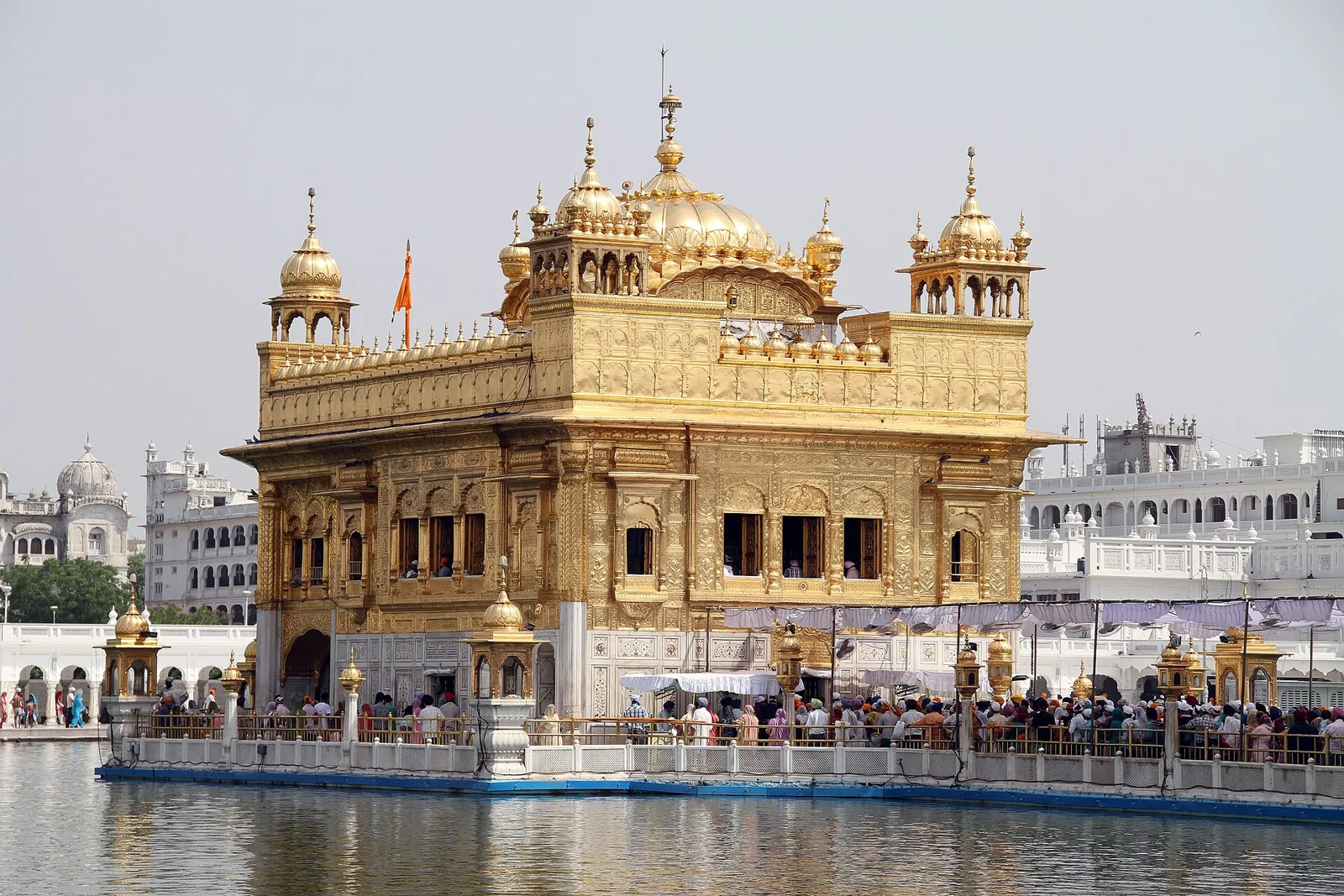
A major Sikh shrine in Amritsar, the Golden Temple draws worshippers to its sacred sanctuary and pool, while its langar welcomes visitors to a free vegetarian meal.

Jallianwala Bagh

37 km away · Amritsar district

Jallianwala Bagh

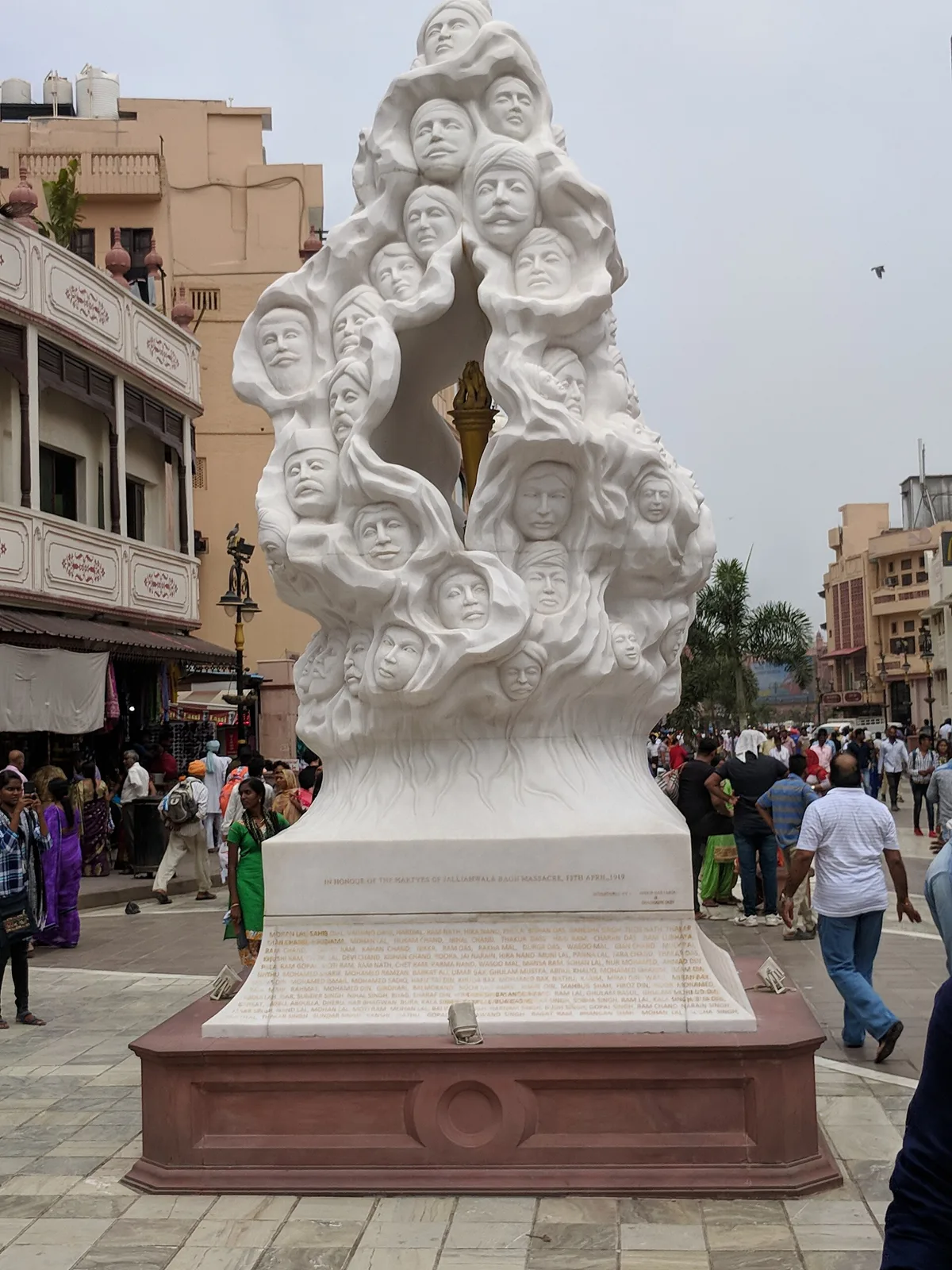
A historic garden and national memorial in Amritsar, Jallianwala Bagh commemorates those killed or wounded in the 1919 massacre. Visitors come to remember them and see the site’s museum, gallery and memorials.

46 km away · Kapurthala district

Kanjli Wetland

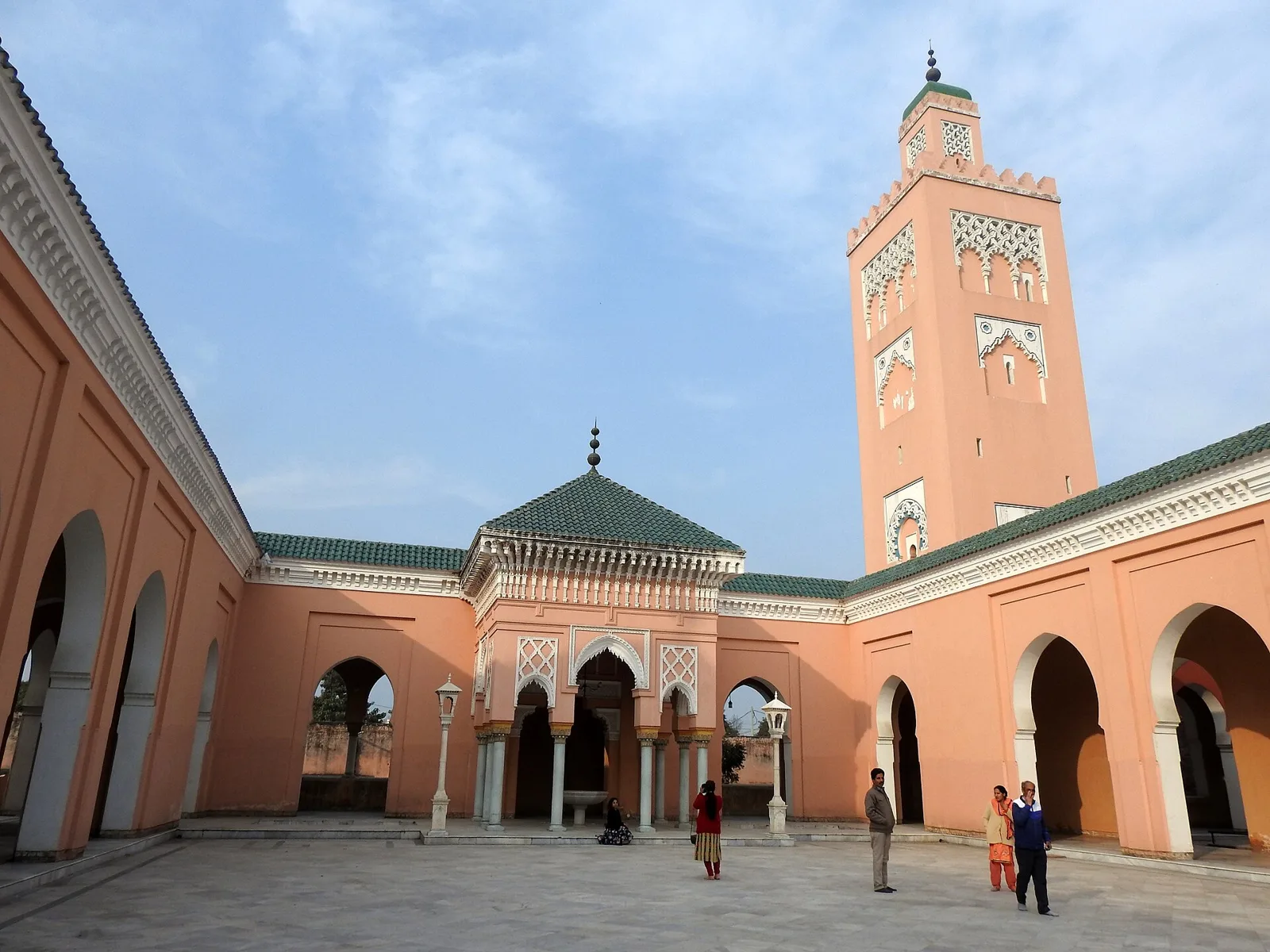
Kanjli Wetland is an artificial wetland in Kapurthala district, Punjab, that includes Kanjli Lake. Visitors come to experience its diverse habitats and wildlife, recognised internationally through the Ramsar Convention.

Kapurthala

51 km away · Kapurthala district

Kapurthala

Kapurthala is a Punjab city and former princely-state capital, noted for French and Indo-Saracenic architecture. Visitors come to see its palaces, gardens and historic character.

Map

Batala on the map

  1. 1Dera Baba Nanak
  2. 2Jandiala Guru (Thathera Village)
  3. 3Amritsar
  4. 4Durgiana Temple
  5. 5Golden Temple
  6. 6Jallianwala Bagh
  7. 7Kanjli Wetland
  8. 8Kapurthala

Punjab

Other cities to explore