Ghumoopedia — Explore, Discover, Experience
Sign in
Ludhiana, near Ahmedgarh

City guide · Punjab

Ahmedgarh

Ahmedgarh is a small but active market town in Punjab’s agricultural belt, positioned between Malerkotla and Ludhiana. Its importance comes chiefly from the trade that connects surrounding farming communities with regional markets.

Famous for

  • Historic market-town plan
  • Grain markets
  • Agricultural implements
  • Paddy and wheat trade
  • Dry-port logistics

Why Ahmedgarh matters

Ahmedgarh is a small but active market town in Punjab’s agricultural belt, positioned between Malerkotla and Ludhiana. Its importance comes chiefly from the trade that connects surrounding farming communities with regional markets. Paddy, wheat and cotton are among the crops handled here, while local workshops and businesses supply equipment used in agriculture. The town’s grain markets and its role in freight and dry-port activity add to its commercial significance.

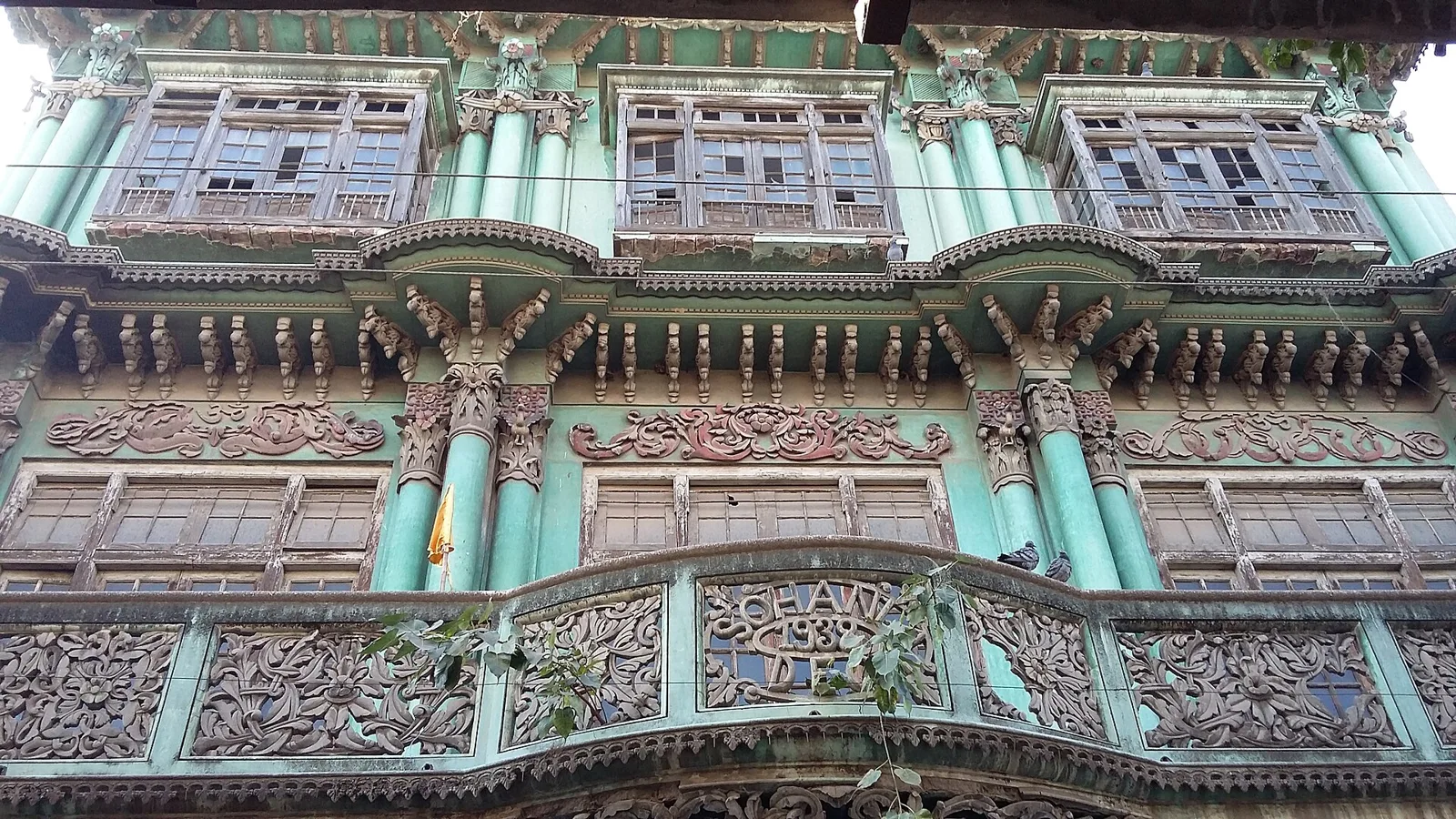
Ahmedgarh also has an unusual town plan that sets it apart from many nearby settlements. Its pre-independence layout was designed around two broad market avenues crossing at today’s Gandhi Chowk, with residential quarters arranged in four sections. Though the original streetscape has changed, visitors can still look for traces of its planned form and surviving arched shopfronts. Ahmedgarh is best approached as a place to understand everyday Punjabi trade and town life rather than as a major sightseeing destination. Its railway connection and bus stand make it a practical stop between larger regional centres.
Famous for: crafts, trade & products

Ahmedgarh’s best-known commercial activity is agricultural trade. Grain markets in the town and on its outskirts handle produce from the surrounding countryside, particularly paddy and wheat, as well as cotton. Market avenues near Gandhi Chowk give a sense of the town’s original role as a planned centre for selling, auctioning and storing farm goods. The town is also associated with practical agricultural implements, including ploughs, diggers and sickles, made or traded by small businesses in and around the area.

Its proximity to the industrial centres of Malerkotla and Ludhiana supports a range of small-scale enterprises. Freight and storage are also part of Ahmedgarh’s commercial identity, and the town has developed a dry-port role. Visitors looking for local products should explore the grain-market area and shops dealing in farm equipment; availability varies with season and business. Ahmedgarh is not especially identified with a particular textile, handicraft or GI-tagged product, so its distinction lies more in agricultural commerce and equipment than in a signature craft or souvenir.

History

Ahmedgarh grew as a planned market town before India’s independence. Its layout was modelled on Lyallpur, now Faisalabad, and organised around two main avenues that crossed at a central public well, the place now known as Gandhi Chowk. The avenues were intended for the auction, sale and storage of agricultural goods, while four residential quarters occupied the surrounding sections.

A brick arched boundary wall, locally described as a fasil, enclosed the settlement and had four staffed entrances. Gated passages from the main avenues led into the individual residential quarters. Shops along the avenues were designed with three-arched façades and colonnades, although many have since been altered or obscured as the streets became more built up. Later, the broad avenues were divided by rows of shops, creating eight streets around Gandhi Chowk. In modern times, Ahmedgarh has continued to serve the region as an agricultural market and transport-linked commercial centre, with small industries and dry-port activity adding to its role.

Food, festivals & culture

Punjabi is the principal language of everyday life in Ahmedgarh, with Hindi also commonly understood. Food reflects the wider cuisine of Punjab: wheat-based breads, lentils, seasonal vegetables and dairy dishes are familiar choices, while sweets and snacks are commonly shared during family gatherings and festivals. These are regional favourites rather than foods unique to the town.

The annual calendar follows Punjab’s farming and religious traditions. Lohri is marked in midwinter, Vaisakhi in spring, and Diwali in autumn; Gurpurabs are observed according to the Sikh calendar, so their dates vary. Bhangra and giddha are well-known forms of Punjabi dance, especially associated with festive occasions. Local gurdwaras and temples serve as places of worship and community gathering. Visitors should be considerate at religious sites, dress modestly and follow any directions about footwear or photography.

Visiting the city

Spring and autumn are generally comfortable seasons for exploring Ahmedgarh; summer can be very hot, while winter mornings may be chilly or foggy. The nearest airport is Ludhiana Airport at Sahnewal; Chandigarh International Airport is another option farther away. Ahmedgarh has its own railway station on the Ludhiana–Jakhal line and a bus stand, with road links to Malerkotla and Ludhiana.

For a short visit, begin around Gandhi Chowk, where the original cross-axis of the planned market town can be understood. Walk along the adjoining market streets to look for surviving arched façades and everyday trading activity. The grain markets, including the market area on the outskirts, and shops selling agricultural implements offer a closer view of the town’s economy. Local taxis, auto-rickshaws and buses can help with trips within town and to nearby places; confirm onward connections locally.

Trips from the city

Nearest places to visit from Ahmedgarh

Our closest destination guides, by straight-line distance.

Ludhiana

26 km away · Ludhiana district

Ludhiana

Ludhiana is Punjab’s most populous city and a major manufacturing and trading centre in northern India; visitors come for its industrial and commercial activity.

Phillaur Fort

37 km away · Ludhiana district

Phillaur Fort

Known also as Maharaja Ranjit Singh Fort, Phillaur Fort is a fort in Punjab that visitors can see on the Grand Trunk Road at Phillaur.

Fatehgarh Sahib

54 km away · Fatehgarh Sahib district

Fatehgarh Sahib

Fatehgarh Sahib is a city in Punjab and a Sikh pilgrimage centre, visited for its historic gurdwaras and its connection with the martyrdom of Guru Gobind Singh’s young sons.

Aam Khas Bagh

55 km away · Fatehgarh Sahib district

Aam Khas Bagh

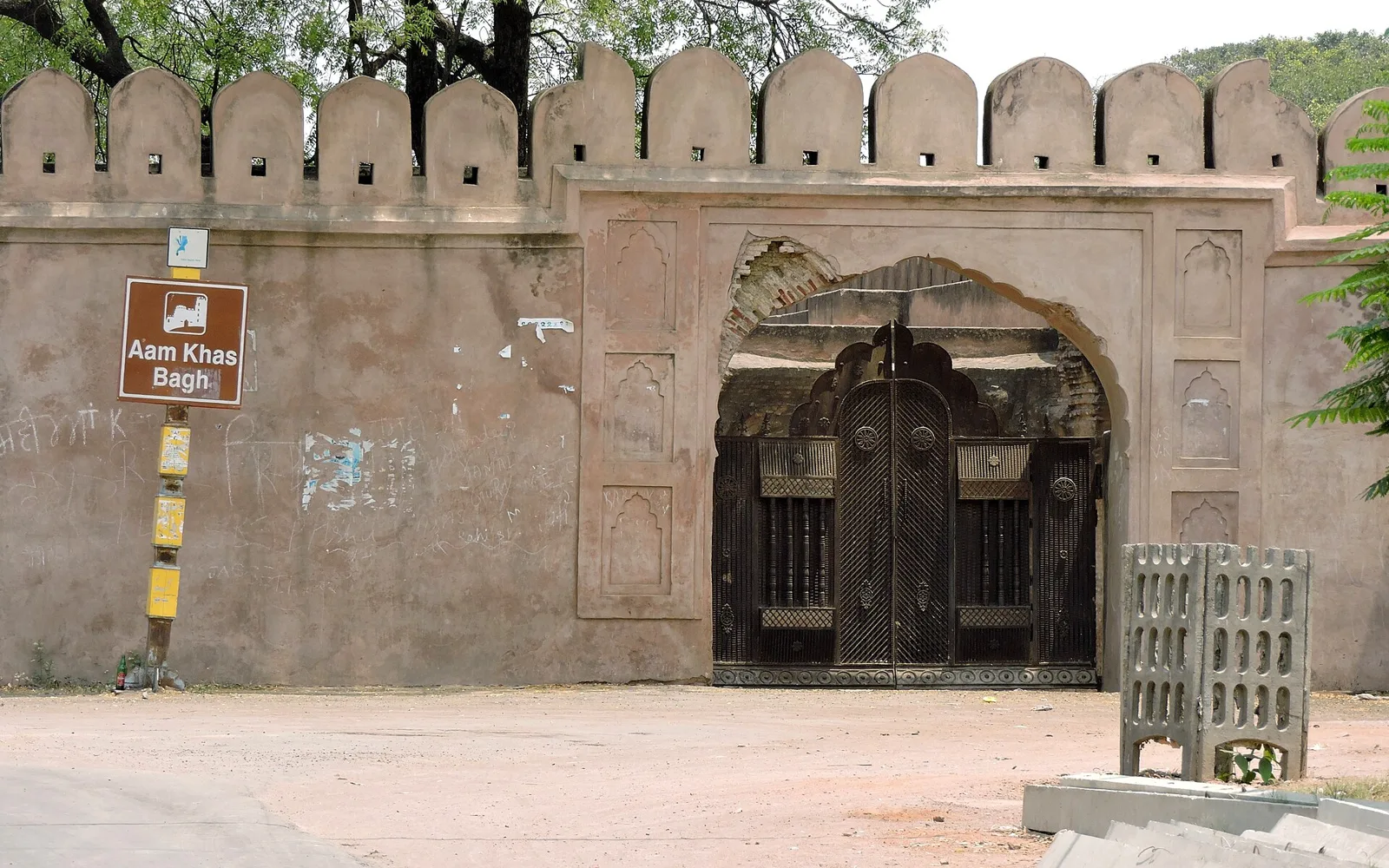
Aam Khas Bagh is a surviving Mughal-era roadside inn complex in Punjab’s Fatehgarh Sahib district, visited for its history as accommodation on the Delhi–Lahore route.

Sanghol

55 km away · Fatehgarh Sahib district

Sanghol

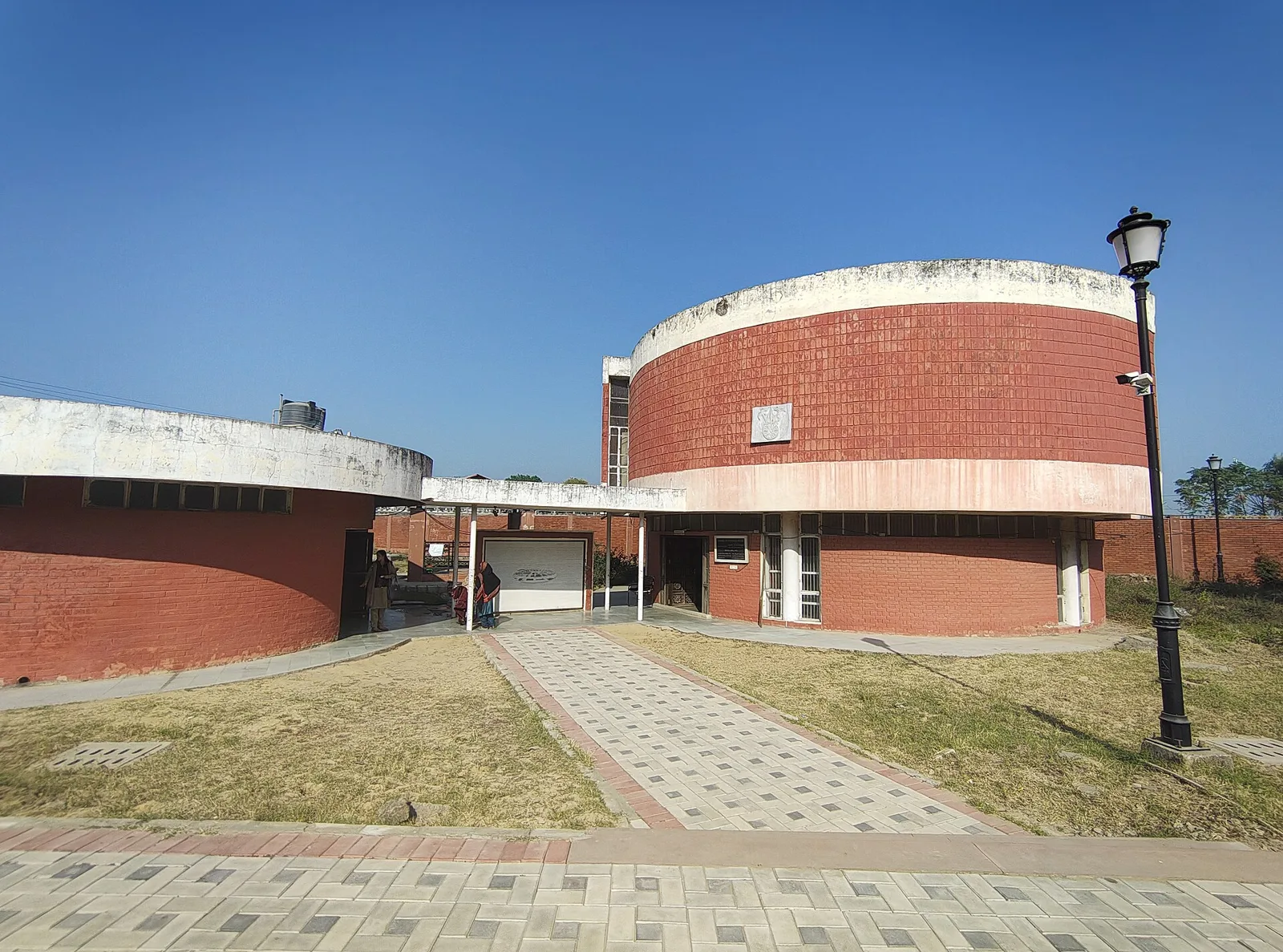
Sanghol, also called Uchha Pind Sanghol, is a village in Punjab’s Fatehgarh Sahib district with roots in the Harappan civilisation. Visitors come to see its excavated Buddhist and Kushan remains and the museum collections.

Patiala

67 km away · Patiala district

Patiala

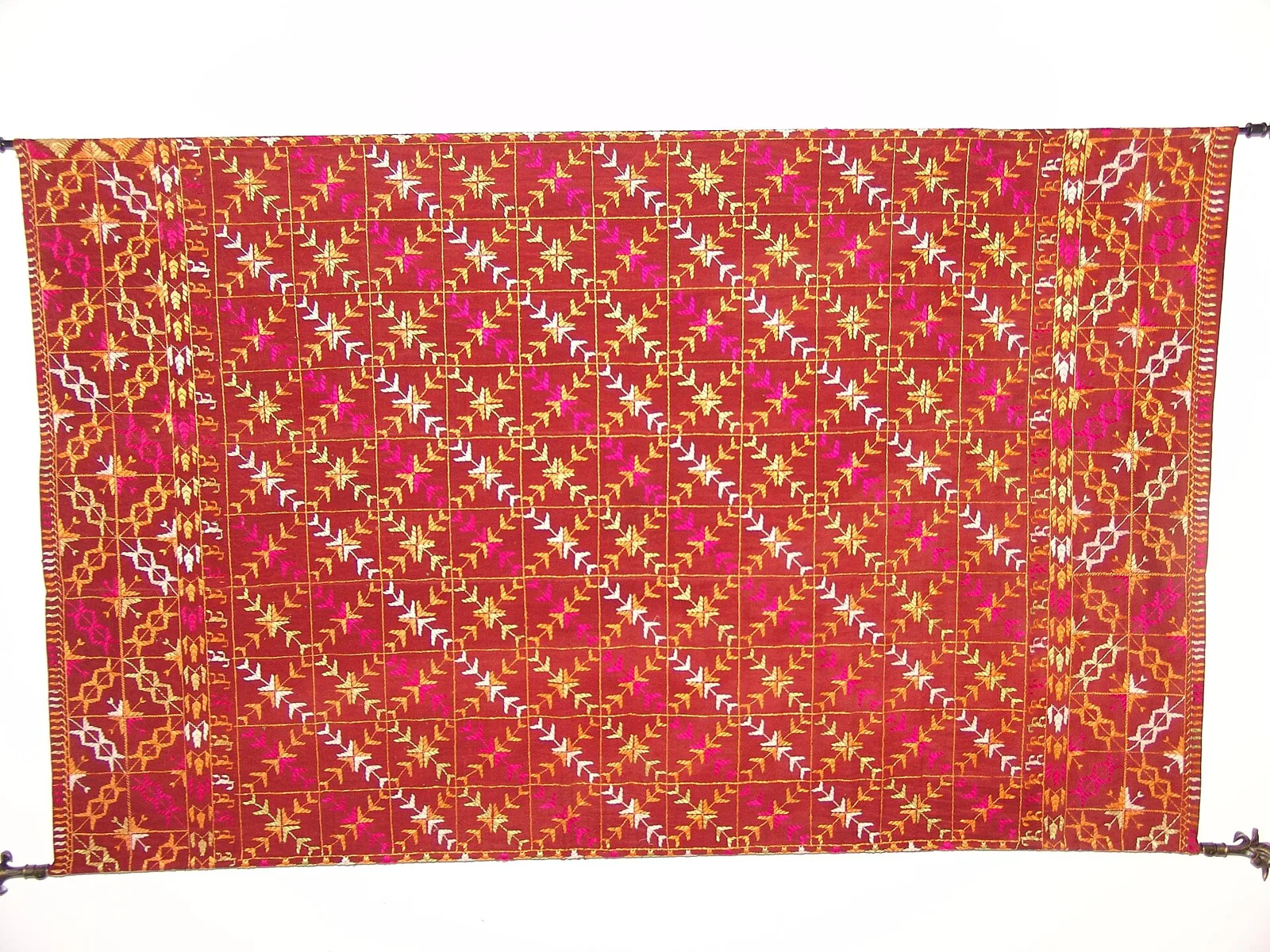
Patiala is a city in southeastern Punjab and the administrative centre of its district. People visit for its royal history, Qila Mubarak and distinctive clothing, footwear and cultural traditions.

Ropar Wetland

75 km away · Rupnagar district

Ropar Wetland

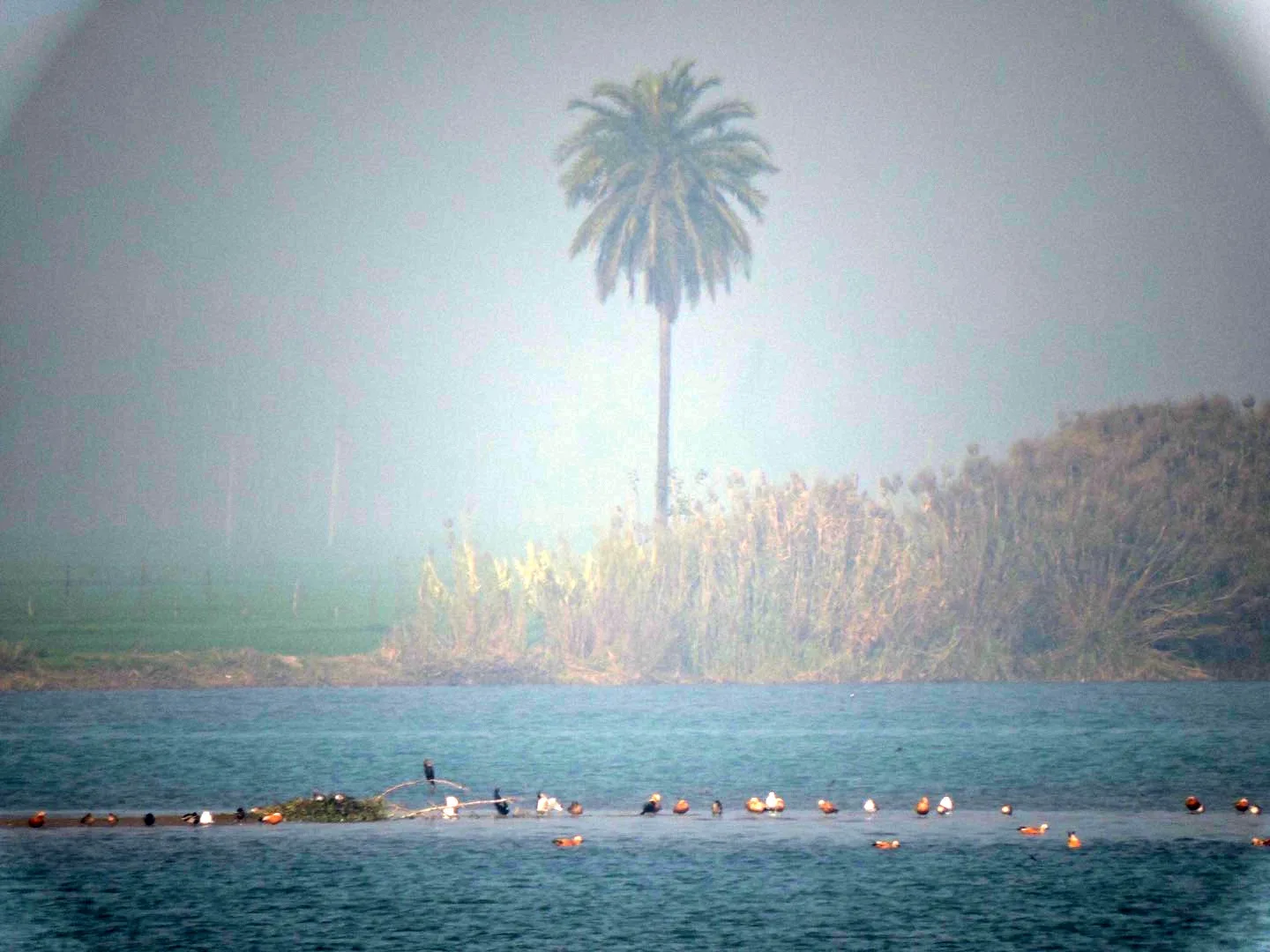
Ropar Wetland, in Punjab’s Rupnagar district, is a freshwater habitat formed by a river and lake. Visitors have come for birdwatching and boating, while its wildlife and Ramsar status are also notable.

Jalandhar

76 km away · Jalandhar district

Jalandhar

Jalandhar is a major city in Punjab and the largest urban centre in Doaba. Visitors encounter it as a regional centre and a well-connected stop on rail and road routes.

Map

Ahmedgarh on the map

  1. 1Ludhiana
  2. 2Phillaur Fort
  3. 3Fatehgarh Sahib
  4. 4Aam Khas Bagh
  5. 5Sanghol
  6. 6Patiala
  7. 7Ropar Wetland
  8. 8Jalandhar

Punjab

Other cities to explore