
Ghumoopedia — Explore, Discover, Experience
Sign in
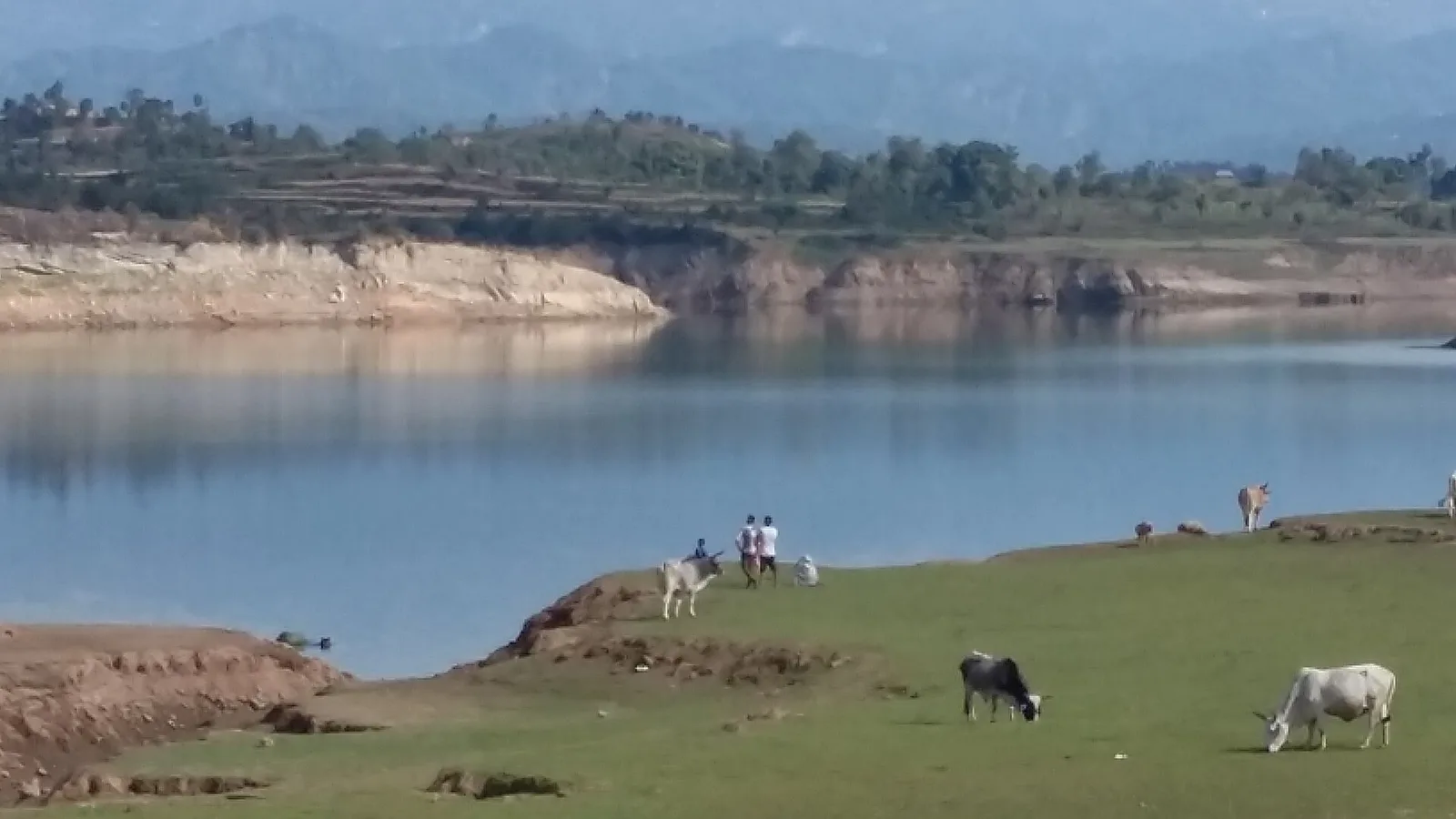
Ranjit Sagar Dam, near Jugial

City guide · Punjab

Jugial

Jugial is a small town in Pathankot district, in northern Punjab. Its importance is chiefly local: it is part of the district’s network of settlements, while Pathankot city serves as the principal nearby centre for transport, shopping and services.

Famous for

  • Pathankot district setting
  • Quiet small-town character
  • Regional travel connections
In the city
1
District
Pathankot

Why Jugial matters

Jugial is a small town in Pathankot district, in northern Punjab. Its importance is chiefly local: it is part of the district’s network of settlements, while Pathankot city serves as the principal nearby centre for transport, shopping and services. Travellers are more likely to use Jugial as a quiet stop or as a base for visiting the wider district than to come for a widely known landmark within the town itself.

The surrounding region sits near Punjab’s northern edge, where routes connect with Jammu and the hill areas farther north. That location gives visitors access to a varied landscape and several established regional destinations, though journeys require planning from Pathankot or another transport hub. Jugial does not have a widely recognised signature craft, food or festival that sets it apart nationally. Its appeal is therefore modest and practical: a small-town setting, everyday Punjabi life and proximity to the larger services and travel links of Pathankot.

Famous for: crafts, trade & products

There is no well-established basis for presenting Jugial as a centre for a particular textile, saree tradition, handicraft, GI-tagged product or specialist industry. Nor is a signature local food product or major market widely associated with the town. Visitors looking for everyday provisions can ask locally about shops in the town centre; for broader retail choices, Pathankot is the more dependable nearby destination.

Pathankot’s shops and commercial areas are a more practical place to look for clothing, household goods, regional snacks and travel supplies. These should be understood as district-level options, not as products made exclusively in Jugial. Buyers interested in a particular craft or agricultural product should check its origin and availability with sellers rather than assume it is locally produced. Jugial is best described as a residential small town within the district, not as a recognised shopping destination. No specific market, showroom or institution in the town can be confidently singled out as a visitor attraction.

History

Jugial’s separate history as a town is not widely established in commonly known regional accounts. There is no well-documented basis here for assigning it a particular royal founder, ruling dynasty or colonial-era role, so its past is best considered in the wider context of Pathankot district rather than through an invented local origin story.

Pathankot has long occupied a strategic position in the northern borderland, linking Punjab with routes towards Jammu and the Himalayan foothills. The region experienced the changes that shaped modern Punjab, including the Partition-era upheaval and subsequent administrative reorganisation. Pathankot became a separate district in 2011; Jugial is now one of its towns. Its present-day character is primarily that of a local settlement connected to the district’s larger urban centre. As transport, public services and employment have developed around Pathankot, residents have gained access to a broader regional network, while Jugial has retained a quieter small-town profile.

Food, festivals & culture

Daily life in Jugial reflects the wider culture of northern Punjab, though customs and food vary from household to household. Punjabi is the principal regional language, and Hindi is also used in everyday communication. Meals across the area commonly include wheat breads, lentils, seasonal vegetables and dairy; sarson da saag with makki di roti is a familiar winter combination. Lassi, parathas and sweets made with jaggery or flour are also part of the broader Punjabi food tradition, rather than specialties unique to Jugial.

Vaisakhi is celebrated in spring, Lohri in midwinter, and Diwali in autumn; Sikh Gurpurabs are observed according to the lunar calendar. Family gatherings, community meals, devotional singing and Punjabi folk music form part of these occasions. Bhangra and giddha are well-known regional dances, especially at festive gatherings, but performances are not guaranteed at any particular time. The town’s religious life follows the area’s diverse traditions, with residents visiting local places of worship; visitors should ask locally for directions and current community events.

Visiting the city

The cooler months, roughly October to March, are generally the most comfortable time to visit; summer can be hot and the monsoon brings rain. Pathankot Airport and Pathankot Junction railway station are the nearest principal air and rail connections. From either, continue by road to Jugial; local taxis and other road transport can be arranged in Pathankot, while options within Jugial may be limited. Confirm onward transport locally before setting out.

For a brief visit, explore Jugial’s town centre and residential streets at a respectful pace, then use Pathankot for larger shops, services and onward connections. The surrounding district is a starting point for trips towards the northern foothills, but distances and road conditions vary. Jugial is not a major sightseeing hub, so plan it as a quiet stop rather than expecting a concentrated cluster of visitor attractions.

Attractions

Places to visit in Jugial

Sights within about 12 km of each other, even when they fall in different districts.

Map

Jugial on the map

  1. 1Ranjit Sagar Dam

Punjab

Other cities to explore