
Ghumoopedia — Explore, Discover, Experience
Sign in
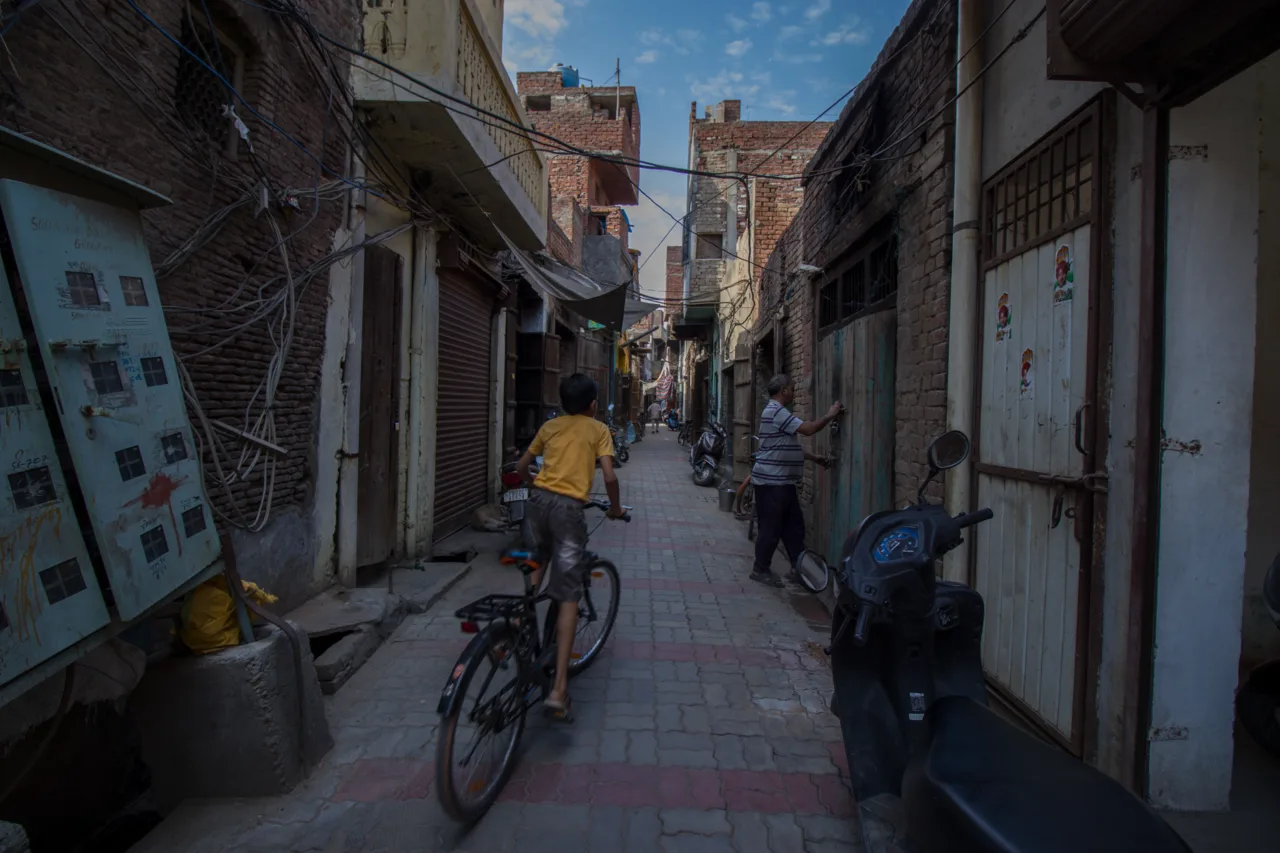
Jandiala Guru (Thathera Village), near Tarn Taran Sahib

City guide · Punjab

Tarn Taran Sahib

Tarn Taran Sahib is a district headquarters in Punjab’s Majha region and an important centre of Sikh religious life. Its best-known landmark, Gurdwara Sri Tarn Taran Sahib, stands near the centre of the city and draws pilgrims who come to pray, take part in langar and spend time beside its sacred sarovar.

Famous for

  • Gurdwara Tarn Taran Sahib
  • Historic Sikh shrines
  • Guru Arjan Dev Ji
  • Majha Sikh heritage
  • The sacred sarovar
In the city
0
Nearby
1
District
Amritsar
Plan a trip

Why Tarn Taran Sahib matters

Tarn Taran Sahib is a district headquarters in Punjab’s Majha region and an important centre of Sikh religious life. Its best-known landmark, Gurdwara Sri Tarn Taran Sahib, stands near the centre of the city and draws pilgrims who come to pray, take part in langar and spend time beside its sacred sarovar. The shrine is closely associated with Guru Arjan Dev Ji, who founded the city in the late sixteenth century.

The city also offers a way to explore the wider heritage of Majha, a region with deep connections to Sikh history. Several historic gurdwaras are found in and around Tarn Taran, making it a destination for religious visits as well as regional travel. Today, the city serves as an administrative and commercial hub for its district, with everyday markets and services supporting nearby communities. Visitors can experience a working Punjabi city alongside its major place of worship: the central shrine, the rhythms of prayer and langar, and the Punjabi-speaking life of the surrounding streets.

Famous for: crafts, trade & products

Tarn Taran Sahib is best known for religious heritage rather than a distinctive textile, handicraft or GI-tagged product. Gurdwara Sri Tarn Taran Sahib is the city’s principal landmark, while other historic shrines—including Gurudwara Guru Ka Khuh and Gurudwara Bibi Bhani Da Khuh—reflect the area’s strong Sikh traditions. Visitors interested in local religious history can explore these sites respectfully, observing the customs at each gurdwara.

The town centre and the bazaars around the main shrine are practical places to browse everyday Punjabi clothing, household goods, groceries and snacks. Shops and sweet sellers cater to residents and pilgrims, while nearby rural areas contribute to the district’s agricultural economy. These are local-market experiences, not a specialised craft or high-end shopping scene. Tarn Taran does not have a widely recognised signature saree, handicraft or product industry to seek out; visitors looking for souvenirs may find devotional items and commonplace Punjabi goods in the central market area. For many travellers, the most meaningful local experience is the gurdwara itself, including the community meal at langar, rather than shopping for a city-specific product.

History

Tarn Taran Sahib traces its beginnings to Guru Arjan Dev Ji, the fifth Sikh Guru, who founded the city in 1596 and established its central shrine. The site became associated with service to people affected by leprosy; a leprosy home was later established by the Church Missionary Society in 1885. The city’s religious landscape includes several historic gurdwaras linked to Sikh tradition.

During the eighteenth century, Tarn Taran was part of the territory of the Bhangi Misl, a Sikh confederacy whose influence in the region lasted into the early nineteenth century. Under British rule, the shrine’s administration and related institutions changed, and Sikh reform efforts later sought greater community control of gurdwaras. Control of the principal sacred shrines passed to the Shiromani Gurdwara Parbandhak Committee in 1921. Partition in 1947 reshaped the region and its communities. In the 1980s and early 1990s, Tarn Taran became associated with the Sikh insurgency. Today it is the administrative headquarters of Tarn Taran district.

Food, festivals & culture

Punjabi is the language of daily life, and Sikh worship is central to the city’s public character. At Gurdwara Sri Tarn Taran Sahib and other shrines, visitors may hear Gurbani recitation and kirtan and encounter the tradition of langar, a shared community meal. Remove shoes, cover your head and follow local guidance when entering a gurdwara. The town’s food reflects the wider Punjabi kitchen: breads, lentils, seasonal vegetables and dairy-based dishes are common, while sweets and savoury snacks can be found in local shops. These are regional favourites rather than foods unique to Tarn Taran.

Vaisakhi, usually celebrated in spring, is an important Sikh festival, while Gurpurabs marking events in the lives of Sikh Gurus bring worshippers together through prayer, kirtan and processions. The dates of Sikh observances follow the religious calendar and may vary from year to year. Punjabi folk traditions, including bhangra and giddha, are part of the wider cultural setting, especially at festive gatherings. The city’s gurdwaras remain its most distinctive cultural places, welcoming worshippers and visitors throughout the year.

Visiting the city

October to March is generally the most comfortable season for exploring Tarn Taran Sahib, with cooler weather than the hot summer months. The nearest airport is Sri Guru Ram Dass Jee International Airport in Amritsar. Tarn Taran railway station serves the city; road connections link it with Amritsar and other places in the region. Local travel is possible by auto-rickshaw, taxi and other shared or private vehicles, with short central journeys often manageable on foot.

Begin around Gurdwara Sri Tarn Taran Sahib and its sarovar, then explore the central bazaar and nearby historic gurdwaras such as Gurudwara Guru Ka Khuh. The town centre is the most convenient area for food, everyday shopping and local transport. Keep time for visits beyond the main shrine, and dress modestly and follow each gurdwara’s customs. During major religious observances, the area around the shrines can be especially busy.

Short trips

Around Tarn Taran Sahib

Within about 40 km — easy half-day or day trips from the city.

Map

Tarn Taran Sahib on the map

  1. 1Jandiala Guru (Thathera Village)

Punjab

Other cities to explore