
Ghumoopedia — Explore, Discover, Experience
Sign in
Hussainiwala, near Firozpur

City guide · Punjab

Firozpur

Firozpur, also spelled Ferozepur, is a historic city on the Sutlej in southwestern Punjab. Its position close to the India–Pakistan border has shaped its strategic importance, while the nearby Firozpur Cantonment remains a major military centre.

Famous for

  • Hussainiwala memorial
  • Bhagat Singh memorial
  • Saragarhi Memorial Gurdwara
  • Sutlej River
  • Firozpur Cantonment
In the city
1
District
Firozpur

Why Firozpur matters

Firozpur, also spelled Ferozepur, is a historic city on the Sutlej in southwestern Punjab. Its position close to the India–Pakistan border has shaped its strategic importance, while the nearby Firozpur Cantonment remains a major military centre. The city is especially known for memorials honouring soldiers and freedom fighters, making it a significant destination for visitors interested in India's military and independence history.

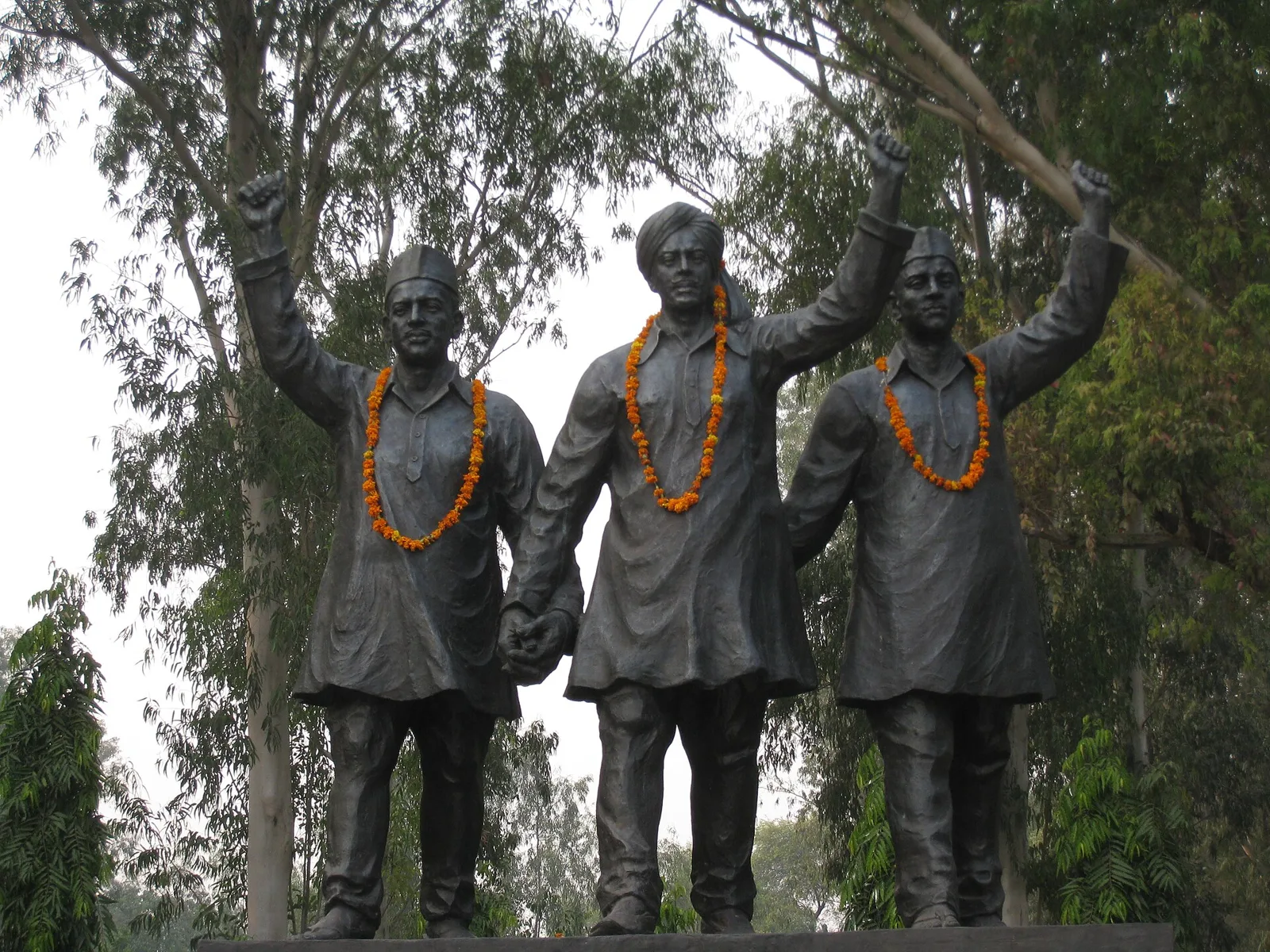
At Hussainiwala, across the river from the city, a memorial marks the cremation site of Bhagat Singh, Rajguru and Sukhdev; the site also commemorates other sacrifices. In the city, the Saragarhi Memorial Gurdwara remembers the Sikh soldiers who died defending Saragarhi. The Sutlej setting, historic fort and old bazaars add further interest. Firozpur serves as a regional centre for surrounding towns and villages, with rail and road links connecting it to other parts of Punjab. Visitors typically come for its heritage sites and borderland history rather than for a single signature craft or resort experience. Access to military areas and individual memorials may be subject to local arrangements.

Famous for: crafts, trade & products

Firozpur is better known for its military heritage, markets and regional role than for a distinctive textile, handicraft or GI-tagged product. No particular GI-tagged product is closely identified with the city. Its historic Moti Bazar and Hira Mandi were associated with pearl and diamond trading; these names recall an earlier commercial history and should not be taken as a guarantee that specialist gem markets operate there today. The old-city bazaars remain the most natural places to browse for everyday goods, clothing and provisions, alongside the bustle of local Punjabi commerce.

The city’s enduring institutions are also part of what it is known for. Firozpur Cantonment is a major military establishment, while the Saragarhi Memorial Gurdwara and the Hussainiwala memorial complex draw visitors interested in service and sacrifice. The Firozpur Fort, a historic military structure within the cantonment, reopened to the public in 2025; access arrangements can change, so visitors should check locally before making a visit. For shopping, explore the central bazaar streets for practical purchases and local retail, rather than expecting a dedicated craft district or a famous city-specific souvenir.

History

Firozpur’s origins are traditionally linked either to Sultan Firoz Shah Tughlaq, who ruled in the 14th century, or to Feroze Khan, a regional chief. A fort is also attributed to the Tughlaq period. Sikh influence strengthened in the 18th century, when chiefs of the Bhangi misl took control of the town and surrounding territory. After disputes over succession, the territory came under British control in 1835.

Its position near the Sutlej made Firozpur an important British frontier post. The area saw action during the First Anglo-Sikh War in 1845, and the cantonment became a prominent military centre. The Saragarhi Memorial Gurdwara, opened in 1904, commemorates 21 soldiers who died in 1897. In 1931, Bhagat Singh, Rajguru and Sukhdev were cremated at Hussainiwala. Partition in 1947 turned Firozpur into a border city; Hussainiwala returned to India in 1961. Memorials built after independence strengthened its association with military service and the freedom struggle.

Food, festivals & culture

Punjabi is the main language of everyday life, and Hindi is also widely understood. The food culture follows the hearty Punjabi table: visitors will commonly find dishes such as makki di roti with sarson da saag in winter, along with parathas, chole, dal, lassi and familiar milk-based sweets. These are regional favourites rather than foods unique to Firozpur. Local eateries and market areas are good places to sample everyday Punjabi meals.

The calendar reflects the wider customs of Punjab. Lohri is celebrated in midwinter, while Vaisakhi in spring is marked with particular importance in Sikh tradition; Gurpurabs and Diwali are also widely observed. Bhangra and giddha are familiar forms of Punjabi music and dance, heard especially at seasonal and family celebrations. Sikh worship is represented by the Saragarhi Memorial Gurdwara, while Hindu, Muslim and other communities contribute to the city’s religious life. Hussainiwala is chiefly a memorial destination, where visitors come to pay respects at the national remembrance site rather than for a festival setting.

Visiting the city

Autumn through early spring is generally the most comfortable period to explore Firozpur; summers can be very hot, and the monsoon brings rain. The nearest major airport is Sri Guru Ram Dass Jee International Airport in Amritsar. Firozpur City railway station is the main station serving the city, with road connections to other towns in Punjab.

Auto-rickshaws, taxis and local buses are useful for getting around; arrange transport in advance for sites outside the centre. Explore the old-city bazaars for everyday street life, and visit the Saragarhi Memorial Gurdwara and the cantonment-area fort subject to access rules. Hussainiwala, beside the Sutlej, is a separate excursion from the city centre and is best planned with time for the memorial complex. Check current local guidance before visiting border or military areas.

Attractions

Places to visit in Firozpur

Sights within about 12 km of each other, even when they fall in different districts.

Map

Firozpur on the map

  1. 1Hussainiwala

Punjab

Other cities to explore