
Ghumoopedia — Explore, Discover, Experience
Sign in
Kapurthala, near Kapurthala

City guide · Punjab

Kapurthala

Kapurthala is a Punjab city and former princely-state capital, noted for French and Indo-Saracenic architecture. Visitors come to see its palaces, gardens and historic character.

Famous for

  • Jagatjit Palace
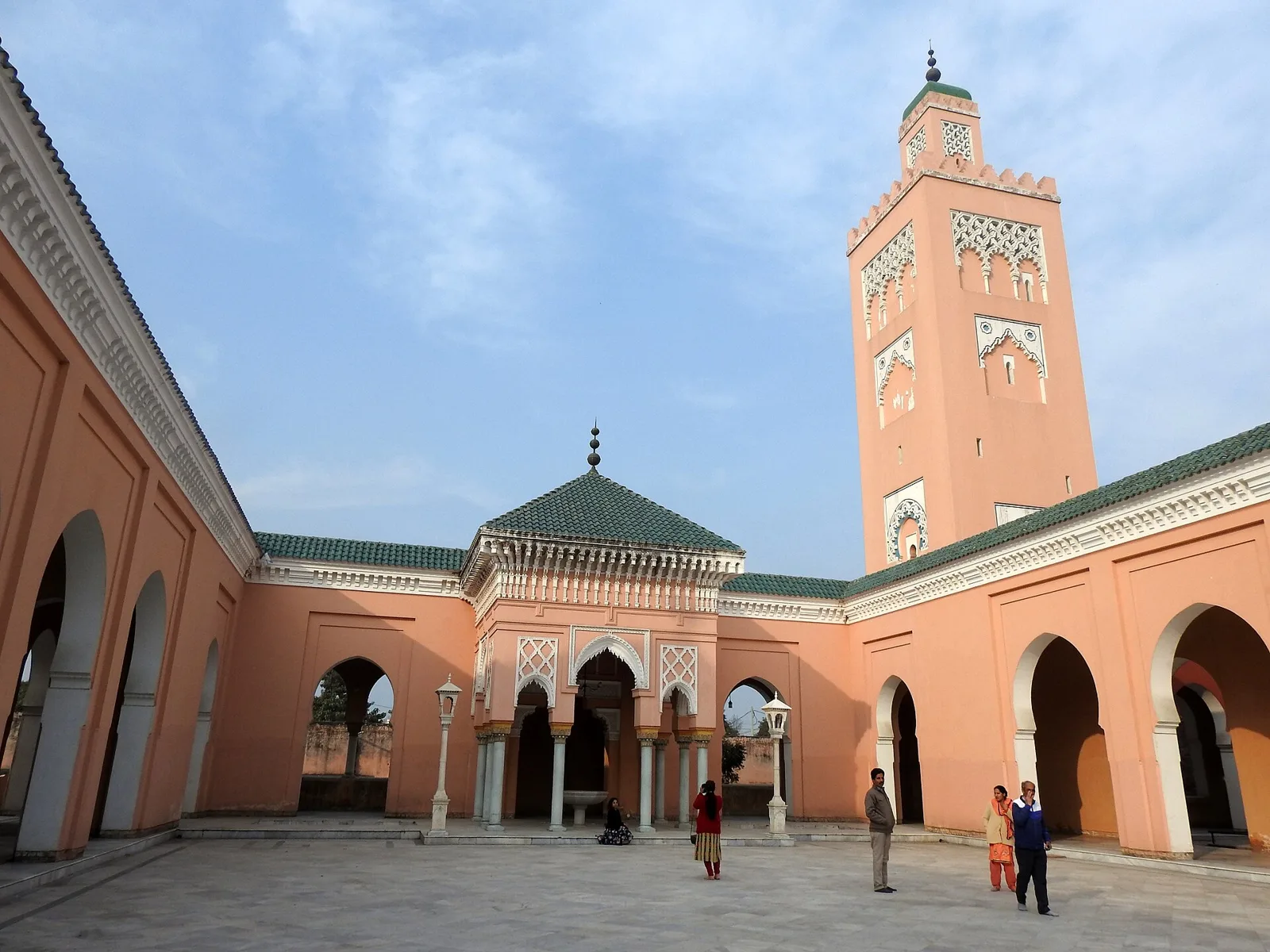
  • Moorish Mosque
  • Shalimar Gardens
  • Indo-Saracenic architecture
  • Kanjli Wetland nearby
In the city
3
District
Kapurthala

Why Kapurthala matters

Kapurthala is a district headquarters in Punjab, next to Jalandhar and within its wider metropolitan region. Its importance today comes from this administrative role and its position in a well-connected part of the Doaba region. For visitors, the city’s strongest draw is its princely-era architecture: palaces, gardens and public buildings that bring French and Indo-Saracenic influences into a distinctly Punjabi setting. The blend has earned Kapurthala the familiar nickname “Paris of Punjab,” while “City of Palaces and Gardens” points to its most visible landmarks.

The former capital of the Kapurthala princely state, the city offers a quieter complement to nearby Jalandhar. Jagatjit Palace, the Moorish Mosque and Shalimar Gardens are among the places that reflect its royal past. The surrounding area also has rural scenery and Kanjli Wetland, a nearby Ramsar site popular with nature-watchers. Kapurthala is not chiefly a shopping destination, but its markets and food stalls give a useful glimpse of everyday life in Punjab.
Famous for: crafts, trade & products

Kapurthala is best known for its architectural heritage rather than a signature textile, handicraft or GI-tagged product. The former royal capital’s palaces, gardens and monumental buildings are its most distinctive legacy, especially Jagatjit Palace and the Moorish Mosque. The palace now houses Sainik School Kapurthala, so access to its grounds and interiors may be limited; visitors should check locally before planning a visit.

For everyday shopping, browse the central bazaar and the town’s market streets for clothing, household goods, Punjabi food items and seasonal produce. These are local retail markets, not specialist craft districts, and the city is not widely associated with a single named weaving or artisanal tradition. Nearby Jalandhar offers a broader range of shopping and commercial services. Kapurthala’s most rewarding “finds” are therefore often architectural: the experience of seeing its historic buildings and garden spaces, rather than buying a particular local product. Kanjli Wetland, outside the centre, is a nearby attraction for birdlife and nature walks.

History

Kapurthala’s origins are described through more than one historical tradition. One account credits Rana Kapur, associated with a Bhatti Rajput lineage from Jaisalmer, with establishing a settlement here in the early eleventh century. The city’s later rise is closely linked to the Ahluwalia Sikh rulers. In 1743, Jassa Singh Ahluwalia took the settlement and named it for his predecessor, Kapur Singh; it became part of the Kapurthala State, whose rulers made the city their capital.

Under British rule, Kapurthala remained a princely state rather than a directly administered district town. Its rulers developed palaces, gardens and civic buildings, giving the city its distinctive architectural character. Jagatjit Singh is particularly associated with this period of building and modernization. After India’s independence, the princely state was integrated into the Union of India, and Kapurthala became the headquarters of the district bearing its name. Its proximity to Jalandhar has since tied it closely to the region’s transport, education and economic networks.

Food, festivals & culture

Punjabi is the main language of daily life, alongside Hindi and English in many public and educational settings. Food follows familiar Punjabi tastes: makki di roti with sarson da saag in the cooler months, parathas, chole, lentils and tandoori dishes. Lassi and seasonal sweets are common, though Kapurthala is not especially known for a signature sweet. Local eateries and bazaar stalls are good places to sample everyday Punjabi cooking.

The calendar is shaped by Sikh, Hindu and national observances. Lohri is celebrated in midwinter, Baisakhi in spring, and Gurpurabs and Diwali bring religious gatherings and family celebrations at varying points in the year. Bhangra and giddha, performed to Punjabi folk music, are part of the wider regional culture and feature at festive events. Places of worship include Sikh gurdwaras and Hindu temples; the city’s Moorish Mosque is also a notable landmark, valued for its architecture as well as its religious history. Visitors should dress respectfully and follow local customs at worship sites.

Visiting the city

October to March is generally the most comfortable season for exploring Kapurthala, with cooler weather for walking between landmarks. Summers can be very hot, while the monsoon brings rain and humid conditions. The nearest airport is Adampur Airport near Jalandhar, though services can be limited; Sri Guru Ram Dass Jee International Airport in Amritsar is another option for a wider choice of flights. Kapurthala railway station serves the city, while Jalandhar is a larger rail hub nearby.

Auto-rickshaws and taxis are practical for getting around; some central sights can be explored on foot. Begin around Jagatjit Palace and Shalimar Gardens, then visit the Moorish Mosque and the central bazaar. Kanjli Wetland is outside the city centre and is best reached by road. Check access arrangements for heritage buildings before travelling.

Attractions

Places to visit in Kapurthala

Sights within about 12 km of each other, even when they fall in different districts.

Map

Kapurthala on the map

  1. 1Kapurthala
  2. 2Jagatjit Palace
  3. 3Kanjli Wetland

Punjab

Other cities to explore