Ghumoopedia — Explore, Discover, Experience
Sign in
Bathinda, near Bhadaur

City guide · Punjab

Bhadaur

Bhadaur is a historic town in Barnala district, about 25 kilometres northwest of Barnala. It serves as a local centre for nearby villages and is part of the Bhadaur Assembly Constituency.

Famous for

  • Bhadaur Fort
  • Phulkian heritage
  • Sheetla Mata Temple
  • Pathran Wali Shiva Temple
  • Bhadauri small bricks

Why Bhadaur matters

Bhadaur is a historic town in Barnala district, about 25 kilometres northwest of Barnala. It serves as a local centre for nearby villages and is part of the Bhadaur Assembly Constituency. Its importance rests especially on its connection with the Phulkian dynasty: the family’s early seat here links Bhadaur to the later rise of the Patiala state. Descendants of the Bhadaur house are still associated with the town and its surrounding countryside.

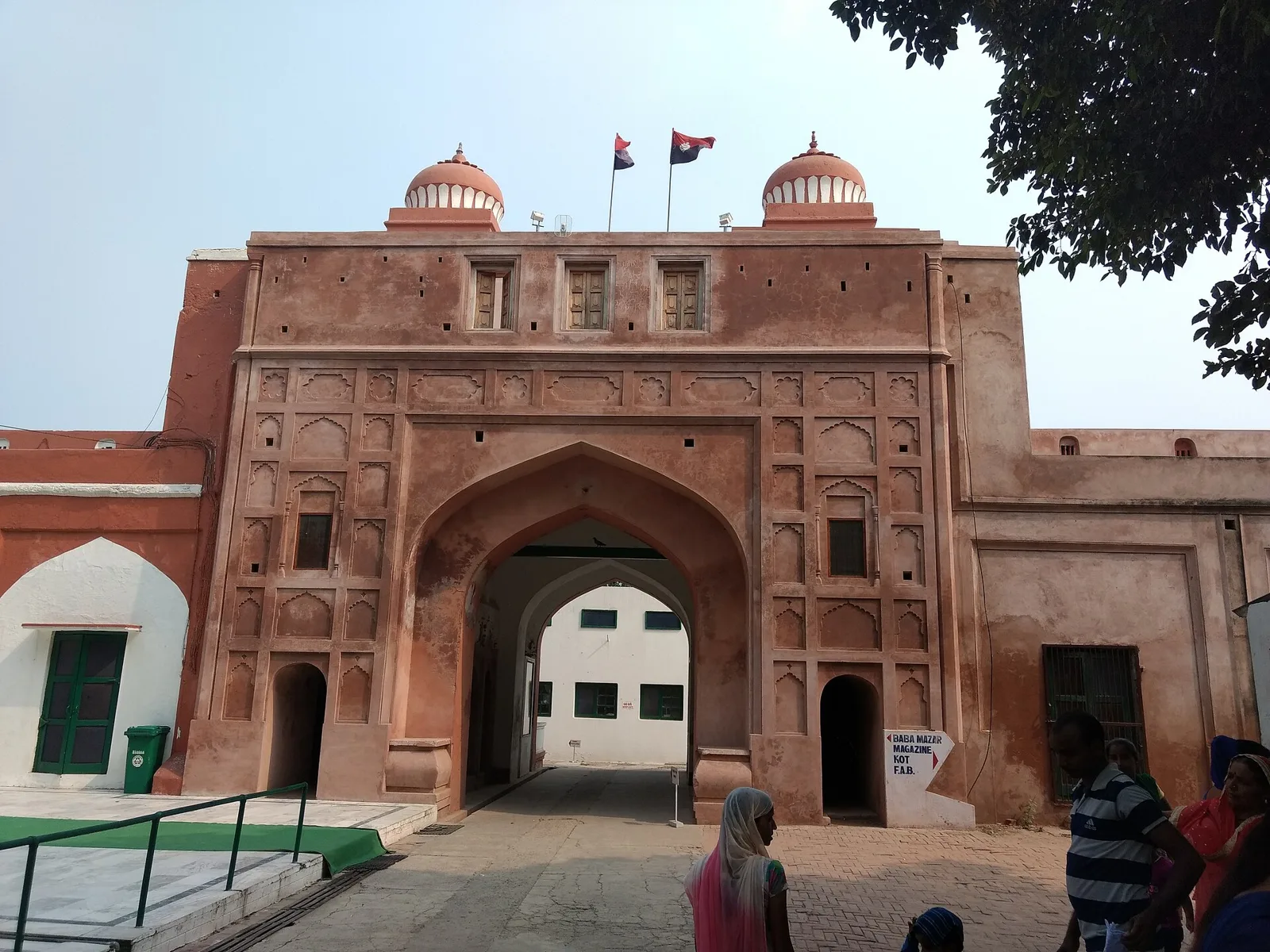
Visitors come for the old fort at the town’s centre, its temples and the stories attached to the Phulkian rulers. Bhadaur Fort is a distinctive landmark, built with small local bricks and still privately owned. Religious sites include Sheetla Mata Temple and Pathran Wali, a Shiva temple noted for its tradition of worshipping eleven forms of Rudra. Bhadaur is not a large sightseeing destination with a developed visitor circuit; its appeal is historical and local. A visit offers a glimpse of Punjab’s princely past alongside the everyday rhythms of a small district town.
Famous for: crafts, trade & products

Bhadaur is better known for its heritage than for a signature textile, handicraft or manufactured product. It has no widely established GI-tagged product or nationally recognised craft identity. The town’s most distinctive material association is Bhadauri itt, the small bricks used in the construction of Bhadaur Fort. These are best understood as part of the building’s architectural character, rather than as a regularly marketed souvenir or craft.

Local shops serve residents and people from surrounding villages, with everyday goods and food items rather than a dedicated tourist bazaar. Visitors looking for a particular Punjabi textile, handicraft or regional product may find a broader selection in Barnala or other larger centres, but should check locally for current availability. Bhadaur’s historic buildings, religious sites and family heritage are its principal points of interest; there is no specific market street or shopping district that can be recommended as a specialist destination. For a meaningful visit, explore the town’s central heritage area and ask locally about access to privately owned sites. Respect local customs and seek permission before entering religious premises or photographing people and property.

History

Bhadaur’s history is closely tied to the Phulkian house, a Sidhu Jat family descended from Chaudhary Phool. Rama Singh, Phool’s son, established the Bhadaur branch for his sons Dunna Singh and Ala Singh. The brothers lived together at Bhadaur before Ala Singh moved to Barnala and later founded Patiala, becoming its first ruler. Bhadaur remained the seat of Dunna Singh’s descendants and was described as an independent princely state before British authority subordinated it to Patiala in 1857.

The town’s fort, traditionally dated to around 1693 and attributed to Rama Singh, is a reminder of that period. Accounts associated with the fort connect it with political discussions, conflict and refuge during upheavals, including the revolt of 1857 and the violence of Partition in 1947. Bhadaur’s older identity as a princely centre has since given way to its role as a town in Barnala district, while its historic house and religious landmarks remain central to local memory.

Food, festivals & culture

Punjabi is the principal language of everyday life in Bhadaur; Hindi is also understood by many people. Home cooking reflects the wider Punjabi tradition, with wheat breads, lentils, seasonal vegetables, dairy foods and pickles. Tea and familiar sweets such as jalebi or ladoo may be found in local shops, though Bhadaur is not especially known for a distinctive city-specific dish. Food availability varies, so visitors seeking a meal can ask locally for current options.

Vaisakhi in spring, Lohri in winter, Diwali in autumn and Sikh Gurpurabs are observed in the region, with dates for some festivals changing each year. Punjabi devotional singing and folk music are part of religious and community gatherings; bhangra and giddha may feature during festive occasions. Places of worship include Sheetla Mata Temple and Pathran Wali, the Shiva temple associated with eleven forms of Rudra. Visitors should dress respectfully, follow customary practices and check locally before assuming a site is open to the public.

Visiting the city

Winter and the milder months around spring and autumn are generally the most comfortable times to explore Bhadaur; summers can be very hot, and monsoon weather may affect road journeys. Bathinda Airport is a nearby airport option, while Chandigarh International Airport may offer a wider choice of flights. Barnala railway station is the main nearby rail connection; confirm onward road transport before travelling.

Bhadaur is reached by road from Barnala and nearby towns. Local travel is typically by auto-rickshaw or other road transport, which can be arranged on arrival. Begin around the town centre to see Bhadaur Fort from the outside, then visit the area’s temples if they are accessible. The older residential lanes and approaches to nearby villages offer a sense of the local setting, but private property should not be entered without permission. Allow time for a relaxed visit rather than expecting a formal tourist circuit.

Trips from the city

Nearest places to visit from Bhadaur

Our closest destination guides, by straight-line distance.

Bathinda

46 km away · Bathinda district

Bathinda

Bathinda is a city in Punjab’s Malwa region and the administrative centre of its district. Visitors can explore the historic Qila Mubarak fort, and the city also has a zoo and major educational institutions.

Qila Mubarak

48 km away · Bathinda district

Qila Mubarak

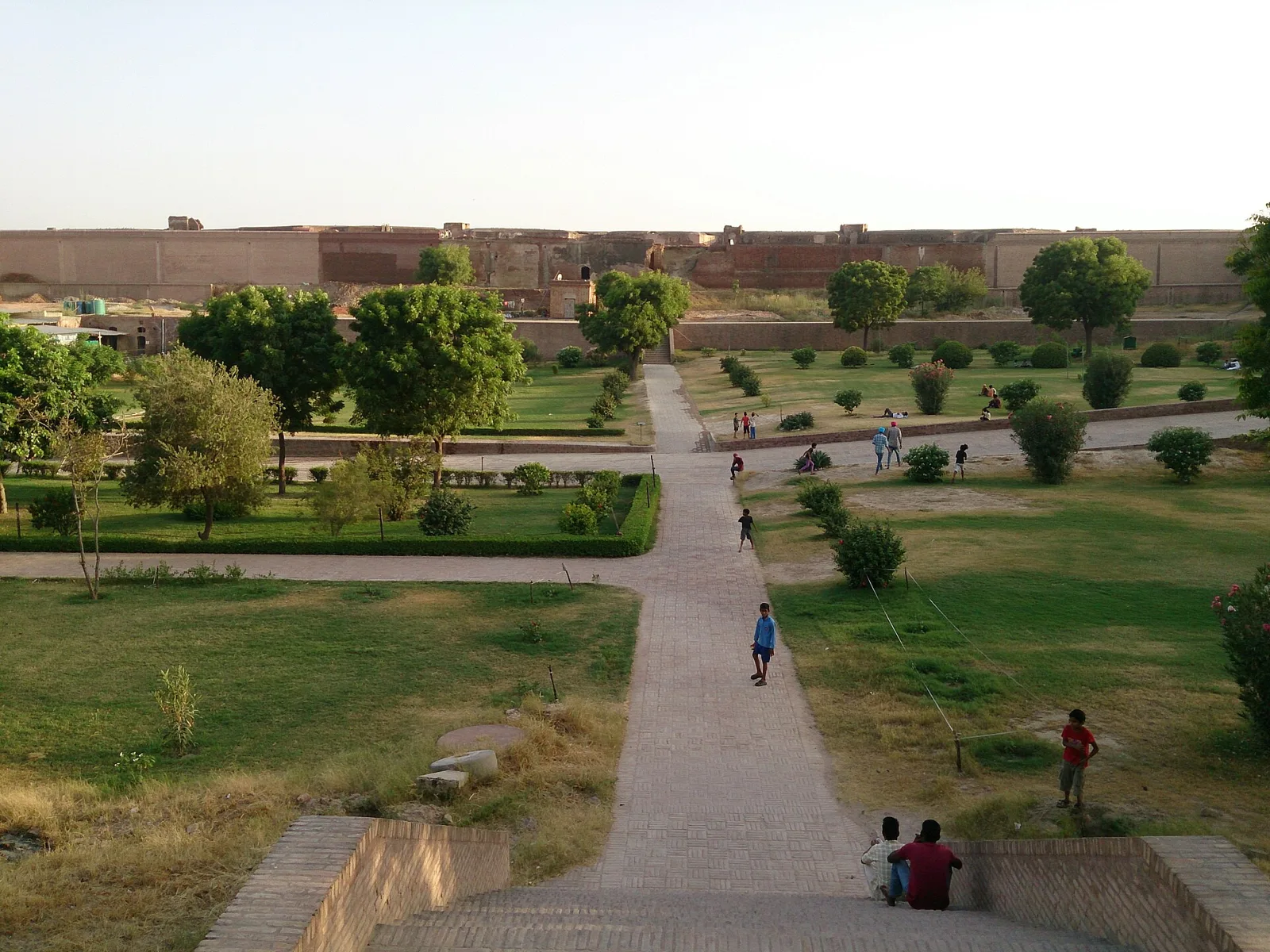
Qila Mubarak is a historic fortress in Bathinda, known for its long past and its association with Razia Sultan. Visitors can see its lawns and gurdwaras, while much of the fort is closed to the public.

Takht Sri Damdama Sahib

60 km away · Bathinda district

Takht Sri Damdama Sahib

Takht Sri Damdama Sahib is a Sikh centre of temporal authority in Talwandi Sabo, visited for its connection with Guru Gobind Singh’s preparation of Sri Guru Granth Sahib.

Ludhiana

69 km away · Ludhiana district

Ludhiana

Ludhiana is Punjab’s most populous city and a major manufacturing and trading centre in northern India; visitors come for its industrial and commercial activity.

Phillaur Fort

74 km away · Ludhiana district

Phillaur Fort

Known also as Maharaja Ranjit Singh Fort, Phillaur Fort is a fort in Punjab that visitors can see on the Grand Trunk Road at Phillaur.

Sri Muktsar Sahib

78 km away · Sri Muktsar Sahib district

Sri Muktsar Sahib

Sri Muktsar Sahib, a city in Punjab, draws interest for its Sikh history and connection to the 1705 Battle of Muktsar; it also serves as a district centre.

Harike Wetland

82 km away · Tarn Taran district

Harike Wetland

Harike Wetland is a Ramsar-listed lake and marsh complex in Punjab, created near the Beas–Sutlej confluence. Visitors come to see its diverse wetland habitat and migratory waterbirds, including threatened species.

Sultanpur Lodhi

83 km away · Kapurthala district

Sultanpur Lodhi

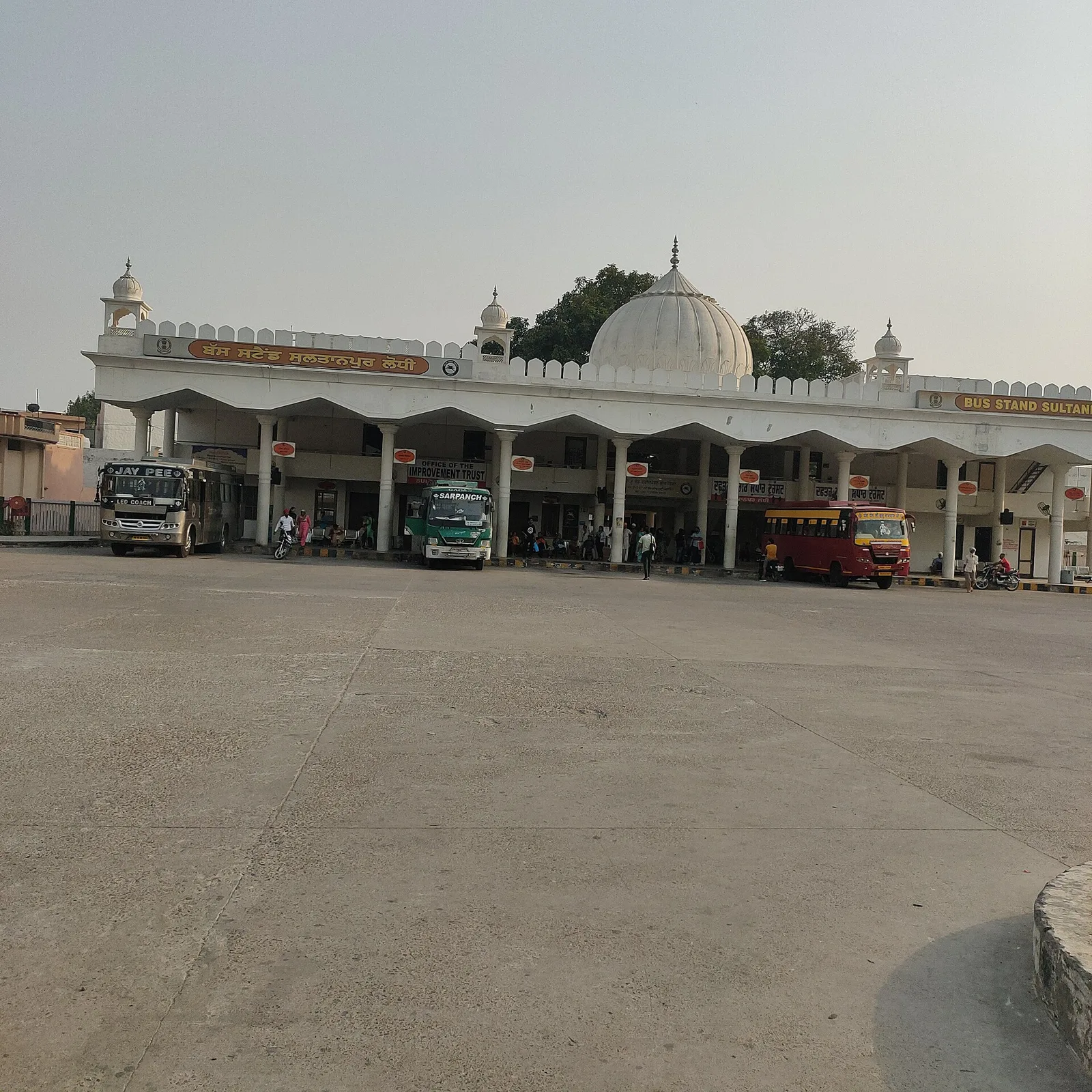
Sultanpur Lodhi is a town in Punjab’s Kapurthala district, with historical links to Bahlul Khan Lodi and a mention in the Ain-e-Akbari that give visitors reasons to explore its past.

Map

Bhadaur on the map

  1. 1Bathinda
  2. 2Qila Mubarak
  3. 3Takht Sri Damdama Sahib
  4. 4Ludhiana
  5. 5Phillaur Fort
  6. 6Sri Muktsar Sahib
  7. 7Harike Wetland
  8. 8Sultanpur Lodhi

Punjab

Other cities to explore