Ghumoopedia — Explore, Discover, Experience
Sign in
Fateh Burj, near Banaur

City guide · Punjab

Banaur

Banur, also spelled Banaur, is a municipal town in Patiala district, Punjab. Its importance today comes less from a single landmark or signature product than from its role as a local service and trading centre for nearby villages.

Famous for

  • Patiala-district market town
  • Punjabi rural-urban character
  • Local agricultural trade
  • Access to the Chandigarh region

Why Banaur matters

Banur, also spelled Banaur, is a municipal town in Patiala district, Punjab. Its importance today comes less from a single landmark or signature product than from its role as a local service and trading centre for nearby villages. Shops, everyday services and road connections link the town with the surrounding agricultural area and the wider Chandigarh region.

Visitors are more likely to come for local errands, family visits or a glimpse of everyday Punjabi town life than for a major tourist attraction. Banur offers a quieter contrast to the larger urban centres nearby: its market streets, neighbourhood places of worship and roadside food stops give a sense of local routines and hospitality. The town is not widely identified with a particular craft, textile or GI-tagged product, so it is best approached as a regional town rather than a specialist shopping destination. Its location makes it a practical stop for travellers moving between settlements in Patiala district and the Chandigarh area.
Famous for: crafts, trade & products

Banur is not especially known for a signature textile, handicraft or GI-tagged product. Its commercial character is chiefly local: the town’s shops and market areas serve residents and people from nearby villages with groceries, clothing, household goods, farm supplies and everyday services. Visitors looking for a sense of the town can browse the central bazaar and nearby streets, where small retailers and food businesses cater to daily needs rather than tourist shopping.

The surrounding Punjab countryside supports an agricultural economy, and local trade reflects that connection. Seasonal produce and common farm commodities may be available through ordinary shops and traders, though availability varies and Banur is not a specialist wholesale destination. There is no clearly established craft district or dedicated market for regional souvenirs. For Punjabi food, look for local eateries and sweet shops serving familiar dishes and snacks; these are better guides to local tastes than a branded product. Travellers seeking major shopping centres, branded retail or a wider selection of crafts can find more choice in larger nearby urban centres.

History

Banur’s history is best understood in the context of the settlements and changing administrations of eastern Punjab. The wider region experienced periods of Mughal authority, Sikh rule and British colonial influence, but a well-established, detailed chronology for Banur itself is not readily distinguished from that broader regional history. It is therefore best not to attribute a particular ruler, battle or monument to the town without stronger local evidence.

Over time, Banur developed as a market and service centre for the surrounding countryside. Its position among villages and along routes connecting settlements helped sustain everyday trade and movement. The upheaval and resettlement that followed the 1947 Partition reshaped communities across Punjab, though town-specific details should be treated cautiously. In modern India, Banur has continued to serve its local hinterland and is administered as a municipal council in Patiala district. Road links and the growth of the wider Chandigarh region have strengthened its connections with nearby towns, while its scale and character remain distinctly local.

Food, festivals & culture

Banur shares the food traditions of the wider Punjabi region. Local meals and roadside eateries may serve dishes such as sarson da saag with makki di roti, chole, parathas and lassi; sweet shops commonly offer familiar Punjabi sweets and snacks. These are regional favourites rather than dishes unique to Banur. Punjabi is the principal language of everyday life, while Hindi is also understood and English may be used in formal or educational settings.

The annual calendar follows Punjab’s seasonal and religious rhythms. Lohri is celebrated in midwinter, Vaisakhi in spring, and Diwali in autumn; Sikh Gurpurabs are observed according to the religious calendar, so their dates vary. Bhangra, gidda and dhol music are part of the broader Punjabi cultural tradition, particularly at weddings and community celebrations. Gurdwaras and Hindu temples serve as important places for worship and gathering. Visitors should be respectful when entering religious spaces and follow local customs, including covering their heads where requested.

Visiting the city

The cooler months, roughly October to March, are generally the most comfortable time to visit. Summers can be very hot, while monsoon conditions may bring rain and humid weather. Banur is accessible by road from the Chandigarh region and other towns in Patiala district; buses, local vehicles and taxis can be used for onward travel. For exploring the town, the central bazaar and surrounding neighbourhood streets offer a look at everyday local life, while the outskirts open onto the agricultural landscape.

The nearest major airport is Shaheed Bhagat Singh International Airport, serving Chandigarh and located in Mohali. Rajpura Junction is a useful nearby main railway station; Chandigarh Junction is another option depending on the route. From either transport hub, arrange a road connection to Banur. Local transport availability can vary, so confirm onward travel before setting out.

Trips from the city

Nearest places to visit from Banaur

Our closest destination guides, by straight-line distance.

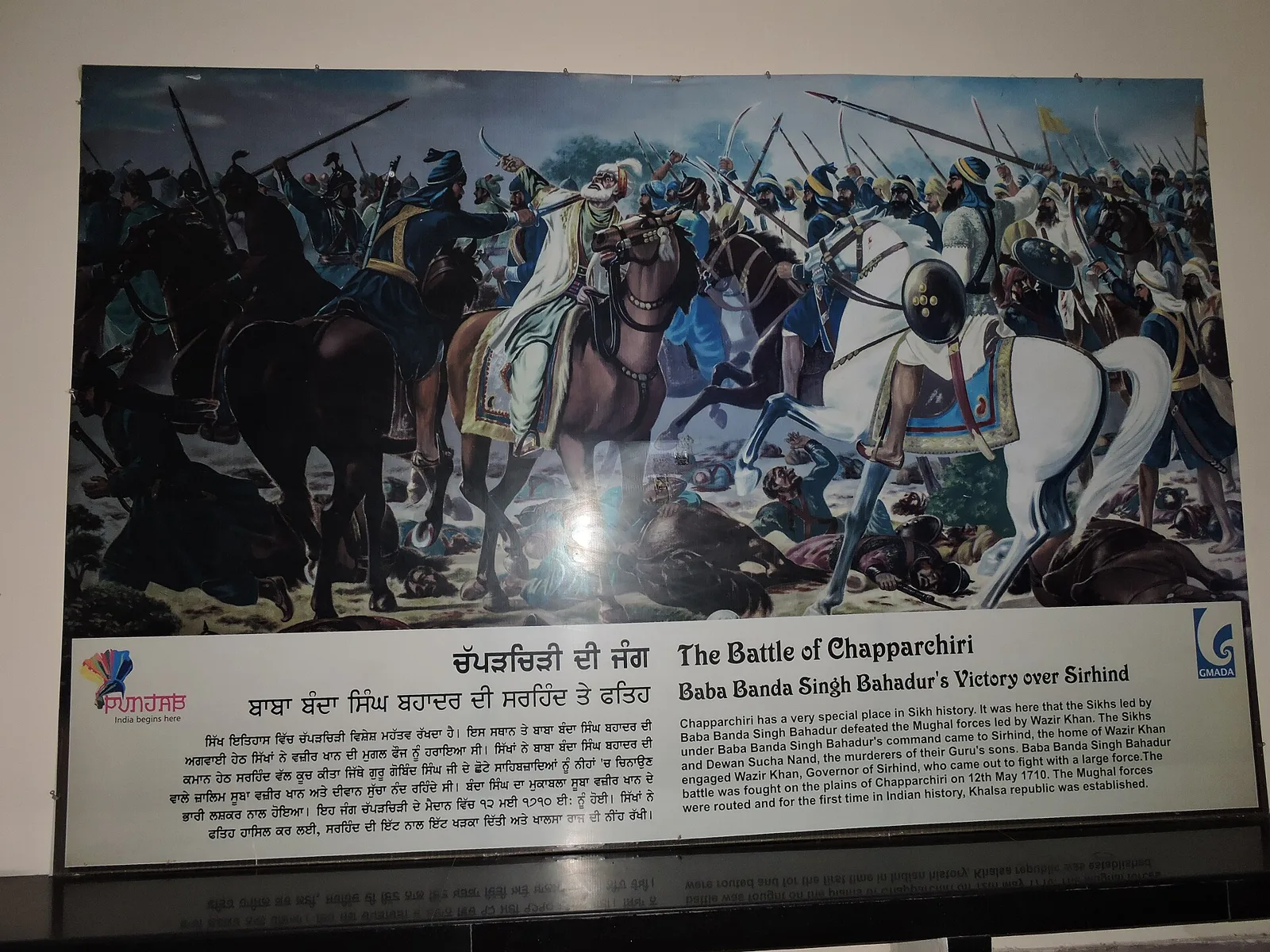
Fateh Burj

17 km away · Mohali district

Fateh Burj

Fateh Burj is a 100-metre victory monument at Chappar Chiri in Punjab’s Mohali district. People visit to see a tower commemorating the Sikh Misls and Banda Singh Bahadur’s decisive battle.

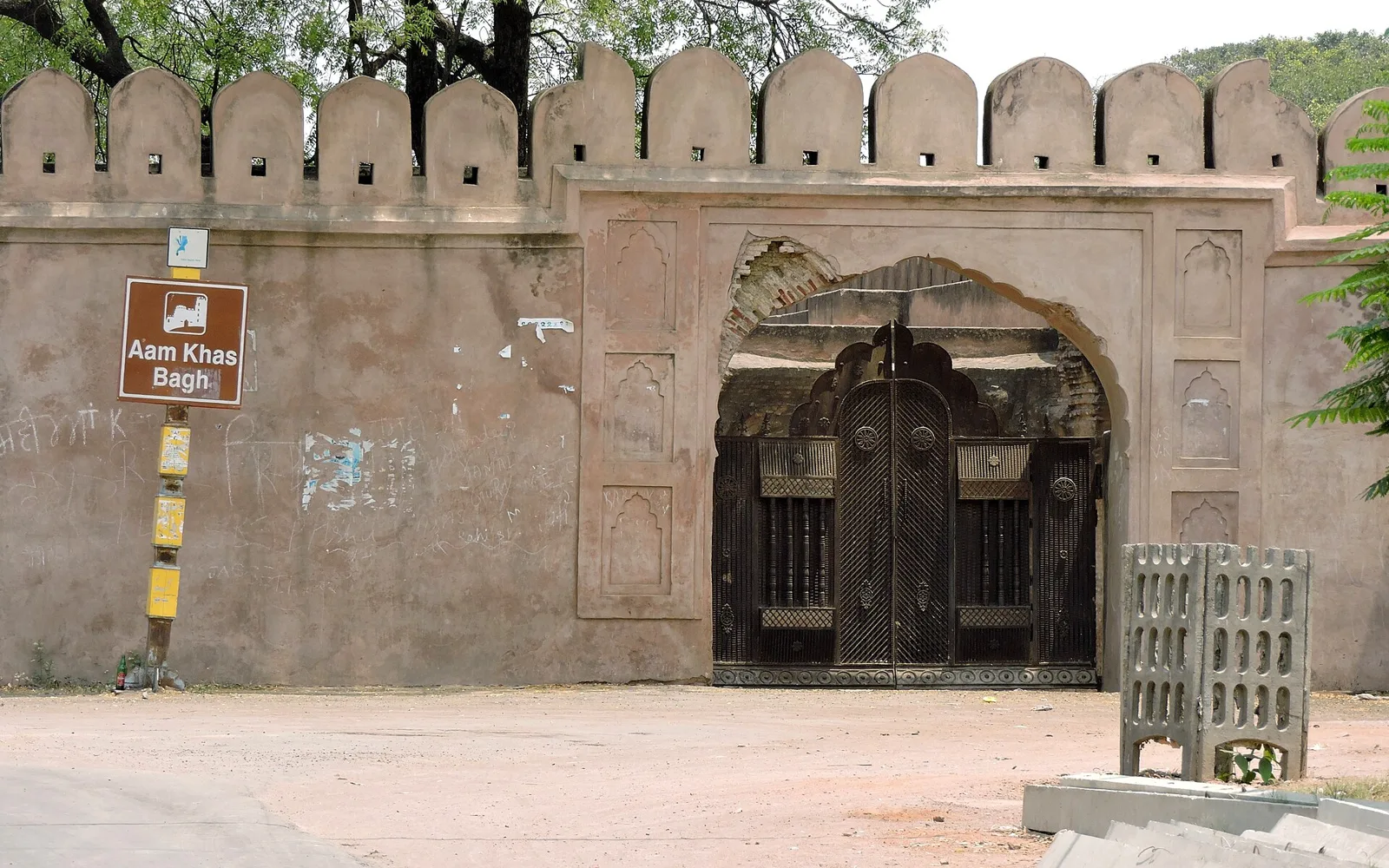
Aam Khas Bagh

32 km away · Fatehgarh Sahib district

Aam Khas Bagh

Aam Khas Bagh is a surviving Mughal-era roadside inn complex in Punjab’s Fatehgarh Sahib district, visited for its history as accommodation on the Delhi–Lahore route.

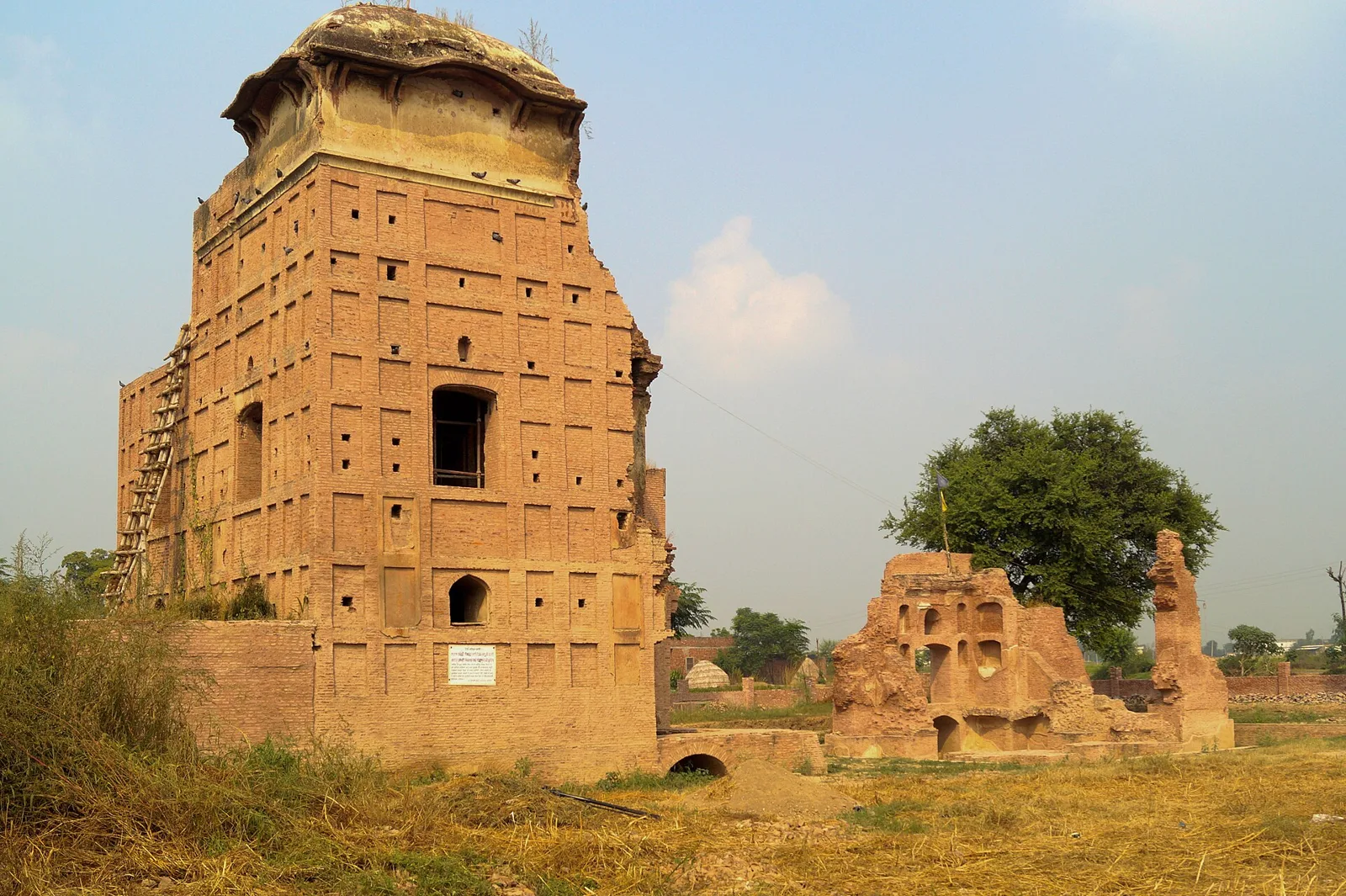
Fatehgarh Sahib

33 km away · Fatehgarh Sahib district

Fatehgarh Sahib

Fatehgarh Sahib is a city in Punjab and a Sikh pilgrimage centre, visited for its historic gurdwaras and its connection with the martyrdom of Guru Gobind Singh’s young sons.

Patiala

39 km away · Patiala district

Patiala

Patiala is a city in southeastern Punjab and the administrative centre of its district. People visit for its royal history, Qila Mubarak and distinctive clothing, footwear and cultural traditions.

Sanghol

41 km away · Fatehgarh Sahib district

Sanghol

Sanghol, also called Uchha Pind Sanghol, is a village in Punjab’s Fatehgarh Sahib district with roots in the Harappan civilisation. Visitors come to see its excavated Buddhist and Kushan remains and the museum collections.

Ropar Wetland

56 km away · Rupnagar district

Ropar Wetland

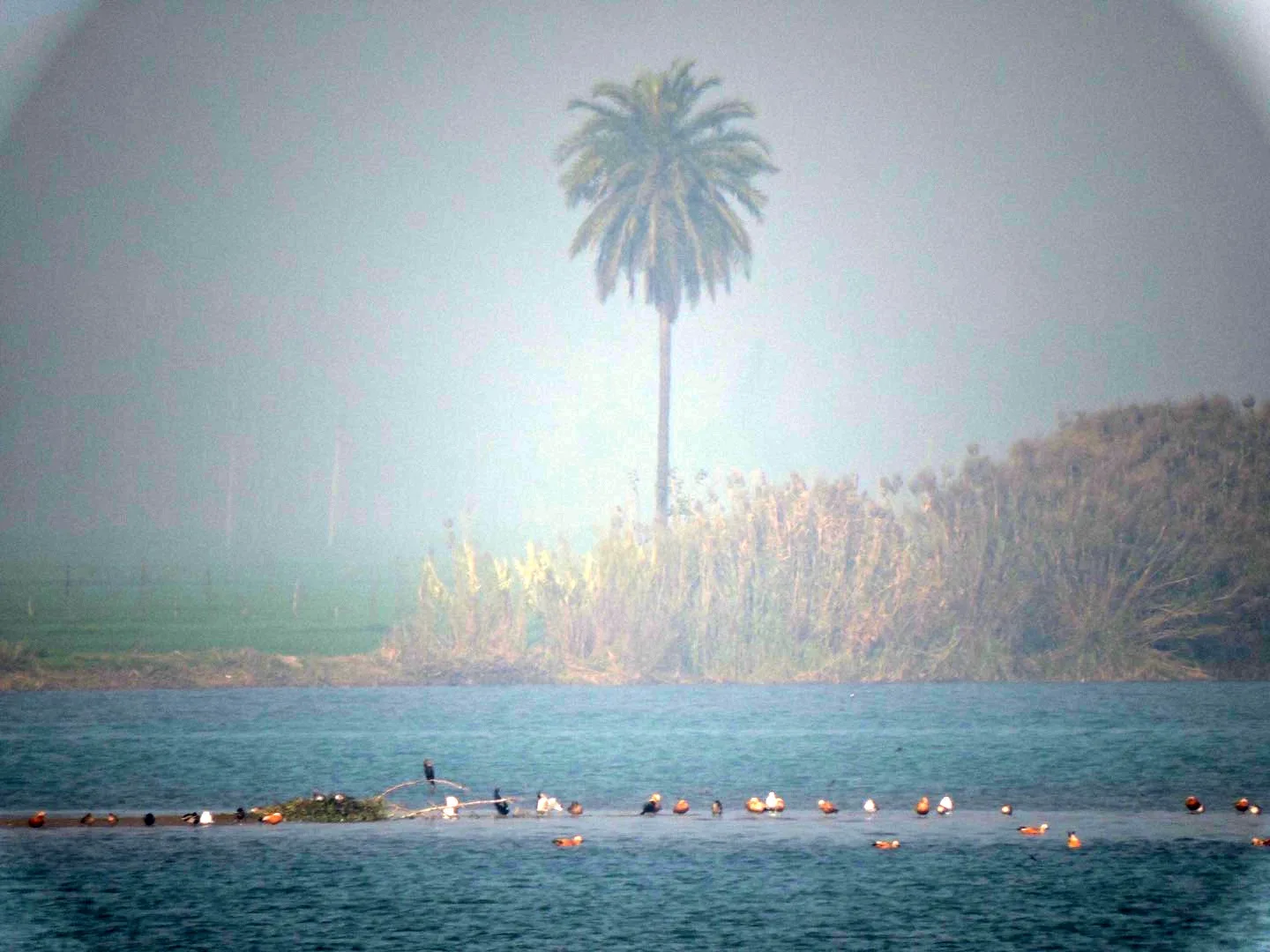
Ropar Wetland, in Punjab’s Rupnagar district, is a freshwater habitat formed by a river and lake. Visitors have come for birdwatching and boating, while its wildlife and Ramsar status are also notable.

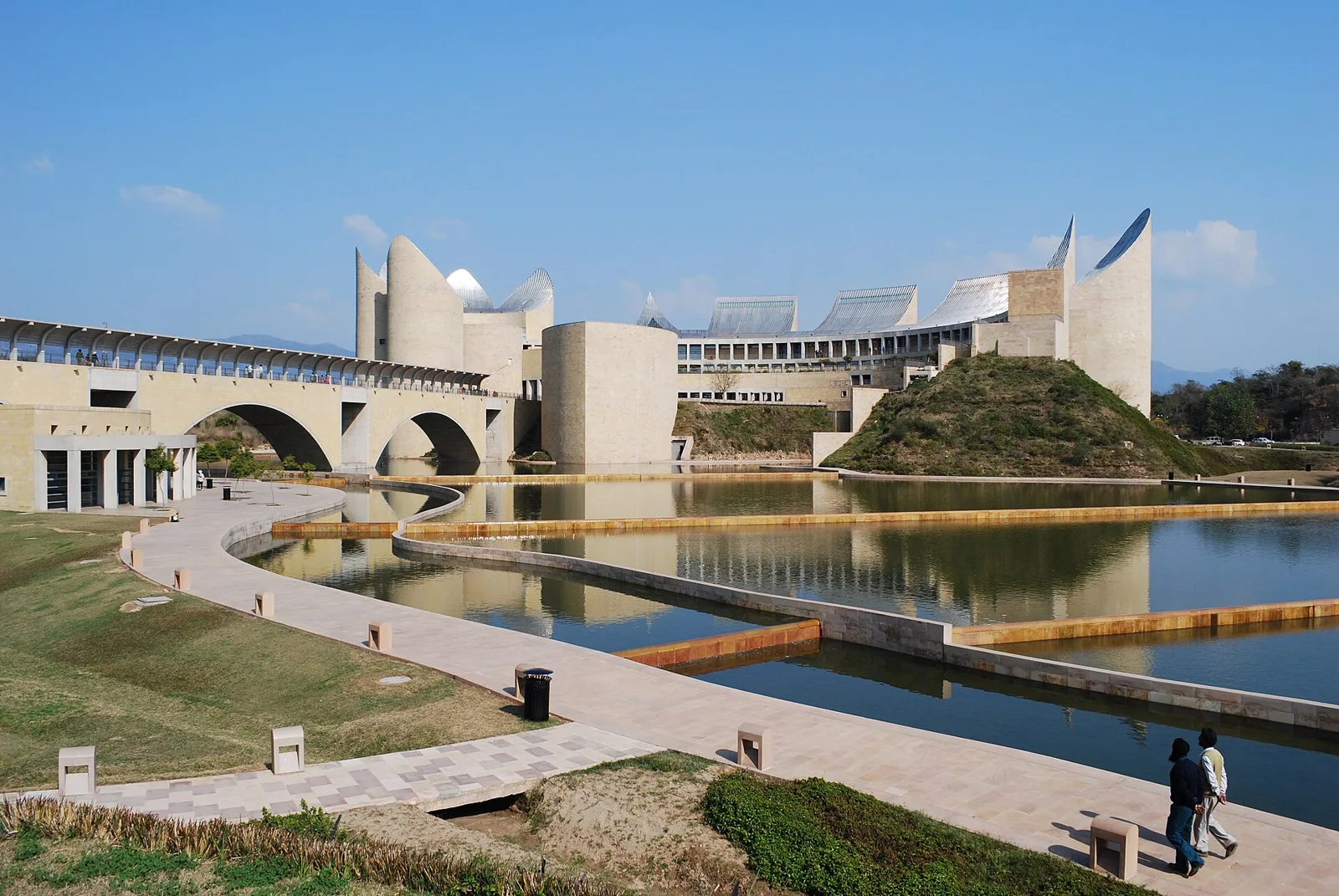
Virasat-e-Khalsa

78 km away · Rupnagar district

Virasat-e-Khalsa

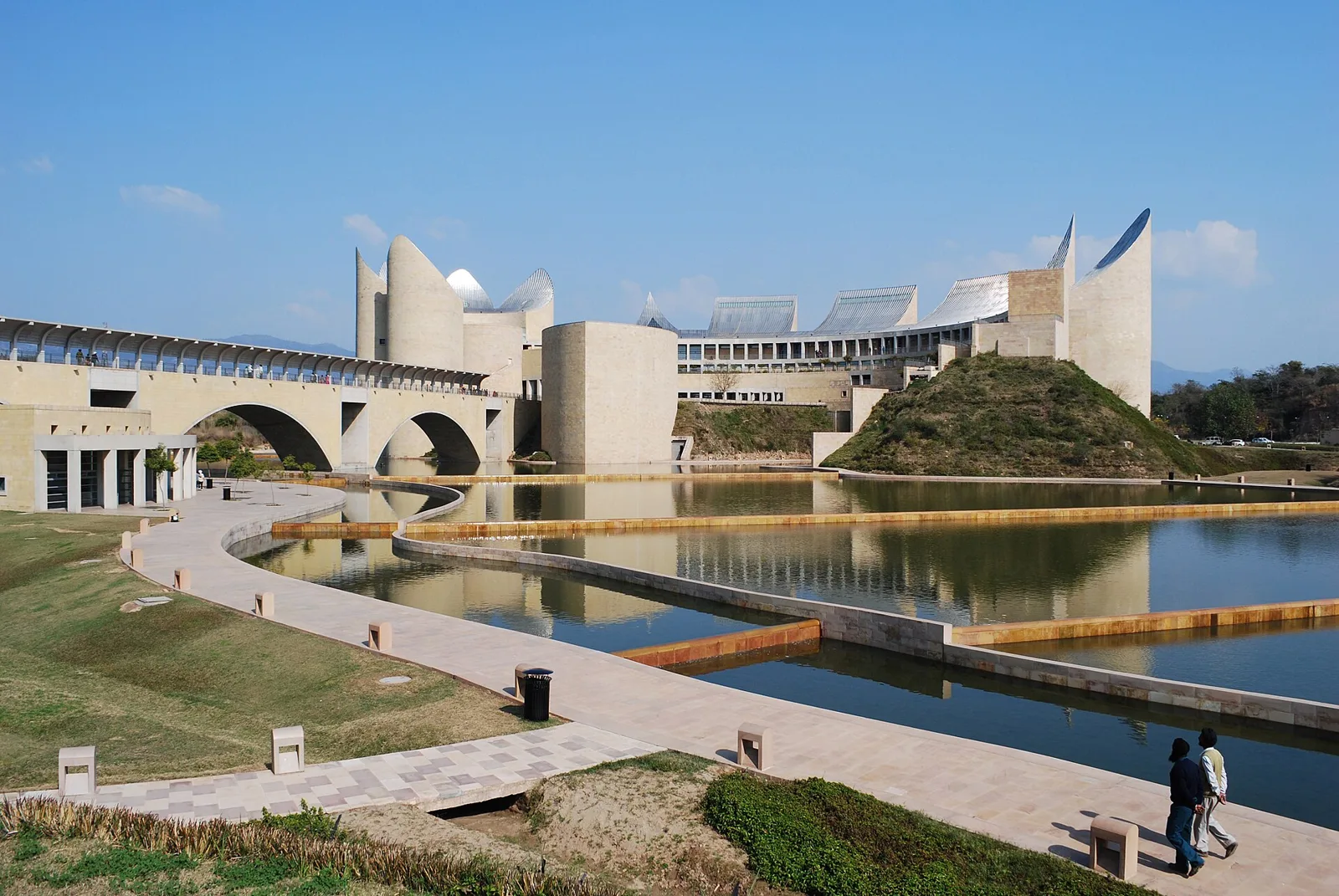
Virasat-e-Khalsa is a Sikh heritage museum complex in Anandpur Sahib, Punjab. Tourists and pilgrims visit to explore Sikh history and the Khalsa through material informed by Guru Gobind Singh’s scriptures.

Anandpur Sahib

79 km away · Rupnagar district

Anandpur Sahib

Anandpur Sahib is a Punjab town closely connected with Sikh history and worship. Visitors come to its Takht, learn about the Khalsa’s founding and attend the spring Hola Mohalla gathering.

Map

Banaur on the map

  1. 1Fateh Burj
  2. 2Aam Khas Bagh
  3. 3Fatehgarh Sahib
  4. 4Patiala
  5. 5Sanghol
  6. 6Ropar Wetland
  7. 7Virasat-e-Khalsa
  8. 8Anandpur Sahib

Punjab

Other cities to explore