
Virasat-e-Khalsa
Virasat-e-Khalsa is a Sikh heritage museum complex in Anandpur Sahib, Punjab. Tourists and pilgrims visit to explore Sikh history and the Khalsa through material informed by Guru Gobind Singh’s scriptures.
Key facts · verified by Ghumoopedia editors
- Type of place
- Heritage monument
- Best time to visit
- October to March
- Nearest railway station
- Anandpur Sahib · about 5 km (straight line)
- Nearest airport
- Shimla Airport (Jubbarhatti) · about 55 km (straight line)
- Verified
- 21 Nov 2026
Plan a trip from Virasat-e-Khalsa — a day-by-day route through places nearby.
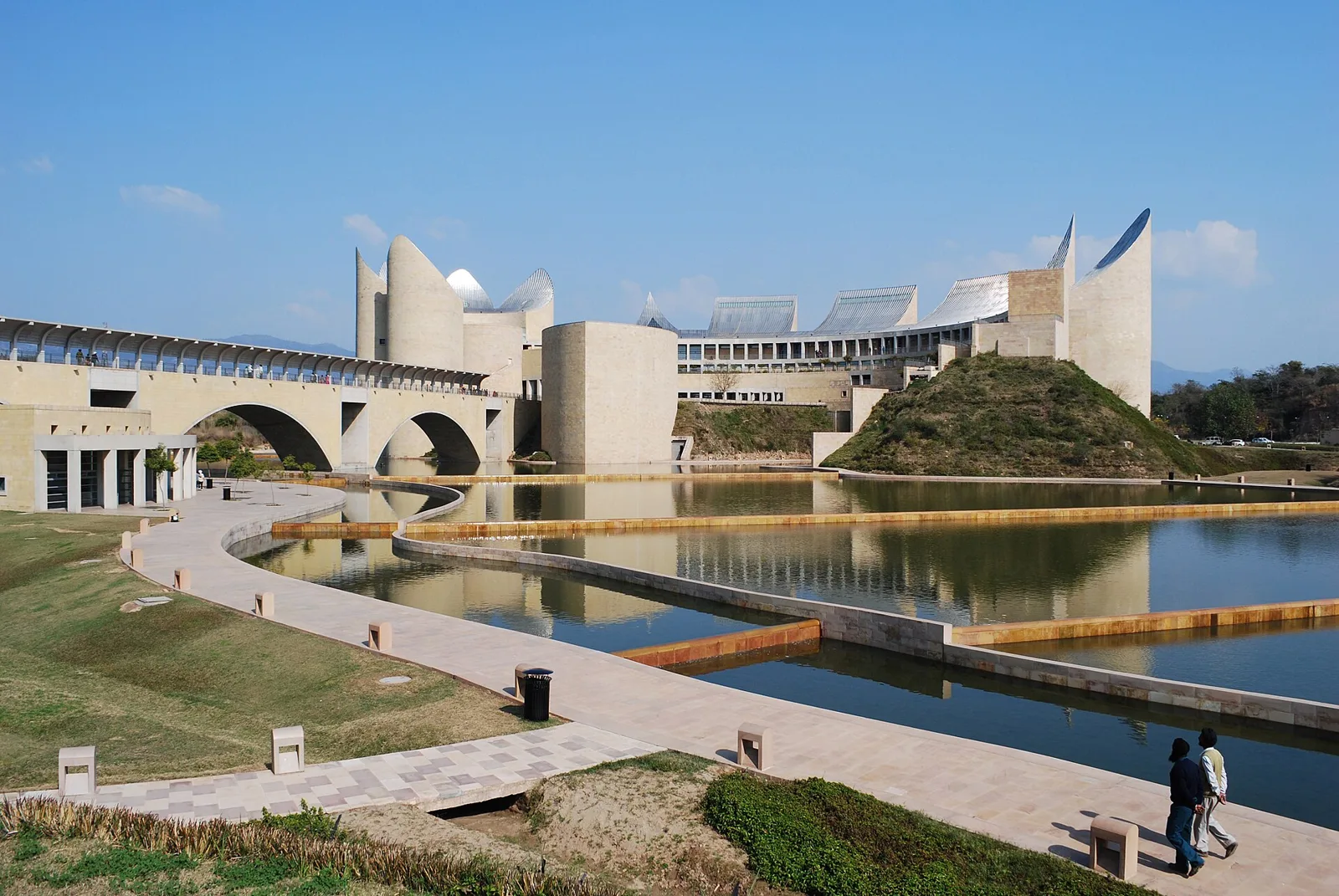
In Rupnagar district, Punjab, Virasat-e-Khalsa stands in Anandpur Sahib, close to Takht Kesgarh Sahib. It is also called the Khalsa Heritage Complex and focuses on Sikhism. The museum commemorates five centuries of Sikh history and the three-hundredth anniversary of the Khalsa’s birth. Its presentation draws on scriptures written by Guru Gobind Singh, Sikhism’s tenth and final Guru. Visitors include tourists and pilgrims, who come to engage with this account of Sikh heritage. The complex brings together the historical commemoration and religious context associated with the Khalsa. Punjab's identity is shaped by Sikh heritage, gurdwara traditions of seva and langar, Bhangra and Giddha, and a strong farming culture. Punjab has hot summers from April to June, a monsoon from July to September, and cold, foggy winters from December to February. Winter fog can delay trains and flights. The usual best time to visit is October to March. Timings, fees and access arrangements must be confirmed locally. For official information, see Punjab Tourism at https://punjabtourism.gov.in.
Why it matters
Virasat-e-Khalsa, also known as the Khalsa Heritage Complex, is a museum in Anandpur Sahib, Rupnagar district, devoted to Sikh history and heritage. It interprets the development of Sikhism and commemorates the formation of the Khalsa, the community established by Guru Gobind Singh. Its location near Takht Sri Keshgarh Sahib connects the museum with a town of deep importance in Sikh religious history. The complex was developed as a major cultural project in Punjab and welcomes both pilgrims and other visitors. Its exhibitions offer context for understanding Sikh beliefs, history and traditions. It is a museum and heritage attraction; visitors should not assume it has UNESCO World Heritage or Archaeological Survey of India protected status.
Anandpur Sahib became a centre of Sikh history through its association with the Sikh Gurus. Sikh tradition holds that Guru Tegh Bahadur established the settlement in the seventeenth century, and Guru Gobind Singh later made it an important base. In 1699, at Anandpur Sahib, Guru Gobind Singh established the Khalsa, a defining event in Sikh history. The town’s gurdwaras and pilgrimage traditions continue to recall these events. Virasat-e-Khalsa was conceived as a museum to present this history and the wider development of Sikhism to visitors. The project was commissioned by the Government of Punjab and designed by architect Moshe Safdie. Its purpose includes marking 500 years of Sikh history and the 300th anniversary of the Khalsa’s formation. The complex opened to visitors in 2011, after a long development and construction process. Rather than serving as a shrine or replacing the nearby gurdwaras, it uses exhibitions and interpretation to provide historical and cultural context. Its galleries combine historical themes with contemporary museum presentation, making it a relatively recent addition to Anandpur Sahib’s established religious landscape.
Origin stories & folklore
Sikh tradition recounts that Guru Gobind Singh gathered the Sikh community at Anandpur Sahib on Vaisakhi in 1699 and called for volunteers willing to give their lives for their faith. The five who came forward are remembered as the Panj Pyare, or Five Beloved Ones. The Guru initiated them into the Khalsa and was, in turn, initiated by them. This account is a foundational Sikh history and is central to the meaning of the town and the museum; it should not be treated as a supernatural legend. Local religious memory also connects Anandpur Sahib’s landscape and gurdwaras with the lives of the Sikh Gurus. Visitors can learn about these traditions respectfully through museum interpretation and at nearby places of worship.
Architecture & design
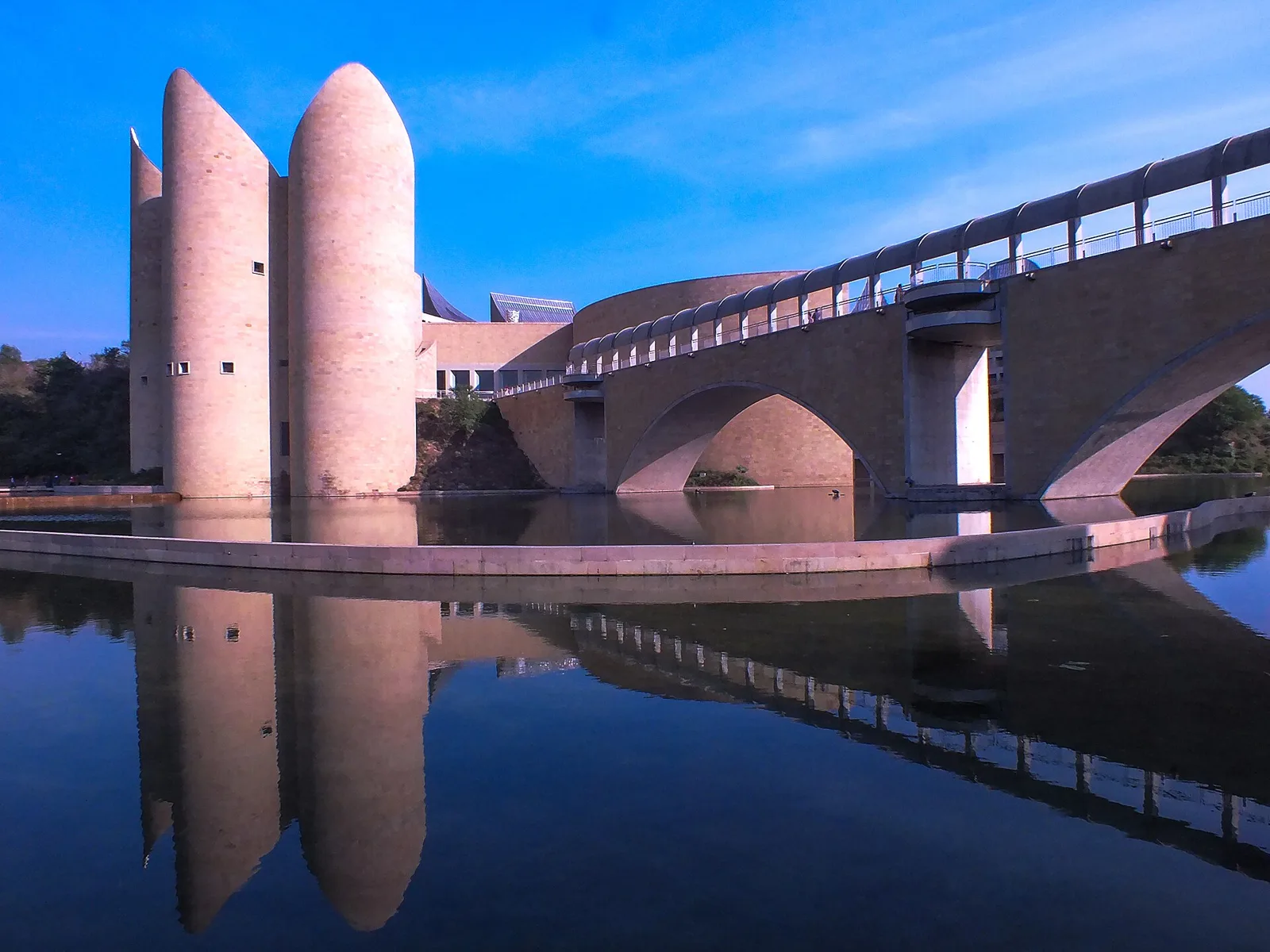
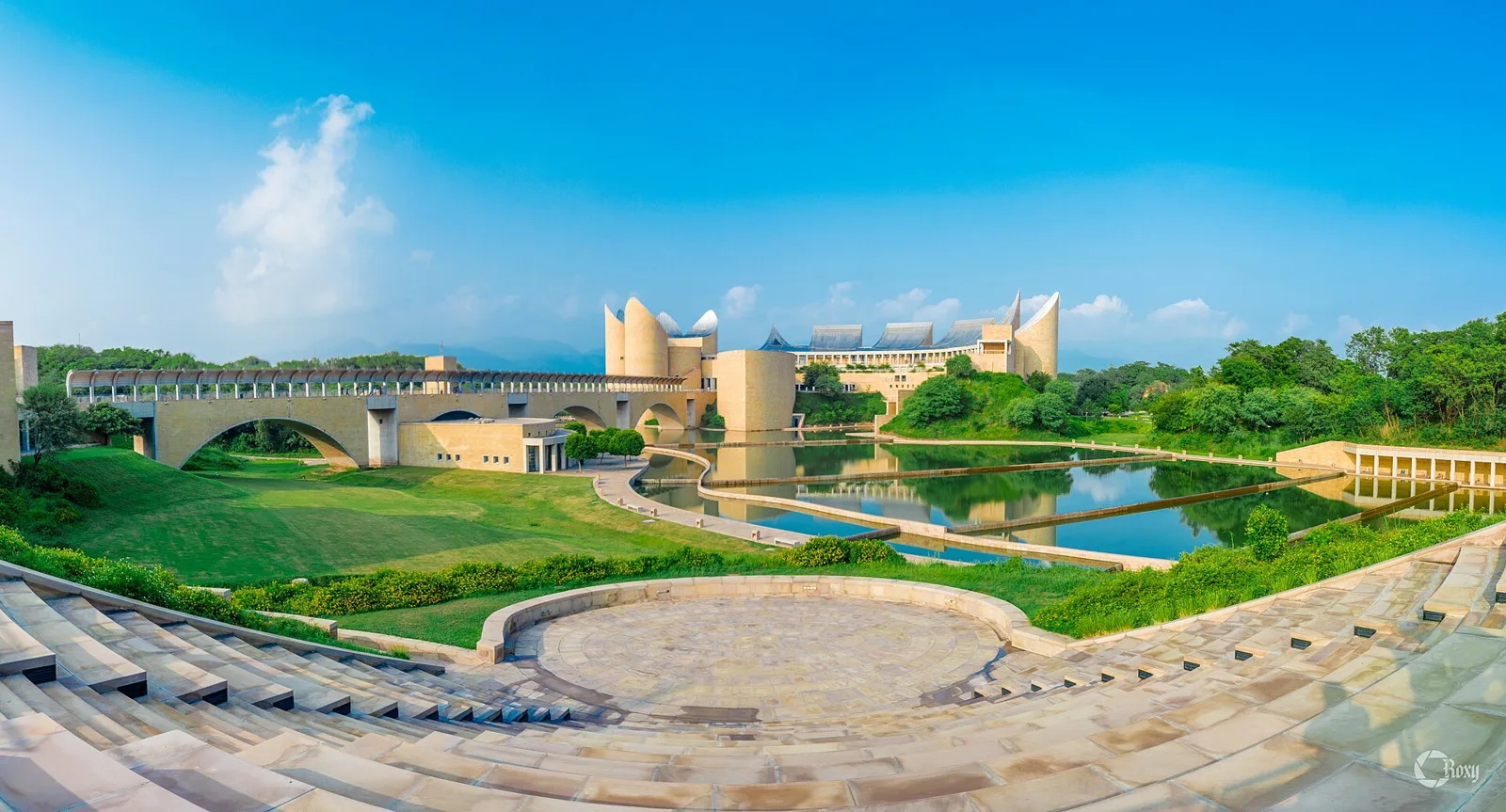
Designed by architect Moshe Safdie, Virasat-e-Khalsa is a contemporary museum complex set within Anandpur Sahib’s landscape. Its plan brings together exhibition buildings on either side of a ravine, linked by a pedestrian bridge. The arrangement creates a gradual journey between galleries rather than a single, compact museum block. Reflecting water and open approaches form part of the setting, while the building’s angular, rising forms evoke regional landscapes and aspects of Sikh architectural imagery without copying a historic gurdwara. Stone, concrete and metal finishes give the complex a modern character. The galleries are designed for displays that include objects, images, text and audiovisual interpretation. The scale and broad circulation routes make the building itself a notable part of the visit, though the full complex can involve substantial walking. Its design is best understood as a purpose-built cultural institution, not as an old fort or traditional religious monument.
Important objects & sculptures
The galleries interpret Sikh history through a changing combination of historical objects, documents, paintings, models and audiovisual displays. Visitors can look for material relating to the Sikh Gurus, the formation of the Khalsa and the community’s religious and social development. Manuscripts and visual works may be presented as part of themed exhibitions; displays can change, so a particular item should not be assumed to be on view. The museum also uses explanatory panels and immersive presentations to help visitors place objects in context. It is not primarily a collection of idols or carved temple sculpture. Take time to read the labels, and ask staff whether photography or close viewing is permitted in individual galleries.
Explore Virasat-e-Khalsa slowly and read the interpretation boards or hire an authorised guide to understand its history. Check opening days and ticket counters in advance, as many monuments and museums close on one weekday and on public holidays. A comfortable itinerary is one main visit in the morning, a local meal at midday and a short nearby stop before an afternoon return. Use the district list on this site to find other places in Rupnagar, but check the actual road route and its condition before combining stops. If a festival or fair is on, local roads and stays can be busy — and the experience can be unforgettable. Leave no litter: many sites are protected by the communities around them.
Suggested itineraries
Half day: Spend 2–3 hours exploring the museum galleries, then visit Takht Sri Keshgarh Sahib and nearby central Anandpur Sahib. Full day: Allow 3–4 hours for the museum, take a meal break, visit Takht Sri Keshgarh Sahib and other nearby historic gurdwaras, then choose a further local stop after checking travel conditions. Gentler option: Focus on selected galleries, use seated rest breaks where available, and arrange a vehicle between the museum and nearby sites rather than walking the full route.
The museum sits within a living Sikh pilgrimage town, where gurdwara traditions such as seva, prayer and langar shape visitors’ experience. Punjabi is widely spoken locally, while Hindi and English may also be understood in visitor-facing settings. Sikh religious practice is expressed through prayer, scripture, music and community service; visitors should behave respectfully in and around gurdwaras. Punjab’s broader cultural life includes Bhangra and Giddha, as well as farming traditions and Punjabi foodways. These are part of the region’s wider identity rather than performances guaranteed at the museum. Covering the head and removing shoes are customary at gurdwaras, though museum rules may differ. Ask before photographing worshippers or religious activity.
Festivals & events
Vaisakhi, usually observed in April, is closely connected with the formation of the Khalsa and can draw pilgrims to Anandpur Sahib. Hola Mohalla, generally held around March, is a major Sikh gathering in the town, known for religious observances and displays of martial tradition. Gurpurabs, commemorating events in the lives of the Sikh Gurus, are observed on dates that vary by the religious calendar. During major gatherings, roads, accommodation and public spaces can become busy, and travel may take longer. Festival programmes and crowd levels change from year to year, so check local announcements and plan transport and lodging ahead.
Local food in Punjab includes sarson da saag with makki di roti, Amritsari kulcha, chole bhature, lassi, tandoori dishes, pinni and jalebi; langar at gurdwaras serves a free vegetarian meal to all. Ask what is fresh that day; many small eateries cook a limited daily menu. Vegetarian travellers eat very well across this region, and most towns also have simple non-vegetarian dhabas. Remote sites may have no restaurant at all. Carry water and snacks, eat a proper breakfast before long drives, and ask your accommodation for a packed lunch if you are heading out early. Try a home-cooked or dhaba meal when you can — it is often the best food on the route. Choose busy, clean places and carry your packaging back to town.
Shopping & local experiences
In Anandpur Sahib, visitors may find religious publications, devotional music, Sikh-themed keepsakes and everyday Punjabi goods in local shops. Availability and quality vary, so look for clearly identified books or crafts and avoid treating sacred objects as casual souvenirs. Local markets and food outlets offer a chance to try Punjabi meals and snacks; langar at a gurdwara is a community meal offered according to its own customs, not a commercial dining service. Ask permission before photographing artisans or stallholders, and carry reusable bags to reduce litter.
October to March
The nearest principal railway station by straight-line distance is Anandpur Sahib, roughly 5 km away. The nearest operating airport by straight-line distance is Shimla Airport (Jubbarhatti), roughly 55 km away. These figures are calculated from map coordinates — actual road distance may differ. Delhi, Chandigarh and Amritsar are the main rail and air hubs, and most long-distance journeys connect through them. For the final leg, Punjab Roadways, PEPSU Road Transport (PRTC) and private Volvo coaches link district towns; shared taxis usually leave early in the morning. A private taxi gives more flexibility for remote sites. When comparing train, bus and flight, count the complete door-to-door time: a flight saves the most time only if the onward road transfer is short, while an overnight train plus a road journey can save a hotel night. Book your return before you leave, because seats fill quickly on weekends and holidays. Current train numbers, timings, return services and fares are not listed here; check IRCTC and NTES for trains and the airline's own schedule for flights. No permit is needed to visit Punjab. The Wagah–Attari border ceremony needs a same-day security check, and the Kartarpur Corridor to Pakistan requires advance online registration and a passport.
Confirm onward and return timings on IRCTC / NTES, the state bus operator or your airline before travel. A dash means current timings or fares have not been verified.
Getting around
Anandpur Sahib is served by a railway station, and the museum is a short onward journey from the town’s central area. Auto-rickshaws and local taxis are practical options for reaching the complex and nearby gurdwaras; availability can vary during quieter periods and large festivals. Local buses connect towns in the region, but they may not provide a convenient stop directly at the entrance. Walking is possible between some central attractions, though distances, traffic and weather should be considered. Check parking arrangements locally if arriving by car, and allow extra time when religious gatherings bring heavier road traffic.
Hours, tickets & permissions
Entry is subject to the complex’s current admission arrangements, which may include tickets and rules for bags, photography or particular galleries. Weekly closure days and arrangements on public holidays can change, so confirm current opening hours and fees with the managing authority before travelling. Follow notices at the entrance and staff instructions inside. Gurdwaras nearby have their own customs and entry expectations, which are separate from museum rules. If visiting as part of a group, check whether advance arrangements or a guide booking are needed.
Facilities
The complex usually provides visitor-oriented facilities such as toilets, seating and staff assistance, but availability and access can vary by gallery or operating day. Drinking water and refreshments may be available on site or nearby; check locally rather than relying on a particular outlet being open. Parking is generally relevant for visitors arriving by road, but confirm current arrangements. Guides or interpretive material may be available, though an authorised guide should be arranged or verified with the museum. ATMs and a wider choice of food and services are more likely in Anandpur Sahib town than inside the galleries.
Accessibility
The complex is spread across a large site, and a visit can involve long indoor and outdoor walking distances. Its bridge and gallery layout connect areas across a ravine, so visitors with limited mobility should ask the museum about current step-free routes, lifts, seating and assistance before arrival rather than assume all areas are accessible. The site may include ramps or level routes, but their availability and condition should be confirmed locally. Outdoor areas can have limited shade, especially in hot weather. Wheelchair and stroller suitability may vary between sections. Older visitors may find it more comfortable to visit selected galleries, pause frequently and use a vehicle between separate town attractions.
No permit is needed to visit Punjab. The Wagah–Attari border ceremony needs a same-day security check, and the Kartarpur Corridor to Pakistan requires advance online registration and a passport. Carry a photo ID at all times and save the emergency number 112 and your accommodation's contact offline. Heat in summer and dense fog in winter are the main weather risks; carry water and allow extra travel time on foggy December–January mornings. Respect community rules, private property and posted instructions. Check official advisories for the region before travel, and follow local guidance if access changes.
Photography
Soft morning or late-afternoon light can show the complex’s forms and reflecting water well, while bright midday conditions may create glare. Check current museum rules before taking photographs inside; restrictions can apply to galleries, exhibits or flash photography. Do not use a drone without the required permissions and confirmation that flying is allowed in the area. Keep paths clear and avoid photographing visitors, staff or worshippers without consent. At nearby gurdwaras, follow posted rules and treat prayer, scripture and community spaces with care. A respectful visit matters more than getting a close-up image.
Choose a stay by the full journey to Virasat-e-Khalsa, not just the district name. Main towns in Rupnagar usually offer hotels, state tourism lodges and guesthouses with better transport, meals and medical access, while village homestays offer a closer connection to local life. In the plains, check fans or air-conditioning in summer and heating in the December–January cold wave. Book in advance for weekends, festival dates and the peak season (October to March). Confirm the exact location, meals included, check-in time and cancellation terms in writing. Many homestays accept payment on arrival; avoid sending money to unverified contacts. Mobile network and digital payments can be unreliable in remote areas, so carry some cash.
Takht Sri Keshgarh Sahib, one of the Sikh Takhts, is a key nearby pilgrimage site and a natural companion to the museum. Anandpur Sahib’s historic gurdwaras include Gurdwara Sis Ganj Sahib and Gurdwara Qila Anandgarh Sahib. These visits provide religious context distinct from the museum’s exhibitions; follow each site’s entry customs. Further afield in Rupnagar district, the Ropar Wetland and the archaeological area around Rupnagar offer different perspectives on the region’s natural and ancient history. Check road routes and travel time before combining them, as they are not all within easy walking distance of the complex.
For couples, Virasat-e-Khalsa rewards a slow pace: arrive early for soft light and fewer crowds, share a local meal and keep the evening free. Public displays of affection can be frowned upon in conservative communities and at religious sites, so be discreet. A homestay or a small heritage hotel can make the trip memorable — confirm privacy, hot water and transport back. Keep a buffer in your itinerary, because weather and traffic can delay plans in Punjab.
Q: How much time should I allow for Virasat-e-Khalsa? A: Allow several hours to explore the galleries at a comfortable pace; add time for nearby gurdwaras if you plan to visit them. Q: What is the best season to visit? A: October to March is generally comfortable. Summers can be hot, while winter fog may disrupt road, rail or air journeys. Q: Is there an entry ticket, and what are the current rules? A: Admission arrangements and gallery rules can change. Confirm current tickets, hours and photography rules with the managing authority before setting out. Q: Is it suitable for children and elderly visitors? A: The exhibits can interest different ages, but the complex involves walking. Older visitors and anyone with mobility needs should plan rest breaks and check access arrangements in advance. Q: Where can I stay nearby? A: Look for accommodation in Anandpur Sahib or nearby towns. Availability can tighten during Hola Mohalla, Vaisakhi and other major religious gatherings, so check and book ahead.
Be the first to share photos, stories, advice or a helpful contact for Virasat-e-Khalsa.
Loading…