
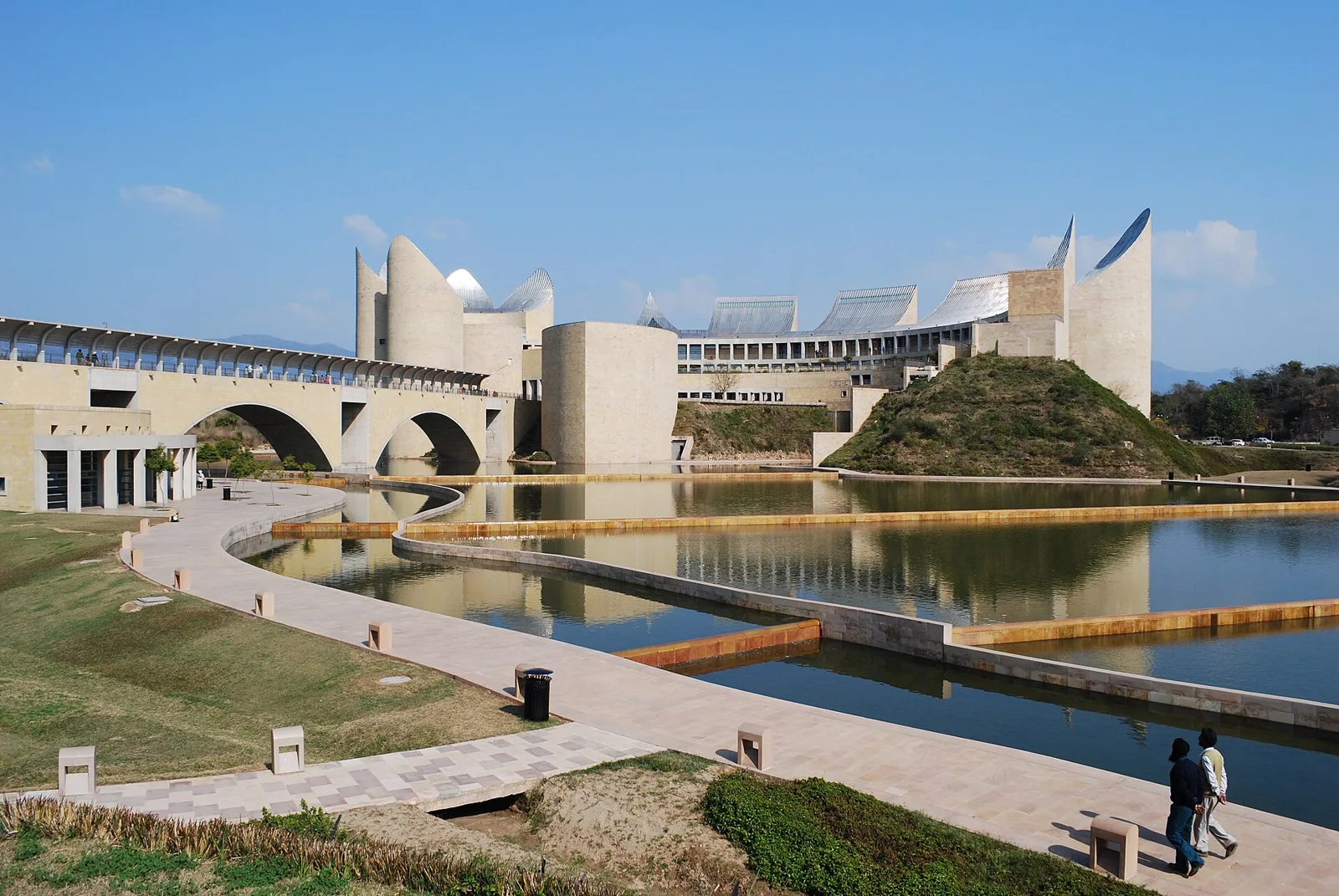
District · Punjab
Rupnagar
Rupnagar, also called Ropar, lies in north-eastern Punjab where the Sutlej plain meets the Shivalik foothills.
Rupnagar district, also widely known as Ropar, brings together the Sutlej river landscape, the Shivalik foothills and some of Punjab’s most important Sikh heritage sites. Anandpur Sahib is central to its identity: Guru Gobind Singh established the Khalsa here in 1699, and Takht Sri Kesgarh Sahib remains a major place of pilgrimage. Nearby, Virasat-e-Khalsa presents Sikh history and heritage through museum displays. Around Rupnagar town, the freshwater Ropar Wetland offers a quieter setting shaped by river waters and birdlife. The district also has an archaeological past extending to the Harappan period. Its character combines pilgrimage, agricultural life and foothill scenery, with especially large gatherings at Anandpur Sahib during Hola Mohalla.
Rupnagar, also called Ropar, lies in north-eastern Punjab where the Sutlej plain meets the Shivalik foothills. It is best known for Anandpur Sahib, a major centre of Sikh history and pilgrimage, and for the annual Hola Mohalla gatherings. Virasat-e-Khalsa offers a museum-based introduction to Sikh heritage, while Ropar Wetland provides a quieter riverside contrast. The district also has archaeological links to the Harappan period. Travellers can combine religious heritage, small-town Punjab and foothill scenery, with road journeys connecting the main sights.
The Sutlej corridor around Rupnagar has a long record of settlement, and excavations at Ropar have revealed a Harappan-period site as well as evidence of later occupation. The town’s position beside the river made it a notable crossing and settlement point over time. Anandpur Sahib was founded by Guru Tegh Bahadur in 1665 as Chakk Nanaki. His son, Guru Gobind Singh, established the Khalsa there in 1699, giving the town a lasting place in Sikh history. The surrounding foothills were also shaped by relations and conflicts between Sikh communities, the Mughal authorities and neighbouring hill states. In 1831, Ropar was the setting for a meeting between Maharaja Ranjit Singh and the British governor-general, Lord William Bentinck. Following the British annexation of Punjab in 1849, the area became part of colonial administration. Rupnagar district was formed in 1976 in the state of Punjab. Its modern identity brings together this archaeological record, Sikh heritage and the Sutlej landscape.
3 destination guides
Anandpur Sahib
Anandpur Sahib is a Punjab town closely connected with Sikh history and worship. Visitors come to its Takht, learn about the Khalsa’s founding and attend the spring Hola Mohalla gathering.
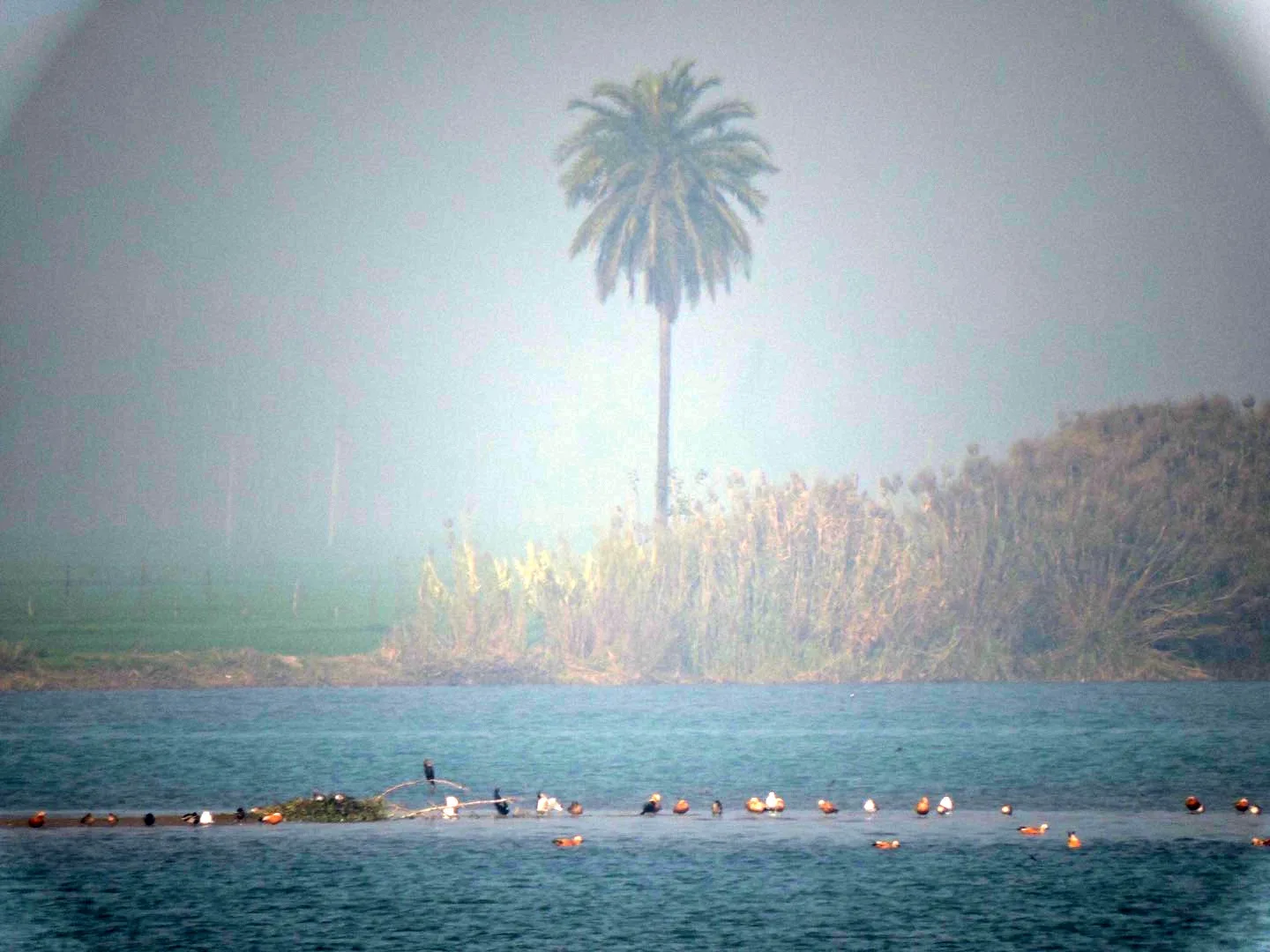
Ropar Wetland
Ropar Wetland, in Punjab’s Rupnagar district, is a freshwater habitat formed by a river and lake. Visitors have come for birdwatching and boating, while its wildlife and Ramsar status are also notable.
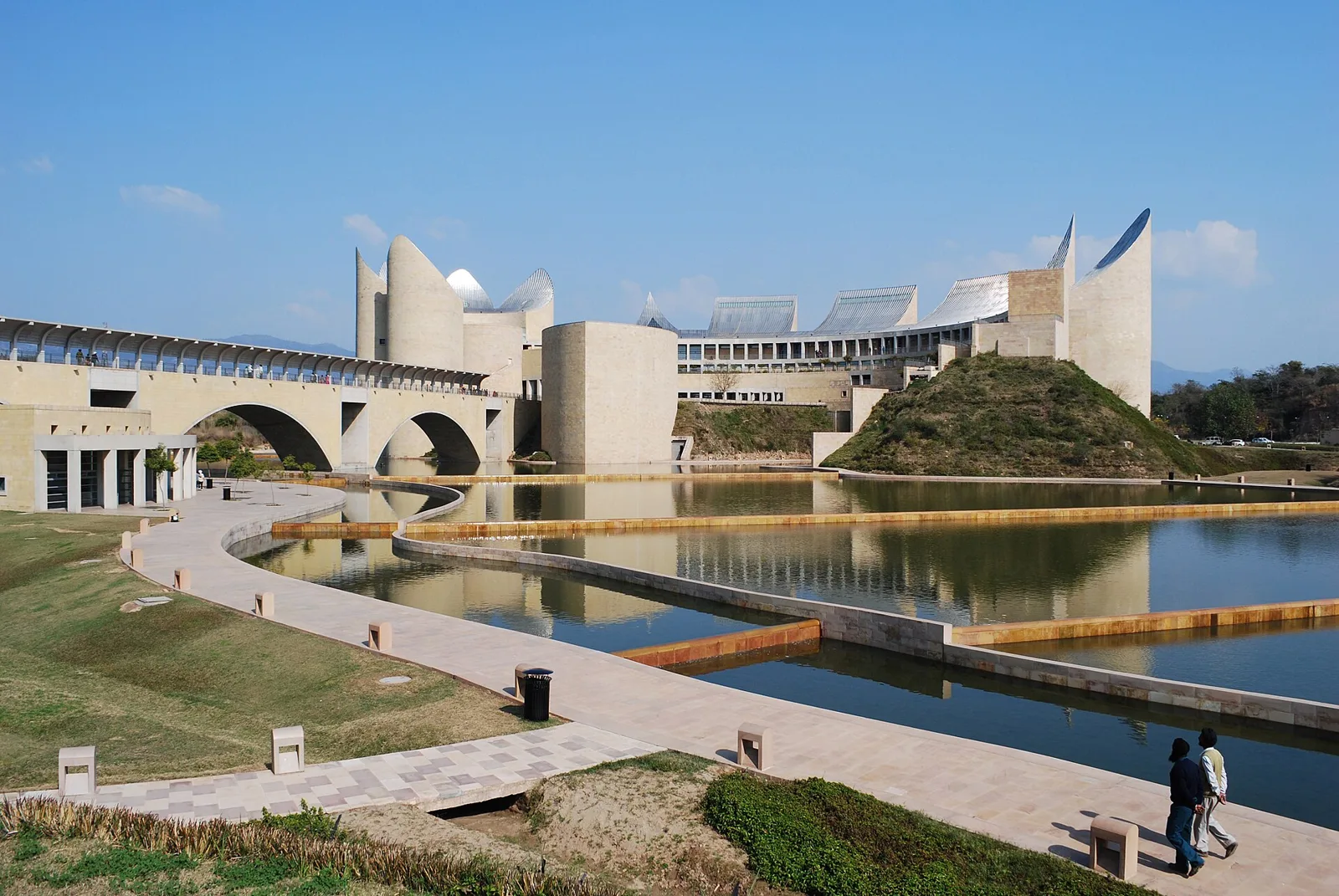
Virasat-e-Khalsa
Virasat-e-Khalsa is a Sikh heritage museum complex in Anandpur Sahib, Punjab. Tourists and pilgrims visit to explore Sikh history and the Khalsa through material informed by Guru Gobind Singh’s scriptures.
Food in Rupnagar reflects wider Punjabi traditions rather than a distinct district-only cuisine. Sarson da saag with makki di roti is a familiar winter combination, while chole bhature, stuffed kulchas, dal and tandoori breads feature across the region. Lassi is a popular accompaniment, and pinni and jalebi are familiar sweets. At gurdwaras, langar offers a free vegetarian meal to everyone, making shared hospitality an important part of the food experience. Simple dhabas serve everyday Punjabi meals, sometimes including non-vegetarian dishes. Ask what has been freshly prepared, and carry drinking water and snacks when visiting quieter wetland or foothill locations.
Rupnagar shares in Punjab’s broader craft traditions, especially phulkari embroidery, known for colourful threadwork on cloth. Phulkari dupattas and shawls are associated with festive dress and family celebrations across the state, not exclusively with this district. Punjabi juttis, traditional leather footwear often decorated with embroidery, are another regional craft to look for. Handwoven durries also belong to Punjab’s textile heritage. When shopping, ask where an item was made and whether it is handworked or machine-produced; goods sold near pilgrimage centres are not necessarily made locally.
Hola Mohalla, held around Anandpur Sahib in the spring, is the district’s largest annual gathering. Processions, devotional events and displays of martial tradition draw pilgrims and visitors from across Punjab and beyond; rooms and transport can be heavily in demand, so plan ahead. Baisakhi in April and Sikh Gurpurabs are also observed at gurdwaras, with attendance varying by occasion. Diwali is marked in towns and villages, as elsewhere in the region. Festival dates follow religious calendars and may shift from year to year; check locally before arranging travel.
In this district
The Sutlej runs through the district, shaping a largely agricultural plain around Rupnagar town and the freshwater Ropar Wetland. Towards Anandpur Sahib, the land rises into the outer Shivalik foothills, with low hills and a more varied road landscape. The wetland’s open water and marshy edges attract birdlife, especially in the cooler season, but access and viewing conditions can vary. Journeys between the plain and foothills are usually by road; allow flexibility during heavy rain, when local roads may be affected.
Rupnagar has hot summers, a monsoon season and cool winters. Summer days can be tiring for outdoor visits, so carry water, sun protection and light clothing. Monsoon weather brings humid conditions and rain that may affect roads or access around wetland edges. Winter is generally the most comfortable season for sightseeing and birdwatching, though mornings and evenings can feel cold. October to March is a practical period for most visits; spring is also appealing but Hola Mohalla brings large crowds to Anandpur Sahib. Pack layers for winter and a light rain layer during the monsoon.
Shaheed Bhagat Singh International Airport, Chandigarh, is a practical air gateway for Rupnagar district. Rupnagar railway station serves the district headquarters, while Anandpur Sahib railway station is useful for the pilgrimage town and Virasat-e-Khalsa. Road links connect the district with Chandigarh and onward routes towards Kiratpur Sahib and Himachal Pradesh. State-run and private buses serve the main towns; taxis and auto-rickshaws can help with local journeys. For Ropar Wetland and less central stops, arrange onward and return transport rather than assuming it will be available on arrival. Check current services locally.
Road travel is the most practical way to connect Rupnagar town, Anandpur Sahib and the district’s other sights. Buses serve the main towns, but service to less central locations may be limited or less convenient. Auto-rickshaws are useful for short trips within towns; taxis or a pre-arranged vehicle offer more flexibility between sights and for return journeys. Shared local transport may be available on some routes, but do not rely on it for a tight itinerary. There is no need to plan a boat trip for Ropar Wetland; check locally which areas are accessible.
2 days: Anandpur Sahib → Virasat-e-Khalsa; sleep in Anandpur Sahib. Day 2: Ropar Wetland; sleep in Rupnagar. 3 days: Anandpur Sahib; sleep in Anandpur Sahib. Day 2: Virasat-e-Khalsa; sleep in Anandpur Sahib. Day 3: Ropar Wetland; sleep in Rupnagar.
Anandpur Sahib is the most convenient base for visiting both the town’s Sikh heritage sites and for attending Hola Mohalla. Accommodation commonly includes hotels, guesthouses and dharamshalas; availability can be tight during major gatherings. Rupnagar town is a practical base for Ropar Wetland and road or rail connections, with hotels and guesthouses generally available. Homestays and government lodges may be options in the wider area, but availability varies. For a short trip covering all three listed sights, staying one night in each town can reduce backtracking.
During summer, protect yourself from heat and carry drinking water; use sealed or reliably treated water if unsure about local supplies. At Ropar Wetland, keep to accessible paths, avoid unstable or muddy edges and do not disturb birds or other wildlife. Monsoon rain can affect road conditions, so check locally before setting out. Hola Mohalla crowds can make streets and accommodation busy; agree on a meeting point if travelling in a group. Mobile connectivity is generally available in towns but may vary in less central areas. No special permit is generally required for these listed sights, but confirm any current access rules with official sources before travel.
- Bilaspur · Himachal Pradeshabout 21 km
- Chandigarh · Chandigarhabout 61 km
- Mohaliabout 61 km
- Solan · Himachal Pradeshabout 62 km
- Panchkula · Haryanaabout 63 km
- Shimla · Himachal Pradeshabout 66 km
- Fatehgarh Sahibabout 66 km
- Mandi · Himachal Pradeshabout 67 km
Straight-line distance between the centres of each district's destinations; road distance is longer.
Q: How many days should I spend in Rupnagar district? A: Two days can cover the three listed sights at a brisk pace; three days allow a more relaxed visit. Q: When is the best time to visit? A: October to March is generally comfortable for sightseeing; expect especially large crowds in Anandpur Sahib during Hola Mohalla. Q: Where is the best base? A: Stay in Anandpur Sahib for its heritage sites, or in Rupnagar town for Ropar Wetland and transport connections. Q: How do I get to the district? A: Chandigarh airport is a practical air gateway; Rupnagar and Anandpur Sahib have railway stations, and buses and roads connect the main towns. Q: Is Rupnagar suitable for families or elderly travellers? A: Yes, the main town sights are accessible by road, but allow for walking and steps at religious and museum sites, and plan transport in advance.
This page draws on our 3 destination guides for Rupnagar and is updated as our team checks it.
Be the first to share photos, stories, advice or a helpful contact for Rupnagar.
Loading…