
District · Punjab
Patiala
Patiala district lies in southeastern Punjab and offers a window into the region’s princely-state history and living Punjabi culture.
Patiala district lies in southeastern Punjab, where broad, fertile plains and cultivated fields shape much of the landscape. Its principal city, also called Patiala, grew as the capital of a princely state founded in 1763 by Baba Ala Singh. The city’s royal past is visible in landmarks such as Qila Mubarak and Sheesh Mahal, while its markets, educational institutions and busy streets reflect its role as a modern regional centre. Beyond the city, the district has agricultural settlements and quieter rural stretches. Patiala combines Punjabi courtly heritage with everyday urban life, making it a useful base for exploring this part of the state.
Patiala district lies in southeastern Punjab and offers a window into the region’s princely-state history and living Punjabi culture. Patiala city, the district’s best-known centre, is associated with the Phulkian rulers and heritage architecture; Sheesh Mahal is among the heritage places recorded in our Punjab index. Travellers can combine a city visit with the wider experience of Punjab’s fertile plains, food traditions and seasonal celebrations. Patiala also works as a base for exploring this part of the state, though this district guide covers only the places listed in our index and is not a complete register of local sights.
The area’s recorded political history includes Sikh chiefs who rose to influence as Mughal authority weakened in the eighteenth century. In 1763, Baba Ala Singh established Patiala as the seat of his rule, beginning the Patiala princely state under the Phulkian house. The state developed its own court and traditions, leaving a built heritage that includes the Sheesh Mahal. During the colonial period, Patiala remained a princely state under British paramountcy rather than being administered as a directly ruled British province. After independence, it became part of the Patiala and East Punjab States Union (PEPSU), formed in 1948. PEPSU was merged into the reorganized state of Punjab in 1956. The modern district’s administrative boundaries and arrangements have changed over time; the princely state and today’s district are not identical territories. Patiala city remains the district’s principal urban centre and a reminder of its former royal role.
2 destination guides · 1 on the map
Patiala
Patiala is a city in southeastern Punjab and the administrative centre of its district. People visit for its royal history, Qila Mubarak and distinctive clothing, footwear and cultural traditions.
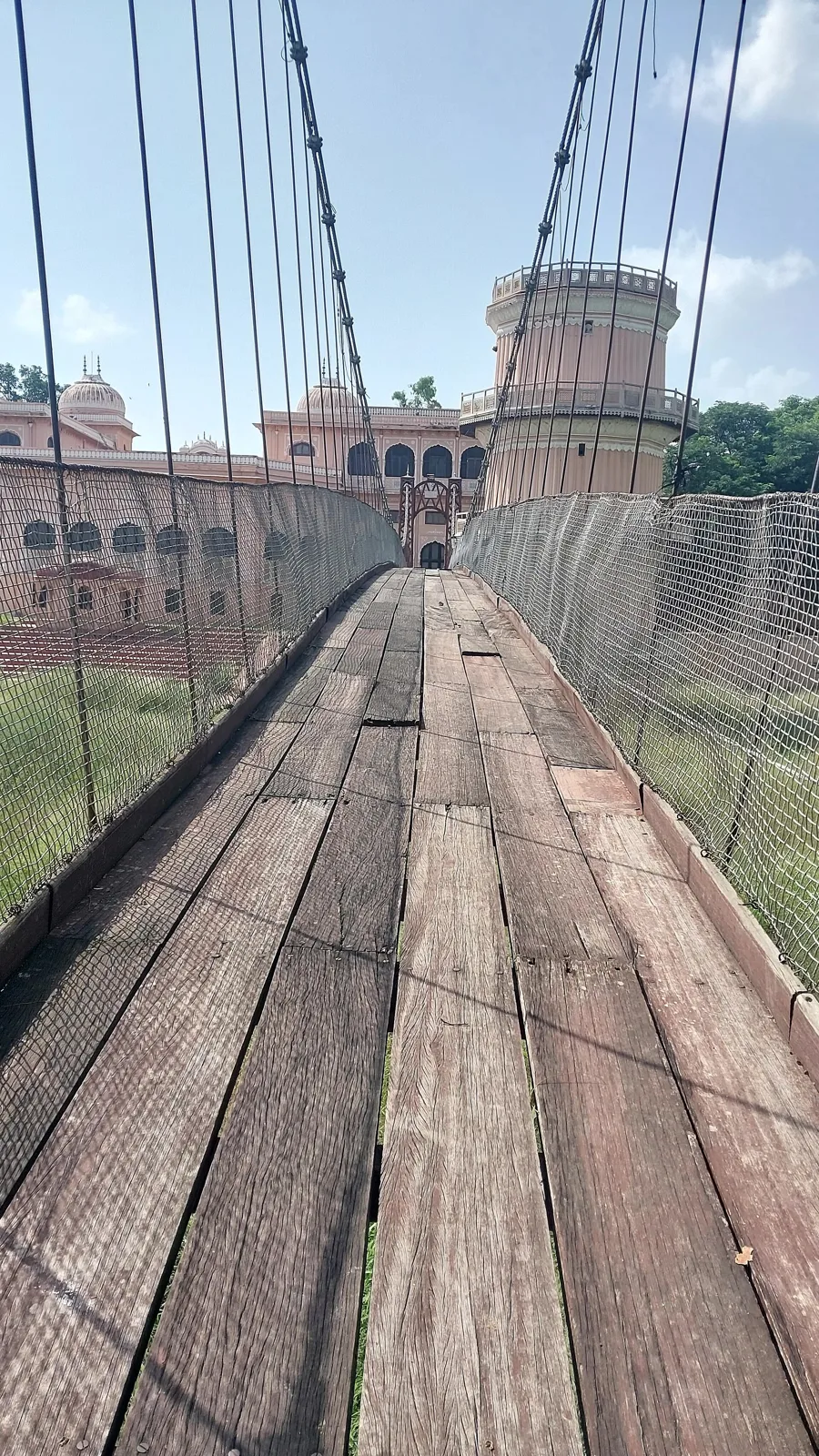
Sheesh Mahal
Sheesh Mahal is a heritage site in Patiala district, Punjab. Visitors may include it in their travels to see a place recognised for its heritage status.
Patiala’s food reflects wider Punjabi traditions. Sarson da saag with makki di roti, tandoori dishes, chole bhature and kulcha are familiar choices, while lassi, jalebi and pinni are among the region’s well-known treats. Menus vary by season and establishment, so ask what has been freshly prepared; smaller eateries may offer only a few dishes each day. Vegetarian food is widely available. Gurdwara langar provides a free vegetarian meal to visitors, served as part of a tradition of hospitality and community service. Simple dhabas and city restaurants also serve non-vegetarian meals.
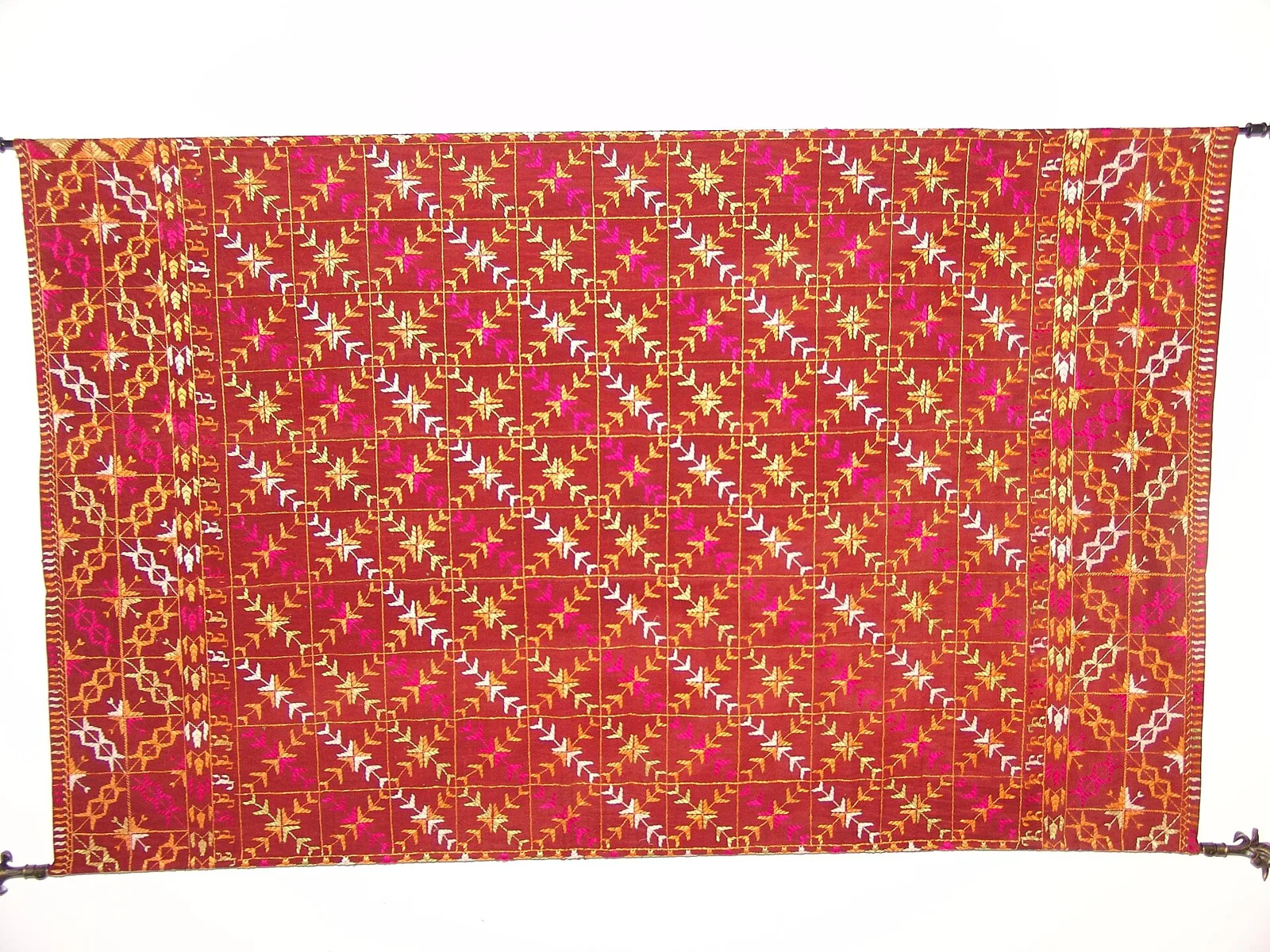
Patiala is associated with Punjabi dress and adornment, including the voluminous Patiala salwar and the distinctive Patiala-style turban. These are clothing traditions rather than crafts exclusive to the district. Phulkari, the colourful embroidered textile work practised across Punjab, is another regional art form found in garments and household textiles. Punjabi juttis and woven durries are also made and sold in parts of the wider region. In Patiala’s markets, visitors may find locally made items alongside goods brought in from elsewhere, so ask sellers about an item’s origin and how it was made.
Baisakhi in spring, Lohri in winter and Teej during the monsoon season are observed in Patiala as part of wider Punjabi traditions. Sikh religious occasions are also marked by local congregations and events. Cultural and heritage programmes may take place in Patiala, but their schedules can vary from year to year. These celebrations can bring extra visitors and busier streets, while demand for rooms may rise around major events, weddings and holiday periods. Check local event information and arrange accommodation ahead if travelling during a festival.
In this district
The district is largely level, fertile alluvial plain, with agricultural fields, villages and urban settlements rather than hills or coastline. The Ghaggar and seasonal drainage channels influence parts of the wider landscape, and some low-lying areas can be affected by monsoon water. The open terrain makes road travel between settlements relatively straightforward, though traffic, weather and local road conditions still affect journeys. Woodland and wildlife are not defining features of the usual Patiala city itinerary.
Patiala has hot summers, a monsoon season and cool winters. Summer days can feel intense, so plan outdoor time for the cooler parts of the day and carry sun protection and water. Monsoon showers can make roads wet and may affect local travel. Winter is generally pleasant for sightseeing, though mornings can be cold and fog may sometimes slow road journeys. October to March is usually the most comfortable period to visit. Pack light, breathable clothing for warm weather, a rain layer during the monsoon, and warm layers for winter mornings and evenings.
Patiala city has a railway station, the nearest principal station for visiting the city and its heritage sites. The nearest operating airport is Shaheed Bhagat Singh International Airport in Chandigarh; onward travel is by road. Patiala is connected to other Punjab towns and to Chandigarh and Delhi by road. Punjab Roadways and PEPSU Road Transport Corporation (PRTC), as well as private coaches, serve regional routes. Within the city, auto-rickshaws, e-rickshaws and taxis can help with local journeys; a hired car is useful for exploring rural parts of the district. Check current services locally before travelling.
Patiala city is linked by road with other towns in Punjab and with regional centres such as Chandigarh. Buses and rail services connect the city with parts of the wider region; check current services before setting out. Within Patiala, auto-rickshaws and taxis are practical for getting around, while local buses serve some routes. Shared vehicles may be available on busier corridors but are not dependable for every journey. Sheesh Mahal is in Patiala, so visitors can arrange local transport from a city base; allow for urban traffic and confirm access arrangements locally.
2 days: Patiala; Sheesh Mahal. Sleep in Patiala both nights. 3 days: Patiala; Sheesh Mahal; Patiala at an unhurried pace. Sleep in Patiala each night.
Patiala city is the most practical base for both suggested circuits, since both listed destinations are associated with the city. Visitors can generally find hotels and guesthouses, with other accommodation options varying by season and local availability. Homestays, government lodges and dharamshalas may be available in the wider area, but facilities and access differ, so confirm arrangements before relying on them. Staying centrally can simplify local travel; during festivals or busy event periods, check availability early.
The listed itinerary is mainly urban and on level terrain. Use sun protection and drink safe, preferably sealed or properly treated, water; take extra care during summer heat. Monsoon rain can leave roads slippery or waterlogged, while winter fog may reduce visibility for drivers. Traffic conditions can be busy, so use recognised transport and take care when crossing roads. Mobile connectivity is generally available in towns but may vary on rural stretches. Wildlife is not usually a major concern on this city itinerary. No special protected-area permit is ordinarily relevant to the listed places; confirm any access rules with official local sources, especially if adding other sites.
- Fatehgarh Sahibabout 34 km
- Ambala · Haryanaabout 37 km
- Mohaliabout 48 km
- Kurukshetra · Haryanaabout 59 km
- Chandigarh · Chandigarhabout 59 km
- Panchkula · Haryanaabout 70 km
- Solan · Himachal Pradeshabout 87 km
- Ludhianaabout 88 km
Straight-line distance between the centres of each district's destinations; road distance is longer.
Q: How many days should I spend in Patiala district? A: Two days suit a visit to the listed places; allow three for a slower pace. Q: When is the best time to visit? A: October to March is generally the most comfortable season for sightseeing. Q: What is the best base for this itinerary? A: Patiala city is the practical base for both listed destinations. Q: How can I get to Patiala? A: Patiala is connected to the wider region by road, bus and rail; check current services before travelling. Q: Is Patiala suitable for families or elderly travellers? A: Yes, the listed itinerary is mainly urban and on level ground. Plan for heat, traffic and possible winter fog, and allow a comfortable pace.
This page draws on our 2 destination guides for Patiala and is updated as our team checks it.
Be the first to share photos, stories, advice or a helpful contact for Patiala.
Loading…