
District · Punjab
Fatehgarh Sahib
Fatehgarh Sahib offers a close look at central Punjab’s Sikh heritage, historic towns and agricultural landscape.
Fatehgarh Sahib lies in the agricultural plains of central Punjab, where towns, villages and fields are linked by a network of regional roads. The district’s identity is closely tied to Sikh history and pilgrimage: Fatehgarh Sahib commemorates the martyrdom of the younger Sahibzadas, the sons of Guru Gobind Singh. Its heritage also reaches further back. Sanghol is known for archaeological remains associated with the Harappan period, while Aam Khas Bagh preserves the remains of a historic highway inn. Together, these places give the district a character shaped by living religious traditions, farming communities and layers of history.
Fatehgarh Sahib offers a close look at central Punjab’s Sikh heritage, historic towns and agricultural landscape. Its best-known pilgrimage site commemorates the martyrdom of the younger Sahibzadas, the sons of Guru Gobind Singh, and draws worshippers throughout the year. Sirhind’s historic Aam Khas Bagh reflects the district’s place on old travel routes, while Sanghol brings a much older archaeological layer, including remains associated with the Harappan period. The district is a useful stop for travellers exploring the region between Chandigarh, Patiala and Rupnagar, especially those interested in religious history and heritage rather than hill or wilderness tourism.
The district’s past spans several periods. Sanghol is known for archaeological evidence of an ancient settlement associated with the Harappan period, as well as later Buddhist remains. In medieval times, Sirhind became an important administrative centre and a strategic stop on routes across northern India. During the Mughal period it was a prominent town; Aam Khas Bagh preserves remains of a highway inn from that era. Sirhind is also central to Sikh history: its governor, Wazir Khan, is associated with the martyrdom of Guru Gobind Singh’s younger sons in 1705. Sikh forces under Banda Singh Bahadur captured Sirhind in 1710, and the town remained part of the region’s changing Sikh political landscape. Punjab came under British rule after its annexation in 1849, followed by further administrative changes during the colonial and post-independence periods. Fatehgarh Sahib district was formed in 1992, taking its name from the Sikh pilgrimage town that commemorates the Sahibzadas.
3 destination guides
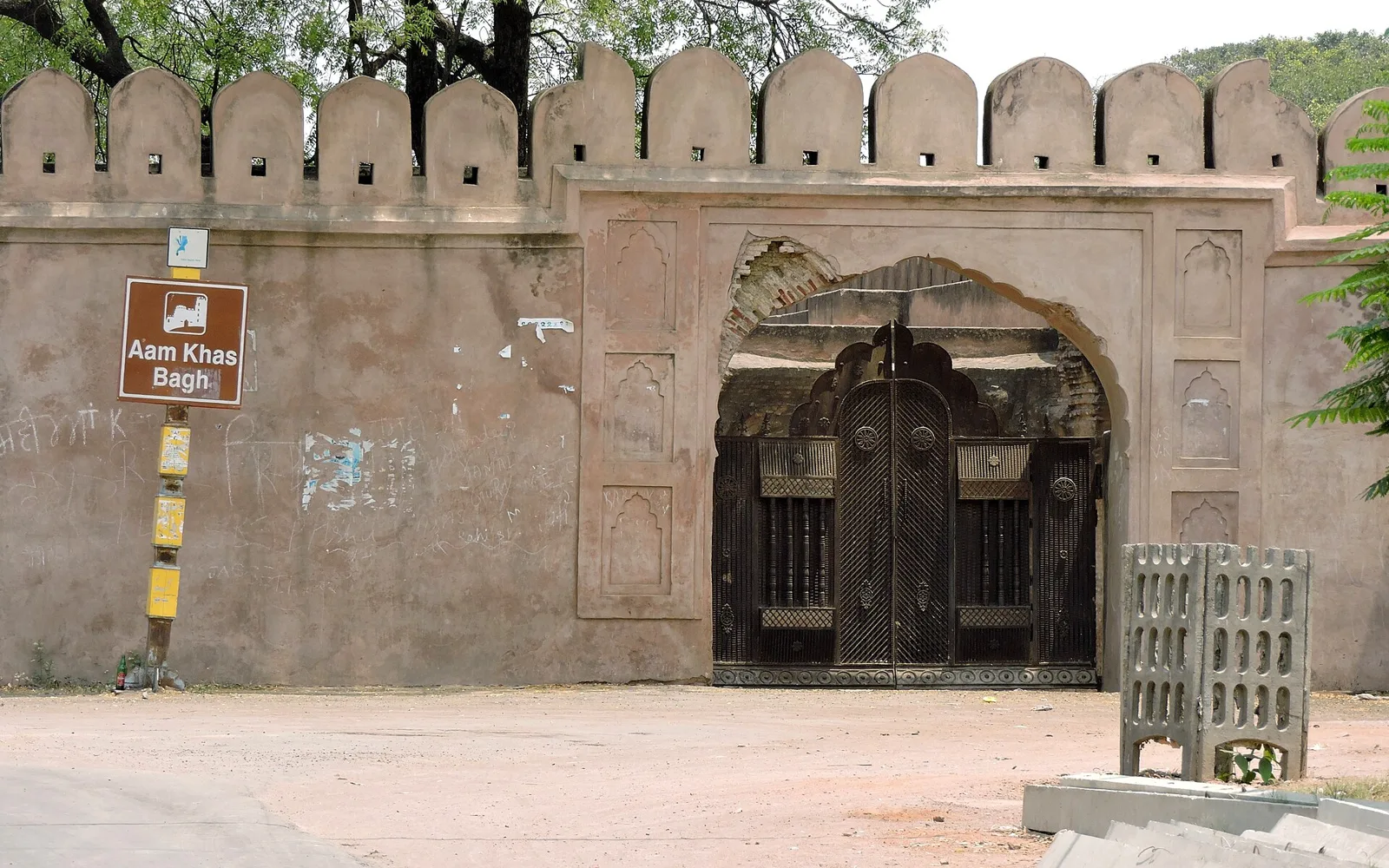
Aam Khas Bagh
Aam Khas Bagh is a surviving Mughal-era roadside inn complex in Punjab’s Fatehgarh Sahib district, visited for its history as accommodation on the Delhi–Lahore route.
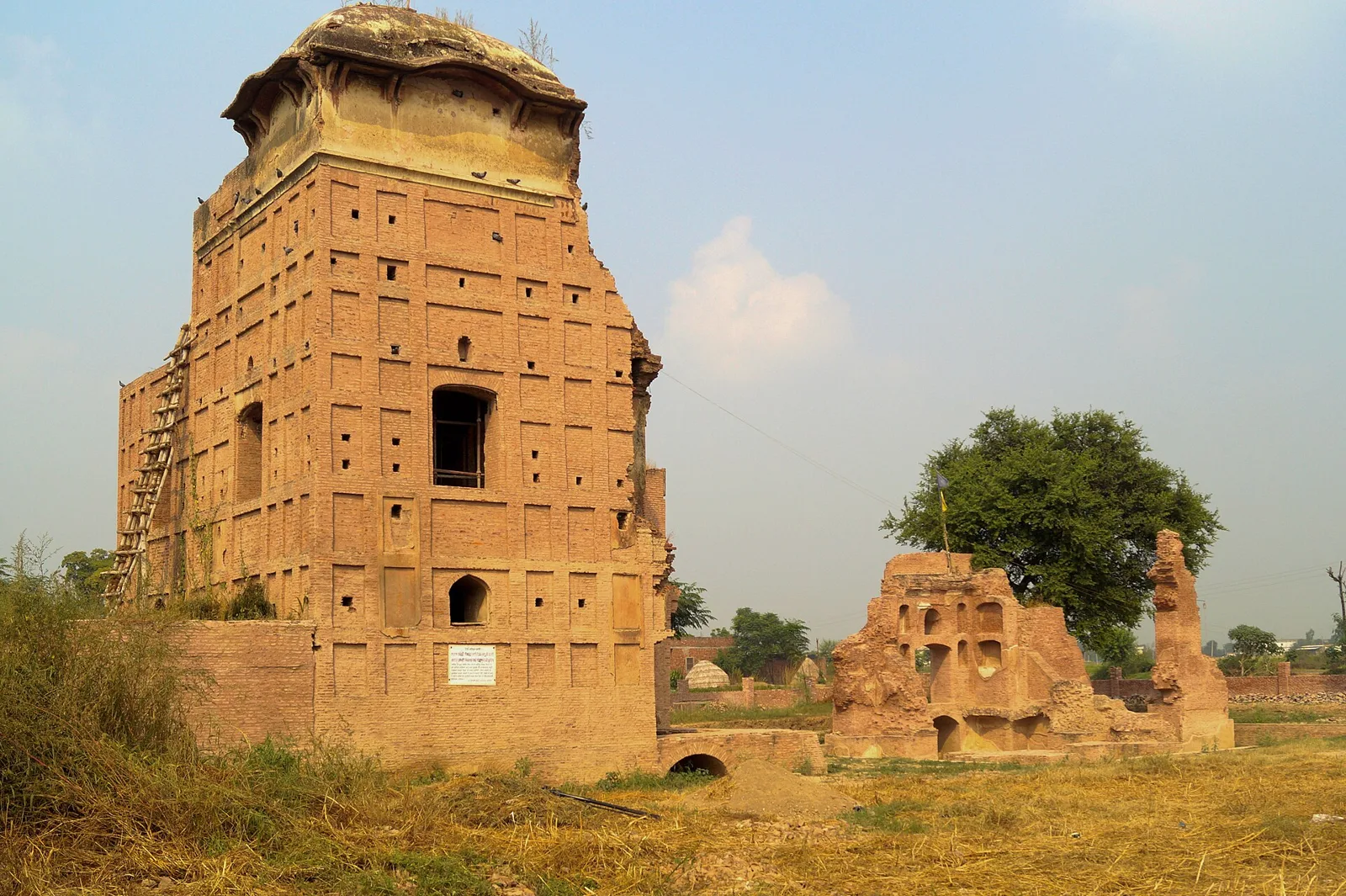
Fatehgarh Sahib
Fatehgarh Sahib is a city in Punjab and a Sikh pilgrimage centre, visited for its historic gurdwaras and its connection with the martyrdom of Guru Gobind Singh’s young sons.
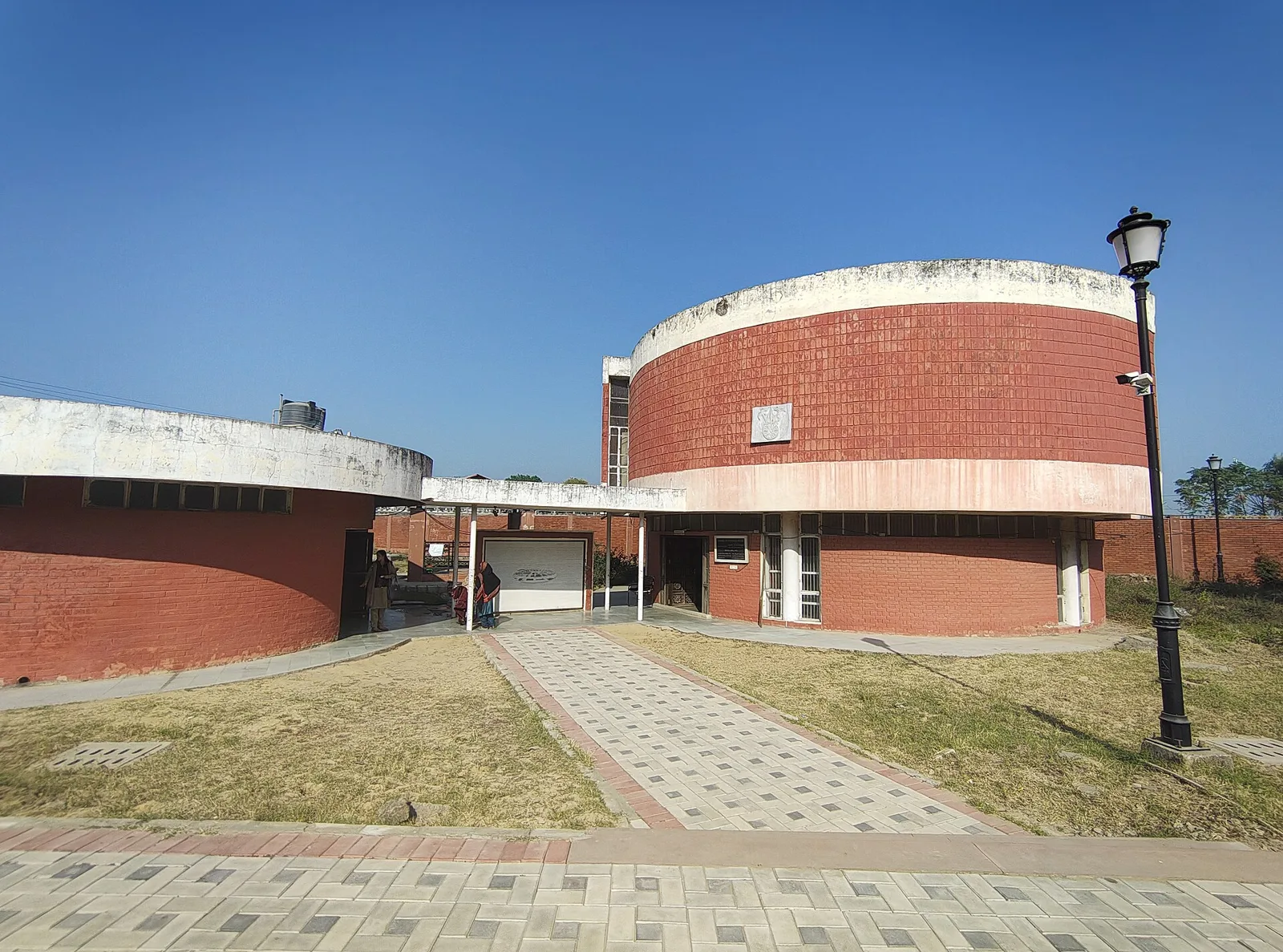
Sanghol
Sanghol, also called Uchha Pind Sanghol, is a village in Punjab’s Fatehgarh Sahib district with roots in the Harappan civilisation. Visitors come to see its excavated Buddhist and Kushan remains and the museum collections.
The district shares the broader food traditions of Punjab. Sarson da saag with makki di roti, tandoori dishes, chole bhature, lassi, and sweets such as jalebi and pinni are familiar regional choices, though menus vary from place to place and by season. Small eateries may prepare a limited selection each day, so it is worth asking what is fresh. Gurdwara langar offers a free vegetarian meal to all visitors. In towns, travellers can also find simple dhabas, including some serving non-vegetarian food.
Fatehgarh Sahib is not especially known for a single district-specific craft. Across Punjab, traditional arts include phulkari embroidery, woven durries and the making of Punjabi juttis. These are regional traditions rather than crafts that can be assumed to originate in this district; availability varies between towns and markets. Visitors interested in handmade work can ask locally about current makers and products, and should check how an item is made and where it comes from rather than assuming that all embroidered or woven goods are locally produced.
The district’s major annual gathering is the Shaheedi Jor Mela at Fatehgarh Sahib, held in December in remembrance of the younger Sahibzadas. Pilgrims come for prayers, commemorative events and community gatherings, so the town becomes especially busy and nearby rooms can fill quickly. Sikh Gurpurabs are observed during the year, with local gurdwaras hosting services and gatherings. Baisakhi, in spring, is also celebrated in Punjab with religious observances and community events. Travellers visiting during major gatherings should allow extra time for road congestion and arrange accommodation well ahead where possible.
In this district
Elsewhere in Punjab
Fatehgarh Sahib lies in Punjab’s level agricultural plains. Cultivated fields, villages and towns are connected by regional roads, while irrigation canals and watercourses form part of the rural landscape. There are no major hill ranges or extensive forests in the district, and travel is generally across open, settled countryside. The landscape makes road journeys straightforward, though rural roads may be narrower and slower than highways. Sanghol and the historic sites around Sirhind are reached through this farm-and-village setting, so visitors should plan for a mix of town streets and local roads rather than a single compact heritage precinct.
The district has hot summers, a monsoon season and cool winters. Summer heat can make midday sightseeing tiring, while monsoon showers may leave some local roads wet or slow. Winter is generally comfortable for outdoor visits, though early mornings and evenings can be cold and fog may affect road or rail journeys. October to March is usually the most pleasant period for exploring heritage sites and travelling between towns. Pack light, breathable clothing and sun protection in warmer months; for winter, bring warm layers, and during the monsoon carry rain protection and footwear suitable for damp conditions.
Shaheed Bhagat Singh International Airport in Chandigarh is a useful air gateway for the district. Sirhind Junction is a principal railway station serving the Fatehgarh Sahib area; travellers heading to Sanghol may also find Rupnagar useful. Roads connect the district with Chandigarh, Patiala and other Punjab towns, and buses operated by Punjab Roadways and PEPSU Road Transport Corporation serve regional routes. Taxis or other local vehicles can help with the final journey to pilgrimage sites and heritage locations, where public transport may be less convenient. Check current services locally before travelling.
Sirhind and Fatehgarh Sahib are linked by local roads, and regional roads connect them with other district towns and villages. Punjab Roadways and PEPSU Road Transport Corporation buses serve regional routes, though a bus may not take visitors directly to every heritage site. Local buses, autos or shared vehicles can help with shorter journeys where available; taxis offer more flexibility for combining sites, especially Sanghol with Sirhind-area stops. Public transport is less convenient for some rural locations, so confirm onward options locally and allow extra time during busy pilgrimage periods.
2 days: Fatehgarh Sahib → Aam Khas Bagh; sleep in Sirhind after day one. 3 days: Sanghol → Fatehgarh Sahib → Aam Khas Bagh; sleep near Sanghol or in Rupnagar after day one, then in Sirhind after day two.
Sirhind is the most practical base for visits to Fatehgarh Sahib and Aam Khas Bagh, with ordinary hotels and religious accommodation such as dharamshalas in the wider area. For a Sanghol-focused circuit, Rupnagar can be a useful base, as accommodation close to the village may be limited. Travellers may also find homestays or government accommodation in the wider region, but availability varies and should be checked directly. During the Shaheedi Jor Mela and other large gatherings, arrange a room well in advance.
The district is mostly level and settled, with no high-altitude or wilderness hazards at these destinations. In summer, carry drinking water, use sun protection and avoid overexertion; choose safe drinking water throughout the year. Winter fog can reduce visibility, and rural roads may be narrow or busy with agricultural traffic, so travel cautiously and allow extra time. Expect crowds and traffic diversions around Fatehgarh Sahib during major religious gatherings. Mobile connectivity is generally available in towns but can be less reliable in some rural areas. No special permit is generally expected for ordinary visits to these sites; confirm any current access restrictions with official sources.
- Mohaliabout 27 km
- Patialaabout 34 km
- Chandigarh · Chandigarhabout 40 km
- Ambala · Haryanaabout 48 km
- Panchkula · Haryanaabout 52 km
- Ludhianaabout 65 km
- Rupnagarabout 66 km
- Solan · Himachal Pradeshabout 67 km
Straight-line distance between the centres of each district's destinations; road distance is longer.
Q: How many days should I spend in Fatehgarh Sahib district? A: Two days suit a visit to Fatehgarh Sahib and Aam Khas Bagh; allow three days to include Sanghol at a comfortable pace. Q: When is the best time to visit? A: October to March is generally the most comfortable season. December is significant for the Shaheedi Jor Mela, but it is also a busier time. Q: Where is the best base for sightseeing? A: Sirhind is convenient for Fatehgarh Sahib and Aam Khas Bagh; Rupnagar can be useful when visiting Sanghol. Q: How do I get to the district? A: Chandigarh airport and Sirhind Junction are useful gateways. Regional buses and road connections serve the area; taxis or local vehicles can help with the final legs. Q: Is the district suitable for families or elderly travellers? A: Yes. The main sites are in settled areas, but walking, steps and crowds can vary. Plan rest breaks and check access conditions in advance, especially during large gatherings.
This page draws on our 3 destination guides for Fatehgarh Sahib and is updated as our team checks it.
Be the first to share photos, stories, advice or a helpful contact for Fatehgarh Sahib.
Loading…