Ghumoopedia — Explore, Discover, Experience
Sign in

Religious · Punjab

Hola Mohalla

Anandpur Sahib

Dates

Last verified 17 November 2026. Confirmed: announced by organisers or government. Provisional: from a published almanac, not yet announced. Seasonal: no date announced.

The complete guide

Hola Mohalla: everything to know before you go

Also known as
Hola; Hola Mohalla Mela
State and district
Punjab; Rupnagar district (Anandpur Sahib)
When
March, beginning the day after Holi
Duration
About 3 days (the main mela), with Sikh events through the week
Faith and community
Sikh, with Nihang Sikh groups taking a leading role; people of many faiths attend
Type
Martial and religious festival
Entry
Free
Best for
Martial arts (gatka), horse riding, mock battles, kirtan, a large and lively Sikh gathering

Overview

Hola Mohalla is Punjab's festival of martial skill. Held at Anandpur Sahib in the days following Holi, it brings together hundreds of thousands of people for three days of processions, prayers and displays of fighting skills. Nihang Sikhs, the warrior order of the Sikh community, are the stars: in blue robes and high turbans, they ride horses at speed, perform gatka (the Sikh martial art with swords and sticks), and demonstrate tent-pegging and other feats of strength. The festival grew out of a wish to give a new and sturdier meaning to the festival of Holi, replacing colour-throwing with exercises in courage and discipline. Alongside the displays, there are prayers, hymns and sermons at the gurdwaras, and langar is served day and night. The mood is a mix of devotion and high spirits, and the sight of galloping horsemen in the dusty fields is among the most dramatic in Punjab.
Origins and legend

The festival was started by Guru Gobind Singh in 1701 at Anandpur Sahib. In the Hindu tradition, Holi is a spring festival of colours, played with powders and water, and in the time of the Guru it had grown to include much revelry. The Guru, who was building a community of disciplined and courageous followers, gave the day a new form. Instead of simply throwing colours, he organised mock battles between groups of Sikhs, with weapons, horses and drums, and asked his followers to demonstrate their skills. The name reflects this purpose: Hola comes from halla, meaning an attack or charge, and mohalla refers to an organised column or procession, or a place of assembly.

In the tradition, the Guru's aim was to prepare the Khalsa for the defence of the community and to teach that devotion and courage belong together. The mock battle (mohalla) and the display of skills became a yearly event, and it continued after the Guru's time as a major gathering of the Panth. Over time, the Nihang orders became its main custodians, and the festival developed a character of its own, quite different from Holi in the rest of India. Today, Hola Mohalla preserves the Guru's idea of faith expressed through discipline, physical skill and readiness to serve.

How it is celebrated

The festival opens with prayers and kirtan at the gurdwaras of Anandpur Sahib, especially Takht Sri Kesgarh Sahib, and with the arrival of Sikh groups from across Punjab and beyond, many on foot, in tractors and on horseback. On the main day, a grand procession, led by the Panj Pyare and the Guru Granth Sahib, sets out from the Takht, accompanied by Nihang groups with flags, horses, elephants in some years and bands. The procession moves through the town, passing Qila Holgarh and ending in the open ground near the Charan Ganga area, where the martial displays take place. Throughout the festival, free langar stalls line the roads and fields, and volunteers (sevadars) offer food, water and shelter to visitors. At night, the town is lit and kirtan continues in the gurdwaras.

The cultural days

The cultural days of Hola Mohalla show the martial side of Sikh culture. Nihang groups put on displays of gatka, in which participants wield swords, shields, spears and sticks with great speed, and of horse riding, including standing on galloping horses and tent-pegging, where riders try to lift a small peg from the ground with a lance. Wrestling, archery and weightlifting displays are also held. Poetic recitations, heroic ballads (vaars) and discussions on Sikh history take place on stages, and there are exhibitions of weapons and traditional dress. Craft stalls and bookshops sell religious books, turbans, kirpans and souvenirs. Families come to watch, and young Sikhs often take part to learn gatka and horse riding. The mood is bold and cheerful, with a strong sense of community pride.

The pilgrimage days

Pilgrims come to Hola Mohalla to visit the historic shrines of Anandpur Sahib. Takht Sri Kesgarh Sahib, where the Khalsa was founded, is the central shrine, and queues to enter can be long. Other important gurdwaras include Gurdwara Sis Ganj Sahib, which marks the cremation of the head of Guru Tegh Bahadur, the ninth Guru, and Gurdwara Bhora Sahib, as well as Qila Anandgarh Sahib and Qila Holgarh Sahib, the forts where the Guru's forces were based. Pilgrims offer prayers, listen to kirtan, bathe in the sacred pools and receive karah prasad. For many, the walk to Anandpur Sahib is itself an act of devotion, and groups of Sikhs travel long distances singing hymns. The prayers are marked by humility and devotion, and the festival is both a celebration and a pilgrimage.

Food and flavours

Hola Mohalla is best known for its langars, which are laid out in every corner of Anandpur Sahib. Volunteers serve hot dal, rice, roti and vegetables, along with kheer, halwa and sweets, to everyone who comes, and the generosity is memorable. Many langar stalls serve special items such as pakoras, jalebi, parathas with butter and lassi, and cold drinks and fruit are given out on the roadside in the warm March sun. Karah prasad is given at the gurdwaras. Street vendors sell chaat, chole bhature, samosas, fruit chaat, sugarcane juice and Punjabi sweets such as pinni and barfi. As with all langar, the etiquette is simple: sit with others in rows, accept what is served with thanks, take only what you can eat, and do not waste food. Visitors are also asked not to bring meat, alcohol or tobacco near the gurdwaras.

Music, dance, art and dress

The music of Hola Mohalla has a martial pulse. Drums, bugles and the large kettledrum nagara accompany the processions, and Nihang groups chant war cries and verses. In the gurdwaras, ragis sing Gurbani in the traditional raga-based style, and dhadi singers perform vaars, heroic ballads of Sikh history, accompanied by the sarangi and the small drum dhad. Folk music and bhangra may be heard on the margins of the fair.

Dress is a visual highlight. Nihang Sikhs wear flowing blue robes (chola), tall conical turbans (dumalla) decorated with steel quoits (chakkar), and carry swords, spears and shields, as well as bands of ammunition-style decoration. Many wear saffron and yellow as well. Horses and elephants are decorated with cloth and tassels. Visitors wear modest clothes with head coverings at the gurdwaras. Banners and flags in saffron and blue fly over the town, and the sight of thousands of turbans is one of the lasting images of the festival.

Where to experience it

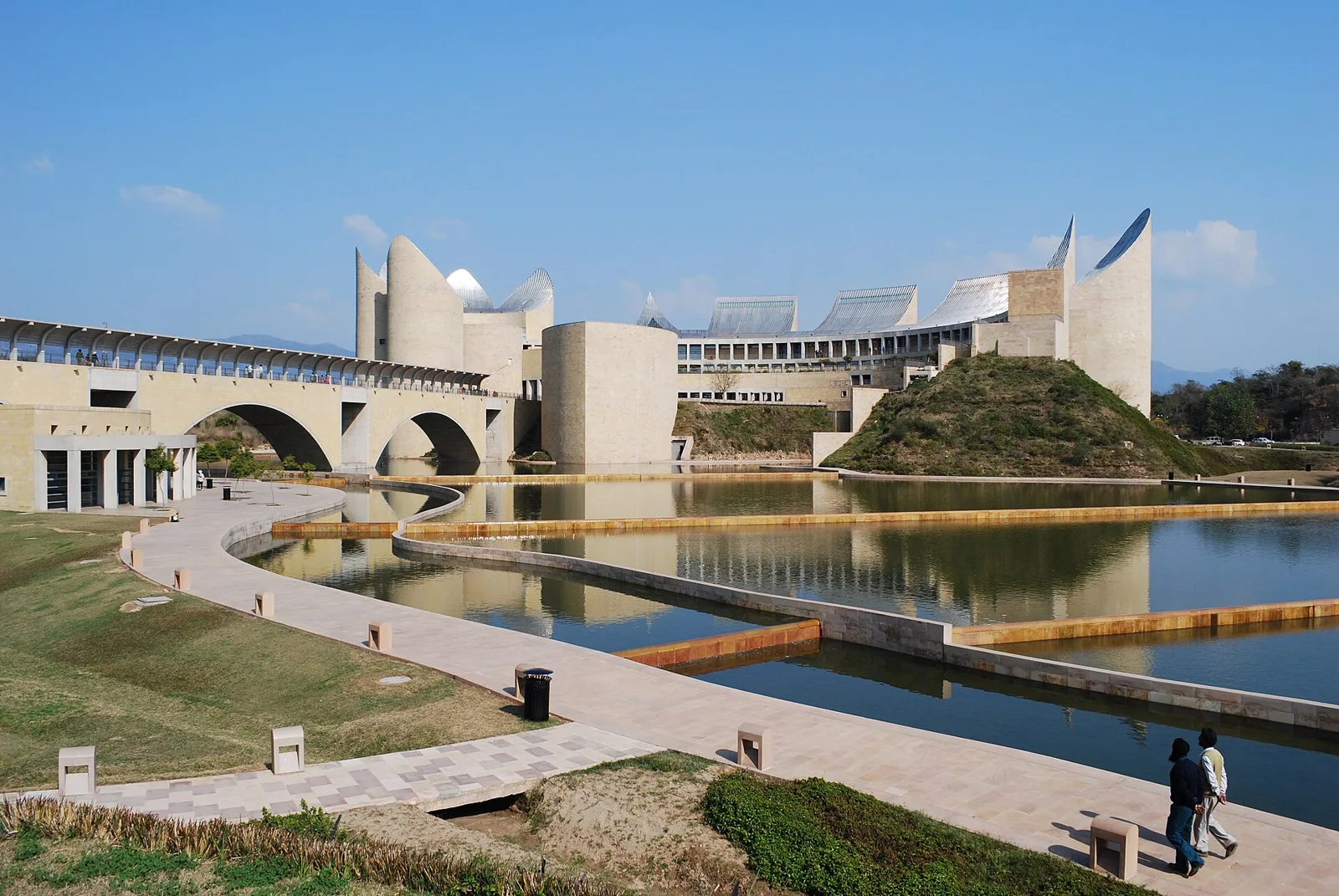
The festival centres on Anandpur Sahib, a town in Rupnagar district at the foot of the Shivalik hills. The main sites are Takht Sri Kesgarh Sahib, Gurdwara Sis Ganj Sahib and the forts of Anandgarh and Holgarh. The martial displays and the end of the procession usually take place on the open ground near Charan Ganga and Holgarh, though the route and venues can change from year to year, so check with the local authorities. The Virasat-e-Khalsa museum, which tells the story of Sikh history through exhibits and architecture, is within easy reach and is a good visit on a quieter day. Nearby Kiratpur Sahib, Naina Devi and the Bhakra–Nangal dam region offer other places to see within a day's travel.

Visitor guide

  • Getting there. Anandpur Sahib is about 80 km from Chandigarh and about 45 km from Rupnagar. The nearest airport is Chandigarh, and Rupnagar and Anandpur Sahib have rail links. Roads are often closed to normal traffic during the festival, so plan to walk or use shuttles.
  • Where to stay. Gurdwara sarais and tent camps provide basic lodgings, and hotels fill early. Many visitors stay in Chandigarh, Mohali, Nangal or Rupnagar and travel in for the day.
  • What to wear and pack. March days are warm and nights cool. Wear light modest clothes, bring a shawl or jacket, a head covering, a hat, sunscreen and comfortable shoes that are easy to take off.
  • Etiquette. Cover your head, remove shoes and wash your feet at the gurdwaras. Avoid tobacco, alcohol and intoxicants. Keep a respectful distance from the Nihang groups, and ask before photographing people, horses and weapons.
  • Safety and comfort. The crowds are very large, and horses and fast-moving groups move through them, so stay alert near the display grounds. Drink water, protect yourself from dust, and keep close to your group.

Today and tomorrow

Hola Mohalla continues to grow in size and visibility, and it has become one of the best-known festivals in Punjab. The state manages large crowds with special arrangements, and organisers and gurdwaras emphasise safety and cleanliness. The festival is also an opportunity for young Sikhs to learn gatka and horse riding, and several schools now teach the martial art. Challenges include traffic, waste, and the safe handling of weapons and animals in crowded areas, and the community is working to keep the festival both vibrant and safe.

Nearby

Places to see around the festival