
District · Punjab
Gurdaspur
Gurdaspur offers a view of northern Punjab shaped by farming, borderland geography and Sikh religious heritage.
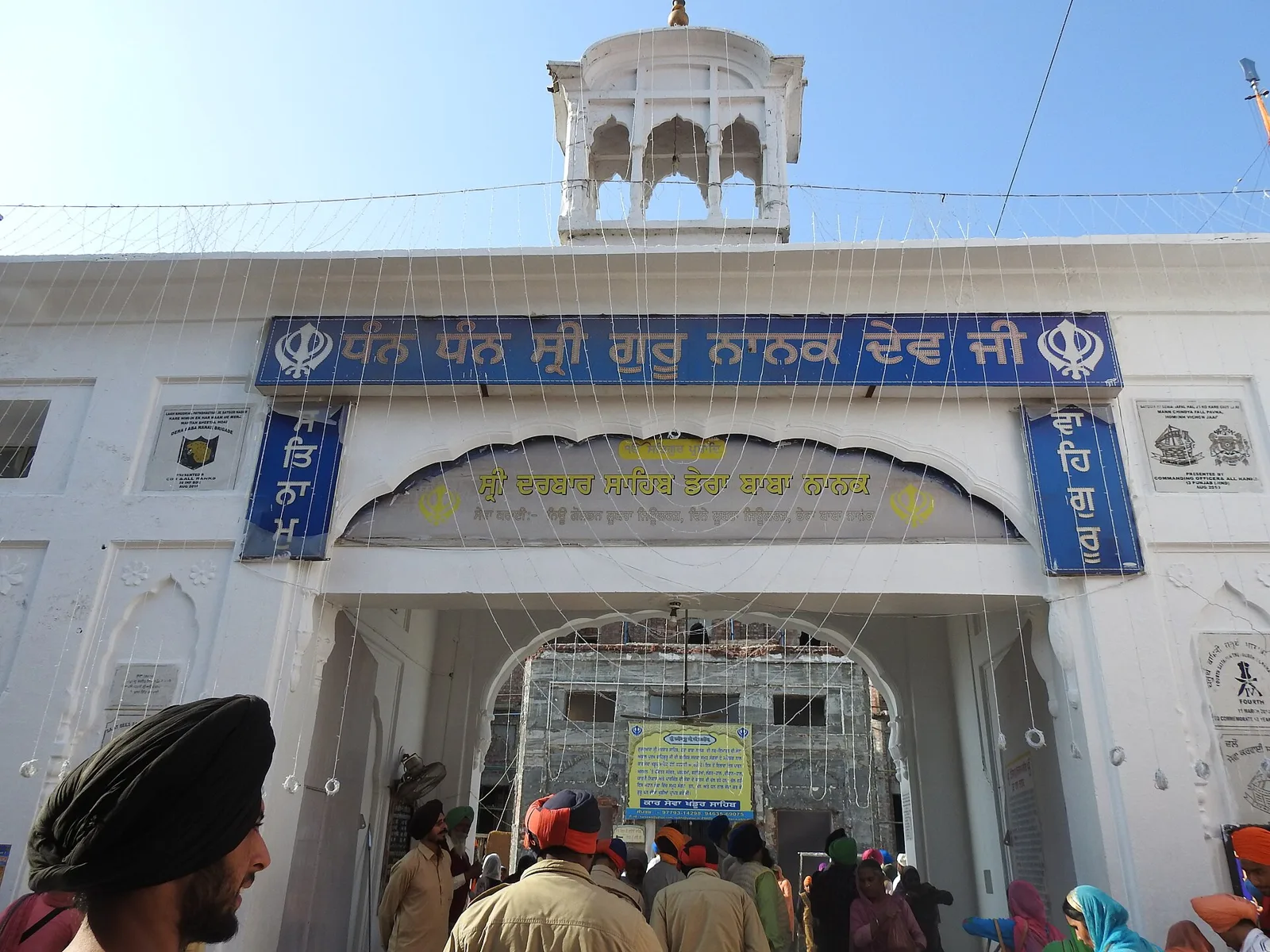
Gurdaspur lies in northern Punjab, where fertile agricultural plains, villages and busy market towns shape the landscape. Its western edge meets the international border with Pakistan along stretches of the Ravi river. Farming gives much of the district its everyday rhythm, while Sikh religious heritage draws pilgrims and visitors. Dera Baba Nanak is closely associated with Guru Nanak and is an important centre of devotion. The historic town of Batala adds another layer through its religious associations and longstanding commercial and industrial character. Across the district, gurdwaras, cultivated fields and roadside settlements offer a grounded introduction to Punjab beyond its larger cities.
Gurdaspur offers a view of northern Punjab shaped by farming, borderland geography and Sikh religious heritage. The district is best known to many visitors for Dera Baba Nanak, a pilgrimage town associated with Guru Nanak and the nearby Kartarpur pilgrimage route across the international border. Its position along the Ravi gives the area particular historical and contemporary significance. Batala, another important town, combines religious associations with a long-established commercial and industrial life. Travellers can experience these places alongside cultivated plains and everyday market-town activity, making Gurdaspur a useful stop for understanding Punjab beyond its larger urban centres.
The Gurdaspur region has been part of the wider history of the Punjab, a crossroads where successive rulers and communities shaped towns, trade and religious life. The area came under Mughal administration and later experienced the rise of Sikh powers, including the misls and the Sikh kingdom established under Maharaja Ranjit Singh. Batala developed as a notable town, while Dera Baba Nanak became associated with Sikh devotion and the life of Guru Nanak. After the British annexed the Sikh kingdom in 1849, the region was administered within colonial Punjab. The 1947 Partition divided Punjab and made this area part of India's newly established international frontier; the boundary also reshaped local connections and movement. Gurdaspur continued as a district after independence, though administrative boundaries changed over time. Pathankot was separated to form a distinct district in 2011. The district's present character reflects this layered history: agricultural settlements, historic towns, Sikh pilgrimage sites and a border whose crossing arrangements are governed by current rules.
Food in Gurdaspur belongs to the wider Punjabi tradition, with wheat breads, pulses, seasonal vegetables and dairy featuring prominently. Sarson da saag with makki di roti is especially associated with the cooler months. Chole bhature, stuffed kulchas, lassi and tandoori dishes are familiar regional choices, while pinni and jalebi satisfy a sweet tooth. Gurdwara langar offers a free vegetarian meal to everyone, reflecting traditions of service and shared eating. Small eateries may prepare only a limited daily menu, so ask what is fresh. Carry drinking water and snacks when visiting quieter rural sites.
Gurdaspur shares in Punjab’s wider textile and decorative traditions rather than having a single craft that defines the district. Phulkari, the region’s celebrated embroidery tradition, uses colourful threadwork on cloth and is associated with garments, ceremonial textiles and family celebrations. Punjabi juttis and woven cotton durries are other regional craft forms visitors may encounter in shops. Availability and provenance vary: a product sold locally is not necessarily made in the district. Ask sellers whether embroidery is handmade or machine-made, and where the piece was produced.
Sikh Gurpurabs, especially celebrations associated with Guru Nanak, are important across the district and can bring pilgrims to Dera Baba Nanak. The observances generally follow the Sikh calendar, with Guru Nanak's birth anniversary usually falling in autumn. Baisakhi in spring is celebrated across Punjab, while other Sikh festivals and religious gatherings are observed in local gurdwaras. These occasions can increase traffic and demand for rooms near pilgrimage sites and in larger towns. Dates and the scale of local events vary each year, so visitors planning around a festival should check local announcements and arrange accommodation ahead.
Elsewhere in Punjab
- Hola Mohalla23 Mar 2027 – 25 Mar 2027 · Provisional
- Lohri & Maghi MelaDates to be announced · Seasonal
- BaisakhiDates to be announced · Seasonal
- Gurpurabs at the Golden Temple24 Nov 2026 · Provisional
- Shaheedi Jor MelaDates to be announced · Seasonal
- TeeyanDates to be announced · Seasonal
- Kila Raipur Sports FestivalDates to be announced · Seasonal
Gurdaspur is mainly a level, cultivated plain, with fields, villages and market towns defining much of the journey. The Ravi runs along stretches of the district's western international boundary, and its floodplain influences the surrounding countryside. The district's northern setting brings the foothills of the wider Punjab region closer, though most visitor routes are through lowland terrain. Roads connect settlements across agricultural land, but rural lanes can be slower and less direct than main routes. Border areas have controlled zones and designated crossing arrangements; visitors should follow signs and official instructions rather than approach the river boundary independently.
Summers are generally hot, and outdoor visits are more comfortable in the morning or later in the day. The monsoon season brings humidity and rain, which can make rural roads muddy or slow travel. Winters are cooler, with fog sometimes affecting road journeys, particularly early in the day. October to March is usually the most comfortable period for sightseeing and pilgrimage visits, though winter evenings can feel cold. Pack light, breathable clothing and sun protection for warmer months; bring rain protection during the monsoon and warm layers for winter. Check local conditions before travelling, especially when rain or fog is forecast.
Sri Guru Ram Dass Jee International Airport in Amritsar is a convenient air gateway for Gurdaspur district, particularly for Dera Baba Nanak. Gurdaspur railway station serves the district headquarters, with onward travel needed for other towns and villages. Road connections link the district with Amritsar, Pathankot and other parts of Punjab. State-run and private buses serve major towns, while taxis and auto-rickshaws can help with shorter journeys and the final leg to religious sites. Rural connections may be less frequent, so arrange return transport before setting out. Check current services locally.
Road travel is the main way to move between Gurdaspur's towns and religious sites. Buses connect larger settlements, but services to villages and smaller pilgrimage locations may be less frequent. Taxis can provide a more flexible option, while auto-rickshaws are useful for short trips within towns; availability varies outside town centres. Shared vehicles may operate on some local routes, but visitors should confirm their destination before boarding. Rural roads can be narrow, and journeys may take longer during monsoon rain or winter fog. Arrange return transport in advance when visiting less-connected places. There is no need to plan on river transport for ordinary sightseeing.
Gurdaspur town and Batala are practical bases for travellers using the district's main road connections, with a broader choice of ordinary hotels and guest accommodation. Dera Baba Nanak is the most convenient base for a pilgrimage-focused visit, though accommodation choices may be more limited. Simple guesthouses and dharamshalas may be available near religious centres; confirm access and facilities directly. Homestays and government lodges should not be assumed to be available everywhere. During major religious gatherings, rooms near pilgrimage sites can fill, so booking ahead is sensible.
The district is mostly flat, but take care on rural roads, especially after monsoon rain and during winter fog. In border areas, follow security personnel, official signs and local instructions, and do not approach restricted sections of the international boundary. Use safe drinking water, and carry water during warm-weather outings. Crowds can build around major religious observances, so keep personal belongings secure and agree on a meeting point when travelling in a group. Mobile connectivity may be less reliable in some rural areas. Check current road and local access conditions before setting out. No special visitor permit is generally required for ordinary district sightseeing; confirm officially if your plans involve a controlled area or cross-border visit.
- Amritsarabout 48 km
- Pathankotabout 72 km
- Samba · Jammu and Kashmirabout 75 km
- Jammu · Jammu and Kashmirabout 79 km
- Kapurthalaabout 80 km
- Kathua · Jammu and Kashmirabout 91 km
- Jalandharabout 93 km
- Tarn Taranabout 98 km
Straight-line distance between the centres of each district's destinations; road distance is longer.
Q: How many days should I spend in Gurdaspur district? A: Two days can suit a focused visit to Dera Baba Nanak; allow longer if you want a slower pilgrimage visit or time in other towns. Q: When is the best time to visit? A: October to March is generally the most comfortable season, while summer heat, monsoon rain and winter fog can affect travel. Q: What is the best base for a visit? A: Dera Baba Nanak suits a pilgrimage-focused stay; Gurdaspur town or Batala can be more practical for wider road connections. Q: How do I get to the district? A: Amritsar airport is a convenient air gateway, and Gurdaspur railway station serves the district headquarters; buses and road transport connect major towns. Q: Is Gurdaspur suitable for families or elderly travellers? A: Yes, particularly for visits based in towns, but plan transport carefully, allow rest time and check accessibility at individual religious sites.
This page draws on our 1 destination guides for Gurdaspur and is updated as our team checks it.
Be the first to share photos, stories, advice or a helpful contact for Gurdaspur.
Loading…