
District · Punjab
Pathankot
Pathankot is a useful stop in north-eastern Punjab for travellers moving between the Punjab plains, the Shivalik foothills, Jammu and Kashmir, and Himachal Pradesh.
Pathankot district lies in north-eastern Punjab, where the plains rise towards the Shivalik foothills and routes lead onward to Jammu and Kashmir and Himachal Pradesh. The Ravi River forms part of its wider landscape, and the Ranjit Sagar Dam, also called the Thein Dam, is a major landmark on the Ravi. Pathankot city is the district headquarters and an important road and railway junction, giving the area a character shaped by travel, trade and its strategic position near several state and territory borders. The district was formed in 2011 from Gurdaspur district. Its mix of town, farmland and foothill scenery makes it a useful base for exploring nearby regions.
Pathankot is a useful stop in north-eastern Punjab for travellers moving between the Punjab plains, the Shivalik foothills, Jammu and Kashmir, and Himachal Pradesh. Its road and rail connections have long made it a regional junction for travel and trade. The district is best known for Pathankot city, its transport links, and the Ranjit Sagar Dam—also called the Thein Dam—on the Ravi River. Visitors can combine the town’s practical amenities with views of farmland, river country and foothills. It also works as a base for journeys beyond the district, though nearby destinations in other states and territories are separate from Pathankot district.
Pathankot’s location between the Punjab plains and the hills has made the wider region a corridor for trade, travel and military movement. Across different periods, the surrounding area was influenced by powers in the Punjab and adjoining hill country, including Mughal authority and later Sikh rule. Nearby hill principalities, among them the historic kingdom of Nurpur, were part of this broader political landscape; their histories should not be confused with the boundaries of today’s district. During British rule, the area formed part of Punjab, and Pathankot developed as a transport centre as road and railway links expanded. After the British annexation of Punjab in 1849, it remained within the administrative region that later became Indian Punjab. Pathankot was part of Gurdaspur district after Independence. The separate Pathankot district was formed in 2011 from Gurdaspur district. Its position near the borders of Punjab, Jammu and Kashmir, and Himachal Pradesh continues to shape its strategic and transport role.
2 destination guides
Pathankot
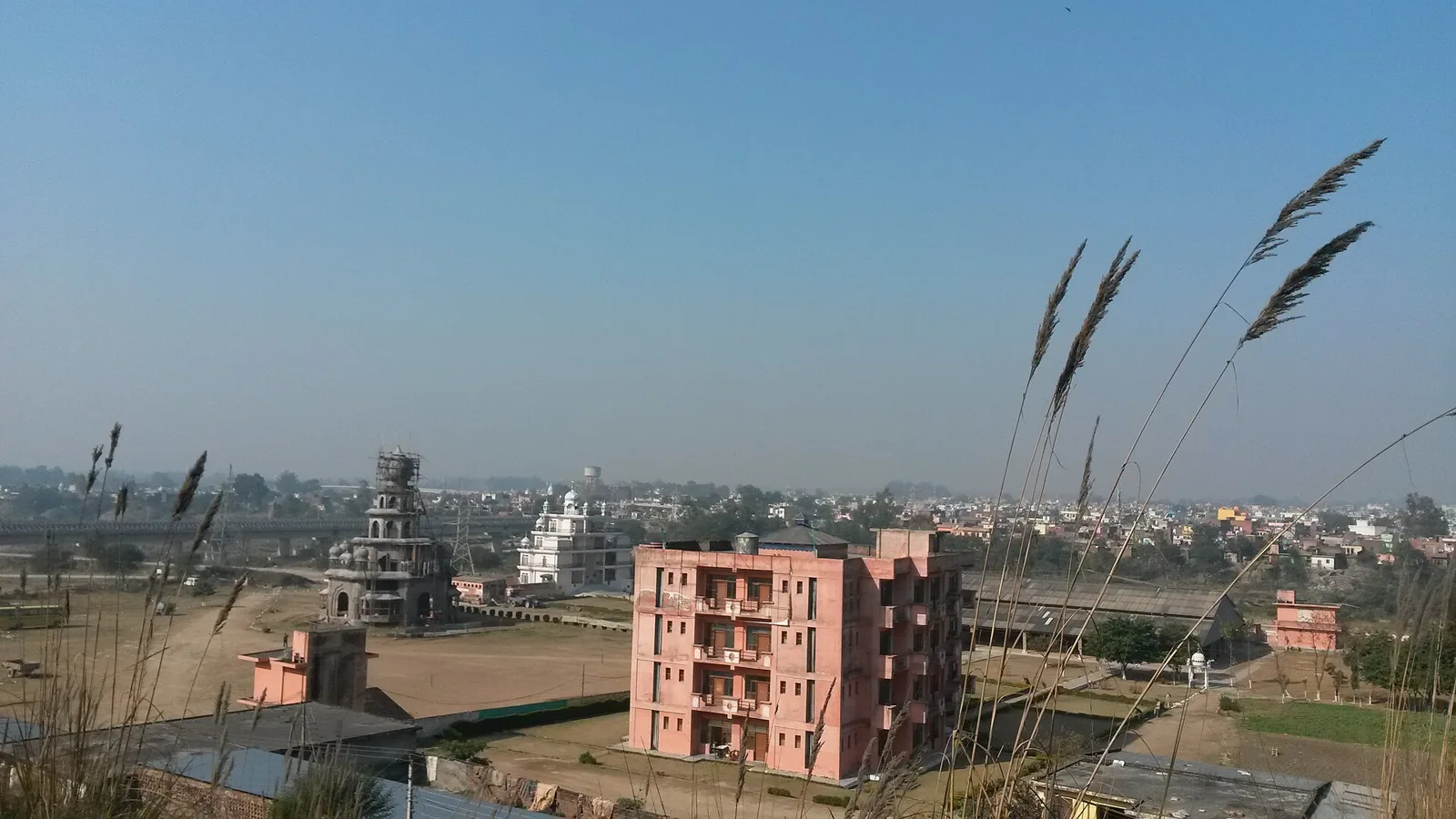
Pathankot is a city in Punjab and the administrative centre of Pathankot district. Its position close to Himachal Pradesh makes it a convenient point of access to the neighbouring state.
Ranjit Sagar Dam
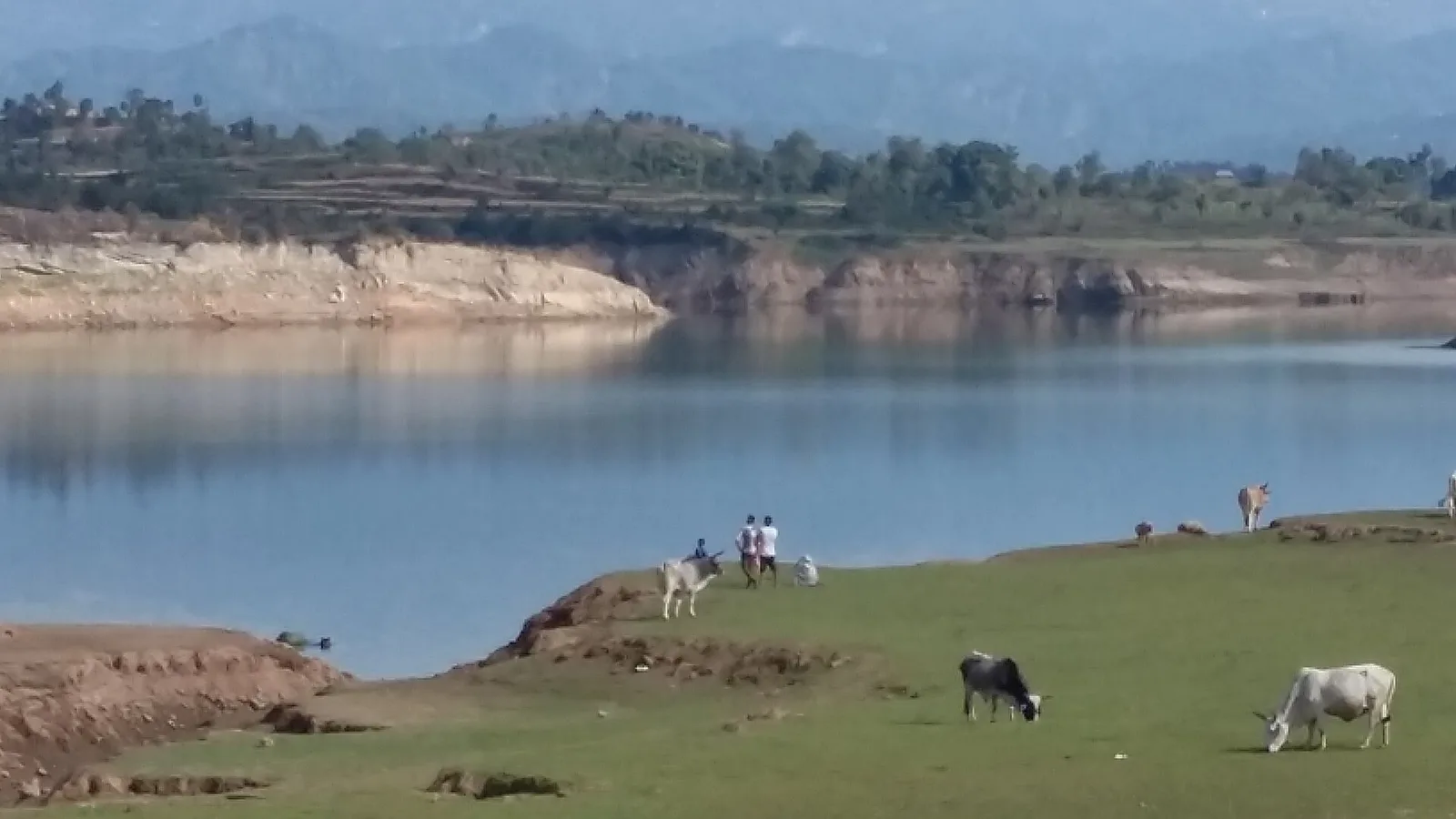
Ranjit Sagar Dam, also called Thein Dam, is a hydroelectric and irrigation project on the Ravi River. Visitors come to see its large dam and reservoir, which extends across Punjab and Jammu and Kashmir.
Food in Pathankot reflects the wider Punjabi tradition of hearty meals and shared hospitality. Sarson da saag with makki di roti, Amritsari kulcha, chole bhature, tandoori dishes and lassi are familiar regional choices; sweets such as pinni and jalebi are also widely enjoyed. Menus vary between restaurants and small eateries, where the day’s offerings may depend on what is freshly prepared. Gurdwara langar provides a free vegetarian meal to visitors, served in the spirit of equality and community. Vegetarian travellers generally have plenty of options, while simple non-vegetarian dhabas can also be found in the towns.
Phulkari embroidery is among the best-known textile traditions of Punjab, with bright threadwork traditionally used on shawls and other cloth. Handloom weaving, including rugs and durries, and leatherwork such as Punjabi juttis are also associated with the wider region. These are regional traditions rather than crafts that can be confidently described as unique to Pathankot district. Visitors may find locally made goods in town markets, but the selection and provenance can vary; ask sellers where an item was made if its origin matters.
Lohri in midwinter, Baisakhi in spring, and Diwali and Dussehra in autumn are widely observed in the region. Sikh Gurpurabs are marked at gurdwaras, while Navratri and local religious gatherings add to the seasonal calendar. Celebrations are generally community-based, with larger gatherings around prominent places of worship and in town centres. Festival periods can bring busier roads, crowds and higher demand for rooms in Pathankot, especially around major religious observances. Book ahead if travelling then, and check locally for details of fairs or events, as schedules vary from year to year.
Elsewhere in Punjab
- Hola Mohalla23 Mar 2027 – 25 Mar 2027 · Provisional
- Lohri & Maghi MelaDates to be announced · Seasonal
- BaisakhiDates to be announced · Seasonal
- Gurpurabs at the Golden Temple24 Nov 2026 · Provisional
- Shaheedi Jor MelaDates to be announced · Seasonal
- TeeyanDates to be announced · Seasonal
- Kila Raipur Sports FestivalDates to be announced · Seasonal
The district lies where Punjab’s cultivated plains meet the lower Shivalik foothills. Farmland and settled areas give way to more broken, wooded terrain towards the hills. The Ravi River shapes the wider landscape, and the Ranjit Sagar Dam, also called the Thein Dam, is a prominent feature on the river. Roads are generally easiest across the plains; routes towards foothill and dam areas can be more winding and slower. The scenery changes over relatively short journeys, but visitors should allow extra time for rural roads and check local access conditions before heading to remote sites.
Pathankot has hot summers, a monsoon season and cool winters. Summer days can be tiring for outdoor visits, while monsoon showers may make roads wet and can affect travel in foothill areas. Winters are generally more comfortable for exploring, though mornings and evenings can feel chilly. October to March is usually a convenient period to visit, with spring also suitable for outdoor plans. Pack light, breathable clothing and sun protection in warmer months; carry a rain layer during the monsoon and warmer layers for winter evenings. Conditions can vary between the town and foothill routes, so check the forecast before setting out.
Pathankot Junction is the principal railway station serving the city and district. Pathankot Airport is nearby, though flight availability can change; Delhi, Chandigarh and Amritsar are larger hubs commonly used for onward travel. Road connections link Pathankot with Punjab, Jammu and Kashmir, and Himachal Pradesh, with state-run buses and private coaches serving the wider region. Within the district, local buses, taxis and auto-rickshaws can help with shorter journeys; arrange a car or taxi for remote sites such as Ranjit Sagar Dam, where services and food options may be limited. Check current services locally before travelling.
Pathankot city is the main local transport hub, with road connections towards the district’s settlements and the wider region. Local buses serve commonly travelled routes, while taxis and auto-rickshaws are useful for journeys within the city. Shared vehicles may operate on some roads, but their availability can be irregular. For Ranjit Sagar Dam and other less-served areas, arranging a taxi or car in advance is practical; confirm the route and current access locally.
2 days: Pathankot → Ranjit Sagar Dam; sleep in Pathankot on night 1. 3 days: Pathankot → Ranjit Sagar Dam → Pathankot; sleep in Pathankot on nights 1 and 2.
Pathankot is the most practical base for both circuits, with the widest choice of hotels, guesthouses and places to eat, as well as onward transport. Dharamshalas may suit visitors seeking simple accommodation, subject to local availability and their own arrangements. Homestays and smaller stays may be available in the wider area but are less dependable as a base for reaching remote sights. For a visit to Ranjit Sagar Dam, plan to return to Pathankot unless you have confirmed suitable accommodation and access arrangements nearby.
Check weather and road conditions before travelling towards the foothills or Ranjit Sagar Dam; rain can make rural roads slower or more difficult. The dam is operational infrastructure, so follow posted rules and do not enter restricted areas. Carry drinking water and any regular medicines, and use sealed or treated water if unsure of local supplies. Mobile connectivity may be weaker outside settled areas, so share your route and avoid relying on a signal. Roads can be busy around the town and crowded during festivals. Confirm current access requirements with official local authorities before visiting; do not assume permits or entry are unrestricted.
- Kathua · Jammu and Kashmirabout 20 km
- Chamba · Himachal Pradeshabout 53 km
- Samba · Jammu and Kashmirabout 63 km
- Kangra · Himachal Pradeshabout 66 km
- Doda · Jammu and Kashmirabout 69 km
- Gurdaspurabout 72 km
- Jammu · Jammu and Kashmirabout 87 km
- Udhampur · Jammu and Kashmirabout 91 km
Straight-line distance between the centres of each district's destinations; road distance is longer.
Q: How many days should I spend in Pathankot district? A: Two days can cover Pathankot and a planned visit to Ranjit Sagar Dam. Allow an extra day for a slower pace or changing travel conditions. Q: When is the best time to visit? A: October to March is generally comfortable for exploring. Check forecasts during the monsoon and prepare for summer heat. Q: Where is the best base for visiting the district? A: Pathankot is the most practical base for transport, accommodation and arranging a trip to Ranjit Sagar Dam. Q: How do I get to Pathankot? A: Pathankot Junction is the principal railway station, and road connections link the district with neighbouring regions. Pathankot Airport is nearby, but flight availability can change. Q: Is Pathankot suitable for families or elderly travellers? A: Check conditions and accessibility in advance.
This page draws on our 2 destination guides for Pathankot and is updated as our team checks it.
Be the first to share photos, stories, advice or a helpful contact for Pathankot.
Loading…