
District · Himachal Pradesh
Chamba
Chamba district lies in the northwestern part of Himachal Pradesh, where historic settlements and hill stations sit among the mountains and valleys of the western Himalaya.
Chamba district spans a varied western Himalayan landscape, from the Ravi River valley around Chamba town to high mountain country around Bharmour, with forested slopes, meadows and settlements at different elevations. The hill stations of Dalhousie and Khajjiar offer a contrasting, more accessible mountain setting. Chamba has a long history as a former princely state, and its temples and historic town reflect centuries of regional rule and religious life. Bharmour is known for its old temple complex and connections with the Gaddi pastoral community. Together, the district’s river valleys, mountain routes, pilgrimage sites and small towns give it a character shaped by both everyday hill life and seasonal travel.
Chamba district lies in the northwestern part of Himachal Pradesh, where historic settlements and hill stations sit among the mountains and valleys of the western Himalaya. It is known for Chamba town’s temples and heritage, the meadow setting of Khajjiar, Dalhousie’s colonial-era hill-station character, and Bharmour’s links to Gaddi culture and the Manimahesh pilgrimage region. These places offer different ways to experience the district, from town walks and forested viewpoints to mountain travel and pilgrimage routes. Road journeys are part of the experience, but can take time because of winding terrain and changing weather.
Chamba’s history is associated with the former princely state of Chamba and the ruling Varman dynasty, whose local rule is documented over many centuries. Bharmour, historically known as Brahmpura, was an early capital. In the 10th century, Raja Sahil Varman established the capital at the present town of Chamba; tradition connects its name with his daughter Champavati. Temples and other historic buildings in the region reflect its long religious and political history, while the upland valleys developed distinctive pastoral traditions, including those of the Gaddi community. Chamba remained a princely state under British paramountcy during the colonial period. After Indian independence, the princely state joined India in 1948 and was incorporated into the newly formed Himachal Pradesh. Chamba became one of the state’s districts. The district’s history is also shaped by its mountain geography, which connected some settlements through trade and pilgrimage while leaving others comparatively remote.
4 destination guides
Bharmour
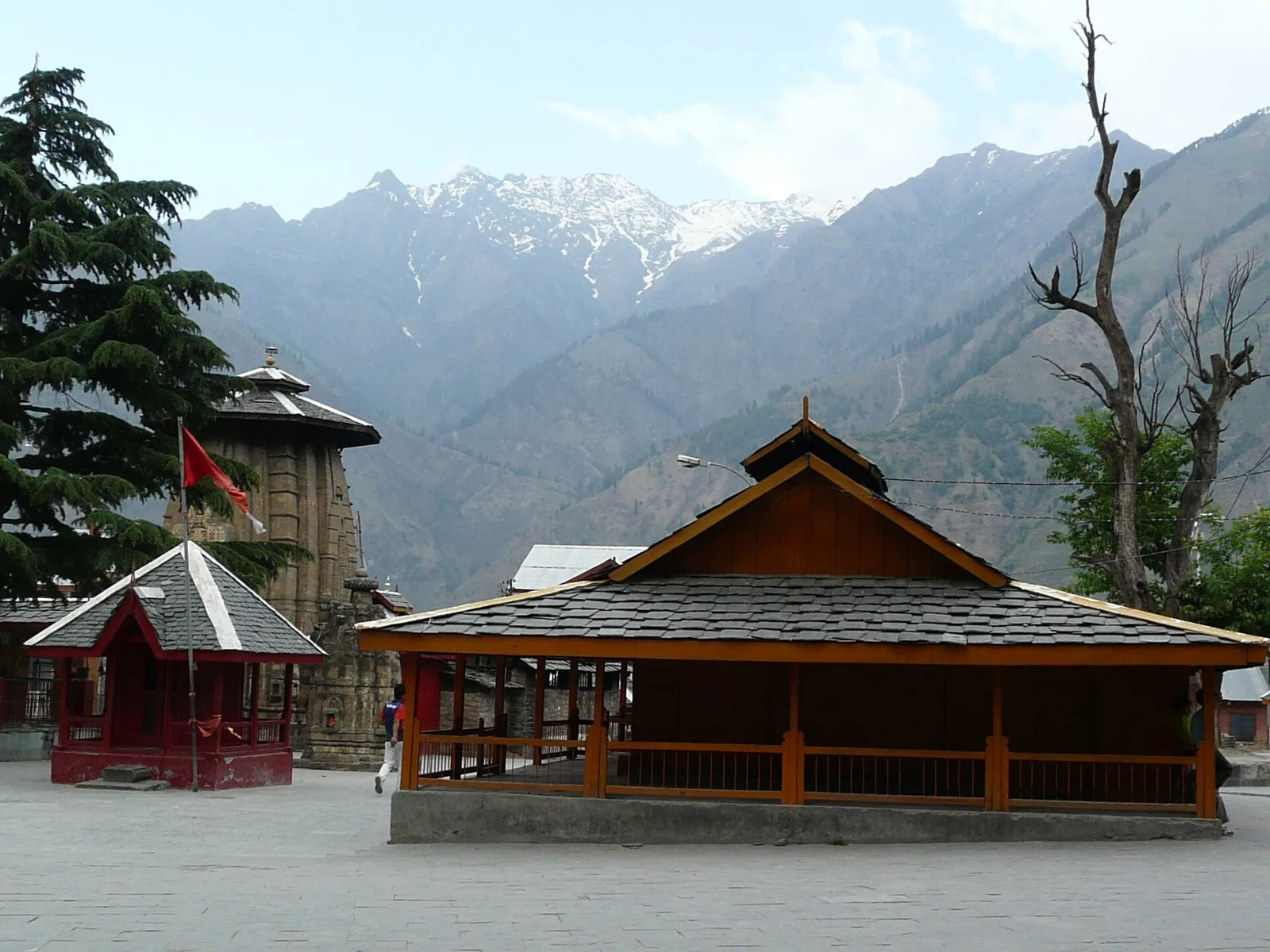
Bharmour is a village in Himachal Pradesh’s Chamba district. Visitors come for the Chaurasi Temple complex and the place’s historical association with Brahampura, once the capital of Chamba State.
Chamba
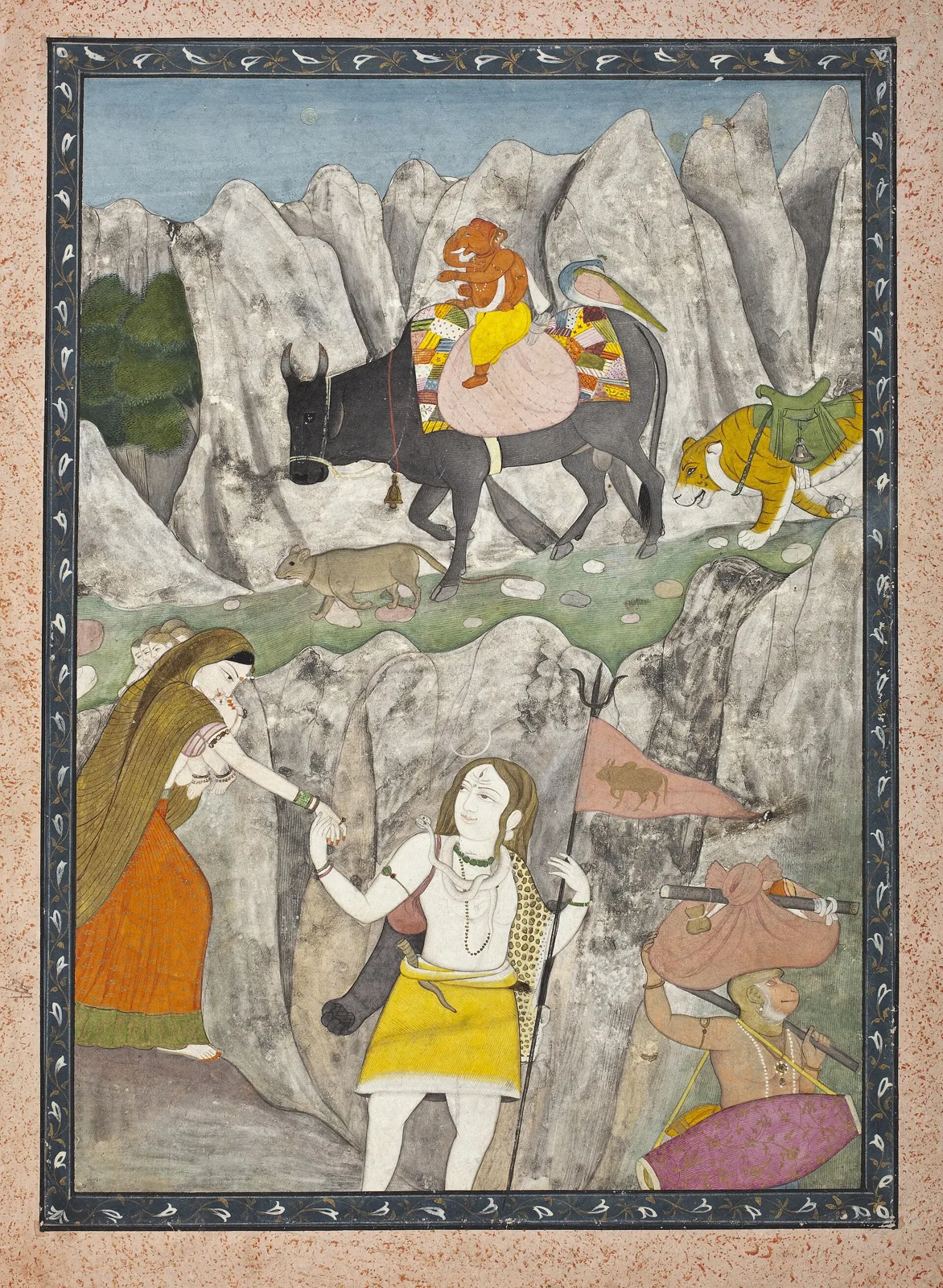
Chamba is a Himachal Pradesh town known for its historic temples and palaces, the Suhi Mata and Minjar fairs, and its Pahari paintings, handicrafts and textiles.
Dalhousie
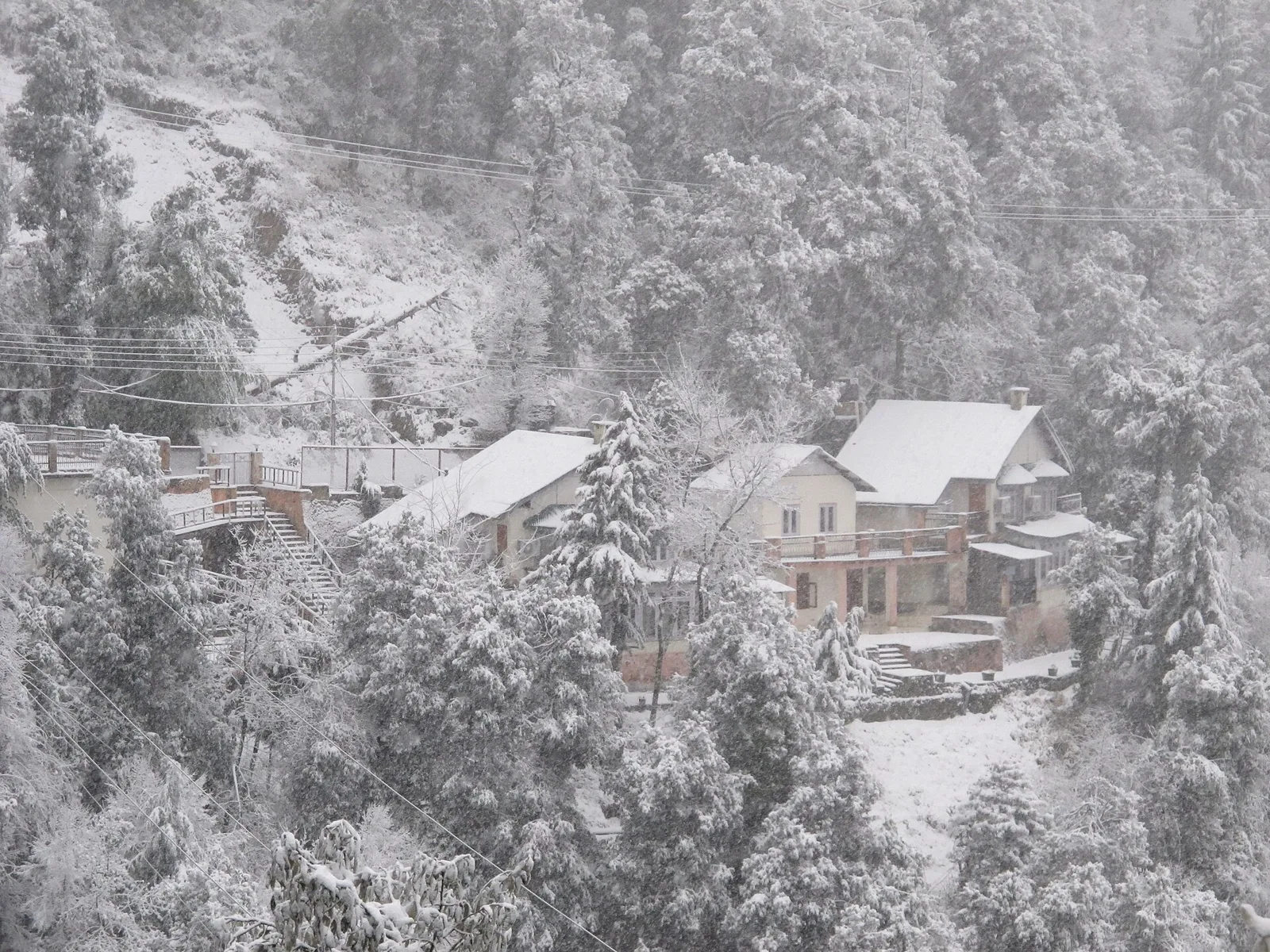
Dalhousie is a hill station in Himachal Pradesh’s Chamba district. Visitors come for its five-hill setting and its proximity to Khajjiar and Chamba town.
Khajjiar
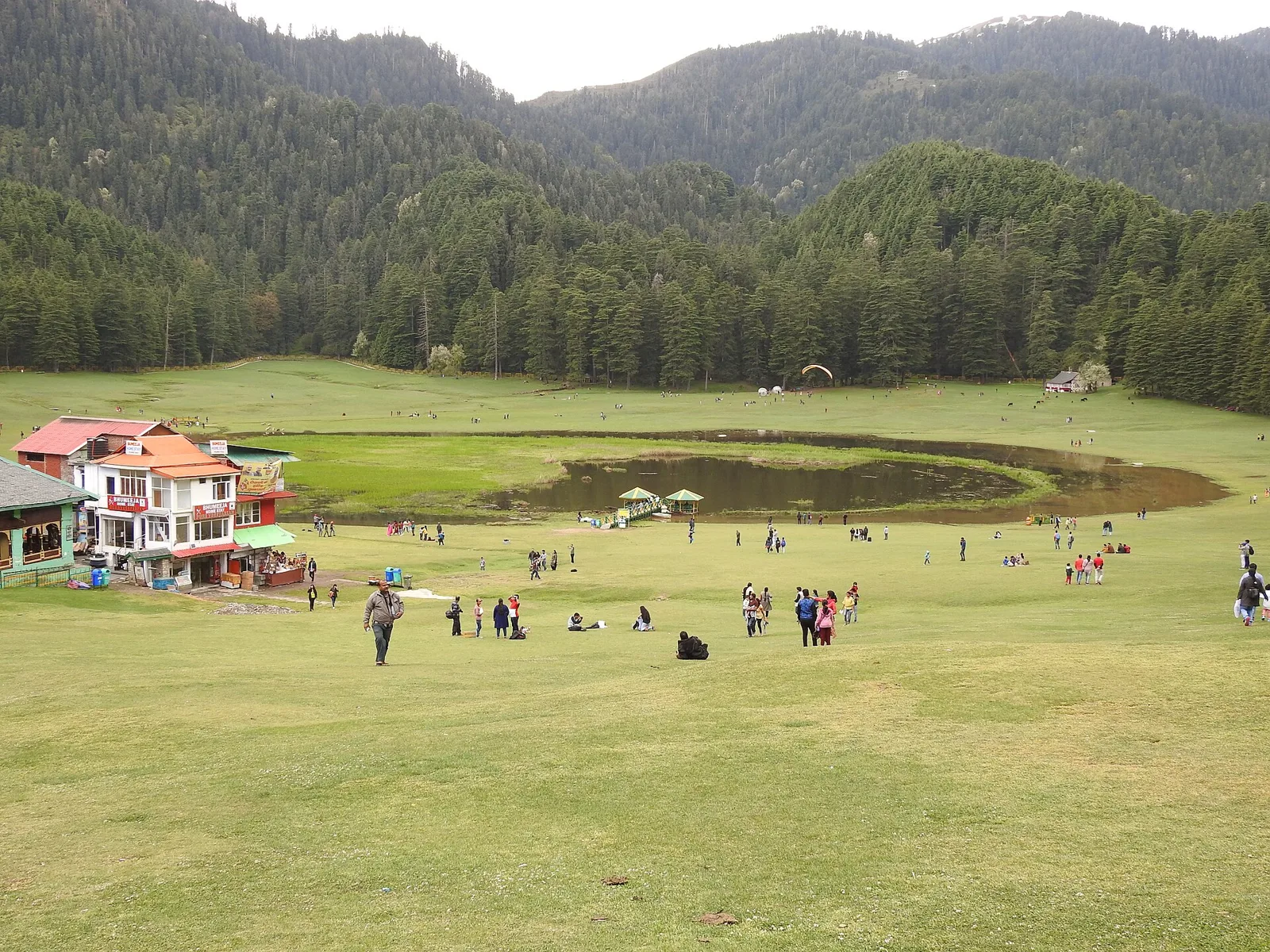
Khajjiar is a hill station in Himachal Pradesh, known for its high plateau setting and the meeting of lake, pasture and forest landscapes.
Food in Chamba draws on wider Himachali traditions. Siddu, a steamed stuffed bread, and madra, a yoghurt-based preparation often made with pulses, are among the regional dishes travellers may encounter. Dham is a celebratory meal served at festivals and community occasions; its dishes vary by place and event. Chha gosht, babru and trout are also found in parts of Himachal Pradesh. Apples and apricots are enjoyed in season. Menus can be limited at small eateries, especially away from towns, so ask what is freshly prepared and carry water and snacks for longer journeys.
Chamba is especially associated with Chamba rumal, an embroidered cloth tradition known for fine, often symmetrical needlework and scenes influenced by local religious and courtly art. The rumal is recognised as a regional craft rather than something to assume is made everywhere in the district. Chamba also has a history of miniature painting, while woodcarving, metalwork and woollen weaving are found across the wider Himalayan region. Visitors looking for locally made work can ask about its place of production and maker, since craft traditions and availability vary between towns and villages.
The Minjar fair in Chamba town is usually held in summer, around July or August, with processions and community celebrations that can make the town busier and accommodation harder to find. The Suhi Mata fair is associated with Chamba and is generally observed in spring. In the Bharmour region, the Manimahesh pilgrimage takes place in late summer or early autumn, with the season varying from year to year. Pilgrim traffic can increase demand for rooms and transport along relevant routes. Visitors planning around a fair or pilgrimage should arrange stays ahead and check current local arrangements.
In this district
Elsewhere in Himachal Pradesh
- Kullu DussehraDates to be announced · Seasonal
- International Shivratri Fair, MandiDates to be announced · Seasonal
- Lavi FairDates to be announced · Seasonal
- PhulaichDates to be announced · Seasonal
- Losar & HaldaDates to be announced · Seasonal
- Shri Renuka Ji FairDates to be announced · Seasonal
- Shoolini MelaDates to be announced · Seasonal
The district rises from river valleys and lower, forested hills to high Himalayan terrain. The Ravi flows through much of Chamba’s central region, while the Chenab drains the remote Pangi area. Mountain ranges, including parts of the Dhauladhar and Pir Panjal systems, shape the valleys and passes. Forests, meadows and steep slopes surround settlements such as Khajjiar and Bharmour. Roads follow narrow valleys and hillside contours, so journeys between places can be slow and may be affected by rain, snow or landslides. Elevation changes also mean conditions can differ greatly between destinations on the same day.
Summer, broadly from spring into early summer, is often a comfortable season for visiting the lower towns and hill stations, though higher areas can remain cool. The monsoon brings greener scenery but also wet roads, reduced visibility and possible landslides. Autumn is generally a useful window for clearer travel, while winter can bring cold conditions and snow at higher elevations, sometimes disrupting access. April to June and September to October are commonly suitable months, with conditions varying by altitude and year. Pack layers, sturdy footwear and rain protection; in winter, bring warm clothing and check road conditions before travelling to higher areas.
Pathankot Junction is a principal broad-gauge rail gateway for Chamba district; Gaggal Airport near Kangra is an air gateway for the region. From these points, road journeys lead to Chamba, Dalhousie, Khajjiar and Bharmour on winding mountain routes. Buses and shared or private taxis serve key towns, while local buses and taxis can help with travel within the district; services to smaller settlements may be less frequent. Road conditions and journey times can change with weather, season and local conditions. Check current services locally before setting out.
Roads connect Chamba town with Dalhousie, Khajjiar and Bharmour, though winding routes and mountain conditions make travel times variable. State and local buses serve key towns and some smaller settlements, but services may be less frequent in remote areas. Shared vehicles may be available on popular routes; taxis offer more flexibility for hill-station visits and day trips. Autos are mainly useful for short journeys within towns where available. There is no need for a boat to reach the destinations listed here. Check locally for current road access and transport, especially during monsoon, winter or pilgrimage periods.
2 days: Chamba → Khajjiar; sleep in Chamba on night 1. 3 days: Dalhousie → Khajjiar → Chamba; sleep in Dalhousie on night 1 and Chamba on night 2. 4 days: Chamba → Bharmour → Chamba → Dalhousie; sleep in Chamba on night 1, Bharmour on night 2, and Dalhousie on night 3.
Chamba town is a practical base for its own heritage sites and visits to Khajjiar; Dalhousie suits a separate hill-station stay. Bharmour is the natural base for travellers focusing on the upper valley and pilgrimage region. Across these places, visitors may find hotels, guesthouses and homestays, with some government accommodation or dharamshalas in the wider region. Choices can be more limited in smaller settlements and during fairs or pilgrimage periods, so reserve ahead when travelling at busy times. Confirm facilities and access directly before setting out.
Mountain roads can be narrow, steep and affected by rain, snow, fog or landslides; check local advice before travel and avoid rushing after dark. Carry water and use treated or reliably sealed drinking water. Weather can change quickly, so bring layers and suitable footwear, and take care on steep or slippery paths. Do not approach wildlife or feed animals. Mobile coverage can be patchy outside towns, and crowds may increase during fairs and pilgrimage periods. Check official local guidance for road access and any permit rules before travelling to remote or restricted areas; do not assume a permit is or is not required.
- Kathua · Jammu and Kashmirabout 39 km
- Kangraabout 44 km
- Pathankot · Punjababout 53 km
- Doda · Jammu and Kashmirabout 74 km
- Kulluabout 93 km
- Mandiabout 104 km
- Samba · Jammu and Kashmirabout 105 km
- Udhampur · Jammu and Kashmirabout 113 km
Straight-line distance between the centres of each district's destinations; road distance is longer.
Q: How many days should I spend in Chamba district? A: Two days can cover Chamba and Khajjiar; three or four days allow time for more of the district, including Dalhousie or Bharmour. Q: When is the best time to visit? A: April to June and September to October are commonly suitable, but check seasonal road conditions, especially during the monsoon and winter. Q: What is the best base for a first visit? A: Chamba town is a useful base for local heritage and Khajjiar; use Dalhousie or Bharmour for trips centred on those areas. Q: How do I get to Chamba district? A: Travellers commonly come by road from Pathankot, which is also a practical rail access point, then continue by bus or taxi. Check current connections before travel. Q: Is the district suitable for families or elderly travellers? A: Yes, with planning. Choose accessible stays, allow extra time on winding roads, and consider that steep paths, altitude and limited services can make some outings challenging.
This page draws on our 4 destination guides for Chamba and is updated as our team checks it.
Be the first to share photos, stories, advice or a helpful contact for Chamba.
Loading…