Overview
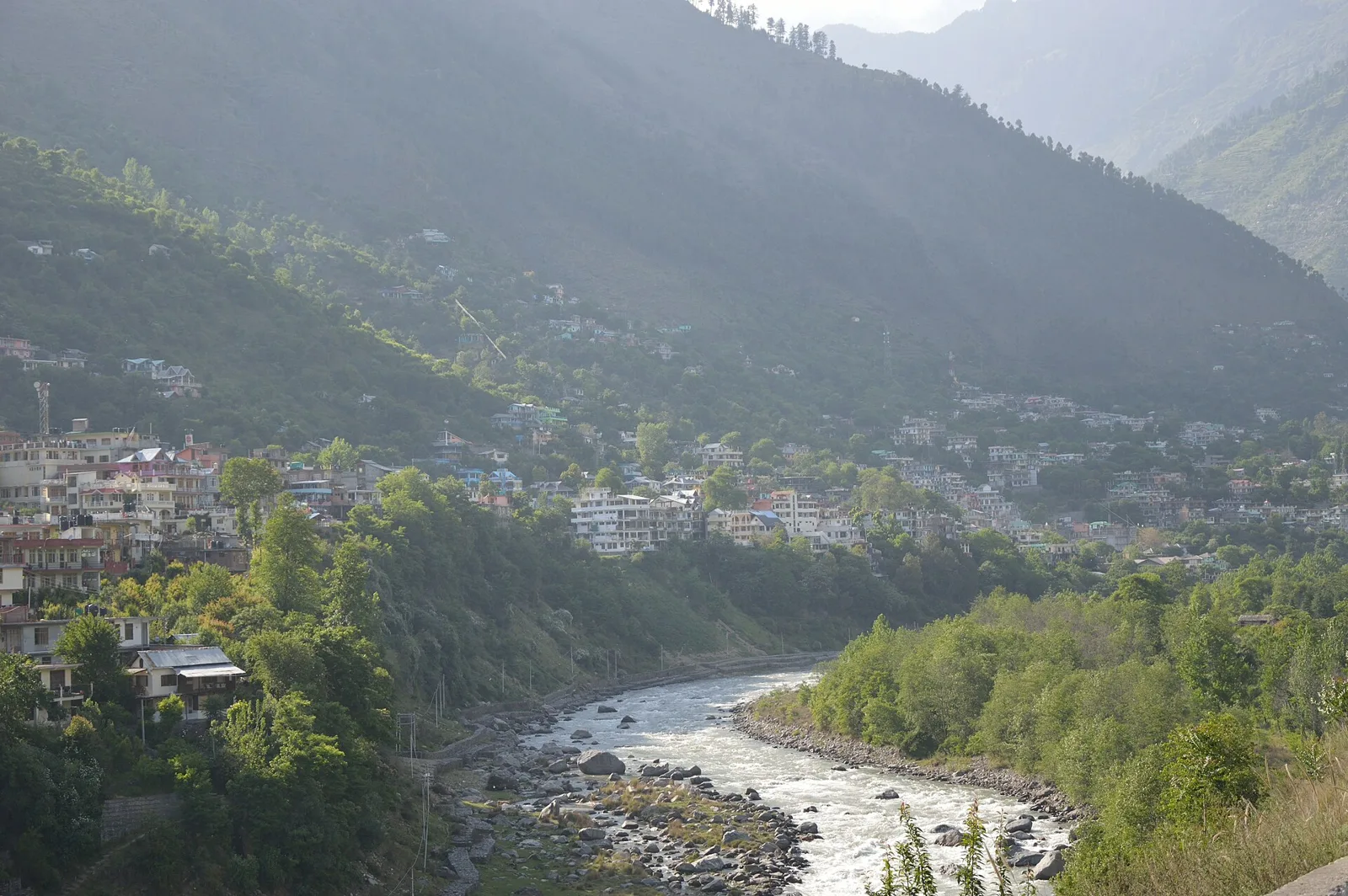
Kullu Dussehra is among the most distinctive festivals in the Indian Himalaya. Most of India marks Dussehra with the burning of Ravana's effigy on a single evening, but in Kullu the celebration begins on Vijayadashami and continues for seven days. The festival is built around the idea that the valley's deities, hundreds of them, come together to honour Lord Raghunath, the presiding deity of the former Kullu kingdom. From villages scattered across the Beas valley and its side valleys, devotees carry their gods on decorated palanquins, often walking for days over mountain paths, accompanied by drummers, horn players and villagers in festive dress. They converge on Dhalpur Maidan, a wide open ground in the heart of Kullu town, where a temporary city of tents and shrines rises for the week. Alongside the rituals, the festival is a major market for woollens, shawls and crafts, and in recent decades it has added international folk performances and large cultural programmes. For visitors, it offers a rare chance to see a living tradition of mountain deities rather than a staged show.