Ghumoopedia — Explore, Discover, Experience
Sign in
Andretta, Himachal Pradesh

State · North India

Himachal Pradesh

Himalayan valleys, high-altitude deserts and temples of the 'Land of the Gods'.

Capital
Shimla
Districts
10
Destinations
70

Overview

Understanding Himachal Pradesh

Culture

Pahari painting and wooden temple architecture.

Food

  • Siddu
  • Dham

Festivals

  • Kullu Dussehra
  • Losar
  • Minjar Mela

Experiences here

  • Mountain
  • Spiritual
  • Heritage
  • Festivals

Verified by the Ghumoopedia editorial team on 21 Nov 2026. Written and reviewed by Ghumoopedia's editors. Timings, fees and permits can change, so check them with the managing authority shortly before you travel.

The complete guide

Himachal Pradesh: a traveller's guide

Why visit

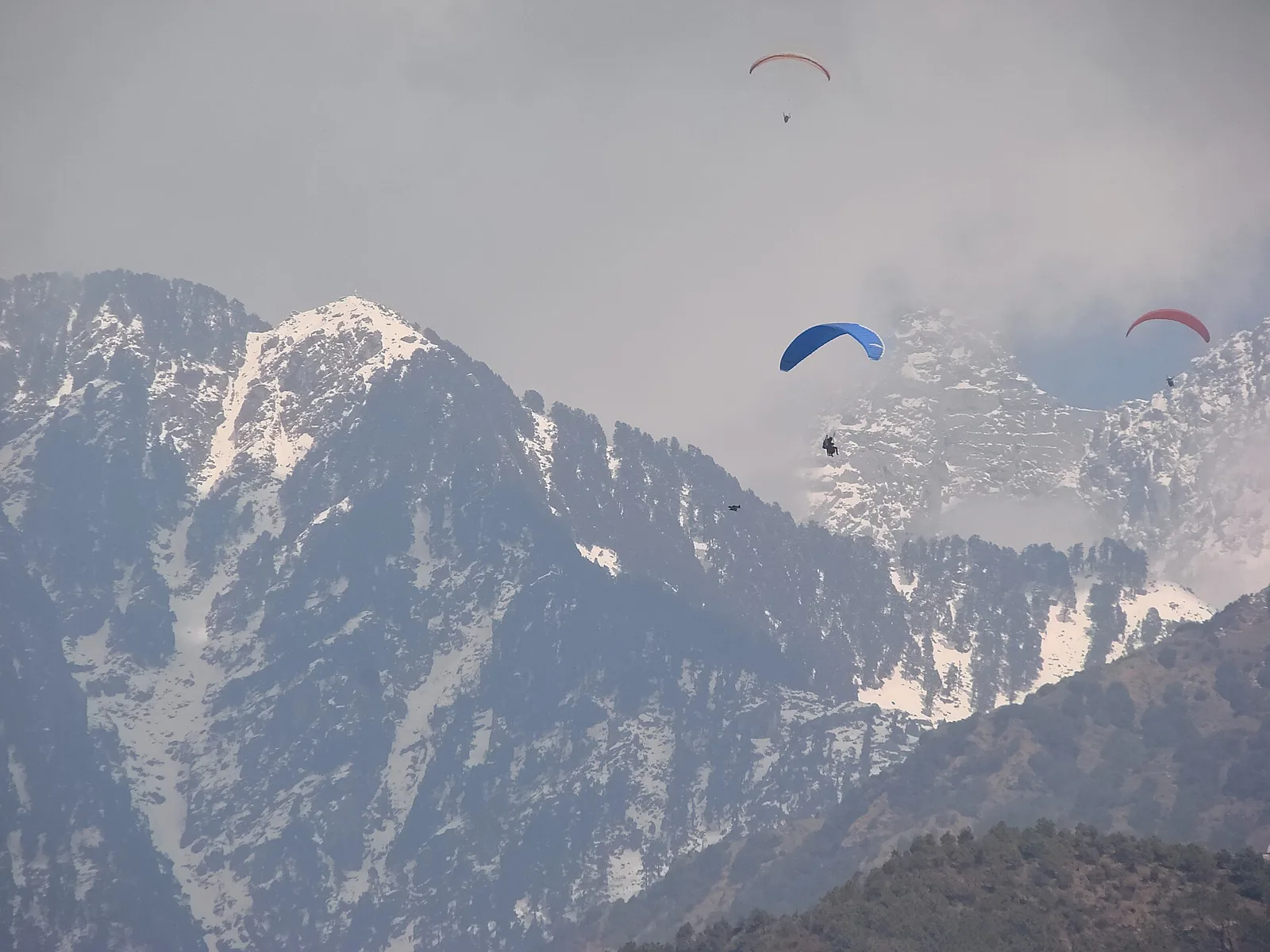
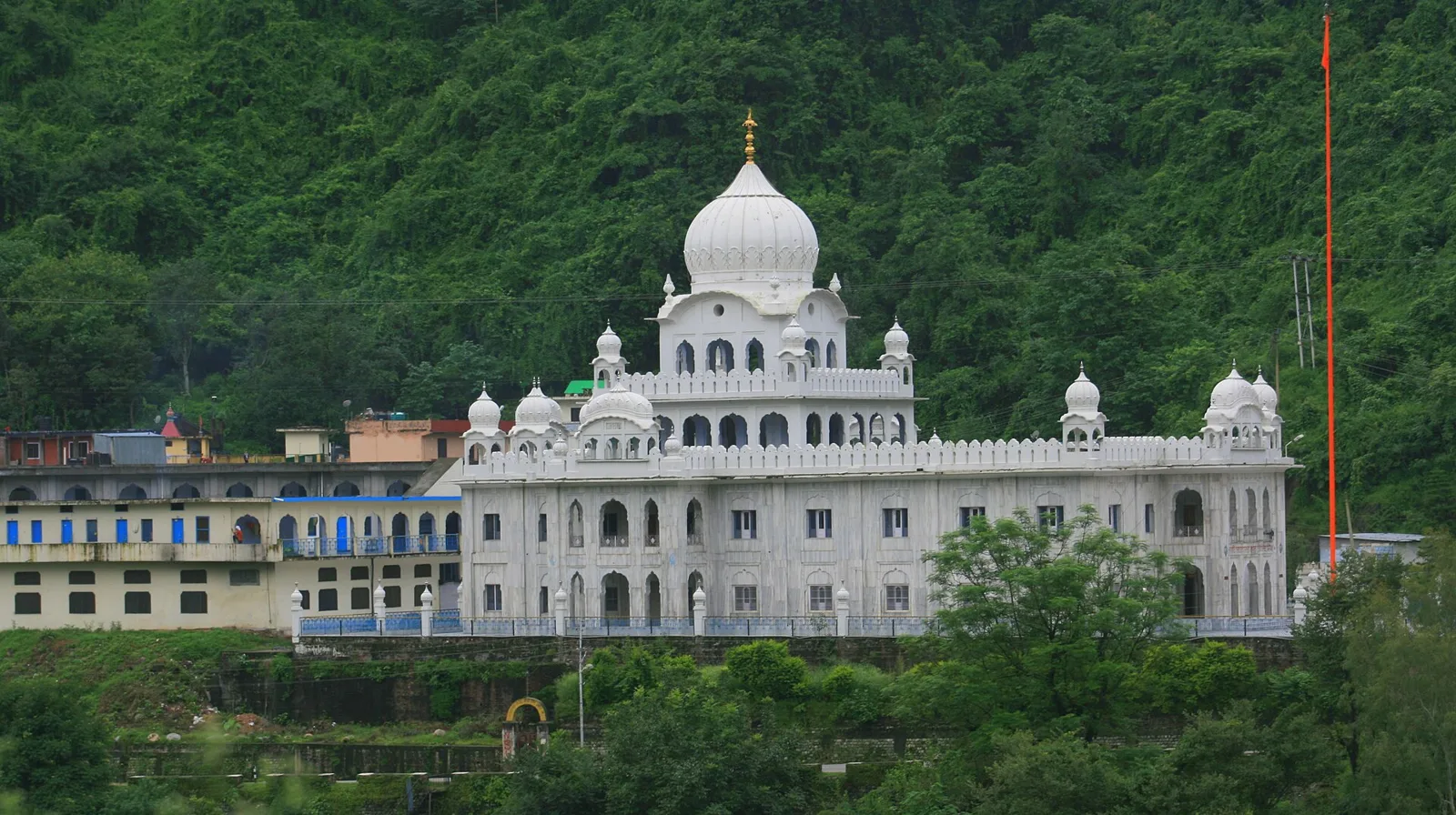
Himachal Pradesh rewards travellers with remarkable variety within a mountainous region: cedar forests and apple orchards give way to open, high-altitude valleys, while Hindu temples, Buddhist monasteries and lively market towns reflect long histories of exchange. In the south and centre, places such as Shimla, Solan and Mandi make accessible bases for walks, heritage visits and short breaks. Farther north, Kullu and the Lahaul and Spiti district offer river valleys, high passes and distinctive village architecture. Kangra and Chamba combine views of the Dhauladhar range with temples, art and older towns; Kinnaur draws visitors to the Sutlej and Baspa valleys and settlements such as Sangla and Chitkul.

The state suits several kinds of trip: a gentle hill-station holiday, a road journey between valleys, a pilgrimage, a trek or a closer look at Pahari art and local food. Journeys can be slow, and high routes are seasonal, so it is worth choosing a region rather than trying to cover the whole state at once. From the Ridge in Shimla to Dhankar Gompa and Chandra Taal, the experience changes with altitude, weather and community. Himachal’s appeal lies as much in that contrast as in its famous mountain scenery.
Landscape & climate

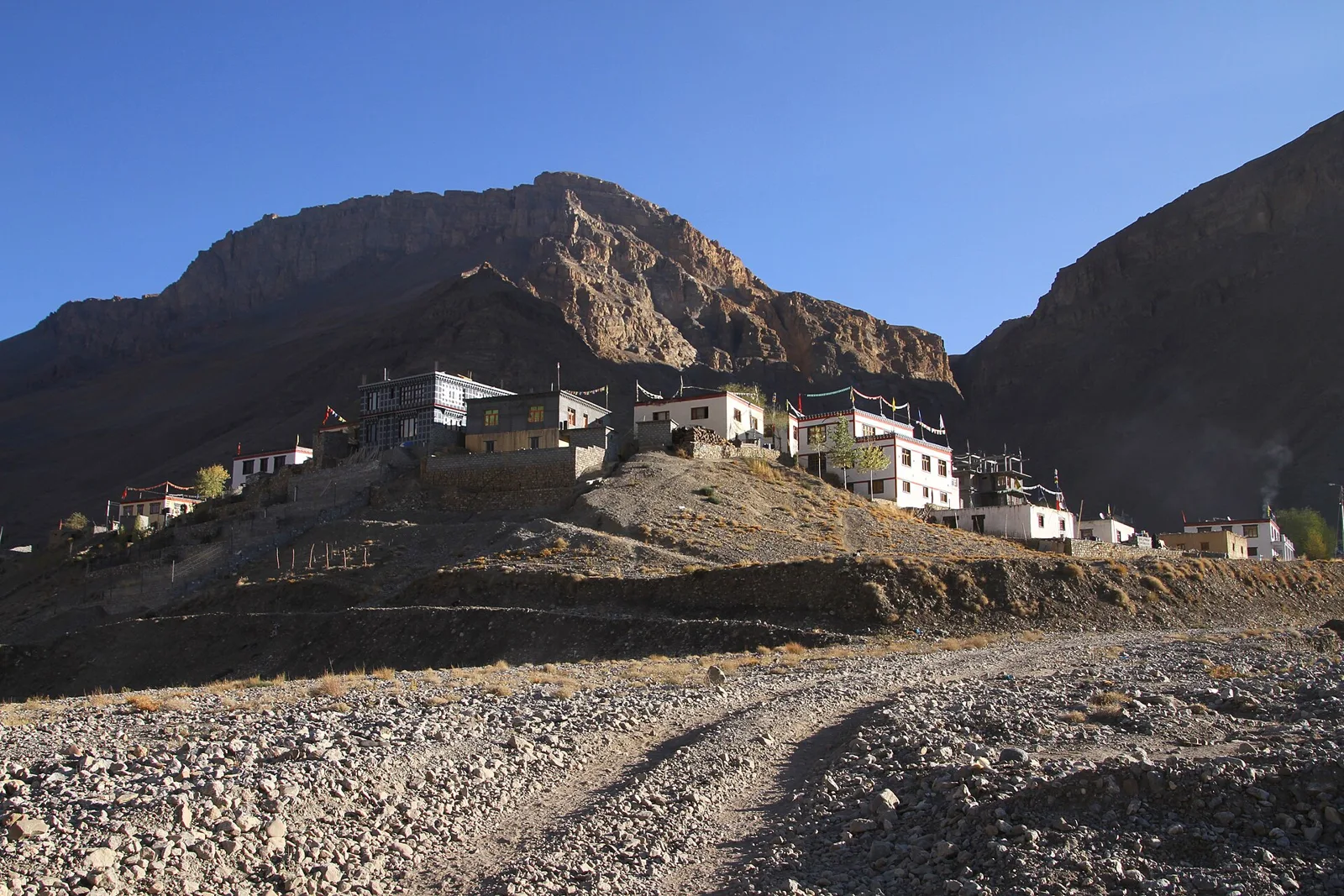
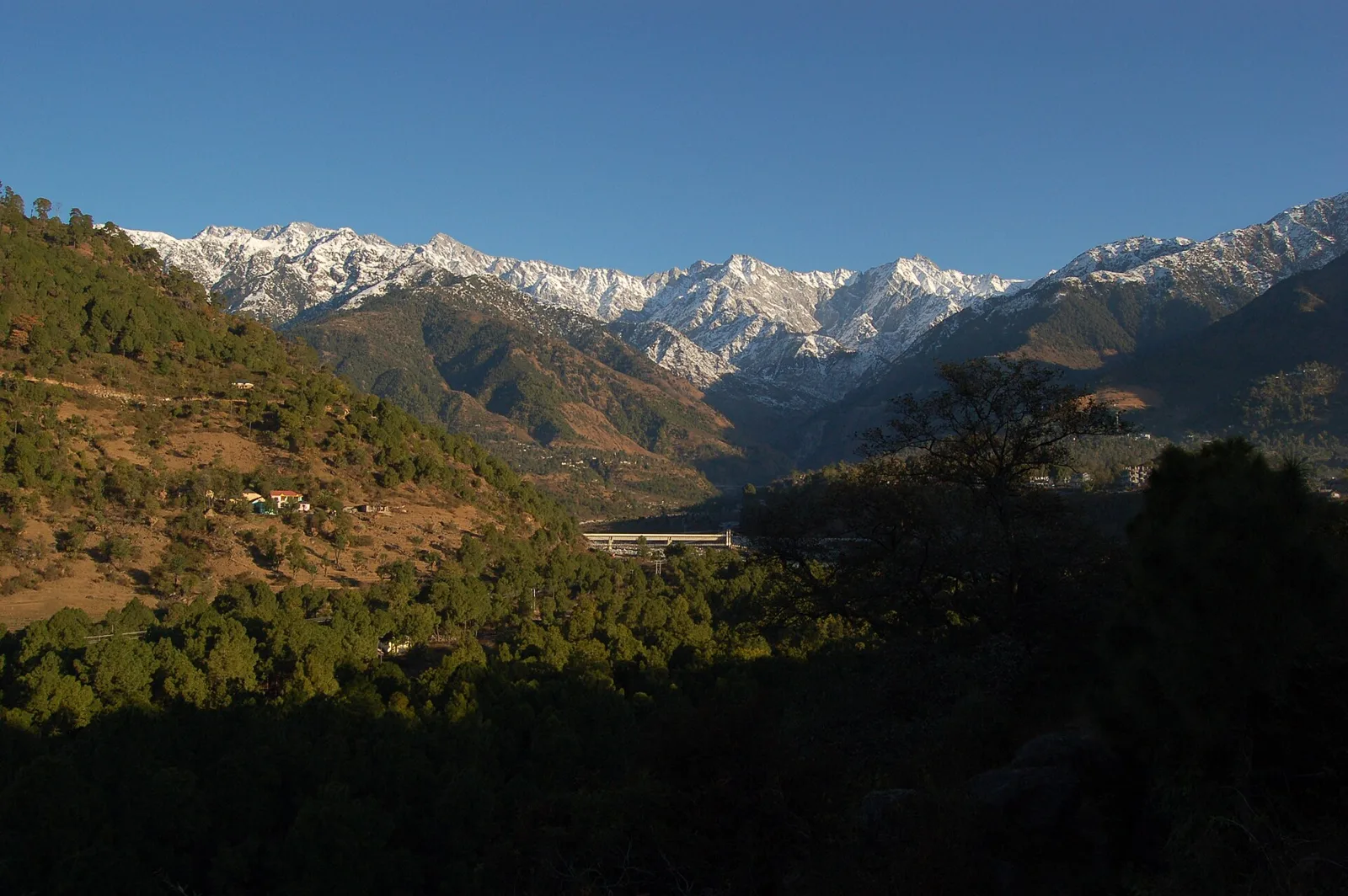
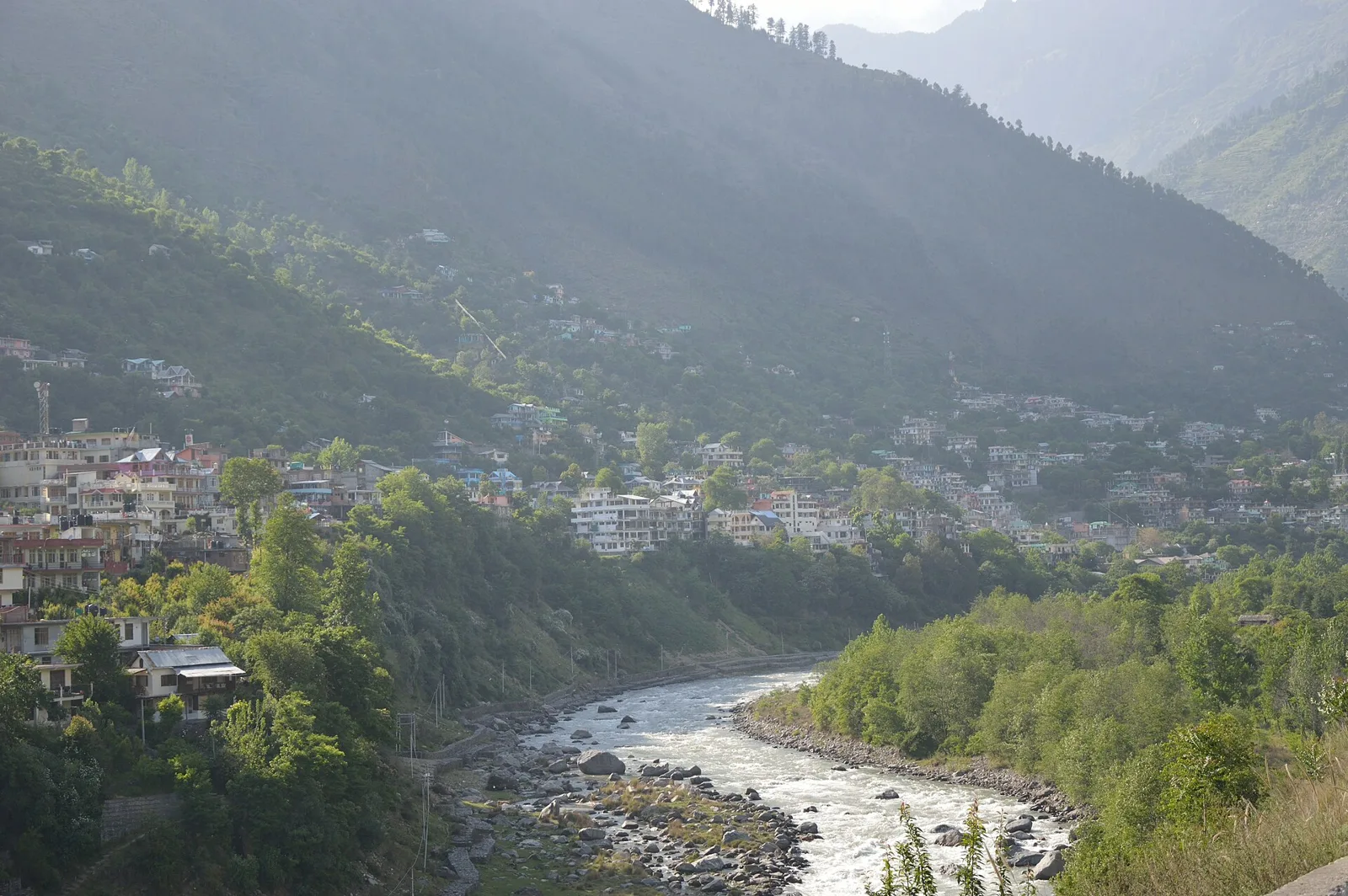
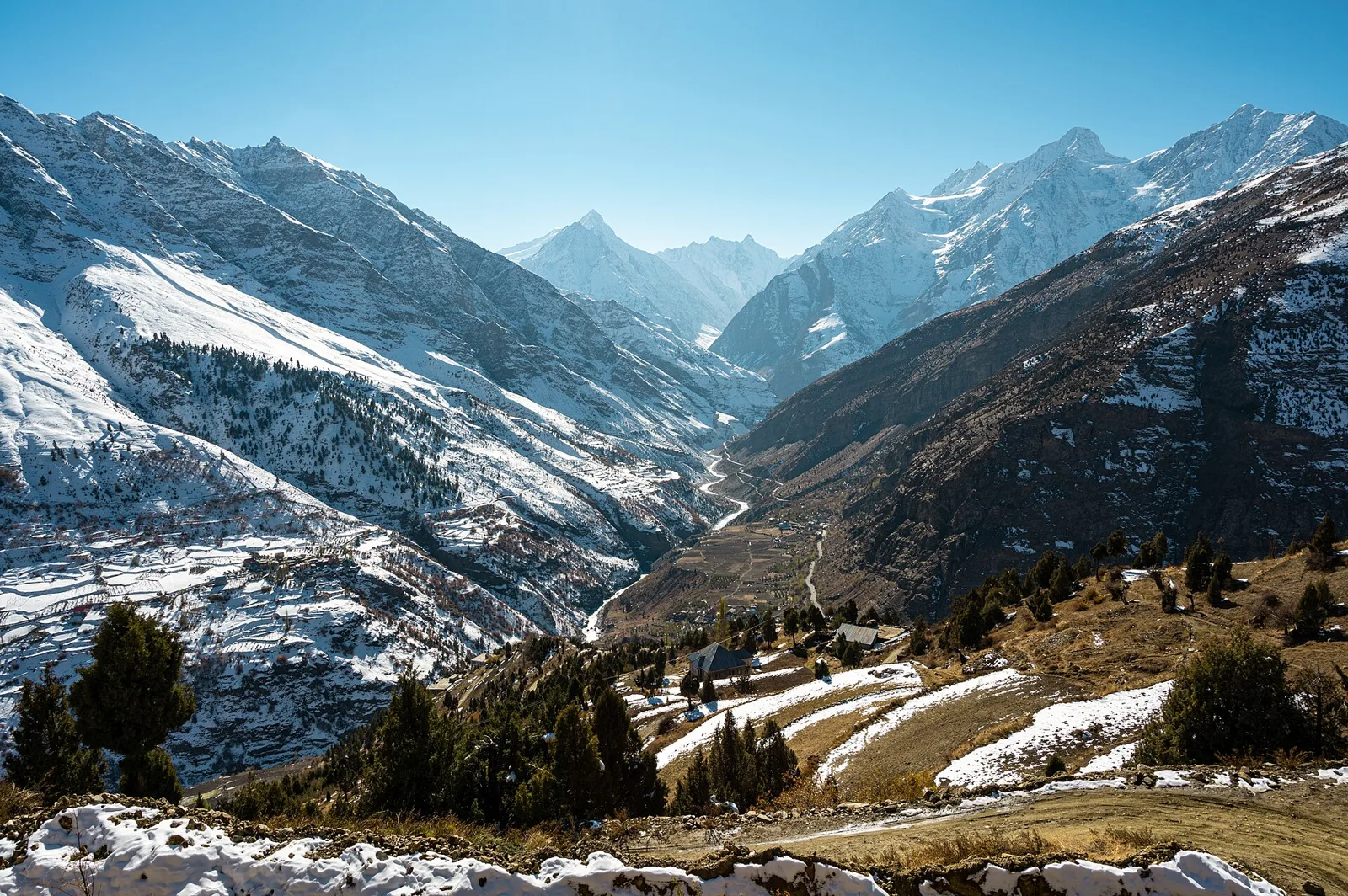
Himachal Pradesh stretches from the lower Shivalik hills in the south through the middle Himalaya to the higher ranges and cold deserts bordering Tibet. The lower hills around Paonta Sahib, Nahan and parts of Solan are warmer and more densely settled. Higher, forested areas include Shimla’s ridges and the valleys of Kullu, Mandi, Kangra and Chamba, where deodar, pine and oak grow in suitable zones. Above the tree line, the landscape becomes more open and dry. Lahaul and Spiti and parts of Kinnaur sit in the rain shadow of the Great Himalaya, with stark slopes, sparse vegetation and villages gathered near streams.

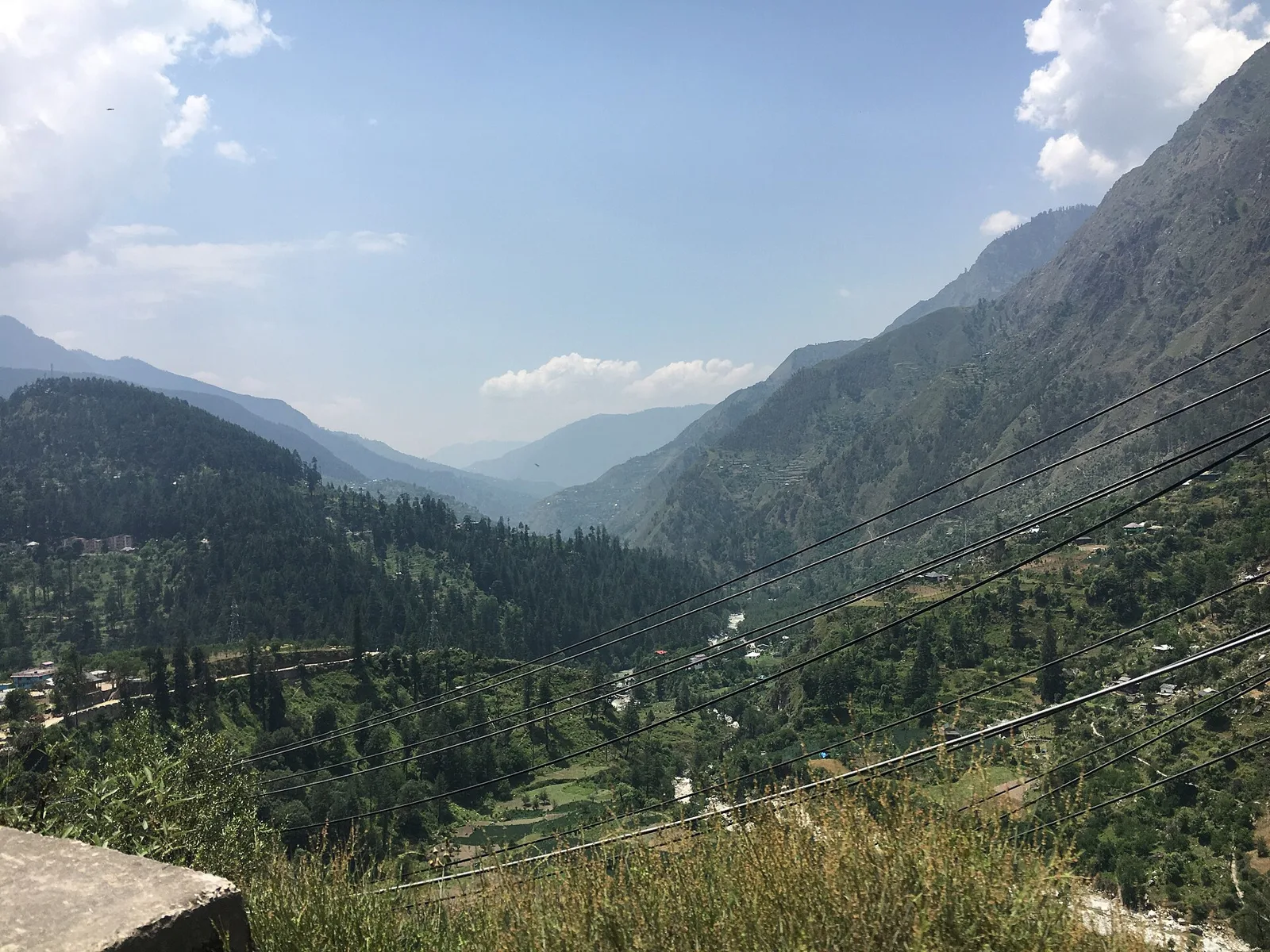
Rivers shape both scenery and travel. The Sutlej cuts through Kinnaur, while the Beas flows through Kullu and Mandi; the Ravi drains Chamba, and the Chenab rises from the Chandra and Bhaga rivers in Lahaul. The Yamuna forms part of the state’s southern drainage. Monsoon rain usually reaches the lower and middle hills from around June to September, bringing greener slopes but also landslides and road disruption. Winters bring snow to many high areas and cold, sometimes severe conditions in the trans-Himalayan valleys. Spring and autumn are often clear and colourful, while summer is relatively mild at altitude. Local conditions vary sharply with elevation, aspect and exposure, so forecasts for one valley may not describe another.

History & heritage

The region now known as Himachal Pradesh developed through many small hill states, with communities and rulers linked by trade, pilgrimage and shifting political alliances. Archaeological and historical evidence points to old settlement across the western Himalaya, while accounts of early kingdoms and local traditions vary by place. Hindu sacred geography became closely woven into village life, and Buddhist traditions took deep root in the western and upper valleys connected to Tibet. Monasteries such as Tabo and Key preserve religious and artistic traditions that differ from those of the temple towns farther south. In Kangra, the Katoch dynasty was among the most enduring ruling houses; Chamba, Mandi, Suket and Bushahr also had their own royal histories and cultural centres.

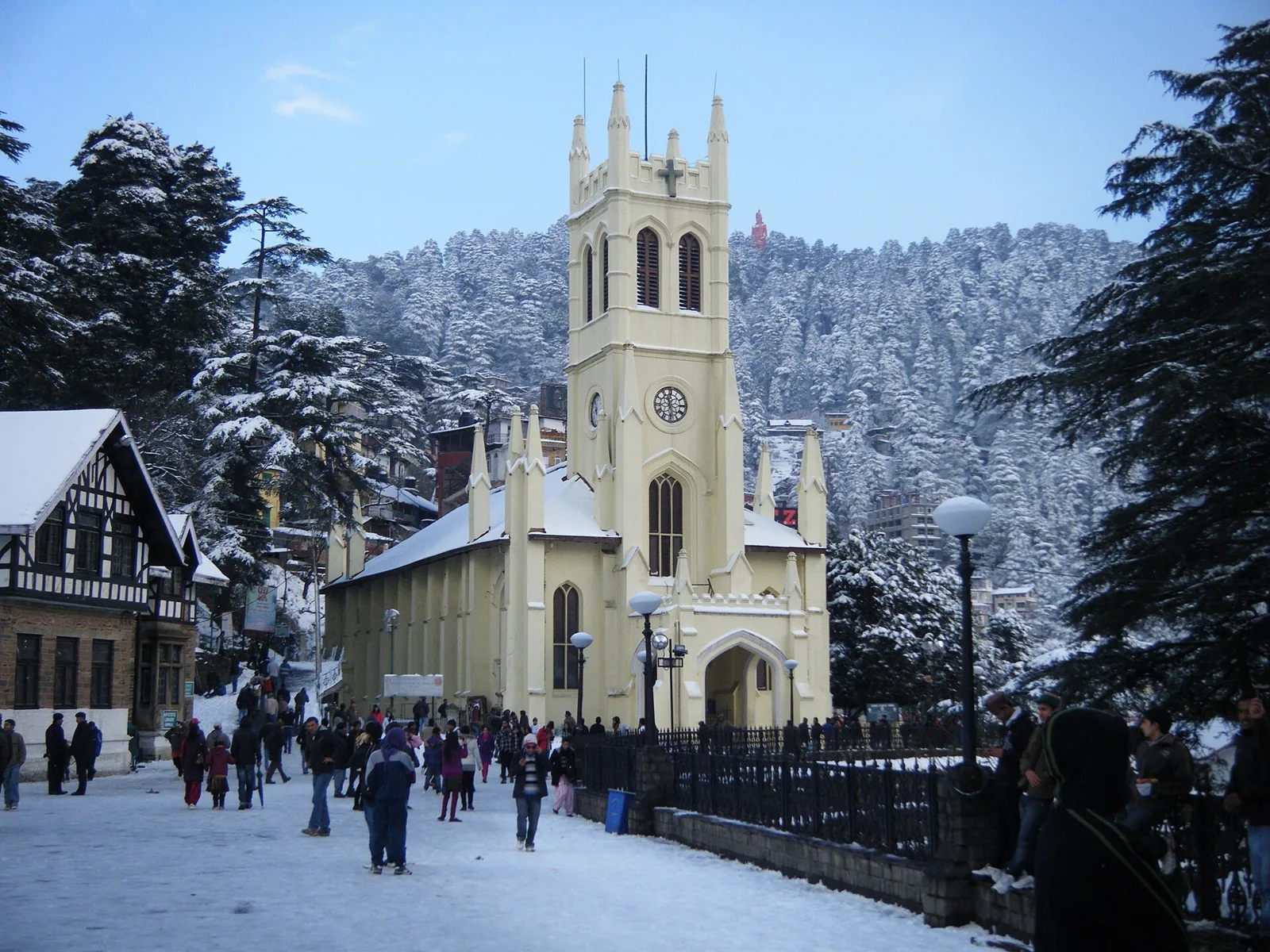
Mughal influence, regional rivalries and incursions from the plains affected different hill states at different times. In the early nineteenth century, Gurkha expansion and conflict with the Sikh Empire reshaped political control. After the Anglo-Gurkha War, the British extended their influence over much of the hill region, while some princely states continued under indirect rule. Shimla grew into a major colonial centre and served as the summer headquarters of the British Indian government, drawing officials, institutions and distinctive architecture to the hills. The colonial period also brought roads, railways and new patterns of tourism, though access remained difficult in many valleys.

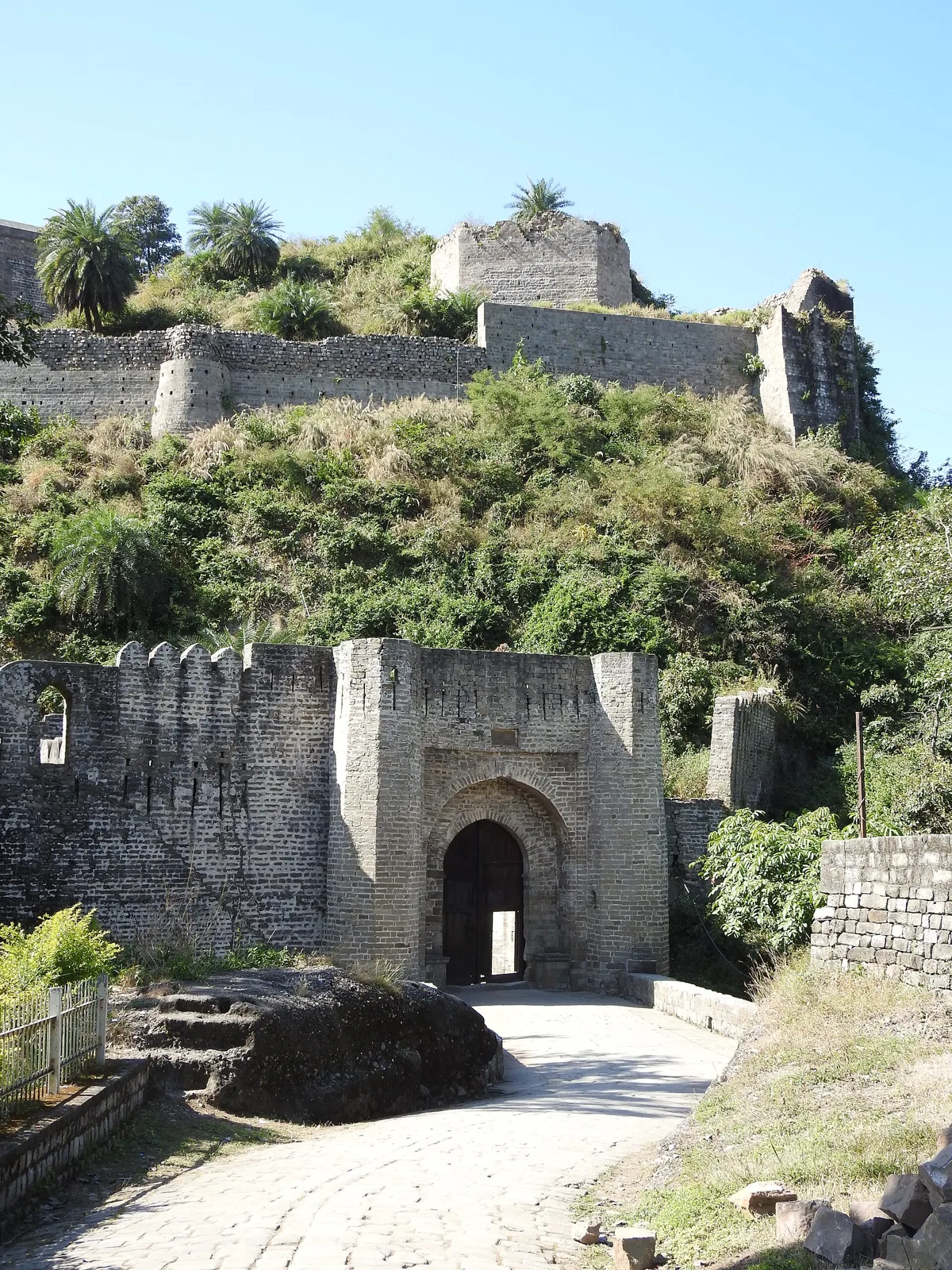
After independence, numerous princely states joined to form the Chief Commissioner’s Province of Himachal Pradesh in 1948. It became a Part C state in 1950 and a Union Territory in 1956. In 1966, several hill areas transferred from Punjab were incorporated into Himachal Pradesh. The state attained full statehood on 25 January 1971. Its modern identity therefore brings together varied regional histories rather than a single old kingdom. Visitors can encounter those layers in forts such as Kangra Fort, historic centres such as Chamba, colonial Shimla, and Buddhist sites including Dhankar and Tabo.

Culture, people & festivals

Himachal’s culture is regionally varied, shaped by altitude, local history and links with neighbouring Punjab, Jammu and Kashmir, Tibet and Uttarakhand. Hindi is widely used, while Pahari languages and dialects—including varieties such as Kangri, Mandeali, Kullui, Chambeali and Kinnauri—remain important in everyday life. Tibetan-related languages are spoken in parts of the high western valleys. Communities include Hindu and Buddhist populations, as well as groups with distinct village and pastoral traditions. Hindu shrines and village deities are central in many areas; Tibetan Buddhism is especially visible in Lahaul and Spiti and parts of Kinnaur. Customs differ between districts, so no single description represents every valley.

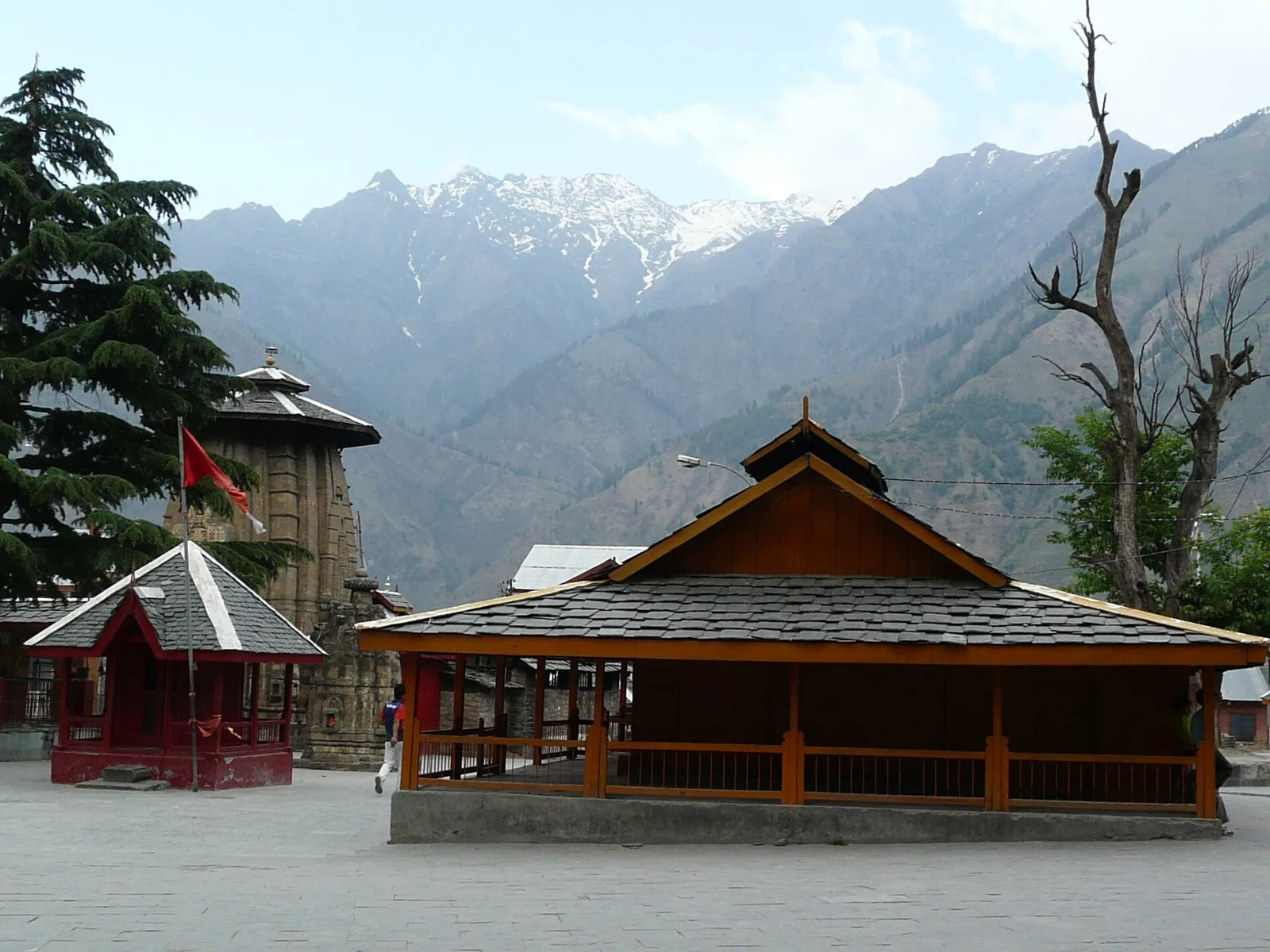
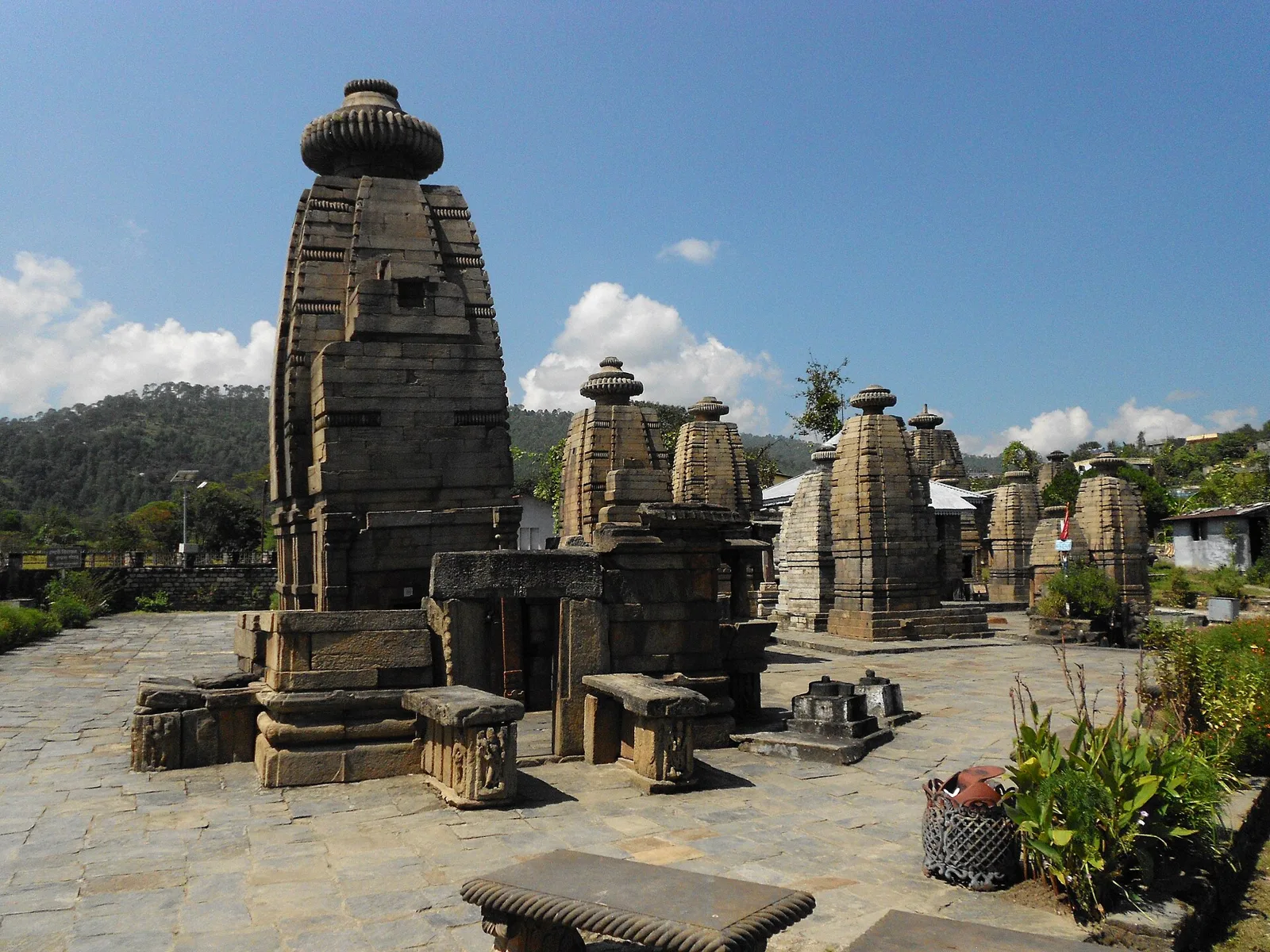
Folk music, devotional singing and dance accompany seasonal gatherings, weddings and fairs. Instruments and styles vary locally; the nati, performed in different forms across the state, is among the best-known group dances. Kullu Dussehra, usually held in October, brings village deities and processions to Dhalpur in Kullu after the wider Dussehra period has begun. The Minjar Mela in Chamba is generally celebrated in July or August, with processions and cultural events. Losar, the Tibetan New Year, usually falls in February or March and is observed in Buddhist communities, though customs and dates follow local and lunar calendars. Other fairs honour local deities, harvests and historic events. Pahari painting, especially associated with centres such as Kangra, and finely carved wooden temples express the region’s artistic heritage. Respectful visitors ask before photographing ceremonies or people, particularly in places of worship.

Food & flavours

Himachali food draws on grains, pulses, dairy, seasonal vegetables and, in some communities, meat. What is served depends on district, season and household: a meal in the lower hills may differ substantially from one in a high-altitude village. Siddu, a steamed bread made from wheat dough and commonly filled with a savoury mixture, is associated with several central and western areas. It is often eaten with ghee, chutney or lentils. Dham is a celebratory community meal, traditionally prepared by cooks known as botis and served at weddings and festivals. Its dishes vary by region, but may include rice, rajma or other pulses, curd-based preparations and sweet courses.

Madra, a rich yoghurt-based preparation often made with chickpeas or other legumes, is well known in Kangra and surrounding areas. Babru, a fried wheat preparation, and dishes made with local beans and lentils also appear in regional cooking. In Kullu and Mandi, menus may include siddu and seasonal produce; in Lahaul and Spiti, barley, peas and other hardy crops suit the short growing season. Kinnaur is known for apples and other fruit, while Kangra is associated with tea. Chukh, a chilli preparation from Chamba, adds a sharp, warming flavour and is made in varied styles. Sweets include mittha, often rice cooked with sweetening and dried fruit, as well as local halwa and festive treats. Try food from a local kitchen when available, and mention dietary needs clearly, since recipes and ingredients are not standardised.

Crafts, textiles & what to buy

Himachal’s crafts reflect both practical mountain life and longstanding religious and courtly traditions. Wool weaving is prominent: Kullu shawls are recognised for their woven patterns and colours, while Kinnauri shawls have distinctive geometric designs and regional motifs. The Chamba rumal is an embroidered textile traditionally made with fine, double-sided embroidery depicting figures, flowers or religious scenes. Kangra painting, a celebrated form of Pahari miniature painting, developed around the former hill courts and often portrays religious, poetic and natural themes. These are among the state’s recognised geographical indication products, alongside Kangra tea and Chamba chappals. Lahauli knitted socks and gloves are another locally rooted craft associated with cold-weather clothing.

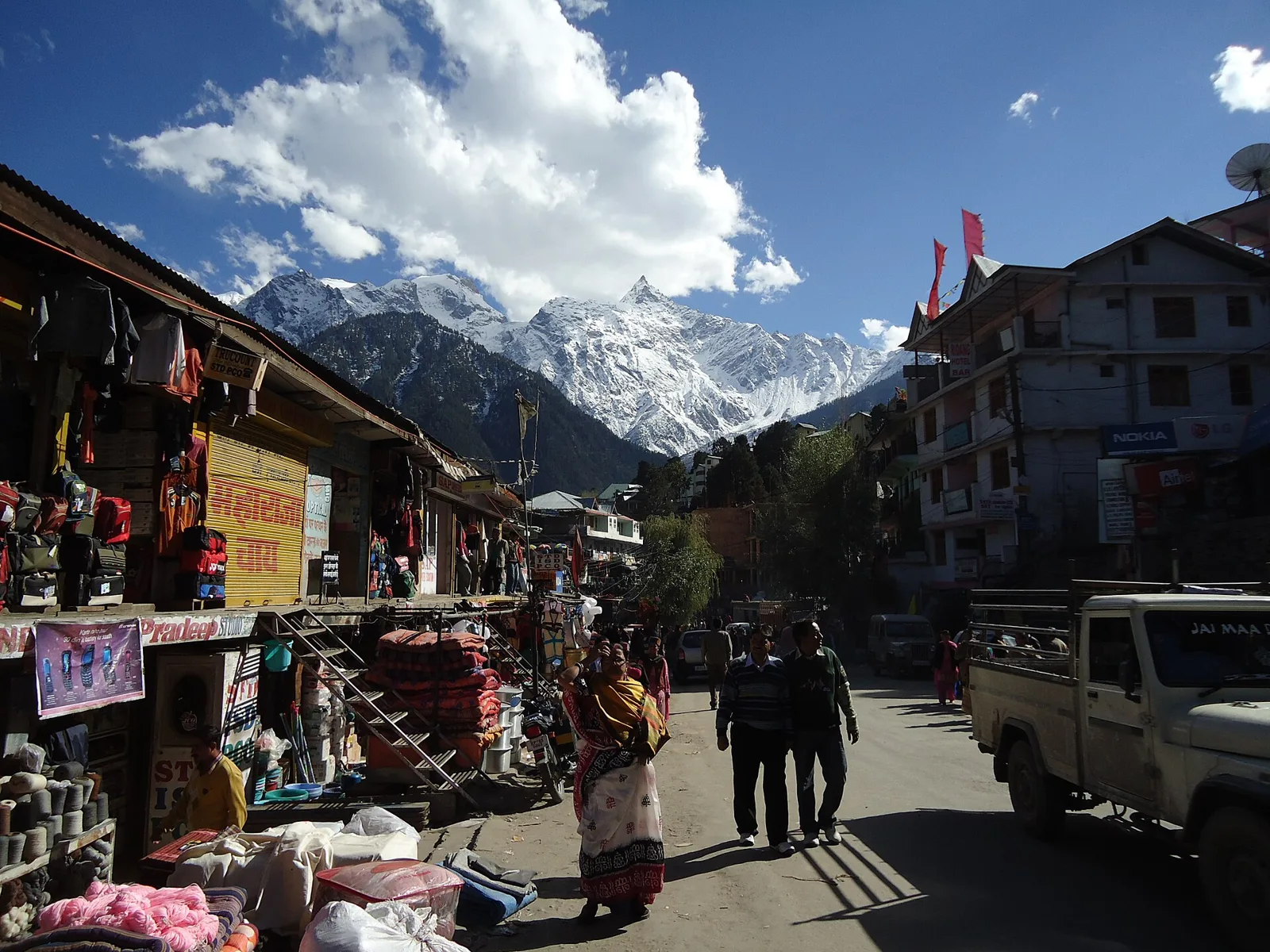
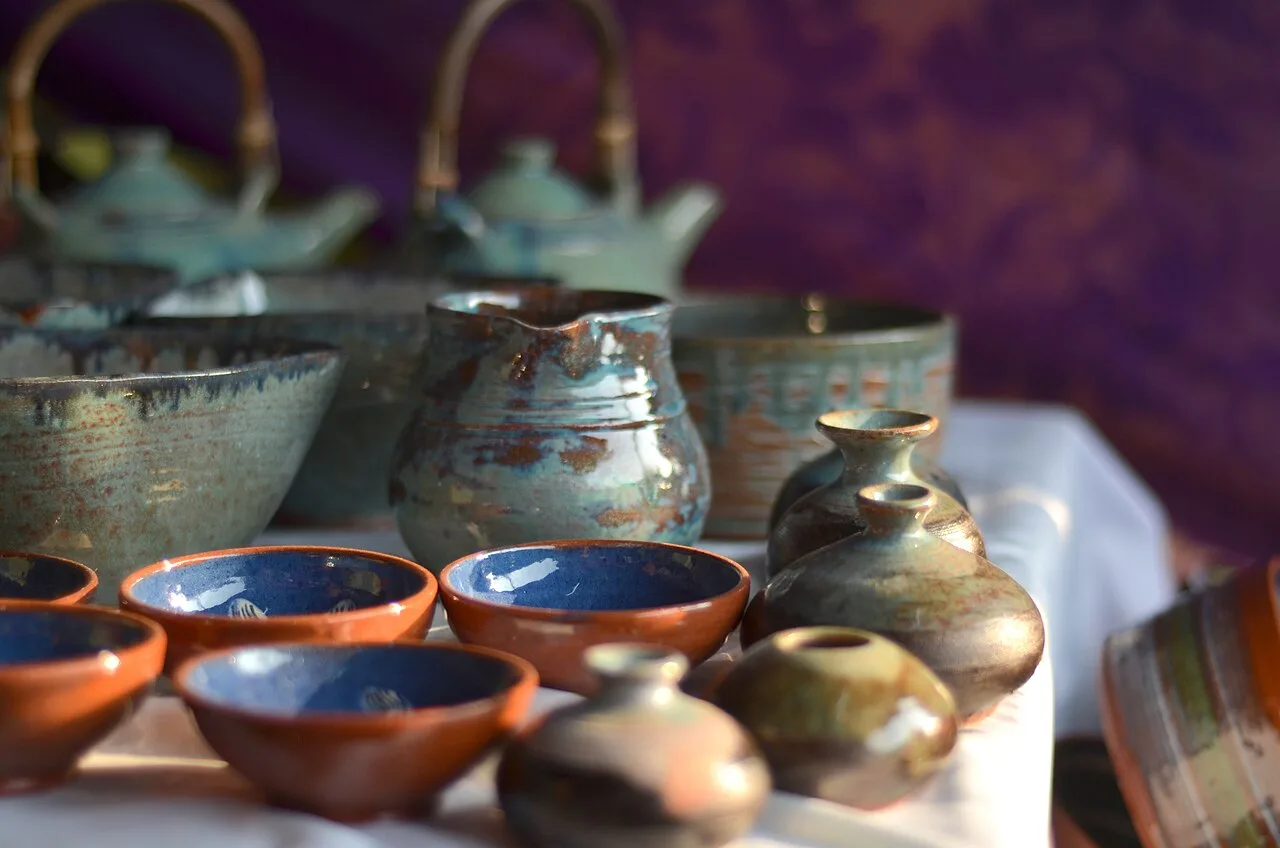
Wood carving can be seen in temple doors, pillars and household objects, especially where deodar is available and local traditions are maintained. Metalwork, basketry, pottery and leatherwork continue in particular towns and villages, though availability and production vary. Chamba is a good place to look for rumals and chappals; Kullu and nearby markets offer shawls and woollens; Kinnaur is associated with its own woven shawls; and Kangra is a source for tea and painting-related work. Ask about the maker, materials and place of production, since market goods may come from elsewhere. Buying directly from cooperatives or craft workshops, where possible, can help support local makers. For textiles, compare the weave and finish rather than relying on a label alone.

Getting there & getting around

Himachal Pradesh is reached mainly by road, with flights serving a few regional airports. Shimla Airport at Jubbarhatti, Kangra Airport near Gaggal and Kullu-Manali Airport at Bhuntar have limited services that can be affected by weather and operating conditions. Chandigarh is a major air and road gateway for much of the state, while Amritsar and other northern cities may suit particular itineraries. The broad-gauge rail network does not extend into most mountain destinations. Kalka is the railhead for the narrow-gauge Kalka–Shimla Railway, and Pathankot connects with the narrow-gauge line toward Jogindernagar; services and onward connections should be checked before travel.

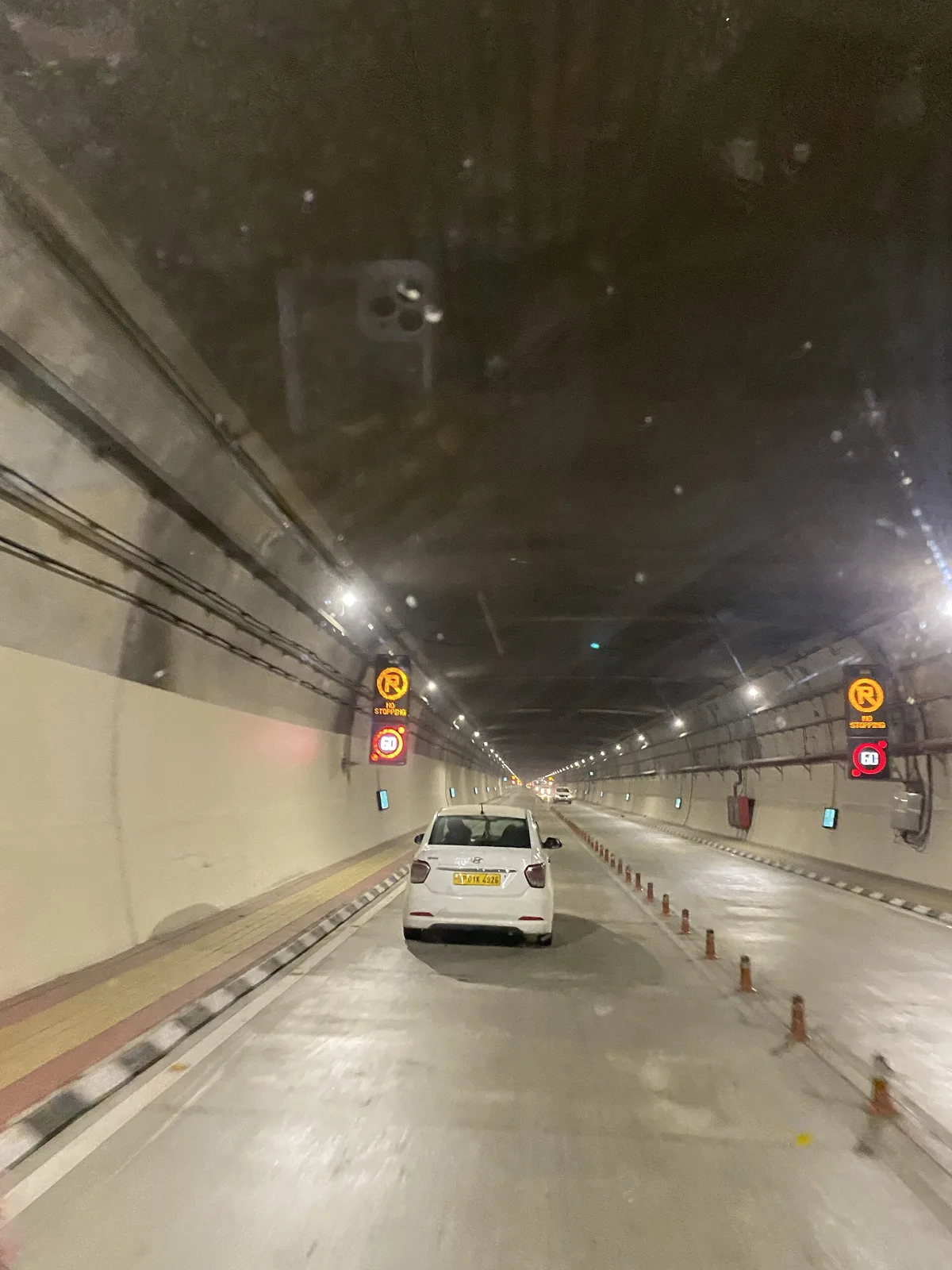
Roads are the main way to reach towns and valleys. National Highway 5 runs through Shimla toward Kinnaur, while National Highway 3 serves the Mandi–Kullu–Manali corridor and continues toward Lahaul. National Highway 205 is one of the routes linking the plains with Bilaspur and Shimla. Buses and shared or private vehicles connect many district centres, but remote villages may have infrequent services. Local taxis can be useful for valley trips, and walking is often the best way to explore town centres or trails. Roads to places such as Chitkul, Kaza, Keylong and Chandra Taal are subject to weather, construction and seasonal closures. Build in spare time, confirm current road access locally and avoid assuming that a short map distance means a quick journey.

When to go & travel tips

For Shimla, Kullu, Kangra and Chamba, spring and autumn often bring comfortable walking weather and clear views; summer is popular but can be busy and wet during the monsoon. Winter suits travellers prepared for cold conditions and possible snow, especially in higher towns. Lahaul and Spiti and high parts of Kinnaur are generally easiest to visit in the warmer months, when roads are more likely to be open, though weather can still change quickly. For any specific valley, check recent forecasts and road conditions rather than relying only on a broad seasonal guide.

Pack layers, sturdy footwear, sun protection and rain protection, even for a summer trip. At altitude, take time to acclimatise, drink water and avoid strenuous activity if you feel unwell; seek medical advice for serious symptoms. Do not drive unfamiliar mountain roads after dark if it can be avoided, and allow for delays from landslides, snow or road works. Permit rules can change and may apply to particular border areas or activities, so confirm requirements with official authorities before travelling. Dress and behave respectfully at temples and monasteries, follow photography notices, and ask before photographing residents or ceremonies. Carry out litter, use water thoughtfully and avoid disturbing wildlife or fragile high-altitude environments.

Highlights

Where to begin

City by city

Cities & hubs of Himachal Pradesh

Every sight is grouped under its city — places within about 12 km together, day trips within 40 km alongside — even across district lines. Open a city to see its attractions.

See every city, town and village of Himachal Pradesh

Away from the cities — 9 more places by district

District discovery

Himachal Pradesh: 10 districts covered

Open a district to see its destinations and neighbours. More districts are added as our team writes them.

10 of 10 districts have destination guides

Destinations

Every guide in this state

Open a district to see its cities and towns, villages and places to see.

Bilaspur1 place

Places to see

Chamba4 places

Places to see

Kangra12 places
Kinnaur7 places
Kullu13 places
Lahaul and Spiti13 places
Mandi4 places

Cities & towns

Villages

Shimla12 places
Sirmaur2 places
Solan2 places

Cities & towns

Festivals & fairs

The calendar here

Full calendar

October

Kullu Dussehra

Dhalpur Maidan, Kullu · Religious

A week in which hundreds of valley deities gather around Lord Raghunath's chariot at Dhalpur, with folk nati dances and a trade fair.

Jul – Aug

Minjar Mela

The Chaugan, Chamba · Harvest

Chamba's week-long maize-and-paddy harvest fair, opened with silk minjar tassels and closed with a procession to the Ravi.

November

Lavi Fair

Rampur Bushahr · Fair & Mela

An old trade fair on the Sutlej where traders from Kinnaur, Lahaul and Spiti bring wool, dry fruit and horses.

Aug – Sep

Phulaich

Villages across Kinnaur · Religious

Kinnaur's festival of flowers: villagers bring high-altitude blooms down to the village deity and remember their departed.

Dec – Mar

Losar & Halda

Lahaul, Spiti and Kinnaur · Religious

Winter new-year festivals of the Buddhist valleys: Halda's torch procession in Lahaul and Losar's monastery rites.

November

Shri Renuka Ji Fair

Renuka Ji, Sirmaur · Fair & Mela

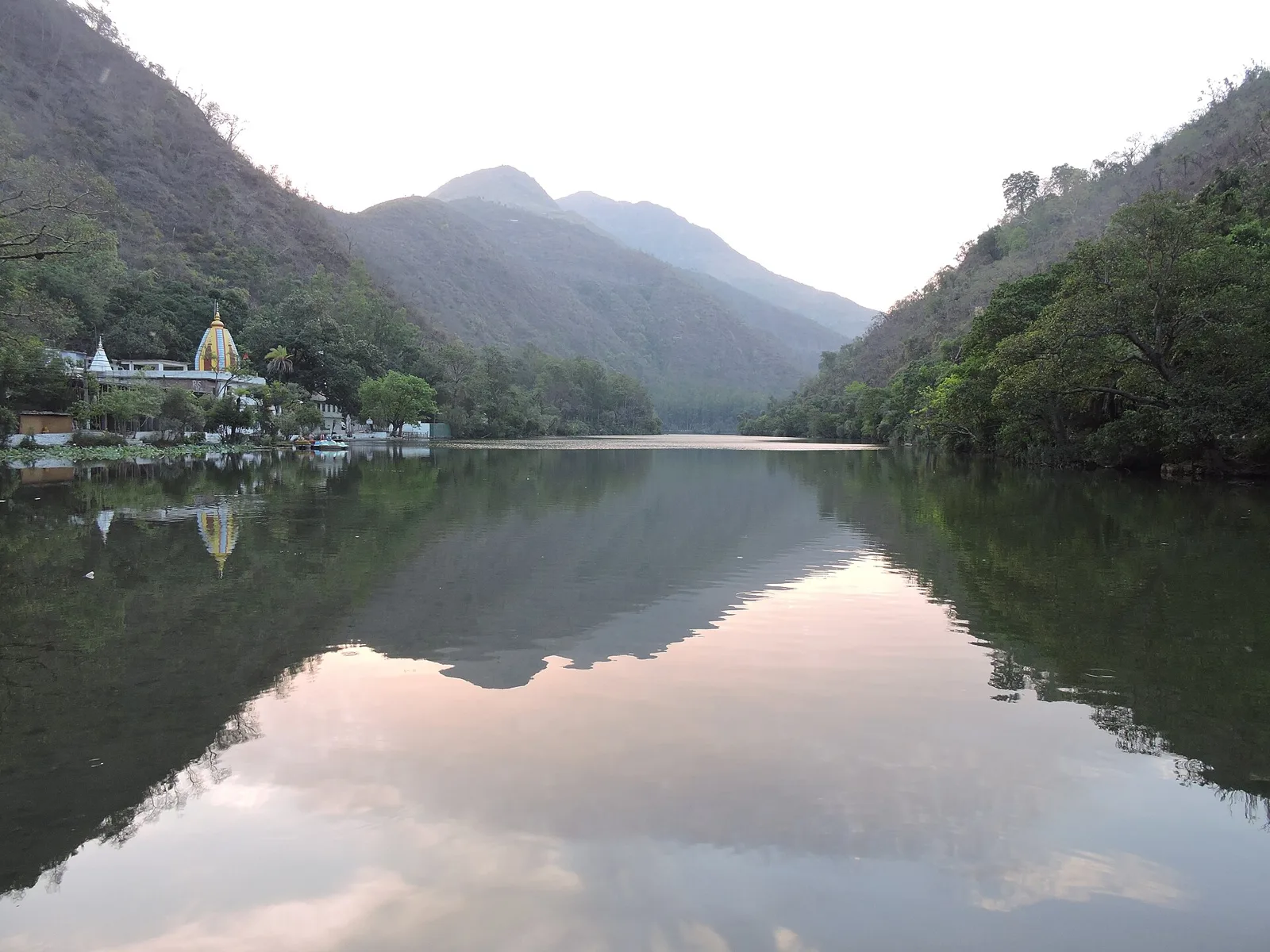
Parshuram's palanquin comes to meet his mother Renuka at the lake for five days of pilgrimage, fair and culture.

June

Shoolini Mela

Thodo Ground, Solan · Fair & Mela

Solan's three-day fair for its patron goddess Shoolini, with a shobha yatra, cultural nights and wrestling.

Festivals of Himachal Pradesh through the year

Usual season and where each is best known. Exact dates follow local calendars — linked festivals have dated guides.

  • Kullu DussehraOctoberWeek-long gathering of village deities at Dhalpur Maidan, Kullu district.
  • Minjar FairJuly–AugustChamba district, 8 days, around the harvest of maize ears.
  • International Shivratri FairFebruary–MarchMandi district, hundreds of local deities gather.
  • Lavi FairNovemberRampur Bushahr, Shimla district, a trade fair.
  • PhulaichSeptemberThe "festival of flowers" in Kinnaur district.
  • Losar and HaldaBuddhist new year in Lahaul-Spiti and Kinnaur districts; Halda in Lahaul.
  • Renuka FairNovemberRenuka Ji, Sirmaur district.
  • Shoolini MelaJuneSolan district.

Connected circuits

Journeys through this state

Himachal Pradesh · Ladakh

Himalayan High Passes

Cold deserts, monasteries and some of the highest motorable roads.

  1. Spiti
  2. Pangong Tso
From travellers and locals

Be the first to share photos, stories, advice or a helpful contact for Himachal Pradesh.

Loading…