
McLeod Ganj
McLeod Ganj is a suburb of Dharamshala in Himachal Pradesh, associated with a substantial Tibetan community and the Tibetan government-in-exile headquartered there. Visitors come for this connection, which gives it the nickname Little Lhasa.
Key facts · verified by Ghumoopedia editors
- Type of place
- Destination
- Best time to visit
- March to June and October to November for most hill towns; May to October for Lahaul-Spiti and high passes
- Nearest railway station
- Kangra (narrow gauge) · about 15 km (straight line)
- Verified
- 21 Nov 2026
Plan a trip from McLeod Ganj — a day-by-day route through places nearby.
McLeod Ganj forms part of Dharamshala, within Kangra district in Himachal Pradesh, India. Tibetans make up a significant part of its population, and the Tibetan government-in-exile has its headquarters there. This presence explains the nickname Little Lhasa. The name reflects the area’s Tibetan community and its role as the base of that government. These connections are a reason people visit McLeod Ganj, which is a suburb of Dharamshala rather than an independent town. Himachal's hill towns blend Hindu temple traditions, Tibetan Buddhist monasteries and village devta (local deity) customs, with fairs and festivals tied to the farming calendar. Altitude decides the weather: the Shivalik foothills are mild, Shimla and Manali are cool with winter snow, and Lahaul-Spiti is a cold desert closed by snow for months. The July–September monsoon brings landslides and road closures in the hills. The usual best time to visit is March to June and October to November for most hill towns; May to October for Lahaul-Spiti and high passes. Timings, fees and access arrangements must be confirmed locally. For official information, see Himachal Pradesh Tourism at https://himachaltourism.gov.in.
Why it matters
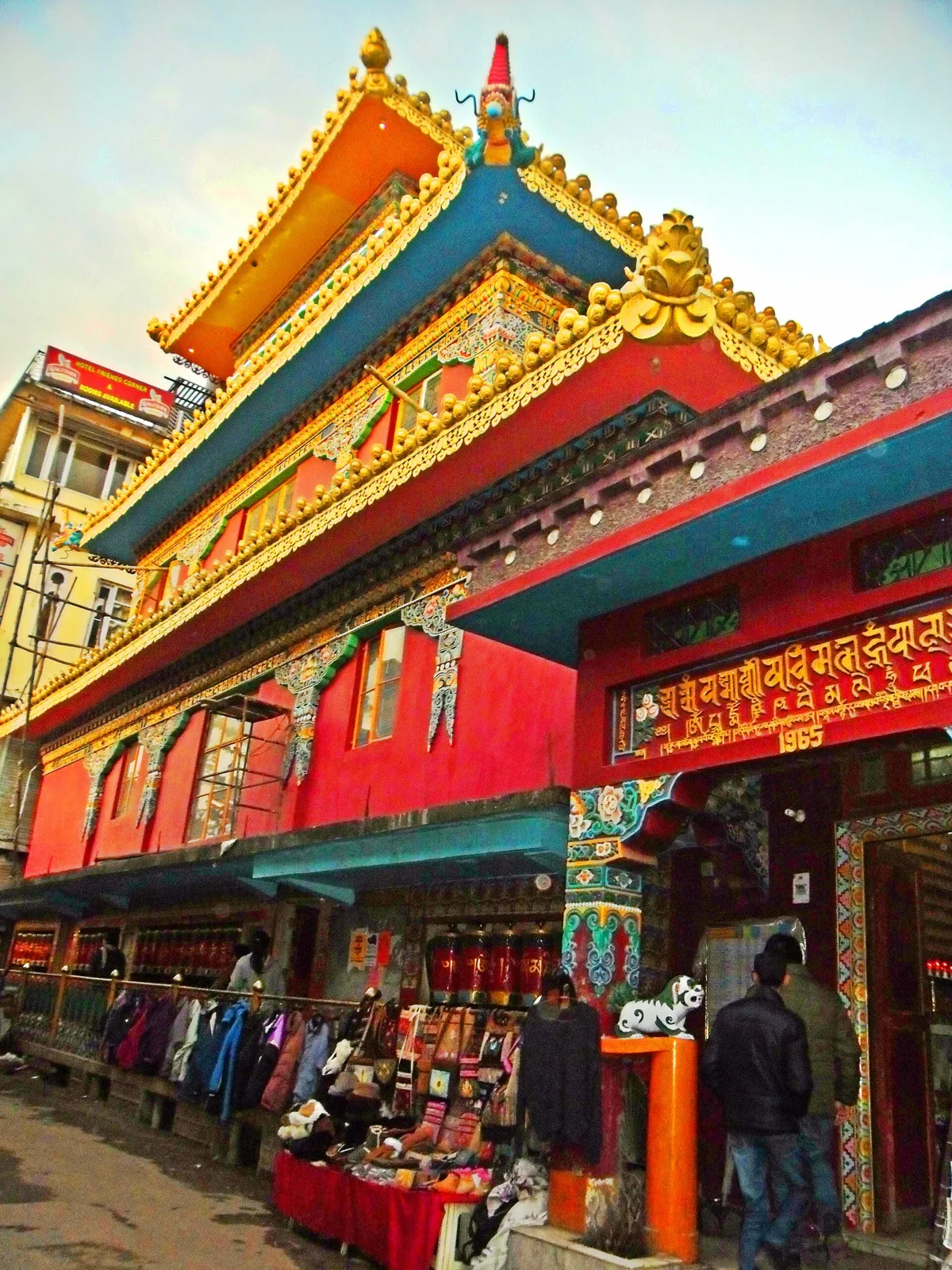
McLeod Ganj is a suburb of Dharamshala in Kangra district, Himachal Pradesh. It is widely known as “Little Lhasa” because it is an important centre of Tibetan life in India and the headquarters of the Central Tibetan Administration, commonly called the Tibetan government-in-exile. Its presence has made the town a place of religious practice, community activity and international interest in Tibetan history and culture. The Tsuglagkhang complex, which includes Namgyal Monastery, is a major Buddhist destination. McLeod Ganj also connects visitors with the wider cultural landscape of Kangra, where Hindu traditions, Tibetan Buddhism and local village customs coexist. It is not chiefly known as a UNESCO World Heritage site or an ASI-protected monument.
The name McLeod Ganj comes from Sir Donald Friell McLeod, a British administrator who served as lieutenant governor of Punjab. The settlement developed during the British period as part of the Dharamshala hill station area. The Kangra earthquake of 1905 caused widespread damage across the region and affected the development of Dharamshala and its surroundings. A major change came after the Dalai Lama left Tibet in 1959 and was granted refuge in India. He established his residence in the Dharamshala area in 1960, and the Central Tibetan Administration moved its headquarters there around the same period. Tibetan refugees and institutions subsequently helped shape McLeod Ganj into a centre of exile community life, Buddhist study and cultural preservation. The Tsuglagkhang complex and Namgyal Monastery became important religious and public sites. Over time, visitors, students and residents from many countries added to the town’s character. Today it remains both a lived-in hill settlement and a destination associated with Tibetan history and contemporary community life.
Use McLeod Ganj as a base to understand local life: walk through the market area, visit community-run attractions and ask your host about nearby viewpoints and short excursions. Always ask before photographing people, homes or ceremonies. A comfortable itinerary is one main visit in the morning, a local meal at midday and a short nearby stop before an afternoon return. Use the district list on this site to find other places in Kangra, but check the actual road route and its condition before combining stops. If a festival or fair is on, local roads and stays can be busy — and the experience can be unforgettable. Leave no litter: many sites are protected by the communities around them.
Suggested itineraries
Half day: Tsuglagkhang complex and nearby market walk (2–3 hours), then a relaxed local meal. Full day: Tsuglagkhang complex (1–2 hours), market and lunch (1–2 hours), then Bhagsu Nag Temple and the waterfall area or Dharamkot (2–3 hours); allow time for the return. Gentler option: Focus on the central market and one accessible religious or cultural site, taking frequent rests and arranging a taxi between areas if needed.
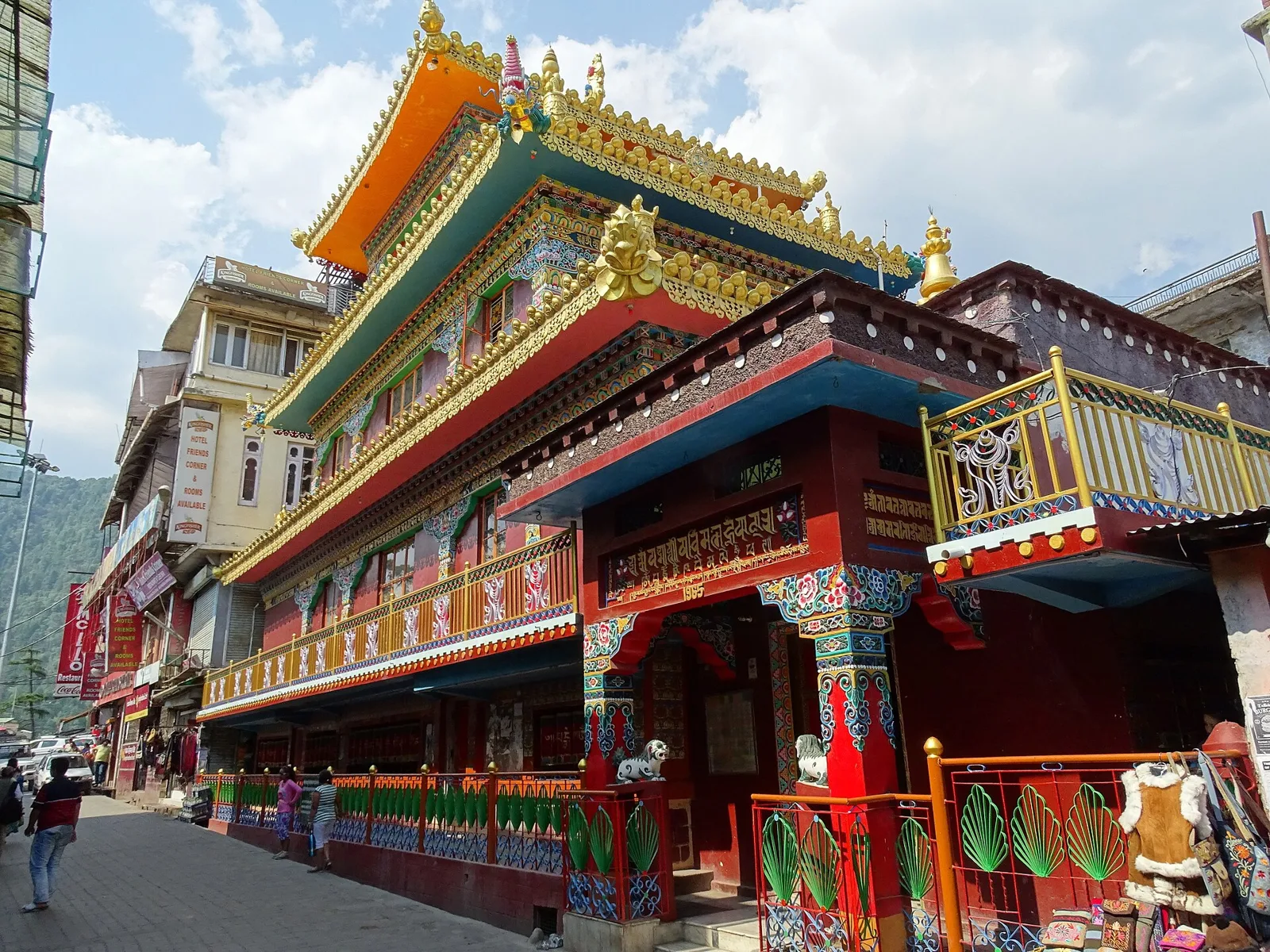
McLeod Ganj brings Tibetan and Kangra-region traditions together in everyday life. Tibetan Buddhist practice is visible at monasteries and prayer spaces, while nearby communities maintain Hindu temple customs and village deity traditions. Tibetan, Hindi and English are commonly heard, alongside local languages of the region. Monastic debate, prayer and study are part of the area’s religious life; visitors should observe quietly and follow posted guidance. Shops and cafés reflect the town’s mix of Tibetan, Indian and international influences. Traditional Tibetan dress may be seen, especially at community or religious gatherings, but clothing styles vary. Ask before photographing people, homes, prayer activities or ceremonies.
Festivals & events
Losar, the Tibetan New Year, is generally celebrated in late winter or early spring, with dates varying by calendar and community. Buddhist observances such as Buddha Purnima may also bring visitors to religious sites. Tibetan cultural programmes and public teachings take place at different times of year, but schedules are not fixed and should be checked locally. Hindu festivals are celebrated in Dharamshala and surrounding Kangra communities according to the local calendar. During major religious events, the Tsuglagkhang area, market streets and local accommodation can be busier than usual. Visitors should allow extra time, respect event-specific restrictions and avoid blocking processions or worship.
Local food in Himachal Pradesh includes siddu (steamed stuffed bread), madra, dham (the traditional festive meal), chha gosht, trout from mountain streams, babru and fresh apples and apricots in season. Ask what is fresh that day; many small eateries cook a limited daily menu. Vegetarian travellers eat very well across this region, and most towns also have simple non-vegetarian dhabas. Remote sites may have no restaurant at all. Carry water and snacks, eat a proper breakfast before long drives, and ask your accommodation for a packed lunch if you are heading out early. Try a home-cooked or dhaba meal when you can — it is often the best food on the route. Choose busy, clean places and carry your packaging back to town.
Shopping & local experiences
The market has shops selling Tibetan-inspired handicrafts, prayer items, textiles, clothing, jewellery, books and locally made souvenirs. Look for work from established community organisations or craft outlets, and ask about materials and provenance rather than assuming an item is handmade. Shops also carry packaged tea, spices and regional food products. Cafés and restaurants offer opportunities to try Tibetan dishes such as momos and thukpa alongside Indian and international food. Bargaining practices vary by shop; keep exchanges polite and avoid buying wildlife products or items whose origin is unclear.
March to June and October to November for most hill towns; May to October for Lahaul-Spiti and high passes
The nearest principal railway station by straight-line distance is Kangra (narrow gauge), roughly 15 km away. The nearest operating airport by straight-line distance is Gaggal Airport, Kangra (Dharamshala), roughly 10 km away. These figures are calculated from map coordinates — hill roads wind a lot, so actual road distance and travel time are usually much longer. Chandigarh, Kalka and Pathankot are the main rail gateways for the hills, and the Kalka–Shimla toy train is itself a heritage journey. For the final leg, Himachal Road Transport Corporation (HRTC) buses and shared taxis link district towns; shared taxis usually leave early in the morning. A private taxi gives more flexibility for remote sites. When comparing train, bus and flight, count the complete door-to-door time: a flight saves the most time only if the onward road transfer is short, while an overnight train plus a road journey can save a hotel night. Book your return before you leave, because seats fill quickly on weekends and holidays. Current train numbers, timings, return services and fares are not listed here; check IRCTC and NTES for trains and the airline's own schedule for flights. No permit is needed for Indian visitors to most of Himachal Pradesh. Some stretches near the international border in Kinnaur and Lahaul-Spiti may have check posts, and foreign nationals should check current registration rules for border areas before travel.
Confirm onward and return timings on IRCTC / NTES, the state bus operator or your airline before travel. A dash means current timings or fares have not been verified.
Getting around
McLeod Ganj is compact enough to explore on foot, but its steep lanes and changing gradients can make walking tiring. Local taxis connect it with Dharamshala, nearby settlements and excursion starting points; arrange a return plan for less busy areas. Local buses serve routes in the wider Dharamshala area, though routes and stops should be checked locally. Parking is limited on busy streets, so visitors arriving by car may need to use designated parking and walk onward. Shared taxis may be available for some journeys. In wet weather, allow extra time on narrow, slippery roads.
Hours, tickets & permissions
McLeod Ganj is a town rather than a single ticketed attraction, so entry arrangements depend on the place visited. Public streets and market areas are generally accessible, while monasteries, temples and cultural institutions may have their own visitor rules. Some areas may restrict photography, require respectful dress or ask visitors to remove shoes. Special events can affect access, and identity checks or other conditions may apply at particular sites. Confirm current hours, fees and entry requirements with the managing authority before setting out.
Facilities
The central area usually has cafés, restaurants, small shops and guesthouses, as well as places to find basic travel supplies. Toilets and drinking water may be available at some public institutions or businesses, but provision is not consistent; check locally and carry water. ATMs are generally found in the wider town area, though visitors should not rely on every machine being available. Parking is limited near busy streets and attractions. Local guides and taxis can often be arranged through accommodation or businesses, but confirm credentials, route and arrangements before starting an excursion.
Accessibility
McLeod Ganj is built on a hillside, with steep roads, uneven paving, steps and narrow lanes in many areas. The market can be crowded, and some religious or scenic sites involve additional slopes or stairs. Shade is intermittent, so carry water and plan rests, especially in warm weather. Wheelchair and stroller access is limited and should not be assumed; check directly with each venue before visiting. Older visitors or anyone with reduced mobility may find a short, taxi-assisted visit more manageable than linking several sites on foot. Rain can make surfaces slippery, and road traffic may complicate crossings.
No permit is needed for Indian visitors to most of Himachal Pradesh. Some stretches near the international border in Kinnaur and Lahaul-Spiti may have check posts, and foreign nationals should check current registration rules for border areas before travel. Carry a photo ID at all times and save the emergency number 112 and your accommodation's contact offline. Heat in summer and dense fog in winter are the main weather risks; carry water and allow extra travel time on foggy December–January mornings. Respect community rules, private property and posted instructions. Check official advisories for the region before travel, and follow local guidance if access changes.
Photography
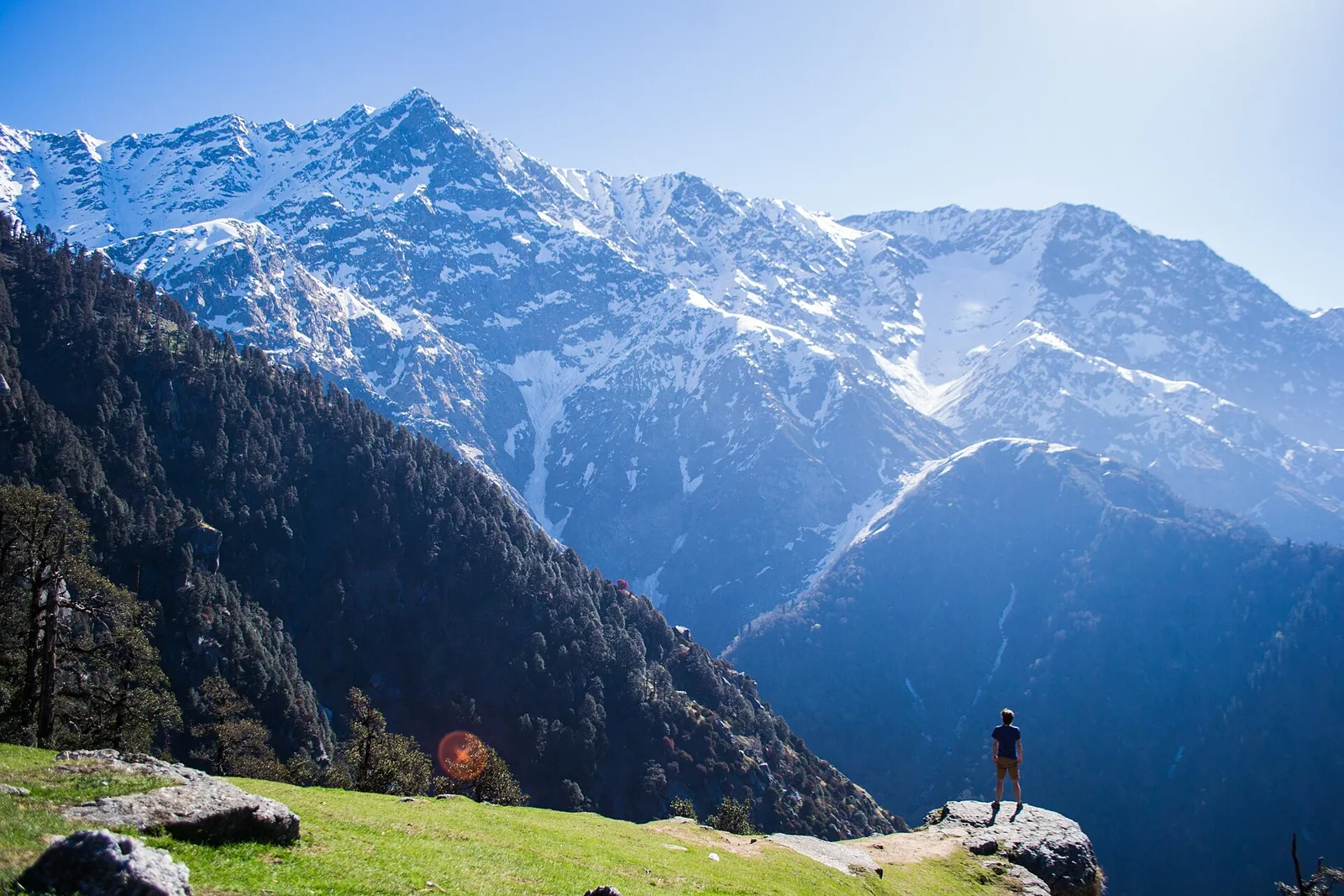
Soft morning or late-afternoon light can suit views across the hillside and the town’s streets, while clear conditions may open up distant mountain views. Public streets and many outdoor viewpoints are generally photographed, but rules differ inside religious institutions and cultural sites. Look for signs and ask staff before taking pictures indoors. Always ask permission before photographing residents, children, homes, monks or ceremonies; some people may prefer not to be photographed. Avoid interrupting prayer or blocking paths. Drone use may be restricted by local rules, security considerations or site policy; confirm permissions before flying.
Choose a stay by the full journey to McLeod Ganj, not just the district name. Main towns in Kangra usually offer hotels, state tourism lodges and guesthouses with better transport, meals and medical access, while village homestays offer a closer connection to local life. In the plains, check fans or air-conditioning in summer and heating in the December–January cold wave. Book in advance for weekends, festival dates and the peak season (March to June and October to November for most hill towns; May to October for Lahaul-Spiti and high passes). Confirm the exact location, meals included, check-in time and cancellation terms in writing. Many homestays accept payment on arrival; avoid sending money to unverified contacts. Mobile network and digital payments can be unreliable in remote areas, so carry some cash.
Nearby places to consider include Bhagsu Nag Temple and the Bhagsu waterfall area, as well as Dharamkot, a hillside settlement often used as a walking and trekking base. St John in the Wilderness Church is in the wider Dharamshala area. Lower Dharamshala has the Kangra Art Museum and other town services. Norbulingka Institute, in the Sidhpur area, is known for Tibetan arts and crafts; check visitor arrangements before travelling. Further afield in Kangra district, Kangra Fort is a major historic site. These places are not all on the same route, so check road conditions and travel time before combining them.
For couples, McLeod Ganj rewards a slow pace: arrive early for soft light and fewer crowds, share a local meal and keep the evening free. Public displays of affection can be frowned upon in conservative communities and at religious sites, so be discreet. A homestay or a small heritage hotel can make the trip memorable — confirm privacy, hot water and transport back. Keep a buffer in your itinerary, because weather and traffic can delay plans in Himachal Pradesh.
Q: How much time should I allow for McLeod Ganj? A: A half day can cover the central area and one main visit; a full day allows time for a nearby excursion. Q: When is a good season to visit? A: March to June and October to November are generally comfortable periods for Himachal hill towns; check forecasts and road conditions before travel. Q: Is there an entry ticket for McLeod Ganj? A: The town itself is not a single ticketed site. Individual institutions may have separate entry rules, fees or restrictions, so confirm with each manager. Q: Is McLeod Ganj suitable for children or elderly visitors? A: It can be, but steep streets and uneven paths may be tiring. Choose a shorter route, take rests and consider local taxis. Q: Can I stay nearby? A: Guesthouses, hotels and other accommodation are available in McLeod Ganj and the wider Dharamshala area; check location, access and current availability before booking.
Be the first to share photos, stories, advice or a helpful contact for McLeod Ganj.
Loading…