
District · Himachal Pradesh
Kangra
Kangra lies in western Himachal Pradesh, between the Punjab plains and the higher ranges of the Dhauladhar Himalaya.
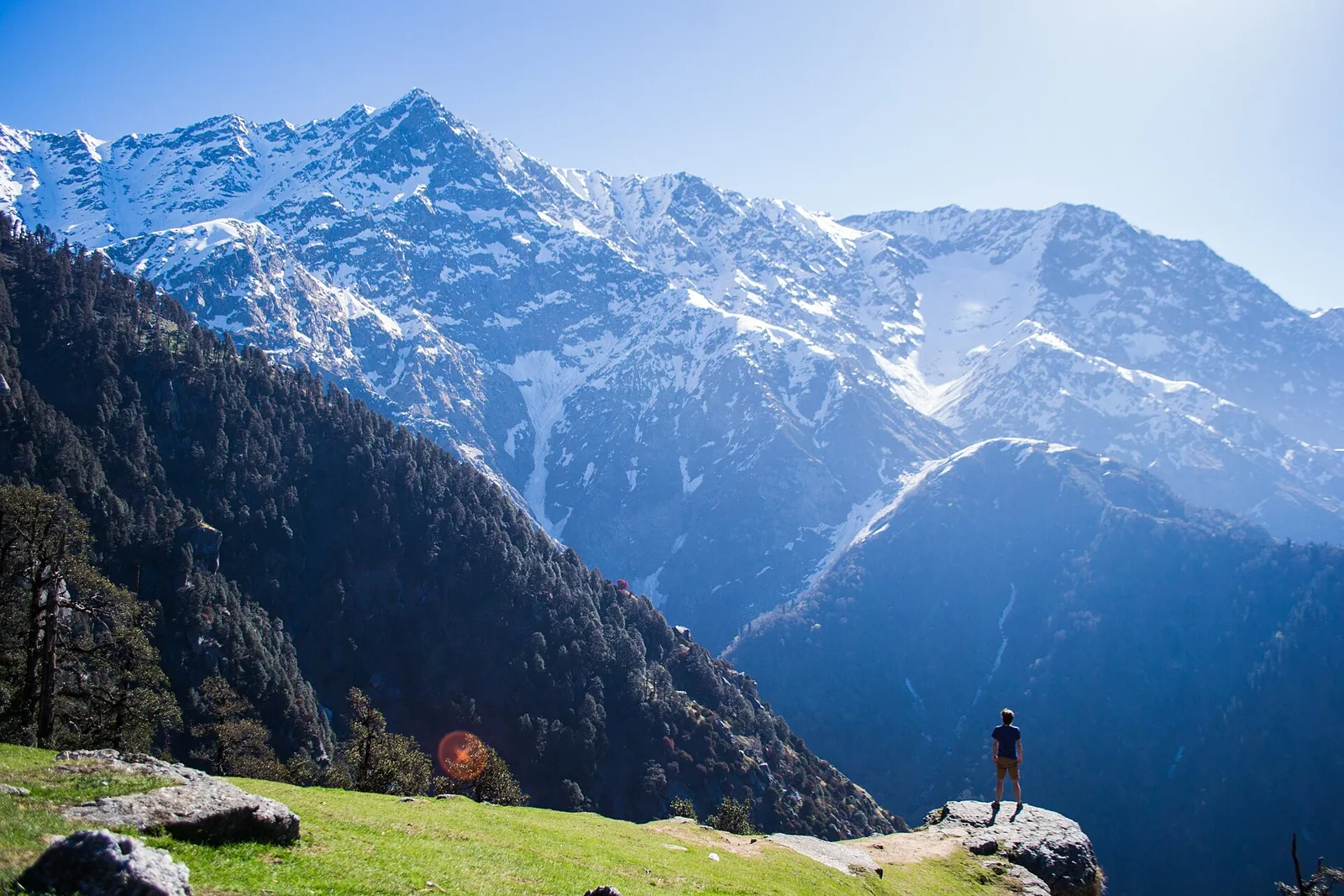
Kangra district stretches from the broad, fertile Kangra Valley to the steep slopes of the Dhauladhar range, with the Beas River and its tributaries shaping much of the landscape. Tea gardens around Palampur, wooded hills, villages and high mountain routes give the district a varied character. Its history is visible at Kangra Fort and in old temples, including the rock-cut Masrur Temples and Baijnath Temple. Today, the district brings together established hill towns, pilgrimage sites and trekking country. Dharamshala and McLeod Ganj are also important centres of Tibetan life and culture, adding another layer to the region’s diverse identity.
Kangra lies in western Himachal Pradesh, between the Punjab plains and the higher ranges of the Dhauladhar Himalaya. Its towns and villages bring together a long history of hill kingdoms, Hindu sacred sites and Tibetan Buddhist life. Travellers come for places such as Kangra Fort and the Masrur Temples, as well as Dharamshala and McLeod Ganj, which are associated with the Tibetan community and the Dalai Lama. The district also offers tea-growing country around Palampur, the meadow walk to Triund and paragliding around Bir. Its varied terrain makes it possible to combine cultural visits, town stays and outdoor excursions.
The Kangra region is associated with the ancient Trigarta kingdom, mentioned in early Indian texts. The Katoch dynasty, one of the region’s long-established hill ruling houses, governed from Kangra and other centres over many centuries. Kangra Fort was a strategic stronghold, contested by regional powers and Mughal rulers; the Katochs later regained control. Maharaja Ranjit Singh’s forces took the fort in the early nineteenth century. Following the First Anglo-Sikh War, the British gained control of the region in 1846, and Kangra became part of British-administered Punjab. The 1905 Kangra earthquake caused extensive damage and loss of life, and remains a defining event in local history. After Indian independence, the area was included in Punjab. Himachal Pradesh was formed in 1948, and Kangra was transferred from Punjab to Himachal Pradesh in 1966 as part of the state’s reorganisation. The district’s present cultural landscape reflects its hill-state history, later administrative changes and the growth of Tibetan settlement around Dharamshala.
12 destination guides · 10 on the map
Andretta
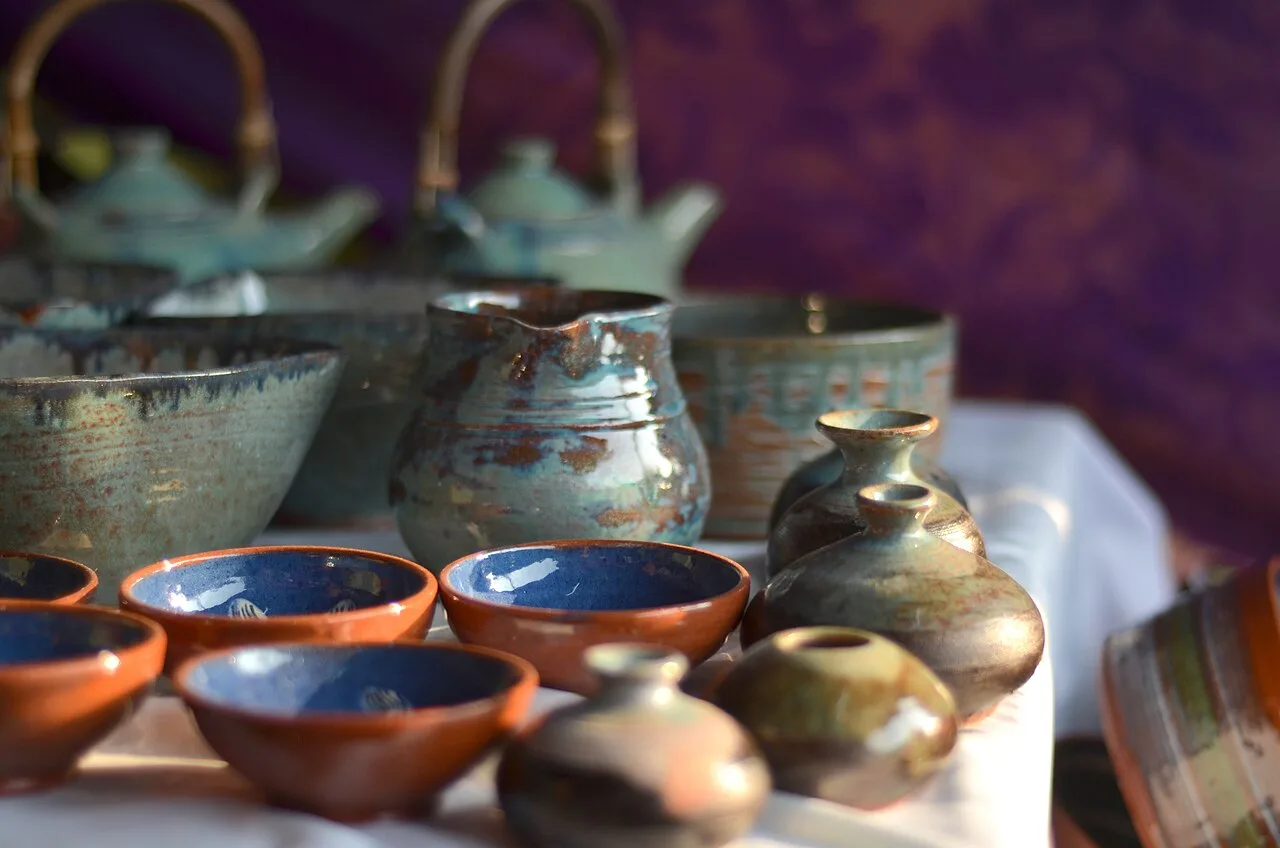
Andretta is a village in Himachal Pradesh known for its creative community. Visitors are drawn by its history of association with theatre practitioners, painters and, more recently, potters.
Baijnath Temple
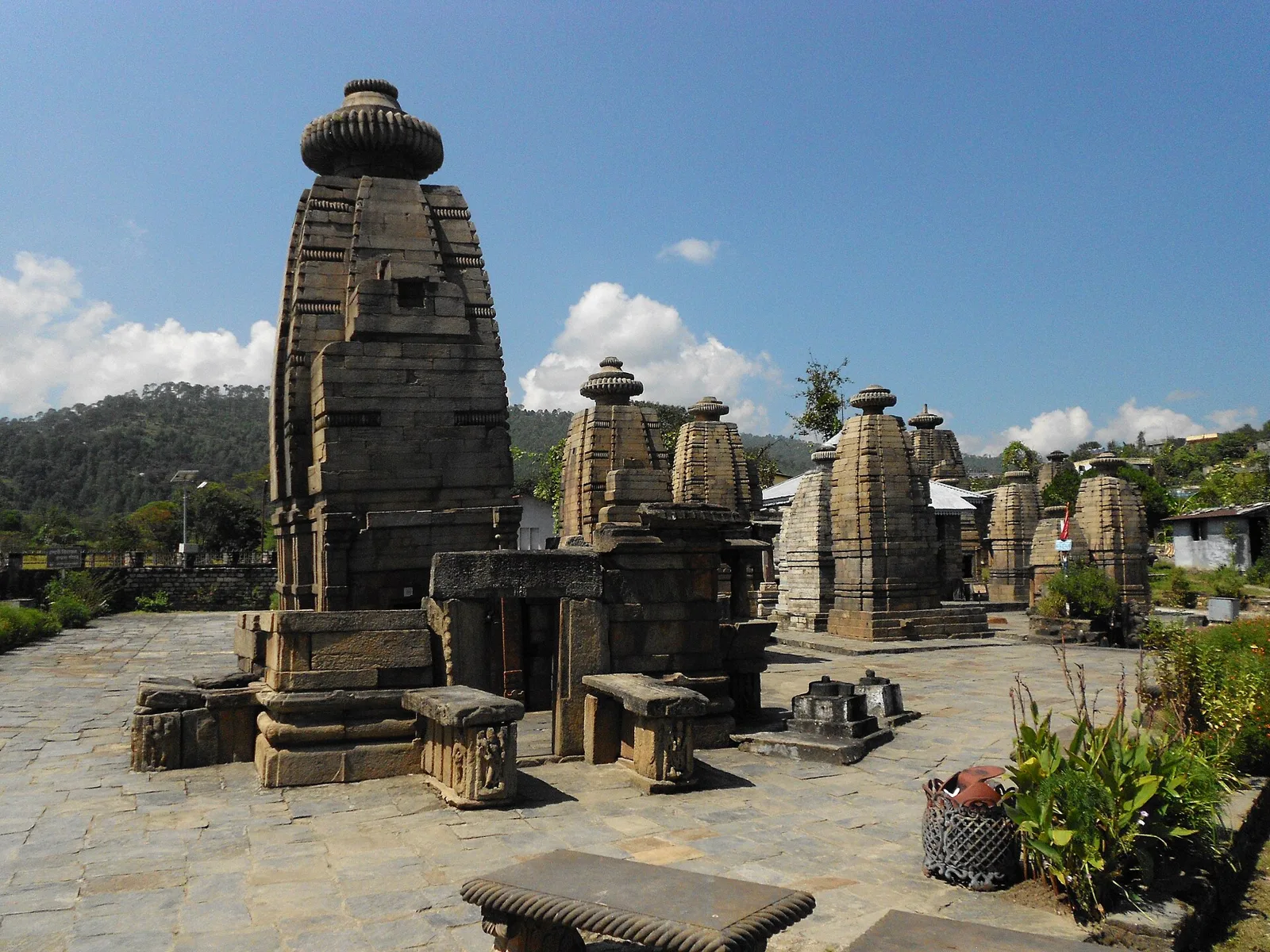
Baijnath Temple is a temple and sacred site in Kangra district, Himachal Pradesh. People visit it as a place of worship.
Bhagsu
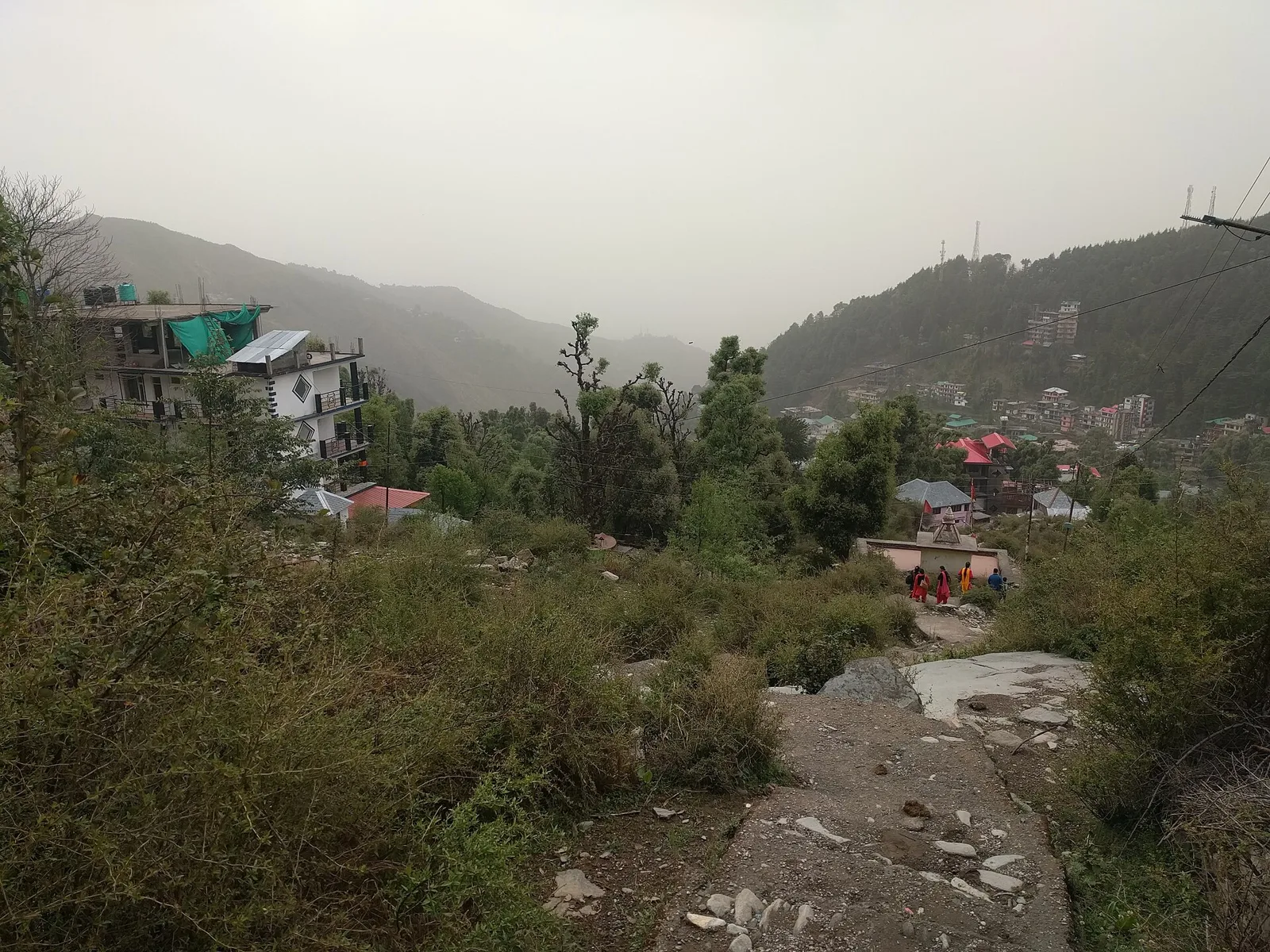
Bhagsu, also called Bhaksu, Bhagsunag or Bhagsunath, is a village near McLeod Ganj in Dharamshala, Kangra district; people visit for the ancient Bhagsunag Temple and nearby waterfall.
Bir
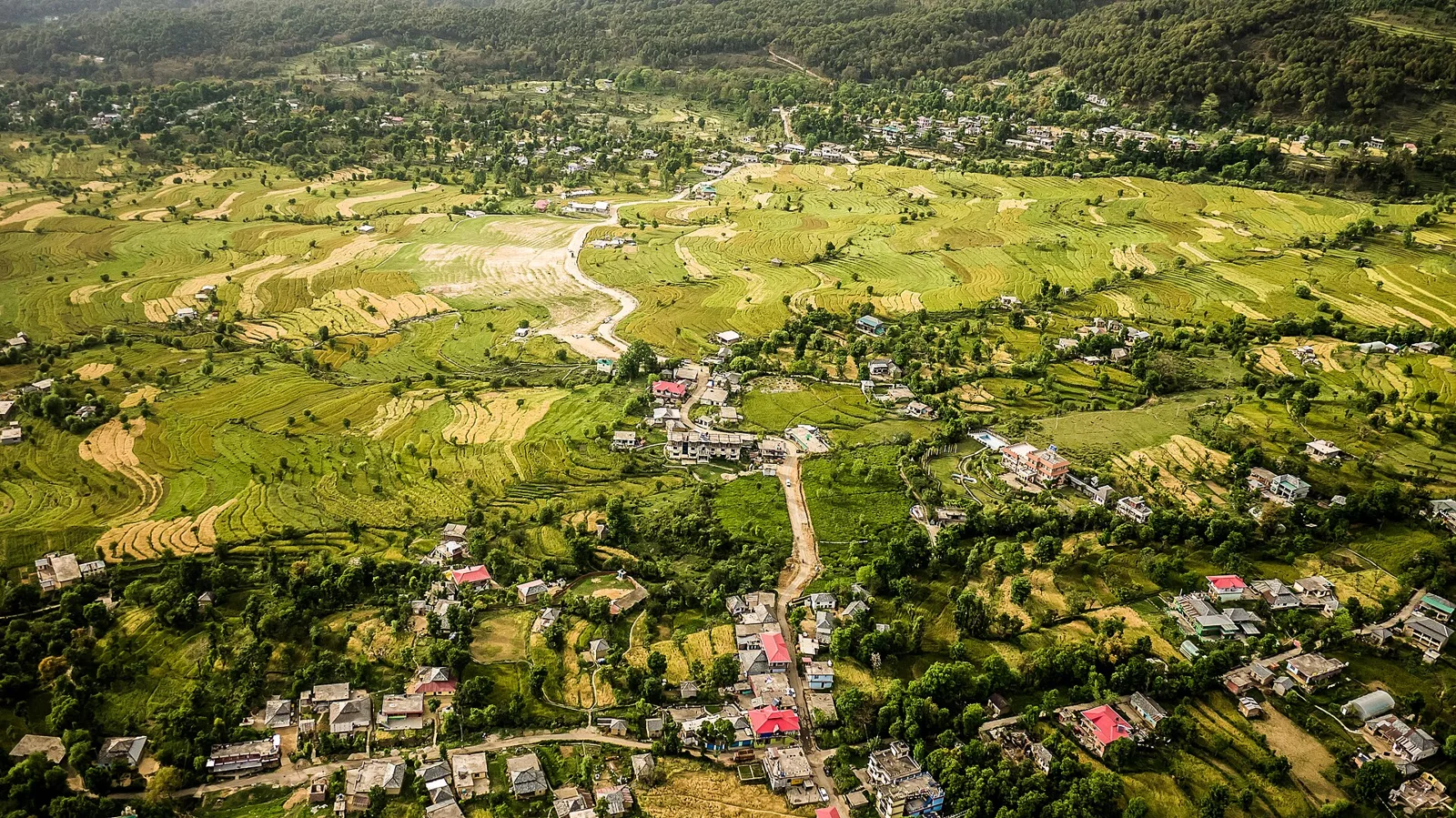
Bir, in Kangra district, Himachal Pradesh, is a village on the western edge of the Joginder Nagar Valley. Visitors come for its Tibetan Buddhist heritage and the paragliding associated with Bir Billing.
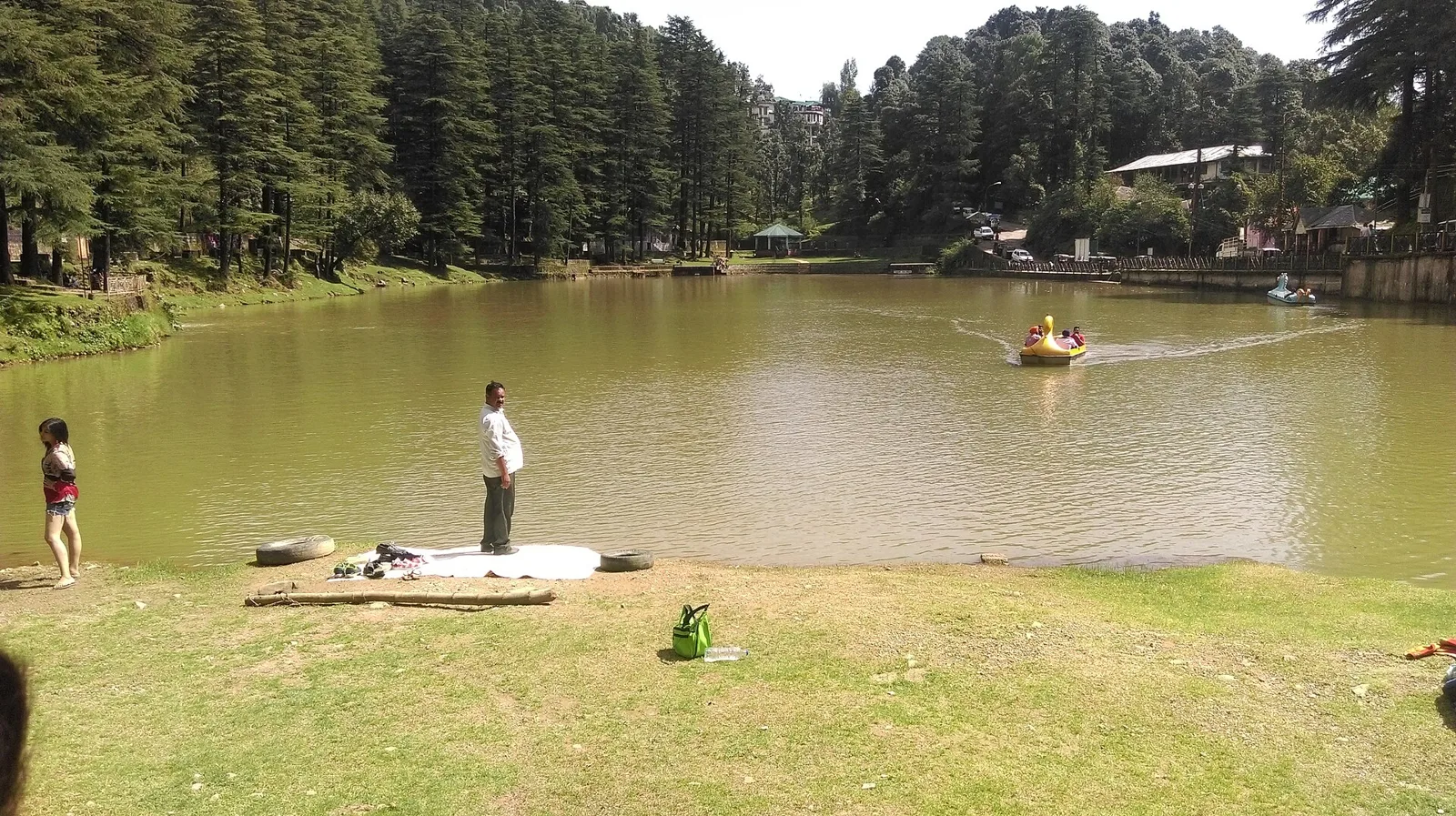
Dal Lake
Dal Lake is a small, high-altitude lake in Kangra district, Himachal Pradesh, with deodar trees and sacred sites along its shore. Visitors come to see the lake and its temples.
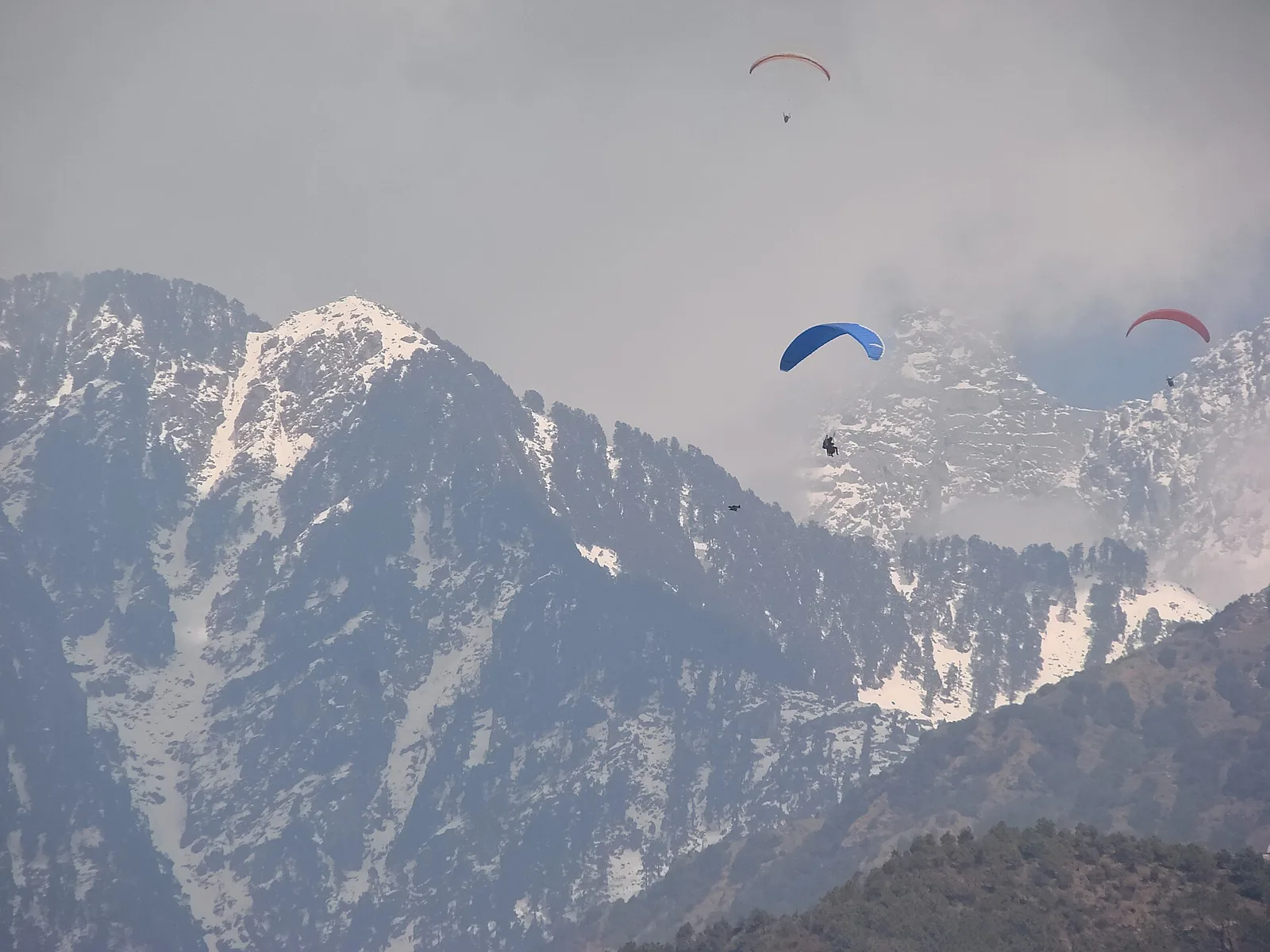
Dharamshala
Dharamshala is a Himachal Pradesh town visited for its hill-station setting, spiritual associations, and links with the 14th Dalai Lama and Tibetan government-in-exile.
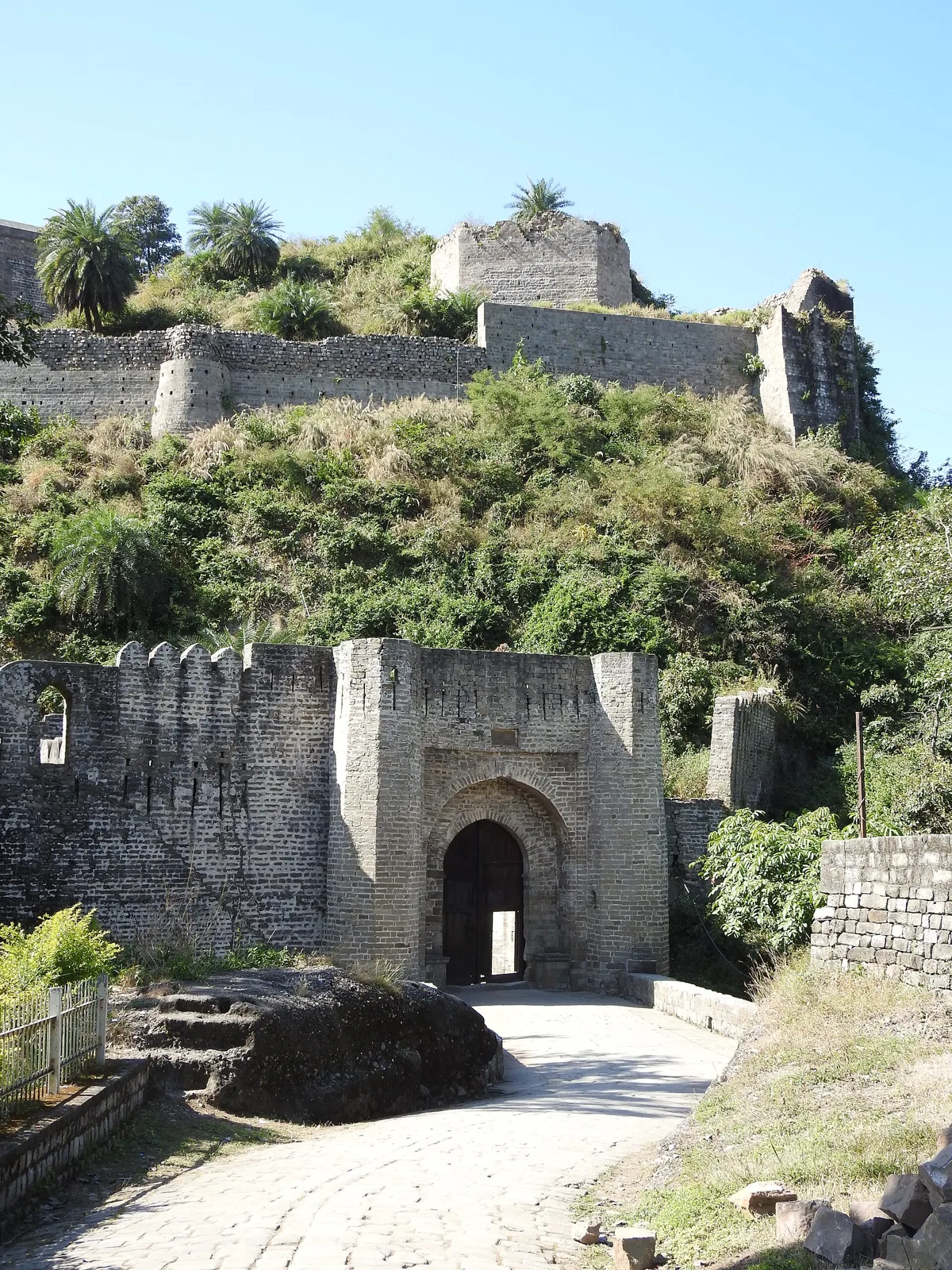
Kangra Fort
A historic stronghold in Kangra district, Himachal Pradesh, Kangra Fort is associated with Indian mythology and a long recorded past, attracting visitors interested in the region’s heritage.
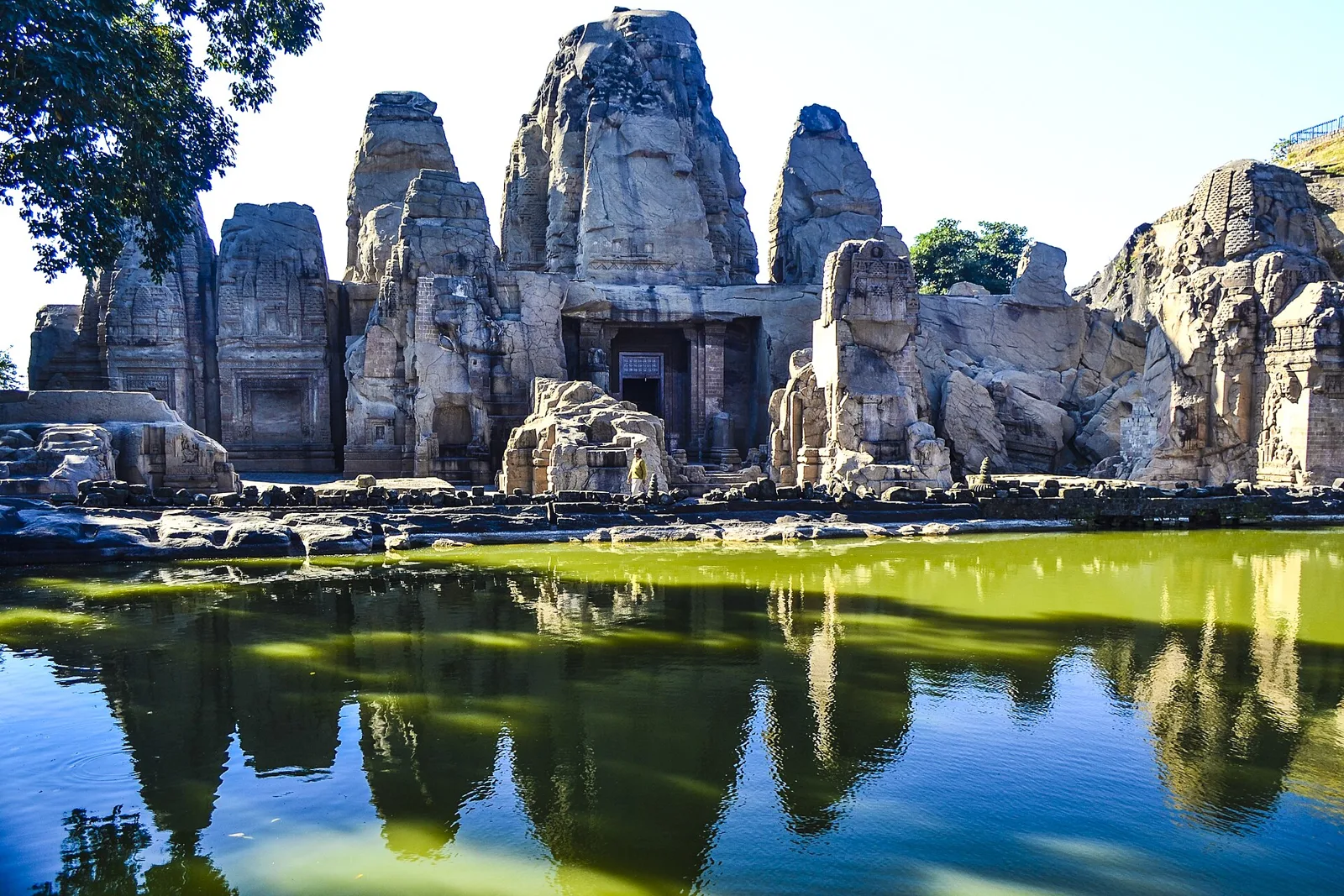
Masrur Temples
Masrur Temples is an early medieval Hindu shrine complex carved into rock in Himachal Pradesh. Visitors come to see its Nagara-style architecture, sculpted deities and carefully planned layout.
McLeod Ganj
McLeod Ganj is a suburb of Dharamshala in Himachal Pradesh, associated with a substantial Tibetan community and the Tibetan government-in-exile headquartered there. Visitors come for this connection, which gives it the nickname Little Lhasa.
Kangra’s food reflects wider Himachali cooking, with dishes such as madra, a yoghurt-based preparation, and siddu, a steamed bread often filled with savoury ingredients. Dham, a festive meal served on special occasions, is a regional tradition rather than an everyday menu. Other foods found across Himachal include babru and chha gosht; trout is served in some mountain areas. Palampur and other towns have tea and local produce, while seasonal apples and apricots appear in nearby markets. Small eateries may cook a limited daily menu, so ask what is fresh.
Kangra is especially associated with Kangra painting, a celebrated Pahari miniature style that developed under regional courtly patronage. Its delicate lines, natural settings and lyrical depictions of figures such as Radha and Krishna are hallmarks of the tradition. The wider hill region also has a long history of wool work, including woven shawls and blankets suited to cold weather. Visitors may encounter paintings and textiles in local shops, though availability and provenance vary. Ask sellers about the maker and materials, particularly when buying work presented as traditional or handmade.
Maha Shivratri is marked at Baijnath, where the temple and surrounding town draw worshippers and visitors in late winter or early spring. Sujanpur Tira’s traditional fair and Holi celebrations are among the district’s notable seasonal gatherings, usually around spring. Tibetan Losar, the lunar new year, is observed in the Dharamshala and McLeod Ganj area, generally in winter. Festival periods can make local roads and popular sites busier, and accommodation in the relevant towns may be more in demand; check local event information when planning.
Elsewhere in Himachal Pradesh
- Kullu DussehraDates to be announced · Seasonal
- Minjar MelaDates to be announced · Seasonal
- International Shivratri Fair, MandiDates to be announced · Seasonal
- Lavi FairDates to be announced · Seasonal
- PhulaichDates to be announced · Seasonal
- Losar & HaldaDates to be announced · Seasonal
- Shri Renuka Ji FairDates to be announced · Seasonal
- Shoolini MelaDates to be announced · Seasonal
The district rises from lower, warmer valleys to the Dhauladhar range, with forested slopes, cultivated terraces and settlements spread across uneven hill country. The Beas and its tributaries shape the valleys and road corridors. Tea gardens are a feature around Palampur, while higher routes lead towards mountain meadows such as Triund. Roads often wind through valleys and over steep sections, so journeys between sights can take longer than the map suggests. Monsoon rain can affect slopes and routes, while elevation changes bring noticeably different conditions across the district.
Kangra has warm summers, a monsoon season with heavy spells of rain, and cool to cold winters, with conditions varying between the lower valleys and higher slopes. Spring and autumn are generally comfortable for sightseeing and walking, making these useful seasons for combining town visits with outdoor trips. Summer can be warm at lower elevations but milder in the hills. During the monsoon, rain may disrupt road travel and trekking; winter brings colder nights and possible snow at higher elevations. Pack layers, a waterproof jacket and sturdy footwear. For higher walks, carry warm clothing even when starting from a mild valley town.
Gaggal Airport, also known as Kangra Airport, serves the Dharamshala area, though flight services can be limited. Rail access includes the narrow-gauge Kangra Valley line, while Pathankot is an important broad-gauge gateway for the region. Road journeys connect Kangra with Pathankot, Chandigarh and other Himachal towns; winding mountain routes can make travel slower than map distances suggest. HRTC buses and shared taxis link many towns and villages, with private taxis useful for sites beyond regular routes. Services and road conditions vary by season, so check current services locally before travelling.
Roads connect Dharamshala and McLeod Ganj with Kangra, Palampur and Baijnath, while routes to Masrur and Bir branch through hill country. State and local buses serve many towns and villages, though service may be less frequent for smaller sites. Shared jeeps operate on some routes; taxis are useful for linking places not easily served by buses. Auto-rickshaws are available in some urban areas for short trips. There is no need to plan on boat travel for the listed sights. Allow extra time for winding roads, traffic near busy centres and weather-related delays.
2 days: Dharamshala → McLeod Ganj → Bhagsu; sleep in Dharamshala on night 1. 3 days: Kangra Fort → Masrur Temples → Palampur → Baijnath Temple; sleep in Kangra on night 1 and Palampur on night 2. 4 days: Dharamshala → McLeod Ganj → Dal Lake → Triund → Bhagsu; sleep in Dharamshala on night 1, McLeod Ganj on night 2 and Dharamshala on night 3.
Dharamshala and McLeod Ganj are practical bases for the town, Bhagsu, Dal Lake and Triund, with a broad choice of hotels and guesthouses. Palampur works well for exploring the tea-growing area and eastern valley, while Bir is a useful base for nearby outdoor activities. Kangra town suits visits to the fort and nearby sites. Across the district, travellers can find hotels, homestays and some government accommodation; dharamshalas are available in certain pilgrimage centres. Availability and facilities vary, so confirm arrangements before travelling in busy seasons.
Hill roads can be narrow, winding and affected by rain, landslides or occasional road closures; check current local conditions before setting out. Use suitable footwear on uneven paths, and take care on the Triund trail, where weather and altitude can change quickly. Carry drinking water and use treated or reliably safe supplies. Monkeys and other wildlife may be present; do not feed or approach animals. Crowds can build around temples and festivals, and mobile coverage varies outside towns. Ordinary visits to the listed places do not generally require an Inner Line Permit, but check official local guidance for current trek, camping or access rules before departure.
- Chambaabout 44 km
- Kathua · Jammu and Kashmirabout 65 km
- Pathankot · Punjababout 66 km
- Mandiabout 67 km
- Bilaspurabout 78 km
- Kulluabout 83 km
- Rupnagar · Punjababout 98 km
- Jalandhar · Punjababout 110 km
Straight-line distance between the centres of each district's destinations; road distance is longer.
Q: How many days should I spend in Kangra? A: Two days can cover a compact visit around Dharamshala; three or four days allow more time for the valley, temples and outdoor stops. Q: When is the best time to visit? A: Spring and autumn are generally comfortable. Monsoon travel can be disrupted by rain, while winter is colder, especially at higher elevations. Q: Where is the best base? A: Dharamshala or McLeod Ganj suits visits to the upper valley; Palampur, Bir or Kangra town can be more convenient for other parts of the district. Q: How do I get to and around Kangra? A: Road travel is central to visiting the district. Buses, shared jeeps and taxis connect many towns, with local transport options varying by route. Q: Is Kangra suitable for families or elderly travellers? A: Many towns and temple visits can suit families and older visitors, but steep paths, stairs and winding roads may be challenging. Choose stops and walks according to mobility and check conditions.
This page draws on our 12 destination guides for Kangra and is updated as our team checks it.
Be the first to share photos, stories, advice or a helpful contact for Kangra.
Loading…