
Andretta
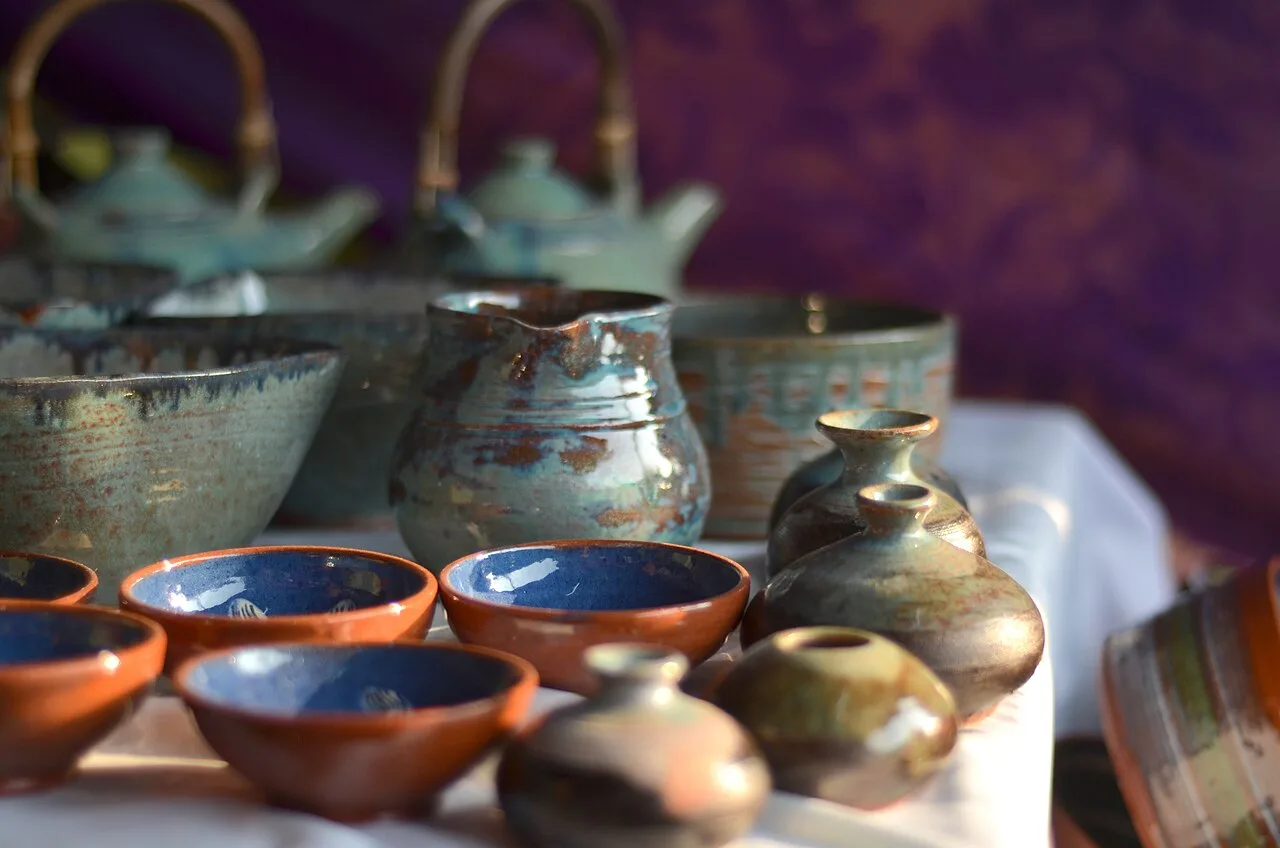
Andretta is a village in Himachal Pradesh known for its creative community. Visitors are drawn by its history of association with theatre practitioners, painters and, more recently, potters.
Key facts · verified by Ghumoopedia editors
- Type of place
- Community & living culture
- Best time to visit
- March to June and October to November for most hill towns; May to October for Lahaul-Spiti and high passes
- Nearest railway station
- Joginder Nagar (narrow gauge) · about 25 km (straight line)
- Verified
- 21 Nov 2026
Plan a trip from Andretta — a day-by-day route through places nearby.
Andretta's artistic community began to take shape in the 1920s, following the arrival of Norah Richards, an Irish theatre artiste and environmentalist who moved there from Lahore. The village is near Palampur, in Kangra district, with the Dhauladhar range behind it. Over the years, people from several creative fields became associated with Andretta. Theatre practitioners and painters were among those who came, followed more recently by potters. Painters Sobha Singh and B. C. Sanyal were among the early artists linked to the village. Himachal's hill towns blend Hindu temple traditions, Tibetan Buddhist monasteries and village devta (local deity) customs, with fairs and festivals tied to the farming calendar. Altitude decides the weather: the Shivalik foothills are mild, Shimla and Manali are cool with winter snow, and Lahaul-Spiti is a cold desert closed by snow for months. The July–September monsoon brings landslides and road closures in the hills. The usual best time to visit is March to June and October to November for most hill towns; May to October for Lahaul-Spiti and high passes. For official information, see Himachal Pradesh Tourism at https://himachaltourism.gov.in.
Why it matters
Andretta is known in Kangra District as both a village and an artists’ colony. Its artistic identity is associated with Norah Richards, an Irish theatre artiste and environmentalist who moved here from Lahore in the 1920s and helped establish the colony. Painters Sobha Singh and B. C. Sanyal were among the early artists connected with the place; pottery and other creative work also contribute to its present-day appeal. Andretta offers a local perspective on the region’s modern artistic life alongside its rural setting near Palampur and the Dhauladhar range. It is not known as a UNESCO World Heritage Site or an ASI-protected monument; individual homes, studios or collections may have separate access arrangements.
Andretta’s history as an artists’ colony is most closely associated with Norah Richards, an Irish theatre artiste and environmentalist. In the 1920s, she moved here from Lahore and made the village a base for creative and theatrical activity. Her presence drew artists and theatre practitioners to the area, helping shape a cultural community within a rural Kangra setting. Painters Sobha Singh and B. C. Sanyal were among those associated with Andretta in its early artistic period. Over time, the colony’s identity broadened beyond theatre and painting, and potters and other makers became part of its creative life. The village remains inhabited and working: it is not a purpose-built museum site, and visits may involve private homes, studios or workshops whose access is decided by their occupants. The wider region has older village and agricultural histories, but Andretta’s best-documented public story concerns the artistic colony formed in the twentieth century. Check locally which historic homes, collections or workshops are open, as access and stewardship can change; do not assume that every place associated with the colony is a public attraction.
Origin stories & folklore
No single, widely documented founding legend for Andretta is established in commonly available accounts. The village sits within Kangra, where local traditions may connect communities with village deities, temples and seasonal observances. These beliefs and stories belong to particular families and places and should not be treated as one shared Andretta origin story. Visitors interested in local oral history can ask residents whether they are comfortable sharing it, while respecting that some accounts or practices may be private. The artists’ colony is better understood through its documented twentieth-century history than through an invented legend.
The heart of a visit to Andretta is meeting the artisans at work. Ask to see each stage of the work, from raw material to finishing; most families work at home or in small courtyard workshops, and a single piece can take hours or days. Many households and cooperative societies welcome visitors who show genuine interest, but this is a working village, not a museum: ask before entering a home or workshop, keep visits short during busy hours, and accept that some families may be away at fairs or markets. Buying directly from the maker or a registered cooperative is the best way to support the craft. Where a product carries a Geographical Indication (GI) tag or a handloom mark, ask for it; prices for handmade work reflect the time and skill involved, so bargain gently, if at all. Some workshops offer short hands-on sessions — ask locally rather than expecting a fixed schedule.
Suggested itineraries
Half day: Walk through the village (about 30–45 minutes); visit a confirmed art or pottery venue (about 1–2 hours); allow time to speak with makers or browse their work. Full day: Start with a confirmed studio or collection visit (about 1–2 hours); take a relaxed village walk (about 1 hour); have a local meal; continue to Palampur or a nearby sight if transport and road conditions allow. Gentler option: Arrange a vehicle close to one confirmed venue, limit walking to its immediate surroundings, and take seated breaks; check access with the venue in advance.
Andretta’s contemporary identity brings together village life and creative practice. Pottery, painting and theatre are part of its artistic association, while everyday customs remain connected to the wider Kangra region. Kangri, Hindi and Punjabi may be heard locally, though language use varies between households. Regional music, devotional singing and folk performance form part of cultural life in Kangra, but visitors should not expect a scheduled performance in the village. Dress is generally practical for a rural hill setting. A respectful visit means asking before entering homes or workshops, allowing makers to continue their work, and treating cultural practices as lived traditions rather than staged attractions.
Local communities
Andretta is home to village households as well as people involved in art and craft. Its artistic community has included theatre practitioners and painters, and pottery has become a notable part of its creative life. Residents’ livelihoods may also include farming, local services and work or trade in nearby towns; individual circumstances differ. Some makers work from homes or small courtyard workshops, while others may sell through cooperatives or at markets. Visitors should ask before approaching a household or maker and should not assume that a workshop is open or that its occupants are available to demonstrate their work.
Festivals & events
Andretta does not have a single major visitor festival that can be assumed to take place on a fixed schedule. In the wider Kangra region, religious observances, temple fairs and seasonal gatherings are connected with local deities and the agricultural calendar; the timing and scale vary by community. Festivals such as Dussehra are celebrated in parts of Himachal Pradesh, but celebrations are local rather than uniform. When a fair or gathering is taking place nearby, roads and public spaces may be busier and accommodation can be harder to arrange. Ask locally about current events and attend only public celebrations, following residents’ guidance.
Village food in Himachal Pradesh is home cooking: siddu (steamed stuffed bread), madra, dham (the traditional festive meal), chha gosht, trout from mountain streams, babru and fresh apples and apricots in season. Andretta itself may have only tea stalls and small eateries, so ask your host or guide where to eat, or arrange a home-cooked meal in advance — it is often the highlight of a village visit. Carry water and a snack if you plan to spend the whole day, and eat your main meal in the nearest town if no local option is open.
Shopping & local experiences
Look for pottery and other handmade work directly from a maker or a cooperative, where available. Ask about the maker, materials and care of an item, and remember that handwork takes time; bargain gently, if at all. Some workshops may offer short hands-on sessions, but availability is arranged locally rather than guaranteed. The nearby Palampur area is a practical place to look for everyday provisions and regional food. Buy only items that are clearly offered for sale, and ask for any relevant craft or product identification rather than assuming a label applies.
Andretta lies near Palampur in Kangra District, with the Dhauladhar range forming a prominent backdrop in clear weather. The surrounding landscape includes settled village areas, cultivated land and hill slopes; the character of the view changes with season and weather. The broader Palampur area is known for tea cultivation, though tea gardens are not a feature of every view from the village. Seasonal rain can make paths muddy and affect road access, while the July–September monsoon can bring landslides and closures in the hills. Common regional birds and vegetation may be seen, but sightings depend on conditions and are never guaranteed. There is no basis for promising particular wildlife encounters within the village.
March to June and October to November for most hill towns; May to October for Lahaul-Spiti and high passes
The nearest principal railway station by straight-line distance is Joginder Nagar (narrow gauge), roughly 25 km away. The nearest operating airport by straight-line distance is Gaggal Airport, Kangra (Dharamshala), roughly 30 km away. These figures are calculated from map coordinates — actual road distance is longer. undefined Andretta is a village, so the last stretch is by road: Himachal Road Transport Corporation (HRTC) buses and shared taxis reach the nearest town, and from there a shared auto, local bus or reserved taxi covers the final few kilometres. Village roads can be narrow and unpaved; a taxi hired for the day from the nearest town is the simplest way to combine Andretta with nearby sights and get back before dark. When comparing train, bus and flight, count the complete door-to-door time: a flight saves the most time only if the onward road transfer is short, while an overnight train can save a hotel night. Book your return before you leave, because seats fill quickly on weekends, festivals and holidays. Current train numbers, timings, return services and fares are not listed here; check IRCTC and NTES for trains and the airline's own schedule for flights. No permit is needed for Indian visitors to most of Himachal Pradesh. Some stretches near the international border in Kinnaur and Lahaul-Spiti may have check posts, and foreign nationals should check current registration rules for border areas before travel.
Confirm onward and return timings on IRCTC / NTES, the state bus operator or your airline before travel. A dash means current timings or fares have not been verified.
Getting around
Andretta’s final approach is by road. HRTC buses and shared taxis serve nearby towns, from which a local bus, shared auto or reserved taxi may cover the last stretch; services and connections should be checked locally. Village roads can be narrow, and some sections may be unpaved. A taxi arranged from a nearby town can make it easier to combine the village with other sights and return before dark. Once there, expect to move between homes, workshops and village lanes on foot. Park only where it does not obstruct residents, farm access or other traffic.
Hours, tickets & permissions
Andretta is a lived-in village rather than a single ticketed attraction, so there is no common entry system for the whole place. Access to a home, art collection, studio or pottery workshop depends on the people managing it; some may ask visitors to arrange a visit in advance or follow site-specific rules. Tickets, camera permissions and other conditions, if applicable, vary by venue. Confirm current opening arrangements and any fees directly with the relevant site or managing authority before travelling. Do not enter private property without invitation.
Facilities
Facilities in Andretta are village-scale, not those of a large visitor complex. Toilets, drinking water, food and parking may be available at particular venues or nearby businesses, but should not be assumed at every workshop. Check locally before relying on a facility, and carry water for the journey. Larger choices for meals, accommodation, cash and other services are more likely in nearby towns such as Palampur. Guides are not guaranteed; ask a local host or venue whether someone is available to explain the collection or craft. Keep the lanes clear when stopping or parking.
Accessibility
Andretta’s lanes and approaches are rural and may be uneven, narrow or unpaved; rain can make surfaces slippery. Visiting more than one home or workshop may involve walking between them, and some older or private buildings may have steps or tight spaces. Wheelchair and stroller access cannot be assumed, and there may be little shade on exposed stretches. Visitors with limited mobility, older travellers and families with young children should contact venues in advance about vehicle access, surfaces and seating. A shorter visit centred on one accessible, confirmed venue may be more comfortable than trying to cover the whole village.
No permit is needed for Indian visitors to most of Himachal Pradesh. Some stretches near the international border in Kinnaur and Lahaul-Spiti may have check posts, and foreign nationals should check current registration rules for border areas before travel. Carry a photo ID, some cash (card and UPI acceptance varies in villages) and a charged phone with offline maps; save the emergency number 112 and your host's contact. Heat in summer and heavy rain in the monsoon are the main weather risks; carry water, avoid midday sun and allow extra time when village roads flood. Respect local customs: dress modestly, remove footwear where asked, and always ask before photographing people, homes or rituals.
Visitor rules
Andretta is a working village, not an open-air museum. Ask permission before entering a home, courtyard, studio or workshop, and accept a refusal without pressing. Keep visits considerate and brief if a household is busy. Wear practical footwear for uneven lanes and dress respectfully, particularly near religious spaces. Follow any site-specific instructions about restricted rooms, objects or photography. Carry litter out, avoid single-use plastic where possible, and do not block roads or farm access. Be courteous to residents and makers, and do not touch tools, artworks or materials unless invited.
Photography
The Dhauladhar backdrop is often clearest when the weather is settled, but changing hill conditions can affect visibility. Village lanes and public viewpoints may offer informal compositions; avoid blocking paths or entering private land for a photograph. Always ask before photographing residents, homes, workshops, artworks or demonstrations, and follow any venue restrictions. Photography may not be allowed in some collections or private spaces. Drone use can be subject to aviation rules and local restrictions; do not fly without confirming permissions and safety requirements. Avoid photographing private or religious activity in ways that intrude on participants.
Most visitors see Andretta on a day trip from the nearest town, which has the widest choice of hotels. A few villages have homestays or heritage stays; otherwise base yourself in the district town and hire a taxi for the day. Confirm the booking and the exact location before you travel, because village addresses can be hard to find.
Palampur is the nearest established town for services and is known for its tea-growing landscape. Baijnath, with its historic Shiva temple, is a possible regional excursion; check local access and road conditions before setting out. Bir, in Kangra District, is known for its Tibetan community and paragliding activity, though activities depend on weather and operators. Kangra Fort is another regional heritage site, but it is farther away and requires additional travel planning. These places are not all within walking distance of Andretta; allow for hill-road conditions and arrange transport before combining several stops.
For couples, Andretta is a chance to slow down: spend an unhurried morning with the makers, choose a piece together directly from the family that made it, share a home-cooked meal and keep the afternoon free. Stay in a nearby homestay or heritage property to make it a quiet overnight escape.
Q: How much time should I allow for Andretta? A: A half day can suit one confirmed venue and a village walk; allow a full day if combining visits with nearby places. Q: When is a good season to visit? A: March to June and October to November are generally comfortable for many Himachal hill visits. Monsoon travel can be disrupted, so check conditions. Q: Is there a general entry ticket for the village? A: Andretta is a village, not one ticketed site. Individual collections, homes or workshops set their own access arrangements; confirm before visiting. Q: Is Andretta suitable for children or elderly visitors? A: It can be, with planning, but lanes may be uneven and venues may have steps. Keep the route short and check access in advance. Q: Can I stay nearby? A: Accommodation options are more readily sought in nearby Palampur and surrounding towns. Confirm availability and transport locally before travelling.
Be the first to share photos, stories, advice or a helpful contact for Andretta.
Loading…