
Masrur Temples
Masrur Temples is an early medieval Hindu shrine complex carved into rock in Himachal Pradesh. Visitors come to see its Nagara-style architecture, sculpted deities and carefully planned layout.
Key facts · verified by Ghumoopedia editors
- Type of place
- Temple / pilgrimage site
- Best time to visit
- March to June and October to November for most hill towns; May to October for Lahaul-Spiti and high passes
- Nearest railway station
- Kangra (narrow gauge) · about 15 km (straight line)
- Verified
- 21 Nov 2026
Plan a trip from Masrur Temples — a day-by-day route through places nearby.
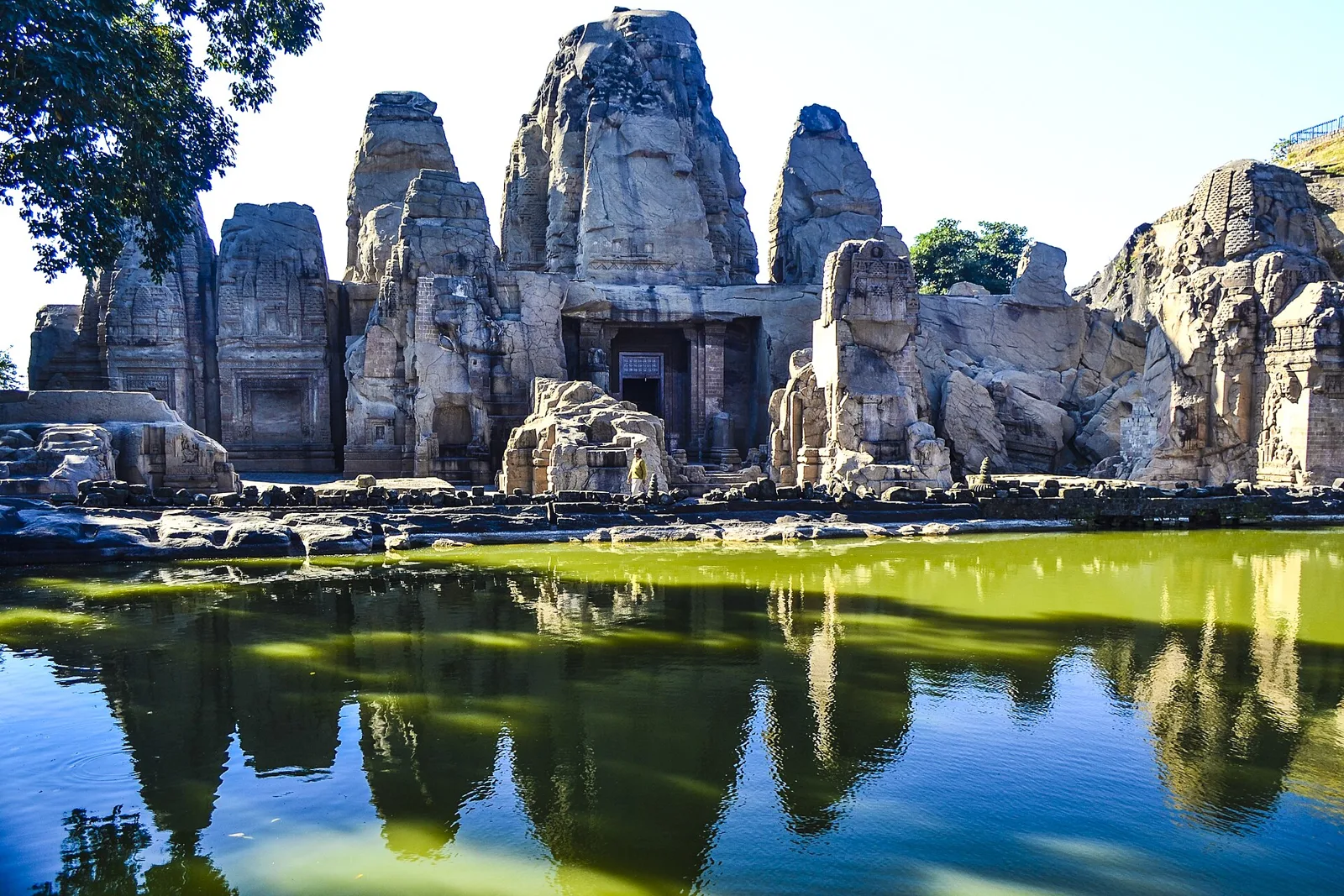
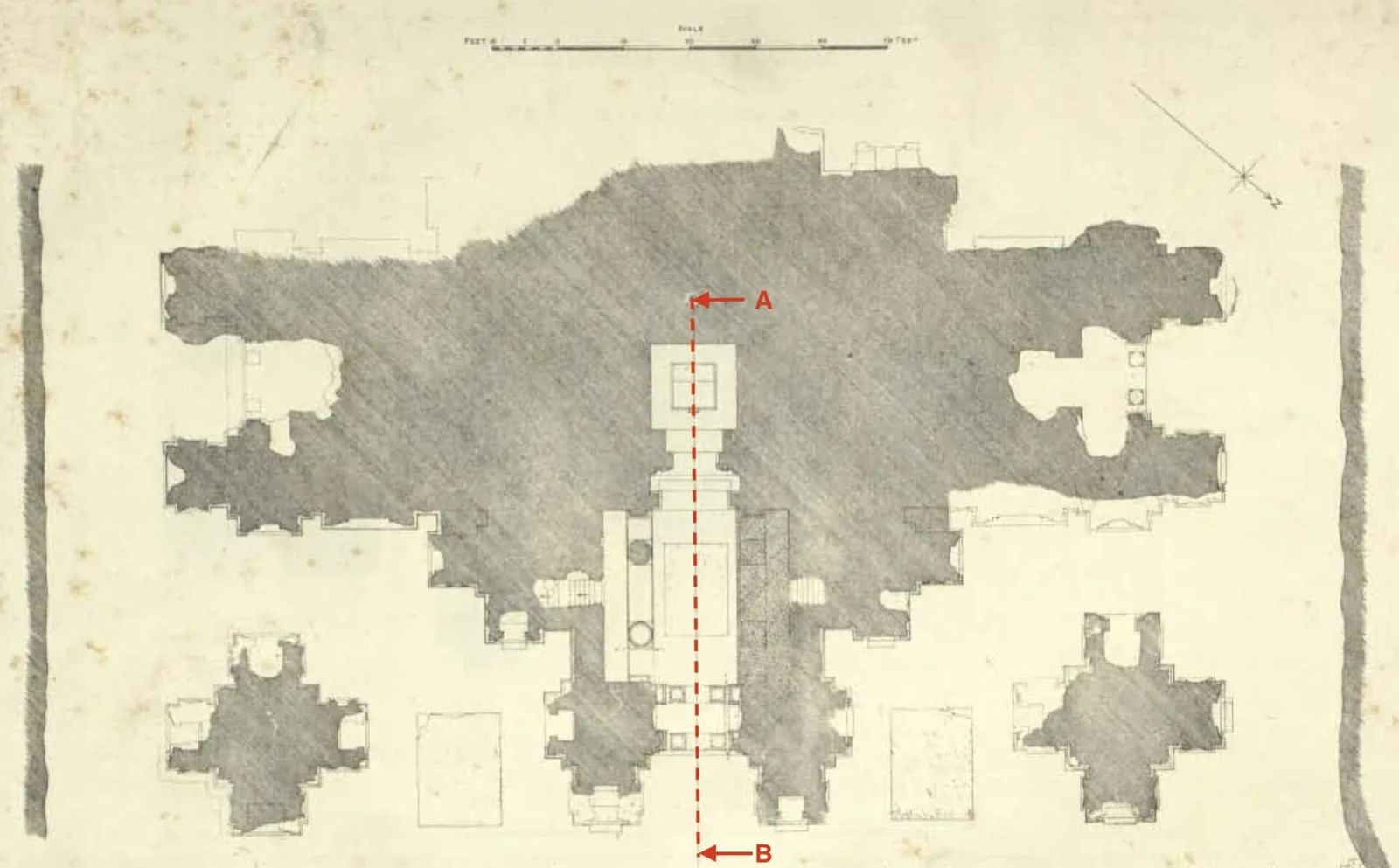
In Kangra district, Himachal Pradesh, the Masrur Temples form a group of Hindu shrines cut from solid rock, probably in the early eighth century. Their façades turn north-east towards the Dhauladhar range. The design belongs to the Nagara tradition of northern India. Shiva, Vishnu, Devi and Surya are represented, and the surviving images appear to reflect an approach that honoured several deities within one religious setting. The ensemble is arranged on a square, balanced plan: smaller sanctuaries surround the principal shrine in a mandala-like composition. The central sanctuary, subsidiary shrines and mandapa all have square ground plans. A shikhara rises above the main temple, while a sacred water pool forms part of the complex, in keeping with prescriptions in Hindu architectural writings. Three doorways are present, facing north-east, south-east and north-west; two remain unfinished. Archaeological evidence points to work beginning on a fourth entrance, which was also left incomplete. Early twentieth-century colonial investigators noted this, but later accounts overlooked it, resulting in mistaken descriptions of the layout. Sculpted panels and reliefs show deities from Vedic and Puranic traditions, while bands of carving depict stories drawn from Hindu religious literature. Much of this decorative work has disappeared, and the surviving carvings have suffered considerable damage, probably during earthquakes. The present complex is itself unfinished: archaeological examination indicates that its builders envisaged a more extensive undertaking than the one completed. Henry Shuttleworth brought the site to archaeological attention after reporting it in 1913. Himachal's hill towns blend Hindu temple traditions, Tibetan Buddhist monasteries and village devta (local deity) customs, with fairs and festivals tied to the farming calendar. Altitude decides the weather: the Shivalik foothills are mild, Shimla and Manali are cool with winter snow, and Lahaul-Spiti is a cold desert closed by snow for months. The July–September monsoon brings landslides and road closures in the hills. The usual best time to visit is March to June and October to November for most hill towns; May to October for Lahaul-Spiti and high passes. Timings, fees and access arrangements must be confirmed locally. For official information, see Himachal Pradesh Tourism at https://himachaltourism.gov.in.
Why it matters
The Masrur Temples are an important early medieval temple complex in Kangra district and a distinctive example of rock-cut Hindu architecture in the western Himalaya. Traditionally dated to the early eighth century, the complex brings together North Indian Nagara forms and carvings associated with several Hindu traditions. Its setting, with the temples facing the Dhauladhar range and a sacred pool before the shrines, is also part of its significance. The Archaeological Survey of India (ASI) recognises and protects the site as an archaeological monument. Scholars regard the surviving complex as incomplete, offering evidence of an ambitious building project whose original extent is not fully known.
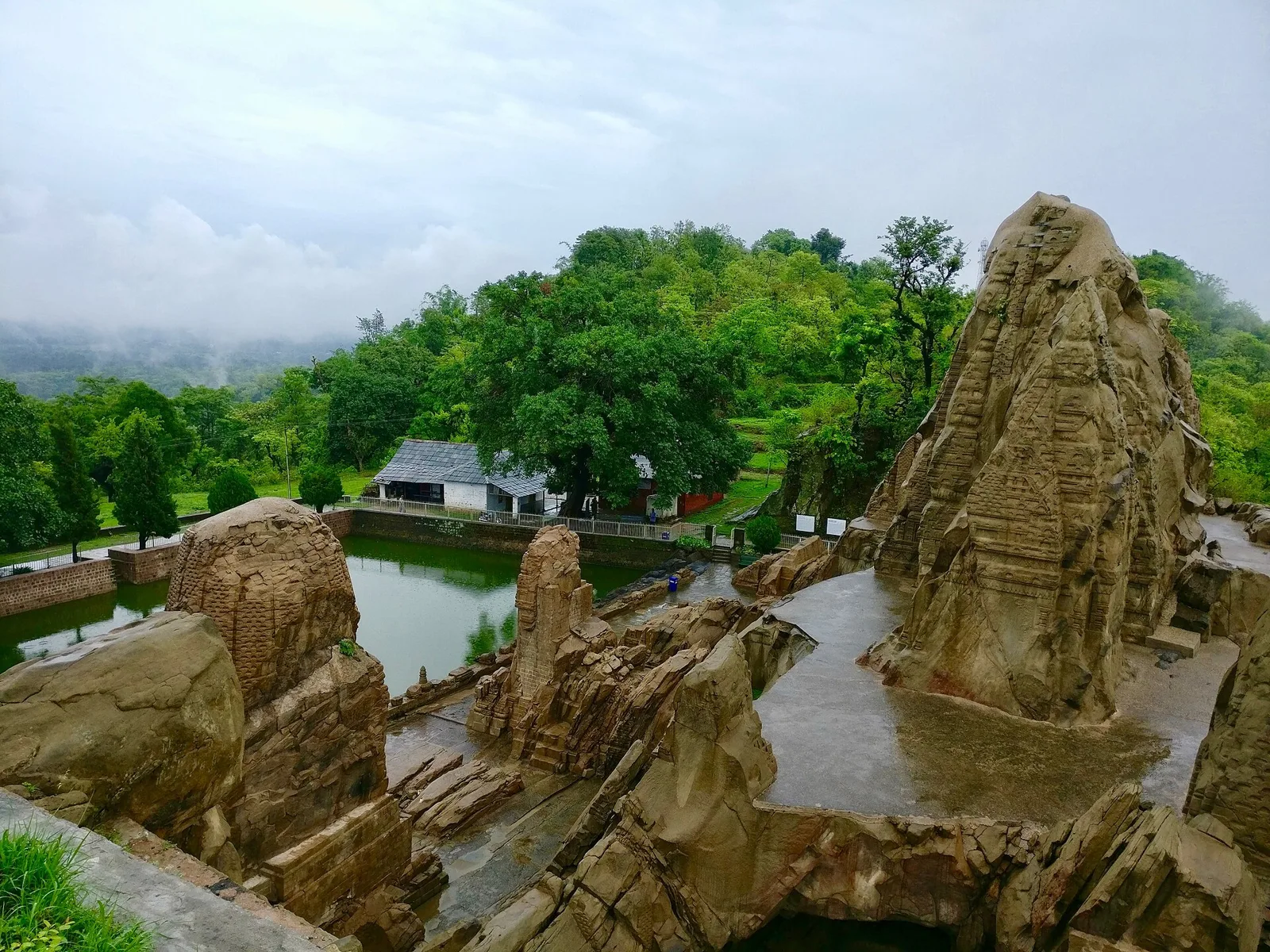
The Masrur complex is traditionally dated to the early eighth century, though its precise chronology and the identity of its patrons remain uncertain. No builder or ruling dynasty is securely identified in the surviving evidence. Its scale and design suggest the support of substantial local or regional resources, but specific accounts of who commissioned it should be treated cautiously. The temples were carved from a natural rock formation and developed as a group of shrines around a principal sanctuary. Archaeological study indicates that the original plan was more ambitious than what survives: entrances on several sides appear to have been planned, but some were left incomplete. The complex suffered damage over time, including damage generally associated with earthquakes in this seismically active region. Much of its sculpture and surface detail has been lost or weathered. The site came to wider archaeological attention after Henry Shuttleworth reported it in 1913; subsequent surveys documented its architecture and condition. The ASI now protects the monument. The surviving fabric therefore reflects both the original design and centuries of damage, exposure and conservation, rather than a fully preserved complex.
Origin stories & folklore
According to local tradition, the Pandavas of the Mahabharata built the temples during their period of exile. One version says they intended to complete the work in a single night but had to leave when daylight came, which is used to explain the unfinished parts of the complex. This is a devotional and folkloric account, not an established archaeological explanation: the precise builders and circumstances of construction are unknown. Visitors may hear variations of the story locally. The legend is part of the way the site is remembered and should be appreciated alongside, rather than in place of, the evidence from architectural and archaeological study.
Architecture & design
The temples are carved directly into a sandstone rock outcrop and are an example of North Indian Nagara-style temple architecture. The complex follows a broadly symmetrical, square-grid arrangement: a principal shrine is surrounded by smaller shrines, forming a mandala-like plan. The main sanctuary and subsidiary shrines have square plans, with a mandapa and towered forms including shikharas. The group faces northeast, towards the Dhauladhar range. A pool in front of the temples reflects the relationship between the sacred complex, water and landscape described in Hindu temple traditions. Carved doorways, columns, mouldings and sculpted surfaces show how the rock was shaped into architectural forms. Several entrances appear to have been planned; some remain incomplete. Weathering, loss of reliefs and earthquake damage have altered the appearance of the complex, so its present condition does not show the full original design.
Important objects & sculptures
Look for the surviving reliefs and figures on the temple façades, doorways and architectural bands. They include representations of major Hindu deities and scenes associated with Vedic and Puranic traditions; the imagery reflects the complex’s links with Shiva, Vishnu, Devi and Saura worship. Carved figures, attendants and decorative motifs can be difficult to distinguish where surfaces are worn, so take time to view them in changing light rather than touching the stone. The principal sanctuary contains images associated with Rama, Sita and Lakshmana, though arrangements and access may vary. Much of the original sculpture has been lost or damaged. No single collection of movable objects defines the visit; the rock-cut setting and surviving carvings are the main things to observe.
Religious significance
The complex is associated with several Hindu traditions rather than a single exclusive form of worship. Its surviving iconography includes figures connected with Shiva, Vishnu, Devi and Surya, while the principal sanctuary is associated with Rama, Sita and Lakshmana. Scholars have interpreted the combined imagery as reflecting a broad or henotheistic religious outlook, but worshippers may understand the shrines through their own devotional traditions. Visitors may encounter prayer, offerings or other acts of worship, depending on local practice and the day. The temples are both an archaeological monument and a sacred place: move quietly, give worshippers space and follow any instructions from caretakers. Do not assume that every chamber or image is open for public access.
Visit Masrur Temples with time to observe daily rituals respectfully. Follow the posted rules on footwear, photography, head covering and dress, walk clockwise around shrines, and avoid interrupting worshippers. Ask caretakers which areas are open to visitors. A comfortable itinerary is one main visit in the morning, a local meal at midday and a short nearby stop before an afternoon return. Use the district list on this site to find other places in Kangra, but check the actual road route and its condition before combining stops. If a festival or fair is on, local roads and stays can be busy — and the experience can be unforgettable. Leave no litter: many sites are protected by the communities around them.
Suggested itineraries
Half day: Arrive in the morning; spend 1–2 hours viewing the temple group, pool and carvings; take a quiet break and return by road. Full day: Visit Masrur in the morning; pause for a local meal; continue to Kangra town for the fort or Brajeshwari Devi Temple, allowing for road conditions. Gentler option: View the complex at an unhurried pace, rest between sections and limit the visit to areas with safer, easier footing; arrange a vehicle close to the site entrance where permitted.
Masrur sits within the cultural landscape of Kangra, where village life, local deity traditions and Hindu pilgrimage coexist with the region’s agricultural rhythms. Kangri and Hindi are commonly heard in the wider area, alongside other languages used by residents and visitors. Customs vary between villages and families, so there is no single dress or performance tradition specific to the temple complex. Nearby communities may mark religious occasions with prayer, processions or gatherings, but these should not be assumed to take place at the monument every year. Visitors can engage respectfully by asking before photographing people, dressing considerately at a sacred site and supporting local services without disrupting worship or daily life.
Festivals & events
Major Hindu occasions such as Maha Shivratri, Navratri and Janmashtami are observed across the Kangra region, though the scale and programme at Masrur itself can vary. Kangra town is known for religious gatherings associated with its temples, including occasions around Navratri. Festival periods may bring more worshippers and visitors to regional roads, temples and accommodation. Confirm locally whether any event is actually being held at Masrur before planning around it; do not assume that a district-wide celebration includes ceremonies at this monument. If visiting during a local gathering, allow extra time, follow crowd guidance and avoid blocking access to shrines.
Local food in Himachal Pradesh includes siddu (steamed stuffed bread), madra, dham (the traditional festive meal), chha gosht, trout from mountain streams, babru and fresh apples and apricots in season. Ask what is fresh that day; many small eateries cook a limited daily menu. Vegetarian travellers eat very well across this region, and most towns also have simple non-vegetarian dhabas. Remote sites may have no restaurant at all. Carry water and snacks, eat a proper breakfast before long drives, and ask your accommodation for a packed lunch if you are heading out early. If langar or prasad is offered at the shrine, accept it according to local custom — gurdwara langar is free and open to everyone. Choose busy, clean places and carry your packaging back to town.
Shopping & local experiences
There may be only limited shopping at or immediately beside the monument, so do not count on a full market. In Kangra town or other larger stops, look for locally made textiles, woollen goods, small devotional items and regional produce, checking that any craft is genuinely local. Food options are more likely in settlements along the route than within the archaeological site. Try a simple Himachali meal where available, and ask about ingredients if you have dietary needs. Avoid buying objects presented as antiquities or anything removed from a protected site.
March to June and October to November for most hill towns; May to October for Lahaul-Spiti and high passes
The nearest principal railway station by straight-line distance is Kangra (narrow gauge), roughly 15 km away. The nearest operating airport by straight-line distance is Gaggal Airport, Kangra (Dharamshala), roughly 15 km away. These figures are calculated from map coordinates — hill roads wind a lot, so actual road distance and travel time are usually much longer. Chandigarh, Kalka and Pathankot are the main rail gateways for the hills, and the Kalka–Shimla toy train is itself a heritage journey. For the final leg, Himachal Road Transport Corporation (HRTC) buses and shared taxis link district towns; shared taxis usually leave early in the morning. A private taxi gives more flexibility for remote sites. When comparing train, bus and flight, count the complete door-to-door time: a flight saves the most time only if the onward road transfer is short, while an overnight train plus a road journey can save a hotel night. Book your return before you leave, because seats fill quickly on weekends and holidays. Current train numbers, timings, return services and fares are not listed here; check IRCTC and NTES for trains and the airline's own schedule for flights. No permit is needed for Indian visitors to most of Himachal Pradesh. Some stretches near the international border in Kinnaur and Lahaul-Spiti may have check posts, and foreign nationals should check current registration rules for border areas before travel.
Confirm onward and return timings on IRCTC / NTES, the state bus operator or your airline before travel. A dash means current timings or fares have not been verified.
Getting around
The temples are outside the main town centres, so visitors generally reach the site by private vehicle, hired taxi or a local shared vehicle when available. Local buses may serve nearby settlements, but service patterns can be limited; check locally and arrange the final leg in advance. On arrival, expect to walk from the vehicle drop-off or parking area to the complex and around its uneven grounds. Autos should not be assumed to be readily available at the site. Agree on a return pickup with a driver, especially if visiting later in the day, and allow extra road time for winding routes or changing conditions.
Hours, tickets & permissions
Entry arrangements can depend on the managing authority and current conservation or worship requirements. Tickets, permits, camera permissions, dress expectations and access to particular areas may be subject to change; do not rely on informal or outdated online listings. Confirm current opening arrangements and any fees with the ASI or the local site authority before travelling. Check whether photography is permitted in the areas you plan to visit, and ask caretakers before entering spaces that appear closed or are being used for worship.
Facilities
Facilities at the monument may be limited. Toilets, drinking water, food stalls, seating, guides and parking should not be assumed to be available or open on every visit; check locally before setting out. Carry drinking water and any personal essentials, and plan meals in a nearby settlement or town. Cash access and ATMs are more dependable in larger towns than at the site, so prepare in advance. If you want a guide, ask the site authority or a reputable local operator about availability and credentials. Take all litter back with you.
Accessibility
The temple complex has uneven outdoor surfaces, steps and changes in level, and exploring the shrines may involve walking over stone or rough ground. Some carved areas and approaches may be difficult to reach for visitors with limited mobility. Do not expect wheelchair ramps, lifts or step-free access throughout the site. Strollers may be hard to manoeuvre on uneven paths. Shade and places to rest can be limited, so bring sun protection and take breaks. Older visitors or anyone with balance concerns may prefer to stay with a companion and view the most accessible areas rather than attempt every section.
No permit is needed for Indian visitors to most of Himachal Pradesh. Some stretches near the international border in Kinnaur and Lahaul-Spiti may have check posts, and foreign nationals should check current registration rules for border areas before travel. Carry a photo ID at all times and save the emergency number 112 and your accommodation's contact offline. Heat in summer and dense fog in winter are the main weather risks; carry water and allow extra travel time on foggy December–January mornings. Respect community rules, private property and posted instructions. Check official advisories for the region before travel, and follow local guidance if access changes.
Visitor rules
Follow signs and instructions from the ASI or site caretakers, and keep clear of any closed or conservation-restricted areas. Dress respectfully for a Hindu sacred site; ask locally whether footwear should be removed in particular spaces. Do not touch, climb on or mark the carved rock, and never leave offerings where they could damage the monument. Keep voices low around worshippers, do not interrupt rituals and avoid littering, including plastic waste. Photography may be restricted in some areas; confirm before taking pictures. Ask before photographing people, priests or active worship.
Photography
Soft morning or late-afternoon light can bring out the relief of the carvings and the temple forms, while the pool may offer a reflection when conditions are calm. From within the permitted visitor area, look for compositions that include the complex and the surrounding mountain landscape. Photography rules can vary by area, so check posted notices or ask the caretaker before using a camera. Do not use a drone without the required permissions and confirmation that flying is allowed; protected monuments and nearby residents may be subject to restrictions. Avoid photographing worshippers or rituals without consent.
Choose a stay by the full journey to Masrur Temples, not just the district name. Main towns in Kangra usually offer hotels, state tourism lodges and guesthouses with better transport, meals and medical access, while village homestays offer a closer connection to local life. In the plains, check fans or air-conditioning in summer and heating in the December–January cold wave. Book in advance for weekends, festival dates and the peak season (March to June and October to November for most hill towns; May to October for Lahaul-Spiti and high passes). Confirm the exact location, meals included, check-in time and cancellation terms in writing. Many homestays accept payment on arrival; avoid sending money to unverified contacts. Mobile network and digital payments can be unreliable in remote areas, so carry some cash.
Kangra town offers two well-known regional stops: Kangra Fort, a historic hill fort, and the Brajeshwari Devi Temple, an active Hindu shrine. They can be considered as additions to a Masrur visit if road conditions and available time allow. The wider Kangra district also includes the Maharana Pratap Sagar reservoir, known as Pong Dam Lake, though it may require a separate route and should not be treated as an immediate stop. Dharamshala and McLeod Ganj are further options for a longer district itinerary, with Buddhist institutions and museums. Check current road routes before combining destinations.
For couples, Masrur Temples rewards a slow pace: arrive early for soft light and fewer crowds, share a local meal and keep the evening free. Public displays of affection can be frowned upon in conservative communities and at religious sites, so be discreet. A homestay or a small heritage hotel can make the trip memorable — confirm privacy, hot water and transport back. Keep a buffer in your itinerary, because weather and traffic can delay plans in Himachal Pradesh.
Q: How much time should I allow for a visit? A: Allow a few hours for the temple complex, including time to look carefully at the carvings and walk between the shrines. Q: When is the best season to visit? A: Spring and autumn are generally comfortable in the region. Monsoon conditions can affect hill roads, so check local weather and routes. Q: Is entry ticketed, and what are the current rules? A: Entry arrangements and fees may change. Confirm current information with the ASI or local site authority before travelling. Q: Is the site suitable for children and older visitors? A: Families can visit, but uneven ground and steps require care. Older visitors or anyone with limited mobility may prefer a shorter, slower visit. Q: Where can I stay nearby? A: Check accommodation in Kangra town or other larger nearby towns; options close to the monument may be limited, so plan transport as well as lodging.
Be the first to share photos, stories, advice or a helpful contact for Masrur Temples.
Loading…