
Ghumoopedia — Explore, Discover, Experience
Sign in
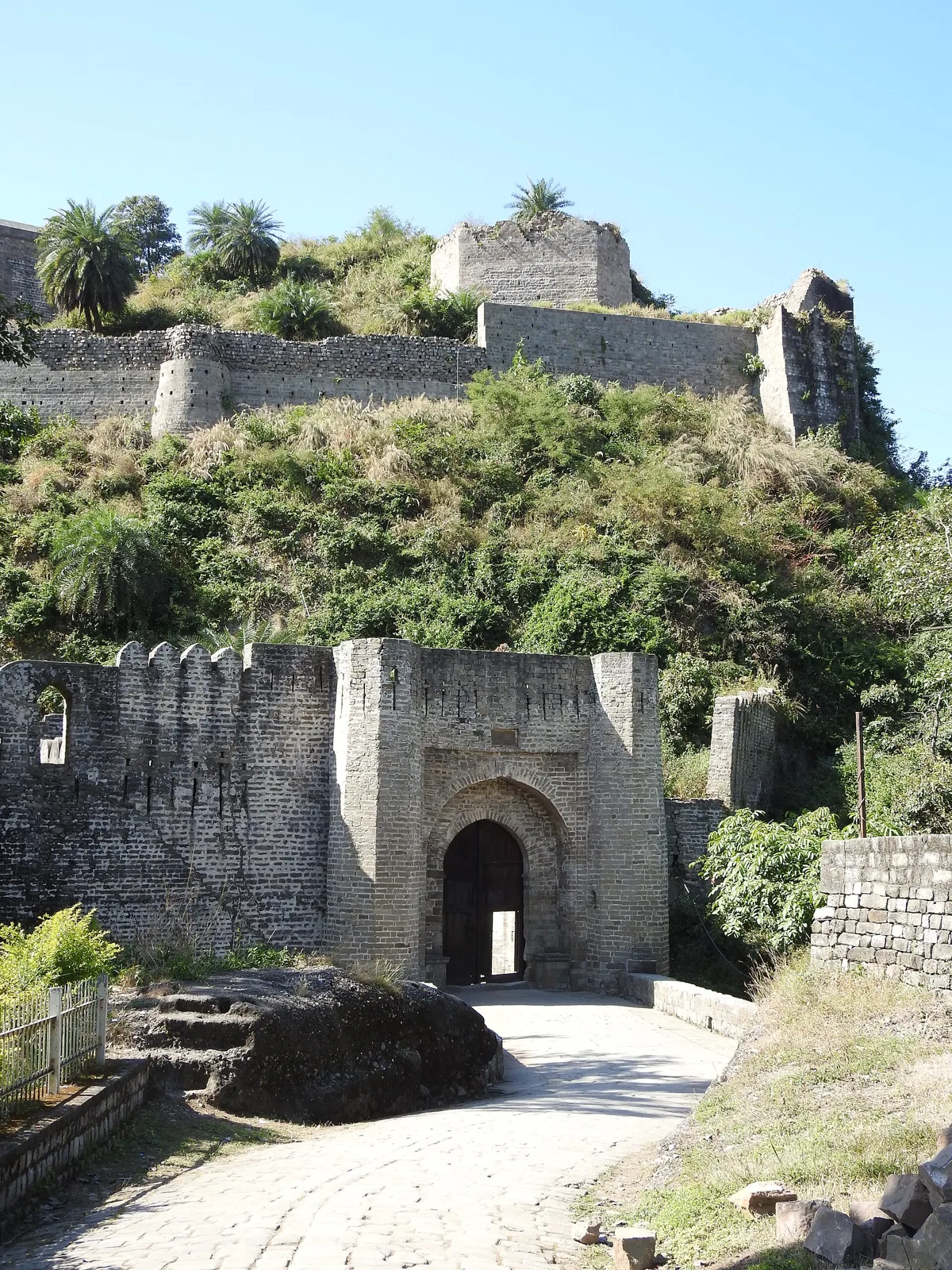
Kangra Fort, near Yol

City guide · Himachal Pradesh

Yol

Yol is a neighbourhood of Dharamshala in Kangra district, set in the lower Himalaya amid the wider Kangra Valley. Its identity is closely tied to the Indian Army: the cantonment and headquarters of 9 Corps make it an important military centre, while its colonial-era origins and wartime prisoner-of-war camp give it a distinctive place in the region’s history.

Famous for

  • Military cantonment
  • 9 Corps headquarters
  • Colonial-era military history
  • Former prisoner-of-war camp
  • Kangra Valley setting
In the city
2
District
Kangra
Plan a tripHotels near Yol

Why Yol matters

Yol is a neighbourhood of Dharamshala in Kangra district, set in the lower Himalaya amid the wider Kangra Valley. Its identity is closely tied to the Indian Army: the cantonment and headquarters of 9 Corps make it an important military centre, while its colonial-era origins and wartime prisoner-of-war camp give it a distinctive place in the region’s history. The cantonment is not a general visitor attraction, so Yol is best understood as a lived-in settlement rather than a conventional sightseeing town.

For travellers, Yol can be a quieter stop on the road linking Dharamshala with Chamunda Devi and Palampur. Its location also makes it a useful base for exploring the area’s temples, mountain scenery and settlements. Dharamshala, around 10 km away, offers a broader range of visitor services and cultural attractions. Yol is most notable for its military heritage and its role within the Dharamshala area, rather than for a distinct shopping district or a widely recognised local craft or food specialty.
Famous for: crafts, trade & products

Yol is not widely known as a centre for textiles, handicrafts or a signature regional product. Its best-known institution is the Army cantonment, and the settlement’s military character shapes its public identity. Because access to military facilities may be restricted, visitors should not assume that the cantonment or army installations are open for sightseeing.

For crafts and shopping, Dharamshala and nearby Kangra towns are more practical destinations than Yol itself. In the wider region, visitors may encounter Kangra-style miniature painting and locally made goods, as well as produce and tea associated with the Kangra Valley. These are regional offerings, not products for which Yol is a recognised production or market centre. Dharamshala’s markets are the more convenient places to browse souvenirs, clothing and everyday goods, while Palampur is a better-known stop for tea. Yol’s significance lies chiefly in its military institution and historical associations, rather than in a specialised commercial trade.

History

Yol’s name is commonly expanded as “Young Officers Living,” referring to a small settlement established by the British Indian Army around 1849. Before its development as a military locality, the area was known as Majhaitha village. A cantonment was established here in 1942, adding a formal military role to the settlement’s earlier history. Today, Yol is part of the Dharamshala urban area and is associated with the headquarters of 9 Corps of the Indian Army.

The settlement also has a wartime history as the site of a prisoner-of-war camp. German prisoners were held there during the First World War and Italian prisoners during the Second World War. Among the camp’s rare escapees was Italian naval frogman Elios Toschi. After the war, the former camp facilities were used to accommodate Tibetan refugees who had fled China. These successive military and refugee histories distinguish Yol from many neighbouring settlements and remain central to its identity.

Food, festivals & culture

Yol shares much of its everyday culture with Dharamshala and the wider Kangra region. Hindi and Kangri are commonly heard, while English is also used in visitor-facing settings. Local meals draw on Himachali and North Indian traditions; dishes such as madra and other foods served as part of a Himachali dham are associated with the broader region, though menus vary between households and eateries. Yol is not especially known for a separate signature sweet or food specialty.

The religious calendar follows festivals observed across Himachal Pradesh and northern India, including Navratri, Dussehra and Diwali, with dates shifting each year according to the calendar. Nearby temples, including the Chamunda Devi shrine on the road towards Palampur, are important pilgrimage destinations for the area. Folk traditions across Kangra include regional song and dance, especially at community gatherings and festivals. For a wider range of cultural events, temples and visitor facilities, Dharamshala is the main nearby centre.

Visiting the city

Spring and autumn are generally comfortable seasons for exploring the Dharamshala area; monsoon months can bring heavy rain, and winter is cooler. Yol lies on the road connecting Dharamshala with Chamunda Devi and Palampur, around 10 km southwest of Dharamshala. The nearest airport is Kangra Airport at Gaggal, also called Kangra Airport, to the west. Nagrota Bagwan is the nearest railway station on the narrow-gauge line; Pathankot is the nearest broad-gauge railhead.

Local buses and taxis connect Yol with Dharamshala and nearby settlements, while road travel is the practical way to visit surrounding temples and towns. Explore Yol for its military-history context, keeping in mind that cantonment access may be restricted. Dharamshala is the better area for markets, accommodation and cultural attractions; the route towards Chamunda Devi and Palampur offers additional stops beyond the neighbourhood.

Attractions

Places to visit in Yol

Sights within about 12 km of each other, even when they fall in different districts.

Map

Yol on the map

  1. 1Kangra Fort
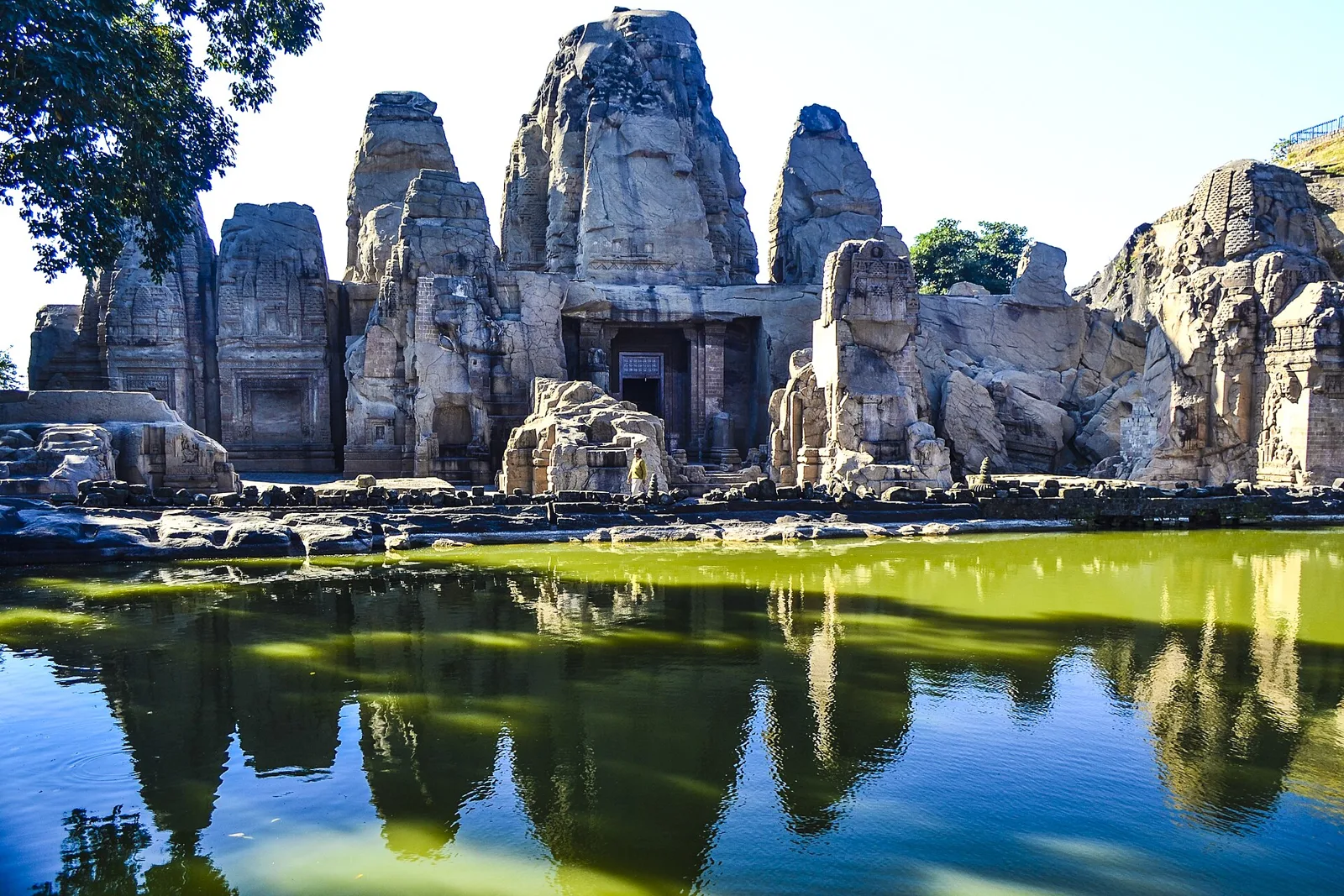
  2. 2Masrur Temples

Himachal Pradesh

Other cities to explore