Ghumoopedia — Explore, Discover, Experience
Sign in
Kaza, near Kaza

City guide · Himachal Pradesh

Kaza

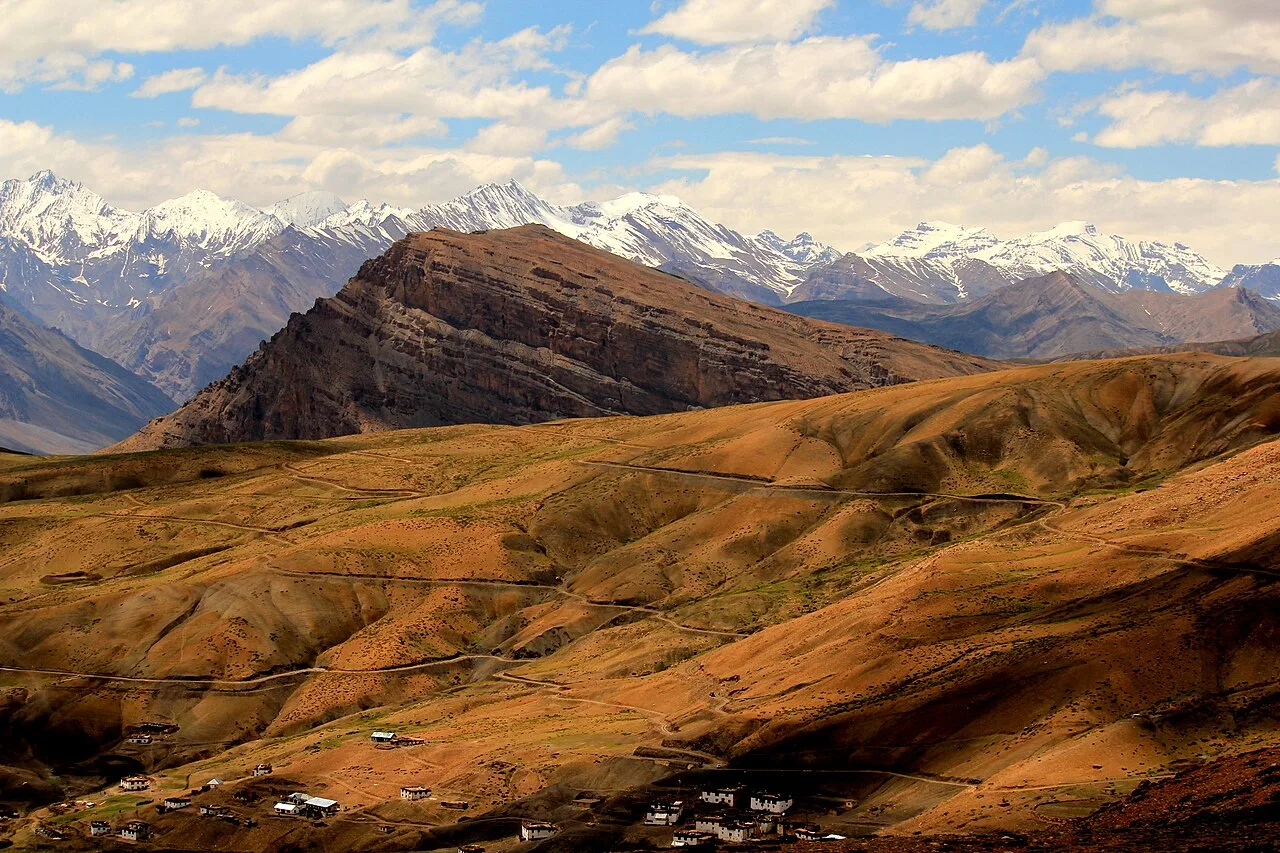
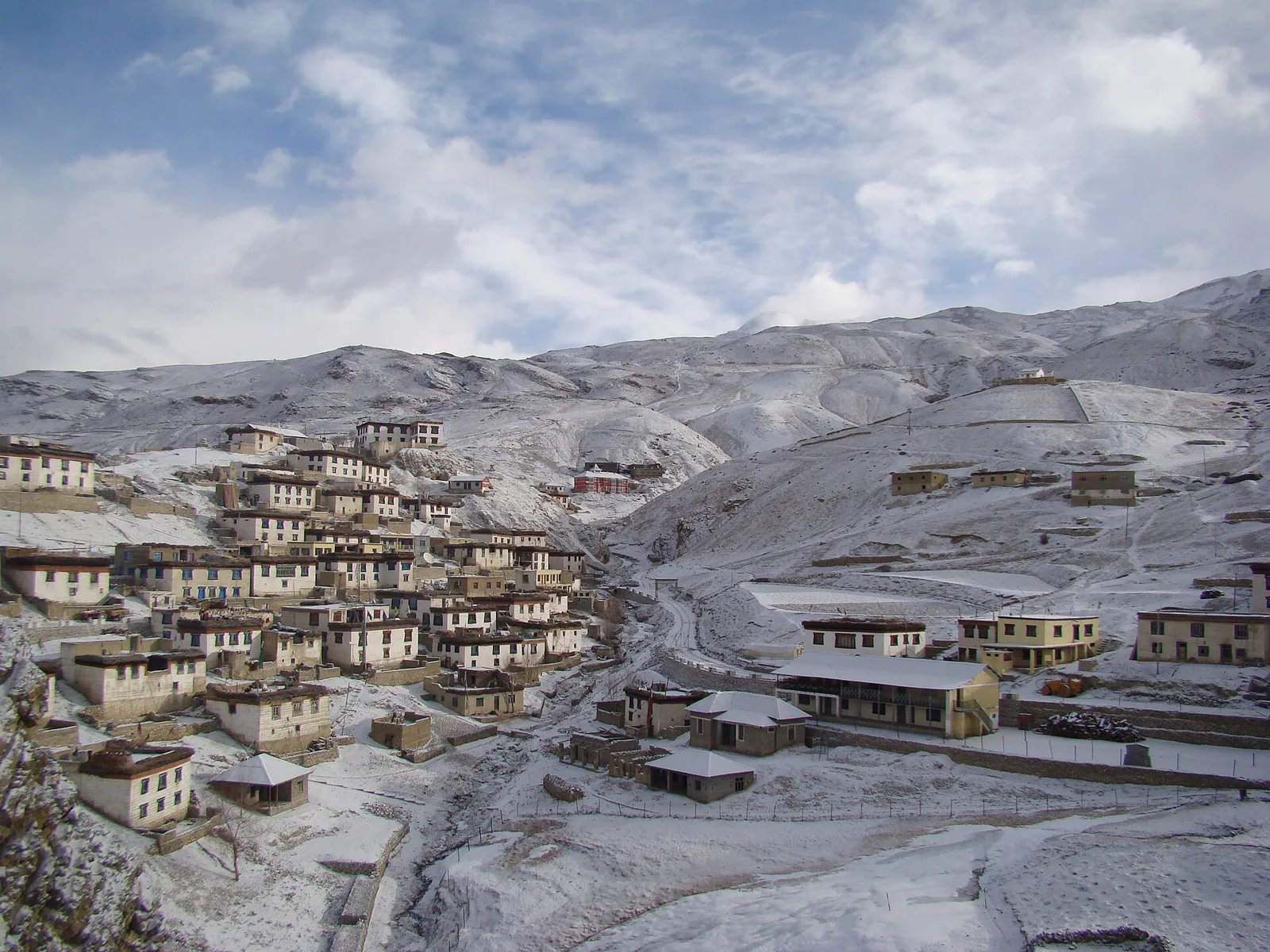
Kaza is a high-altitude town and administrative centre in Spiti, Himachal Pradesh. Travellers visit it as the valley’s main township and commercial hub, amid its cold-desert landscape and Buddhist cultural setting.

Famous for

  • Spiti Valley hub
  • High-altitude cold desert
  • Ladarcha fair
  • Buddhist monasteries
  • Tangyud Monastery
  • Kunzum Pass gateway
In the city
6
Nearby
3
District
Lahaul and Spiti
Plan a tripHotels near Kaza

Why Kaza matters

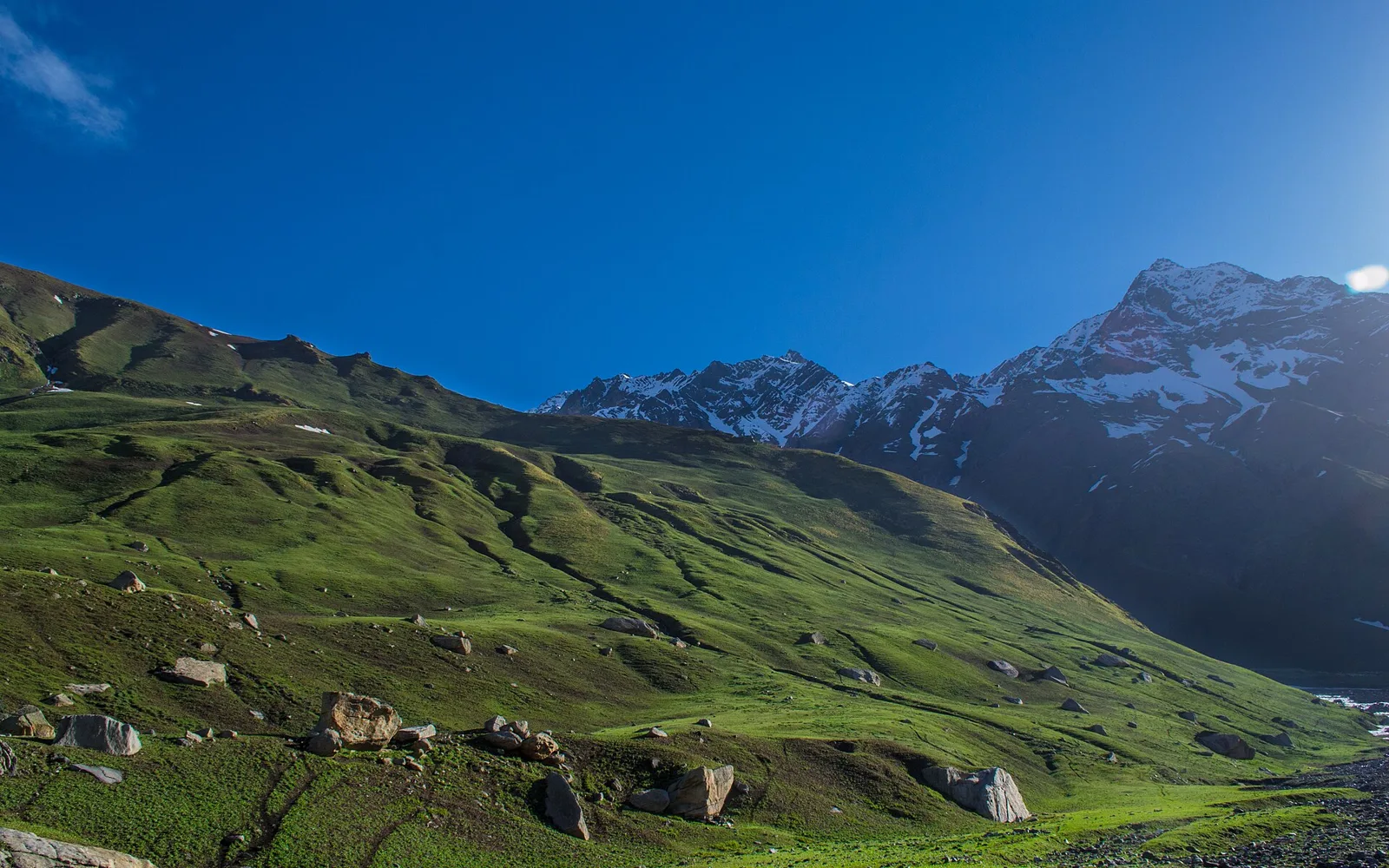
Kaza is the principal town and administrative centre of Spiti Valley, a remote high-altitude region in Himachal Pradesh’s Lahaul and Spiti district. Set beside the Spiti River at about 3,650 metres, it is the valley’s main place for government services, supplies and travel arrangements. Its position makes it a natural base for exploring nearby villages, monasteries and mountain landscapes, as well as for trekking and other outdoor journeys.

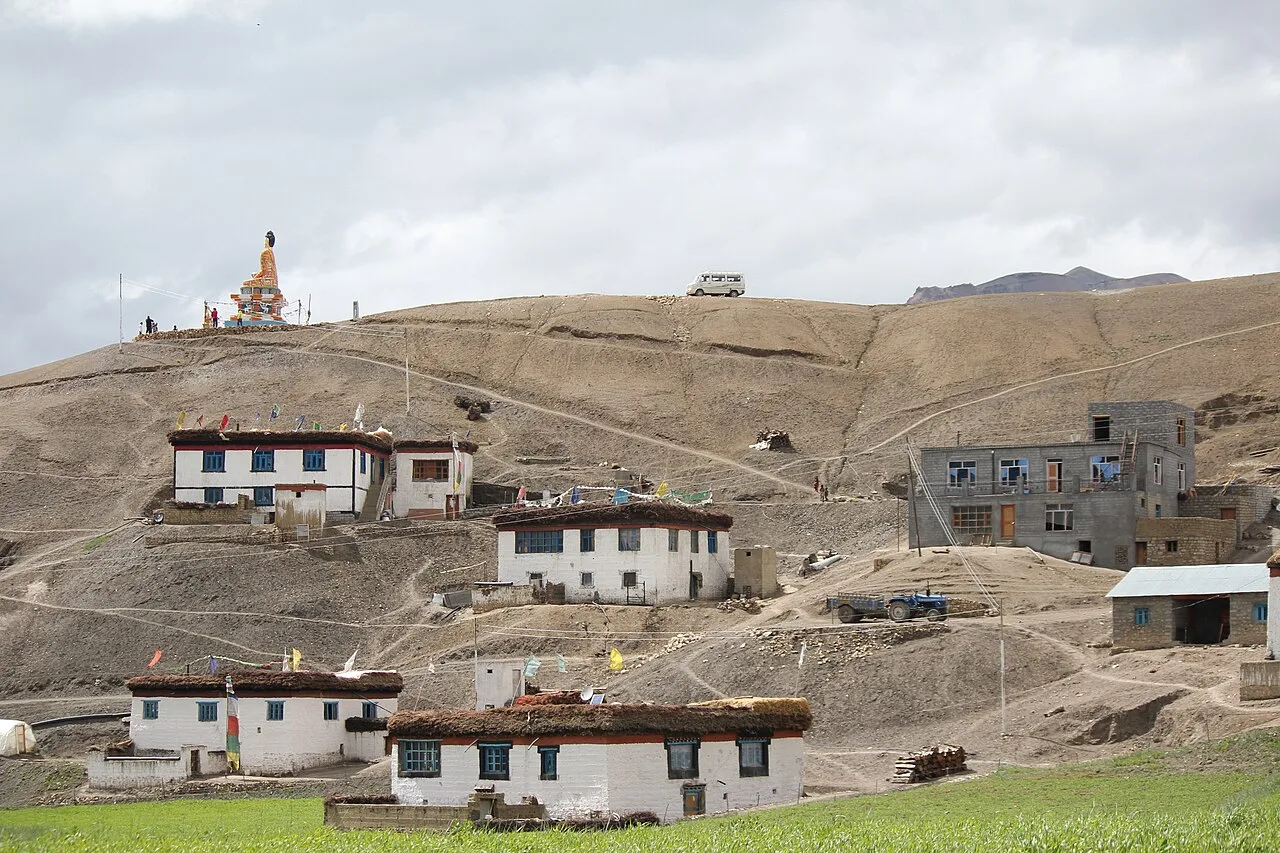
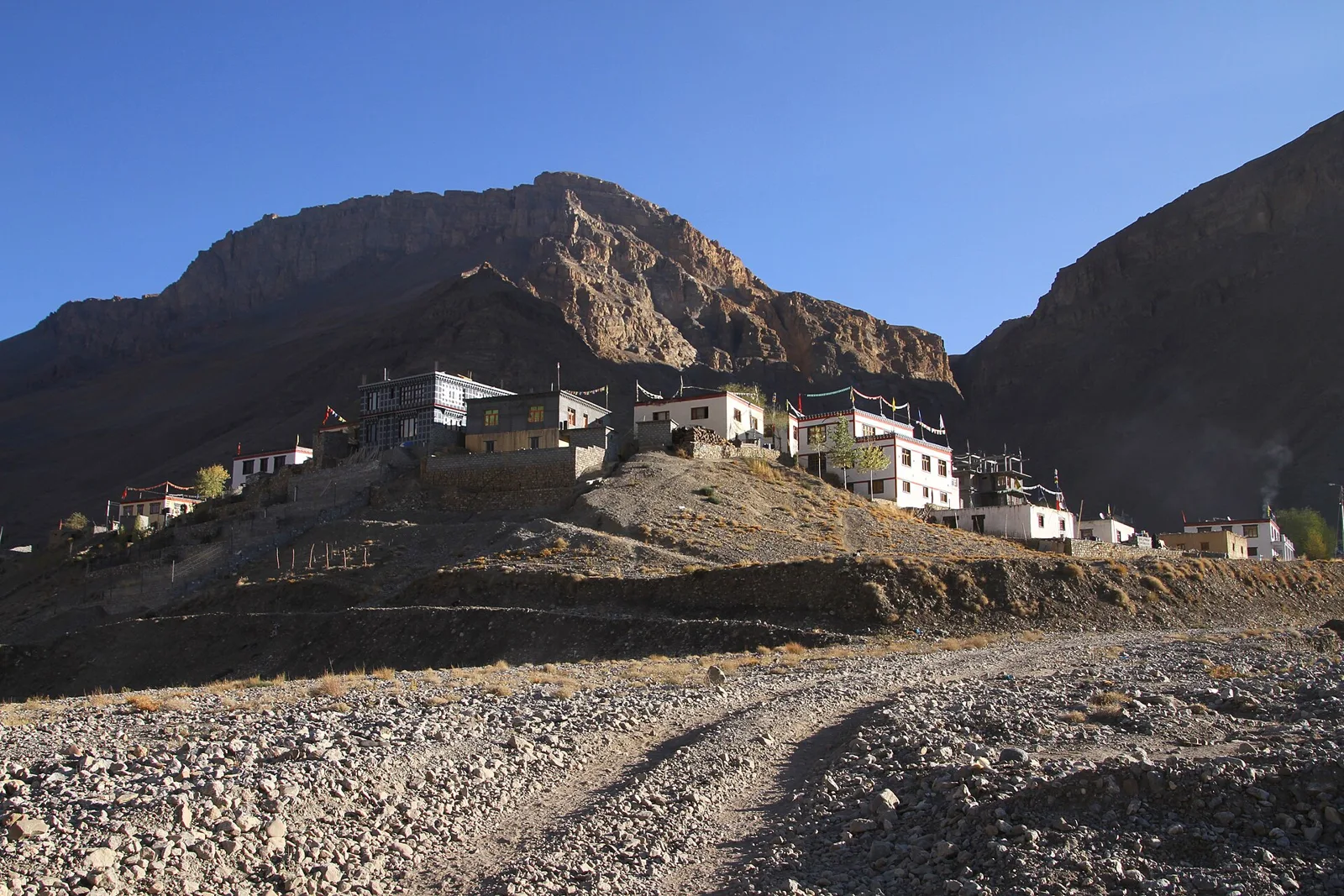
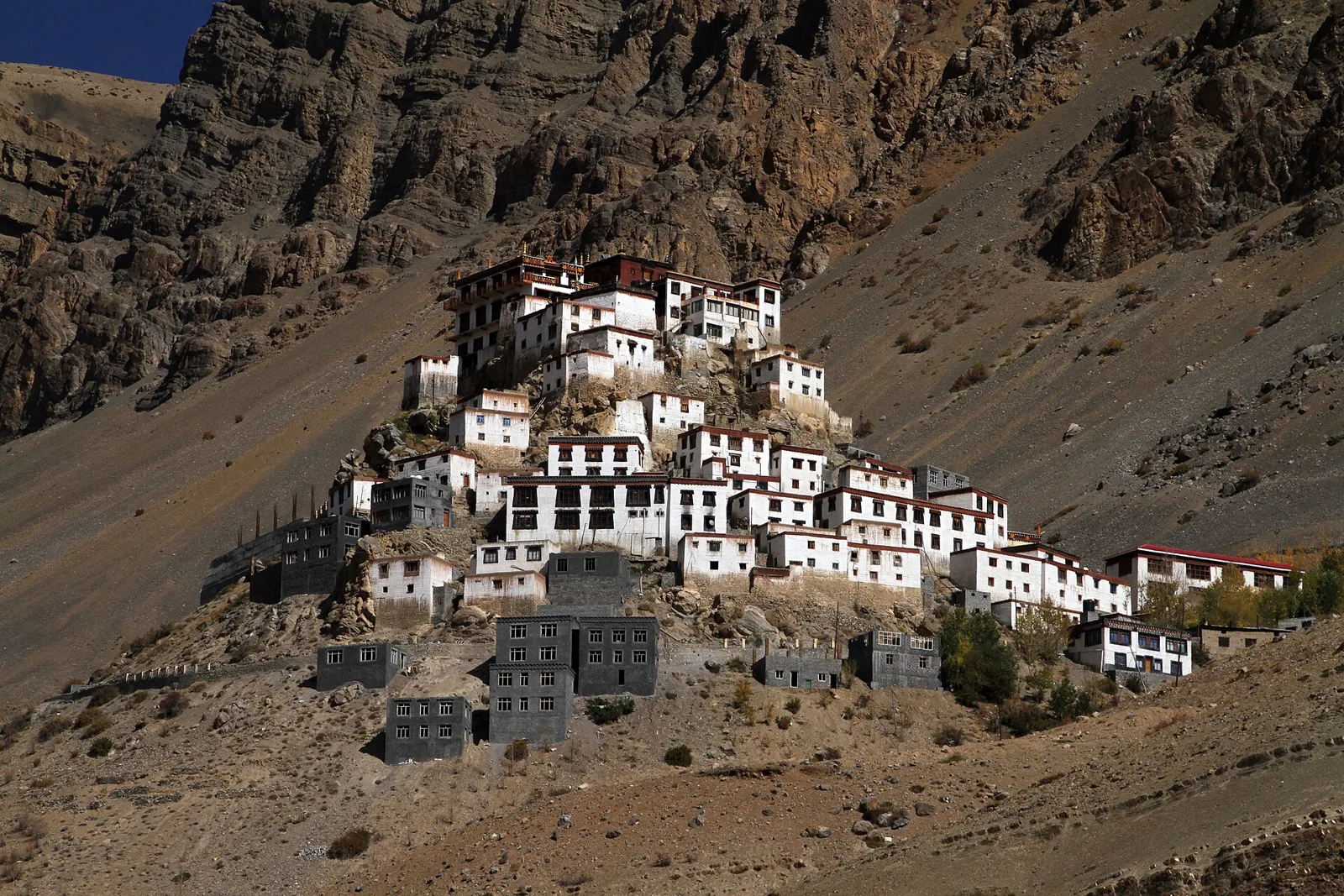
Visitors come for Spiti’s stark cold-desert scenery and Tibetan Buddhist heritage. Kaza offers access to destinations such as Key Monastery, the village of Komic and the high-altitude post office at Hikkim, while the Tangyud monastery complex is associated with the nearby Komic area and has a branch in town. The Ladarcha fair brings a cultural focus to Kaza in August. The town is divided into older Kaza Khas and newer Kaza Soma, where administrative buildings are located. Its services and central location are especially useful in a region where journeys depend on mountain roads, weather and seasonal pass closures.
Famous for: crafts, trade & products

Kaza is best understood as Spiti’s service and trading centre rather than as a manufacturing city. It has no widely established textile industry, major craft market or locally based GI-tagged product for which the town is especially known. Its shops serve residents and travellers with everyday provisions and practical supplies, and the town’s commercial role is important because settlements across the valley are widely dispersed.

Small shops and market areas are the most convenient places to look for locally made or regionally sourced goods, including woollen clothing and items associated with Buddhist practice. Selection can be limited, and products may come from elsewhere in Himachal Pradesh or neighbouring regions rather than being made in Kaza. The Ladarcha fair is a seasonal opportunity to encounter local culture and trade; today it is primarily a cultural gathering rather than the large cross-border barter market of earlier times. Visitors interested in crafts should ask locally about current makers and stalls, and buy respectfully, especially when items are religious or handmade. Kaza’s enduring value lies more in its role as a valley marketplace and travel hub than in any single signature product.

History

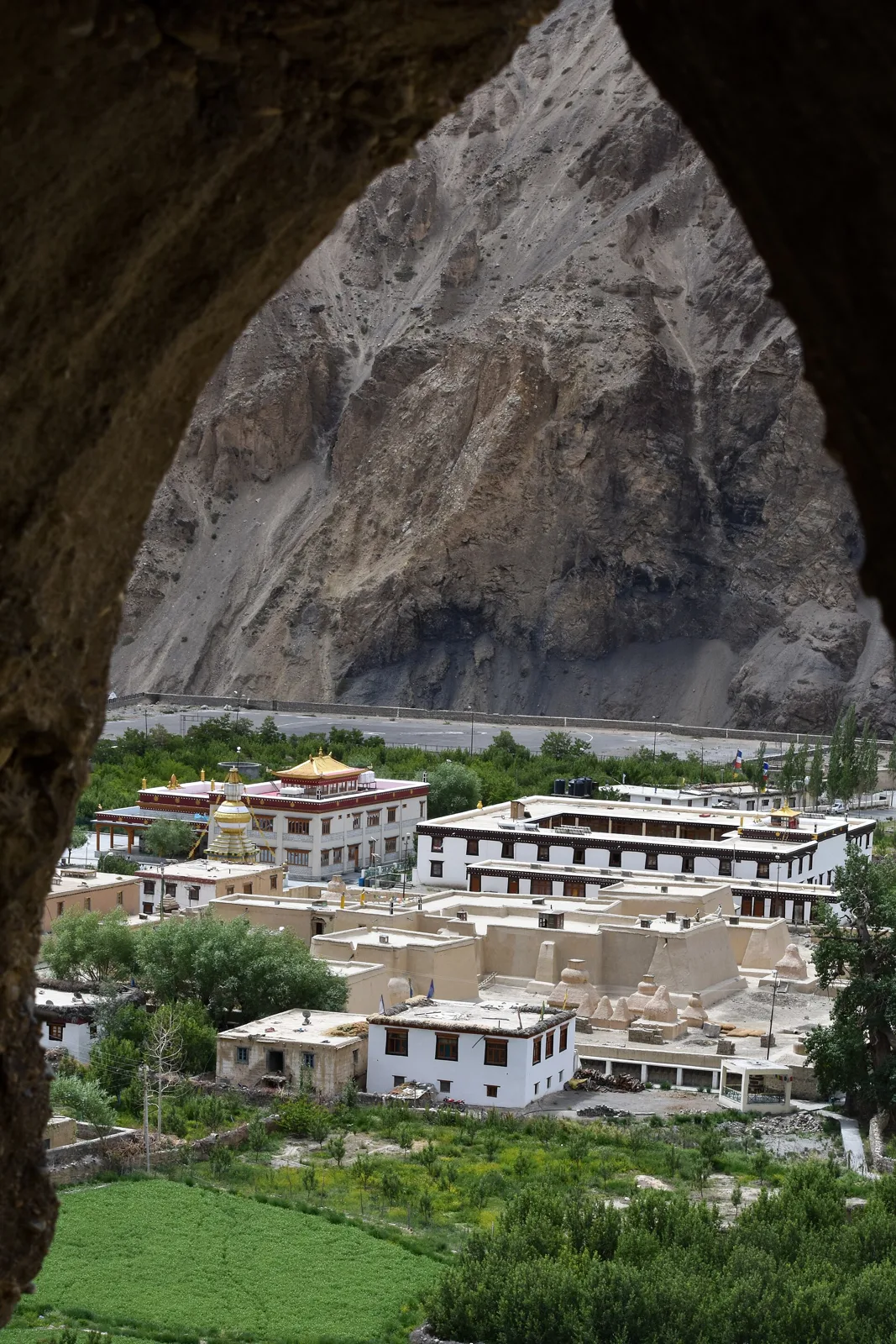
Kaza’s history is closely tied to Spiti’s villages, Buddhist institutions and historic trade routes. The nearby Tangyud Monastery at Komic dates to the early fourteenth century. Its fortified appearance, with massive sloping mud walls and battlements, reflects the architecture of a remote mountain region where monasteries also served as substantial community institutions. Kaza itself is traditionally divided into old Kaza Khas and newer Kaza Soma. Approaching from the south, the palace of the Nono, or local ruler, known as Kyu-ling, stands across the river.

For centuries, trade connected Spiti with neighbouring regions, including Ladakh, Kullu and Bushahr. The Ladarcha fair grew from these exchanges, but the earlier multi-day trading event ended after the 1962 Sino-Indian war. The Himachal Pradesh government revived the fair in the 1980s, relocating it to Kaza and reshaping it as a cultural event. In modern times, administrative services and improved road links have strengthened Kaza’s role as the valley’s principal town, though access remains strongly affected by snow and mountain conditions.

Food, festivals & culture

Spiti’s food reflects its cold, high-altitude environment and Tibetan cultural connections. Visitors may encounter thukpa, momos, noodle dishes and warming butter tea, alongside simple meals based on locally available grains and vegetables. Menus and supplies can be limited compared with larger towns, particularly outside the main travel season. Hindi and Spiti, a language related to Tibetan, are heard locally; English is also used in some visitor-facing businesses.

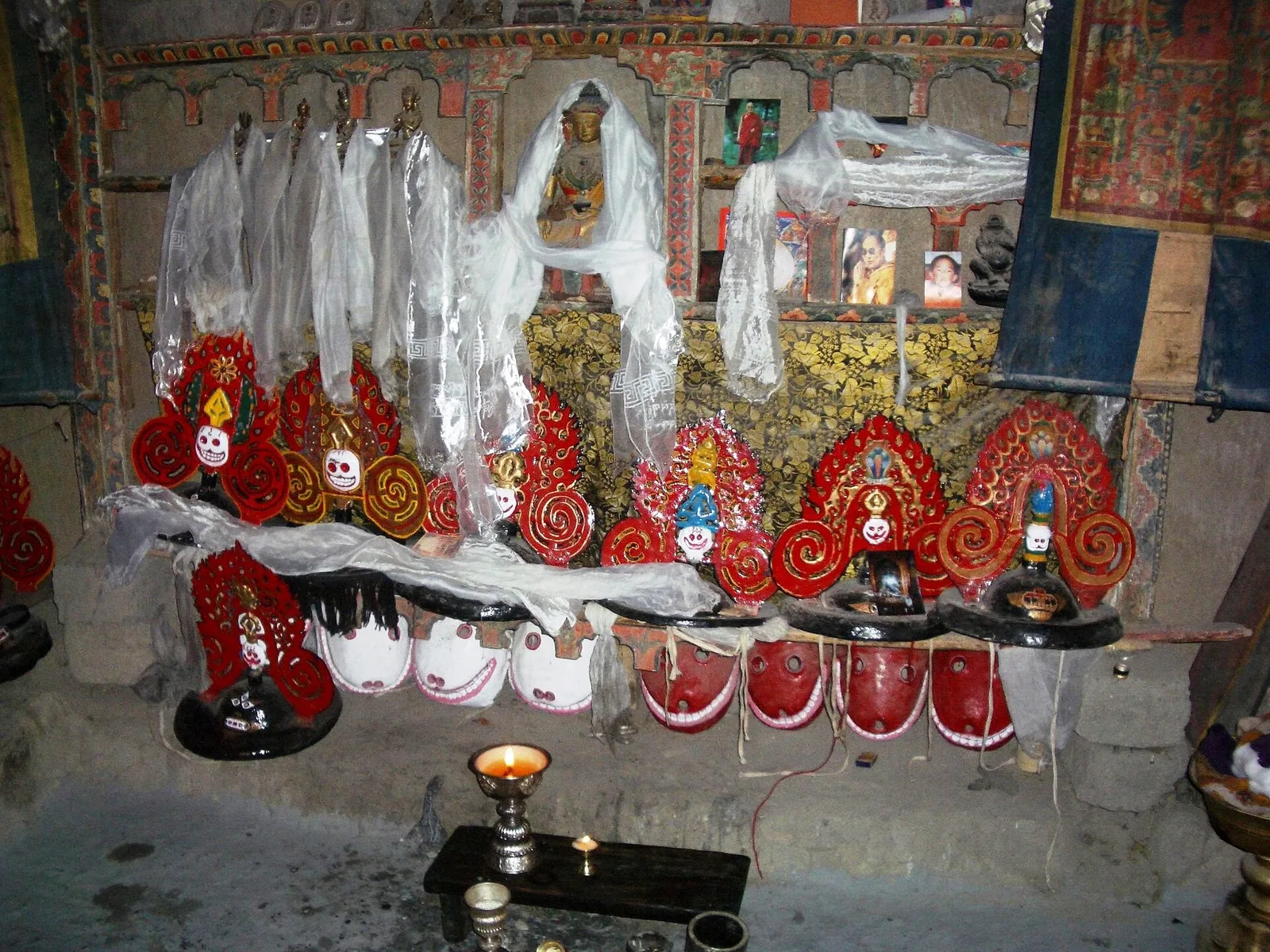
Buddhist practice is central to the region’s cultural life. Monasteries, prayer flags and community observances are part of the landscape, and visitors should dress and behave respectfully at places of worship. Spiti Losar, the local New Year celebration, is generally observed around November, while Dachang is held around February. The Ladarcha fair, usually in August, is the valley’s prominent annual gathering in Kaza, with cultural activities and a history rooted in regional trade. Monastic ceremonies and local music and dance may feature during festivals, though programmes vary from year to year.

Visiting the city

June to September is generally the most practical season for visiting Kaza, when the Manali route via Kunzum Pass is commonly open. The road through Kinnaur is the more dependable approach, but landslides and snowfall can still disrupt travel. Kullu-Manali Airport at Bhuntar is a nearby airport option, though it is far from Kaza by road. Spiti has no railway; Chandigarh is a main broad-gauge rail gateway, while Shimla is reached by the scenic narrow-gauge railway from Kalka.

Most visitors arrive by road and explore Kaza on foot or arrange local transport for longer journeys. Kaza Khas offers a glimpse of the older settlement, while Kaza Soma contains administrative services and much of the town’s practical visitor infrastructure. The riverside and the route towards Rangrik are also worth exploring. Use Kaza as a base for planned day trips to villages and monasteries, allowing extra time for altitude and changing road conditions.

Attractions

Places to visit in Kaza

Sights within about 12 km of each other, even when they fall in different districts.

Short trips

Around Kaza

Within about 40 km — easy half-day or day trips from the city.

Map

Kaza on the map

  1. 1Kaza
  2. 2Key Monastery
  3. 3Kibber
  4. 4Komic
  5. 5Langza
  6. 6Spiti
  7. 7Dhankar Gompa
  8. 8Pin Valley National Park
  9. 9Tabo Monastery

Himachal Pradesh

Other cities to explore