
Ghumoopedia — Explore, Discover, Experience
Sign in
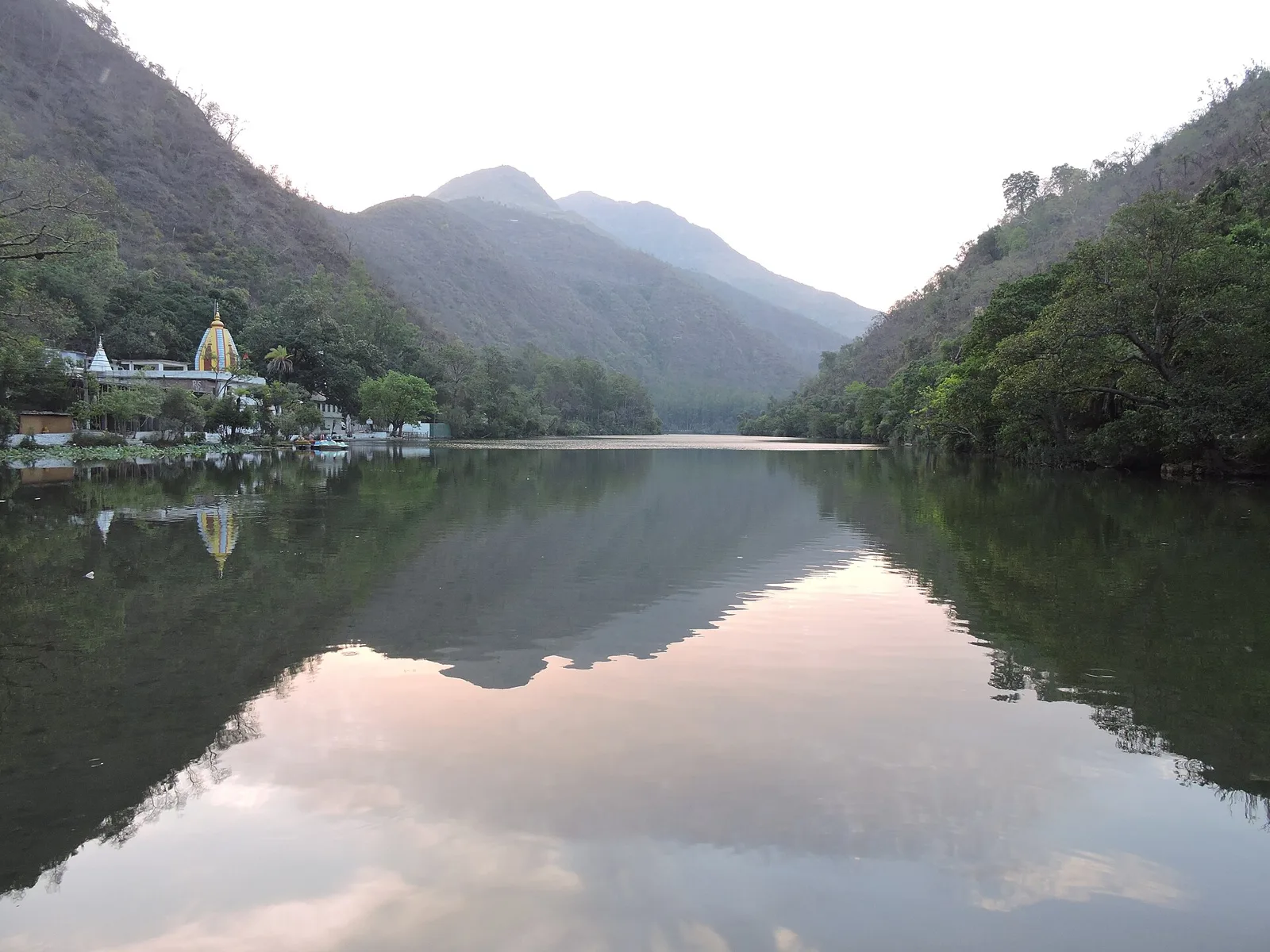
Renuka Lake, near Nahan

City guide · Himachal Pradesh

Nahan

Nahan is the administrative headquarters of Sirmaur district in southern Himachal Pradesh and a useful centre for exploring the region. Set at about 932 metres above sea level, this compact hill town is known as the “Town of Ponds”, a name reflected in landmarks such as Rani Tal and Pakka Talab.

Famous for

  • Town of Ponds
  • Sirmur princely-state heritage
  • Jagannath Temple
  • Bawan Dwadashi fair
  • Nahan Foundry heritage
In the city
0
Nearby
1
District
Sirmaur
Plan a trip

Why Nahan matters

Nahan is the administrative headquarters of Sirmaur district in southern Himachal Pradesh and a useful centre for exploring the region. Set at about 932 metres above sea level, this compact hill town is known as the “Town of Ponds”, a name reflected in landmarks such as Rani Tal and Pakka Talab. Its walkable old streets, temples and historic buildings give it a quieter character than the state’s major tourist hubs.

Nahan was once the capital of the princely state of Sirmur, and its past remains visible in the town’s religious sites and traditional urban layout. Visitors come for this heritage, local fairs and the surrounding scenery, as well as for journeys onward to places such as Renuka Lake and the wider Sirmaur hills. The town is also a practical base for district services, shopping and transport. Rather than a destination centred on a single monument or resort, Nahan rewards a slower visit: stroll through the old centre, pause by its ponds and use the town as a starting point for nearby attractions.

Famous for: crafts, trade & products

Nahan is not widely known as a major textile or handicraft-production centre, and no particular saree or GI-tagged craft defines the town. Its best-known local associations are instead its historic ponds, religious landmarks and role as the former capital of Sirmur. The old Nahan Foundry is part of the town’s industrial heritage, associated historically with metalworking and machinery; visitors should not assume that it operates as a regular retail or visitor attraction.

For everyday purchases, the central bazaar and shops around the old town are the most useful places to look. They serve local residents with clothing, household goods, snacks and products brought in from across Sirmaur and neighbouring districts. Seasonal fruit and other farm produce may appear in local markets, depending on harvests, but availability varies. Travellers looking for a distinctive craft can ask in town about locally made items rather than expecting a dedicated craft market. Nahan’s strongest “products” for visitors are its heritage streetscape and pond-side landmarks, which can be explored on foot alongside the town’s temples and traditional shops.

History

Nahan grew as the capital of the princely state of Sirmur, whose rulers made it an administrative and political centre. The town’s foundation is traditionally associated with Raja Karam Prakash in the seventeenth century. Its position in the Sirmaur hills supported links with settlements and routes across the surrounding region, while the ponds, temples and older streets formed part of its distinctive townscape.

During the colonial era, Sirmur continued as a princely state under British paramountcy, and Nahan remained its capital. The town’s civic and religious life developed around the ruling establishment and local institutions. Its historic foundry also reflects an early industrial strand in Nahan’s development. After India became independent, the princely state joined the Indian Union, and Nahan’s role changed from royal capital to district headquarters. Today it remains Sirmaur’s administrative centre, with government offices, schools, local commerce and road connections serving the surrounding hill communities.

Food, festivals & culture

Nahan’s culture reflects the traditions of Sirmaur and the wider western Himalayan region. Hindi is widely used, while Sirmauri speech and Punjabi are also heard. Local meals draw on Himachali home cooking; siddu, babru and patande are among regional dishes visitors may encounter, though menus vary between households and eateries. A traditional dham, a celebratory community meal, is served on special occasions. Simple sweets and snacks are available in the town’s shops, but Nahan is not especially associated with one signature sweet.

Religious observances and seasonal fairs are important to local life. Bawan Dwadashi, generally held in the late monsoon or early autumn, is associated with Nahan and its Jagannath Temple. Dussehra is celebrated in autumn, while the Renuka fair, usually held in November near Renuka Lake, draws visitors from across the district. Temples, including Jagannath Temple, are central places of worship. Folk music and dance at fairs and gatherings reflect Sirmauri and Himachali traditions; performances are more likely during festivals than on an ordinary day.

Visiting the city

Spring and autumn are comfortable seasons for exploring Nahan on foot. Summers are generally warmer, while the monsoon can bring heavy rain and cloud; winter days can be cool. The nearest major airport is Chandigarh International Airport. Ambala Cantt is a principal railway station for onward road travel to Nahan. Buses and taxis connect the town with regional centres, and local taxis are useful for reaching attractions beyond the walkable centre.

Explore the old town, central bazaar, Jagannath Temple and the pond-side areas around Rani Tal and Pakka Talab. These sights are close enough to combine at an unhurried pace, though some lanes are steep. Nahan also makes a convenient base for excursions towards Renuka Lake and other parts of Sirmaur. Check local road conditions during the monsoon before planning longer drives.

Short trips

Around Nahan

Within about 40 km — easy half-day or day trips from the city.

Map

Nahan on the map

  1. 1Renuka Lake

Himachal Pradesh

Other cities to explore