

Ghumoopedia — Explore, Discover, Experience
Sign in
Barot, near Bir

City guide · Himachal Pradesh

Bir

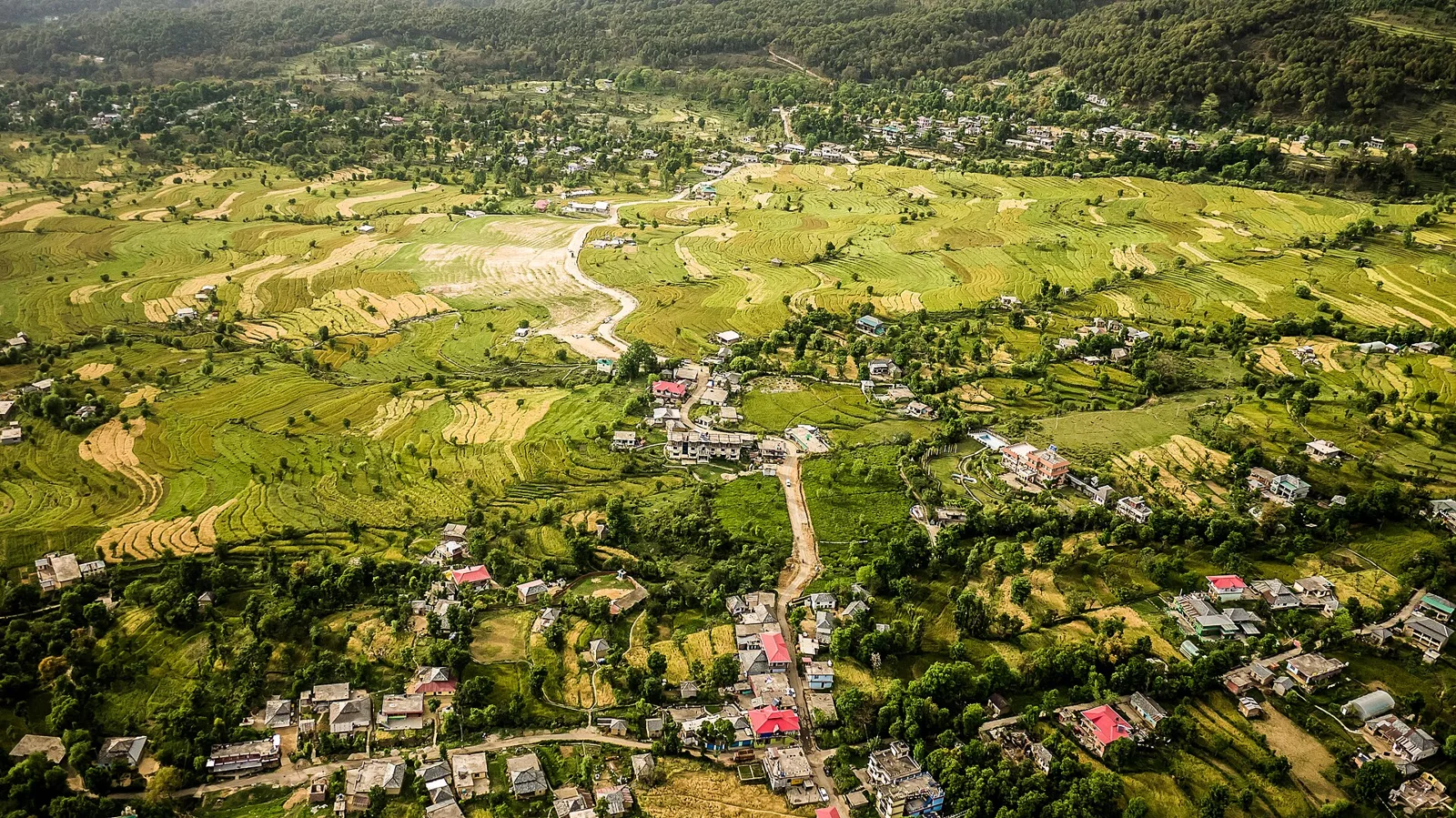
Bir is a village in Kangra district, set in the Joginder Nagar Valley beneath the Dhauladhar range. Its name is closely linked with Billing, a mountain take-off site above the village: together, Bir Billing draws paragliders and visitors seeking wide Himalayan views.

Famous for

  • Bir Billing paragliding
  • Tibetan Buddhist monasteries
  • Bir Tibetan Colony
  • Himalayan mountain scenery
  • Tibetan handicrafts
In the city
2
Districts
Mandi, Kangra
Plan a tripHotels near Bir

Why Bir matters

Bir is a village in Kangra district, set in the Joginder Nagar Valley beneath the Dhauladhar range. Its name is closely linked with Billing, a mountain take-off site above the village: together, Bir Billing draws paragliders and visitors seeking wide Himalayan views. The area has become one of Himachal Pradesh’s best-known centres for flying, while also attracting walkers, yoga practitioners and travellers looking for a quieter base in the hills.

Bir has another distinctive role as a Tibetan cultural centre. The Tibetan Colony, established for refugees after the 1959 uprising, is home to monasteries, community institutions and shops, alongside cafés and guesthouses. Buddhist centres of several traditions are found in Bir and nearby, and a large stupa is a prominent place for reflection. The contrast between the older settlement of Upper Bir, the Colony in Chowgan and the surrounding villages gives the area a varied character. Bir matters today both as a tourism hub and as a living community shaped by Tibetan heritage and Kangra’s hill culture.
Famous for: crafts, trade & products

Bir is not a major textile, manufacturing or wholesale centre, and it is not especially known for a city-specific saree or GI-tagged product. Its most distinctive shopping is connected to the Tibetan community: visitors may find prayer flags, incense, Buddhist books, textiles, small religious objects and handmade souvenirs in shops around the Tibetan Colony. These are best viewed as local craft and community goods rather than as a single, formally certified Bir industry. Ask before photographing religious objects or artisans, and buy respectfully from local sellers.

The Colony is also a good place to browse for Tibetan food and everyday supplies, while Upper Bir and the road between the settlements have cafés, bakeries and small stores serving residents and travellers. Nearby Kangra is associated with Kangra tea, but Bir itself is better known for hospitality and outdoor-tourism services than for tea production or a large market. Paragliding schools, guides, homestays and cafés form an important part of the local visitor economy. For regional handicrafts and a broader choice of goods, travellers can look beyond Bir to larger Kangra district towns.

History

Bir’s modern history is closely connected to Tibetan resettlement in India. Following the 1959 Tibetan uprising, Tibetan refugees established communities in the region. In 1966, the Nyingma lama Neten Chokling brought his family and followers to Bir and acquired land for a settlement. Around 300 Tibetan families received plots to build homes, and work began on a monastery. After his death in 1973, his eldest son, Orgyen Tobgyal Rinpoche, continued the project. The fourth Neten Chokling later took responsibility for the monastery, now known as Pema Ewam Chögar Gyurme Ling.

The settlement grew alongside Upper Bir, the older village centre, and the surrounding rural communities. Monasteries associated with the Nyingma, Karma Kagyu and Sakya traditions became part of the area’s religious landscape. Bir’s more recent development has been shaped by tourism: paragliding at nearby Billing, trekking and visitor services have brought new livelihoods and accommodation. Bir remains a village rather than a conventional urban centre, with its Tibetan institutions and local hill communities central to its identity.

Food, festivals & culture

Bir’s culture brings together Tibetan Buddhist traditions and the foodways of the Kangra hills. Tibetan Colony cafés and eateries commonly serve momos, thukpa and other Tibetan-style dishes; local Himachali meals may include sidu and madra, though menus vary between homes and restaurants. Tea, simple baked goods and café food are widely available to visitors. There is no single signature sweet that defines Bir, so travellers may find regional sweets rather than a distinct local speciality.

Tibetan New Year, or Losar, is generally celebrated in late winter or early spring, with dates varying by the lunar calendar. Buddhist observances and festivals such as Buddha Purnima bring visitors to monasteries, while Hindu festivals are also marked by local residents. Hindi and Kangri are widely used, and Tibetan is spoken within the Tibetan community; English is common in visitor-facing settings. Monasteries offer a glimpse of Tibetan religious practice, while Kangra’s folk music and dance belong to the wider regional culture. The Tibetan Colony, its monasteries and the large stupa are among the area’s notable places of worship and reflection.

Visiting the city

Spring and autumn are generally pleasant for exploring, with clear-weather periods especially popular for paragliding. Summer is also a busy season; monsoon rains can affect mountain travel and flying, while winter brings colder conditions. Check local weather and flying conditions before planning outdoor activities.

The nearest airport is Kangra Airport, also called Gaggal Airport. Ahju is the closest station on the narrow-gauge Kangra Valley Railway; Pathankot is a major railhead for onward travel. Buses and taxis connect Bir with towns in the region, and local taxis are useful for reaching Billing, monasteries and nearby villages. Upper Bir has the older village centre, while Chowgan’s Tibetan Colony is a key area to explore on foot. Ghornala, with retreat and homestay options, lies between Bir and Sansal. Allow time for the steep, scenic roads and changing mountain conditions.

Attractions

Places to visit in Bir

Sights within about 12 km of each other, even when they fall in different districts.

Map

Bir on the map

  1. 1Barot
  2. 2Bir

Himachal Pradesh

Other cities to explore