Ghumoopedia — Explore, Discover, Experience
Sign in
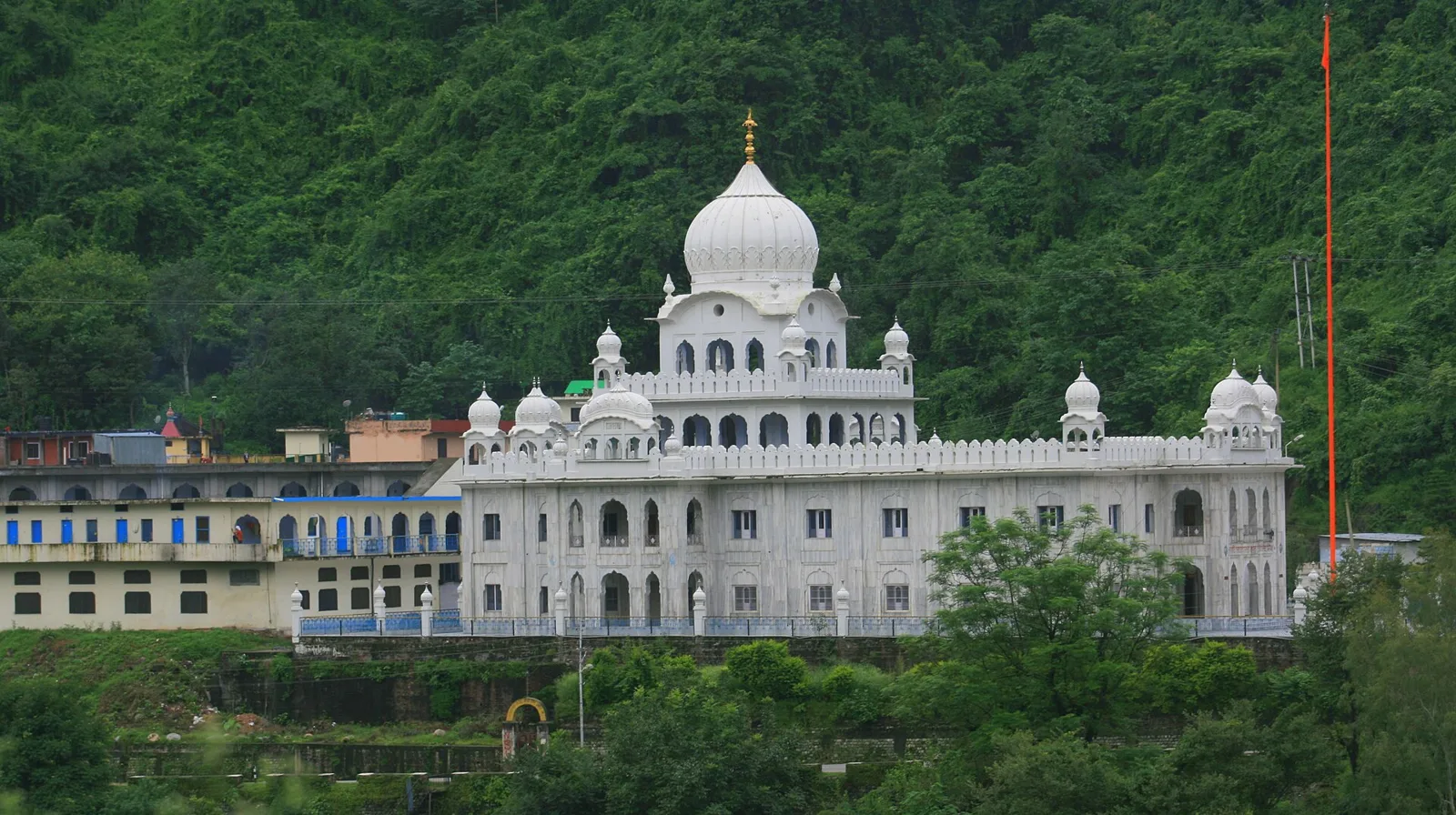
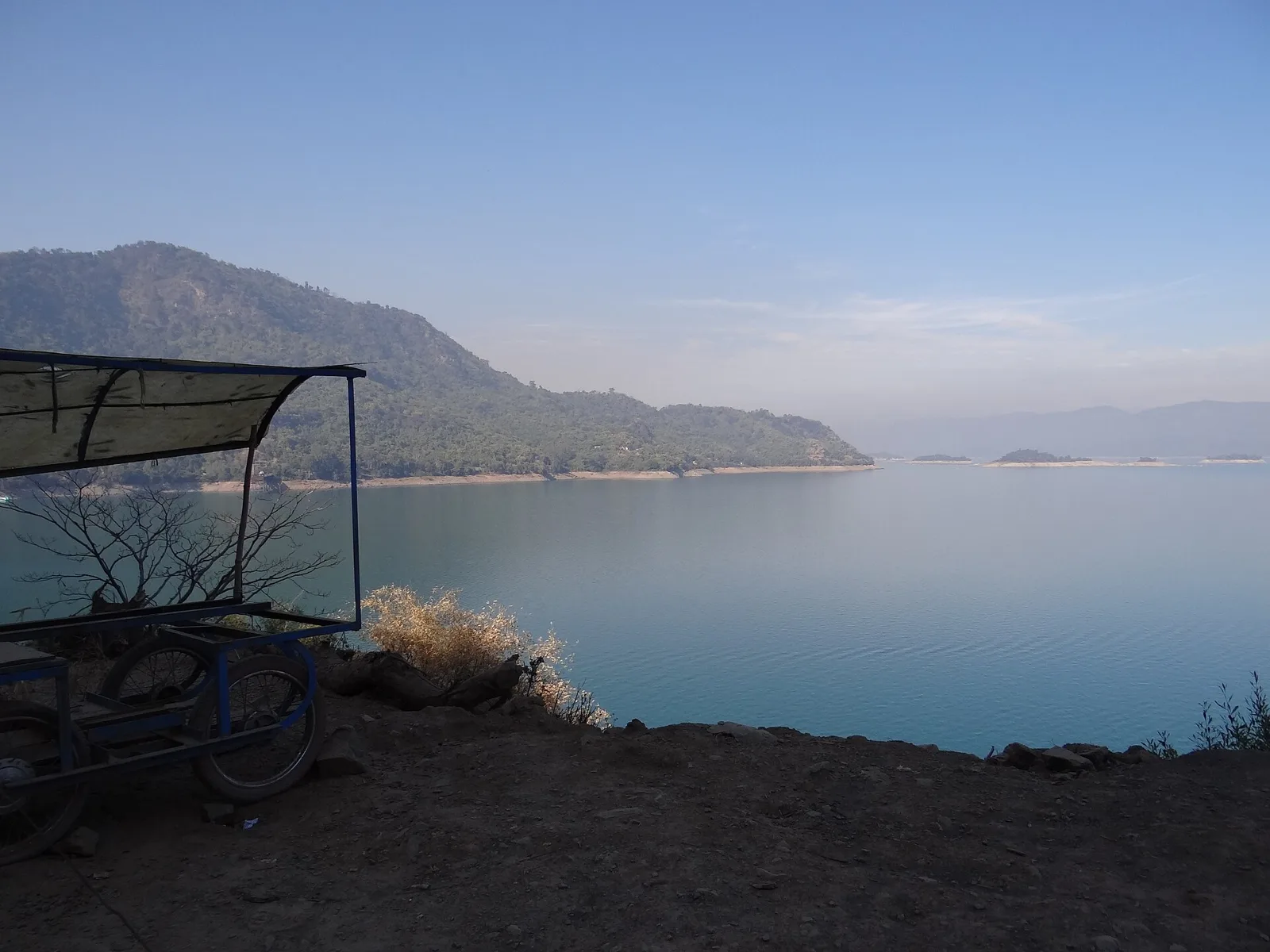
Gobind Sagar, near Bilaspur

City guide · Himachal Pradesh

Bilaspur

Bilaspur is a town on the Sutlej in the foothills of the Bandla Hills, best known for its close association with the Govind Sagar reservoir and Bhakra Dam. The reservoir has reshaped the landscape and supports boating and fishing, while the dam is a major landmark of modern India’s water and power infrastructure.

Famous for

  • Govind Sagar reservoir
  • Bhakra Dam
  • Naina Devi Temple
  • Nalwari fair
  • Kahluri heritage

Why Bilaspur matters

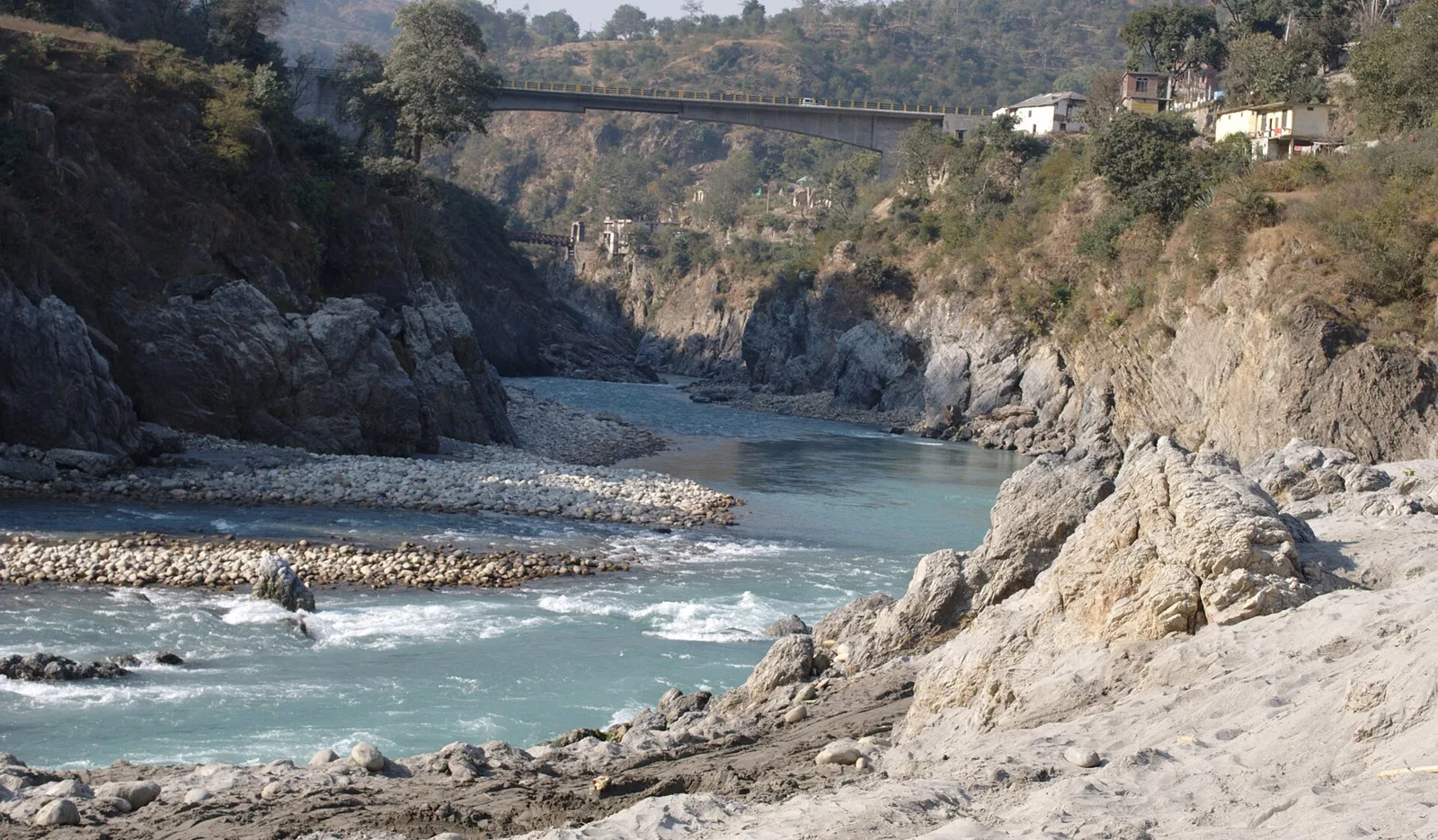
Bilaspur is a town on the Sutlej in the foothills of the Bandla Hills, best known for its close association with the Govind Sagar reservoir and Bhakra Dam. The reservoir has reshaped the landscape and supports boating and fishing, while the dam is a major landmark of modern India’s water and power infrastructure. Nearby Naina Devi Temple draws pilgrims, and Vyas Gufa offers a quieter religious and historical stop above the river.

The town also serves as an important centre for Bilaspur district and a gateway on the road into Himachal Pradesh towards Mandi and Manali. Visitors come for the lake views, hill scenery, temples and local fairs rather than for a large urban attractions circuit. Today’s Bilaspur is a planned town built upslope after the earlier settlement was submerged when the Sutlej was dammed. Its setting brings together the stories of the old princely state, a major engineering project and the everyday life of a regional Himachali town.
Famous for: crafts, trade & products

Bilaspur is not particularly known as a centre for sarees, textiles or a signature handicraft, and no widely recognised GI-tagged product is closely identified with the town. Its best-known association is instead with the Govind Sagar reservoir and the Bhakra hydroelectric and irrigation project. The reservoir supports local fishing, while the district’s industry includes cement production at Barmana. These activities, alongside government and service-sector work, shape the local economy.

For everyday shopping, the central bazaar and market areas near the bus stand are practical places to browse for household goods, clothing, packaged foods and seasonal produce. Visitors may also find Himachali woollens and regional food products, though selection varies and these are not exclusive to Bilaspur. The town is a useful place to buy provisions before exploring the reservoir or nearby hills, rather than a destination for specialist craft shopping. Those seeking a particular Himachali textile or craft may have better options in larger regional tourist centres.

History

Bilaspur was the capital of the princely state of Bilaspur, also called Kahlur, whose ruling Chandel Rajputs traced their ancestry to Chanderi in central India. The town was founded in 1663. In 1665, Guru Tegh Bahadur visited the state; land offered by Rani Champa became the site of a settlement he named Nanaki, now associated with Anandpur Sahib.

Bilaspur became part of the British-era Punjab States Agency and later the Punjab Hill States Agency. Raja Sir Anand Chand acceded to India in 1948, and Bilaspur briefly became a separate state under a chief commissioner. In 1954 it was incorporated as a district of Himachal Pradesh. The construction of Bhakra Dam and the creation of Govind Sagar submerged the historic town. A new Bilaspur was built on higher ground, giving the present town its planned layout and its enduring connection to the reservoir.

Food, festivals & culture

Bilaspur shares the food traditions of Himachal’s lower hills. Meals may include dham-style dishes served at celebrations, lentil and rice preparations, madra, and siddu; sweets such as mittha are enjoyed at gatherings. Recipes and menus vary between households, and visitors will find familiar north Indian meals as well as regional dishes in local eateries.

The Nalwari fair, usually held in spring, is a prominent local event with trading, entertainment and community gatherings. Religious fairs and Navratri draw worshippers to Naina Devi Temple, especially during the monsoon and autumn festival seasons. Hindi and Bilaspuri, also called Kahluri, are widely heard; Punjabi is also understood by many residents. Folk singing and dance are part of fairs and celebrations. Places of worship and heritage include Vyas Gufa by the Sutlej and the hilltop Naina Devi shrine, an important pilgrimage destination in the district.

Visiting the city

The most comfortable time to visit is generally from October to March, when days are cooler; summers can be very hot, and the monsoon brings heavy rain. For a full reservoir, late monsoon and autumn can offer striking lake scenery, though weather and road conditions should be checked locally.

Shimla Airport at Jubbarhatti is the nearest airport by location, while Chandigarh International Airport is a more connected alternative. Bilaspur has no mainline railway station; Kiratpur Sahib is a commonly used nearby railhead, with Chandigarh another option. Buses and taxis connect the town with regional centres, and local taxis are useful for reaching viewpoints and temples. Explore the central bazaar, the Sutlej-side Vyas Gufa area and lakeside viewpoints; allow extra time for the drive to Naina Devi Temple and Bhakra Dam.

Trips from the city

Nearest places to visit from Bilaspur

Our closest destination guides, by straight-line distance.

Gobind Sagar

26 km away · Bilaspur district

Gobind Sagar

Gobind Sagar is a reservoir in Himachal Pradesh, formed by the Bhakra Dam on the Sutlej. Visitors come to see the lake and its link to the dam’s history.

Tattapani

33 km away · Shimla district

Tattapani

Tattapani is a village in Himachal Pradesh, known for its hot-water springs. Visitors come to see the springs beside the Satluj, on the river’s right bank.

Rewalsar Lake

35 km away · Mandi district

Rewalsar Lake

Rewalsar is a mountain lake in Mandi district, Himachal Pradesh, revered by Hindus, Sikhs and Buddhists. Visitors come for its religious sites and associations with Padmasambhava, Mandarava, Guru Gobind Singh and the Pandavas.

Mandi

45 km away · Mandi district

Mandi

Mandi is a city in Himachal Pradesh known for its Shivaratri fair, historic buildings and role as a starting point for the Prashar Lake trek.

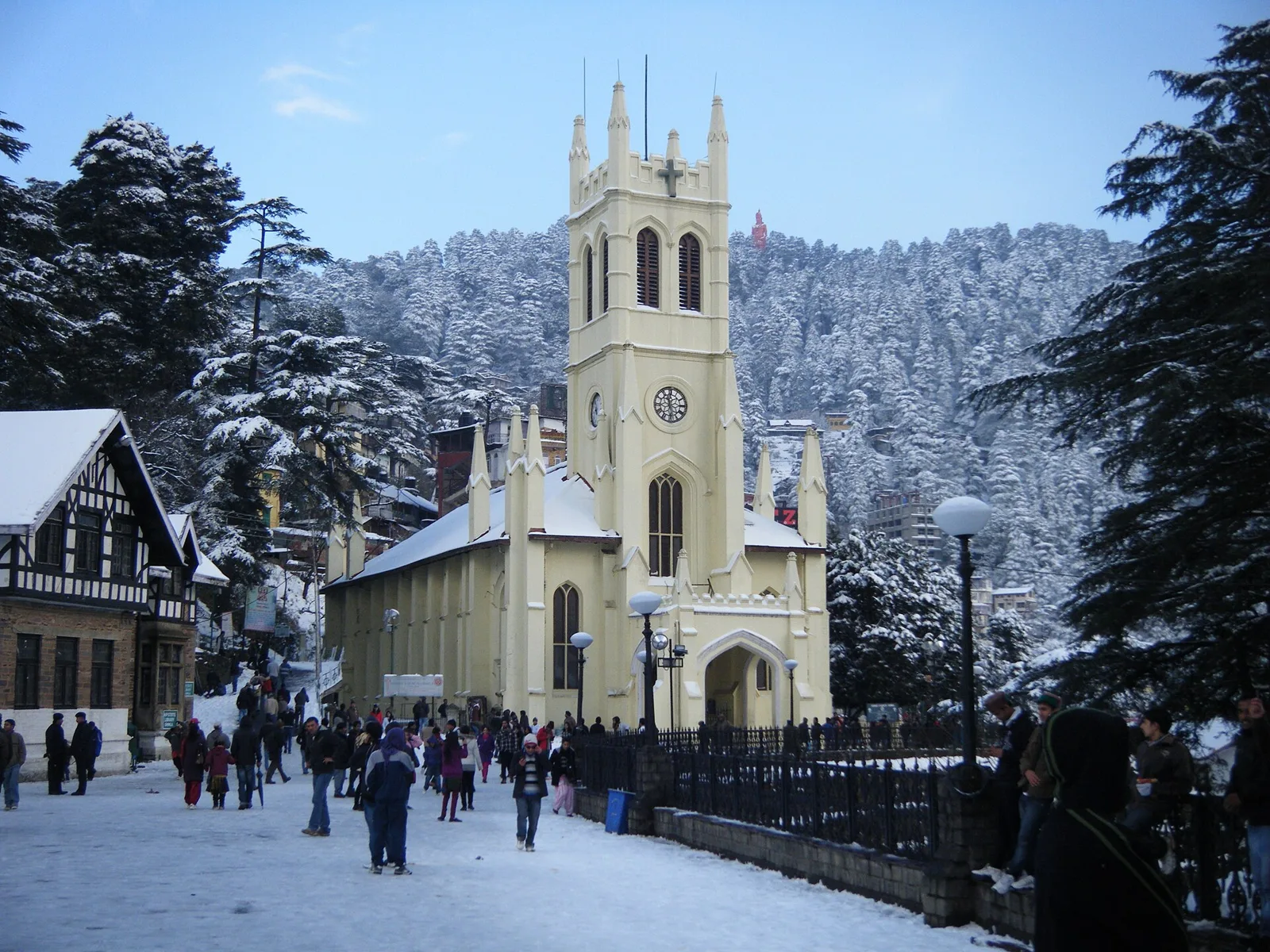
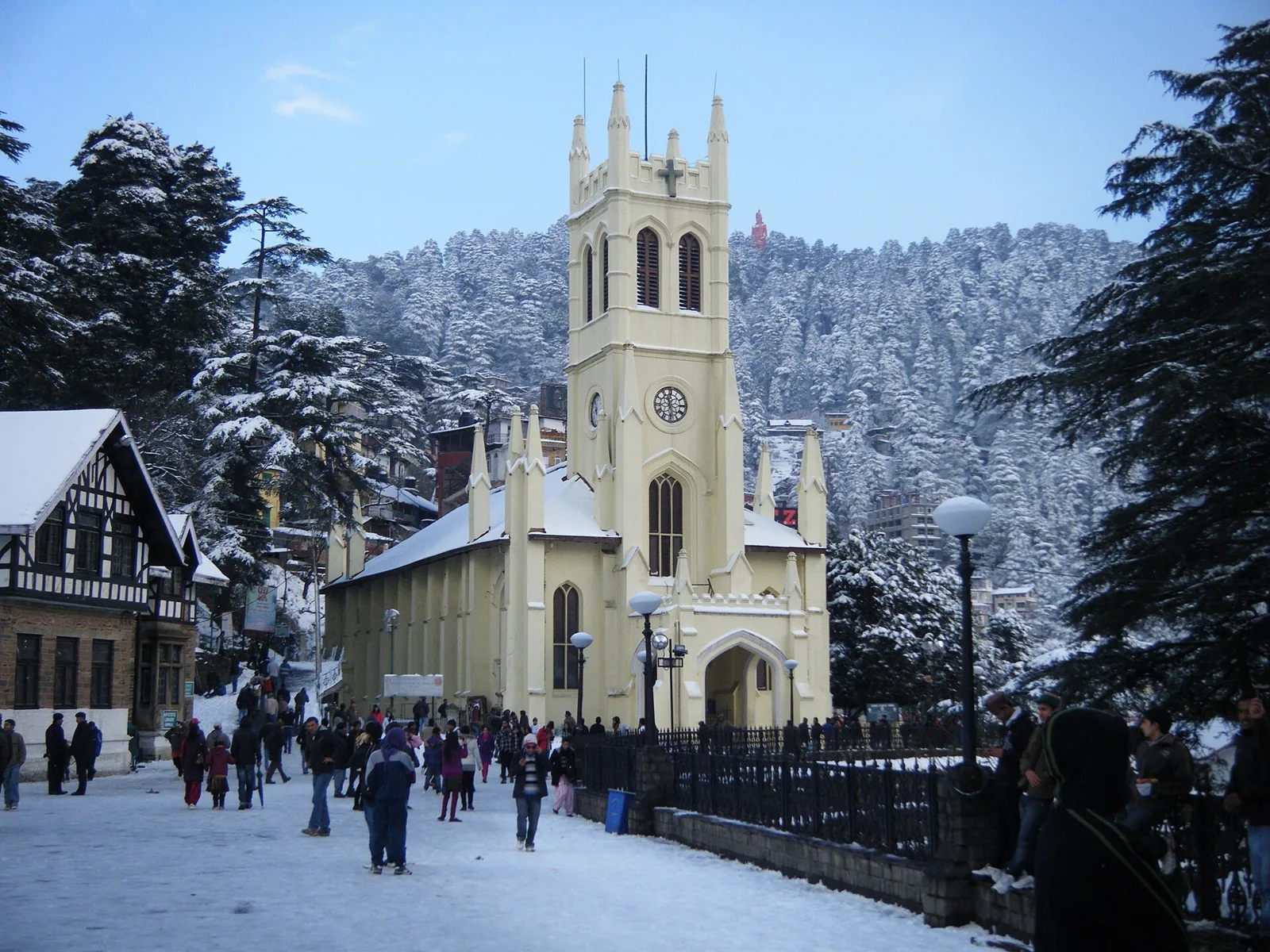
Christ Church

47 km away · Shimla district

Christ Church

Visitors come to Christ Church in Shimla to worship and see a church ranked second in age across North India.

Shimla

47 km away · Shimla district

Shimla

Shimla, Himachal Pradesh’s largest city, is known for its colonial-era buildings, religious sites and mountain setting. Visitors also come for the Kalka–Shimla Railway and the city’s historic landmarks.

47 km away · Shimla district

The Ridge

A central open space in Shimla, The Ridge is a cultural gathering point beside the Mall Road. Visitors come to see its historic church and library, statues, and links to nearby parts of the town.

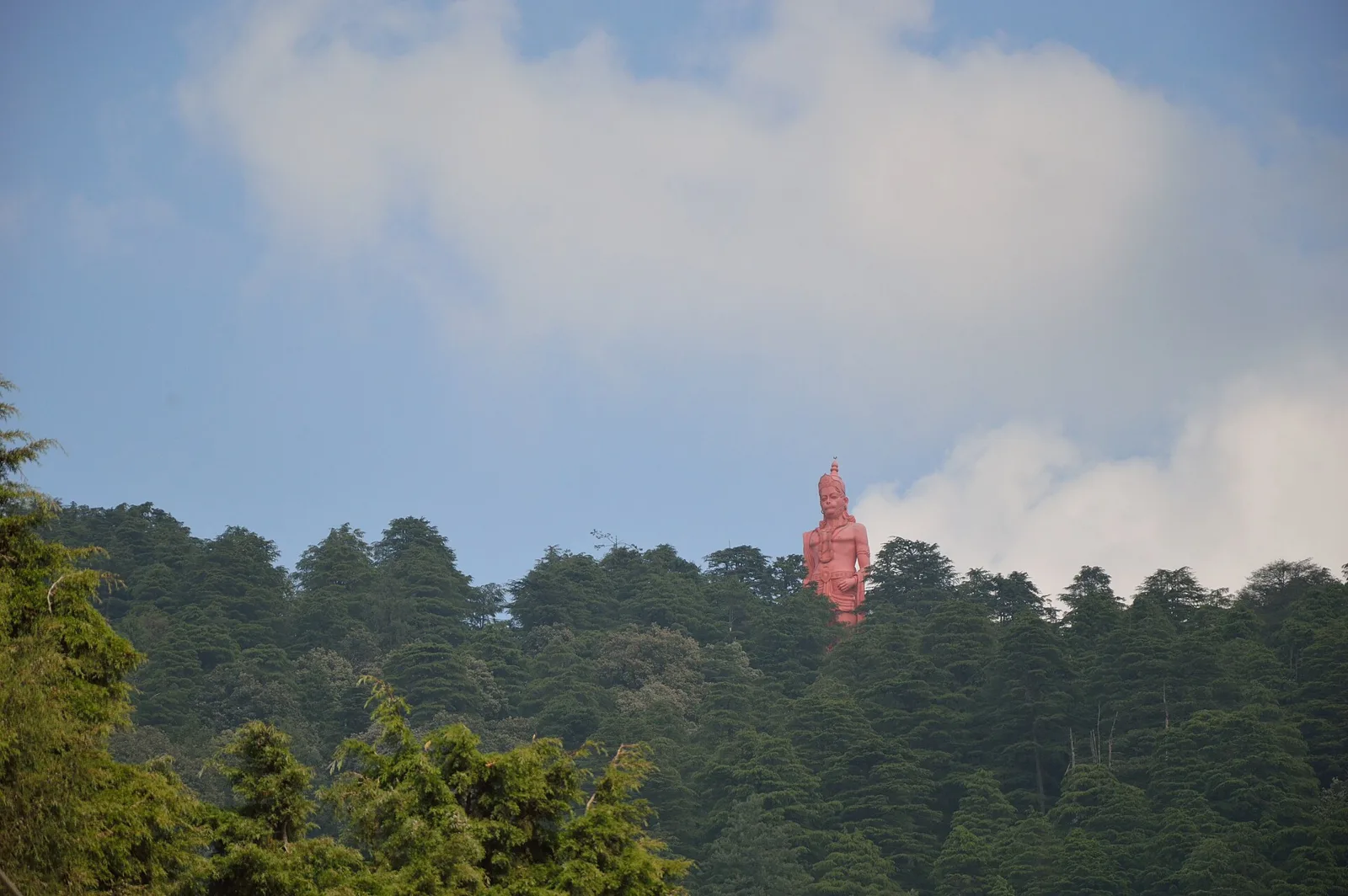
Jakhu Temple

48 km away · Shimla district

Jakhu Temple

Jakhu Temple is a Hindu shrine dedicated to Hanuman on Shimla’s Jakhu Hill. Visitors come to worship, attend its Dussehra festival and see the large Hanuman statue.

Map

Bilaspur on the map

  1. 1Gobind Sagar
  2. 2Tattapani
  3. 3Rewalsar Lake
  4. 4Mandi
  5. 5Christ Church
  6. 6Shimla
  7. 7The Ridge
  8. 8Jakhu Temple

Himachal Pradesh

Other cities to explore