
Shimla
Shimla, Himachal Pradesh’s largest city, is known for its colonial-era buildings, religious sites and mountain setting. Visitors also come for the Kalka–Shimla Railway and the city’s historic landmarks.
Key facts · verified by Ghumoopedia editors
- Type of place
- Destination
- Best time to visit
- March to June and October to November for most hill towns; May to October for Lahaul-Spiti and high passes
- Nearest railway station
- Shimla (Kalka–Shimla narrow gauge) · about 5 km (straight line)
- Nearest airport
- Shimla Airport (Jubbarhatti) · about 10 km (straight line)
- Verified
- 21 Nov 2026
Plan a trip from Shimla — a day-by-day route through places nearby.
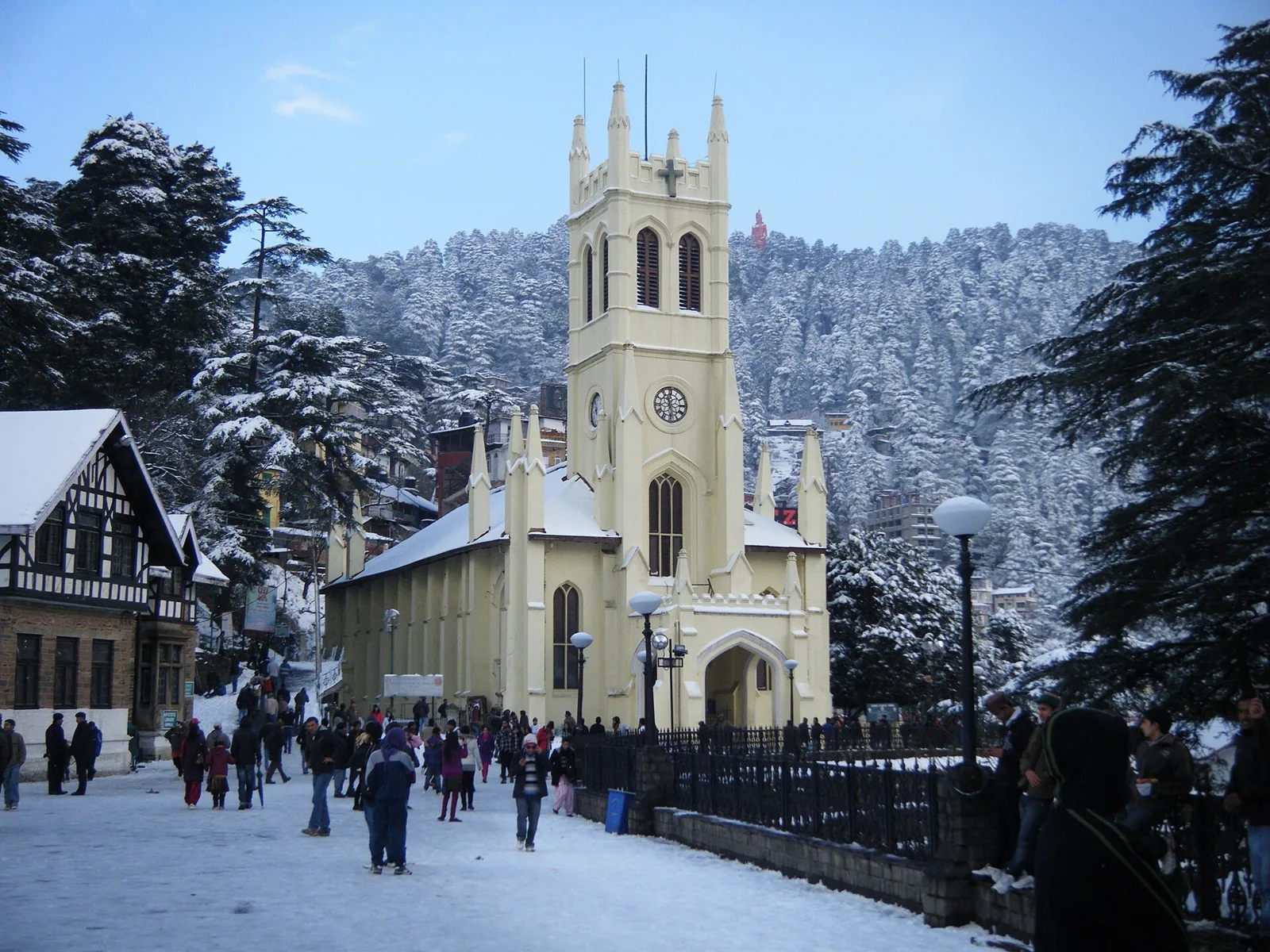
Shimla is the administrative centre of Shimla district and the largest city in Himachal Pradesh. It serves as the state’s summer capital and is a leading centre for commerce, culture and education. Once called Simla, it developed over seven ridges in the south-western Himalayas under Company rule. Before 1815, the area was noted for small settlements; that year, the British army annexed it. The cooler weather and strategic position amid Himalayan woodland drew British interest in establishing a town there. In 1864, Shimla became the summer seat of British India’s government. Political gatherings held there included the Simla Deputation of 1906 and the Simla Convention of 1914; the 1945 Simla Conference took place during negotiations over India’s independence. Himachal Pradesh was formed in 1948 through the union of 28 princely states. Shimla continued to play a political role after independence: the Shimla Agreement was signed there in 1972. Following the reorganisation of the state, the former Mahasu district became part of Shimla. The city contains colonial-period buildings in Tudorbethan and neo-Gothic styles, alongside temples and churches. Among its noted places are the Hanuman statue at Jakhu, Jakhu Temple, Viceregal Lodge, Christ Church, Mall Road, The Ridge and Annadale. Jakhoo marks the northern end of the central area, with Annadale to the south; Sanjauli lies east and Chotta Shimla west. The British-built Kalka–Shimla Railway is a UNESCO World Heritage Site and a visitor attraction. Shimla’s steep landscape also provides a setting for mountain biking. Himachal's hill towns blend Hindu temple traditions, Tibetan Buddhist monasteries and village devta (local deity) customs, with fairs and festivals tied to the farming calendar. Altitude decides the weather: the Shivalik foothills are mild, Shimla and Manali are cool with winter snow, and Lahaul-Spiti is a cold desert closed by snow for months. The July–September monsoon brings landslides and road closures in the hills. The usual best time to visit is March to June and October to November for most hill towns; May to October for Lahaul-Spiti and high passes. Timings, fees and access arrangements must be confirmed locally. For official information, see Himachal Pradesh Tourism at https://himachaltourism.gov.in.
Why it matters
Shimla is the capital of Himachal Pradesh and a regional centre for government, commerce, education and culture. Its role as the summer capital of British India, beginning in 1864, gave it a lasting place in the political history of the subcontinent; the 1945 Simla Conference was among the negotiations held here during the independence period. The city’s colonial-era buildings, churches, temples and setting across Himalayan ridges make it an important heritage and hill-station destination. The Kalka–Shimla Railway, which connects the city with the plains, is part of the UNESCO-inscribed Mountain Railways of India. That recognition applies to the railway, not to the whole city. Jakhu Temple, Christ Church, The Ridge and Mall Road are among Shimla’s prominent local landmarks.
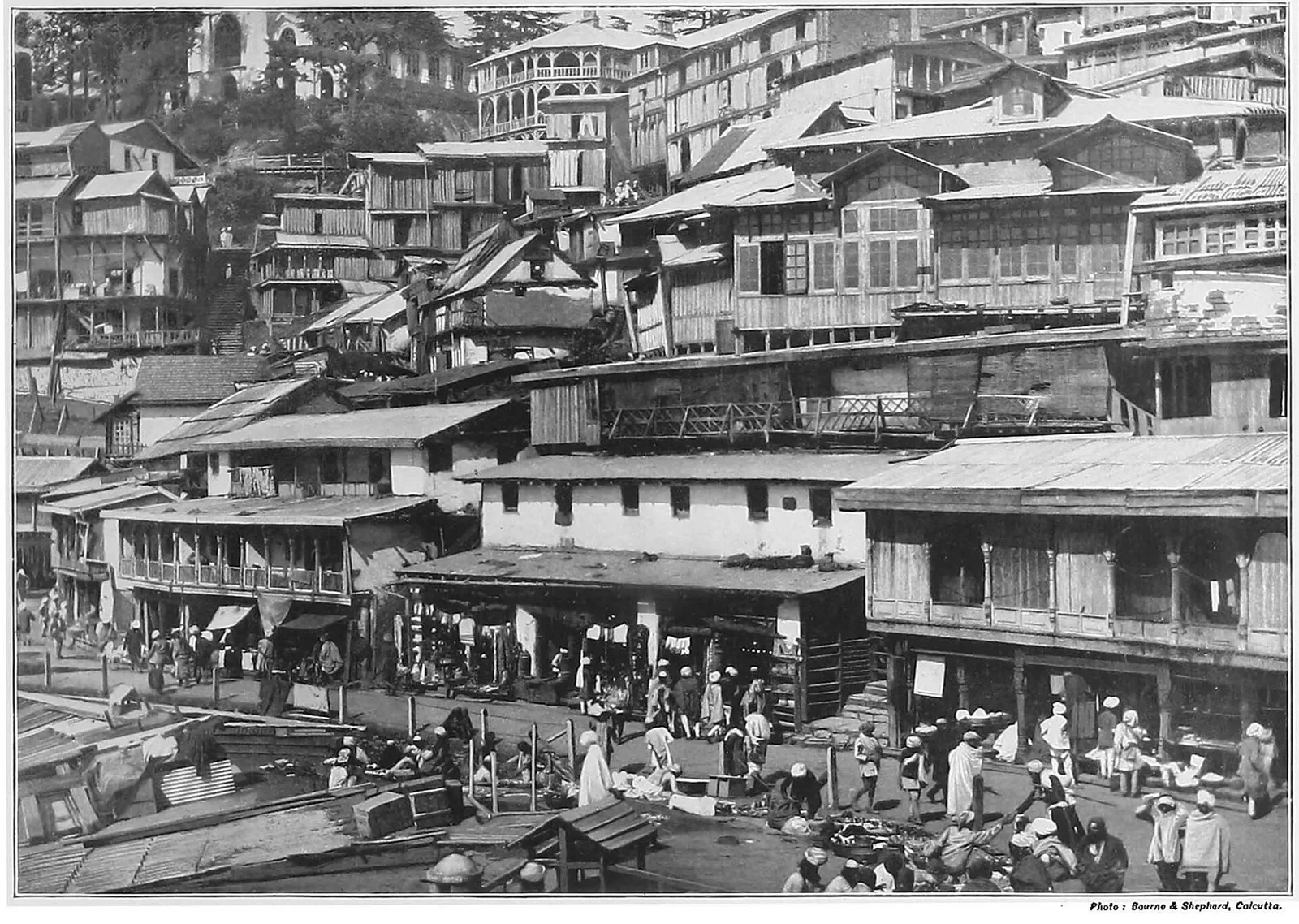
The Shimla hills had small settlements before British control, with hamlets recorded before 1815. The British established a presence after the Anglo-Gorkha conflict and were drawn to the area by its cooler climate and strategic setting in the southwestern Himalayas. The town developed across seven spurs, with colonial buildings and roads shaping its distinctive layout. Simla became the summer capital of British India in 1864, bringing government offices and political visitors to the hills. Viceregal Lodge, built in the late nineteenth century, is among the best-known buildings from this period. The Kalka–Shimla Railway opened in 1903, improving the connection with the plains; it is now part of the UNESCO-listed Mountain Railways of India. Simla hosted political gatherings including the 1945 conference associated with negotiations over India’s future. After independence, Himachal Pradesh was formed in 1948 through the integration of princely states, and Shimla remained an important political centre. The 1972 Shimla Agreement was signed here. The city later became the state capital, while administrative reorganisation brought the area into the present Shimla district. Colonial-era buildings and public spaces continue to be used, with heritage properties managed or adapted for institutional and visitor purposes.
Use Shimla as a base to understand local life: walk through the market area, visit community-run attractions and ask your host about nearby viewpoints and short excursions. Always ask before photographing people, homes or ceremonies. A comfortable itinerary is one main visit in the morning, a local meal at midday and a short nearby stop before an afternoon return. Use the district list on this site to find other places in Shimla, but check the actual road route and its condition before combining stops. If a festival or fair is on, local roads and stays can be busy — and the experience can be unforgettable. Leave no litter: many sites are protected by the communities around them.
Suggested itineraries
Half day: The Ridge and Christ Church (about 1–1.5 hours); stroll along Mall Road and browse the market area (1–2 hours); pause for a local meal or tea (about 1 hour). Full day: Viceregal Lodge and grounds, subject to visitor access (about 1.5–2 hours); lunch in town (about 1 hour); Mall Road, The Ridge and Christ Church (about 2 hours); Jakhu Temple and the viewpoint (about 1.5–2 hours, allowing for the climb or local transport). Gentler option: Spend 2–3 hours on the more level stretches of The Ridge and Mall Road, taking frequent seated breaks and skipping steep uphill approaches.
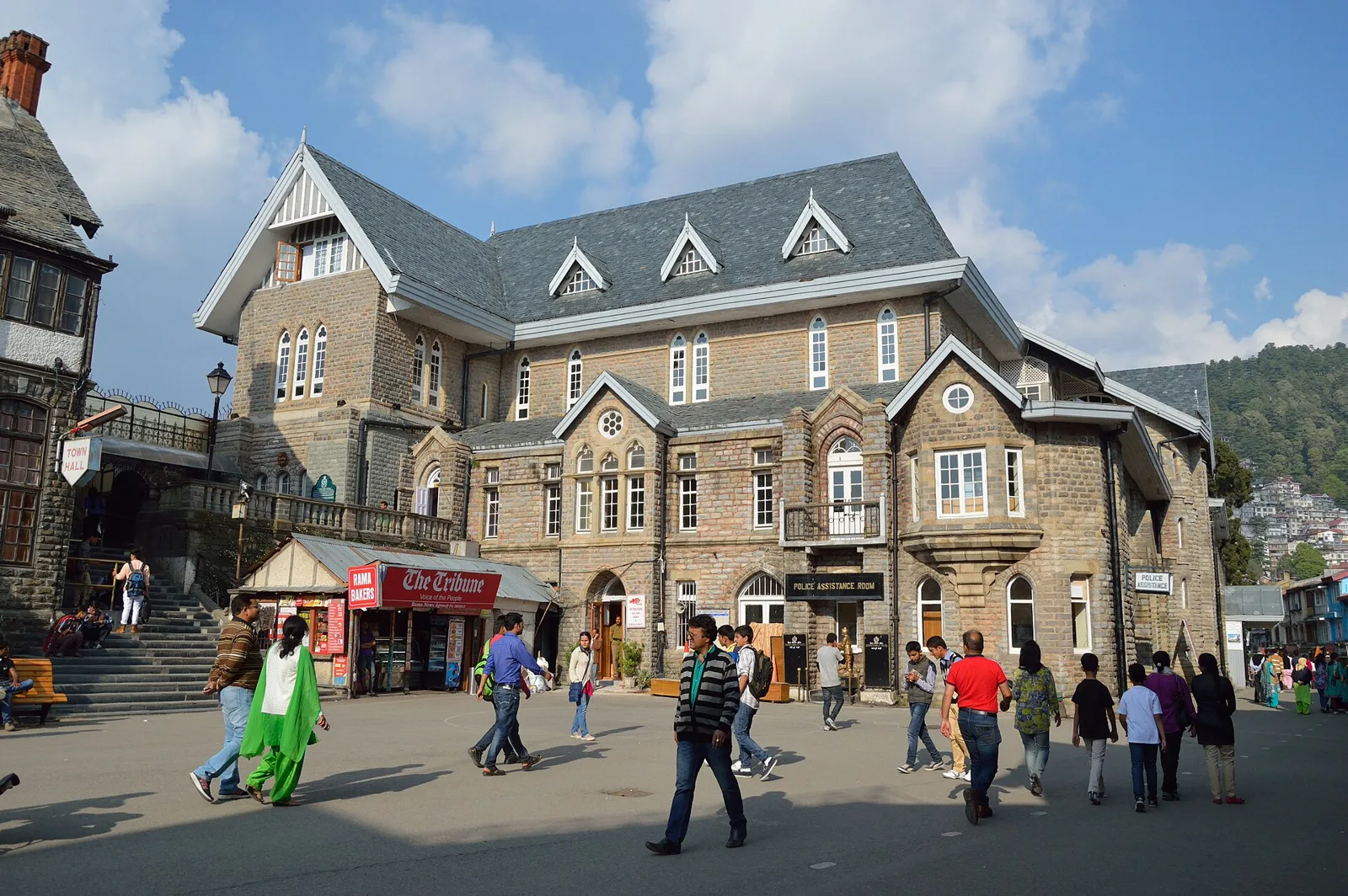
Shimla’s everyday culture reflects Himachali hill traditions alongside the city’s long history as an administrative and educational centre. Hindi and English are widely used, while Pahari speech and regional dialects are heard in local communities. Hindu temple customs and village-devta traditions are part of the wider district’s cultural life; churches also remain visible in the city’s built heritage. Folk music and dance are performed at public celebrations and community events, though practices vary across the region. Visitors will encounter Himachali woollens and caps as familiar dress and craft motifs, especially in markets. Ask before photographing people, homes, religious ceremonies or local performances, and follow the guidance of temple and church communities.
Festivals & events
Shimla’s Summer Festival is usually held around June, with performances and public events centred on The Ridge; visitor numbers and local traffic can rise during the programme. Dussehra and Diwali are observed in the city and surrounding communities, with celebrations shaped by local custom. Christmas brings services and seasonal activity around the city’s churches. In the wider district, the Lavi Fair at Rampur is a notable autumn gathering, combining trade and cultural events. Festival schedules vary from year to year, so check locally before planning. Accommodation and transport can be busier around major events, and some streets may have crowd controls or temporary traffic changes.
Local food in Himachal Pradesh includes siddu (steamed stuffed bread), madra, dham (the traditional festive meal), chha gosht, trout from mountain streams, babru and fresh apples and apricots in season. Ask what is fresh that day; many small eateries cook a limited daily menu. Vegetarian travellers eat very well across this region, and most towns also have simple non-vegetarian dhabas. Remote sites may have no restaurant at all. Carry water and snacks, eat a proper breakfast before long drives, and ask your accommodation for a packed lunch if you are heading out early. Try a home-cooked or dhaba meal when you can — it is often the best food on the route. Choose busy, clean places and carry your packaging back to town.
Shopping & local experiences
Mall Road has shops for clothing, souvenirs and local food products, while Lakkar Bazaar is known for wooden items such as walking sticks and small crafts. Look for Himachali woollens, caps, shawls and locally made keepsakes, checking materials and provenance with sellers. Packaged apple products and other regional foods make practical gifts; ask about ingredients and storage. Cafés and restaurants offer opportunities to try Himachali dishes alongside familiar options. Shopping streets can be busy, particularly during holidays and festivals, so keep belongings secure and avoid buying wildlife products or items of uncertain origin.
March to June and October to November for most hill towns; May to October for Lahaul-Spiti and high passes
The nearest principal railway station by straight-line distance is Shimla (Kalka–Shimla narrow gauge), roughly 5 km away. The nearest operating airport by straight-line distance is Shimla Airport (Jubbarhatti), roughly 10 km away. These figures are calculated from map coordinates — hill roads wind a lot, so actual road distance and travel time are usually much longer. Chandigarh, Kalka and Pathankot are the main rail gateways for the hills, and the Kalka–Shimla toy train is itself a heritage journey. For the final leg, Himachal Road Transport Corporation (HRTC) buses and shared taxis link district towns; shared taxis usually leave early in the morning. A private taxi gives more flexibility for remote sites. When comparing train, bus and flight, count the complete door-to-door time: a flight saves the most time only if the onward road transfer is short, while an overnight train plus a road journey can save a hotel night. Book your return before you leave, because seats fill quickly on weekends and holidays. Current train numbers, timings, return services and fares are not listed here; check IRCTC and NTES for trains and the airline's own schedule for flights. No permit is needed for Indian visitors to most of Himachal Pradesh. Some stretches near the international border in Kinnaur and Lahaul-Spiti may have check posts, and foreign nationals should check current registration rules for border areas before travel.
Confirm onward and return timings on IRCTC / NTES, the state bus operator or your airline before travel. A dash means current timings or fares have not been verified.
Getting around
The central area is best explored on foot, but expect steep slopes and stairs between neighbourhoods. Local buses and taxis connect the centre with outlying areas; taxi availability and vehicle access vary by location. The Ridge and much of Mall Road are pedestrian-focused, so plan to walk the final stretch to many central sights. Parking is limited in busy parts of town, and designated parking areas may be more practical than driving into the centre. For excursions beyond Shimla, arrange a taxi or check local bus connections and road conditions before departure.
Hours, tickets & permissions
Shimla’s public streets, promenades and outdoor viewpoints can generally be visited without a site ticket, while museums, heritage properties and some managed attractions may have separate entry rules. Photography, access to interiors and visitor routes can be restricted at particular sites. Places of worship may expect modest dress and respectful conduct; remove footwear where instructed. Carry identification if a managing authority requires it for entry or security. Rules, ticketing arrangements and access may change, so confirm current hours and fees directly with the relevant site or managing authority before setting out.
Facilities
The central area usually has cafés, restaurants, shops, hotels, public toilets and ATM access, though facilities are less frequent away from the main commercial streets. Drinking-water availability varies; carry water and check locally for refill points. Visitor facilities at individual attractions depend on their management, and toilets or seating may not be available throughout a site. Parking is limited in the centre, with designated areas serving some locations. Guides may be available for particular heritage attractions, but availability and arrangements should be confirmed directly. Keep rubbish with you until you find a suitable bin.
Accessibility
Shimla is built on steep ridges, so gradients, stairs and uneven paths are common even between central attractions. The Ridge and sections of Mall Road offer comparatively easier walking, but reaching them from lower roads can involve a climb. Wheelchair and stroller access is limited by slopes, steps and crowded pedestrian areas; confirm access arrangements with individual attractions before visiting. Older visitors and anyone with mobility concerns may find short distances tiring, so allow extra time, use taxis where permitted and plan rest stops. Shade and sheltered seating are not continuous, and weather can make paths slippery.
No permit is needed for Indian visitors to most of Himachal Pradesh. Some stretches near the international border in Kinnaur and Lahaul-Spiti may have check posts, and foreign nationals should check current registration rules for border areas before travel. Carry a photo ID at all times and save the emergency number 112 and your accommodation's contact offline. Heat in summer and dense fog in winter are the main weather risks; carry water and allow extra travel time on foggy December–January mornings. Respect community rules, private property and posted instructions. Check official advisories for the region before travel, and follow local guidance if access changes.
Photography
Morning or late-afternoon light can work well for views across the ridges and for exterior photographs around The Ridge and Mall Road. Public viewpoints and streets are generally suitable for casual photography, but individual heritage buildings, museums and places of worship may have restrictions, especially indoors. Follow signs and staff instructions rather than assuming cameras are permitted everywhere. Drone use can be subject to aviation rules, security restrictions and local permissions; check before bringing or flying one. Ask consent before photographing residents, workers, homes or ceremonies, and avoid interrupting worship or performances.
Choose a stay by the full journey to Shimla, not just the district name. Main towns in Shimla usually offer hotels, state tourism lodges and guesthouses with better transport, meals and medical access, while village homestays offer a closer connection to local life. In the plains, check fans or air-conditioning in summer and heating in the December–January cold wave. Book in advance for weekends, festival dates and the peak season (March to June and October to November for most hill towns; May to October for Lahaul-Spiti and high passes). Confirm the exact location, meals included, check-in time and cancellation terms in writing. Many homestays accept payment on arrival; avoid sending money to unverified contacts. Mobile network and digital payments can be unreliable in remote areas, so carry some cash.
Within Shimla, visitors can combine the central heritage area with Jakhu Temple, Annadale or the Viceregal Lodge, subject to access arrangements. Tara Devi Temple lies outside the central area and is another established local visit. Kufri and Mashobra are popular nearby hill destinations, while Naldehra is known for its golf course and wooded setting. These excursions involve winding hill roads, and travel conditions can change with weather or road work. Check routes and allow time for the return journey rather than relying on map distance alone.
For couples, Shimla rewards a slow pace: arrive early for soft light and fewer crowds, share a local meal and keep the evening free. Public displays of affection can be frowned upon in conservative communities and at religious sites, so be discreet. A homestay or a small heritage hotel can make the trip memorable — confirm privacy, hot water and transport back. Keep a buffer in your itinerary, because weather and traffic can delay plans in Himachal Pradesh.
Q: How much time should I allow for Shimla? A: A half day can cover the central promenade and market area; a full day allows time for an additional attraction or viewpoint. Add more time for excursions outside the city. Q: When is a good season to visit? A: March to June and October to November are commonly comfortable periods for hill travel. Winter can bring cold weather or snow, while monsoon conditions may disrupt roads. Q: Do I need tickets to visit Shimla’s attractions? A: Public streets and promenades are generally open, but managed heritage sites and other attractions may have entry rules or fees. Confirm with the site before visiting. Q: Is Shimla suitable for children and older visitors? A: It can be, but steep slopes and stairs make some walks tiring. Choose central, gentler stretches, take breaks and check access at individual sites. Q: Can I stay near the main attractions? A: Yes. Shimla has accommodation in and around the central area, though availability and ease of access vary. Check the location’s slope, vehicle access and walking distance before booking.
Be the first to share photos, stories, advice or a helpful contact for Shimla.
Loading…