
District · Himachal Pradesh
Shimla
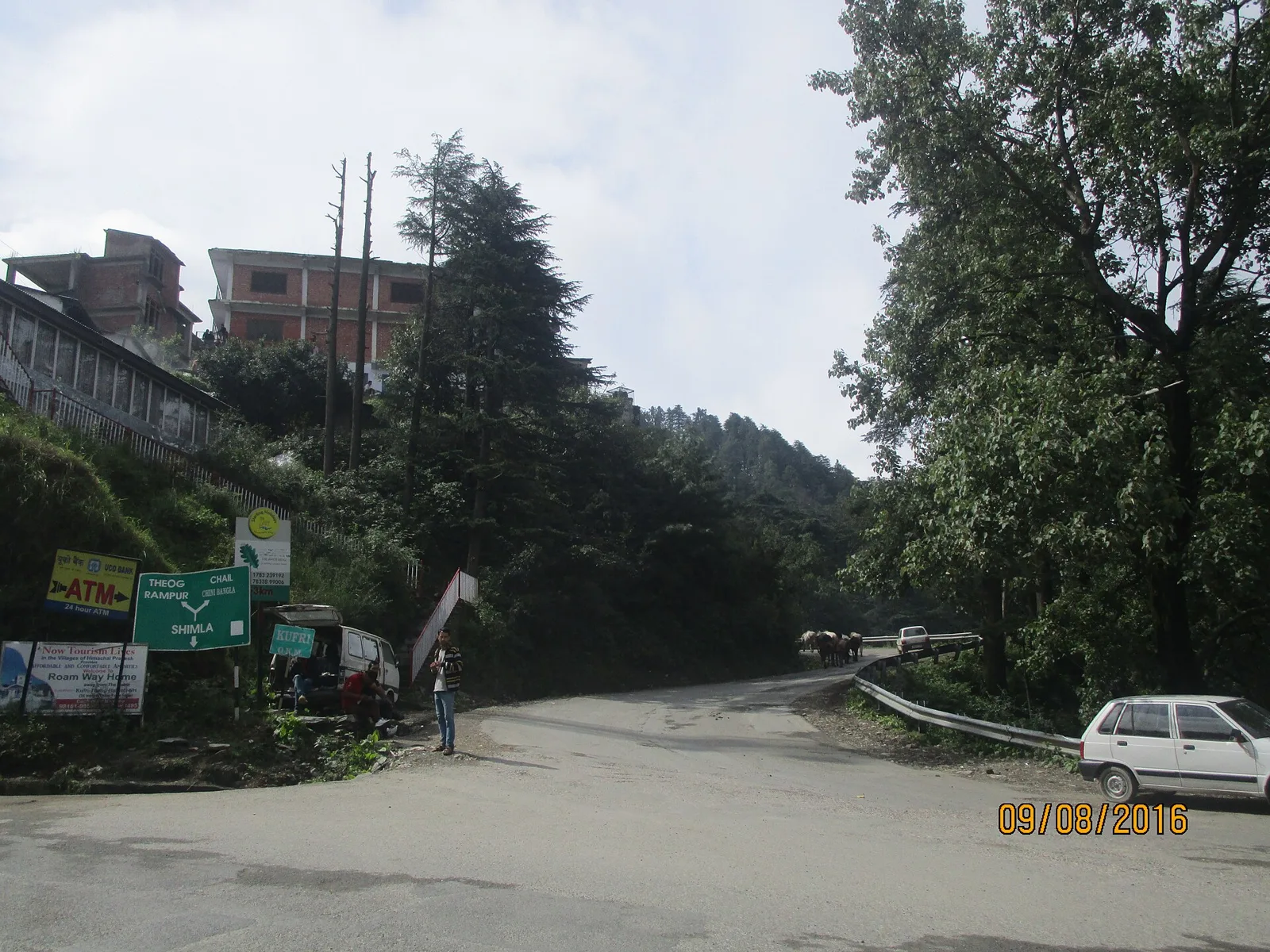
Shimla district brings together the state capital’s colonial-era hill-town streets, forested ridges, apple-growing uplands and the warmer Sutlej valley around Rampur Bushahr.
Shimla district stretches from wooded ridges and orchard country to the Sutlej valley around Rampur Bushahr. Its best-known centre, Shimla city, developed as the summer capital of British India, leaving a legacy of colonial buildings, promenades and institutions. The Ridge and Christ Church remain prominent landmarks of this hill-town character. Beyond the city, Kufri, Mashobra and Narkanda offer different settings for exploring the surrounding hills, while apple-growing landscapes shape much of the district’s rural identity. Rampur Bushahr reflects the region’s older princely and trading connections. Elevation varies considerably across the district, so weather, vegetation and travel conditions can change markedly between high ridges and lower valleys.
Shimla district brings together the state capital’s colonial-era hill-town streets, forested ridges, apple-growing uplands and the warmer Sutlej valley around Rampur Bushahr. Shimla city served as the summer capital of British India and remains a centre for the state’s administration, heritage and culture. The Ridge, Christ Church and the Kalka–Shimla Railway are among its best-known sights. Beyond the city, Kufri, Mashobra, Naldehra and Narkanda offer different ways to experience the surrounding hills, while Rampur reflects the district’s princely and trading past. The district suits travellers interested in mountain scenery, history and varied road journeys.
The region was historically divided among hill states, including Bushahr, whose rulers held territory along the Sutlej and maintained trade links towards Tibet. Rampur Bushahr became an important centre of the kingdom and its trade. Other local ruling houses governed smaller territories across the hills. British influence expanded after the Anglo-Gorkha War and the Treaty of Sugauli in the early nineteenth century. Shimla grew from a small hill settlement into a major British retreat; it was made the summer capital of British India in 1864, bringing administrative buildings, churches and institutions to the town. After independence, the hill states joined the Union of India and became part of Himachal Pradesh. Shimla district took its present administrative shape in the reorganisation of Himachal Pradesh in 1972, when the former Mahasu district was divided. Its history is therefore reflected both in Shimla’s colonial urban heritage and in the older regional identity of Bushahr and other hill communities.
12 destination guides · 10 on the map
Chail
Chail, a Himachal Pradesh hill station associated with both Shimla and Solan districts, attracts visitors for its cedar woodland, Himalayan views, historic palace, trekking routes and camping.
Christ Church
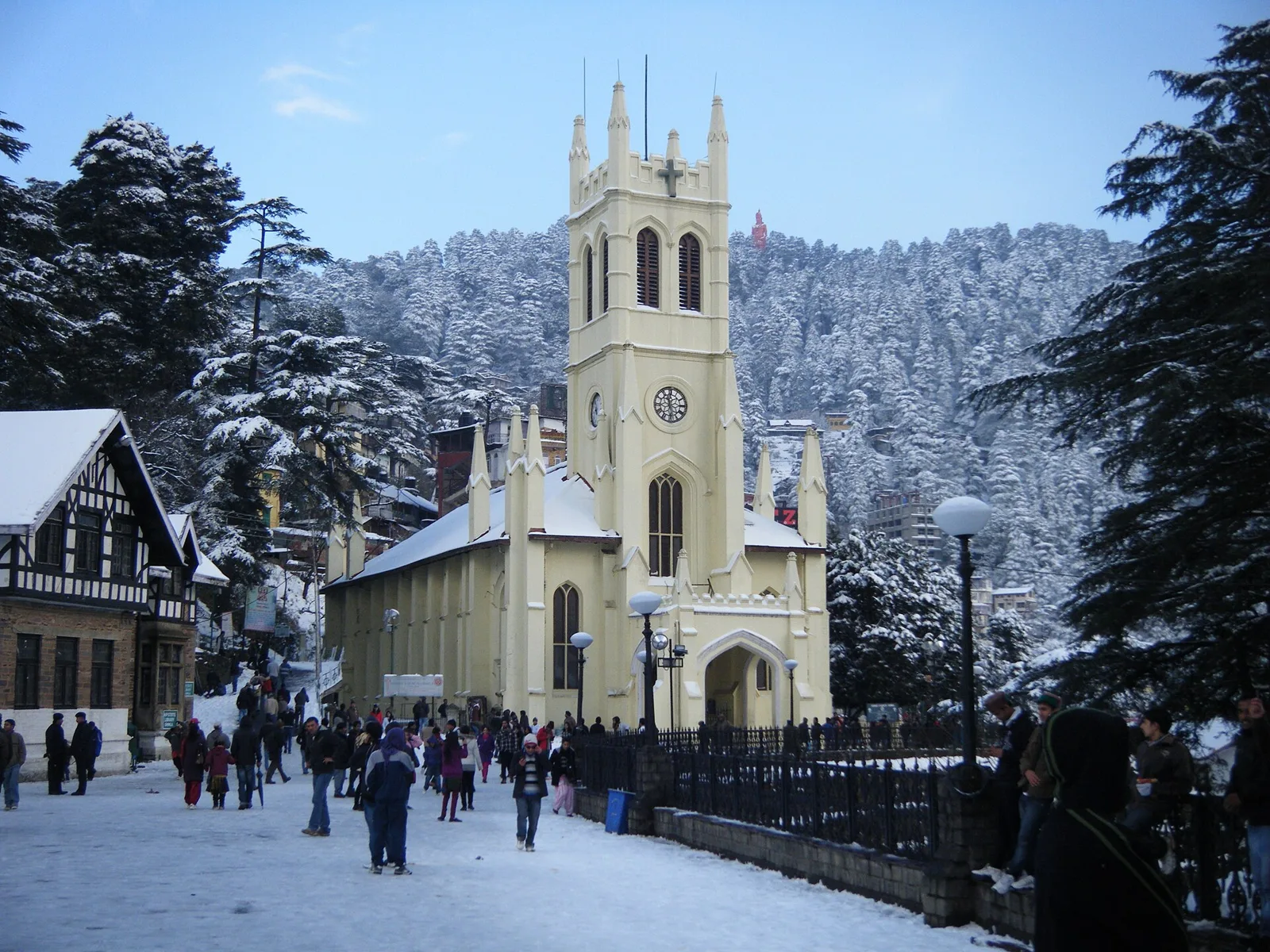
Visitors come to Christ Church in Shimla to worship and see a church ranked second in age across North India.
Jakhu Temple
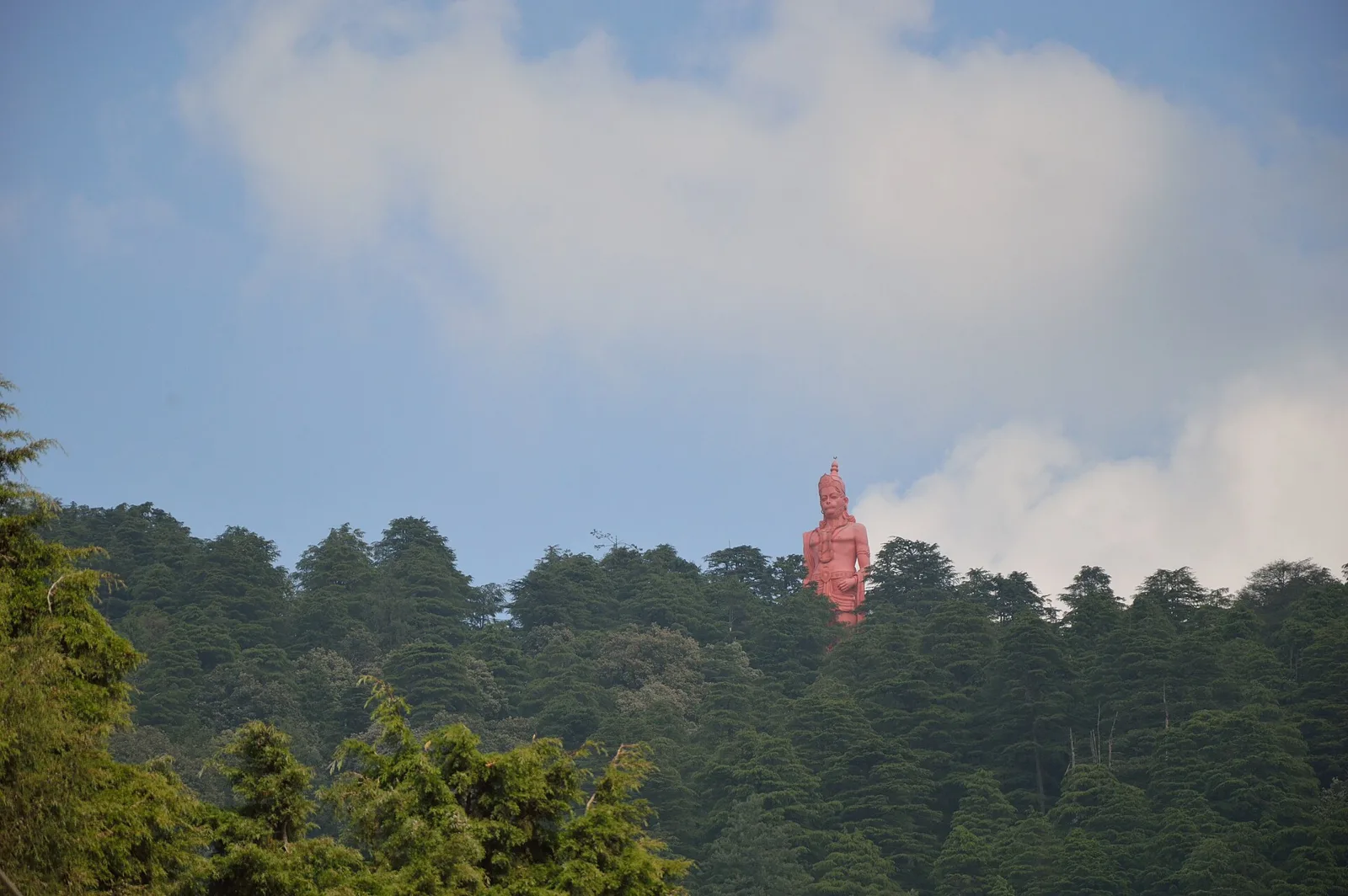
Jakhu Temple is a Hindu shrine dedicated to Hanuman on Shimla’s Jakhu Hill. Visitors come to worship, attend its Dussehra festival and see the large Hanuman statue.
Kalka–Shimla Railway
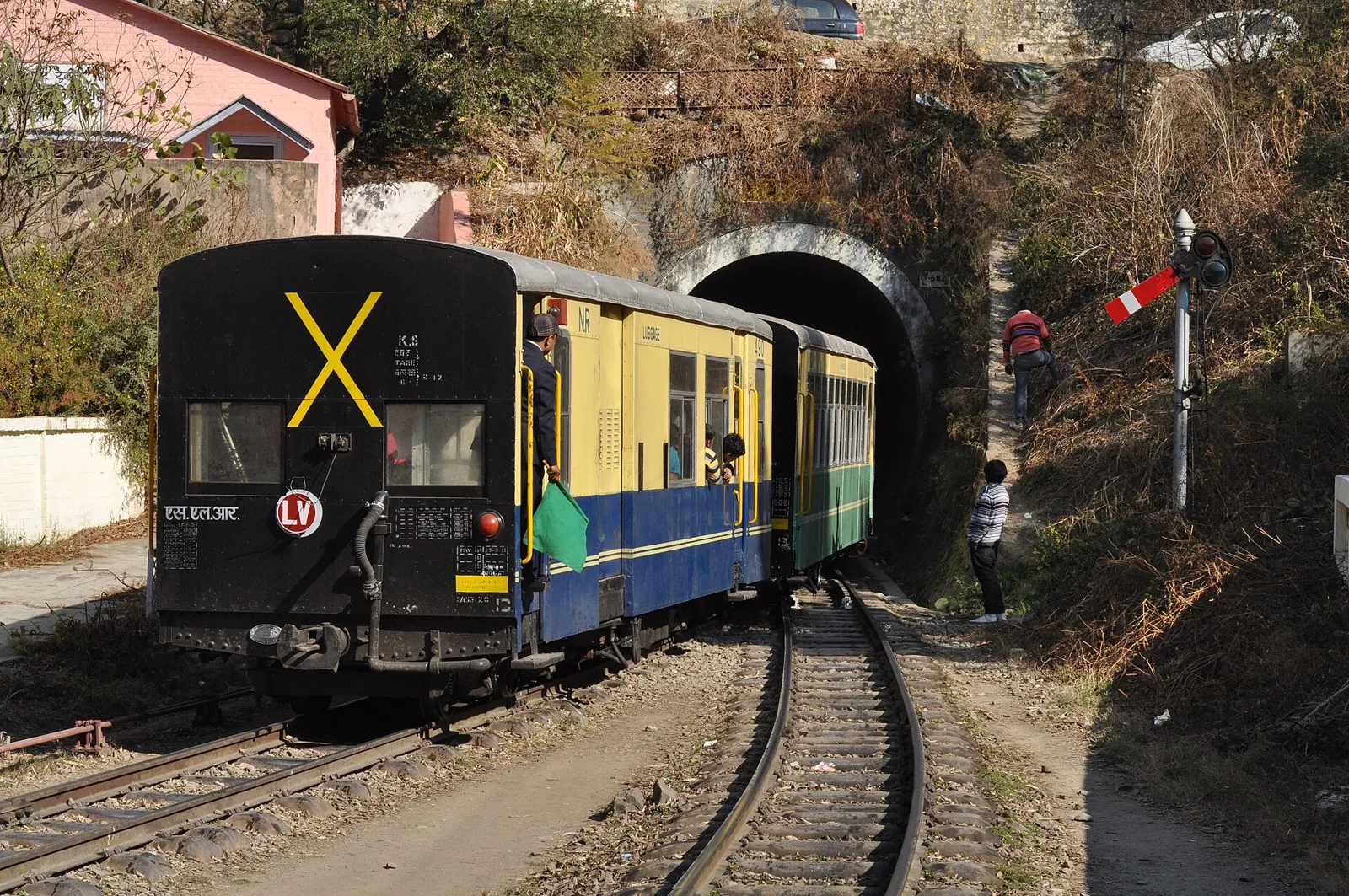
This narrow-gauge railway connects Kalka and Shimla across the hills of northern India. Visitors travel the route for views of the mountainous landscape and nearby villages.
Kufri
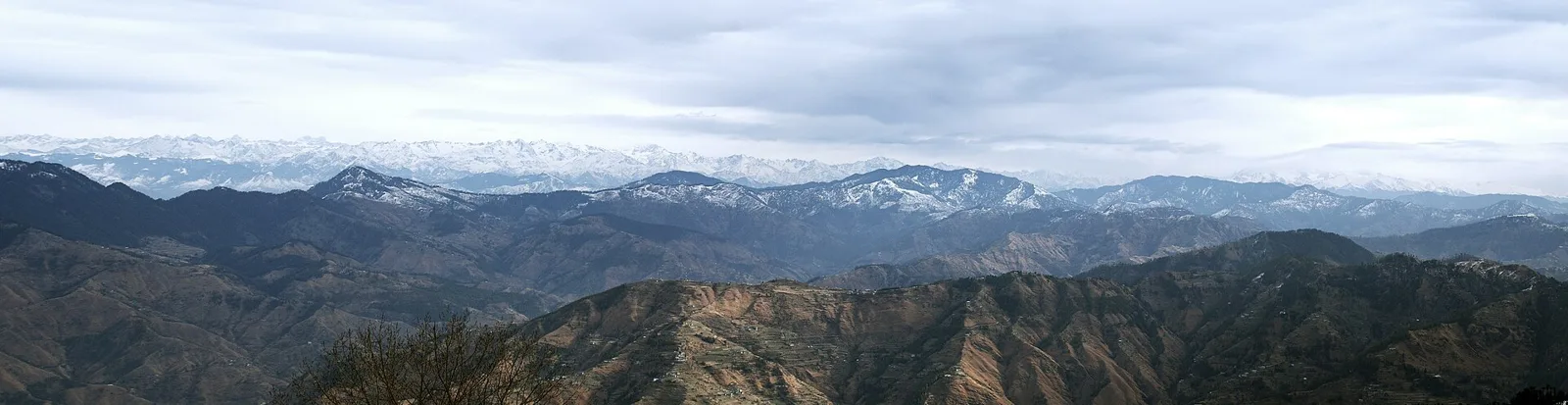
Kufri is a hill resort in Shimla district, Himachal Pradesh, visited for its highland setting, wildlife zoo and winter skiing across potato fields.
Mashobra
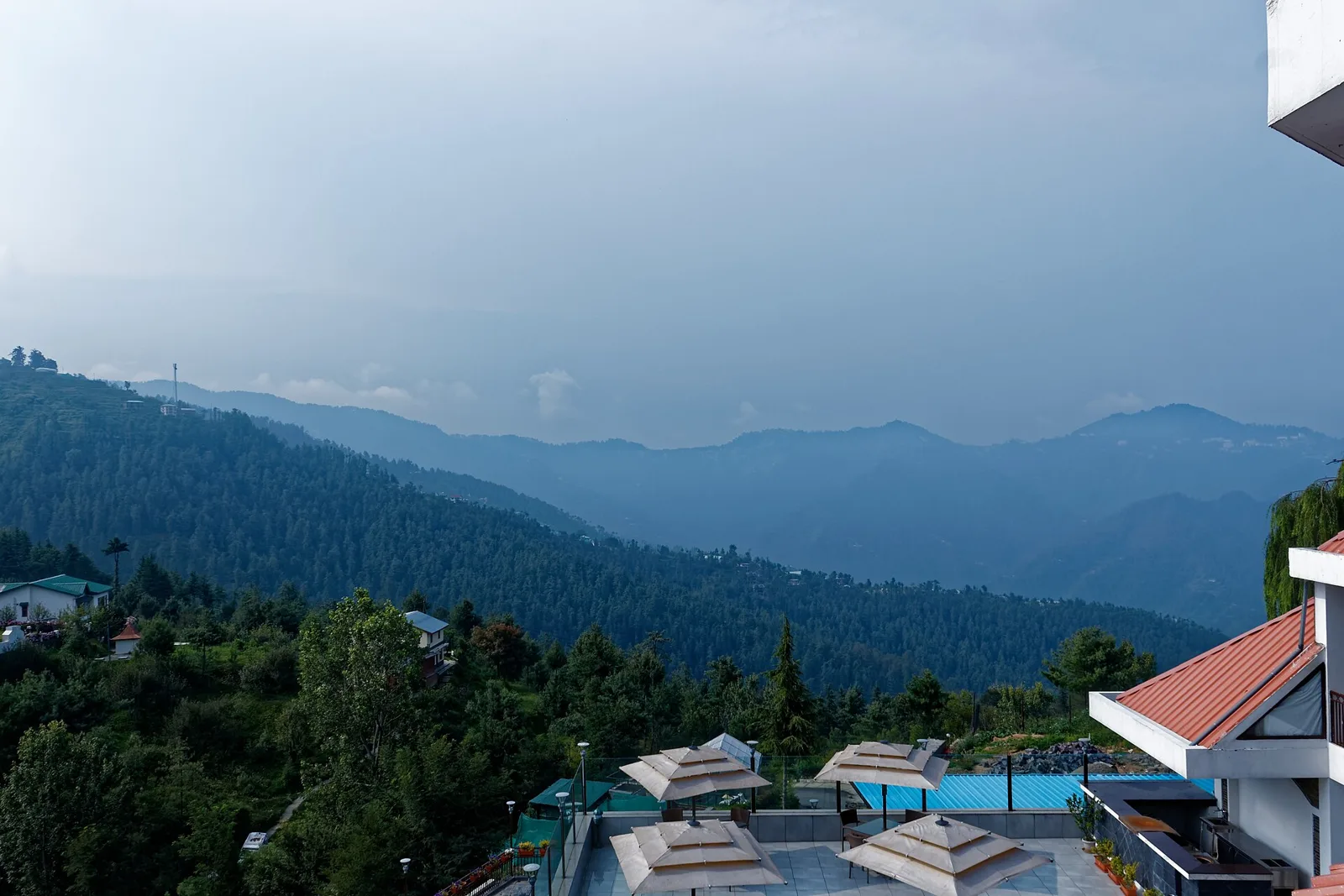
Mashobra is a town in Himachal Pradesh’s Shimla district. Visitors interested in its historic link with Shimla can follow the connection made by the Hindustan–Tibet Road.
Naldehra
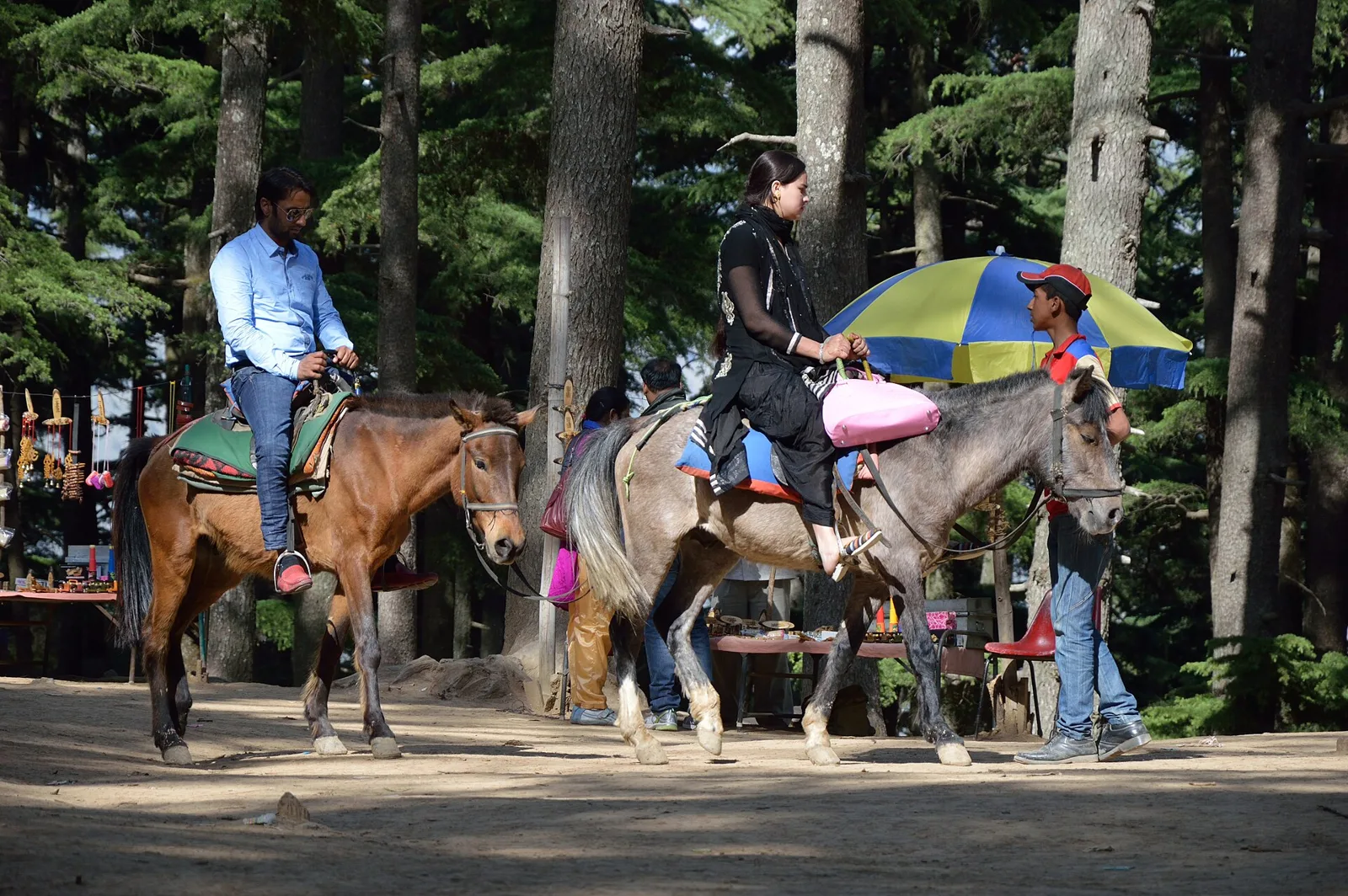
Naldehra is a town in Shimla district, Himachal Pradesh. The details available establish its location but do not identify a particular attraction or reason visitors travel there.
Narkanda
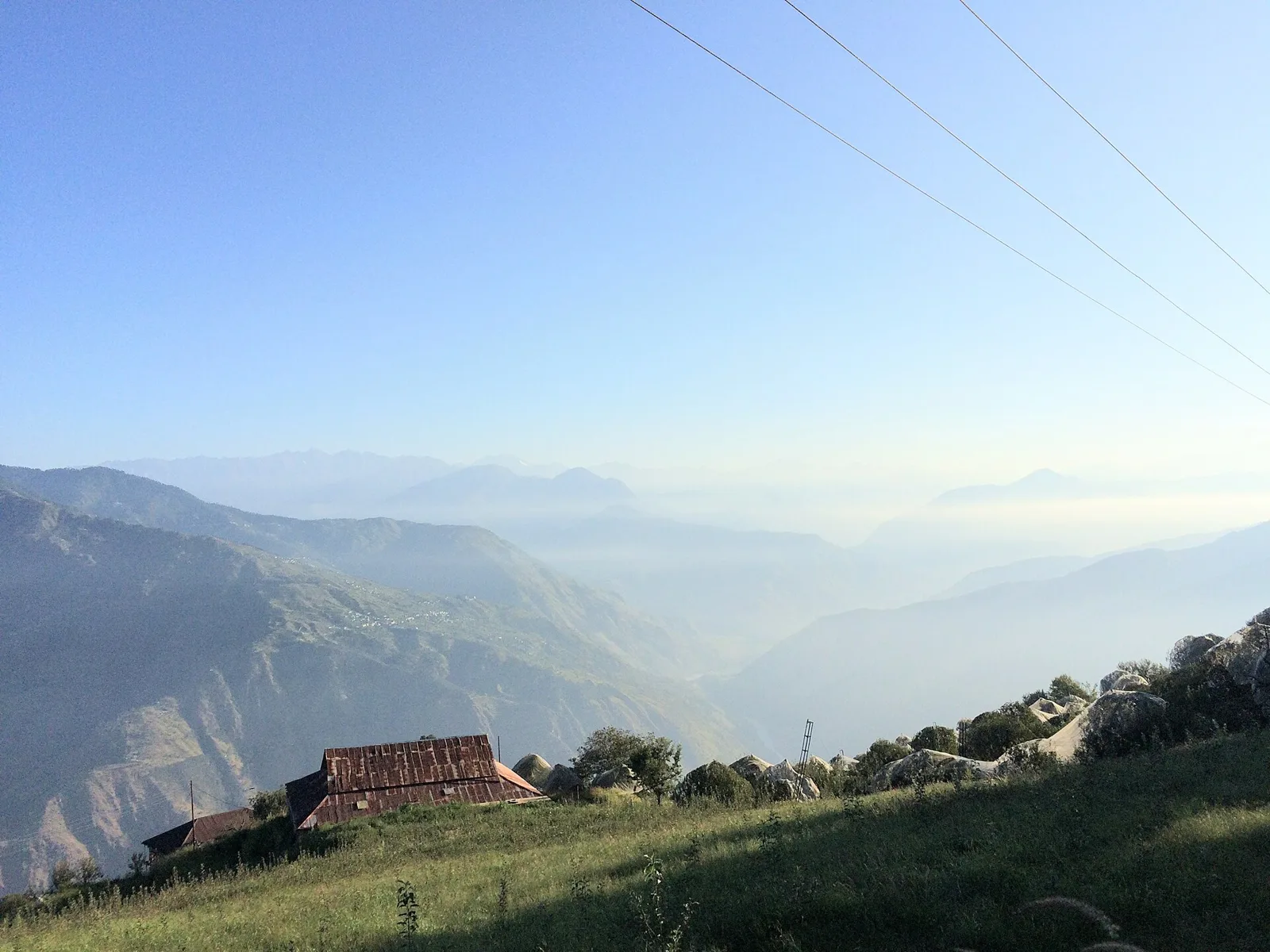
Narkanda is a high-altitude settlement in Himachal Pradesh’s Shimla district, visited for winter skiing and as a road junction for journeys towards Kumarsain, Rampur and the apple-growing area of Kotgarh-Thanedhar.
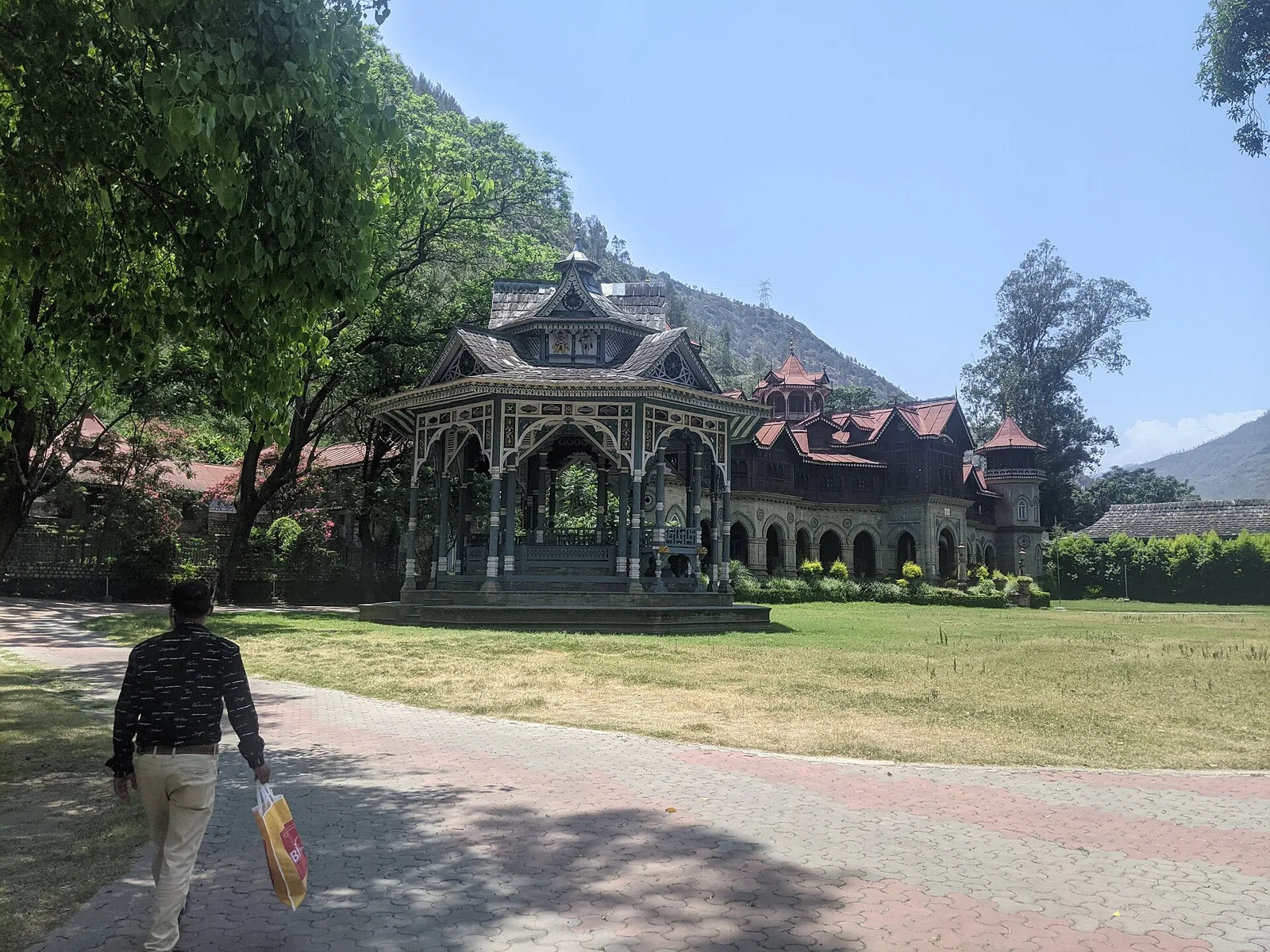
Rampur Bushahr
Rampur Bushahr is a town and municipal council in Himachal Pradesh’s Shimla district, beside the Satluj. Travellers can reach it via National Highway 5, which connects it with nearby towns.
Food in Shimla district draws on wider Himachali traditions rather than a single district-specific cuisine. Look for siddu, a steamed stuffed bread, and babru, a stuffed fried bread often served with accompaniments. Madra, commonly made with pulses in a yoghurt-based gravy, and dham, a traditional festive meal, belong to the broader regional repertoire; dham is not necessarily an everyday restaurant offering. Chha gosht is another Himachali preparation for meat eaters. Apples are especially associated with the district’s orchard belt, with other fresh fruit available seasonally. Small eateries may have limited daily menus, so ask what is freshly prepared.
Craft traditions seen in Shimla district form part of Himachal Pradesh’s wider heritage of wool weaving, woodwork and metalwork. Woollen shawls, blankets and knitted clothing are practical companions to the mountain climate, though items sold in Shimla may come from elsewhere in the state. Traditional timber buildings and temples in the district’s rural areas provide opportunities to appreciate carved wooden details and local building skills. Markets also stock regional handicrafts and souvenirs; ask about the maker, place of production and materials rather than assuming every item is locally handmade.
Shimla’s Summer Festival is generally held in early summer, with performances and events that draw visitors to the city. Rampur Bushahr’s Lavi Fair, usually held in autumn, reflects the area’s history as a trading centre and can bring busy streets and increased demand for rooms. Local fairs, religious observances and seasonal celebrations take place in towns and villages across the district; dates vary by place and year. During major events and holiday periods, book accommodation ahead, especially in Shimla and Rampur.
In this district
Elsewhere in Himachal Pradesh
The district ranges from wooded ridges and high hill stations to the Sutlej valley around Rampur Bushahr. Deodar, oak and pine forests share the slopes with settlements and apple orchards. The Sutlej and its tributary valleys shape routes through the eastern part of the district, while steep gradients and winding roads connect hill towns. Elevation changes can bring noticeable differences in vegetation, weather and road conditions over a relatively short journey. Travel between destinations often takes longer than the map distance suggests.
Summer, from roughly March to June, is generally mild in the higher towns and a popular time to visit. The monsoon season brings rain, reduced visibility and possible landslides or road disruption; check conditions before travelling. Autumn is often clearer and comfortable for road journeys. Winter can be cold, with snow or icy patches possible at higher places such as Kufri and Narkanda, while lower valleys are usually milder. Spring, summer and autumn are practical seasons for a broad district itinerary. Pack layers, rain protection and sturdy footwear, and bring warm clothing in winter even for daytime outings.
For Shimla city, the closest airport is Shimla Airport at Jubbarhatti; Chandigarh Airport is another gateway for onward road travel. Kalka connects the broad-gauge railway network with the heritage Kalka–Shimla narrow-gauge line, which terminates at Shimla railway station. Roads link the district with Chandigarh and other Himachal towns, with onward routes through Kufri and Narkanda towards Rampur Bushahr. HRTC buses, taxis and some shared services provide local connections. Central Shimla is best explored partly on foot, with steep gradients to consider. Allow extra time for winding roads, monsoon disruption or winter snow, and check current services locally.
Shimla city is connected by road to Kufri, Mashobra and Naldehra, and routes continue through Narkanda towards Rampur Bushahr. Local buses connect many towns and villages, while taxis and shared jeeps are useful for places with less frequent public transport. Services can be limited in smaller settlements, so confirm onward connections locally. Within central Shimla, steep streets make walking part of many visits; local buses and taxis help with longer or uphill journeys. The Kalka–Shimla Railway serves Shimla from the broad-gauge railhead at Kalka, but it is not a substitute for road transport between the district’s destinations.
2 days: Shimla → The Ridge → Christ Church → Jakhu Temple; sleep each night in Shimla. 3 days: Shimla → Kufri → Mashobra → Naldehra; sleep nights 1–2 in Shimla. 4 days: Shimla → Narkanda → Rampur Bushahr; sleep night 1 in Shimla, night 2 in Narkanda and night 3 in Rampur Bushahr.
Shimla is the most practical base for the city sights and day trips to Kufri, Mashobra and Naldehra, with hotels, guesthouses and homestays across the wider town. Narkanda works well for an overnight stop on a journey towards Rampur Bushahr; accommodation is more limited and includes hotels and homestays. Rampur Bushahr offers a base for the Sutlej valley and the Lavi Fair, with local hotels and guesthouses. Government lodges may be available in some locations, and dharamshalas can provide simpler accommodation; check availability and access in advance.
Hill roads are narrow and winding, and monsoon rain, snow or ice can disrupt travel; check local road and weather updates and allow extra time. Wear grippy footwear on steep or uneven paths, and take care around roadside edges. Monkeys may approach food in busy areas; do not feed or provoke wildlife. Use treated or reliably safe drinking water. Mobile coverage can be patchy outside towns. Crowds increase during festivals and holidays. No special permit is generally needed for the destinations listed here, but confirm requirements with official authorities if your route extends into restricted areas.
- Solanabout 26 km
- Panchkula · Haryanaabout 43 km
- Chandigarh · Chandigarhabout 54 km
- Mohali · Punjababout 66 km
- Rupnagar · Punjababout 66 km
- Sirmaurabout 73 km
- Bilaspurabout 73 km
- Mandiabout 75 km
Straight-line distance between the centres of each district's destinations; road distance is longer.
Q: How many days should I spend in Shimla district? A: Two or three days suit Shimla and nearby hill towns; allow four days or more to include Narkanda and Rampur Bushahr. Q: When is the best time to visit? A: March to June and September to November are often convenient; monsoon and winter conditions can affect roads. Q: What is the best base for visiting the main sights? A: Shimla is the most convenient base for the city and nearby destinations; use Narkanda or Rampur Bushahr for an eastern district journey. Q: How do I get to Shimla? A: Reach Shimla by road, by the Kalka–Shimla Railway from Kalka, or by air to Shimla Airport or Chandigarh Airport followed by onward travel. Q: Is the district suitable for families or elderly travellers? A: Yes, with planning. Steep paths, stairs, winding roads and changing weather may make some outings challenging, so choose accessible stops and allow plenty of rest.
This page draws on our 12 destination guides for Shimla and is updated as our team checks it.
Be the first to share photos, stories, advice or a helpful contact for Shimla.
Loading…