
Ghumoopedia — Explore, Discover, Experience
Sign in

Fair & Mela · Himachal Pradesh

Shri Renuka Ji Fair

Renuka Ji, Sirmaur

Dates

Last verified 17 November 2026. Confirmed: announced by organisers or government. Provisional: from a published almanac, not yet announced. Seasonal: no date announced.

The complete guide

Shri Renuka Ji Fair: everything to know before you go

Also known as
Renuka Mela; Renuka Ji Fair; Shri Renuka Ji Mela
State and district
Himachal Pradesh; Sirmaur district (Renuka Ji, beside Renuka Lake)
When
November, in the Hindu month of Kartik, around the tenth to twelfth days of the bright fortnight (Dashami to Dwadashi)
Duration
About 5 days
Faith and community
Hindu; Sirmauri and wider Pahari communities, devotion to Goddess Renuka and Lord Parshuram
Type
Religious and cultural fair with a trade fair
Entry
Free; separate fees may apply for boating and the safari
Best for
Lakeside devotion, mother–son legend, folk music, Sirmauri culture, a quiet hill-lake setting

Overview

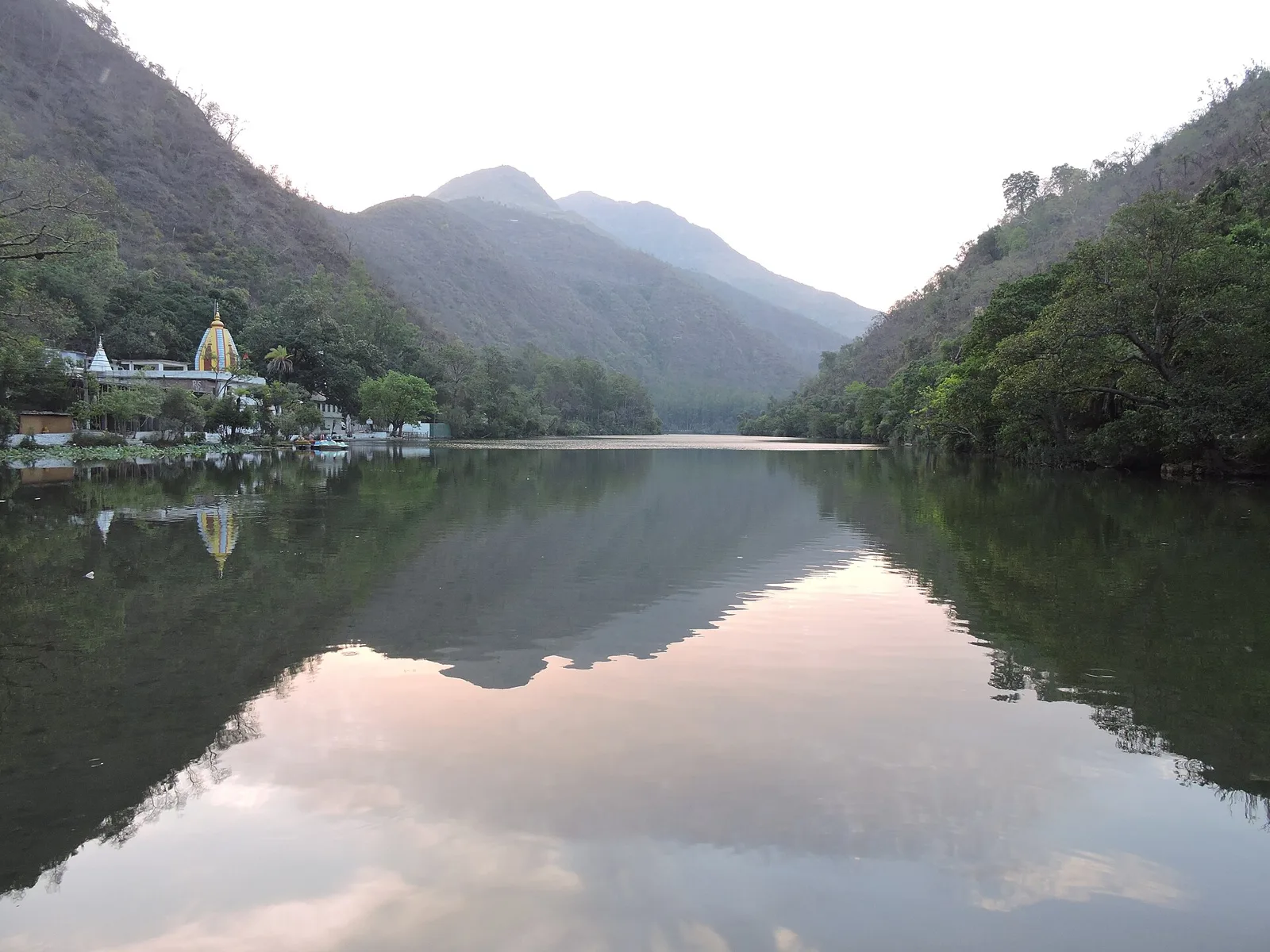
The Renuka Fair is held each November beside Renuka Lake, the largest natural lake in Himachal Pradesh, in a green valley of the Sirmaur district. The lake is regarded as a sacred form of Goddess Renuka, the mother of Lord Parshuram, and its outline is said to resemble a woman lying down. The fair celebrates the meeting of mother and son: every year, the idol of Lord Parshuram is carried in a palanquin from his temple at Jamu Koti to meet his mother at the lake. Devotees from across Sirmaur and the neighbouring hill and plains districts arrive for the occasion, many to take a holy dip in the lake. The fair lasts about five days and includes processions, cultural programmes and a busy market, and is a time when villagers, traders and pilgrims share the shore of the lake. It has a deeply emotional character, since the theme is a family reunion, and the quiet beauty of the water and forest makes the experience feel peaceful even during busy days.
Origins and legend

The fair is based on an old story from the Puranas, retold in the hills with local detail. Renuka was the wife of the sage Jamadagni and the mother of several sons, the youngest of whom was Parshuram, an avatar of Vishnu. In the best-known version, the king Sahasrabahu, also called Kartavirya Arjuna, came to the sage's hermitage and coveted the divine cow Kamadhenu, which could provide whatever was needed. When the sage refused to give her up, the king's men attacked, and Jamadagni was killed. In another telling, the sage, angered by something, ordered Parshuram to behead his mother, and Parshuram obeyed out of duty to his father, afterwards asking for a boon: that his mother be brought back to life. The sage granted it, and Renuka was restored.

Local tradition holds that Renuka chose the lake as her home, and that she promised to meet her son once a year. The lake itself, locals say, is the goddess in water form, and a nearby smaller lake, Parshuram Tal, is associated with her son. On the day of the fair, Lord Parshuram travels from Jamu Koti to see his mother, and their meeting is marked with devotion and tears. The story varies in details across the Puranas and local oral accounts, but the central ideas are constant: duty and sacrifice, the bond between mother and son, and a goddess who is both revered and loved.

How it is celebrated

The fair begins with the arrival of Lord Parshuram's palanquin, escorted by a procession of devotees from Jamu Koti, accompanied by drums, horns and chanting. The palanquin is brought to the lake and taken to the temples of Renuka Devi and Parshuram, where priests perform rituals. Other village deities may join the procession, and people line the route to see the palanquin pass. On the main day, thousands bathe in the lake at dawn and offer flowers, lamps and prayers. After the ritual meeting, the deity stays near the lake for several days while the fair continues. Around the lake the ground fills with stalls selling clothing, jewellery, toys, kitchenware and food, and cultural programmes are held in the evening. On the last day, Lord Parshuram is given a ceremonial farewell and carried back to Jamu Koti.

The cultural days

Culturally, the Renuka Fair is a showcase of Sirmauri life. In the evenings, stages near the lake host folk singers, dancers and musical groups from Sirmaur and nearby districts, and the programme often includes devotional music, folk ballads and the circle dance known as Nati. Local people wear traditional dress, and the audience often joins in. Competitions, including sports and rural games, take place during the day, and exhibitions by government departments, local artisans and self-help groups present crafts, agricultural produce and local products. Because the district borders the plains, visitors from Haryana, Uttarakhand and Punjab also take part, so the programmes sometimes show a blend of regional music. Families walk around the fair, buying bangles, toys and snacks, and the lake is lit with lamps in the evening, creating a warm and festive scene.

The pilgrimage days

The religious core of the fair lies in the bath and the meeting of mother and son. On the main day, pilgrims gather before dawn at the edge of the lake to take a holy dip, believing it brings merit and blessings, and then offer prayers at the Renuka Devi temple and the Parshuram temple on the shore. Many carry water or flowers as offerings, and women ask for blessings for their families. The meeting of the deities, when the palanquin of Lord Parshuram is brought before the goddess, is the emotional peak, and devotees often sing and chant as it takes place. A walk around the lake, about three kilometres, is a common devotional practice, and some people undertake it barefoot. Visitors can also see the nearby Parshuram Tal and the old temples around the lake, which add to the sacred atmosphere.

Food and flavours

Food at the Renuka Fair combines Sirmauri specialities and common fair snacks. Local dishes include patande, a thin wheat pancake often served with ghee or sweet fillings, and askalu, a fried rice-flour sweet. Siddu, the steamed stuffed bread found across Himachal, is served with ghee and chutney, and the festive dhaam of rice, dal, madra and sweet rice may be offered at community meals. Sirmaur is known for its ginger and garlic, which flavour many local dishes. Along the lake, stalls sell hot tea, pakoras, samosas, chaat, jalebi and sweets, and fruit sellers offer seasonal produce. Prasad at the temples is usually simple: sweets, fruit and dry fruits. Many pilgrims fast on the main day and break the fast with a simple meal. Water should be bottled or boiled, and visitors should eat at stalls with a good turnover, as crowds can be large.

Music, dance, art and dress

The music of the Renuka Fair draws on Sirmauri folk traditions. Drums, horns and flutes accompany the palanquin processions, and folk singers perform songs of devotion, love and village life in the Sirmauri dialect. The Nati dance, in which dancers form lines or circles and move to the rhythm of drums, is performed by groups of men and women wearing colourful costumes, and the dancing often continues late into the night.

Sirmauri dress combines woollen garments for the colder months with bright scarves and shawls. Men wear Pahari caps and woollen coats, while women wear traditional suits or wraps with silver jewellery. The palanquins carrying the deities are decorated with cloth, flags and ornaments, and the temple compound is hung with garlands and lights. Craft stalls sell items such as woollen shawls, wooden toys and bamboo or cane products. The lake is also surrounded by a protected forest, which provides a natural backdrop for photography.

Where to experience it

The fair is held on the shore of Renuka Lake, where the main temples, the fairground and the cultural stages are located. The Renuka Devi temple and the Parshuram temple are the key shrines, and a footpath around the lake allows a quiet walk. Boating is available at the lake, and the nearby Renuka wildlife area has a lion safari and a small zoo, which are popular with families. Parshuram Tal, a smaller lake, and the Jamu Koti temple of Lord Parshuram are also worth a visit if time permits. Beyond Renuka, Nahan, the district headquarters about 40 km away, has an old town, a palace and gardens, and Paonta Sahib, a famous Sikh shrine on the Yamuna river, lies within a few hours' drive. For the best experience, visit the lake early in the morning, when the water is calm and pilgrims arrive.

Visitor guide

  • Getting there. Renuka Ji is about 130 km from Chandigarh by road, a journey of three to four hours. Nahan is about 40 km away and Paonta Sahib about 45 km. The nearest major airport is Chandigarh, and Ambala and Dehradun are the main railheads.
  • Where to stay. There are a few hotels, tourism lodges and guest houses at Renuka Ji, which fill during the fair, so book ahead. Nahan and Paonta Sahib have wider choice.
  • What to wear and pack. November evenings are cool, and early mornings by the lake can be chilly. Bring a jacket, a shawl, comfortable footwear and a change of clothes if you plan to bathe.
  • Etiquette. Remove shoes at the temples, dress modestly, and avoid using soap or detergents in the lake. Do not litter the shore, and ask before taking photographs of devotees bathing.
  • Safety and comfort. The lake edge can be slippery, so take care when bathing and keep children close. Crowds are heavy on the main day, so arrive early and keep valuables secure.

Today and tomorrow

The Renuka Fair is now a major state-level event, with the district administration managing crowds, safety and cultural programmes. Its value lies in keeping a living story alive in a natural setting. The main challenges are pollution in the lake from crowds and offerings, and the pressure of commercial stalls. Local groups and authorities have promoted clean-up drives and waste management, and visitors can help by carrying their litter away and respecting the lake as a sacred place.

Nearby

Places to see around the festival