
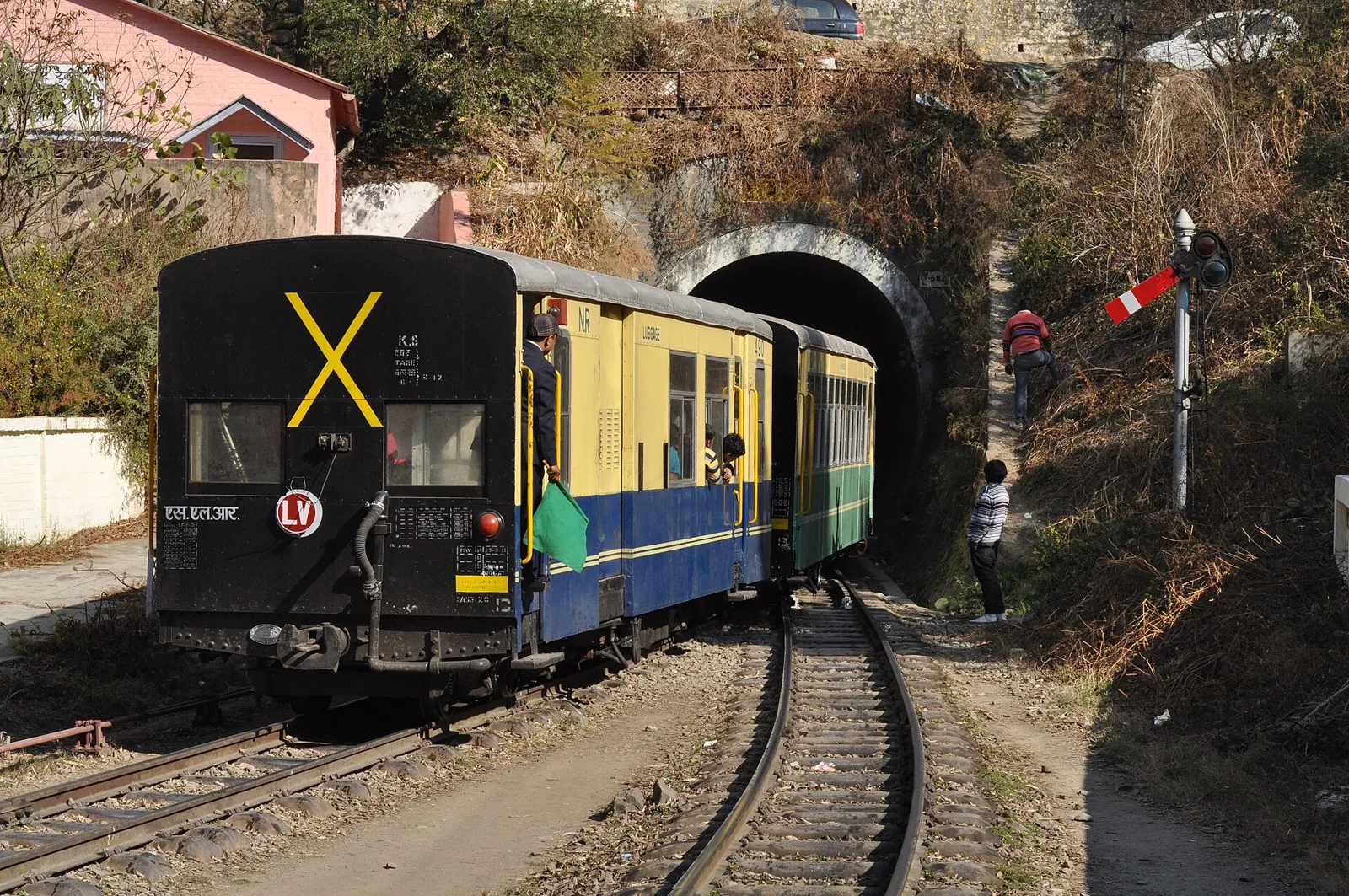
Kalka–Shimla Railway
This narrow-gauge railway connects Kalka and Shimla across the hills of northern India. Visitors travel the route for views of the mountainous landscape and nearby villages.
Key facts · verified by Ghumoopedia editors
- Type of place
- Natural attraction
- Best time to visit
- March to June and October to November for most hill towns; May to October for Lahaul-Spiti and high passes
- Nearest railway station
- Kalka · about 5 km (straight line)
- Verified
- 21 Nov 2026
Plan a trip from Kalka–Shimla Railway — a day-by-day route through places nearby.
Situated in Shimla district, Himachal Pradesh, the railway runs between Kalka and Shimla on a 2 ft 6 in (762 mm) gauge. Its route crosses mountainous terrain in northern India, passing hills and villages. Herbert Septimus Harington directed construction between 1898 and 1903. The line connected Shimla, then India’s summer capital under British rule, with the wider Indian railway network. Sharp, Stewart and Company made its early locomotives; larger engines were later supplied by the Hunslet Engine Company. Diesel locomotives entered service in 1955, with diesel-hydraulic models following in 1970. On 8 July 2008, UNESCO added the railway to the Mountain Railways of India World Heritage Site. Himachal's hill towns blend Hindu temple traditions, Tibetan Buddhist monasteries and village devta (local deity) customs, with fairs and festivals tied to the farming calendar. Altitude decides the weather: the Shivalik foothills are mild, Shimla and Manali are cool with winter snow, and Lahaul-Spiti is a cold desert closed by snow for months. The July–September monsoon brings landslides and road closures in the hills. The usual best time to visit is March to June and October to November for most hill towns; May to October for Lahaul-Spiti and high passes. Timings, fees and access arrangements must be confirmed locally. For official information, see Himachal Pradesh Tourism at https://himachaltourism.gov.in.
Why it matters
The Kalka–Shimla Railway is a historic narrow-gauge line linking Kalka with Shimla through the hills of Himachal Pradesh. Its 2 ft 6 in (762 mm) track and mountain route make it an important example of railway engineering adapted to steep terrain. Built to connect Shimla, the British Indian summer capital, with the wider rail network, it also remains a distinctive way to experience the hill landscape and settlements along the route. UNESCO added it to the Mountain Railways of India World Heritage Site in 2008, recognising its heritage value. The line is a working railway as well as a visitor attraction; services and access can change, so check current arrangements before travelling.
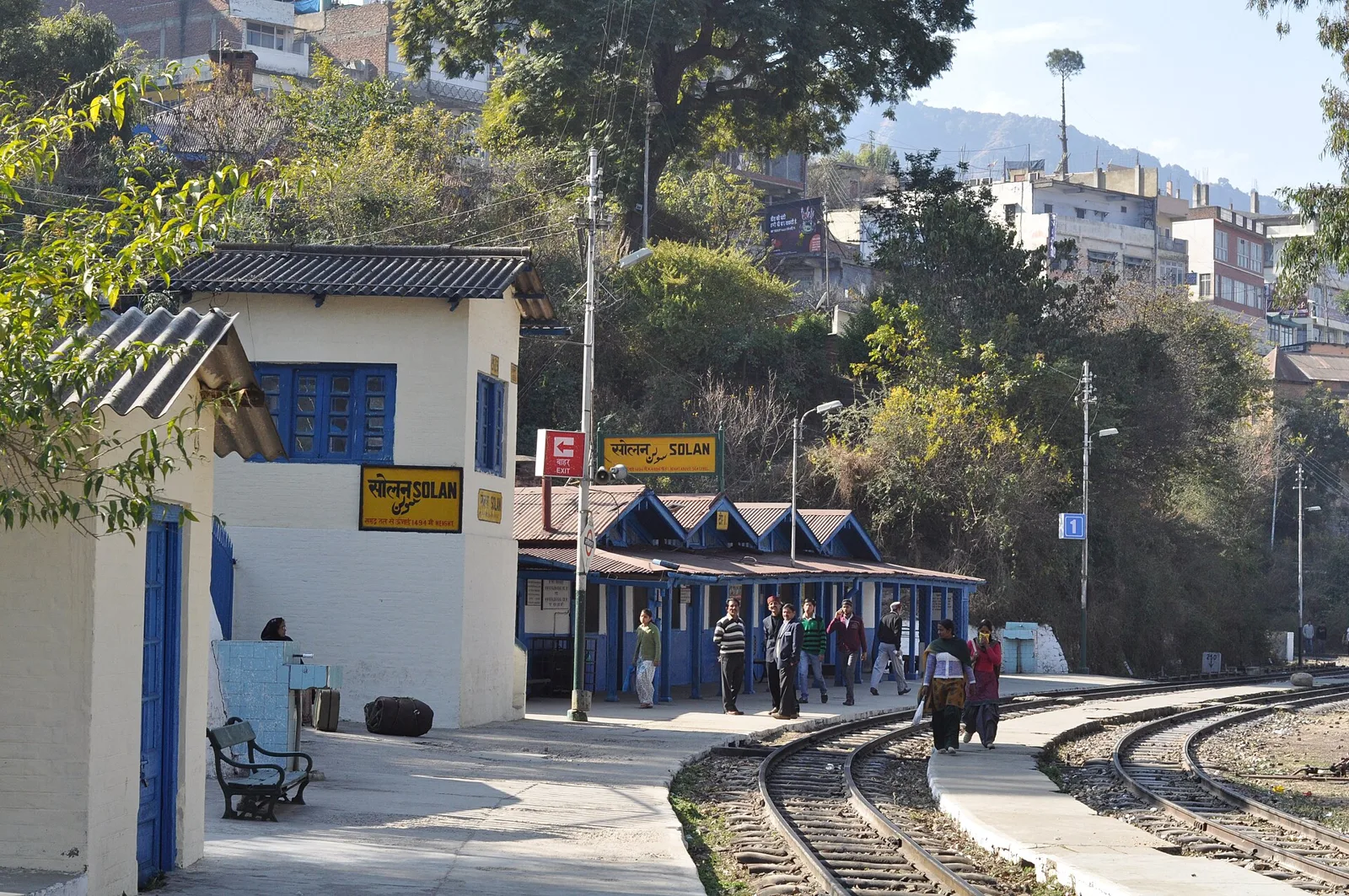
The railway was built to connect Shimla, the summer capital of British India, with the rail network at Kalka. Construction took place between 1898 and 1903 under the direction of Herbert Septimus Harington. Engineers had to plan a narrow-gauge route through mountainous terrain, crossing valleys and negotiating steep gradients with bridges, tunnels and curves. The line was built to a gauge of 2 ft 6 in (762 mm), and its construction formed part of a broader effort to improve access to Shimla. Early locomotives were manufactured by Sharp, Stewart and Company. As demand and operating needs changed, larger engines made by the Hunslet Engine Company were introduced. Diesel locomotives began operating in 1955, followed by diesel-hydraulic locomotives in 1970. The railway has continued as a functioning transport route and heritage journey, with maintenance needed to preserve its track, structures and historic character. On 8 July 2008, UNESCO included it in the Mountain Railways of India World Heritage Site. Visitors should distinguish the railway’s continuing operation and upkeep from any assumption that every historic feature or service is unchanged.
Origin stories & folklore
There is no widely established origin legend specifically about the Kalka–Shimla Railway. Local hill traditions, however, include stories and beliefs associated with village devtas, or local deities, and with the landscapes and settlements through which the railway passes. These traditions belong to the communities of the region rather than explaining the railway’s documented construction. Visitors may encounter shrines or hear local accounts while travelling, but customs and stories vary from village to village. Treat such accounts as living belief, ask before photographing religious observances, and avoid presenting them as historical evidence about the railway.
Explore Kalka–Shimla Railway slowly and read the interpretation boards or hire an authorised guide to understand its history. Check opening days and ticket counters in advance, as many monuments and museums close on one weekday and on public holidays. A comfortable itinerary is one main visit in the morning, a local meal at midday and a short nearby stop before an afternoon return. Use the district list on this site to find other places in Shimla, but check the actual road route and its condition before combining stops. If a festival or fair is on, local roads and stays can be busy — and the experience can be unforgettable. Leave no litter: many sites are protected by the communities around them.
Suggested itineraries
Half day: check service availability; visit the station and railway displays, then take a short train segment and return by train or road (allow several hours). Full day: board at Kalka or Shimla; enjoy the heritage rail journey and hill scenery; pause at an intermediate station only if the service and onward arrangements allow; finish with a meal near your destination station. Gentler option: take a seated train journey without planning multiple station stops, and arrange a taxi close to the departure and arrival stations to reduce walking.
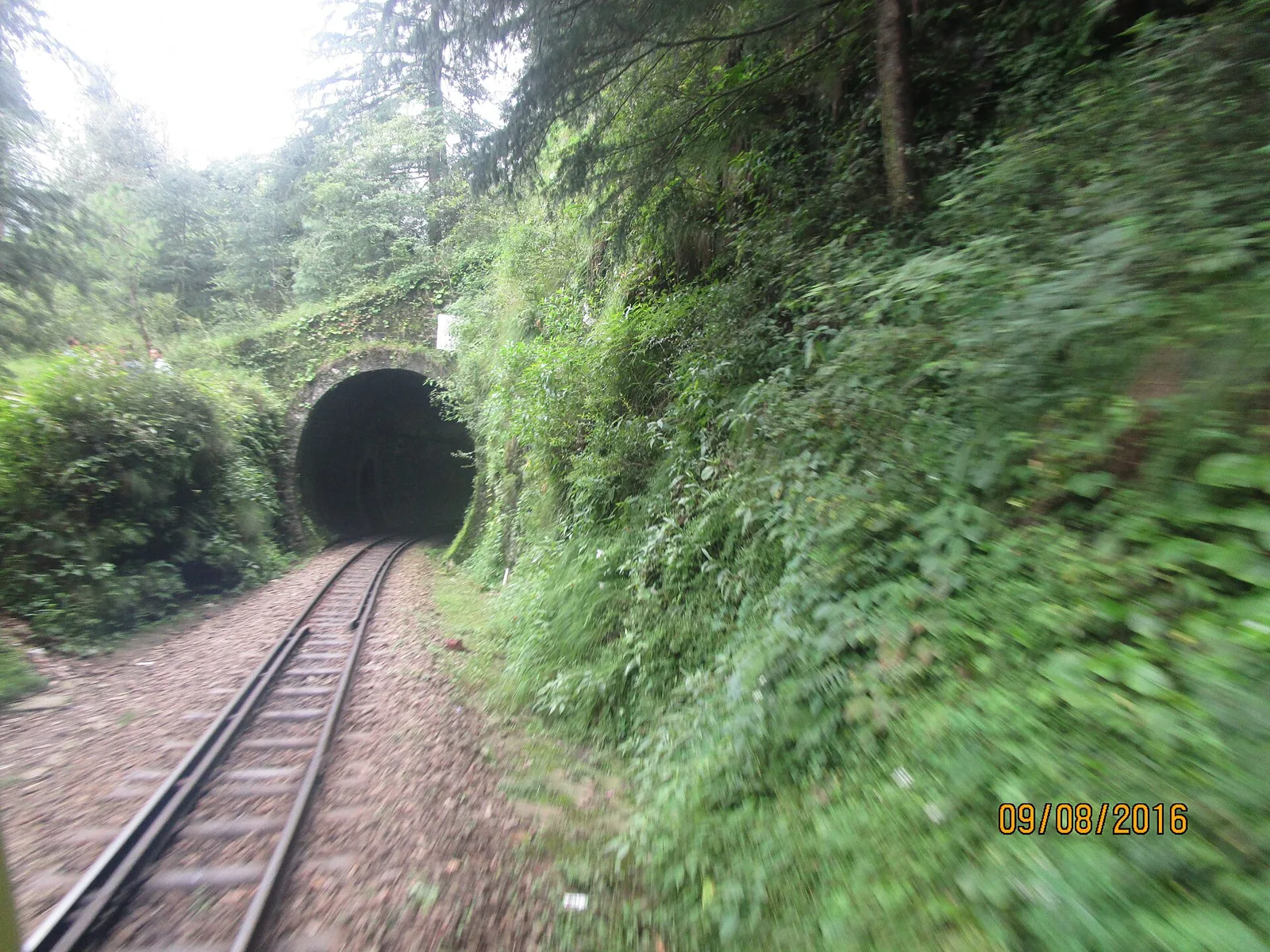
The railway passes through communities shaped by Himachali hill traditions, where Hindu temple customs, village-devta practices and seasonal fairs remain part of local life. Hindi and regional Pahari varieties are commonly heard in the wider area; English is also used in visitor-facing settings. Shimla’s public culture reflects its history as a hill station, while nearby settlements retain more locally rooted customs. Traditional clothing, including Himachali caps and shawls, may be worn on ceremonial occasions and sold in town markets. Music, dance and food traditions are most visible during community celebrations, rather than being staged as a regular part of the train journey.
Local communities
The railway connects Shimla with Kalka and serves residents as well as visitors. Communities along the route include people in hill towns and villages whose livelihoods may involve public services, farming, horticulture, transport, hospitality and small businesses. Railway staff, maintenance crews and station workers also sustain the line’s daily operation and heritage character. Shimla’s tourism economy supports guides, taxi operators, shopkeepers and accommodation providers. Local customs differ between settlements, so visitors should be considerate around homes, places of worship and community events, and should seek permission before photographing people.
Festivals & events
Festivals and fairs in Shimla and nearby communities follow religious and agricultural calendars, so their dates vary from year to year. Summer celebrations in Shimla, including the town’s cultural festival season, can bring performances and increased visitor activity. Local temple fairs and village-devta gatherings are held in different places and seasons; they are community occasions, not railway events. Dussehra and other Hindu festivals may also affect local travel and business schedules. During major celebrations, roads, accommodation and public spaces can be busier than usual. Confirm local arrangements and observe any guidance about access or photography.
Local food in Himachal Pradesh includes siddu (steamed stuffed bread), madra, dham (the traditional festive meal), chha gosht, trout from mountain streams, babru and fresh apples and apricots in season. Ask what is fresh that day; many small eateries cook a limited daily menu. Vegetarian travellers eat very well across this region, and most towns also have simple non-vegetarian dhabas. Remote sites may have no restaurant at all. Carry water and snacks, eat a proper breakfast before long drives, and ask your accommodation for a packed lunch if you are heading out early. Try a home-cooked or dhaba meal when you can — it is often the best food on the route. Choose busy, clean places and carry your packaging back to town.
Shopping & local experiences
Shimla’s central markets, including the Mall area and Lakkar Bazaar, offer opportunities to look for Himachali shawls, caps, woollens, woodcraft and locally made souvenirs. Designs and materials vary, so ask sellers about the origin of goods and choose items made or sourced responsibly. Food shops and cafés in town provide a convenient way to sample regional dishes and snacks, though menus differ. Smaller stations may have limited shopping, so buy essentials in Kalka or Shimla rather than expecting a wide choice during the journey. Avoid purchasing products made from protected wildlife or plants.
The railway crosses a changing Himalayan foothill and mid-hill landscape, with forested slopes, ridges, valleys and scattered settlements. Views from the route can include cultivated patches and wooded hillsides; vegetation varies with elevation and local conditions, and may include pine, oak and other Himalayan hill trees. The railway is a transport corridor, not a wildlife park, and sightings of birds or animals are never guaranteed. Seasonal weather changes the scenery: monsoon rain can bring mist, lush growth and landslide disruption, while winter can bring cold conditions and occasional snow around Shimla. Stay within passenger areas and do not leave litter along the line.
March to June and October to November for most hill towns; May to October for Lahaul-Spiti and high passes
The nearest principal railway station by straight-line distance is Kalka, roughly 5 km away. The nearest operating airport by straight-line distance is Shaheed Bhagat Singh International Airport, Chandigarh, roughly 25 km away. These figures are calculated from map coordinates — hill roads wind a lot, so actual road distance and travel time are usually much longer. Chandigarh, Kalka and Pathankot are the main rail gateways for the hills, and the Kalka–Shimla toy train is itself a heritage journey. For the final leg, Himachal Road Transport Corporation (HRTC) buses and shared taxis link district towns; shared taxis usually leave early in the morning. A private taxi gives more flexibility for remote sites. When comparing train, bus and flight, count the complete door-to-door time: a flight saves the most time only if the onward road transfer is short, while an overnight train plus a road journey can save a hotel night. Book your return before you leave, because seats fill quickly on weekends and holidays. Current train numbers, timings, return services and fares are not listed here; check IRCTC and NTES for trains and the airline's own schedule for flights. No permit is needed for Indian visitors to most of Himachal Pradesh. Some stretches near the international border in Kinnaur and Lahaul-Spiti may have check posts, and foreign nationals should check current registration rules for border areas before travel.
Confirm onward and return timings on IRCTC / NTES, the state bus operator or your airline before travel. A dash means current timings or fares have not been verified.
Getting around
At Shimla, taxis and local buses can connect the station area with the town and nearby points; walking is possible in parts of central Shimla, but steep streets and stairs are common. At Kalka, arrange onward travel by local taxi, bus or connecting train according to your route. Parking availability near stations can be limited or subject to local rules, so check before driving. Shared and private taxis serve many hill destinations, though road conditions can change. Do not walk along railway tracks or cross them except at designated public crossings.
Hours, tickets & permissions
The railway is a working transport service, so access depends on train operations, station arrangements and available tickets rather than a single attraction-wide visiting schedule. Passengers generally need a valid ticket for the journey; station access and any restrictions can vary. Camera or recording rules, baggage conditions and other railway policies may also apply. Confirm current services, ticketing, station access, hours and any fees with the railway’s managing authority before setting out. Weather, maintenance or operational changes may affect travel, and visitors should follow staff instructions on platforms and near the tracks.
Facilities
Stations usually provide basic passenger facilities, with the range varying by location. Larger stations and nearby towns are more likely to have toilets, refreshments, shops and places to obtain drinking water; availability at smaller stops may be limited. Food options and ATMs are easier to find in Kalka and Shimla than at intermediate stations. Parking, seating, accessible toilets and authorised guide services should be checked locally rather than assumed. Carry water and any essentials you may need during the journey, and use station facilities before boarding where practical.
Accessibility
The train journey allows visitors to experience the route while seated, but station access can involve steps, uneven platforms or gaps between platform and carriage. Shimla itself has steep streets, stairs and uneven walking surfaces, while station layouts differ along the line. Wheelchair and stroller access may therefore be difficult and should be confirmed with railway staff before travel; do not assume ramps or lifts are available. Older visitors or anyone with limited mobility may prefer a direct journey with assistance arranged in advance and minimal station changes. Shade and sheltered seating vary by station, and weather can make surfaces slippery.
No permit is needed for Indian visitors to most of Himachal Pradesh. Some stretches near the international border in Kinnaur and Lahaul-Spiti may have check posts, and foreign nationals should check current registration rules for border areas before travel. Carry a photo ID at all times and save the emergency number 112 and your accommodation's contact offline. Heat in summer and dense fog in winter are the main weather risks; carry water and allow extra travel time on foggy December–January mornings. Respect community rules, private property and posted instructions. Check official advisories for the region before travel, and follow local guidance if access changes.
Photography
Soft morning or late-afternoon light can bring out the hills and railway structures, while mist and changing cloud add atmosphere when conditions permit. Views from the train are part of the experience, but window reflections and other passengers may affect photographs. Follow railway rules on photography and never stand on tracks, lean out of a carriage or obstruct platforms. Drone use may be restricted by railway, aviation or local rules; check permissions before bringing one. Ask people before taking close portraits, and be especially respectful around temples, shrines and ceremonies.
Choose a stay by the full journey to Kalka–Shimla Railway, not just the district name. Main towns in Shimla usually offer hotels, state tourism lodges and guesthouses with better transport, meals and medical access, while village homestays offer a closer connection to local life. In the plains, check fans or air-conditioning in summer and heating in the December–January cold wave. Book in advance for weekends, festival dates and the peak season (March to June and October to November for most hill towns; May to October for Lahaul-Spiti and high passes). Confirm the exact location, meals included, check-in time and cancellation terms in writing. Many homestays accept payment on arrival; avoid sending money to unverified contacts. Mobile network and digital payments can be unreliable in remote areas, so carry some cash.
In Shimla, visitors can combine a railway journey with The Ridge, Christ Church and the Mall area, all central to the town’s heritage and public life. Jakhu Temple offers a hilltop visit, though reaching it involves an uphill route or local transport. Rashtrapati Niwas, also known as the Viceregal Lodge, is another notable heritage site; confirm visitor access before planning around it. Tara Devi Temple is another destination in Shimla district. These places are not all next to the railway station, so check road routes and conditions before combining them, especially during monsoon weather.
For couples, Kalka–Shimla Railway rewards a slow pace: arrive early for soft light and fewer crowds, share a local meal and keep the evening free. Public displays of affection can be frowned upon in conservative communities and at religious sites, so be discreet. A homestay or a small heritage hotel can make the trip memorable — confirm privacy, hot water and transport back. Keep a buffer in your itinerary, because weather and traffic can delay plans in Himachal Pradesh.
Q: How much time should I allow for the railway? A: A full Kalka–Shimla journey takes much of a day; a shorter segment can suit a half-day visit if services and return travel align. Q: What is the best season to visit? A: March to June and October to November are generally comfortable for Shimla, but check for monsoon disruption from July to September and cold or snow in winter. Q: Is there an entry fee? A: The railway is a passenger service, so a valid ticket is generally needed to travel. Confirm current ticketing and station-access rules with the railway authority. Q: Is it suitable for children and older visitors? A: A seated journey can suit many visitors, but station steps, platform gaps and steep town streets may be challenging. Plan assistance and breaks as needed. Q: Where can I stay nearby? A: Shimla and Kalka have accommodation options, with a wider range in Shimla. Book ahead during holidays and major festivals, and check how far lodging is from your station.
Be the first to share photos, stories, advice or a helpful contact for Kalka–Shimla Railway.
Loading…