
Ghumoopedia — Explore, Discover, Experience
Sign in

Fair & Mela · Himachal Pradesh

Shoolini Mela

Thodo Ground, Solan

Dates

Last verified 17 November 2026. Confirmed: announced by organisers or government. Provisional: from a published almanac, not yet announced. Seasonal: no date announced.

The complete guide

Shoolini Mela: everything to know before you go

Also known as
Shoolini Mela; Shoolini Fair; Solan Shoolini Mela
State and district
Himachal Pradesh; Solan district (Solan town)
When
June, usually in the second or third week
Duration
3 days
Faith and community
Hindu; local Pahari communities of Solan, with devotion to Goddess Shoolini Devi
Type
Religious fair with cultural and sports events
Entry
Free
Best for
A small-town hill fair, goddess procession, wrestling, folk music, easy access from Shimla and Chandigarh

Overview

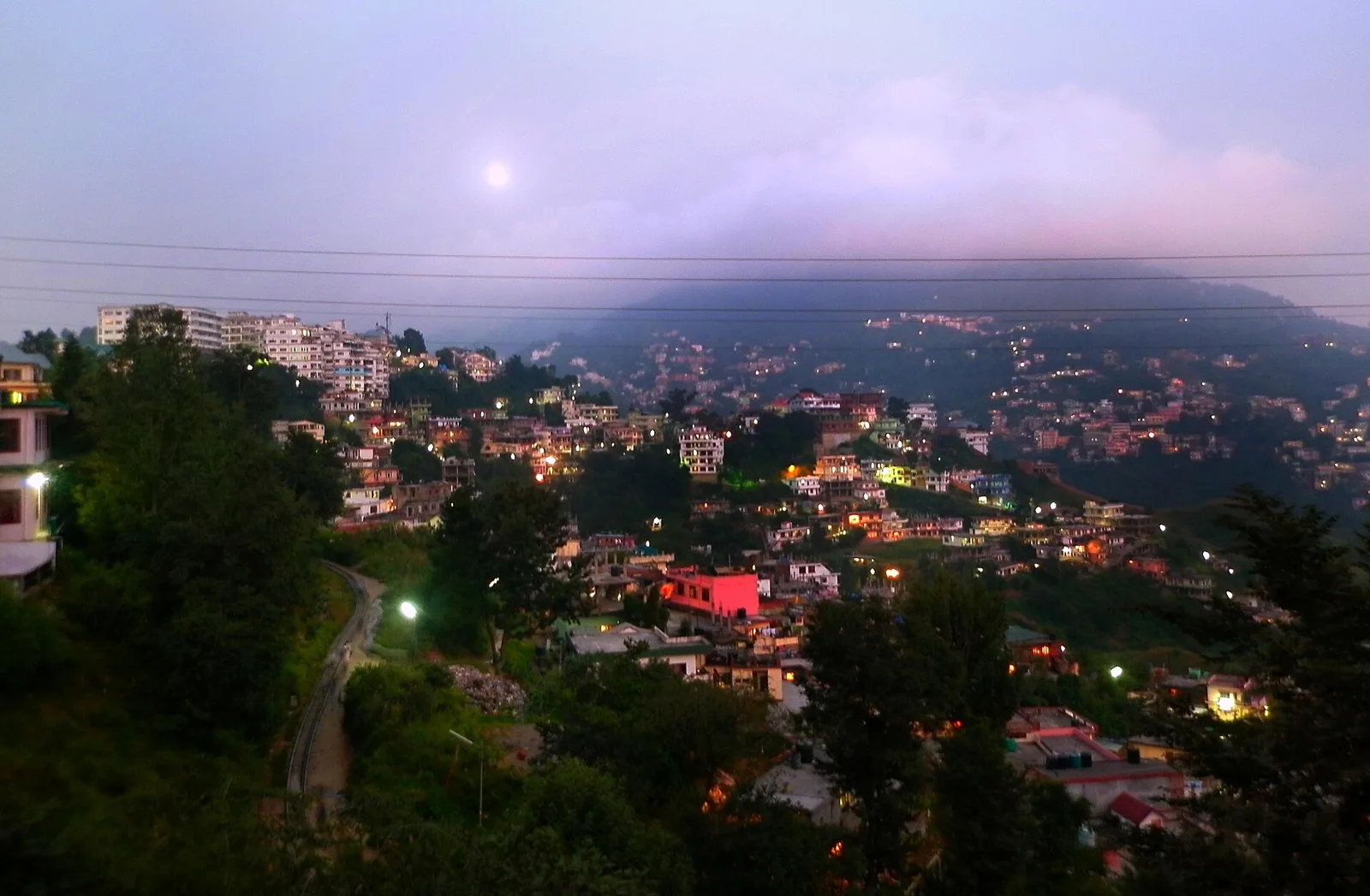
The Shoolini Mela is the festival of Solan, a bustling hill town in the foothills of Himachal Pradesh. For three days each June, the town honours its guardian goddess, Shoolini Devi, with a palanquin procession, music, sports and a lively fair. The goddess is carried from her temple to the open fairground, where she stays for the duration of the festival so that people can pay their respects. The town, normally busy with traffic and trade, takes on a festive mood, with shops decorated, stalls set up and people from surrounding villages coming in to join the celebration. Solan is known for its tomatoes, which have earned it the nickname of the city of red gold, and as a centre of mushroom cultivation, and the fair reflects its mix of rural and urban life. The festival is smaller than the great fairs of Kullu or Mandi, but it has a warm, local feel, and it is a good way to meet the people of the town and see how a modern hill town stays connected to its traditions.
Origins and legend

The goddess Shoolini Devi is the protector of Solan, and the town is believed to take its name from her. She is the family deity of the former Baghat rulers, whose small hill state had its capital in the area, and she is revered by the people of the region as a powerful mother goddess who guards the community from harm. Accounts of how she came to Solan vary. According to local tradition, the goddess was brought to the area and installed by the ancestors of the Baghat rulers, and her temple became the centre of the town's religious life. Some stories link her with the group of sister goddesses worshipped across the hills, each one watching over a different territory.

The fair is said to have begun as a royal ceremony, in which the ruler and the people honoured the goddess once a year at the start of summer and prayed for protection, good rains and a healthy harvest. As the princely states were absorbed into modern India, the fair passed to the community and the district administration, who now organise it with the help of the temple committee. The details of the legend vary between sources and storytellers, and it is best understood as an oral tradition that links the town's identity to its goddess. What remains constant is the belief that the goddess leaves her temple once a year to be among her people, and that the fair is her annual visit to the town.

How it is celebrated

The fair begins with a ritual at the Shoolini Devi temple, where priests worship the goddess and prepare her palanquin. Accompanied by drums, horns and devotees, the palanquin is carried in a procession through the streets of Solan to the open fairground, usually known as the Thodo ground. People line the route to offer flowers and coins and to seek blessings. At the ground, the goddess is installed in a decorated spot, and for three days people come to pay their respects. Around her, the fair comes alive with stalls selling clothes, toys, household items and food, swings and rides for children, and temporary stages for performances. On the final day, the goddess is taken back to her temple in a procession, and the fair ends with music and a final round of celebration.

The cultural days

The cultural days of the Shoolini Mela mix tradition with entertainment. Each evening, performers from Himachal Pradesh, and sometimes from other states, present folk songs, devotional music and dances on the stage, and local school and college groups also take part. Nati and other Himachali folk dances are popular, and singers present songs in the local Pahari dialects. During the day, there are sports events, including traditional wrestling bouts known as dangal, kabaddi and other rural games, which draw large and loud crowds. Exhibitions by government departments and local organisations display crafts, farm produce and local enterprise, with special attention to Solan's tomatoes and mushrooms. The days are full of movement and conversation, and for visitors it is a chance to see the town's social life in one place.

The pilgrimage days

For devotees, the fair is a chance to be close to the goddess. The Shoolini Devi temple is busy throughout the festival, and people line up to offer flowers, coconuts, sweets and prayers, and to ask for protection for their families and crops. The days of the goddess's stay at the fairground are especially important, since people believe her presence brings blessings to the whole town. Families often visit together and make small offerings, and many fast or perform special rituals. The procession from the temple to the ground and back is the most important ceremony, and watching the goddess pass under flowers and flags is a moving experience for many. Priests conduct regular worship, and the atmosphere is both devotional and friendly, with neighbours greeting each other and sharing prasad.

Food and flavours

Food at the Shoolini Mela is the food of a Himachali small town. Stalls sell hot snacks such as pakoras, samosas, chaat, kachori and momos, as well as sweets like jalebi, gulab jamun and laddoos. For a taste of the region, look for siddu with ghee, chana madra (chickpeas in yoghurt gravy) and rajma with rice, which are popular at lunchtime. As Solan is a centre for mushrooms and tomatoes, you may find mushroom dishes and fresh tomato-based chutneys and salads at local eateries. Community meals of dhaam are sometimes served at temples and halls. Seasonal fruit, such as plums, peaches and cherries from nearby orchards, may be sold from baskets, and sugarcane juice and lassi are common in the June heat. Choose busy stalls, drink bottled water and carry some cash, as small vendors may not take cards.

Music, dance, art and dress

The soundtrack of the fair is a mix of the temple's ceremonial music and the folk music of the stage. During the procession, drums, horns and cymbals accompany the palanquin, and the beat quickens as the goddess reaches the ground. In the evenings, singers perform Himachali folk songs and devotional hymns, and dancers perform Nati and other circle dances in bright costumes. Local artists often take the stage alongside well-known performers.

Dress is a mixture of old and new. Many men and women wear festive clothes, with men often in the Himachali cap, and women in colourful suits or traditional wraps with silver jewellery. The palanquin of the goddess is decorated with cloth, flowers, silver ornaments and flags, and the temple is lit with lamps and garlands. Stalls and exhibitions show local crafts, woollens and wooden items, and the fair is a good place to buy small souvenirs from the region.

Where to experience it

The fair centres on two places: the Shoolini Devi temple, where the ceremonies begin and end, and the Thodo ground, the open space where the goddess stays and the stages and stalls are set up. Both are within the town, and can be reached on foot from the main market. While in Solan, you can also visit the old market, which has local food and shops, and learn about the town's tomato and mushroom industries. Near Solan, the hill station of Kasauli, about 40 km away, offers pine forests and colonial buildings, while Shimla is about 45 km to the north. Chail and Barog are also within a short drive. For a calm start, visit the temple in the early morning before the crowds arrive.

Visitor guide

  • Getting there. Solan is about 65 km from Chandigarh and 45 km from Shimla, on the main highway between the two. Kalka is the nearest major railhead, around 45 km away, and Chandigarh has the nearest major airport.
  • Where to stay. Solan has hotels and guest houses in various price ranges, which can fill during the fair. Kasauli, Shimla and Chandigarh are good alternatives.
  • What to wear and pack. June in Solan is warm and can be humid, and sudden showers are possible as the monsoon approaches. Bring light cotton clothes, a hat, sunscreen, an umbrella and comfortable shoes.
  • Etiquette. Remove shoes at the temple, dress modestly, and follow the instructions of the temple staff during the procession. Do not touch the palanquin and ask before photographing devotees.
  • Safety and comfort. Streets are crowded during the procession, so keep valuables secure and stay hydrated. Traffic on the highway can be heavy, so allow extra time.

Today and tomorrow

The Shoolini Mela has become one of the best-known fairs in the lower hills, and it continues to bring the people of Solan together. As the town grows and more residents come from elsewhere, the fair is an important way to keep the connection to the goddess and the old traditions alive. The challenges are traffic, waste and the pressure of commercialisation, and the organisers have tried to manage these with better planning. For the future, the aim is to keep it a community festival, with room for local artists and craft makers, while welcoming visitors who come to learn.

Nearby

Places to see around the festival