
Ghumoopedia — Explore, Discover, Experience
Sign in

Religious · Himachal Pradesh

Losar & Halda

Lahaul, Spiti and Kinnaur

Dates

Last verified 17 November 2026. Confirmed: announced by organisers or government. Provisional: from a published almanac, not yet announced. Seasonal: no date announced.

The complete guide

Losar & Halda: everything to know before you go

Also known as
Losar (Tibetan Buddhist New Year); Halda (the Lahauli new year festival)
State and district
Himachal Pradesh; Lahaul and Spiti and Kinnaur districts (Losar); Lahaul (Halda)
When
Halda: around December–January. Losar: usually between late January and March, depending on the lunar calendar and the valley
Duration
From one to several days, with monastery rituals sometimes lasting longer
Faith and community
Buddhist (Tibetan Buddhism) communities, with Hindu and Buddhist families in Lahaul taking part in Halda
Type
New Year and winter festival
Entry
Free; village and monastery events
Best for
Monasteries, masked dances, torch-lit processions, winter in the Himalaya

Overview

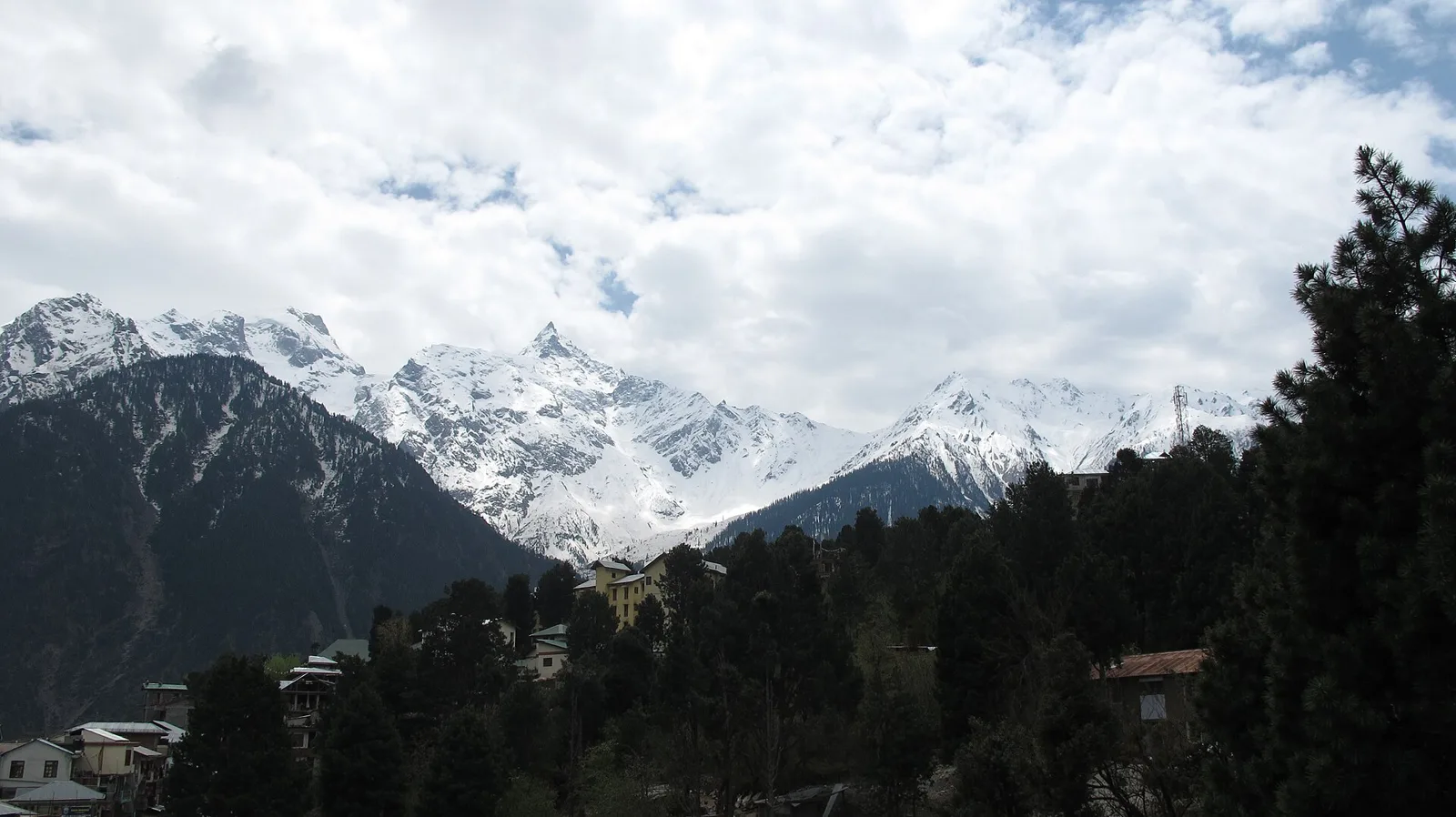
Losar and Halda are the new year celebrations of the Buddhist communities of Himachal's high valleys. Losar, the Tibetan New Year, is observed in the monasteries and villages of Spiti, Lahaul and parts of Kinnaur with prayers, feasts, family gatherings and masked dances. Halda is the Lahauli festival, held in winter, in which villagers light torches of cedar and walk through the night in procession to drive away evil and welcome the new year. Both festivals come at the coldest time of the year, when the valleys are quiet, the roads are often blocked and families stay together indoors. They give a sense of warmth and renewal in a harsh season. For visitors, they offer a rare winter view of a Himalayan culture that is often seen only in summer, and the landscapes under snow are strikingly beautiful. Plans need care, because winter travel in these valleys can be difficult, but the experience is memorable.
Origins and legend

Losar is the Tibetan New Year, and its roots lie in the culture of Tibet. According to tradition, the festival has pre-Buddhist origins, linked to winter rituals in which people burned incense and made offerings to local spirits and deities. With the arrival of Buddhism in Tibet, these customs were absorbed and reshaped into a Buddhist festival of cleansing, prayer and renewal. As Tibetan Buddhism spread across the Himalaya, including to Spiti, Kinnaur and Lahaul, Losar became part of the local calendar, and each valley added its own customs. Dates vary because the festival follows the lunar calendar and local reckoning.

Halda has a more local character. Its origins are described in oral tradition, and the explanations vary from village to village. A common thread is that fire is used to drive away evil spirits and misfortune from the old year and to welcome light and good fortune for the new one. Torches of cedar wood, called halda, are carried through the village to a common site, where they are piled into a bonfire. The festival is also said to preserve very old pre-Buddhist and Hindu ideas about the sun and winter, which blend with Buddhist practice in Lahaul. Because both Hindu and Buddhist communities live in the valley, Halda shows how they share festivals as neighbours.

How it is celebrated

Losar preparations begin days before the new year, with families cleaning the house, decorating it with auspicious symbols and preparing food. On the eve, people eat a special soup or stew, and on the first day, families gather at the household altar to offer food and lamps and greet each other with Tashi Delek, a wish for good fortune. Monasteries hold special prayers, ceremonies and chanting. Villagers visit relatives and neighbours, exchange gifts and share meals. In Halda, villagers prepare bundles of cedar twigs in the days before the festival. On the chosen night, they light them, walk in procession through the village with the torches, and gather at an open place where the torches are thrown on a common fire. Singing, dancing and a shared meal follow.

The cultural days

The cultural days of Losar and Halda are family-centred and communal. After the rituals, people gather in homes and courtyards to sing, dance and share food, often through the night. Monasteries may stage the masked dance known as Cham, in which monks in elaborate costumes and masks perform stories of the triumph of good over evil, with cymbals, drums and long horns. Villagers also sing folk songs, perform circle dances and play traditional games, and children go from house to house. In Lahaul, the torch procession of Halda is a striking sight against the snow, and the songs sung around the fire connect the community. Because these are family occasions, visitors are usually guests of a local host, and the best way to take part is to accept invitations politely and observe local customs.

The pilgrimage days

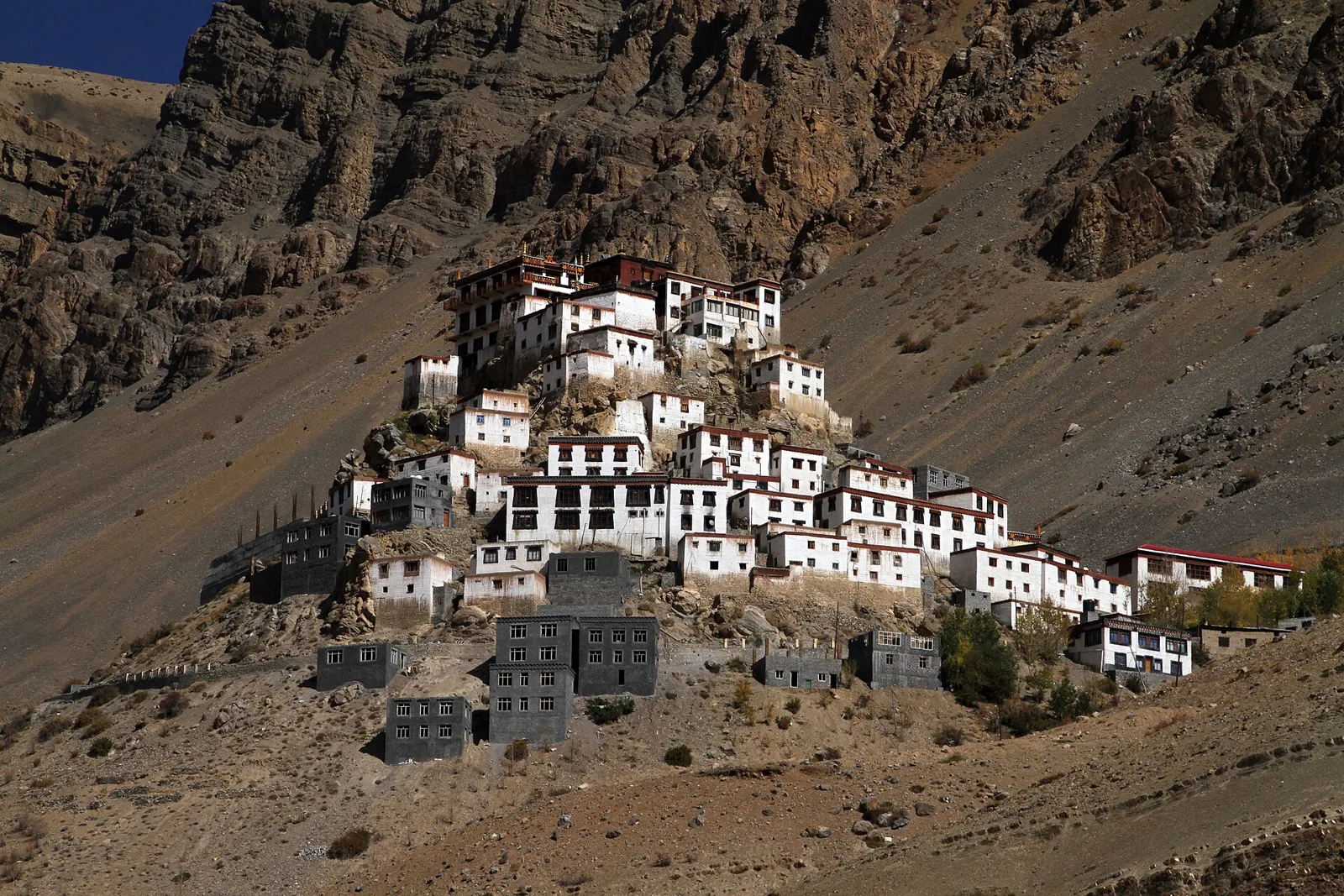
The religious side of these festivals centres on the monasteries. Many people visit them on the first days of the new year to offer butter lamps, scarves and prayers, and to ask for blessings. Key Monastery in Spiti, Tabo Monastery, founded in the tenth century and one of the oldest in the Himalaya, Dhankar Monastery perched on a cliff, and the monasteries of Lahaul such as Kardang and Shashur are important sites. In Lahaul, the Trilokinath temple at Udaipur is revered by both Hindus and Buddhists, a symbol of shared faith. Pilgrims may also turn prayer wheels, circle stupas and chant mantras. Some monasteries hold special rituals for protection and long life, and the prayer flags that flutter above the villages are renewed to carry good wishes on the wind.

Food and flavours

Winter food in the high valleys is warm, filling and designed for the cold. The festival meals include thukpa, a noodle soup, and momos, dumplings stuffed with vegetables or meat. In Spiti, khambir, a thick local bread, is eaten with butter and tea, and skyu, a hearty stew with small pieces of dough, is a winter dish. Tsampa, roasted barley flour mixed with butter tea, is a staple, and butter tea itself is served throughout the day. Families make special dishes at Losar and share them with guests. Sweet items and dried fruits are offered at the altar and then eaten. Chhang, a mild barley beer, is shared in moderation. In Lahaul, local breads and meat dishes appear at Halda feasts. Hospitality is generous, and a host will often refill the cup or plate several times, so a polite guest should be prepared to eat slowly and gratefully.

Music, dance, art and dress

The Cham dance is the best-known performance, with masked dancers in brocade robes moving to the sound of cymbals, drums, conch shells and the long horns called dungchen. Masks depict deities, protectors and animals, and the dance is both a prayer and a spectacle. Folk songs, performed by villagers in the evenings, are usually accompanied by drums and flutes, and circle dances bring everyone into the circle.

Art is everywhere in the monasteries: wall paintings, thangka scroll paintings, prayer flags in five colours, mandalas, and torma, sculpted offerings made from dough and butter. Dress for the festival is warm and colourful. Men wear the chuba, a long woollen coat, with caps and boots, while women wear woollen robes, aprons and headdresses decorated with turquoise, coral and silver. Visitors may be shown these clothes with pride and are welcome to admire them.

Where to experience it

In Spiti, the best bases are Kaza and the villages around Key Monastery, Kibber, Langza and Tabo, as well as Dhankar. In Lahaul, Keylong is the district headquarters, and the monasteries of Kardang, Shashur and Guru Ghantal are within reach, while the Trilokinath temple at Udaipur is a good stop for its shared Hindu and Buddhist worship. In Kinnaur, Nako, with its lake and old monastery, and the villages around Kalpa have their own Losar observances. Since the festivals are village-based, it is wise to contact local homestays or monasteries in advance to find out which events are open to visitors. The Atal Tunnel under the Rohtang Pass has made Lahaul reachable from Manali in winter, although conditions can still change quickly.

Visitor guide

  • Getting there. Keylong is about 115 km from Manali via the Atal Tunnel. Spiti is usually reached in winter via Shimla and Kinnaur, a long journey of 400 km or more to Kaza, as routes over the high passes close with snow. The nearest airport is Bhuntar in Kullu, though flights and roads can be disrupted.
  • Where to stay. Many guest houses close in winter, so book a homestay or a hotel that you have confirmed is open. Heating and hot water can be limited.
  • What to wear and pack. Temperatures can fall far below freezing. Pack thermals, a down jacket, insulated boots, gloves, a woollen cap, sunglasses and sunscreen.
  • Etiquette. Walk clockwise around stupas and prayer wheels, remove shoes and hats in monasteries, and ask before photographing monks or dances. Do not touch masks, robes or offerings. Accept food and drink with both hands.
  • Safety and comfort. Altitude sickness is a risk, so acclimatise and carry basic medicines. Roads may be closed by snow and power cuts are common. Foreign nationals may need permits for some areas, so check in advance.

Today and tomorrow

Both festivals are living traditions, but winter makes them fragile. Many families spend part of the year in lower towns, and young people often work elsewhere, which puts pressure on village life. Better roads and winter access, such as the Atal Tunnel, have brought more visitors and could help support homestays and monasteries, but they also bring the risk of crowding and disturbance. Communities and monasteries are working to record songs, dances and rituals, and many see these festivals as a way to keep their identity strong.

Nearby

Places to see around the festival