
District · Chandigarh
Chandigarh
Chandigarh is a union territory in northwestern India and serves as the shared capital of Punjab and Haryana.
Chandigarh lies on the plains beside the Shivalik foothills, with Sukhna Lake and the wooded slopes of Sukhna Wildlife Sanctuary at its northern edge. Planned after Partition as the new capital of Punjab, it took shape from the 1950s under the direction of Le Corbusier and a team of architects that included Pierre Jeanneret, Jane Drew and Maxwell Fry. Since Haryana was formed in 1966, Chandigarh has served as the shared capital of Punjab and Haryana while remaining a Union Territory. Its orderly sector plan, broad avenues, gardens and civic buildings give it a distinctive modern character. The Capitol Complex is a UNESCO World Heritage site; markets, museums and green spaces add to the city’s everyday life.
Chandigarh is a union territory in northwestern India and serves as the shared capital of Punjab and Haryana. Its planned urban form, civic architecture and extensive parks make it distinct from many older Indian cities. Visitors come for the work of Le Corbusier and his collaborators, including the Capitol Complex, as well as for the Rock Garden, Sukhna Lake and the city’s gardens and museums. The nearby Shivalik foothills and Sukhna Wildlife Sanctuary add opportunities for nature-focused outings. Chandigarh also works as a convenient base for exploring the wider tri-city region, including nearby towns in Punjab and Haryana.
The Chandigarh region was part of the wider Punjab area before British rule and later formed part of British-administered Punjab. The city itself was planned after the 1947 Partition, when the division of Punjab left the Indian state without its former capital, Lahore. Work on a new capital began in the late 1940s. An initial plan was prepared by American planner Albert Mayer and architect Matthew Nowicki; after Nowicki’s death, Le Corbusier led the later planning and design, working with collaborators including Pierre Jeanneret, Jane Drew and Maxwell Fry. The plan organised the city into sectors, with a separate Capitol Complex for government institutions. Chandigarh became Punjab’s capital in the 1950s. In 1966, the reorganisation of Punjab created the states of Punjab and Haryana, while Chandigarh became a union territory and their shared capital. The present district covers the union territory, whose planned core remains central to its identity.
16 destination guides · 12 on the map
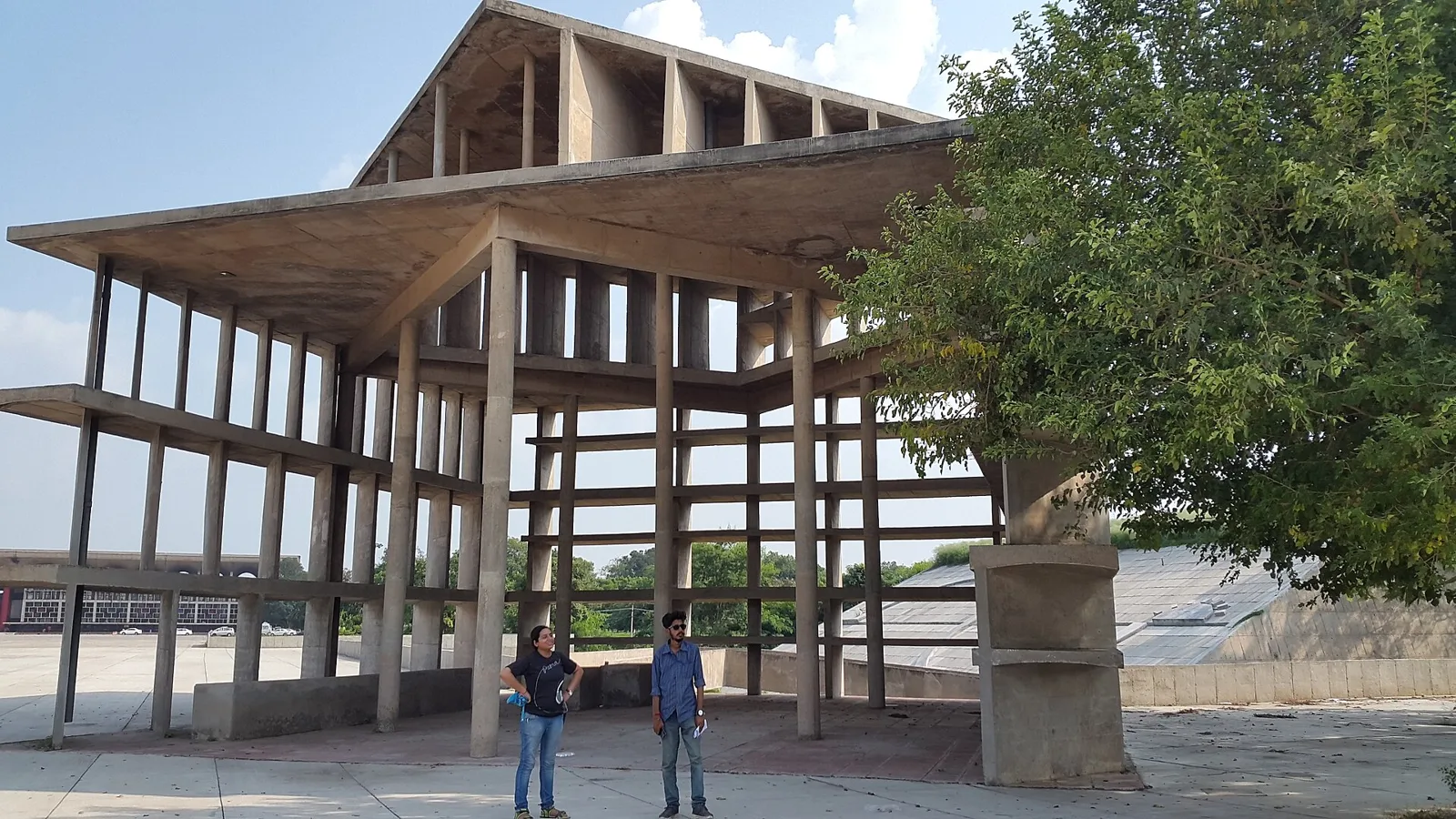
Capitol Complex (UNESCO)
Chandigarh’s Capitol Complex is a group of government buildings and monuments planned by Le Corbusier and his colleagues. Visitors come to see its modernist design, recognised as part of a UNESCO World Heritage listing.
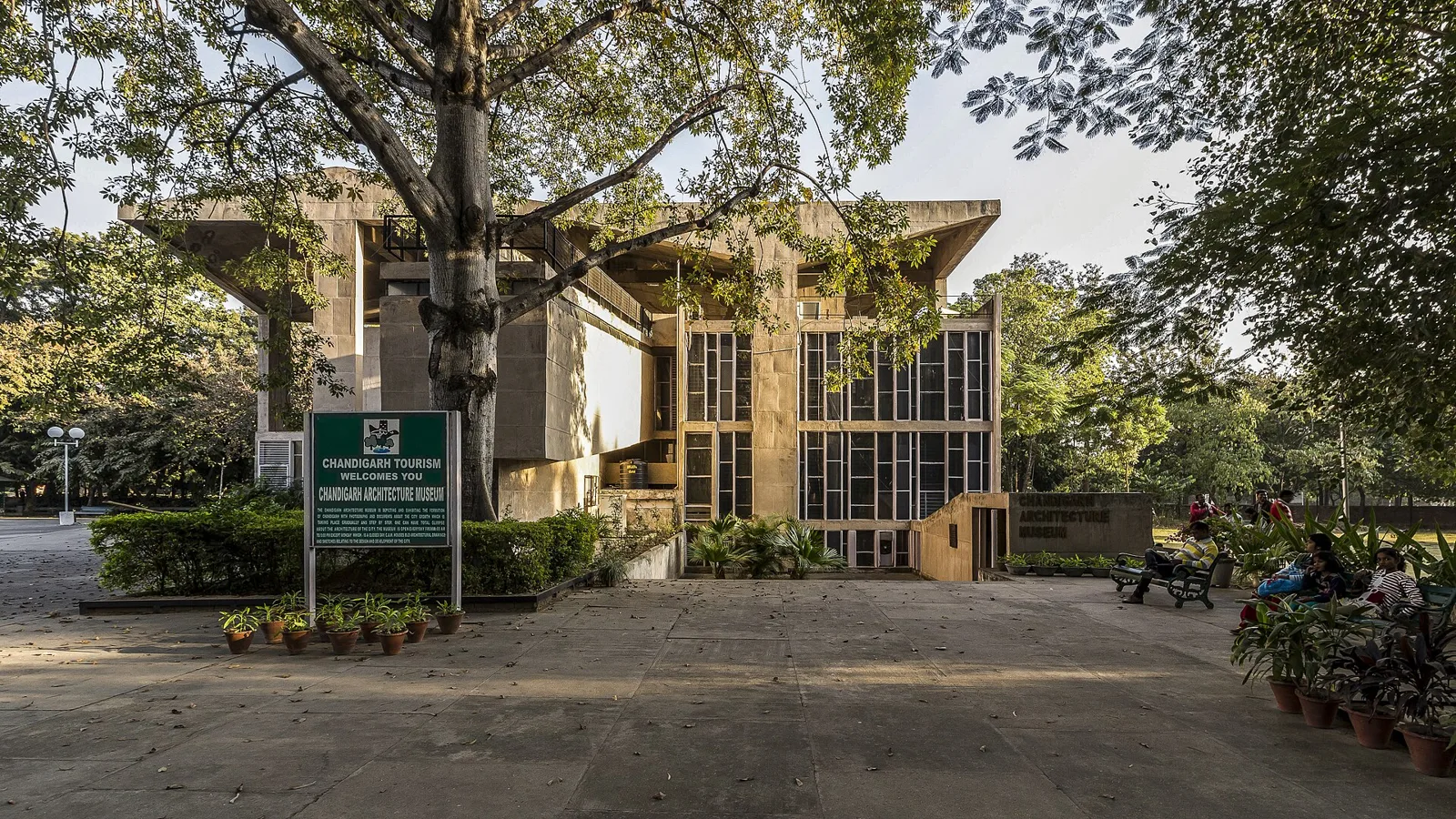
Chandigarh Architecture Museum
The Chandigarh Architecture Museum is a museum and cultural venue in Chandigarh. Visitors with an interest in architecture may come to explore it as part of the city’s cultural life.
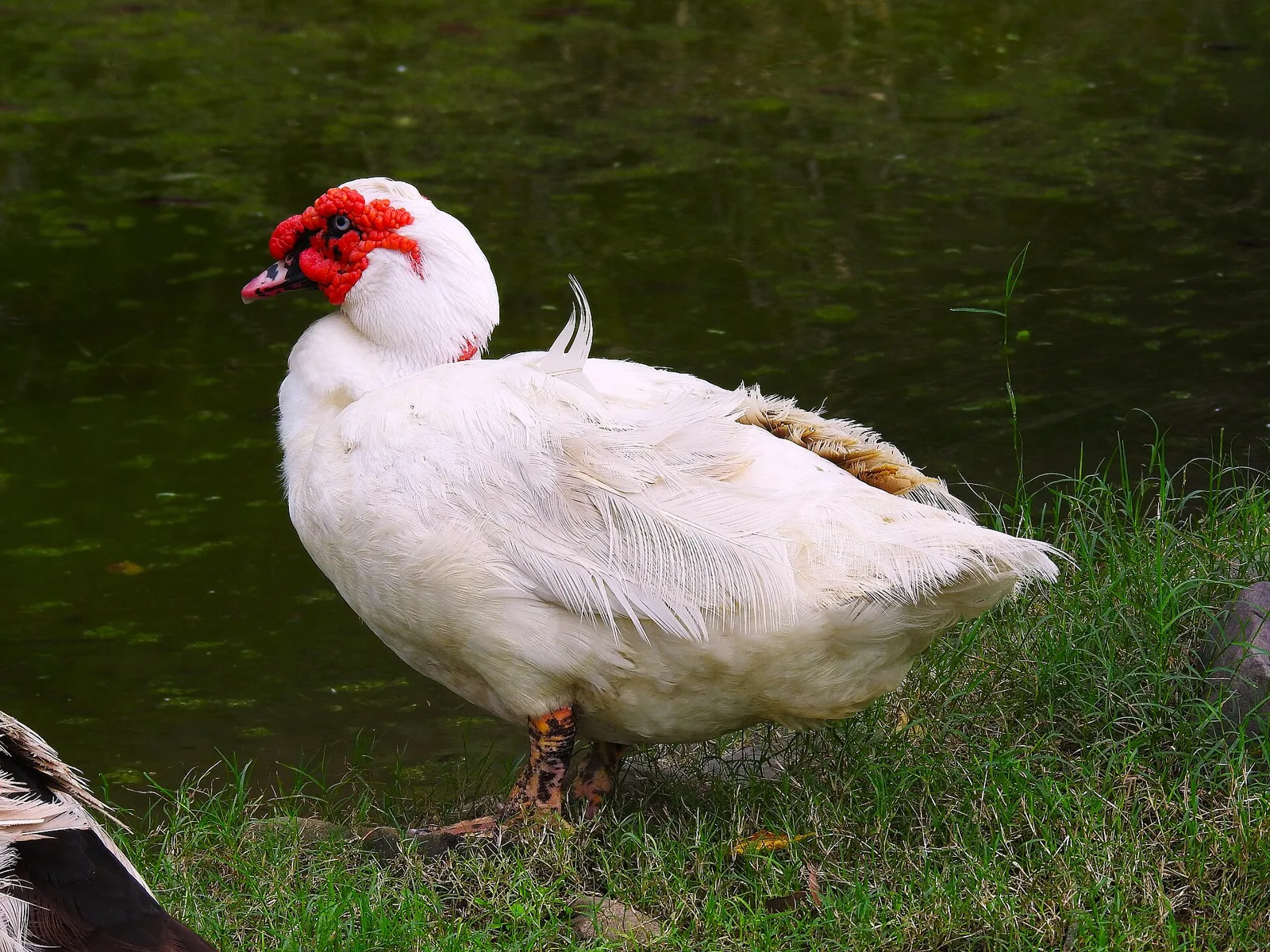
Chandigarh Bird Park
Near Sukhna Lake in Sector 1, Chandigarh, this bird attraction offers visitors a chance to observe a varied collection of aquatic, land-dwelling and tame birds.
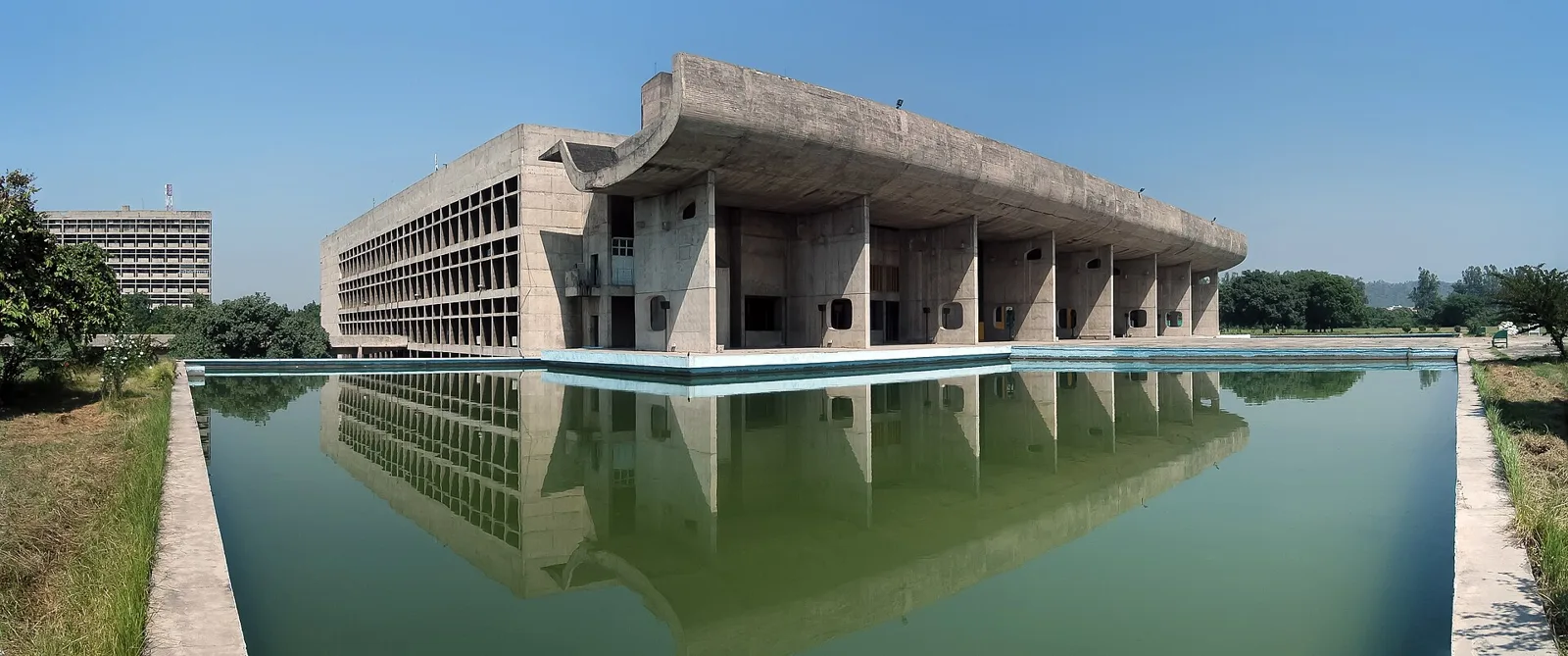
Chandigarh city
Chandigarh is a city and Union Territory that serves as the capital of Punjab and Haryana. Visitors can explore its modernist plan and buildings designed by a team of Indian and European architects.
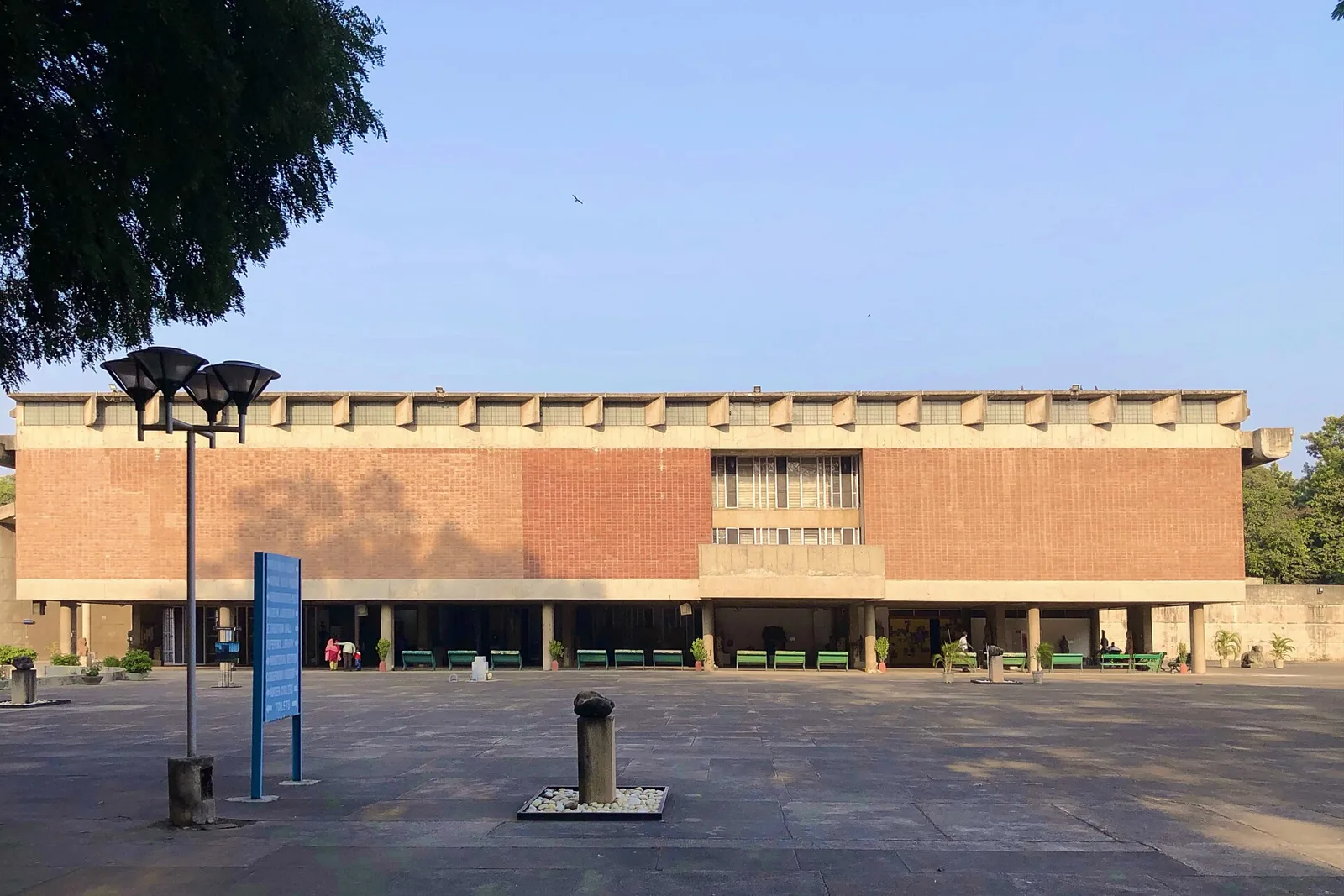
Government Museum and Art Gallery
Chandigarh’s Government Museum and Art Gallery is a public museum displaying Gandharan artefacts, Indian sculpture and miniature paintings. Its collections also tell a story shaped by the Partition of India.
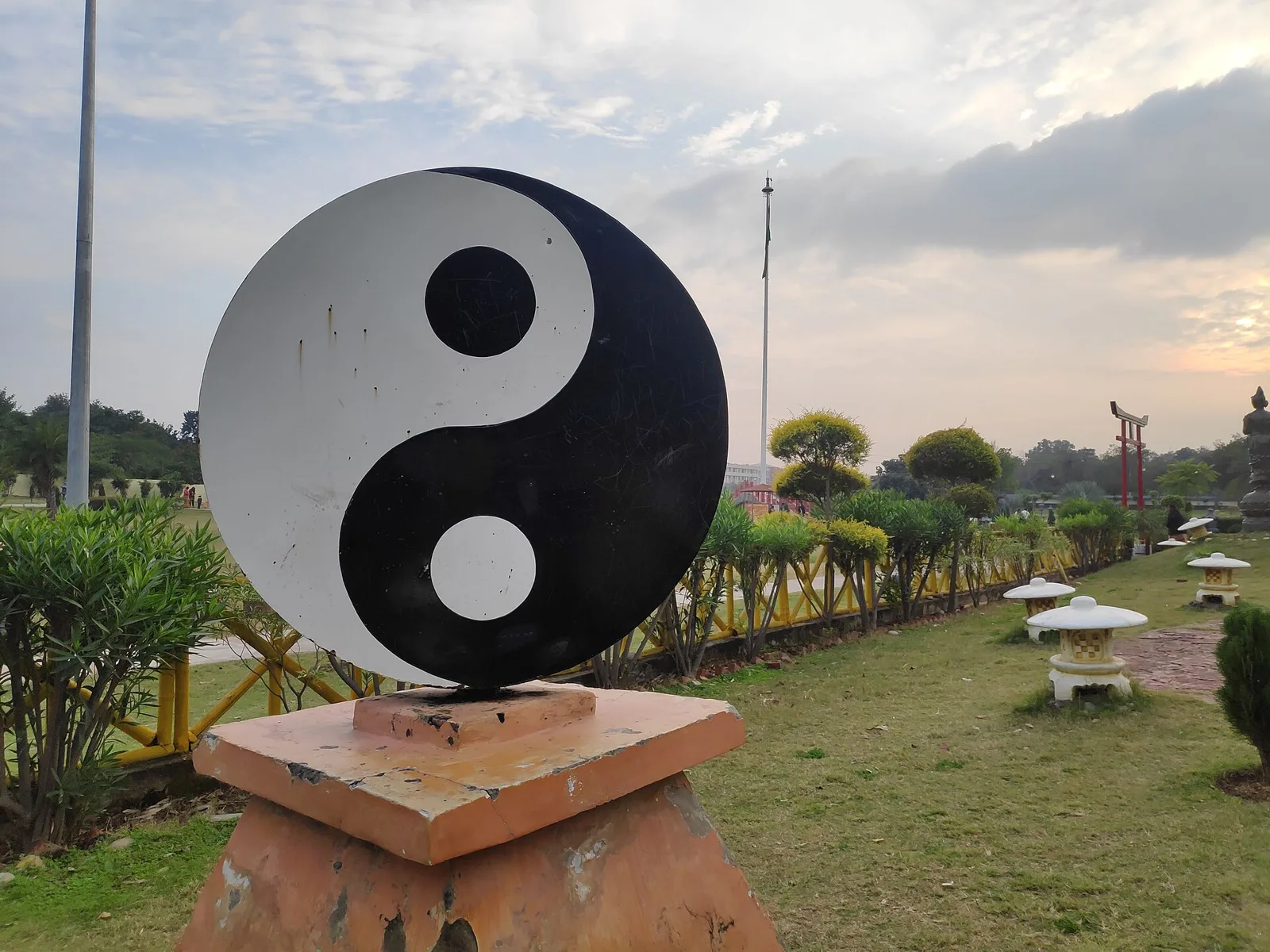
Japanese Garden
In Chandigarh’s Sector 31, the Japanese Garden is a landscaped park where visitors can explore Japanese-inspired design, water features, pagodas and a meditation centre.
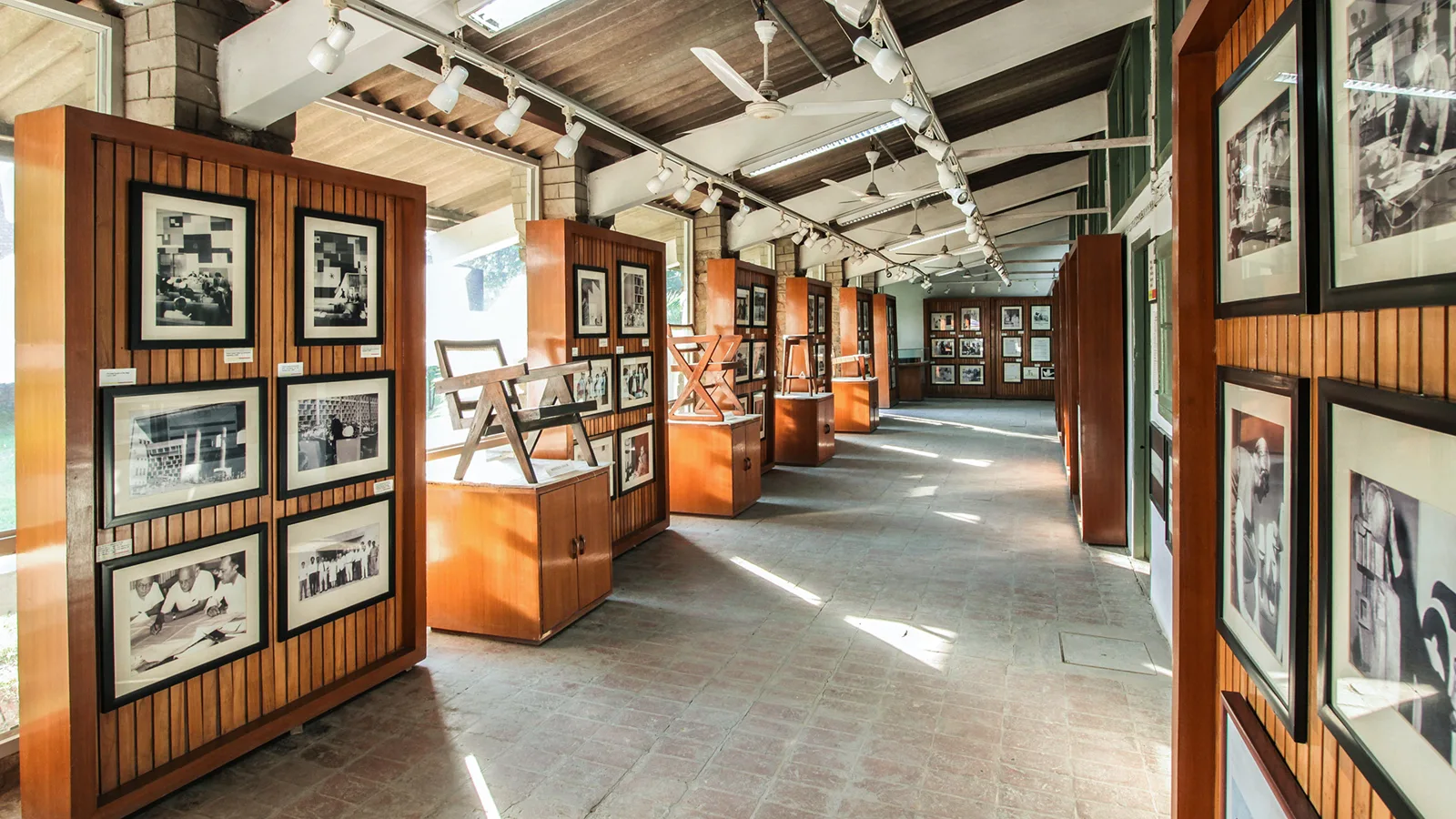
Le Corbusier Centre
Le Corbusier Centre is a museum or cultural centre in Chandigarh, within the union territory of the same name. People visit it as a museum or cultural venue in the district.
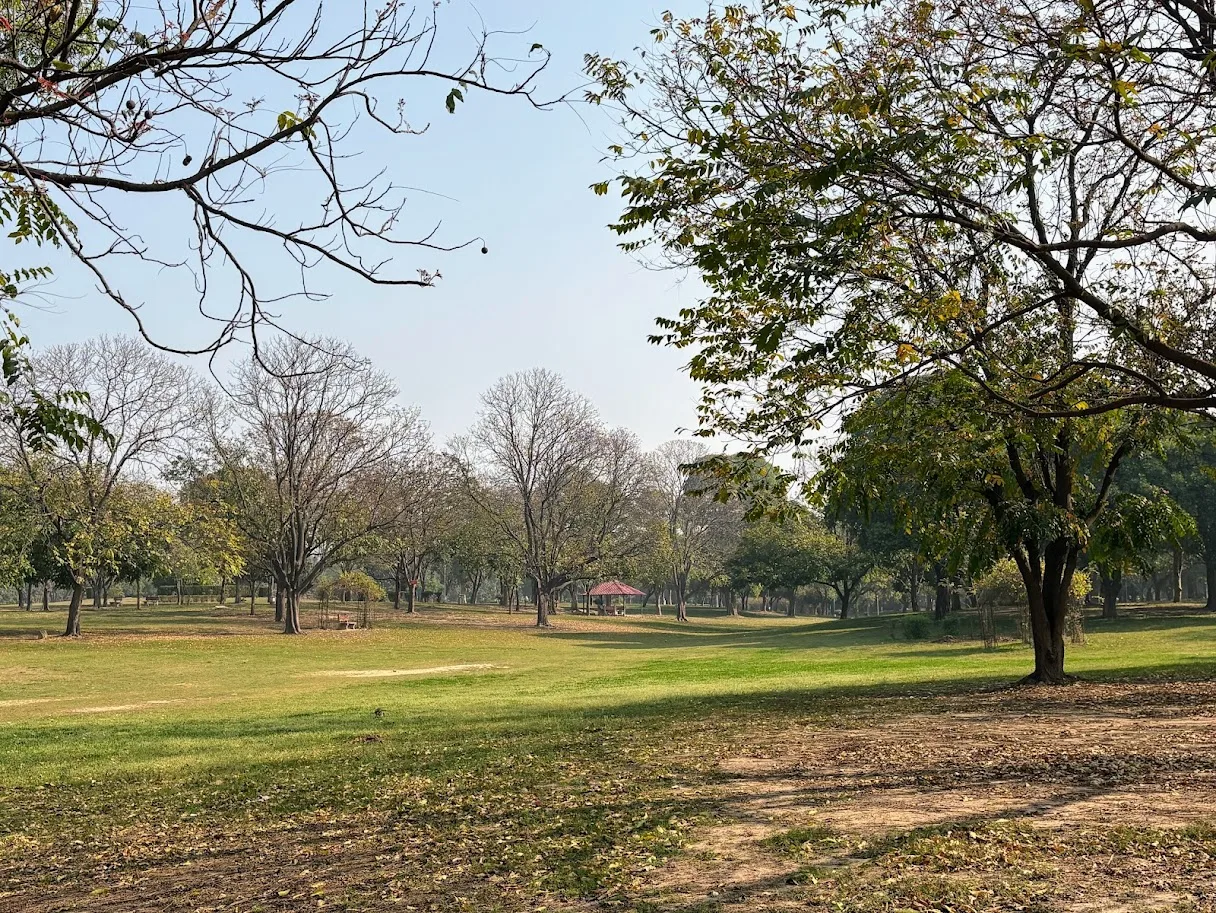
Leisure Valley
Chandigarh’s Leisure Valley is a long urban park created from a once-eroded landscape, with linked gardens that give residents space for physical activity and mental refreshment.
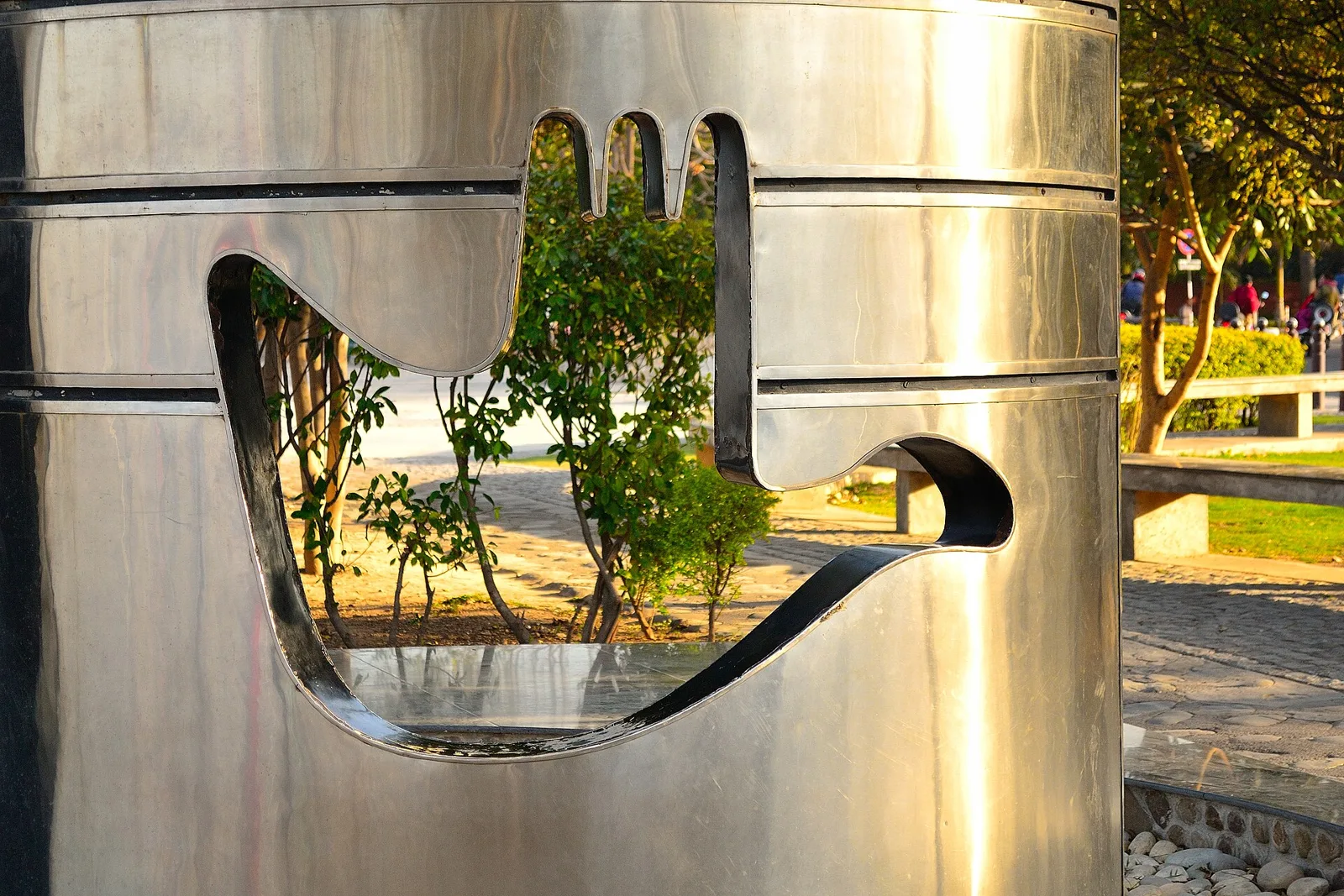
Open Hand Monument
The Open Hand Monument is a symbolic work by Le Corbusier in Chandigarh’s Capitol Complex, representing exchange, peace, prosperity and human unity. Visitors can see its large, wind-responsive metal form.
Chandigarh’s food reflects the wider Punjabi region, with hearty dishes such as dal makhani, sarson da saag with makki di roti, butter chicken, chole bhature and amritsari kulcha. These are commonly found alongside lassi, snacks and everyday North Indian meals. Saag is especially associated with the cool-season menu. Sector markets offer everything from street-side food to cafés, while Sectors 17, 22 and 35 are useful areas to explore; Sector 35 is known for Punjabi restaurants. Menus can vary between eateries, so ask what is freshly prepared that day.
Chandigarh is better known for modern architecture and planned urban design than for a distinct local craft tradition. The city is, however, a place to encounter arts and crafts from the wider region, including phulkari embroidery and textiles associated with Punjab. A locally significant art attraction is Nek Chand’s Rock Garden, whose sculptures and installations were assembled from discarded materials. Museums and craft outlets may also showcase work from Punjab and Haryana, so these regional traditions should not be mistaken for crafts unique to Chandigarh.
The city observes widely celebrated festivals such as Lohri in winter, Baisakhi in spring and Diwali in autumn, alongside events reflecting the cultures of Punjab and Haryana. Chandigarh’s Rose Festival, generally held in the cooler season, draws visitors to the city’s gardens and can make nearby areas busier. Cultural programmes and seasonal fairs may also attract local crowds. Festival periods and major events can increase demand for rooms, especially around central sectors, so visitors should check event schedules and arrange accommodation ahead when travelling during them.
Chandigarh lies on the northern plains beside the Shivalik foothills, with the hills most evident toward the city’s northern edge. Sukhna Lake and its catchment connect the urban area to the surrounding foothill landscape, while the Sukhna Wildlife Sanctuary protects woodland and other natural habitat in the hills. Seasonal streams, locally called choes, can affect routes during heavy monsoon rain. Within the city, broad roads, landscaped sectors, gardens and linear green spaces shape sightseeing. Most urban attractions are reached by road; nature visits may involve uneven paths and changing conditions.
Chandigarh has hot summers, a summer monsoon and cool winters. Summer heat can make midday sightseeing tiring, while monsoon showers may bring slippery paths, local waterlogging and changes to outdoor plans. Winter is generally the most comfortable season for walking through gardens and exploring the city’s architecture, though mornings and evenings can be chilly or foggy. The months from autumn through early spring are usually a good choice for a visit. Pack light, breathable clothing and sun protection in warmer months; in winter, bring layers. A compact rain layer and comfortable walking shoes are useful year-round.
Chandigarh International Airport and Chandigarh Junction are the main air and rail gateways for the city. The airport has connections with major Indian cities, while trains link Chandigarh with Delhi and other destinations. Road and bus services connect the city with Delhi and towns across Punjab, Haryana and neighbouring states; interstate buses use the Sector 17 and Sector 43 bus stands. Within Chandigarh, CTU city buses, auto-rickshaws and app-based cabs are practical options, with walking useful around some sector markets and central attractions. Check current transport services and local access arrangements before travelling.
Chandigarh’s planned road network makes it straightforward to move between central sectors, gardens, museums and the lake. City buses serve many areas, while auto-rickshaws and taxis are useful for shorter trips or reaching places less convenient by bus. App-based taxi services may also operate, subject to local availability. Visitors can combine nearby attractions on foot, but distances between sectors can be substantial. The sanctuary is approached by road from the city, with access within natural areas subject to local rules. Sukhna Lake is a destination rather than a transport link; there are no river or coastal routes between sights.
2 days: Chandigarh city → Capitol Complex (UNESCO) → Open Hand Monument → Rock Garden (Nek Chand) → Sukhna Lake → sleep each night in Chandigarh city. 3 days: Chandigarh city → Government Museum and Art Gallery → Chandigarh Architecture Museum → Le Corbusier Centre → Sector 17 Plaza → sleep in Chandigarh city; Sukhna Wildlife Sanctuary → Chandigarh Bird Park → Japanese Garden → sleep in Chandigarh city. 4 days: Chandigarh city → Leisure Valley → Zakir Hussain Rose Garden → Terraced Garden → Shanti Kunj → sleep in Chandigarh city; Sukhna Lake → Sukhna Wildlife Sanctuary → Rock Garden (Nek Chand) → sleep in Chandigarh city.
Chandigarh city is the practical base for all the listed destinations, with accommodation across central sectors and other parts of the urban area. Visitors can choose from hotels, guesthouses and some homestays; options and facilities vary by location. Staying centrally can simplify visits to museums, Sector 17 Plaza and the Capitol area, while other sectors may suit travellers prioritising parks or access to the city’s roads. Government accommodation and dharamshalas may be available, but eligibility and availability differ, so confirm arrangements directly before travelling.
Use marked paths and follow current access instructions in the Sukhna Wildlife Sanctuary; keep a respectful distance from wildlife and do not feed animals. Heat, sun exposure and monsoon showers can make outdoor visits demanding, so carry drinking water, use sun protection and check local conditions before setting out. Use treated or sealed drinking water if unsure about a supply. Traffic is busy on major roads, and rain can reduce visibility or create waterlogging. Mobile connectivity is generally available in the city but may be less reliable in natural areas. Check official local notices for any access restrictions or permit requirements; do not assume a permit is or is not needed.
- Panchkula · Haryanaabout 12 km
- Mohali · Punjababout 13 km
- Solan · Himachal Pradeshabout 28 km
- Fatehgarh Sahib · Punjababout 40 km
- Ambala · Haryanaabout 41 km
- Shimla · Himachal Pradeshabout 54 km
- Patiala · Punjababout 59 km
- Rupnagar · Punjababout 61 km
Straight-line distance between the centres of each district's destinations; road distance is longer.
Q: How many days should I spend in Chandigarh? A: Two days cover the main planned-city sights; three or four allow more time for museums, gardens and the sanctuary. Q: When is the best time to visit? A: Autumn through early spring is generally most comfortable for walking and outdoor sightseeing. Q: Where is the best base for visiting the district? A: Chandigarh city is the most convenient base for the listed attractions and transport connections. Q: How do I get to Chandigarh? A: The city is connected by road and rail, and has an airport; check current services and connections before travel. Q: Is Chandigarh suitable for families or elderly travellers? A: Yes. Many attractions are in the urban area, though walking distances, steps, heat and uneven natural paths may require planning.
This page draws on our 16 destination guides for Chandigarh and is updated as our team checks it.
Be the first to share photos, stories, advice or a helpful contact for Chandigarh.
Loading…