
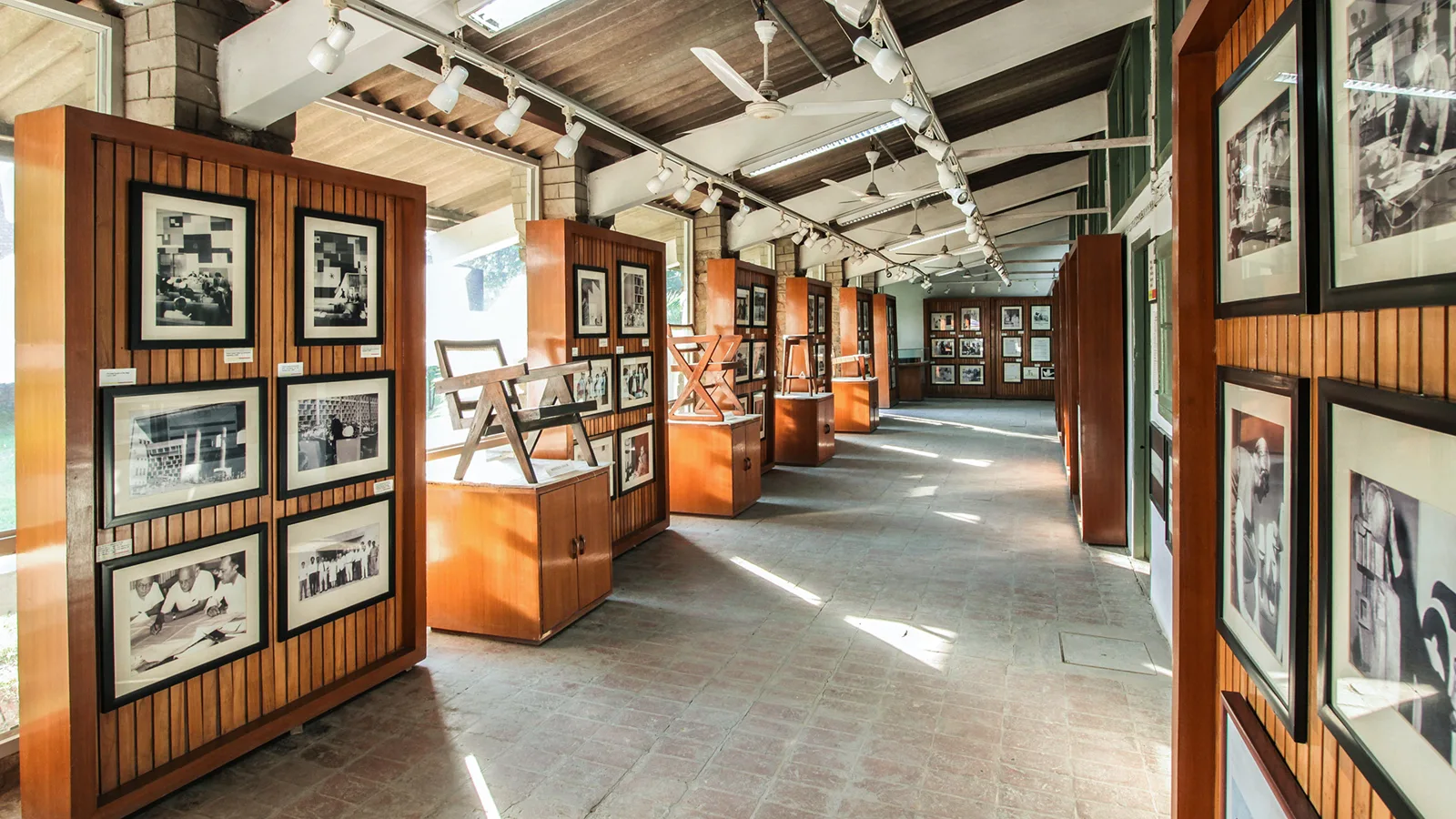
Le Corbusier Centre
Le Corbusier Centre is a museum or cultural centre in Chandigarh, within the union territory of the same name. People visit it as a museum or cultural venue in the district.
Key facts · verified by Ghumoopedia editors
- Type of place
- Heritage monument
- Best time to visit
- October to March
- Verified
- 21 Nov 2026
Situated in Chandigarh, a union territory, Le Corbusier Centre is described as a museum or cultural centre. It is included among places in that category in Chandigarh district. These details establish the centre’s setting and its general character, without specifying a narrower function. Its designation places it among Chandigarh’s museum and cultural venues, while its location identifies the union territory in which it is found. For visitors, the centre is a place to encounter Chandigarh’s museum or cultural-centre offering. The information about it identifies its location and broad classification, but does not give a more specific account of its role. It can therefore be described simply as a museum or cultural destination in Chandigarh. Chandigarh is India's best-known planned city, designed by Le Corbusier in the 1950s with a grid of self-contained sectors, wide tree-lined avenues, the modernist Capitol Complex, Nek Chand's Rock Garden of recycled sculptures, Sukhna Lake and the Shivalik hills on its northern edge; it is the shared capital of Punjab and Haryana. Summers from April to June are very hot, often above 40 °C; the monsoon brings rain in July and August; winters are cold and foggy, especially in December and January. October–November and February–March are the most pleasant. The usual best time to visit is October to March. For official information, see Chandigarh Tourism at https://chandigarhtourism.gov.in.
Why it matters
Le Corbusier Centre is listed in the Ghumoopedia Chandigarh index as a museum or cultural centre in Chandigarh district. Its name connects it with the city’s wider story: Chandigarh was planned in the 1950s, with Le Corbusier among the principal architects involved in its design. No claim of UNESCO status, ASI protection or other formal heritage designation is made here. Treat a visit as an opportunity to learn more about Chandigarh’s modernist heritage, subject to confirming that the Centre is open and accessible. For reliable current information, consult Chandigarh Tourism or ask locally.
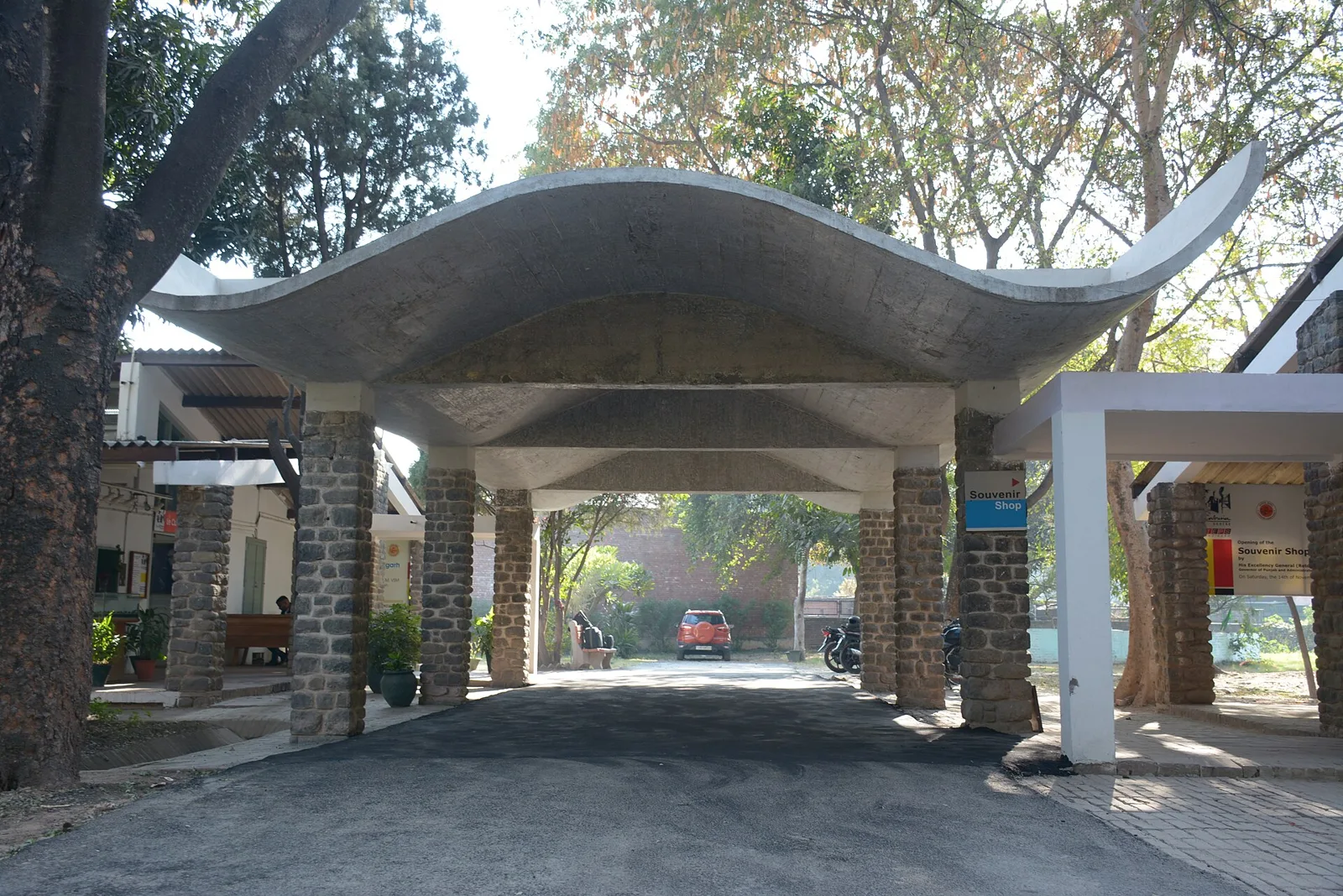
It would therefore be misleading to assign it a construction date, name a builder or describe a sequence of changes as established fact. The broader context is better documented: Chandigarh was planned as a new city after the Partition of India, and Le Corbusier, working with a team that included Indian architects and planners, helped shape its master plan and major civic architecture in the 1950s. The city’s sector-based plan and modernist public buildings remain important to its identity. The Centre’s name suggests a connection to this history, but the nature of that connection and any archival material on display should be confirmed with its managing authority. Before visiting, check whether the institution is operating, what its current purpose is and whether interpretation or guided visits are available.
Origin stories & folklore
Chandigarh’s best-known stories are associated with other places and themes, including the creation of Nek Chand’s Rock Garden from discarded materials and local accounts of the city’s transformation into a planned capital. These should not be presented as traditions of the Centre itself. Visitors may encounter personal recollections about Chandigarh’s planning, its early residents or the architects who worked on the city; treat such accounts as memories or interpretations unless supported by reliable records. Ask a local guide or the Centre’s staff whether there are documented oral histories connected with the building or its collections.
Architecture & design
Do not assume that the building was designed by Le Corbusier merely because his name is attached to the institution. Chandigarh’s broader architectural setting is associated with modernist planning, reinforced-concrete construction and civic buildings designed for a new administrative capital, but those general features cannot safely be attributed to this particular site. If the Centre is open, look for any publicly accessible interpretation explaining the building’s original purpose, architect, alterations and relationship to the city plan. Check whether visitors may enter all rooms or only designated areas. For architectural context, Chandigarh’s Capitol Complex is a separate major modernist ensemble; confirm access arrangements before including it in the same visit.
Important objects & sculptures
Its name alone is not enough to establish that original architectural drawings, furniture or personal belongings are displayed. If the Centre is open, check its current exhibition information and ask staff which objects are original, which are reproductions and whether any items are temporarily unavailable. A guide or interpretation board may help explain how a displayed object relates to Chandigarh’s planning and architectural history. Do not touch objects or use flash where restricted, and follow any instructions about bags or photography.
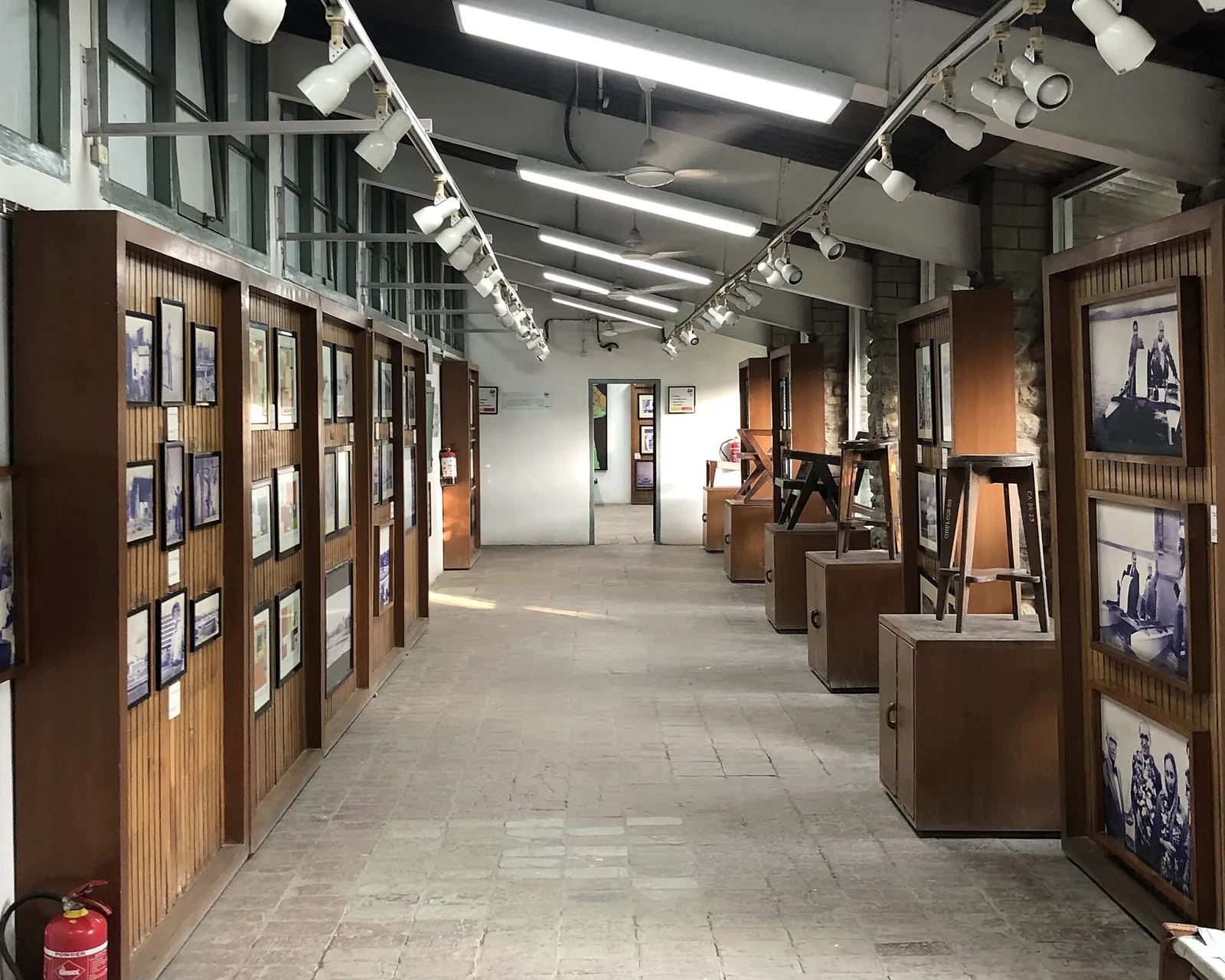
Explore Le Corbusier Centre slowly and read the interpretation boards, or hire an authorised guide to understand its history. Check opening days, ticket counters and camera rules in advance; many monuments and museums close on one weekday and on some public holidays. Early morning gives softer light, cooler air and smaller crowds. A comfortable itinerary is one main visit in the morning, a local meal at midday and a short nearby stop before an afternoon return. Visit gardens and Sukhna Lake in the early morning or evening; spend the hottest hours in a museum. Use the district list on this site to find other places in Chandigarh, but check the route and its condition before combining stops. If a festival is on — such as the Rose Festival in February, the Chrysanthemum Show in December, the Mango Festival in summer or Teej — transport and stays can be busy, and the experience can be unforgettable. Keep the city's gardens clean, and use the bins provided.
Suggested itineraries
Half day: Confirm the Centre is open; allow about 1–2 hours to visit and read any interpretation; take a meal break; add one nearby garden or museum after checking the route. Full day: Begin with the Centre if open; spend about 1–2 hours there; visit the Capitol Complex or Government Museum and Art Gallery subject to access; pause for lunch; finish at the Rock Garden or Sukhna Lake. Gentler option: Confirm step-free access in advance; arrange a taxi close to the entrance; focus on a short visit and one nearby stop with places to sit.
Its subject places it within Chandigarh’s wider conversation about modern architecture, urban planning and the city’s shared civic identity. Across Chandigarh, Hindi and Punjabi are widely used, and visitors may also hear English in public and cultural settings. Customs and activities at the Centre may depend on its current management and programme; ask locally rather than expecting a particular performance, workshop or guided session. In the wider city, residents use public gardens, markets and Sukhna Lake as everyday leisure spaces. Be considerate in shared spaces, keep gardens clean and follow staff guidance at heritage or cultural sites.
Festivals & events
Chandigarh’s wider calendar includes the Rose Festival, usually associated with February, the Chrysanthemum Show, usually held in December, and the Mango Festival in summer; Teej is also observed in the region. These events can make city gardens, markets, roads and accommodation busier, though their venues and programmes vary. Confirm current arrangements with Chandigarh Tourism before planning around a festival. If the Centre is part of a special programme, expect possible changes to access or visitor numbers and follow any local entry instructions.
Local food in Chandigarh includes Punjabi dhaba food such as dal makhani, sarson da saag with makki di roti, butter chicken, chole bhature and amritsari kulcha, lassi, and the cafés and food streets of Sectors 17, 22 and 35. Ask what is fresh that day; many small eateries cook a limited daily menu. The sector markets have food for every budget, from street-side chole bhature to cafés; Sector 35 is known for Punjabi restaurants. Remote sites may have no restaurant at all. Carry water and snacks, eat a proper breakfast before long journeys, and ask your accommodation for a packed lunch if you are heading out early. Try a home-cooked or local meal when you can — it is often the best food on the route. Choose busy, clean places, drink sealed or filtered water, and carry your packaging back with you.
Shopping & local experiences
For Chandigarh-made crafts, books, clothing, household goods and everyday purchases, visitors can explore the city’s commercial sectors and established markets, checking locally for the most convenient option. A book on Chandigarh’s planning or architecture can be a useful memento if available from a museum or bookshop. The city also has a broad food scene, including Punjabi dishes and cafés; ask locally for options near the confirmed Centre location. Support legitimate sellers, check product details before buying and avoid removing plants or objects from public gardens.
October to March
These figures are calculated from map coordinates — actual road distance is longer. Chandigarh International Airport has flights from most metros, and Chandigarh Junction has fast trains from Delhi such as the Shatabdi and Vande Bharat expresses. Interstate buses run from the Sector 17 and Sector 43 bus stands. For the final leg, CTU city buses, app cabs, autos and rented bicycles on the city's cycle tracks cover the local area. A private taxi gives more flexibility for spread-out sights. When comparing train, bus and flight, count the complete door-to-door time: a flight saves the most time only if the onward transfer is short, while an overnight train can save a hotel night. For Chandigarh, a morning Shatabdi or Vande Bharat train from New Delhi (about three to four hours) is often as quick as flying once airport time is counted, and lands in the city; flights save time from distant cities. Book your return before you leave, because seats fill quickly on weekends, festivals and holidays. Current train numbers, timings, return services, ferry departures and fares are not listed here; check IRCTC and NTES for trains, the airline's own schedule for flights and the official operator for ships and ferries. No permit is needed to visit Chandigarh. Visits to the Capitol Complex (a UNESCO World Heritage Site) are by guided tour only: register at the tourist information point with your original photo ID, and expect security checks and limited days and timings. Traffic rules are strictly enforced, including helmets for all two-wheeler riders and seatbelts.
Getting around
Chandigarh can be explored by CTU city buses, app-based cabs, auto-rickshaws, rented bicycles and private taxis. Ask an auto driver to confirm the intended entrance, and allow extra time if combining spread-out sights. Walking may suit short, verified connections, but Chandigarh’s wide roads can make crossings and longer walks less convenient. Check locally for public parking and bicycle access; do not assume either is available at the Centre.
Hours, tickets & permissions
Museums and public attractions may require tickets, advance booking, identification or permission for particular areas; camera rules and restrictions on bags can also vary. Dress requirements, if any, should be checked with the managing authority rather than assumed. Confirm current hours, fees, entry conditions and holiday closures with Chandigarh Tourism or the Centre before setting out. Do not rely on an unverified online listing for same-day access.
Facilities
Toilets, drinking water, seating, a ticket counter, parking, guides and an ATM should not be assumed to be available on site. Check with the managing authority before visiting, especially if you need accessible toilets, a place to rest or assistance with entry. Chandigarh’s commercial sectors offer food and other services, but the most convenient options depend on the Centre’s confirmed location. Carry water and any essentials you need, and use public bins to keep the city’s gardens and streets clean.
Accessibility
Contact the managing authority before travelling if you use a wheelchair, stroller or walking aid, or if steps and long walks are a concern. Ask about drop-off access, door widths, accessible facilities and whether visitors can limit the route to a shorter section. Chandigarh’s planned sectors can involve broad roads and substantial distances between attractions; do not assume that nearby places are an easy walk apart. Older visitors may find a taxi and a shorter, seated visit more comfortable, depending on confirmed site conditions.
No permit is needed to visit Chandigarh. Visits to the Capitol Complex (a UNESCO World Heritage Site) are by guided tour only: register at the tourist information point with your original photo ID, and expect security checks and limited days and timings. Traffic rules are strictly enforced, including helmets for all two-wheeler riders and seatbelts. Carry a photo ID at all times and save the emergency number 112 and your accommodation's contact offline. Summer heat and winter fog are the main weather risks — carry water and a hat in summer, and allow extra time for trains and flights in foggy weather. Watch your belongings in crowds and on public transport, and follow posted instructions.
Photography
Do not assume that flash, tripods or commercial photography are permitted. For Chandigarh’s outdoor spaces, early morning or late afternoon often provides gentler light and more comfortable conditions. Use only public viewpoints and obey signs or staff instructions. Drone use may require permission and may be restricted around civic, heritage or administrative sites; check current rules before carrying or flying one. Ask before photographing visitors or staff, and be respectful if an event or private activity is taking place.
Choose a stay by the full journey to Le Corbusier Centre, not just the district name. Chandigarh has hotels in every range across the sectors, with the most choice near Sector 17, Sector 35 and the Industrial Area; Panchkula and Mohali next door add more options. In the hot months, check air-conditioning; in the monsoon, check that the property is reachable if roads flood or ferries are cancelled. Book in advance for weekends, festivals and the peak season (October to March). Confirm the exact location, meals included, check-in time and cancellation terms in writing. Avoid sending money to unverified contacts or touts at stations, airports and jetties. Carry some cash, as card and digital payments can be unreliable in remote areas.
Chandigarh offers several well-known places that may suit a wider visit, though routes and access should be checked once the Centre’s location is confirmed. The Capitol Complex is a major part of the city’s modernist heritage; Nek Chand’s Rock Garden is known for sculptures made from reused materials; Sukhna Lake is a popular waterfront and recreation area. The Government Museum and Art Gallery and the Zakir Hussain Rose Garden are other established city attractions.
For couples, Le Corbusier Centre rewards a slow pace: arrive early for soft light and fewer crowds, share a local meal and keep the evening free. Sunset boating on Sukhna Lake, an evening in the Rose Garden, the Rock Garden's winding paths or dinner in Sector 26 makes the trip memorable. Public displays of affection can be frowned upon in conservative communities and at religious sites, so be discreet. Keep a buffer in your itinerary, because weather and transport can delay plans.
Q: How much time should I allow for Le Corbusier Centre? A: If open, allow time to read the displays, and confirm the visit format with the managing authority. Q: When is the best season to visit Chandigarh? A: October to March is generally the most pleasant period. Summers can be very hot, while winter mornings may be cold or foggy. Q: Is there an entry fee or do I need to book? A: Check entry requirements and access arrangements with Chandigarh Tourism or the Centre before travelling. Q: Is the Centre suitable for children or elderly visitors? A: That depends on confirmed access, seating and facilities. Ask about steps, walking distances and assistance before visiting. Q: Where should I stay nearby? A: Choose lodging after checking its map location and your preferred transport.
Be the first to share photos, stories, advice or a helpful contact for Le Corbusier Centre.
Loading…