Ghumoopedia — Explore, Discover, Experience
Sign in
Capitol Complex (UNESCO), Chandigarh

Union Territory · North India

Chandigarh

Le Corbusier's planned city and Nek Chand's Rock Garden.

Capital
Chandigarh
Districts
1
Destinations
16
Plan a trip in Chandigarh

Overview

Understanding Chandigarh

Culture

Modernist architecture (UNESCO Capitol Complex).

Food

  • Punjabi street food

Festivals

  • Rose Festival

Experiences here

  • Heritage

Verified by the Ghumoopedia editorial team on 21 Nov 2026. Written and reviewed by Ghumoopedia's editors. Timings, fees and permits can change, so check them with the managing authority shortly before you travel.

The complete guide

Chandigarh: a traveller's guide

Why visit

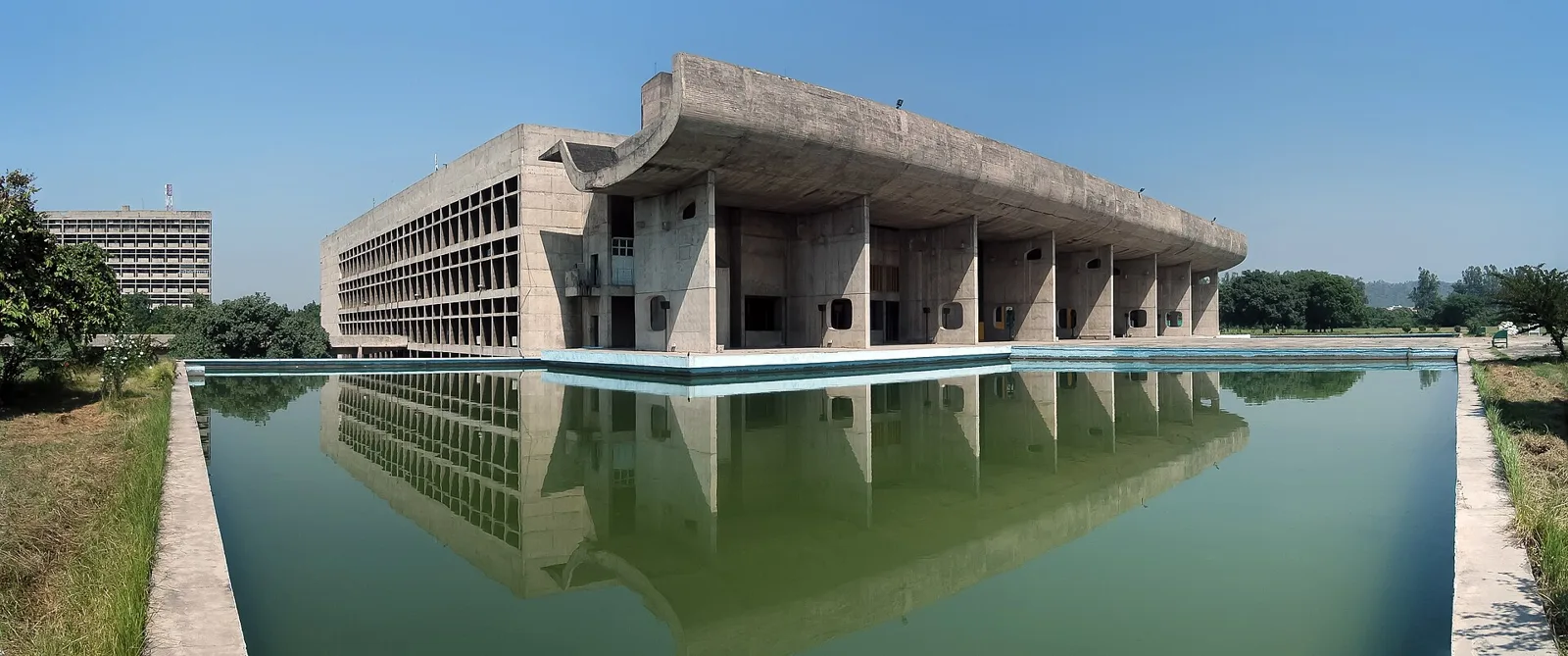
Chandigarh is both a Union Territory and the shared capital of Punjab and Haryana, but it feels unlike a conventional state capital. Planned in the years after Partition, it is known for an orderly sector grid, broad avenues, generous parks and modernist buildings associated with architect Le Corbusier and his collaborators. The Capitol Complex, recognised by UNESCO, and the handmade, exuberant Rock Garden created by Nek Chand reveal two very different ways of shaping the city. Sukhna Lake, gardens and the green corridor of Leisure Valley add breathing space to an urban visit.

The territory suits several kinds of trip: architecture and design-focused walks, relaxed family outings, museum visits, birdwatching and short breaks built around cafés and Punjabi food. Visitors can combine the Capitol Complex and Le Corbusier Centre with the Government Museum and Art Gallery, then spend time at Sukhna Lake or the Rose Garden. Chandigarh also works as a convenient base for journeys towards the Shivalik foothills, though its strongest appeal is the contrast between a carefully planned civic landscape and the everyday life of a lively North Indian city.
Landscape & climate

Chandigarh occupies a small, landlocked territory on the northern plains, close to the lower Shivalik Hills. The city’s sectors spread across gently sloping ground, with the foothills visible to the north and northeast. There is no coastline or large perennial river within the territory. Sukhna Lake, at the city’s northeastern edge, is a reservoir fed by local runoff; seasonal streams and drainage channels descend from the hills, and their flow can vary considerably with rainfall. Beyond built-up areas, wooded slopes and scrub habitat in the Shivaliks support birds and other wildlife, including the protected landscape of Sukhna Wildlife Sanctuary.

The climate has pronounced seasons. Summers, generally from April into June, can be very hot, while the monsoon usually brings rain and more humid conditions from around July into September. Winter, from roughly December to February, is cool to cold, with chilly mornings and occasional fog. Spring brings flowering trees and garden displays; the Zakir Hussain Rose Garden is particularly associated with the city’s annual Rose Festival. The greenery of Leisure Valley, Shanti Kunj and the Terraced Garden softens the urban setting, but these are designed parks rather than untouched countryside. For a nature outing, Sukhna Lake and the sanctuary offer a sense of the nearby foothill environment without requiring a long journey from the centre.

History & heritage

The name Chandigarh is commonly linked to the nearby Chandi temple and the settlement name meaning the fort of Chandi. The wider region has a long history of habitation and has been shaped by the political currents of the northwestern plains, including successive ancient and medieval powers. The present city, however, is modern. Before its construction, the site consisted largely of villages and agricultural land in the foothill plain. British rule governed this part of the region as part of colonial Punjab, but Chandigarh itself was not a colonial-era planned capital.

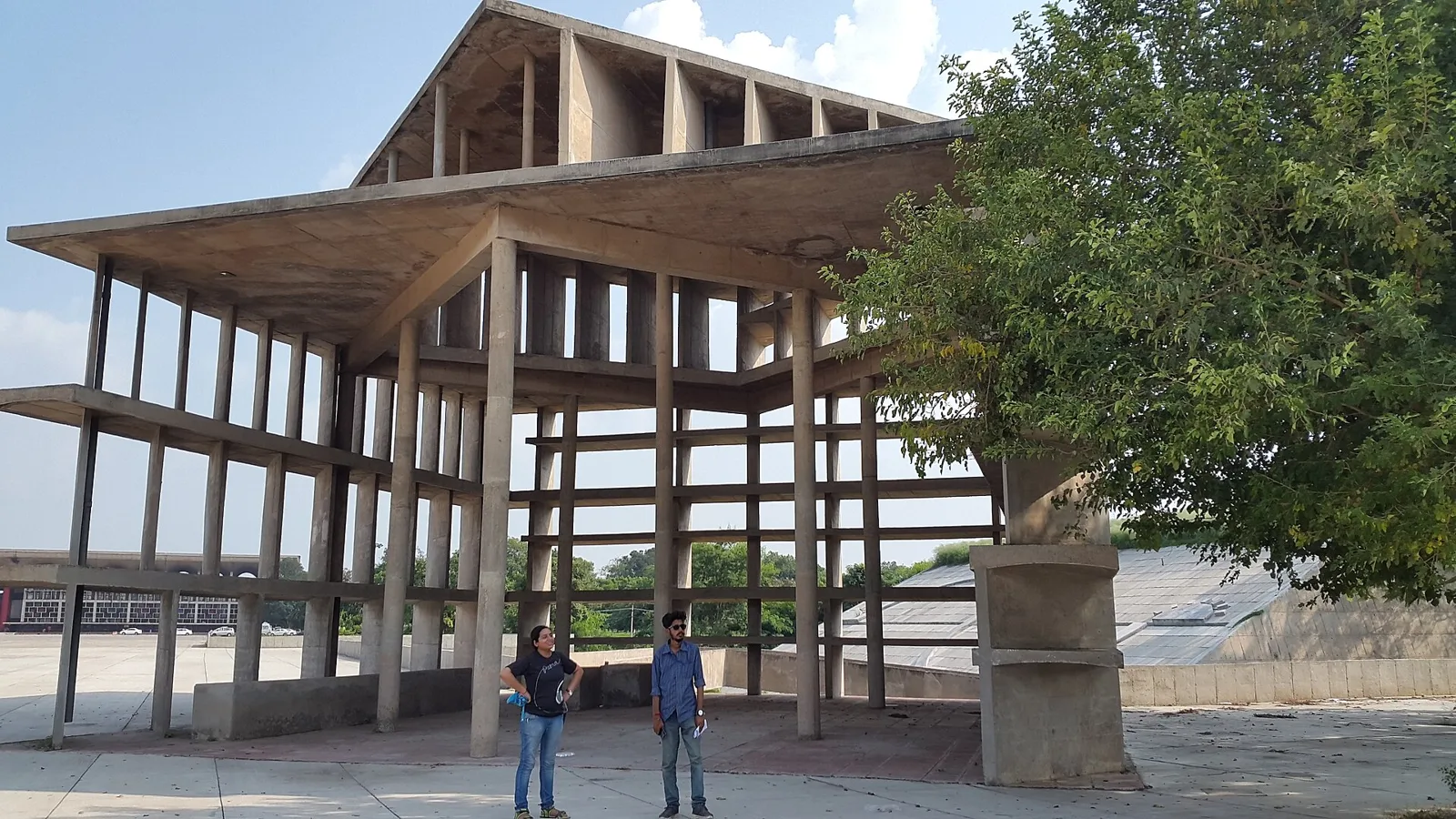
Partition in 1947 left Indian Punjab without its former capital, Lahore, which became part of Pakistan. The new city was conceived as a capital for Indian Punjab and as an emblem of reconstruction and forward-looking planning. Work began in the early 1950s, following plans developed under the leadership of Le Corbusier, with major contributions from his team, including Pierre Jeanneret, Jane Drew and Maxwell Fry. The plan organised the city into sectors and set aside prominent civic, residential and green spaces. The Capitol Complex, with the Secretariat, Legislative Assembly, High Court and Open Hand Monument, is its most internationally recognised architectural ensemble. UNESCO added the complex to its World Heritage List in 2016.

Chandigarh’s administrative story changed again when Punjab was reorganised in 1966 and Haryana was created. From then on, Chandigarh became a Union Territory and continued as the capital of both Punjab and Haryana, while remaining administratively distinct from the two states. Its heritage is therefore layered: older village landscapes, the post-Partition project of building a new capital, and a continuing role as a shared seat of government. The Rock Garden adds a striking alternative chapter. Nek Chand began assembling its sculptures from discarded materials, turning a personal creative project into one of the city’s best-known cultural landmarks.

Culture, people & festivals

Chandigarh’s public life reflects its position between Punjab and Haryana and its history as a destination for people arriving from across India. Punjabi and Hindi are widely heard, while English is common in education, administration and business. Sikh and Hindu communities are prominent, alongside residents of other faiths and backgrounds. Gurdwaras, temples, churches and mosques serve local neighbourhoods, and the city’s cultural calendar brings together both Punjabi seasonal customs and celebrations followed across India. Its planned avenues and institutional buildings coexist with busy markets, cafés, campuses and family gathering places.

Punjabi music and dance are part of the city’s social scene: bhangra is associated with energetic group dancing, while giddha is a women’s folk dance traditionally accompanied by rhythmic clapping and boliyan, or short sung verses. Lohri, usually celebrated in January, brings bonfires and seasonal songs; Vaisakhi in April is important in the Punjabi calendar and especially significant to Sikhs. The Rose Festival, usually held in February, centres on the city’s rose garden and commonly features cultural performances and public activities. Diwali, Holi and other widely observed festivals also animate neighbourhoods and public spaces. Dates for festivals tied to lunar calendars vary from year to year, so check local announcements when planning a visit.

Food & flavours

Chandigarh’s everyday food draws strongly on Punjabi cooking, with plenty of wheat breads, lentils, dairy, seasonal vegetables and robustly seasoned dishes. A meal might include tandoori roti or naan with dal makhani, chole, rajma or a paneer preparation; rice is also common. Punjabi street food is easy to find around markets and food hubs, including chole bhature, samosas, tikki, stuffed parathas and grilled snacks. Lassi, often thick and served sweet or salted, is a familiar accompaniment. Menus vary from traditional dhabas and casual eateries to restaurants serving food from across India.

Seasonal produce shapes home-style cooking: sarson da saag with makki di roti is especially associated with winter, while other greens, pulses and vegetables appear through the year. Tandoori cooking, pickles and chutneys add smoky, tangy or spicy notes. For sweets, look for jalebi, gulab jamun, kheer and the milk-based treats found in local sweet shops; pinnis and rewri are also associated with winter and Punjabi festive traditions. Chandigarh’s location means menus can reflect neighbouring Punjab and Haryana as well as the tastes of residents who have moved here from elsewhere. Ask about spice levels and ingredients if needed, and choose busy food stalls with good turnover for freshly prepared street snacks.

Crafts, textiles & what to buy

Chandigarh is better known for architecture, museums and design than for a distinct tradition of village-made crafts within its small territory. Visitors can browse city markets and museum shops for books on modernist architecture, prints, homewares, small decorative objects and souvenirs inspired by the Capitol Complex or Rock Garden. The Rock Garden itself is a memorable example of creative reuse: its sculptures incorporate discarded and reclaimed materials, though it is a public artwork rather than a place to shop for replicas. Local galleries and cultural venues may also carry work by contemporary artists and makers.

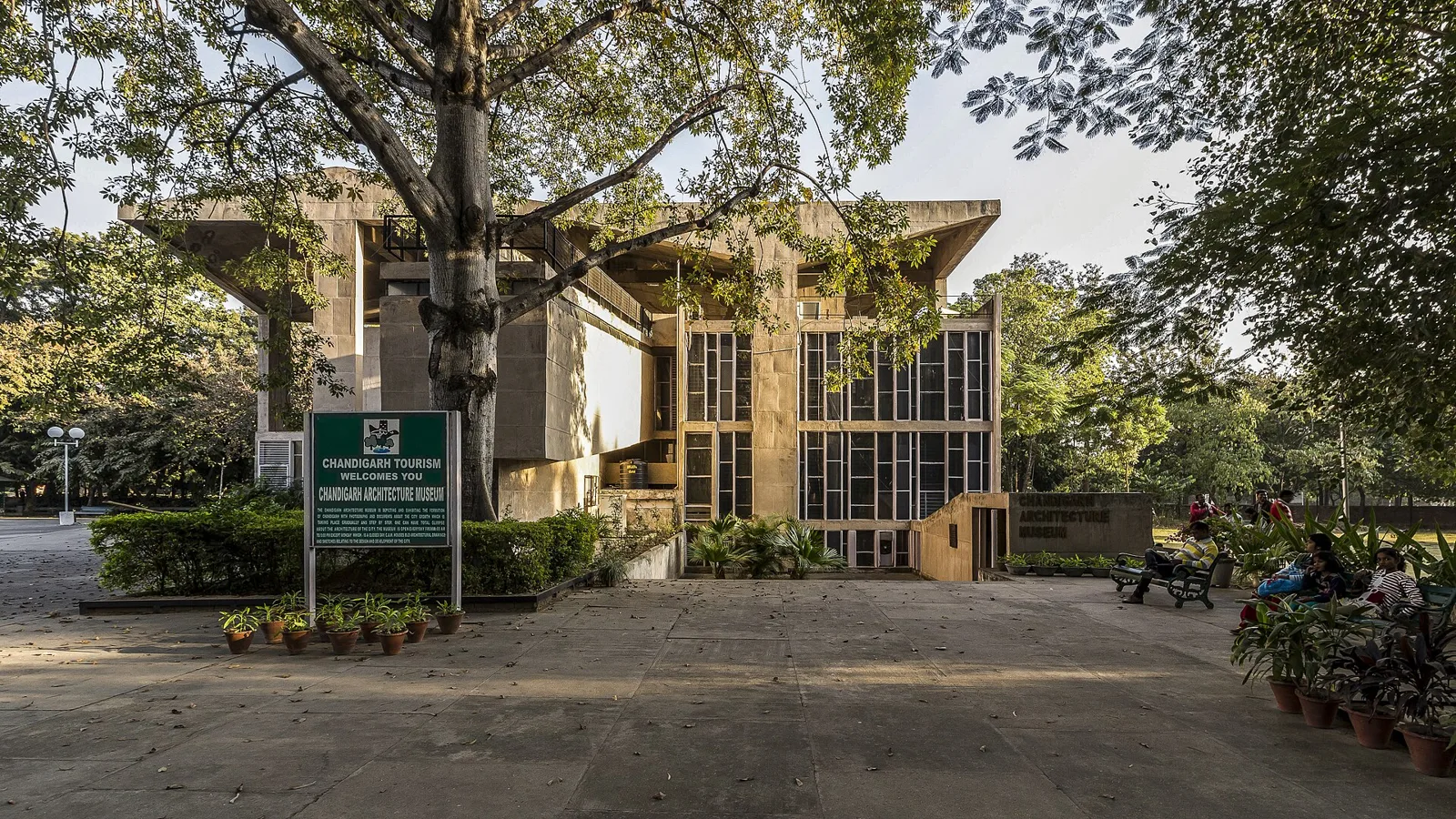
For a wider regional craft selection, Chandigarh’s markets can be a convenient place to look for Punjabi textiles and embroidery. Phulkari, the richly embroidered cloth tradition associated with Punjab, is a GI-tagged product of the neighbouring state, not a craft originating specifically in Chandigarh; ask sellers about provenance and workmanship. Other regional purchases may include hand-embroidered accessories, woven goods, juttis and decorative household items, with quality and origin varying by shop. Compare stitching, materials and finishing, and favour clearly described handmade work over products presented with unverifiable claims. The Government Museum and Art Gallery and Chandigarh Architecture Museum offer context for the region’s artistic and design heritage, even when their collections are not retail outlets.

Getting there & getting around

Chandigarh is served by Shaheed Bhagat Singh International Airport, located near the city in the Mohali area of Punjab, with road connections into Chandigarh and surrounding towns. Chandigarh Railway Station links the territory with major cities; for some journeys, travellers also use larger rail junctions such as Ambala Cantonment, depending on their route. The city is connected by road to Delhi and other northern destinations through the corridor towards Ambala and National Highway 44, and towards the hills via National Highway 5 in the direction of Kalka and Shimla. Confirm current route conditions and transport connections before setting out, particularly during bad weather.

Within the territory, taxis, app-based cabs, auto-rickshaws and local buses can cover most visitor journeys. Chandigarh’s sector grid makes navigation relatively straightforward, but distances between attractions can still be substantial, so plan clusters rather than assuming everything is walkable. The Rock Garden, Sukhna Lake, Capitol Complex and nearby museums can be combined thoughtfully, while Sector 17 Plaza and the Rose Garden suit separate stops depending on the day’s plan. Walking and cycling are pleasant on selected green paths and quieter streets, though traffic crossings and summer heat call for care. Capitol Complex visits may be subject to access arrangements or visitor procedures; confirm current entry requirements through official sources. No special permit is generally needed for ordinary travel around the city.

When to go & travel tips

October to March is generally the most comfortable period for city sightseeing, with winter days often pleasant but mornings and evenings chilly. February is a good choice for gardens and the usual Rose Festival season, though event dates can change. Spring is also attractive for outdoor walks. Summer heat can make midday visits tiring, while monsoon showers may affect outdoor plans; if heading towards the Shivalik foothills, check local weather and road conditions. Pack sun protection and light clothing for warm months, a reusable water bottle, and a warm layer for winter, especially for early starts.

Wear comfortable shoes for the Rock Garden, parks and architectural visits, and carry identification where required by official visitor procedures. At religious sites, dress respectfully, follow posted rules and remove footwear when requested. Ask before photographing people, ceremonies or restricted government spaces; photography rules can differ around the Capitol Complex. Use marked crossings, take care in traffic and avoid feeding wildlife at Sukhna Lake or in the sanctuary. Keep valuables secure in crowded markets, use reputable transport, and check official sources for current access, weather and event information. Respect planted areas and public spaces, which are central to Chandigarh’s carefully maintained green character.

Highlights

Where to begin

City by city

Cities & hubs of Chandigarh

Every sight is grouped under its city — places within about 12 km together, day trips within 40 km alongside — even across district lines. Open a city to see its attractions.

See every city, town and village of Chandigarh

More cities of Chandigarh

Away from the cities — 4 more places by district

District discovery

Chandigarh: 1 district covered

Open a district to see its destinations and neighbours. More districts are added as our team writes them.

1 of 1 districts have destination guides

Destinations

Every guide in this state

Open a district to see its cities and towns, villages and places to see.

Festivals & fairs

The calendar here

Full calendar

Festivals of Chandigarh through the year

Usual season and where each is best known. Exact dates follow local calendars — linked festivals have dated guides.

  • Rose FestivalFebruary–MarchZakir Hussain Rose Garden.
  • Chandigarh CarnivalNovember
  • Lohri, Baisakhi and Teej celebrated as in neighbouring Punjab and Haryana
From travellers and locals

Be the first to share photos, stories, advice or a helpful contact for Chandigarh.

Loading…