

Sukhna Lake
Sukhna Lake is a rain-fed reservoir and wetland in Chandigarh, associated with Sukhna Wildlife Sanctuary. Visitors come to see the lake and its sanctuary setting.
Key facts · verified by Ghumoopedia editors
- Type of place
- National park / sanctuary
- Best time to visit
- October to March
- Nearest railway station
- Chandigarh Junction · about 3 km (straight line)
- Nearest airport
- Chandigarh International Airport · about 7 km (straight line)
- Verified
- 21 Nov 2026
Plan a trip from Sukhna Lake — a day-by-day route through places nearby.
In Chandigarh, Sukhna Lake is a wetland and reservoir linked with Sukhna Wildlife Sanctuary, near the Shivalik range of the Himalayas. The rain-fed water body covers 3 km². Created in 1958, the lake formed after a barrier was built across Sukhna Choe, a seasonal stream descending from the Shivalik hills. Initially, the stream flowed directly into the water, carrying heavy amounts of silt. To limit this sediment, 25.42 km² of land in the catchment was acquired and planted with vegetation. In 1974, the Choe was rerouted around the lake. Water enters through three siltation pots, reducing the silt reaching the reservoir. Chandigarh is India's best-known planned city, designed by Le Corbusier in the 1950s with a grid of self-contained sectors, wide tree-lined avenues, the modernist Capitol Complex, Nek Chand's Rock Garden of recycled sculptures, Sukhna Lake and the Shivalik hills on its northern edge; it is the shared capital of Punjab and Haryana. Summers from April to June are very hot, often above 40 °C; the monsoon brings rain in July and August; winters are cold and foggy, especially in December and January. October–November and February–March are the most pleasant. The usual best time to visit is October to March. Timings, fees and access arrangements must be confirmed locally. For official information, see Chandigarh Tourism at https://chandigarhtourism.gov.in.
Why it matters
Sukhna Lake is a major public landscape and recreational landmark in Chandigarh, the union territory that is also the shared capital of Punjab and Haryana. The reservoir and its surrounding wetland sit at the city’s northern edge, where the planned urban grid meets the Shivalik foothills. The lake supports outdoor recreation and forms part of a wider catchment important to local wildlife; the Sukhna Wildlife Sanctuary protects land in this catchment. Chandigarh Tourism presents the lake as one of the city’s principal visitor attractions. It is not, in itself, a UNESCO World Heritage property or an ASI-protected monument; Chandigarh’s separately recognised Capitol Complex is a different site.
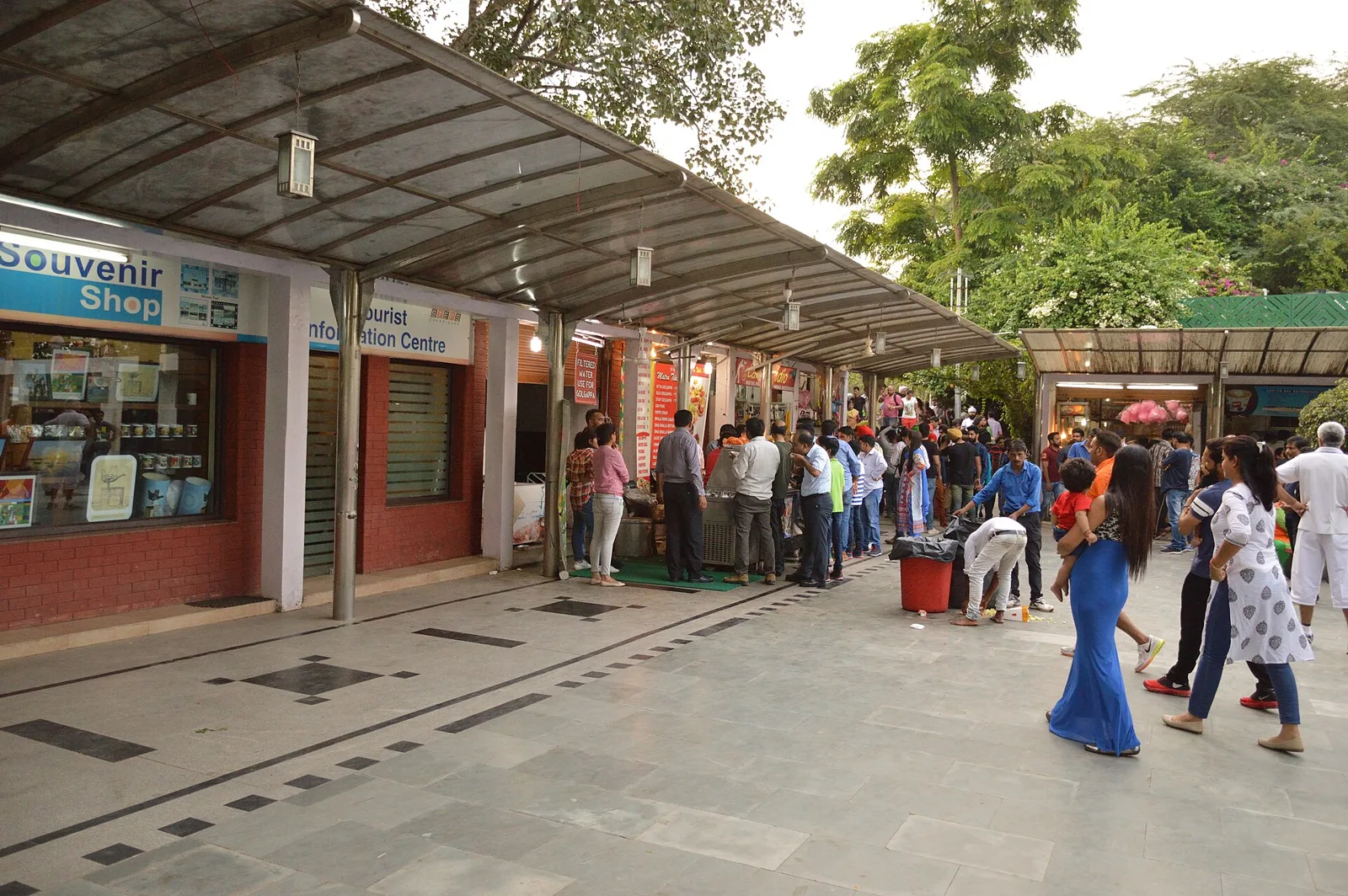
Sukhna Lake was created in 1958 as a rain-fed reservoir by damming the Sukhna Choe, a seasonal stream descending from the Shivalik hills. Its creation formed part of the development of Chandigarh, the planned city designed in the 1950s under Le Corbusier’s planning team. The lake became both a water feature within the city’s landscape and a place for public recreation. The stream originally flowed directly into the lake, carrying silt that gradually threatened its depth and capacity. To reduce this, land in the catchment was acquired and planted with vegetation to limit soil erosion. In 1974, the Choe was diverted to bypass the lake. Water then entered through three siltation pots, which were designed to trap sediment before it reached the reservoir. These measures changed how the lake was supplied and managed, while recognising that sediment control and catchment care remain ongoing needs. The lake’s wider catchment also includes the protected Sukhna Wildlife Sanctuary. Today, the reservoir and public promenade are familiar parts of Chandigarh’s civic life, alongside the city’s gardens and modernist architecture.
Spend unhurried time at Sukhna Lake: use marked paths and official viewpoints, and ask locally whether a guide, ticket or permission is needed. Enjoy the water from safe, marked points, and keep an eye on the tide. A comfortable itinerary is one main visit in the morning, a local meal at midday and a short nearby stop before an afternoon return. Visit gardens and Sukhna Lake in the early morning or evening; spend the hottest hours in a museum. Use the district list on this site to find other places in Chandigarh, but check the route and its condition before combining stops. If a festival is on — such as the Rose Festival in February, the Chrysanthemum Show in December, the Mango Festival in summer or Teej — transport and stays can be busy, and the experience can be unforgettable. Keep the city's gardens clean, and use the bins provided.
Suggested itineraries
Half day: Spend 1–2 hours on the public lakefront paths and viewpoints; take a relaxed break at a nearby food stop; allow time for the return journey. Full day: Begin with a morning lake visit of about 2 hours; have a local meal; spend 2–3 hours at the Rock Garden or Capitol Complex; finish with a short visit to a city garden, allowing for travel between stops. Gentler option: Choose a convenient lakefront access point, sit at a permitted viewpoint, and keep the visit short; arrange a taxi or car close to the access point and check the walking surface locally.
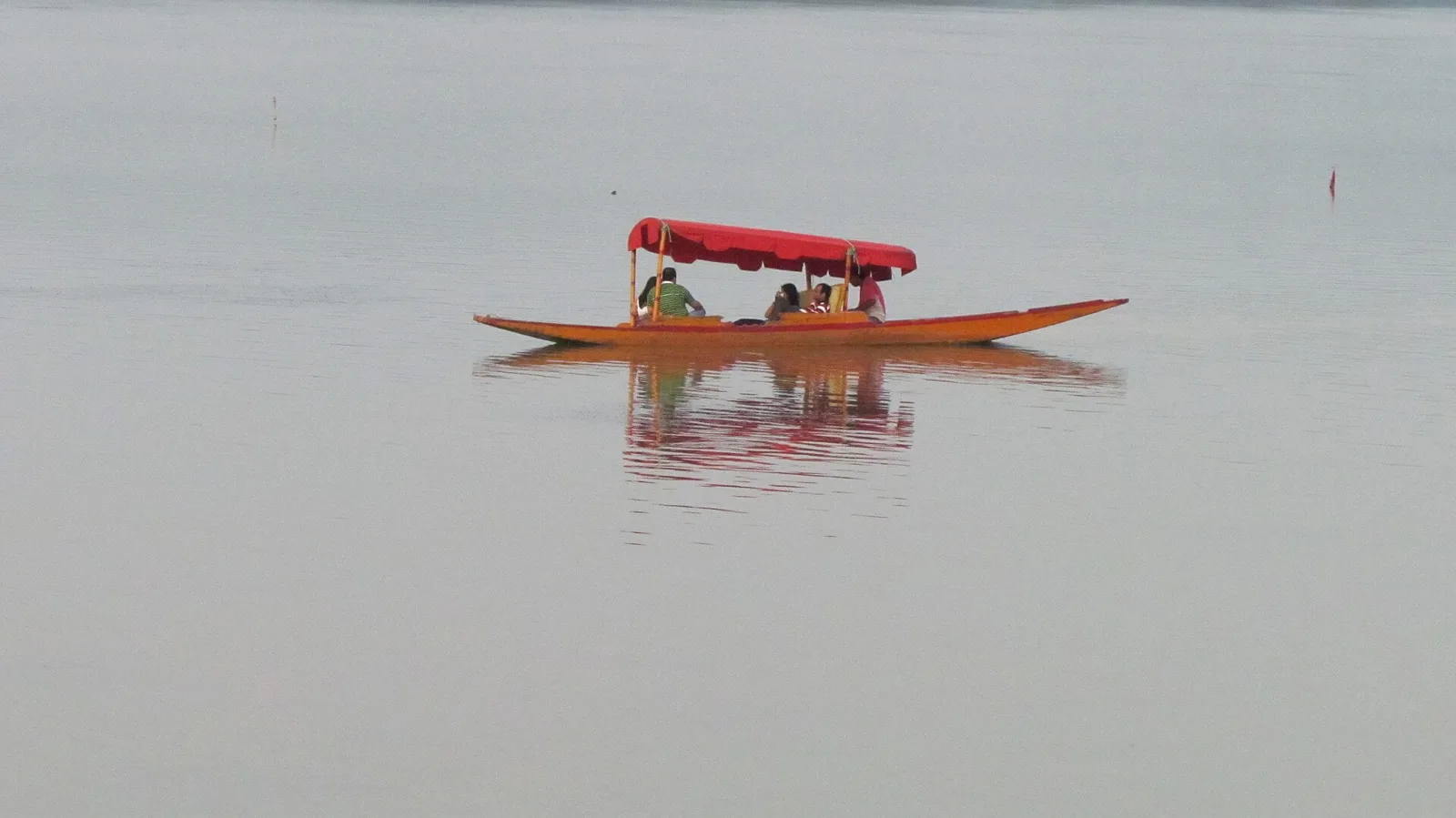
Sukhna Lake is a shared public setting rather than a venue for one distinct local tradition. Residents and visitors come to walk, spend time by the water, enjoy recreation and meet family or friends. The wider culture is that of Chandigarh: a multilingual city where Punjabi, Hindi and English are commonly heard, and where people from across India live and work. Punjabi food, music and celebrations are part of the city’s everyday cultural life, alongside the varied customs brought by its many residents. Dress is generally casual and urban; visitors should dress comfortably and respectfully, especially when visiting religious or cultural sites elsewhere in the city.
Local communities
The lake is used by Chandigarh residents, families, walkers, joggers, cyclists and visitors from Punjab, Haryana and farther afield. People working in the surrounding urban area include municipal and tourism staff, food vendors and other service workers. The wider wetland and sanctuary catchment also matter to people involved in conservation and environmental management. Treat the lake and sanctuary as shared public and ecological spaces: avoid disturbing wildlife, respect any restricted zones and follow directions from staff. The surrounding communities are diverse, and no single group should be treated as the sole custodian of the lake.
Festivals & events
Chandigarh’s Rose Festival, usually held in February, draws visitors to the city and can make local transport and accommodation busier. The Chrysanthemum Show is generally associated with December, while the Mango Festival takes place in summer; Teej is also celebrated in the region. These events are held at city venues rather than being regular lake festivals, though visitors may combine them with a lake visit. Event schedules and locations can vary from year to year. During major celebrations, allow extra time for travel and check current arrangements before setting out.
Local food in Chandigarh includes Punjabi dhaba food such as dal makhani, sarson da saag with makki di roti, butter chicken, chole bhature and amritsari kulcha, lassi, and the cafés and food streets of Sectors 17, 22 and 35. Ask what is fresh that day; many small eateries cook a limited daily menu. The sector markets have food for every budget, from street-side chole bhature to cafés; Sector 35 is known for Punjabi restaurants. Remote sites may have no restaurant at all. Carry water and snacks, eat a proper breakfast before long journeys, and ask your accommodation for a packed lunch if you are heading out early. Try a home-cooked or local meal when you can — it is often the best food on the route. Choose busy, clean places, drink sealed or filtered water, and carry your packaging back with you.
Shopping & local experiences
The lakefront is not primarily a shopping district. For souvenirs, visitors can look in Chandigarh’s markets for locally made crafts, textiles, pottery, books and small gifts; availability varies by shop. Sector markets and larger shopping areas offer everyday goods as well as regional products. Food stalls and nearby eateries may serve snacks and Punjabi dishes, but vendors and menus can change. Choose clean, reputable food outlets, use bins and avoid buying wildlife products or items made from protected plants or animals.
The reservoir lies beside the Shivalik foothills on Chandigarh’s northern edge and is fed by seasonal rainfall and managed inflows. Its wider catchment includes the Sukhna Wildlife Sanctuary, where protected land and vegetation help support the lake’s ecological setting and reduce erosion. The water, shore and surrounding greenery can attract waterbirds and other birdlife, particularly during seasonal movements, but sightings vary and are never guaranteed. Vegetation in the catchment includes planted and naturally occurring cover; conditions change with the season and rainfall. Stay on permitted paths and viewing areas, keep a respectful distance from wildlife and do not feed birds or other animals.
October to March
The nearest principal railway station by straight-line distance is Chandigarh Junction, roughly 3 km away. The nearest operating airport by straight-line distance is Chandigarh International Airport, roughly 7 km away. These figures are calculated from map coordinates — actual road distance is longer. Chandigarh International Airport has flights from most metros, and Chandigarh Junction has fast trains from Delhi such as the Shatabdi and Vande Bharat expresses. Interstate buses run from the Sector 17 and Sector 43 bus stands. For the final leg, CTU city buses, app cabs, autos and rented bicycles on the city's cycle tracks cover the local area. A private taxi gives more flexibility for spread-out sights. When comparing train, bus and flight, count the complete door-to-door time: a flight saves the most time only if the onward transfer is short, while an overnight train can save a hotel night. For Chandigarh, a morning Shatabdi or Vande Bharat train from New Delhi (about three to four hours) is often as quick as flying once airport time is counted, and lands in the city; flights save time from distant cities. Book your return before you leave, because seats fill quickly on weekends, festivals and holidays. Current train numbers, timings, return services, ferry departures and fares are not listed here; check IRCTC and NTES for trains, the airline's own schedule for flights and the official operator for ships and ferries. No permit is needed to visit Chandigarh. Visits to the Capitol Complex (a UNESCO World Heritage Site) are by guided tour only: register at the tourist information point with your original photo ID, and expect security checks and limited days and timings. Traffic rules are strictly enforced, including helmets for all two-wheeler riders and seatbelts.
Confirm onward and return timings on IRCTC / NTES, the state bus operator or your airline before travel. A dash means current timings or fares have not been verified.
Getting around
Autos, app-based cabs and taxis can bring visitors to the lakefront from elsewhere in Chandigarh. CTU city buses serve the city, but check locally for the most suitable stop and current service. Walking is practical along the public lakefront, while Chandigarh’s cycle tracks can make a bicycle useful for getting around the city. Parking is available in the area but can be busy, especially on weekends and during public events. Boating or other water activities should be used only where currently operating and officially permitted. Follow signs and staff directions, particularly near sanctuary or water-access boundaries.
Hours, tickets & permissions
Access arrangements differ between the public lakefront and protected parts of the Sukhna Wildlife Sanctuary. Entry to some areas or activities may be subject to local rules, permissions or charges; requirements can change. Do not assume that sanctuary access, boating or other activities are available simply because the lake promenade is open. Carry identification if requested by the managing authority, and check locally about photography restrictions, permits and any applicable fees. Confirm current opening arrangements and charges with Chandigarh Tourism or the relevant Chandigarh administration authority before visiting.
Facilities
The public lakefront usually has walking areas and visitor services nearby, with food and refreshments available in the surrounding area. Toilets, drinking water points, parking and seating may be available, but their location, condition and operating arrangements can change; check locally on arrival. The wider city has ATMs, shops and medical services, though these are not necessarily beside every lake access point. Guided visits and access to protected areas should be arranged only through authorised providers or the managing authority. Carry drinking water and take your rubbish with you if bins are not available.
Accessibility
The lakefront includes open walking areas, but routes can involve uneven surfaces, long distances or exposure to sun, and conditions may differ between access points. Do not assume that every path or viewpoint is step-free or suitable for a wheelchair or stroller. Visitors with limited mobility, older adults and families with young children may find it easier to choose one accessible-looking section, pause often and confirm the surface and nearby facilities locally. Shade can be limited along exposed stretches. Protected sanctuary areas may have different terrain and access restrictions from the public promenade.
No permit is needed to visit Chandigarh. Visits to the Capitol Complex (a UNESCO World Heritage Site) are by guided tour only: register at the tourist information point with your original photo ID, and expect security checks and limited days and timings. Traffic rules are strictly enforced, including helmets for all two-wheeler riders and seatbelts. Carry a photo ID at all times and save the emergency number 112 and your accommodation's contact offline. Summer heat and winter fog are the main weather risks — carry water and a hat in summer, and allow extra time for trains and flights in foggy weather. Keep behind barriers, never swim in unmarked spots or after drinking, and leave the water if the sea or currents change suddenly.
Visitor rules
Use marked public paths and viewpoints, and keep out of closed or protected areas. Follow instructions from lake staff and the sanctuary’s managing authority; do not enter the water except through an officially permitted activity. Wear practical footwear and dress comfortably and respectfully. Avoid feeding or approaching wildlife, disturbing birds, littering or leaving plastic behind; use bins where provided. Keep noise considerate and supervise children near the water. Access, boating and other activities may have separate regulations, so check current local notices before taking part.
Photography
Early morning and late afternoon often provide softer light over the water and the Shivalik-facing landscape. Use public paths and authorised viewpoints, and be considerate of other visitors when taking photographs. Personal photography is generally suitable in public areas, but restrictions may apply in protected or controlled zones; follow posted notices and staff directions. Do not assume drone use is allowed: check applicable permissions and local restrictions before flying one. Ask before photographing people closely, and avoid disturbing wildlife or interrupting cultural or religious activity.
Choose a stay by the full journey to Sukhna Lake, not just the district name. Chandigarh has hotels in every range across the sectors, with the most choice near Sector 17, Sector 35 and the Industrial Area; Panchkula and Mohali next door add more options. In the hot months, check air-conditioning; in the monsoon, check that the property is reachable if roads flood or ferries are cancelled. Book in advance for weekends, festivals and the peak season (October to March). Confirm the exact location, meals included, check-in time and cancellation terms in writing. Avoid sending money to unverified contacts or touts at stations, airports and jetties. Carry some cash, as card and digital payments can be unreliable in remote areas.
Within Chandigarh, the Rock Garden of Nek Chand offers a distinctive collection of sculptures made from reused materials. The Capitol Complex, designed as part of Chandigarh’s modernist civic centre, is a separate landmark and a UNESCO World Heritage property; access arrangements may apply. The Zakir Hussain Rose Garden and the Government Museum and Art Gallery are other established city attractions. Visitors with more time can consider Yadavindra Gardens at Pinjore in neighbouring Haryana. Check opening and access arrangements at each place, and allow for travel between sites rather than assuming they are all within walking distance of the lake.
For couples, Sukhna Lake rewards a slow pace: arrive early for soft light and fewer crowds, share a local meal and keep the evening free. Sunset boating on Sukhna Lake, an evening in the Rose Garden, the Rock Garden's winding paths or dinner in Sector 26 makes the trip memorable. Public displays of affection can be frowned upon in conservative communities and at religious sites, so be discreet. Keep a buffer in your itinerary, because weather and transport can delay plans.
Q: How much time should I allow for Sukhna Lake? A: A relaxed visit to the public lakefront can take a couple of hours; allow longer if combining it with other city sights. Q: What is the best season to visit? A: October to March is generally the most comfortable period. Summer can be very hot, while monsoon weather can affect outdoor plans. Q: Is there an entry fee or do I need permission? A: Requirements depend on the area and activity. Check current access rules and any charges with the relevant authority before visiting. Q: Is the lake suitable for children and older visitors? A: The public lakefront can suit a range of visitors, but walking distances, sun exposure and water edges require care. Choose a convenient access point and supervise children closely. Q: Where can I stay nearby? A: Chandigarh has accommodation across the city, including hotel options in central and commercial areas. Choose based on your transport needs and confirm current availability directly.
Be the first to share photos, stories, advice or a helpful contact for Sukhna Lake.
Loading…